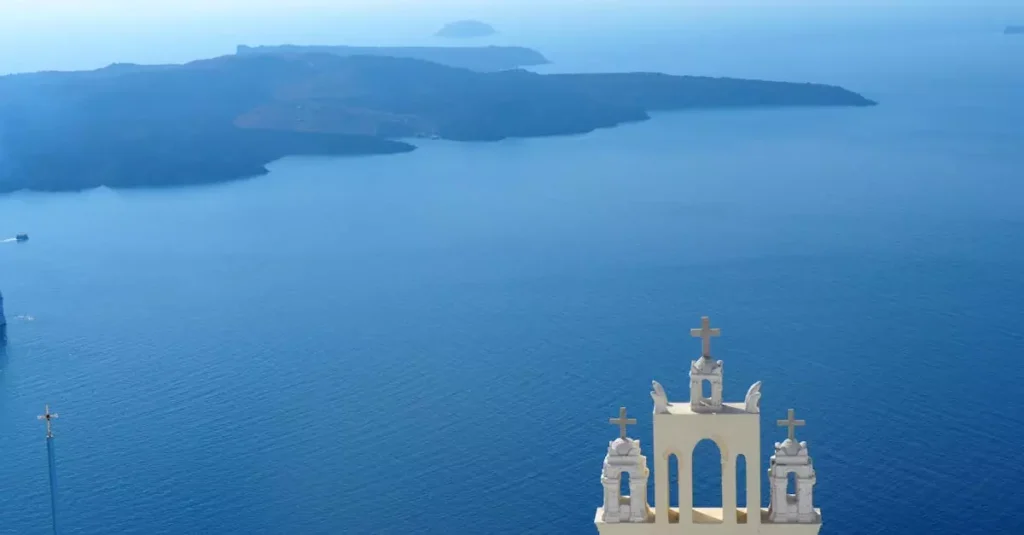
Dreaming of azure waters, sun-drenched beaches, and ancient history? Greece offers an unparalleled island experience, each destination brimming with its own unique charm. With such a vast array of landscapes, activities, and atmospheres, deciding which gems to visit can be overwhelming. This guide will help you navigate the archipelago to discover the best islands in Greece for your ideal vacation.
Whether you envision lounging on world-famous shores, exploring charming villages steeped in romance, embarking on family adventures, or delving into captivating history, we’ve curated insights for every type of traveler. Get ready to uncover diverse coastlines, hidden coves, and the rich culture of these Mediterranean paradises. Let’s begin planning your unforgettable Greek island escape.
Which Greek Islands Offer the Best Beaches?
When envisioning a Greek island vacation, images of sun-drenched shores and crystal-clear waters often come to mind. While many islands boast beautiful coastlines, certain destinations stand out for their exceptional beaches, catering to various preferences, from vibrant beach clubs to secluded coves.
Mykonos: Famous Beaches and Vibrant Nightlife
Mykonos is synonymous with its glamorous beach scene, attracting a lively crowd seeking both relaxation and entertainment. Paradise Beach and Super Paradise Beach are legendary for their beach bars, music, and energetic atmosphere, often continuing well into the night. For a more relaxed, yet still chic, experience, head to Psarou Beach, known for its clear waters and upscale dining options.
Travelers seeking the best beaches in Greece with a party vibe will find Mykonos hard to beat. Accessing these beaches is straightforward, with regular bus services from Mykonos Town and ample taxi options. Consider visiting during the shoulder seasons (May-June or September-October) for pleasant weather and fewer crowds.
Crete: Diverse Coastlines from Elafonissi to Balos
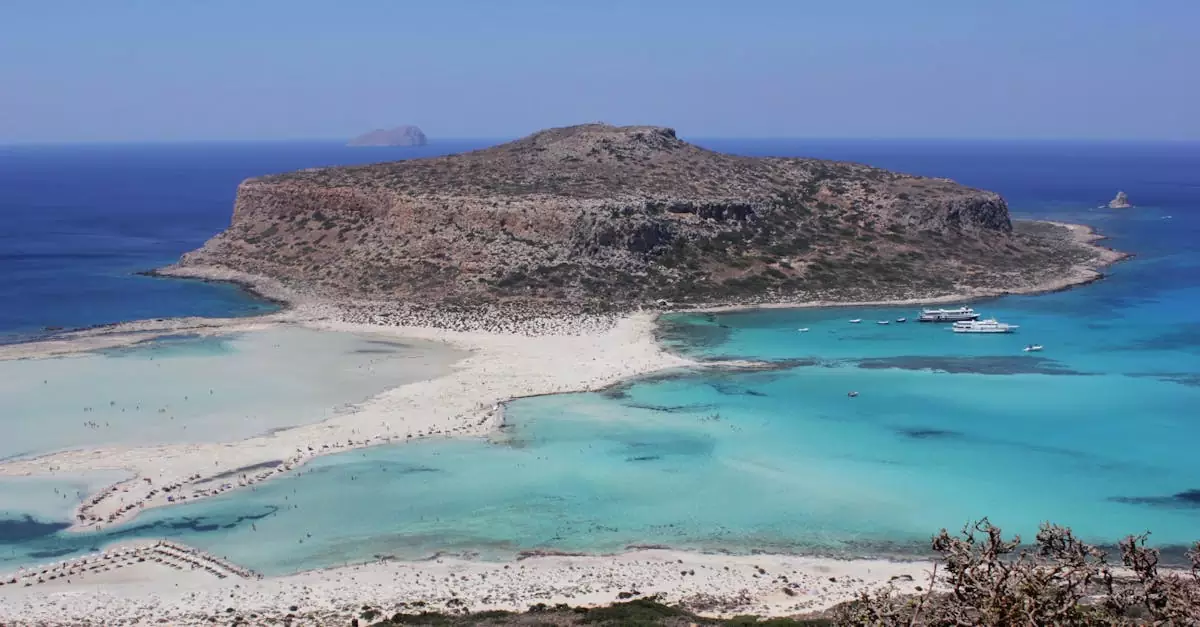
Crete, Greece’s largest island, offers an astonishing variety of beaches, each with its unique charm. Elafonissi Beach is famous for its pink sand and shallow turquoise lagoon, creating a surreal landscape. Balos Lagoon, accessible by boat or a challenging drive, presents a dramatic scene of wild natural beauty with shimmering waters and rugged surroundings.
Beyond these iconic spots, Crete’s coastline features numerous stunning beaches, from the sandy stretches of Falassarna to the secluded coves along the southern coast. This diversity makes Crete a top contender for varied beach experiences. To explore independently, consider renting a car.
Zakynthos: Shipwreck Beach and Turquoise Waters
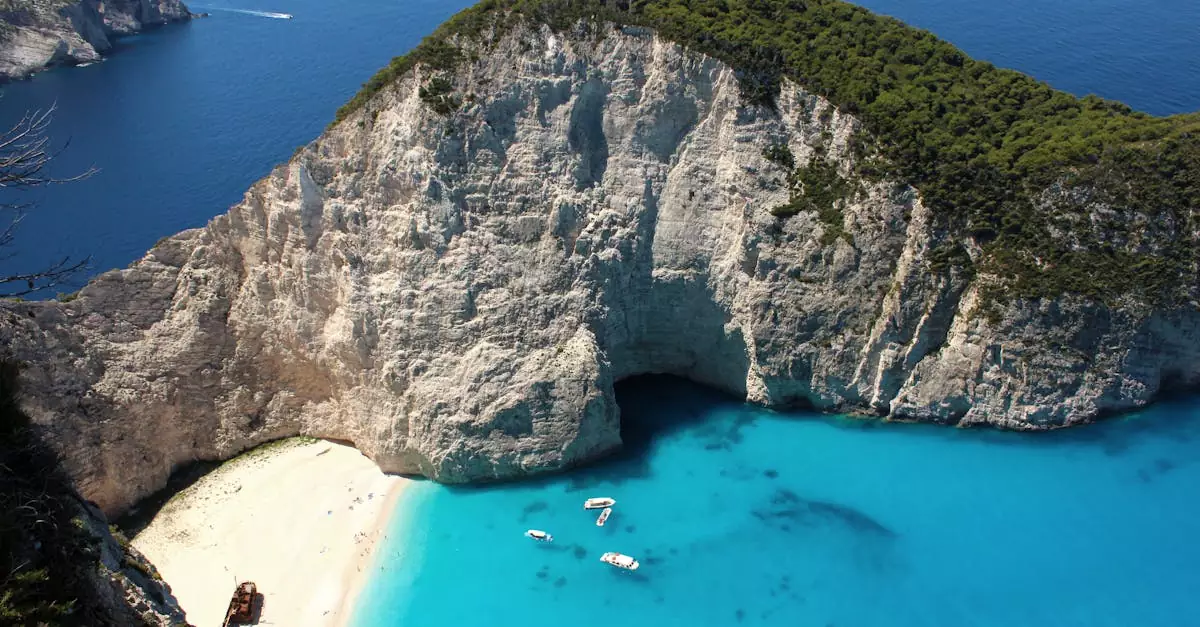
Zakynthos, also known as Zante, is world-renowned for Navagio Beach, famously called Shipwreck Beach. This iconic cove, accessible only by boat, features dramatic white cliffs, impossibly blue water, and the striking remains of a shipwreck on its sands. The view from the clifftop viewpoint above the beach is breathtaking.
While Shipwreck Beach is the star attraction, Zakynthos offers other beautiful beaches, particularly on the southern coast, such as Laganas Bay, known for its nesting loggerhead sea turtles, and the calmer waters of Kalamaki. Boat tours are the primary way to access Navagio Beach, and booking in advance, especially during peak season, is advisable.
Rhodes: Sandy Shores and Historical Charm
Rhodes combines beautiful beaches with a rich historical backdrop, offering a well-rounded vacation experience. Tsambika Beach is a long, sandy stretch with clear, shallow waters, backed by a hill crowned with a monastery that provides panoramic views. Anthony Quinn Bay, a picturesque cove with rocky shores and incredibly clear water, is popular for swimming and snorkeling.
For a blend of relaxation and history, Rhodes is an excellent choice among the best islands in Greece. The island is well-connected by ferry and has an international airport, making travel relatively easy. Consider visiting Lindos, a charming village with a beautiful acropolis overlooking a bay, for a combination of beach time and ancient ruins.
Best Greek Islands for Romantic Couples Getaways
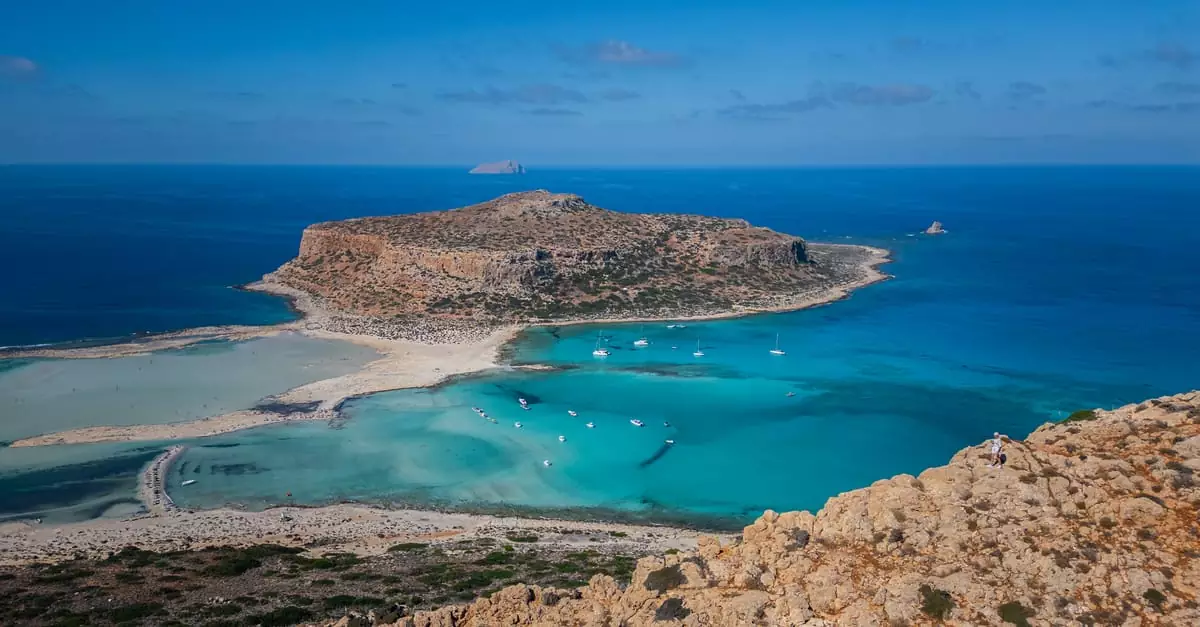
When planning a romantic escape, Greece’s best islands offer breathtaking scenery, intimate settings, and opportunities for shared experiences. From iconic sunsets to charming villages, these destinations cater to couples seeking memorable moments.
Santorini: Iconic Sunsets and Caldera Views
Santorini consistently ranks among the top romantic destinations, and for good reason. Its dramatic caldera, a sunken volcanic crater, provides a stunning backdrop for couples. The whitewashed villages of Oia and Fira cling to the cliffs, offering unparalleled views of the Aegean Sea.
Experiencing Santorini:
- Sunsets in Oia: Witnessing the famous Oia sunset is a quintessential Santorini experience. Arrive early to secure a good vantage point or book a table at a cliffside restaurant for an unforgettable dinner.
- Caldera Cruise: A catamaran cruise around the caldera offers a unique perspective of the island, with opportunities for swimming in volcanic hot springs and enjoying a meal onboard.
- Wine Tasting: Santorini boasts unique viticulture due to its volcanic soil. Several wineries offer tastings with spectacular sea views.
Logistics for Couples:
Santorini can be busy, especially during peak season (June-August). For a more tranquil experience, consider visiting in the shoulder seasons of May or September. Accommodation ranges from luxurious cave hotels with private plunge pools to charming boutique guesthouses. Getting around involves local buses, taxis, or renting an ATV for more freedom.
Folegandros: Authentic Charm and Secluded Coves
For couples seeking a more authentic and laid-back experience away from the crowds, Folegandros is an excellent choice. This Cycladic island retains much of its traditional charm, with a picturesque main town (Chora) and dramatic landscapes.
Discovering Folegandros:
- Chora’s Medieval Charm: Wander through the labyrinthine streets of Chora, which is car-free and features beautiful squares shaded by bougainvillea. The Kastro, a Venetian-era fortified settlement, is particularly atmospheric.
- Agali Beach and Boat Trips: While Folegandros has fewer sandy beaches than some islands, Agali Beach is a popular spot. From here, small boats can take you to more secluded coves like Katergo, known for its crystal-clear waters.
- Hiking to Panagia Church: A scenic hike up the zigzagging path to the Church of Panagia offers panoramic views of the island and the sea, especially rewarding at sunset.
Planning Your Folegandros Trip:
Folegandros is accessible by ferry from Athens (Piraeus port) or other Cycladic islands like Santorini and Milos. The journey can take 4 to 8 hours depending on the ferry type. Accommodation tends to be more modest than Santorini, with charming family-run guesthouses and a few boutique hotels. The island is small and best explored on foot or by local bus.
Symi: Picturesque Harbor and Romantic Strolls
Symi is a jewel of the Dodecanese islands, renowned for its stunning neoclassical architecture cascading down to a horseshoe-shaped harbor. The vibrant colors of the houses and the tranquil atmosphere create a highly romantic setting.
Symi’s Allure:
- Gialos Harbor: The main port, Gialos, is the island’s heart. Admire the grand mansions, enjoy a leisurely coffee at a waterfront café, or dine at a taverna serving fresh seafood.
- Chorio Village: Venture uphill to Chorio, the island’s original settlement, where you’ll find a more traditional vibe, charming alleyways, and panoramic views back towards the harbor.
- Nautical Museum: For a touch of history, visit the small Nautical Museum in Gialos, showcasing Symi’s rich maritime past.
- Beaches by Boat: Access Symi’s beautiful beaches, such as Nanou or Agios Georgios Dysalonas, often requires a short boat trip, adding to the sense of adventure and exclusivity.
Logistics for Symi:
Symi is best reached by ferry from Rhodes, which has an international airport. The ferry ride from Rhodes takes about 1 to 2 hours. Accommodation in Symi is primarily in restored neoclassical houses or small hotels, many offering harbor views. The island is very walkable, especially around the harbor, though the climb to Chorio is steep. Symi is a peaceful destination, ideal for couples who appreciate beauty, history, and a slower pace.
Top Islands in Greece for Family Adventures
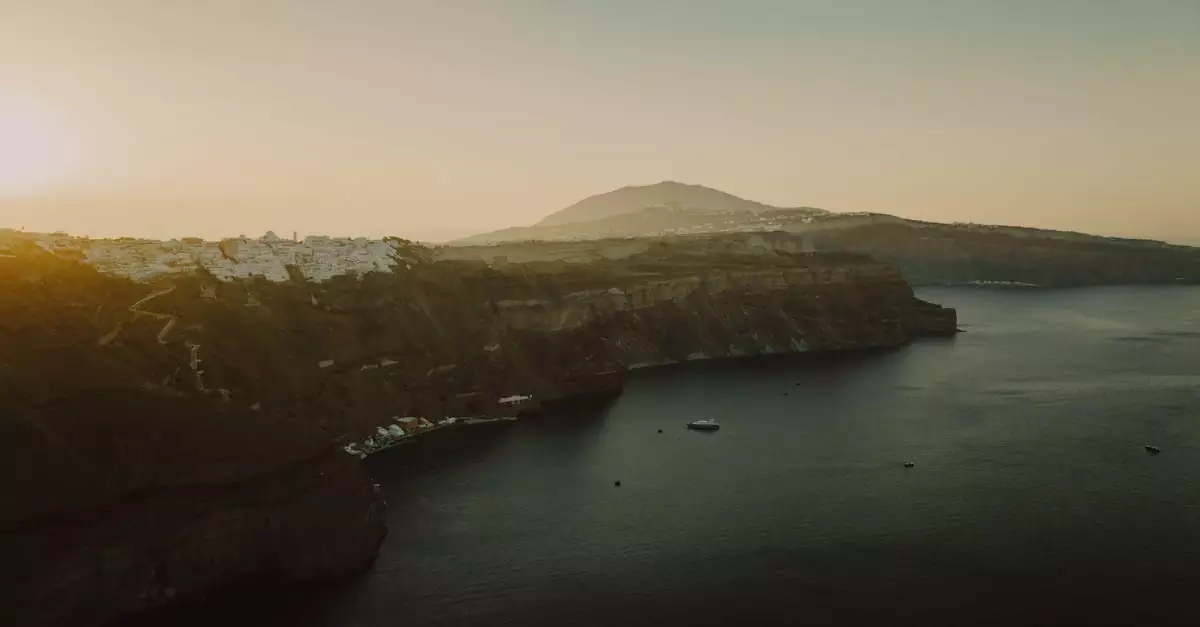
When planning a Greek island getaway with children, choosing the right destination is key to ensuring everyone has a memorable experience. The best islands for families often combine safe, shallow beaches with engaging activities and accessible amenities. Consider islands that offer a variety of accommodations and are easy to navigate, minimizing travel stress.
Corfu: Lush Landscapes and Family-Friendly Resorts
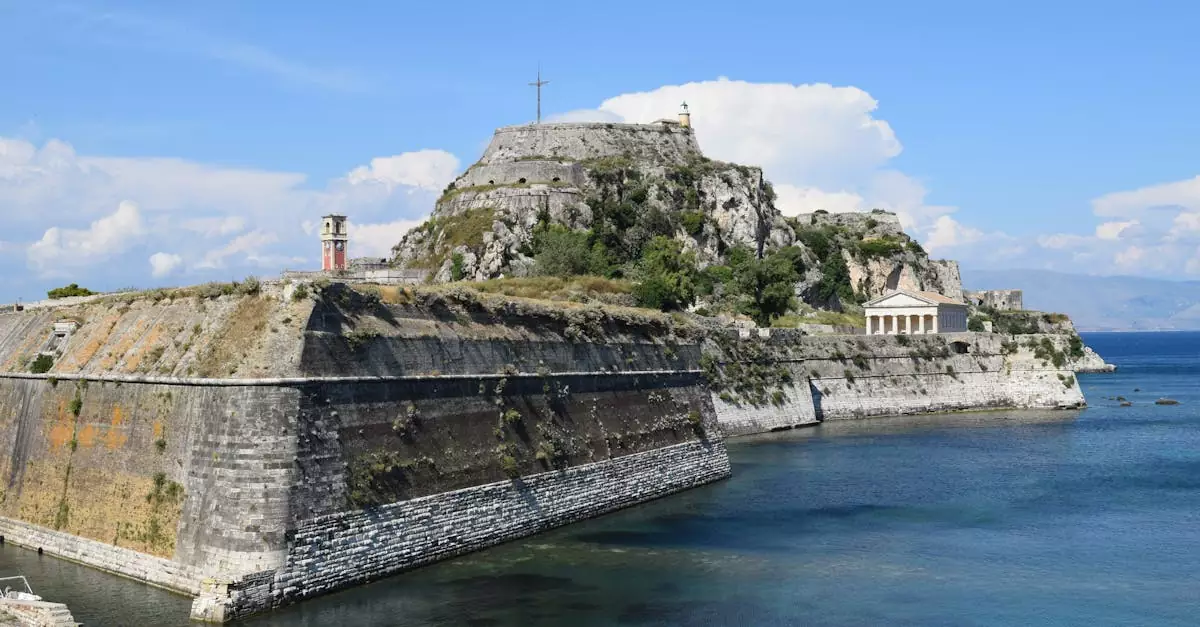
Corfu, the emerald isle of the Ionian Sea, offers a verdant backdrop for family holidays. Its western coast boasts numerous sandy beaches with calm, shallow waters, making them safe for younger swimmers. Beyond the beach, families can explore the historic Old Town of Corfu, a UNESCO World Heritage site, with its Venetian architecture and charming alleyways.
Many resorts on Corfu cater specifically to families, providing kids’ clubs, swimming pools, and organized activities. The island’s lush interior also presents opportunities for gentle hikes or exploring olive groves. Getting around is straightforward, with a reliable bus system connecting major towns and beaches.
Naxos: Long Sandy Beaches and Water Sports
Naxos stands out for its extensive stretches of golden sand, particularly Agios Georgios and Agios Prokopios beaches, which are well-organized and offer gentle slopes into the sea. These are prime locations for families seeking sun, sand, and sea. The island is also a hub for water sports, with many centers offering beginner lessons in windsurfing and kitesurfing, suitable for older children and teenagers.
Beyond the coastline, Naxos offers a glimpse into traditional Cycladic life. The island’s interior is dotted with charming villages like Halki and Filoti, where families can enjoy local produce and a slower pace. Accommodation options range from family-friendly hotels to self-catering apartments, many located within easy reach of the main beaches and the port town.
Paros: Charming Villages and Accessible Activities
Paros offers a delightful blend of traditional charm and family-friendly infrastructure. Its main towns, Parikia and Naoussa, are picturesque and easily walkable, with plenty of tavernas and shops. Beaches like Kolymbithres, with its unique rock formations and sheltered coves, provide a scenic and safe environment for children. Golden Beach is another popular spot, known for its calm waters and windsurfing schools.
The island’s compact size makes it easy to explore, whether by rental car, ATV, or the local bus service. Day trips to the nearby island of Antiparos are also a popular family activity, offering a more secluded and tranquil experience. Paros provides a good balance of cultural experiences and beach relaxation, making it a solid choice for a Greek family vacation.
Unveiling Greece’s Best Islands for History Buffs
For travelers whose primary motivation is to step back in time, Greece’s islands offer an unparalleled journey through millennia of civilization. From ancient ruins that whisper tales of forgotten empires to medieval fortresses that stand as testaments to enduring conflict, these destinations provide a tangible connection to the past. Understanding the historical significance of each island can help shape your itinerary and deepen your appreciation for the rich tapestry of Greek heritage.
Rhodes: Medieval Old Town and Palace of the Grand Master
Rhodes stands out as a premier destination for history enthusiasts, largely due to its remarkably preserved medieval Old Town. This UNESCO World Heritage site is a living museum, encircled by imposing fortifications built by the Knights of St. John during the Crusades. Walking through its narrow, cobbled streets feels like stepping onto a film set, with Gothic architecture, ancient mosques, and charming squares at every turn.
The centerpiece of the Old Town is the Palace of the Grand Master. This imposing fortress, originally a Byzantine citadel, was rebuilt by the Knights in the 14th century and later served as a prison and a summer residence for Italian royalty. Today, it houses museums showcasing ancient pottery, medieval artifacts, and intricate mosaics, offering a deep dive into the island’s layered history. Beyond the city walls, ancient sites like the Acropolis of Lindos, with its stunning views and well-preserved Doric temple, await discovery.
Logistics for History Buffs in Rhodes:
- Best Time to Visit: Spring (April-May) and Autumn (September-October) offer pleasant weather for exploring outdoor historical sites and fewer crowds.
- Getting Around: The Old Town is best explored on foot. Taxis and rental cars are available for reaching sites outside the city, such as Lindos.
- Accommodation: Staying within the Old Town provides an immersive historical experience, though hotels outside the walls can offer more modern amenities.
Delos: Sacred Archaeological Site
Delos is not an island for sunbathing or lively nightlife; it is a sacred archaeological site, a pilgrimage destination for those fascinated by ancient Greek religion and mythology. Considered the birthplace of Apollo and Artemis, the island was a major religious center and bustling port from the 8th century BC onwards. Its extensive ruins are remarkably well-preserved, offering an unparalleled glimpse into the life and worship of ancient Greeks.
As you wander through the vast archaeological complex, you’ll encounter the Terrace of the Lions, the Sanctuary of Apollo, the House of Dionysus with its stunning mosaics, and the ancient theater. The sheer scale and detail of the ruins, from public buildings to private residences, paint a vivid picture of a once-thriving metropolis. Because the island is uninhabited and protected, visiting Delos requires a day trip, typically from nearby Mykonos or Naxos.
Planning Your Trip to Delos:
- Day Trip Essential: Ferries operate daily from Mykonos, Paros, and Naxos. Book tickets in advance, especially during peak season.
- What to Bring: As there are no facilities on Delos, carry plenty of water, snacks, sunscreen, and a hat. Sturdy walking shoes are essential.
- Respect the Site: Delos is a protected archaeological zone. Visitors must stay on marked paths and refrain from touching or removing any artifacts.
Crete: Minoan Palaces and Ancient Ruins
Crete, the largest of the Greek islands, is a cradle of civilization, most notably for the Minoan culture, one of Europe’s earliest advanced societies. The island is dotted with significant archaeological sites that draw historians and archaeologists from around the globe. The most famous among these are the Minoan palaces, offering a unique window into a sophisticated Bronze Age civilization.
Knossos, just south of Heraklion, is the most renowned Minoan palace, believed to be the center of Minoan power and the legendary home of King Minos and the Minotaur. While much of what you see has been reconstructed by archaeologist Sir Arthur Evans, the scale of the complex, its intricate frescoes, and advanced plumbing system are awe-inspiring. Other significant Minoan sites include Phaistos, known for its enigmatic Phaistos Disc, and Malia. Beyond the Minoan era, Crete also boasts Venetian fortresses, Ottoman mosques, and ancient Greek temples, reflecting its long and varied history.
Crete for the History Enthusiast:
- Key Sites: Knossos Palace, Phaistos Palace, Malia Palace, Heraklion Archaeological Museum, Rethymno’s Venetian Harbor, Chania’s Old Town.
- Transportation: Renting a car is highly recommended for exploring the diverse historical sites scattered across the island. Public buses connect major towns.
- Accommodation: Heraklion offers proximity to Knossos and a major archaeological museum. Chania and Rethymno provide charming historical centers with boutique hotels.
Navigating Between the Best Greek Islands: Ferry vs. Flight
Choosing the best islands in Greece for your vacation is just the first step; planning how to get between them is crucial. The Greek archipelago is served by an extensive network of ferries and a growing number of domestic flights, offering travelers flexibility. Understanding these options will significantly shape your island-hopping adventure.
Understanding the Greek Ferry Network
Greece boasts one of the most comprehensive ferry systems in Europe, connecting hundreds of islands to the mainland and to each other. Companies like Blue Star Ferries, SeaJets, and Hellenic Seaways operate daily routes, ranging from slow, large car ferries to high-speed catamarans. Traveling by ferry can be a highlight in itself, offering sea views and a glimpse into local life.
Ferry travel is generally more budget-friendly than flying, especially for shorter distances or when traveling with a group. However, journey times can vary significantly. A trip from Athens (Piraeus) to a closer island like Aegina might take under an hour, while reaching more distant islands such as Crete or Rhodes can take several hours or even overnight. It’s essential to book tickets in advance, particularly during peak season (June to August), to secure your preferred departure and seating.
Key Ferry Considerations:
- Speed: High-speed ferries are quicker but more expensive and can be affected by rough seas. Conventional ferries are slower but more stable and often cheaper.
- Cost: Prices vary by route, ferry type, and class of travel.
- Luggage: Most ferries allow you to bring luggage onboard without extra charge, though there are limits for checked baggage on some services.
- Vehicles: If you plan to bring a rental car or motorcycle between islands, you must book space for it on the ferry.
Domestic Flights for Longer Distances
For travelers looking to cover greater distances quickly or wishing to visit islands far from the mainland or from each other, domestic flights are a practical alternative. Athens International Airport (ATH) and Thessaloniki Airport (SKG) serve as major hubs, with direct flights to many popular islands, including Santorini, Mykonos, Crete, Rhodes, and Corfu. Smaller airports on some islands also receive flights from Athens.
Airlines like Aegean Airlines and Sky Express operate these routes. While flights are considerably faster than ferries, they are typically more expensive. This option is particularly useful for maximizing your time on the islands, especially if your itinerary involves geographically dispersed locations. Booking flights well in advance is also recommended for better prices and availability.
Island Hopping Itinerary Tips
When planning an itinerary that involves visiting multiple islands, consider the geographical proximity of your chosen destinations. Grouping islands within the same archipelago, such as the Cyclades (Santorini, Mykonos, Naxos, Paros) or the Dodecanese (Rhodes, Kos, Symi), can minimize travel time and costs.
Example Itinerary Logic:
- Cyclades Focus: Start in Athens, ferry to Mykonos, then to Naxos, and finally to Santorini before returning to Athens.
- Ionian Islands: Fly into Corfu, take a ferry to Paxos, then to Lefkada, and depart from Preveza (mainland).
When planning your multi-island trip, factor in travel days. A ferry journey, even if short, can consume a significant portion of your day with travel to the port, boarding, the voyage itself, and disembarking. For longer ferry routes, consider overnight options to save on accommodation costs and maximize daytime exploration. Always check ferry schedules carefully, as they can change seasonally and are subject to weather conditions. Consulting resources like Ferryhopper can be invaluable for comparing routes, prices, and schedules across different ferry companies.
Frequently Asked Questions About Visiting Greece’s Islands
When is the best time to visit the best islands in Greece?
The shoulder seasons, April to early June and September to October, are ideal for visiting Greece’s islands. You’ll find pleasant weather, fewer crowds, and more competitive prices compared to the peak summer months of July and August. Spring brings blooming wildflowers and milder temperatures, perfect for hiking and sightseeing. Autumn offers warm seas for swimming and a relaxed atmosphere as the tourist rush subsides.
Visiting during peak summer months (July-August) means hot weather, bustling beaches, and higher prices. While vibrant and lively, it can be overwhelming for those seeking tranquility. The winter months (November-March) see many establishments close, and ferry services are reduced, making island hopping challenging. However, for a quiet, authentic experience and lower costs, winter can be appealing for certain travelers.
What is the average budget for an island trip?
Budgeting for a Greek island trip depends heavily on your travel style, chosen islands, and time of year. A comfortable mid-range budget might range from €100 to €150 per person per day, covering moderate accommodation, dining at local tavernas, inter-island ferries, and some activities.
Budget travelers can aim for €50 to €80 per day by staying in hostels or budget guesthouses, preparing some meals, and utilizing cheaper ferry options. Conversely, luxury travelers can expect to spend €250+ per day for high-end resorts, fine dining, private transfers, and exclusive experiences.
Here’s a general breakdown of daily costs:
| Category | Budget (€) | Mid-Range (€) | Luxury (€) |
|---|---|---|---|
| Accommodation | 20-40 | 60-100 | 150+ |
| Food & Drink | 20-30 | 40-60 | 80+ |
| Transportation | 10-20 | 20-30 | 50+ |
| Activities/Misc. | 10-20 | 20-30 | 50+ |
These figures are estimates and can fluctuate significantly. Booking accommodation and ferries in advance, especially for popular islands, can help secure better prices.
How to pack for a Greek island vacation?
Packing light is key for island hopping in Greece. Focus on breathable fabrics like cotton and linen for warm weather. Essentials include swimwear, comfortable walking shoes or sandals, a wide-brimmed hat, and high-SPF sunscreen. Don’t forget sunglasses and a reusable water bottle to stay hydrated and reduce plastic waste.
Consider a light jacket or shawl for cooler evenings, particularly in the shoulder seasons. For visiting churches or monasteries, pack modest clothing that covers your shoulders and knees. Adapters for electronics are also a good idea, as plug types can vary.
Here are some packing essentials:
- Clothing:
- Lightweight tops and t-shirts
- Shorts and skirts
- Sundresses
- Swimwear
- A light sweater or cardigan
- One slightly dressier outfit for evenings
- Footwear:
- Comfortable walking sandals or shoes
- Flip-flops or beach sandals
- Accessories:
- Sun hat
- Sunglasses
- Beach towel
- Reusable water bottle
- Daypack or small backpack
- Travel adapter