Embarking on a journey through Switzerland by rail transforms travel into a destination in itself. The country’s dedication to scenic train routes offers a unique way to experience the breathtaking beauty of the Alps, from snow-capped peaks to lush valleys. If you’re planning a trip and curious about the most captivating ways to see this stunning country, you’re in the right place. This guide explores the best scenic train rides in Switzerland, detailing what makes each route unique, the breathtaking landscapes you’ll encounter, and practical tips for planning your adventure. Discover how these meticulously designed journeys provide a front-row seat to Switzerland’s iconic vistas, making your trip an unforgettable exploration of alpine wonders.
Top 5 Most Breathtaking Scenic Train Routes in Switzerland
Switzerland’s commitment to exceptional rail travel turns journeys into destinations. For those seeking unparalleled alpine vistas and seamless transit, exploring the country by train is essential. The best scenic train rides in Switzerland offer a unique perspective on the dramatic landscapes, from snow-capped peaks to verdant valleys. These routes are meticulously maintained and designed to maximize the visual spectacle, making them a highlight for any traveler.
The Glacier Express: Switzerland’s ‘Slowest Express Train’
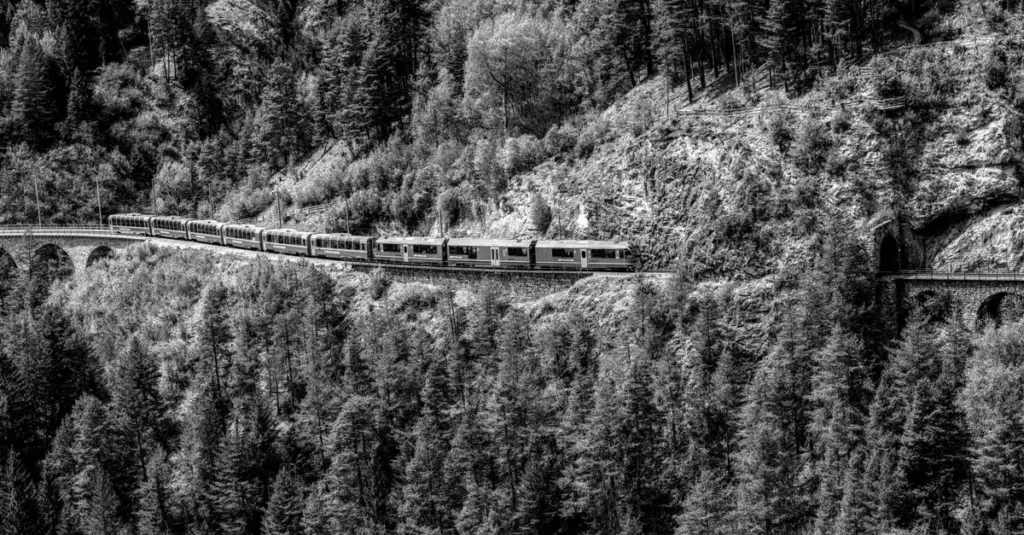
Often dubbed the “slowest express train in the world,” the Glacier Express highlights its leisurely pace and comprehensive sightseeing. This iconic route connects Zermatt and St. Moritz, traversing 291 bridges and passing through 91 tunnels over an eight-hour journey. The panoramic carriages provide unobstructed views of peaks like the Matterhorn, deep gorges, and charming alpine villages.
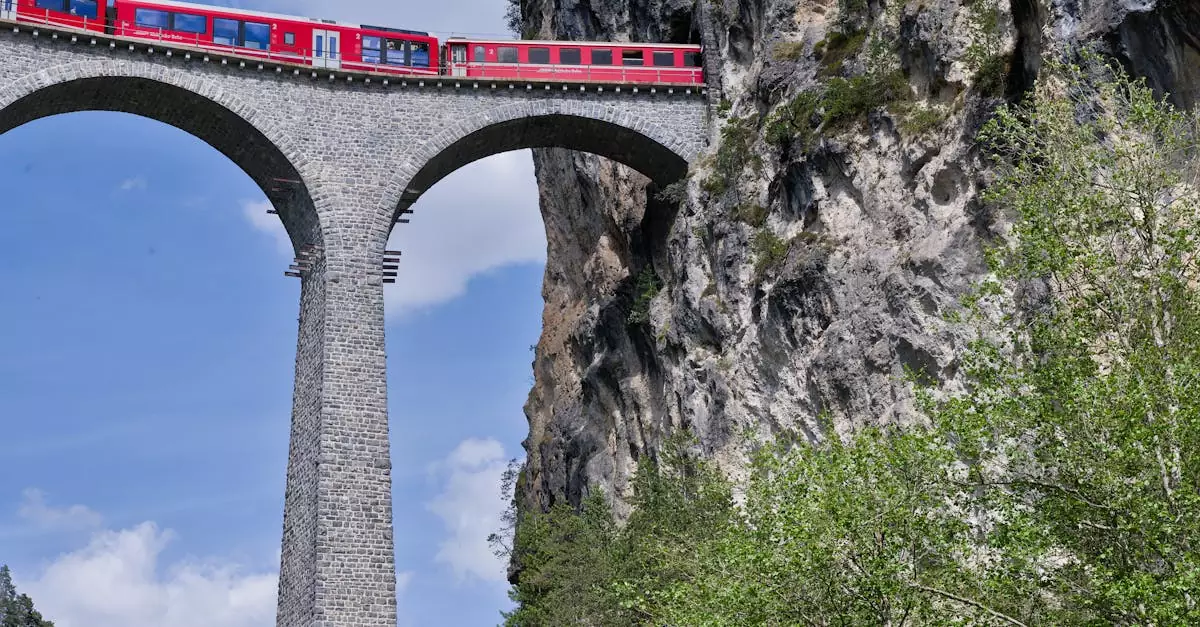
Key highlights include crossing the Landwasser Viaduct, a UNESCO World Heritage site, and ascending to the Oberalp Pass. Traveling between Zermatt and St. Moritz offers a full day of immersive scenery. Booking seats in advance is highly recommended, especially during peak seasons like summer and winter holidays. While not the fastest, its deliberate speed allows for an unparalleled appreciation of the Swiss Alps.
The Bernina Express: From Glaciers to Palms
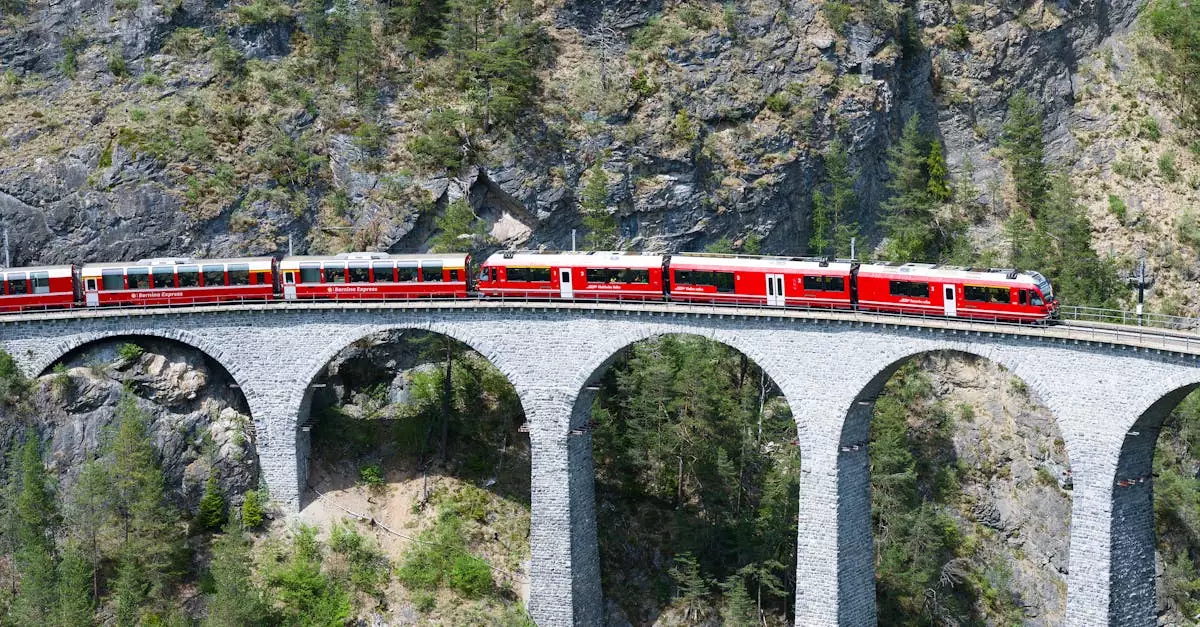
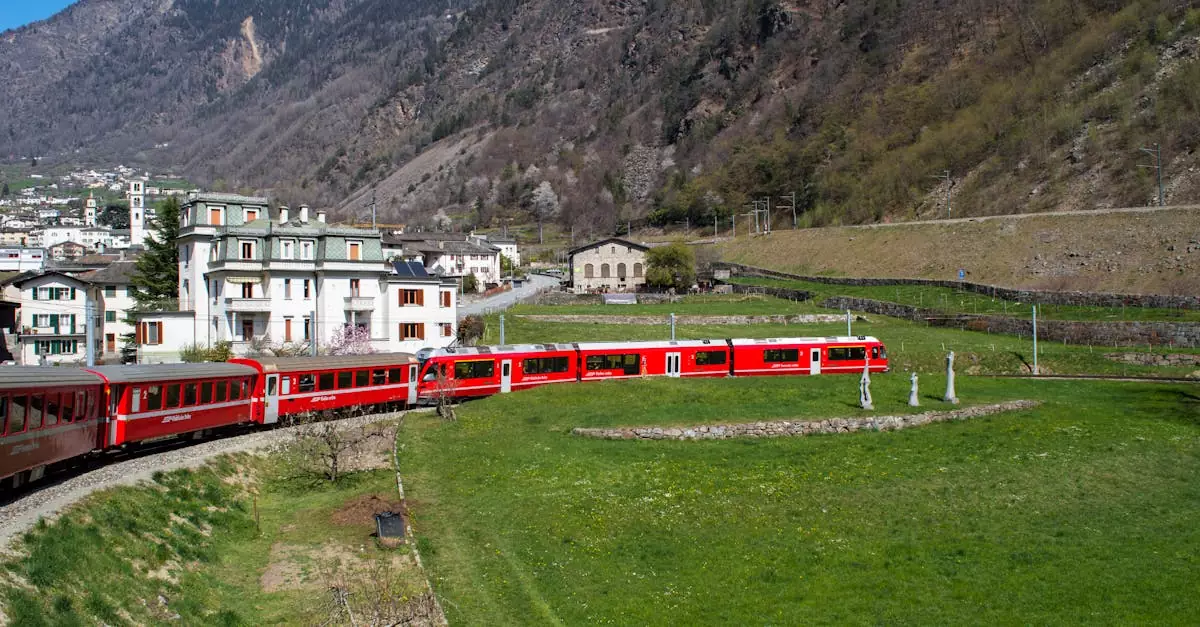
The Bernina Express offers a remarkable journey from the icy glaciers of the Alps to the balmy climate near Italy. This route, also a UNESCO World Heritage site, connects Chur (or St. Moritz) with Tirano in Italy. It’s renowned for its engineering marvels, including the Brusio Circular Viaduct, which allows the train to descend dramatically while maintaining a gentle gradient.
The train climbs to the Bernina Pass at 2,253 meters, offering stunning views of glaciers and alpine lakes. As it descends into Italy, the landscape transforms, showcasing vineyards and a Mediterranean feel. This contrast makes the Bernina Express a truly unique experience among Switzerland’s scenic railways. Consider a day trip from St. Moritz or a longer stay in Tirano to further appreciate the Italian charm.
The GoldenPass Line: Lakes and Mountains Experience
The GoldenPass Line is a scenic route connecting Lucerne and Montreux, passing through Interlaken and the Bernese Oberland. This journey is divided into three sections: the Luzern-Interlaken Express, the Interlaken-Zweisimmen leg, and the Zweisimmen-Montreux Express. Each segment offers distinct landscapes, from the turquoise waters of Lake Lucerne and Lake Thun to the rolling hills and vineyards of the Lavaux region.
Travelers can expect dramatic mountain backdrops, charming villages, and picturesque lakes. The panoramic carriages on some sections provide an excellent viewing experience. The route is accessible year-round, though winter offers a snowy wonderland while summer showcases vibrant greenery. Planning to break up the journey in Interlaken or Montreux allows for deeper exploration of these popular tourist hubs.
The Jungfrau Railway: Top of Europe Adventure
The Jungfrau Railway is an engineering feat that takes passengers to the Jungfraujoch, the highest railway station in Europe. Starting from Kleine Scheidegg, this cogwheel railway ascends through tunnels bored directly into the Eiger and Mönch mountains. The destination, the “Top of Europe,” offers breathtaking views of the Aletsch Glacier, Europe’s longest glacier, and the surrounding snow-covered peaks.
While the journey itself is spectacular, the views from Jungfraujoch are the main draw. Visitors can experience the Ice Palace, the Sphinx Observatory, and the snow-covered plateau. Due to its popularity and altitude, it’s advisable to book tickets in advance and check weather conditions. This trip is a must for anyone seeking an unparalleled alpine adventure and is easily accessible from Interlaken.
The Gornergrat Bahn: Iconic Matterhorn Views
The Gornergrat Bahn, a cogwheel railway operating from Zermatt, provides some of the most iconic views of the Matterhorn. This electric railway ascends to the Gornergrat summit at 3,089 meters, offering a panoramic spectacle of 29 four-thousand-meter peaks, including the majestic Matterhorn. The journey takes approximately 30 minutes and is accessible year-round.
The train stops at several viewpoints along the ascent, allowing passengers to disembark and capture photographs. At the summit, observation platforms provide unobstructed vistas. The Gornergrat Bahn complements a visit to Zermatt, offering a direct and accessible way to experience the grandeur of the Swiss Alps and its most famous peak. The experience is particularly stunning during sunrise or sunset.
Planning Your Swiss Train Adventure: Tickets, Passes, and Logistics
Embarking on a journey via Switzerland’s renowned rail network offers unparalleled access to its stunning landscapes. To ensure a smooth and enjoyable experience, understanding ticketing options, booking strategies, and logistical details is crucial. This section provides practical advice for planning your travel, covering everything from choosing the right pass to managing your luggage.
Understanding the Swiss Travel Pass vs. Individual Tickets
Deciding between a Swiss Travel Pass and purchasing individual tickets depends on your itinerary’s scope and duration. The Swiss Travel Pass offers unlimited travel on trains, buses, and boats across the country for consecutive days. It also includes free entry to over 500 museums and discounts on many mountain excursions, such as the Jungfraujoch or Gornergrat.
For travelers planning extensive sightseeing and frequent journeys, the pass often proves more economical and convenient, eliminating the need to buy separate tickets. However, if your trip focuses on just one or two specific routes or if you plan to spend significant time in a single city, individual tickets might be more cost-effective. It’s wise to map out your intended routes and compare the total cost of individual tickets against the price of a pass for your travel duration.
Booking in Advance: Essential for Popular Routes
While Switzerland’s public transport system is efficient, booking seats in advance is highly recommended, especially for the most popular scenic train rides. Routes like the Glacier Express, Bernina Express, and GoldenPass Line are in high demand, particularly during peak travel seasons (summer and winter holidays). Securing your tickets or seat reservations well ahead of time guarantees your spot and allows you to choose preferred seating, often with panoramic views.
For these premium panoramic trains, reservations are mandatory and typically incur a supplement on top of the regular ticket or pass price. Booking can usually be done online through the official Swiss Federal Railways (SBB) website or directly with the specific railway companies operating the routes. Aim to book at least 2–3 months in advance for summer travel and 4–6 weeks for other periods to avoid disappointment.
Navigating Timetables and Station Transfers
Switzerland’s train timetables are famously punctual and meticulously organized. The SBB website and app are invaluable tools for planning your journeys, providing real-time information on departures, arrivals, platform numbers, and connections. Most major stations are well-signed, and transfers are generally straightforward, with platforms for connecting trains often located nearby.
When planning connections, allow adequate transfer time. While 5–10 minutes is usually sufficient for simple platform changes, longer connections might be necessary if you need to navigate larger stations like Zurich Hauptbahnhof or Bern. Pay attention to the train numbers and final destinations displayed on the departure boards to ensure you board the correct service. For those venturing beyond Switzerland, understanding how to connect with other European rail networks is also beneficial.
Luggage Services for a Hassle-Free Journey
Traveling with luggage on Swiss trains is generally convenient, but understanding the available services can enhance your experience. You can bring luggage aboard and store it in designated overhead compartments or luggage racks at the end of carriages. For larger suitcases, consider utilizing the SBB’s luggage services.
The SBB offers various luggage transport options, including:
- Station to Station: Drop off your luggage at one station and pick it up at your destination station. This is ideal for multi-day trips where you don’t want to haul bags around.
- Door to Door: For ultimate convenience, luggage can be collected from your accommodation and delivered to your destination.
These services require advance booking and incur a fee, but they significantly lighten your load, allowing you to fully enjoy the panoramic views without the burden of heavy bags. Ensure you check the specific service details and booking deadlines for luggage transport, as these vary by route and destination.
When is the Best Time to Experience Switzerland’s Scenic Trains?
Choosing the right season can significantly enhance your journey on the best scenic train rides in Switzerland. Each period offers a distinct visual palette and atmosphere, from the vibrant greens of summer to the dramatic snowscapes of winter. Consider what kind of scenery and weather you prefer when planning your trip.
Summer (June-August): Vibrant Green Valleys and Warm Temperatures
Summer is arguably the most popular time for a Swiss train journey, and for good reason. The landscapes are lush, with emerald valleys, alpine meadows bursting with wildflowers, and crystal-clear lakes reflecting the bright blue sky. Daytime temperatures are generally warm and pleasant, making it ideal for leisurely travel and outdoor activities at your destinations.
This season is perfect for routes like the Glacier Express and the Bernina Express, where you can fully appreciate the expansive panoramas without the hindrance of snow or ice. Hiking opportunities abound at higher altitudes, and many mountain restaurants and attractions are fully operational. However, be prepared for larger crowds and potentially higher accommodation prices, especially during July and August. Booking train tickets and lodging well in advance is highly recommended.
Autumn (September-October): Golden Foliage and Crisp Air
As summer fades, Switzerland transforms into a breathtaking tapestry of autumn colors. The deciduous forests turn shades of gold, orange, and red, creating a stunning contrast against the evergreen pines and the still-snow-capped peaks. The air becomes crisp and clear, offering excellent visibility for panoramic views.
Autumn offers a more serene experience than summer, with fewer tourists and a generally more relaxed atmosphere. The GoldenPass Line is particularly spectacular during this time, as the rolling hillsides are painted with vibrant autumnal hues. While temperatures begin to cool, especially in the evenings and at higher elevations, the days are often sunny and mild. This season is excellent for photography enthusiasts and those seeking a quieter, more intimate travel experience. Be aware that some higher mountain passes or attractions might begin to close towards the end of October.
Winter (December-March): Snow-Capped Peaks and Cozy Ambiance
Winter transforms Switzerland into a magical wonderland, draped in a thick blanket of snow. The scenic train rides offer a unique perspective on the alpine landscape, with snow-covered villages, frozen lakes, and majestic, white-clad mountains. It’s a time for cozy interiors, hot chocolate, and the unique charm of the holiday season.
Routes like the Bernina Express and the Glacier Express operate year-round and provide a dramatic, almost ethereal experience in winter. The sight of snow-laden fir trees and the quiet beauty of the frozen landscape is unforgettable. This season is ideal for travelers who enjoy winter sports or simply want to experience the serene beauty of the Alps in their most tranquil state. However, be prepared for colder temperatures and potential weather-related delays, though Swiss trains are remarkably reliable. It’s also a popular time for Christmas markets, adding to the festive atmosphere.
Spring (April-May): Blooming Wildflowers and Emerging Greens
Spring in Switzerland is a time of renewal and awakening. As the snow melts, the landscape gradually transitions from winter white to vibrant green. Alpine meadows begin to bloom with a spectacular array of wildflowers, creating a colorful carpet across the hillsides. The waterfalls, fed by melting snow, are often at their most powerful and dramatic.
This season offers a unique blend of lingering snow on the peaks and burgeoning life in the valleys. While some higher altitude routes might still be affected by snow early in the season, lower-lying areas and routes like the GoldenPass Line showcase the emerging beauty beautifully. The weather can be variable, with a mix of sunny days and occasional rain or even late snowfalls. Spring is a wonderful time for travelers seeking fewer crowds than summer and a chance to witness the landscape coming back to life. It’s also a great time to enjoy the budding vineyards and the fresh produce of the season.
Beyond the Rails: Essential Stops and Activities on Swiss Train Journeys
Switzerland’s train network isn’t just a way to travel between stunning landscapes; it’s an invitation to immerse yourself in the heart of the Alps. Many of the most memorable scenic train rides, like the Glacier Express, connect charming towns and villages, each offering unique experiences. Planning your journey to include these highlights can transform a simple trip into an unforgettable adventure.
Exploring Zermatt: Gateway to the Matterhorn
For many travelers, the journey on a scenic Swiss train culminates in Zermatt, a car-free village renowned as the base for exploring the iconic Matterhorn. Even if your train ride doesn’t end here, a dedicated visit is highly recommended. The Gornergrat Bahn, a cogwheel railway departing from Zermatt, offers breathtaking panoramic views of the Matterhorn and surrounding glaciers. This short, accessible ride is a must-do for any visitor.
Beyond the mountain vistas, Zermatt itself provides a quintessential alpine experience. Wander through its charming streets, lined with traditional wooden chalets, and enjoy the crisp mountain air. For hikers, numerous trails fan out from the village, catering to all fitness levels. Consider visiting during the summer months for optimal hiking conditions, or in winter for world-class skiing.
Interlaken: Adventure Capital Between Two Lakes
Nestled between the turquoise waters of Lake Thun and Lake Brienz, Interlaken serves as a central hub for adventure and natural beauty. It’s a popular stop for those traveling on routes like the GoldenPass Line, offering easy access to the Jungfrau region. From Interlaken, you can easily arrange excursions to the Jungfraujoch – Top of Europe, or take a boat trip on either lake for a different perspective of the surrounding peaks.
Adventure seekers will find Interlaken lives up to its reputation. Paragliding, canyoning, and white-water rafting are popular activities during the warmer months. For a more relaxed pace, explore the charming boutiques, enjoy a traditional Swiss fondue, or simply take in the views from the Höhematte park. The town is well-connected by train, making it a convenient and dynamic addition to any Swiss itinerary.
St. Moritz: Glamour and Alpine Beauty
Famous for its luxury resorts and as a winter sports mecca, St. Moritz also boasts incredible natural splendor. This Engadine valley resort town is the eastern terminus of the Glacier Express and a key point on the Bernina Express route, making it a natural destination for those prioritizing scenic rail travel. The town itself offers high-end shopping and dining, but the surrounding landscape is the true star.
During warmer months, the pristine lakes and surrounding mountains offer opportunities for hiking, sailing, and golf. The crisp, clean air and abundant sunshine contribute to its appeal. Even if you’re not staying at one of the luxury hotels, a visit to St. Moritz provides a glimpse into sophisticated alpine living, set against a backdrop of dramatic mountain scenery.
Lugano: Swiss Riviera Charm
Venturing south, Lugano offers a distinct Mediterranean flair, thanks to its location on Lake Lugano in the Italian-speaking canton of Ticino. This region provides a delightful contrast to the more rugged alpine scenery found elsewhere in Switzerland. The climate here is milder, and the pace of life feels a little more relaxed.
From Lugano, you can embark on boat trips across the shimmering lake, surrounded by rolling hills and vineyards. The city itself features elegant arcades, lively piazzas, and beautiful parks, such as Parco Ciani. For a panoramic view, take the funicular up Monte San Salvatore or Monte Brè. Lugano is a wonderful endpoint or stopover for those arriving from Italy or looking to experience a different facet of Swiss culture on their scenic train journey.
Capturing the Magic: Photography Tips for Swiss Train Rides
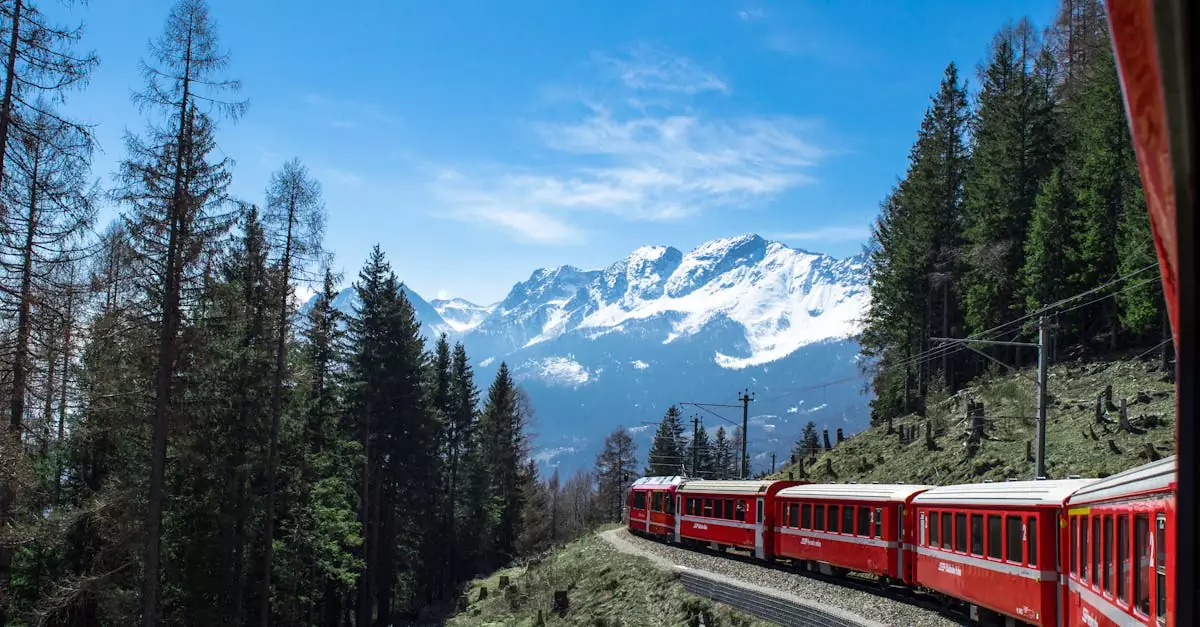
The journey itself is as much a part of the experience as the destination when traveling by train in Switzerland. To make the most of your photographic opportunities, consider these tips for capturing the stunning Alpine scenery from the comfort of your carriage. Mastering these techniques will help you bring home memories that truly reflect the grandeur of the Swiss landscape.
Best Vantage Points from the Train Window
The front of the train, if accessible, offers an unobstructed panoramic view, especially on routes like the Glacier Express. For a more relaxed experience, secure a window seat on the side facing the most dramatic scenery. On panoramic trains, seats often rotate, allowing you to face the view. Consider the direction of travel when booking your ticket; for instance, the Bernina Express is often best enjoyed traveling south from Chur to Tirano.
Iconic Photo Opportunities Along the Routes
Many Swiss train journeys pass by instantly recognizable landmarks. The Landwasser Viaduct, a UNESCO World Heritage site, is a highlight of the Rhaetian Railway and appears as the Albula Line train emerges from a tunnel. Keep your camera ready as you approach the iconic circular viaduct near Brusio on the Bernina Line. Other opportunities include dramatic mountain peaks like the Matterhorn as seen from the Gornergrat Railway (though this is a cogwheel train, not a typical scenic rail journey) or the turquoise waters of Lake Brienz visible from the GoldenPass Line.
Tips for Low-Light and Fast-Moving Scenery
Switzerland’s dramatic landscapes can present challenges for photographers, particularly in changing weather or during twilight hours. Use a wider aperture (lower f-number) to let in more light and achieve a faster shutter speed, which helps freeze motion. If your camera or phone allows, experiment with manual focus to ensure sharpness. For fast-moving scenery, a slightly faster shutter speed is crucial to avoid blur. If shooting video, stabilize your device by resting it on the seat tray or using a small tripod with a clamp.
Essential Photography Gear for Alpine Landscapes
While modern smartphones are capable of capturing excellent images, a few key items can elevate your photography. A versatile lens, such as a 24-70mm equivalent on a DSLR or mirrorless camera, is ideal for framing both wide vistas and closer details. Bring extra batteries and memory cards, as you’ll likely be shooting more than usual. A polarizing filter can enhance the blues of the sky and reduce glare on water or snow. For comfort and stability, a small, lightweight travel tripod can be invaluable for sharper shots in lower light or for capturing long exposures of waterfalls.
Frequently Asked Questions About Switzerland’s Scenic Train Rides
Are reservations required for all scenic trains in Switzerland?
Reservations are not mandatory for all trains, but they are highly recommended for the most popular panoramic routes like the Glacier Express and the Bernina Express. These special trains often have dedicated carriages and limited seating. Without a reservation, you might not be able to board, especially during peak travel seasons. Standard InterCity and InterRegio trains generally do not require reservations, though seat reservations can be purchased for added comfort on longer journeys.
What is the most popular scenic train route?
The Glacier Express, often called the “slowest express train in the world,” is arguably the most popular scenic train route in Switzerland. This iconic journey connects Zermatt to St. Moritz, traversing 291 bridges and 83 tunnels. It offers breathtaking views of the Matterhorn, the Oberalp Pass, and the Rhine Gorge. Its popularity means booking well in advance is crucial.
Can I bring luggage on the scenic trains?
Yes, you can bring luggage on scenic trains. Most trains have designated luggage racks at the entrance of carriages or overhead compartments. For longer journeys on panoramic trains, a luggage transfer service is often available. This allows you to check your main luggage at your departure station and have it delivered to your destination station, so you can travel unencumbered. It’s a convenient option for those with larger suitcases.
Are these train rides suitable for families with children?
Switzerland’s scenic train rides are generally very suitable for families with children. The trains are comfortable, and the stunning scenery provides constant entertainment. Many panoramic trains offer special family carriages or play areas. The gentle pace of these journeys allows children to enjoy the views without becoming restless. It’s a relaxed way to experience the country’s natural beauty with younger travelers.