Embarking on a 3-day journey from Milan to Venice by train is a quintessential Italian experience, offering a comfortable and scenic transition between two iconic cities. The high-speed rail network makes this trip efficient, allowing you to maximize your time in both destinations. Planning your train travel in advance ensures a smooth start to your adventure, and this comprehensive guide will help you craft the perfect Milan to Venice itinerary.
You’ll find essential tips for booking high-speed train tickets, understanding the differences between Frecciarossa and Italo, and navigating Venezia Santa Lucia station upon arrival. We’ll then guide you through a detailed 3-day itinerary, highlighting key attractions in Milan and Venice, including hidden gems like the colorful island of Burano and the local bacari. Finally, we’ll provide advice on the best times to visit, budgeting for your trip, and answering frequently asked questions to ensure your Italian adventure is seamless and unforgettable.
Seamless Milan to Venice Train Travel: Your Essential Guide
Embarking on a 3-day journey from Milan to Venice by train is a classic Italian experience, offering a comfortable and scenic transition between two iconic cities. The high-speed rail network makes this trip efficient, allowing you to maximize your time in both destinations. Planning your train travel in advance ensures a smooth start to your adventure.
Booking High-Speed Trains from Milan Centrale to Venezia Santa Lucia
The primary departure point for high-speed trains in Milan is Milano Centrale. This grand station is a destination in itself, featuring impressive architecture and a wide array of services. For your journey to Venice, you’ll head to Venezia Santa Lucia, the main station on the Venetian island. The journey typically takes around 2.5 to 3 hours, making it a convenient option for a short trip.
Booking your tickets in advance is highly recommended, especially if you plan to travel during peak season or on weekends. This not only secures your seat but often allows you to take advantage of lower fares. You can book directly through the train operators’ websites or use third-party ticketing platforms.
Understanding Train Tickets: Frecciarossa vs. Italo
Two main high-speed train operators service the Milan to Venice route: Trenitalia (operating the Frecciarossa) and Italo. Both offer modern, comfortable trains with various service classes.
- Frecciarossa (Trenitalia): Known for its sleek red trains, Frecciarossa provides a premium travel experience with amenities like Wi-Fi, power outlets, and onboard catering. Service classes range from Standard to Executive, with increasing levels of comfort and service.
- Italo: Italo’s contemporary trains are equipped with modern comforts, including free Wi-Fi, personal entertainment systems, and comfortable seating. They offer different fare classes, such as Smart, Prima, and Club Executive.
The choice between Frecciarossa and Italo often comes down to price and schedule availability. Both deliver a high-quality travel experience. When comparing ticket prices, check the different fare options, as some may be non-refundable or have restrictions.
| Operator | Train Type | Typical Journey Time | Wi-Fi | Catering |
|---|---|---|---|---|
| Trenitalia | Frecciarossa | ~2.5 – 3 hours | Yes | Yes |
| Italo | Italo | ~2.5 – 3 hours | Yes | Yes |
Navigating Venezia Santa Lucia Station Upon Arrival
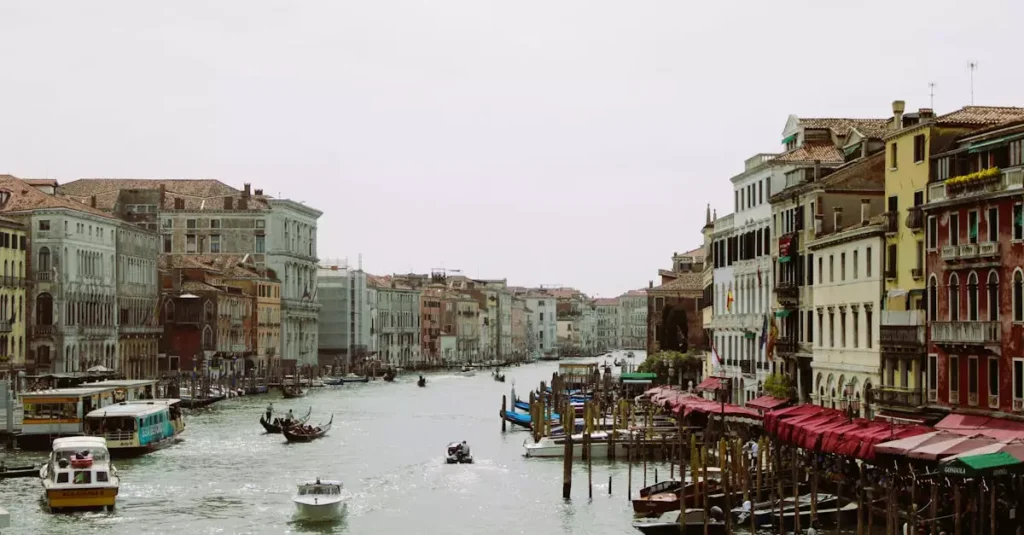
Arriving at Venezia Santa Lucia is breathtaking. As you step out of the station, you’re greeted by the Grand Canal. This is the primary gateway to the city, and unlike most train stations, there are no cars or taxis readily available.
From Santa Lucia, your primary modes of transport are Vaporetto (water buses) or water taxis. Vaporettos are the most common and economical way to navigate the canals and reach various parts of Venice. You can purchase tickets for single journeys or multi-day passes, which are often more cost-effective if you plan to use them frequently.
If you have a lot of luggage or prefer a more direct and luxurious transfer, water taxis are available. However, they are significantly more expensive than the Vaporetto. For those staying near the station, a pleasant walk is also an option, but be prepared for bridges and steps. Familiarize yourself with the Vaporetto routes and stops before you arrive to ensure a smooth transition into the heart of Venice.
Crafting Your Perfect 3-Day Milan to Venice Itinerary
A journey from Milan to Venice offers a captivating glimpse into two of Italy’s most iconic cities. This 3-day itinerary focuses on efficient travel by high-speed train, allowing ample time to experience key attractions and uncover some lesser-known treasures. Planning this trip involves understanding train schedules, booking accommodations in advance, and pacing your exploration to make the most of each day.
Day 1: Milan’s Fashion District & Duomo Climb
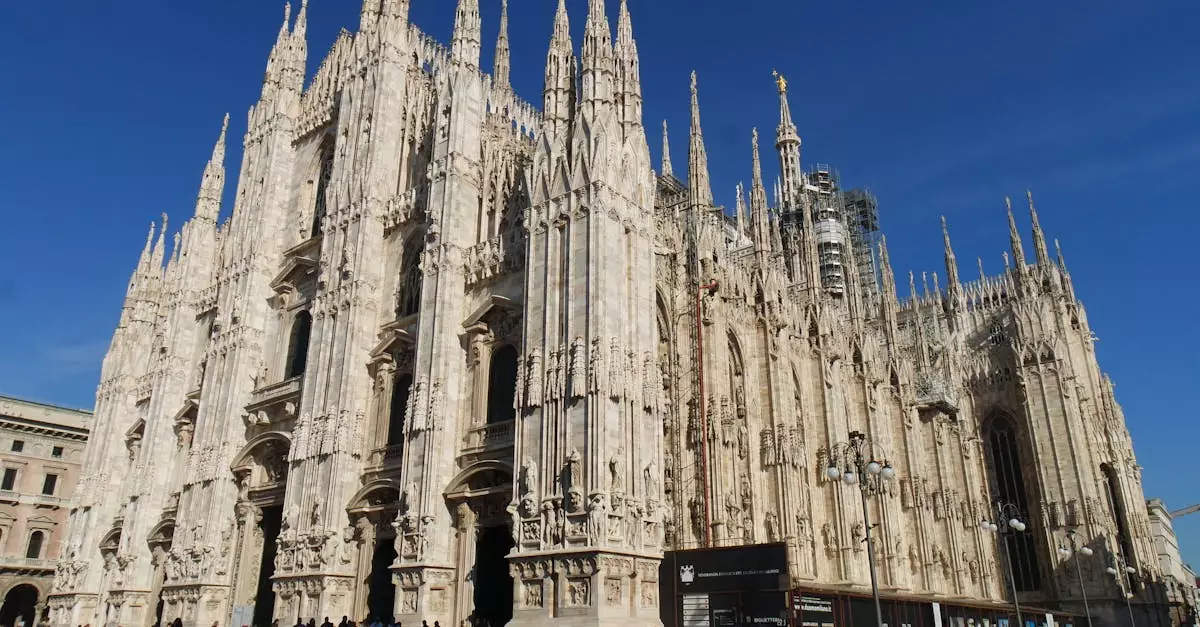
Your Italian adventure begins in Milan, a global capital of fashion and design. Start your day with a visit to the magnificent Duomo di Milano, a Gothic masterpiece. Climbing to the rooftop offers breathtaking panoramic views of the city and its intricate spires, a truly memorable experience. Afterward, immerse yourself in the elegance of the Galleria Vittorio Emanuele II, a stunning 19th-century glass-vaulted arcade housing luxury boutiques and historic cafes.
For lunch, explore the Brera district, known for its charming cobblestone streets and art galleries. Later, wander through the Quadrilatero della Moda, Milan’s renowned fashion district. Even if high-end shopping isn’t on your agenda, the window displays and architectural grandeur are worth admiring. Consider booking your Duomo tickets online in advance to save time.
Day 2: Exploring Venice’s San Marco & Rialto Charm
The next morning, take a high-speed train from Milan to Venice. The journey is swift, typically taking around 2.5 hours, making it a convenient way to travel between these cities. Upon arrival at Venezia Santa Lucia station, you’ll be struck by the unique aquatic landscape. Navigate to your accommodation, keeping in mind that Venice is a city best explored on foot and by Vaporetto (water bus).
Dedicate your afternoon to the heart of Venice: Piazza San Marco. Visit the Basilica di San Marco, a stunning example of Italo-Byzantine architecture, and the Doge’s Palace, a symbol of Venetian power and history. For a different perspective, consider a gondola ride, a quintessential Venetian experience, though it comes at a higher cost.
Later, make your way to the iconic Rialto Bridge and its bustling market. The area around Rialto offers a vibrant atmosphere with numerous trattorias and souvenir shops. Enjoy dinner at a local osteria, savoring fresh seafood and Venetian specialties.
| Travel Segment | Duration | Cost (Approx.) |
|---|---|---|
| High-Speed Train (Milan to Venice) | 2.5 hours | €40 – €80 |
| Vaporetto Pass (24-hour) | N/A | €25 |
Day 3: Discovering Dorsoduro’s Art & Murano’s Glassmaking
On your final day, venture beyond the main tourist hubs to discover more of Venice’s charm. The Dorsoduro sestiere is a perfect starting point, known for its artistic heritage and relaxed atmosphere. Visit the Gallerie dell’Accademia, which houses an impressive collection of Venetian paintings, or the Peggy Guggenheim Collection, showcasing modern art in a beautiful canal-side setting.
In the afternoon, take a Vaporetto to the island of Murano, world-renowned for its exquisite glassmaking. Witness live demonstrations at a glass factory and browse the many artisan shops for unique souvenirs. This offers fascinating insight into a centuries-old craft. Before heading back to your departure point, enjoy a final gelato or cicchetti (Venetian tapas) in a quiet campo. The ease of train travel between Milan and Venice makes this a feasible and rewarding 3-day itinerary for any traveler.
Beyond the Crowds: Unveiling Venice’s Secret Islands & Bacari
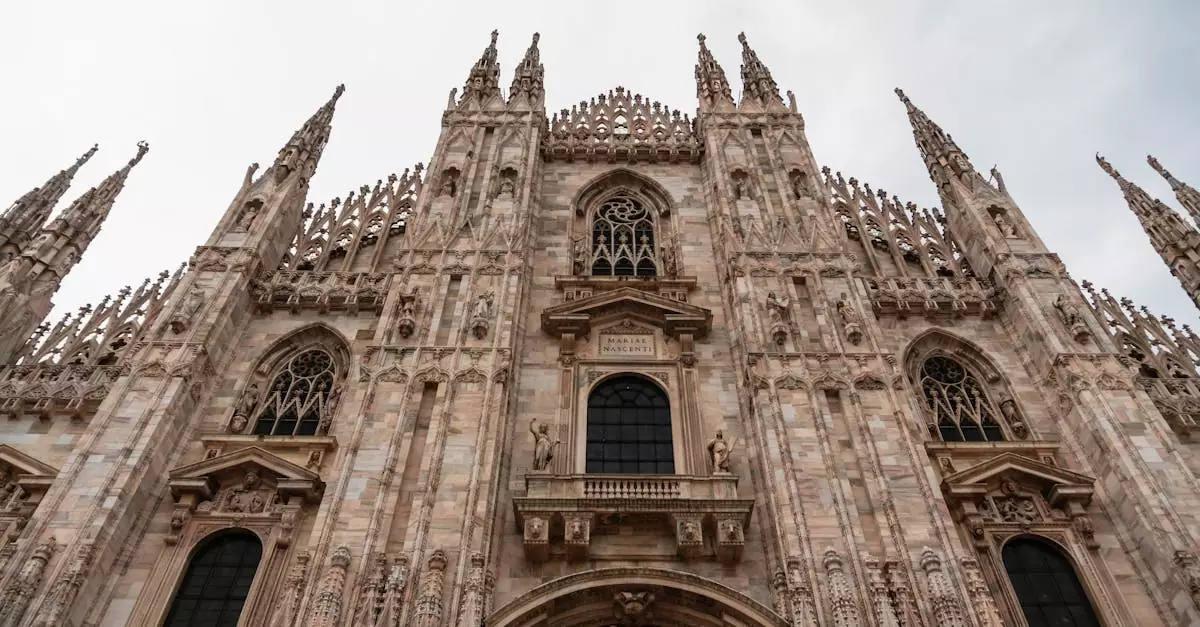
While St. Mark’s Square and the Rialto Bridge attract the majority of visitors, Venice offers a quieter, more authentic experience if you venture slightly off the beaten path. This section focuses on experiencing the lagoon’s charm through its less-visited islands and the local tradition of bacari (wine bars).
A Gondola Alternative: Exploring the Giudecca Canal
For a different perspective on Venetian waterways without the typical tourist hustle, consider exploring the Giudecca Canal. This wide channel separates the Giudecca island from the main sestieri of Dorsoduro and San Polo. A Vaporetto ride along its length provides impressive views of the historic city skyline and the monumental Chiesa del Santissimo Redentore.
Giudecca itself is a more residential island, offering a glimpse into daily Venetian life. It’s also home to contemporary art spaces and charming, uncrowded waterfronts. Instead of a pricey gondola, a simple Vaporetto ticket grants access to these scenic routes, making it a budget-friendly way to enjoy the water.
Discovering Burano’s Colorful Houses
A short Vaporetto ride from the main island brings you to Burano, a jewel of the Venetian lagoon. Famous for its brightly painted houses, Burano offers a vibrant and photogenic escape. Legend has it the houses were painted in vivid colors so fishermen could find their way home through the fog.
Wandering through Burano’s narrow streets, you’ll encounter lace shops, a craft for which the island is historically renowned. Unlike the bustling crowds of central Venice, Burano retains a tranquil atmosphere, allowing for relaxed exploration and plenty of photo opportunities. It’s a wonderful place to spend an afternoon, especially for photography enthusiasts or those seeking a colorful contrast to the city’s more muted tones.
Savoring Cicchetti and Wine in Venice’s Bacari
To truly taste Venice, indulge in cicchetti, the local equivalent of tapas. These small snacks, ranging from crostini with various toppings to fried seafood and meatballs, are best enjoyed standing at the counter of a bacaro. These traditional wine bars are scattered throughout the city, particularly in areas like Cannaregio and San Polo, away from the main tourist arteries.
Ordering cicchetti is a social affair. You typically point to what you’d like, often accompanied by a small glass of local wine, known as an ombra. This is a quintessential Venetian experience, offering a delicious and affordable way to sample local flavors and mingle with residents. It’s a fantastic alternative to a sit-down meal, allowing you to hop between several bacari and try a variety of dishes.
A typical bacaro experience might involve trying:
- Sarde in Saor: Sweet and sour sardines.
- Baccalà Mantecato: Creamed codfish, often served on polenta or bread.
- Polpette: Small meatballs, a popular and varied choice.
- Various Crostini: Topped with ingredients like prosciutto, cheese, or seafood.
This culinary exploration is a highlight for many visitors, offering a genuine taste of Venetian life.
What’s the Best Time for a Milan to Venice Trip?
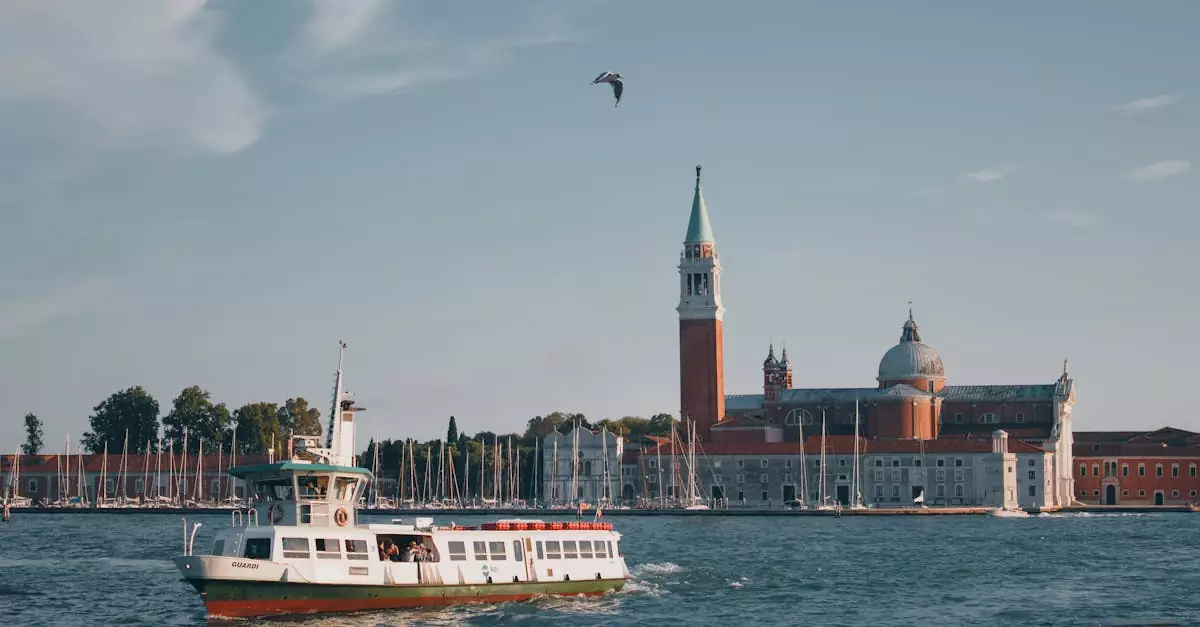
Planning your Milan to Venice itinerary around the seasons can significantly enhance your experience, transforming a good trip into a great one. While Italy is a year-round destination, certain times offer a more comfortable climate and fewer crowds, making your journey between these iconic cities more enjoyable.
Spring (April-May) for Pleasant Weather and Fewer Crowds
The shoulder months of spring, specifically April and May, present an excellent window for travel between Milan and Venice. During this period, the weather is typically mild, with average temperatures ranging from 10°C to 20°C (50°F to 68°F). This makes exploring both the fashion-forward streets of Milan and the intricate canals of Venice a pleasure. You’ll find fewer tourists compared to the peak summer months, leading to shorter queues at major attractions and a more relaxed atmosphere. The blooming flowers add a touch of natural beauty to the already picturesque landscapes, especially in the gardens of Milan and the smaller islands surrounding Venice.
Autumn (September-October) for Crisp Air and Fall Colors
Similar to spring, autumn offers a delightful climate for a Milan to Venice trip. September and October bring crisp air and comfortable temperatures, typically between 10°C and 20°C (50°F to 68°F). The intense summer heat has subsided, making walking and sightseeing more comfortable. The fall foliage begins to paint the Italian countryside in warm hues, adding scenic charm to your train journey. Venice, in particular, can be magical during this time, with a unique light that photographers and artists appreciate. Crowds also begin to thin out after the summer rush, allowing for a more authentic experience of the city’s culture and daily life.
Avoiding Peak Summer Crowds and Heat
The summer months, from June to August, are the busiest and hottest times to travel in Italy. Temperatures in both Milan and Venice can soar, often exceeding 30°C (86°F), which can make sightseeing strenuous. Venice, being built on water, can feel particularly humid and warm. Furthermore, this is peak tourist season, meaning attractions will be crowded, and accommodation prices will be at their highest. If your schedule allows, it is highly recommended to plan your Milan to Venice itinerary outside of these months to avoid the discomfort of the heat and the congestion of large tourist groups. Traveling during the shoulder seasons of spring or autumn provides a much more pleasant and immersive experience.
Here’s a quick comparison of seasonal travel considerations:
| Season | Weather | Crowds | Price Range (approx.) | Notes |
|---|---|---|---|---|
| Spring | Mild (10-20°C / 50-68°F) | Moderate | Mid-range | Blooming flowers, pleasant for walking. |
| Summer | Hot & Humid (25-35°C+ / 77-95°F+) | Very High | High | Intense heat, peak tourist season. |
| Autumn | Crisp (10-20°C / 50-68°F) | Moderate | Mid-range | Fall colors, comfortable for sightseeing. |
| Winter | Cool & Damp (0-10°C / 32-50°F) | Low | Lower | Fewer crowds, potential for rain, festive lights. |
Budgeting Your Milan to Venice Adventure: Costs & Savings
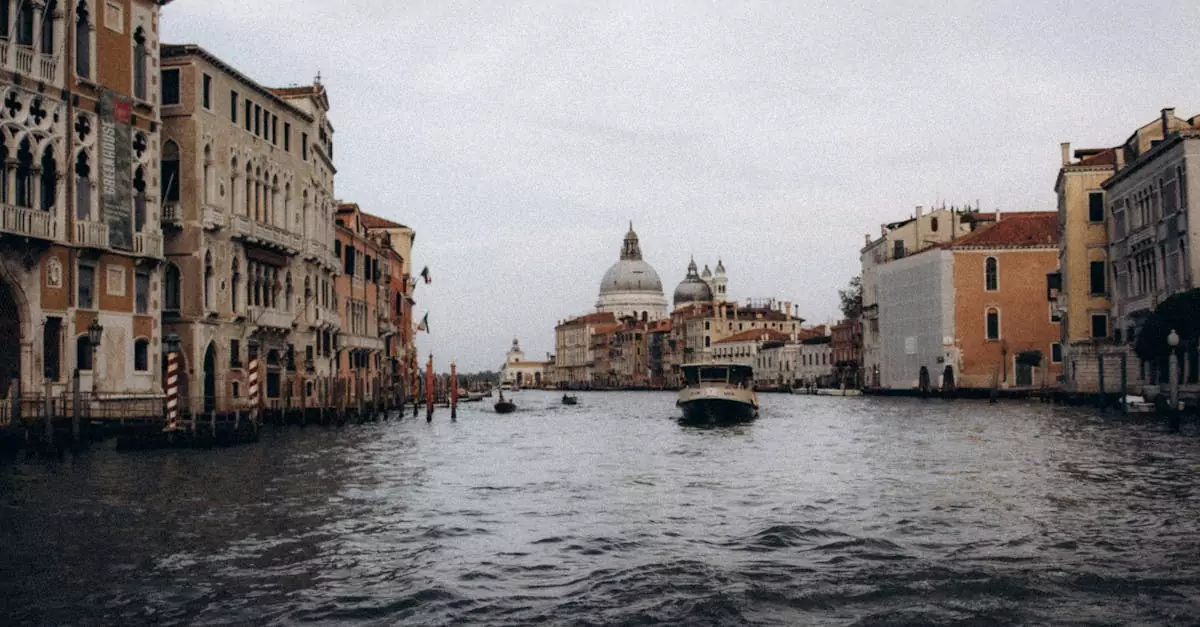
Planning a trip from Milan to Venice doesn’t have to break the bank. Understanding the typical costs involved, from train tickets to dining, will help you create a realistic budget and identify opportunities for savings. This guide focuses on practical financial planning for your 3-day journey, ensuring you can enjoy the magic of Venice without overspending.
Estimating Train Ticket Prices and Booking Strategies
The high-speed train journey between Milan and Venice is a popular and efficient travel option. Ticket prices can vary significantly based on when you book, the class of service, and the specific train operator. Generally, booking your tickets several weeks in advance, especially for travel during peak season or on weekends, will secure you the best fares.
Trenitalia and Italo are the primary high-speed rail operators in Italy. Both offer comfortable and fast services, with journey times typically around 2.5 hours. A standard, non-flexible ticket purchased in advance might range from €30 to €60 one-way. Flexible tickets or last-minute bookings can easily double these prices.
To maximize savings on your Milan to Venice itinerary, consider these booking strategies:
- Book Early: Aim to purchase tickets at least 4-8 weeks before your travel date.
- Compare Operators: Check both Trenitalia and Italo websites for potential fare differences.
- Off-Peak Travel: Traveling mid-week or during shoulder seasons (spring and autumn) often yields lower prices.
- Consider Promotions: Keep an eye out for special offers or package deals, particularly if you’re booking round-trip tickets.
- Class of Service: While first-class offers more space and amenities, standard or ‘Economy’ fares are perfectly comfortable for the relatively short journey.
Affordable Accommodation Options in Venice
Venice presents a unique challenge for budget travelers due to its island location and high demand. However, finding reasonably priced accommodation is achievable with strategic planning. Staying directly on the main island of Venice can be expensive, but there are alternatives.
For a truly immersive experience, consider looking for affittacamere (rooms for rent) or smaller, family-run guesthouses. These often offer a more authentic feel and can be more budget-friendly than larger hotels. Booking well in advance is crucial, especially for stays between April and October.
Alternatively, staying in the Mestre district, just across the lagoon on the mainland, can offer significant cost savings. Mestre is well-connected to Venice by frequent trains and buses, with journey times of only 10-15 minutes. You’ll find a wider range of hotels and hostels in Mestre, often at half the price of comparable options in Venice proper.
Here’s a general comparison of accommodation costs:
| Accommodation Type | Estimated Price Per Night (Low Season) | Estimated Price Per Night (High Season) | Notes |
|---|---|---|---|
| Hostel Dorm Bed (Mestre) | €25 – €40 | €35 – €55 | Basic amenities, shared facilities. |
| Budget Hotel (Mestre) | €70 – €120 | €100 – €180 | Private rooms, often includes breakfast. |
| Guesthouse (Venice Isle) | €100 – €160 | €150 – €250 | Charming, often smaller, good location. |
| Mid-Range Hotel (Venice) | €150 – €250 | €200 – €350+ | Standard hotel amenities, prime locations available. |
When budgeting, factor in the cost of transportation from Mestre if you choose that option. A daily return ticket is inexpensive, but it adds up over a few days.
Tips for Eating Well on a Budget in Venice
Dining in Venice can be a delightful experience, but tourist traps and inflated prices are common. To enjoy delicious Venetian cuisine without overspending, focus on local eateries and smart choices.
Avoid restaurants with touts outside or menus written in multiple languages displayed prominently. These are often geared towards tourists and may offer lower quality food at higher prices. Instead, look for bacari (traditional Venetian bars) which serve cicchetti – small snacks or tapas-like portions. These are perfect for a casual lunch or an evening of sampling local flavors. A few cicchetti with a glass of wine (ombra) can make for a very affordable and authentic meal.
Another tip is to explore areas away from the main tourist thoroughfares like St. Mark’s Square. Wander into the Cannaregio or Dorsoduro districts to find more local trattorias and pizzerias where prices are more reasonable.
Consider these budget-friendly dining strategies:
- Embrace Cicchetti: Enjoy these small bites at bacari for lunch or a pre-dinner snack.
- Picnic Lunches: Purchase fresh bread, cheese, and fruit from local markets or small grocery stores for a scenic picnic by a canal.
- Look for “Menu Turistico”: While sometimes a trap, a well-priced menu turistico (set menu) can offer good value if it includes local specialties.
- Drink Tap Water: Ask for acqua dal rubinetto (tap water) in restaurants, which is perfectly safe and free, saving you money on bottled water.
- Avoid Eating Near Major Attractions: Prices surge dramatically in proximity to landmarks like the Rialto Bridge or St. Mark’s Basilica.
By combining smart booking for your train tickets, strategic accommodation choices, and mindful dining, your Milan to Venice itinerary can be both memorable and financially manageable.
Frequently Asked Questions About Your Milan to Venice Itinerary
Is Venice Safe for Solo Travelers?
Venice generally maintains a high level of safety for solo travelers. Like any major European city, it’s wise to be aware of your surroundings, particularly in crowded tourist areas where pickpocketing can occur. However, violent crime is rare. The city’s compact nature and pedestrian-friendly layout make it easy to navigate without feeling isolated. Many solo travelers report feeling comfortable walking around, even at night, especially in well-lit and populated areas.
What Should I Pack for a Milan to Venice Trip?
Packing for a trip from Milan to Venice requires consideration of varying weather and the unique environment of Venice. Comfortable walking shoes are essential, as you’ll be doing a lot of walking and navigating cobblestone streets and bridges. Layers are recommended, as spring and fall can be mild but unpredictable, while summer can be hot and humid. Don’t forget a light rain jacket or umbrella, especially outside of peak summer. For evenings, smart casual attire is suitable for most restaurants.
Consider bringing:
- Comfortable walking shoes (water-resistant if possible)
- Lightweight, breathable clothing
- A versatile jacket or sweater for layering
- An umbrella or compact rain jacket
- Sunscreen and sunglasses
- A small backpack or crossbody bag for daily essentials
Can I Visit Venice as a Day Trip from Milan?
While technically possible, visiting Venice as a day trip from Milan is not recommended if you want to truly experience the city. The high-speed train journey between Milan and Venice takes approximately 2.5 hours each way. This means you would spend at least 5 hours of your single day on transportation.
A day trip allows for only a rushed glimpse of St. Mark’s Square and the Rialto Bridge, leaving little time to wander the charming backstreets, enjoy a gondola ride, or appreciate the unique atmosphere. To make the most of your Milan to Venice journey, an overnight stay in Venice is highly advisable. This allows for a more relaxed pace and the chance to see the city after the day-trippers have departed.