France is home to an exceptional array of UNESCO World Heritage sites, each reflecting the nation’s rich history, artistic achievements, and diverse landscapes. From royal palaces to ancient territories and fortified cities, these locations offer unique journeys into the past. This guide will help you uncover the magic and significance of France’s UNESCO World Heritage sites, detailing what makes each destination special and how to experience them fully. You’ll explore iconic locations, grasp their historical context, and find practical tips for planning an unforgettable visit to these invaluable cultural and natural treasures. Prepare to be captivated by the stories woven into the very fabric of France.
Exploring Iconic UNESCO World Heritage Sites in France
France boasts an impressive collection of UNESCO World Heritage Sites, each providing a unique glimpse into the country’s rich history, art, and culture. From sprawling royal estates to fortified medieval cities and island abbeys, these locations promise unforgettable travel experiences. Planning a visit to these significant sites requires an understanding of their individual appeal and logistical considerations.
The Loire Valley’s Majestic Châteaux
The Loire Valley, a UNESCO World Heritage site, is renowned for its magnificent Renaissance châteaux. Built by French royalty and nobility, these grand residences showcase architectural brilliance and offer insights into centuries of history. Notable sites include the Château de Chambord, with its distinctive skyline and double-helix staircase, and the Château de Chenonceau, which gracefully spans the River Cher.
Visiting the châteaux often involves navigating between them, as they are spread across the picturesque valley. Renting a car is a popular choice for flexibility, allowing you to explore smaller, lesser-known castles as well. Alternatively, guided tours from cities like Tours or Orléans can simplify transportation and provide valuable historical context. Consider visiting during spring or autumn to avoid peak summer crowds and enjoy pleasant weather for outdoor exploration.
Historic City of Carcassonne: A Medieval Marvel
The fortified city of Carcassonne in southern France exemplifies a well-preserved medieval settlement. Its imposing double-walled ramparts, featuring over 50 towers, transport visitors back to a time of knights and sieges. Walking along the ramparts offers panoramic views of the surrounding Languedoc region.
Accessing Carcassonne is straightforward, with a TGV train station in the modern lower town and regular bus services. Accommodation options range from charming guesthouses within the old city walls to modern hotels in the lower town. While the historic center is easily explored on foot, comfortable shoes are essential due to the cobblestone streets and uneven terrain.
Mont-Saint-Michel: The Tidal Island Abbey
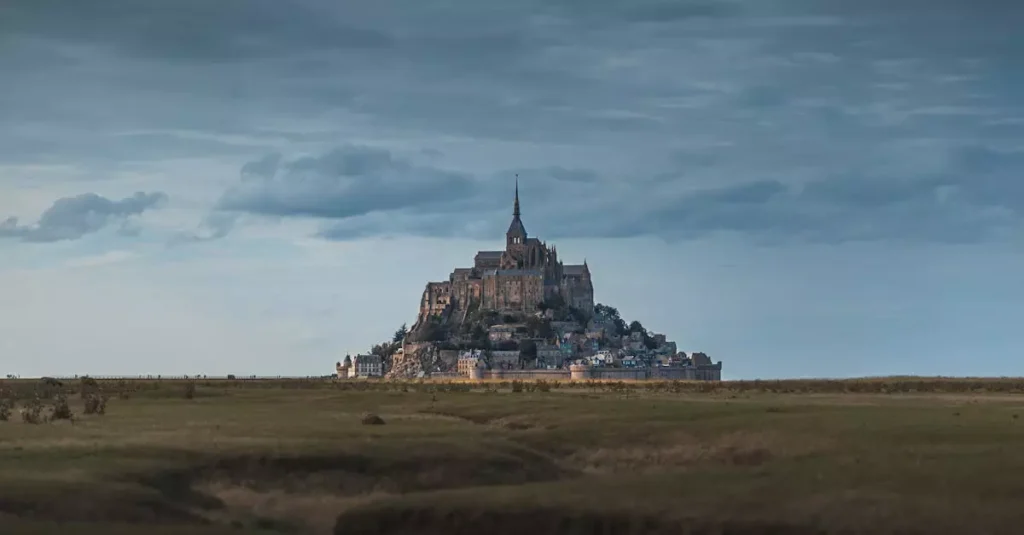
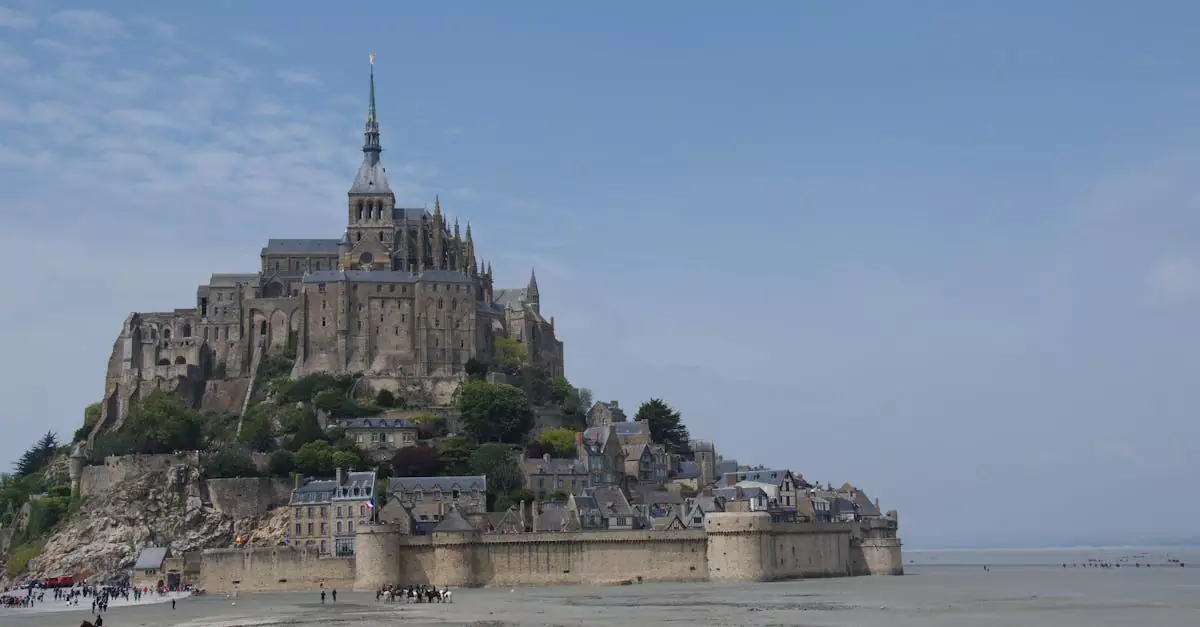
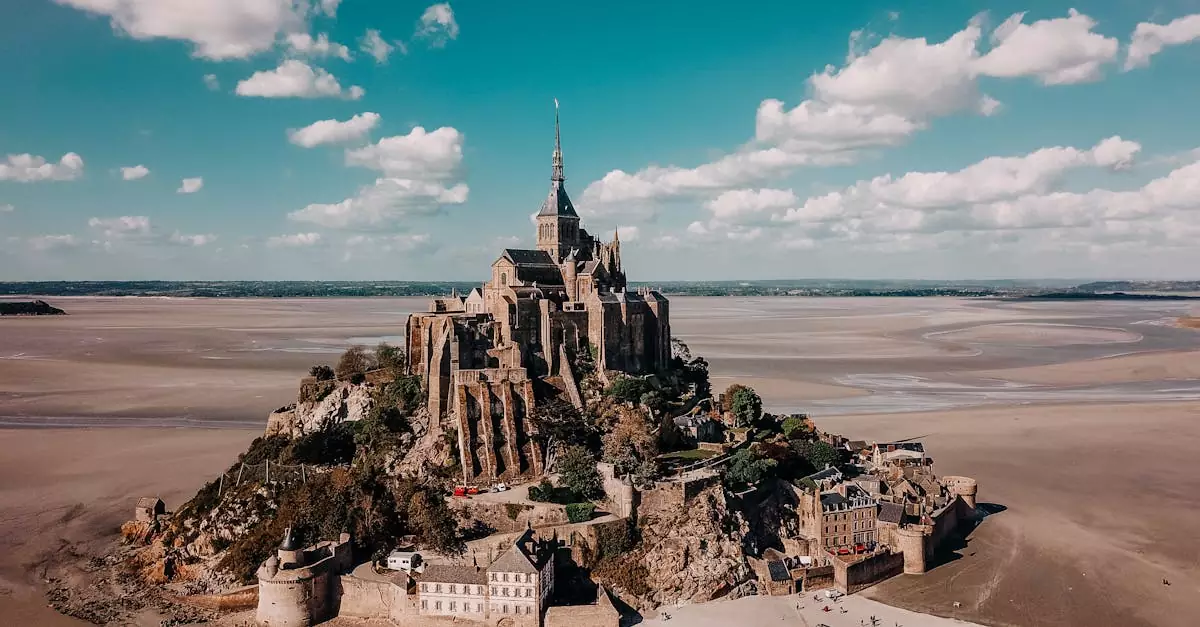
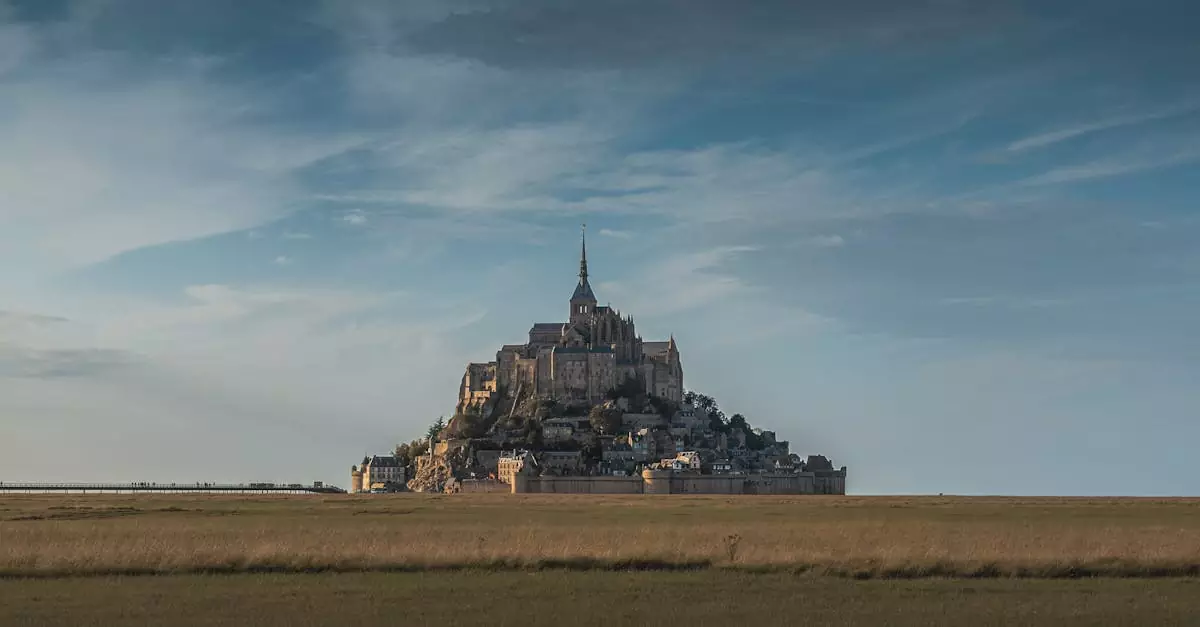
Perched on a rocky island off the coast of Normandy, Mont-Saint-Michel is one of France’s most iconic and visually stunning UNESCO sites. The medieval abbey that crowns the island dominates the landscape, especially at high tide when the causeway is submerged, transforming it into a true tidal island. The narrow, winding streets and steep staircases add to its unique charm.
Reaching Mont-Saint-Michel typically involves parking at a designated area on the mainland and then taking a shuttle bus or walking across the causeway. Accommodations on the island itself are limited and often booked far in advance. Many visitors opt to stay in nearby towns like Avranches or Pontorson, making day trips to the abbey. Be mindful of tide times, as they can affect access and the overall experience.
Palace and Park of Versailles: Royal Grandeur
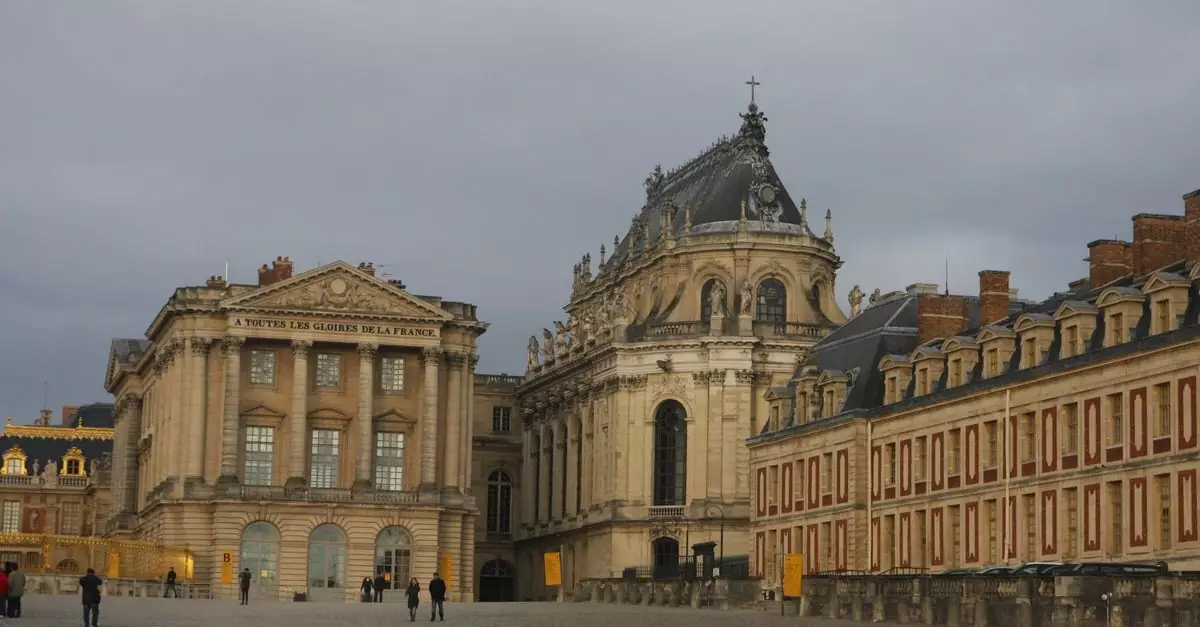
The Palace of Versailles, located just outside Paris, is a UNESCO World Heritage site celebrated for its opulent architecture and vast, meticulously landscaped gardens. Once the principal royal residence of France, it embodies the absolute monarchy and artistic achievements of its time. Highlights within the palace include the Hall of Mirrors, the King’s Grand Apartment, and the Queen’s Hamlet.
Getting to Versailles from Paris is easy via the RER C train line, which stops at Versailles Château Rive Gauche station, a short walk from the palace entrance. Allow a full day to explore both the palace and the extensive grounds, including the Grand Trianon, Petit Trianon, and Marie Antoinette’s Estate. The gardens are particularly enjoyable during warmer months, with musical fountain shows adding a special touch.
Uncovering Lesser-Known UNESCO Treasures in France
While iconic sites like the Palace of Versailles and the Eiffel Tower attract millions, France is also home to a wealth of UNESCO World Heritage Sites that offer a deeper understanding of its history and diverse landscapes. Venturing beyond the most famous landmarks reveals a different facet of French heritage, often with fewer crowds and more authentic experiences. These sites represent a remarkable tapestry of human ingenuity, cultural evolution, and natural beauty, waiting to be discovered by curious travelers.
The Causses and Cévennes: Landscapes of Human Adaptation
The Causses and Cévennes region in southern France presents a unique UNESCO World Heritage site, recognized for its “Mediterranean agricultural landscape.” This area highlights centuries of human adaptation to a challenging yet beautiful environment. Rolling limestone plateaus (the Causses) meet the rugged hills of the Cévennes, creating a dramatic backdrop for ancient human settlements.
Travelers can wander through charming stone villages, remnants of a past intertwined with sheep farming and transhumance—the seasonal movement of livestock. The dry-stone architecture, including shepherd huts and terraced fields, tells a story of resilience and resourcefulness. Hiking trails crisscross the region, offering stunning vistas and opportunities to connect with this living heritage. Late spring or early autumn is ideal for pleasant hiking weather and vibrant landscapes.
Vauban Fortifications: Strategic Military Architecture
Sébastien Le Prestre de Vauban, Louis XIV’s brilliant military engineer, left a lasting mark on France. His innovative fortifications, designed to defend the kingdom’s borders, are recognized by UNESCO for their outstanding universal value. Scattered across the country, from Brittany to the Alps, these fortresses represent a significant chapter in military history and architectural prowess.
Visiting a Vauban site, such as the citadel of Blaye on the Gironde estuary or the fortifications of Mont-Louis in the Pyrénées, offers a tangible connection to France’s strategic past. These imposing structures, often perched on commanding heights, provide insights into siege warfare and defensive strategies of the 17th and 18th centuries. Many are well-preserved and accessible, featuring guided tours that bring their history to life. Planning a trip that includes several of these sites can create a fascinating historical itinerary across different regions of Europe.
Prehistoric Sites and Decorated Caves of the Vézère Valley
The Vézère Valley in the Dordogne region is a treasure trove of prehistoric art and human history, earning its place on the UNESCO World Heritage list. This area is renowned for its concentration of Paleolithic sites, including some of the most important decorated caves in the world. The Lascaux IV International Centre for Cave Art offers a remarkable replica of the original Lascaux cave, allowing visitors to experience breathtaking prehistoric paintings without damaging the fragile originals.
Beyond Lascaux, numerous other sites, such as the Rouffignac Cave and the Font-de-Gaume cave, provide glimpses into the lives of our ancient ancestors. These caves, with intricate depictions of animals and symbols, offer an unparalleled window into early human creativity and belief systems. Access to some of the original caves is highly restricted to preserve them, so booking tours well in advance is essential. The Vézère Valley itself is a picturesque region, perfect for combining historical exploration with the natural beauty of southwestern France.
Planning Your UNESCO World Heritage France Itinerary
Navigating the vast array of France’s UNESCO World Heritage sites requires thoughtful planning to maximize your experience. Whether you have a week or more, understanding the best times to visit and how to connect these significant locations will shape your journey through French history and culture.
Best Time to Visit France’s UNESCO Sites
The ideal time to explore France’s UNESCO World Heritage sites often depends on your tolerance for crowds and weather preferences.
- Spring (April to June): This period offers pleasant temperatures, blooming landscapes, and fewer tourists than peak summer months. It’s an excellent time for outdoor sites like the Causses and Cévennes National Park or the ancient city of Carcassonne.
- Summer (July to August): While the weather is warmest, this is also the busiest season. Expect larger crowds at popular sites such as the Palace of Versailles or Mont-Saint-Michel. Book accommodations and transport well in advance.
- Autumn (September to October): Similar to spring, autumn provides mild weather and a reduction in tourist numbers. The fall foliage enhances many historical landscapes, making it a visually appealing time to visit.
- Winter (November to March): This is the quietest time, offering a more intimate experience at many sites. However, some attractions may have reduced hours or be closed, and weather can be unpredictable. It’s best suited for those focusing on indoor sites or city-based heritage locations.
Crafting a 7-Day UNESCO Heritage Tour
A week-long trip allows for a focused exploration of a specific region or a highlights tour of France’s most iconic UNESCO sites. For a diverse experience, consider a route that balances historical cities with natural wonders.
A possible 7-day itinerary could begin in Paris, visiting sites like the Banks of the Seine. From there, a high-speed train can take you to the Loire Valley to see its magnificent châteaux. The journey could continue south toward Lyon, a city recognized for its historic city center and gastronomy, before concluding. This pace allows for deeper engagement with each location rather than a rushed overview.
Optimizing Your Route: North to South UNESCO Journey
Traveling from north to south through France offers a logical progression, allowing you to experience diverse landscapes and historical eras. This approach is particularly effective when using France’s extensive high-speed rail network.
Starting in the north, you might begin with the historic city of Amiens and its cathedral or venture into the Champagne region. Moving south, the Champagne region itself is a UNESCO World Heritage site, recognized for its rolling vineyards and historic cellars. Continue your journey southward to include sites like the historic town of Provins or the architectural marvels of the Loire Valley.
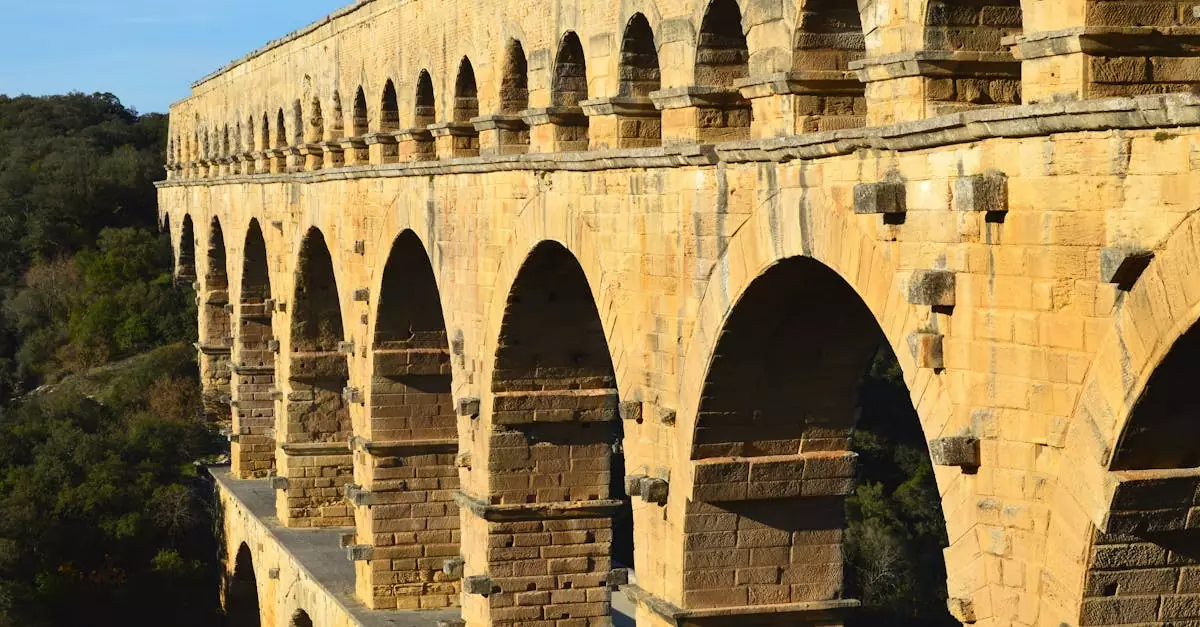
Further south, cities like Lyon offer a rich tapestry of history. The final leg of a north-to-south journey might lead you to the Mediterranean coast, with sites such as the Pont du Gard or the historic fortified city of Carcassonne. This directional travel minimizes backtracking and allows for a more streamlined experience of France’s UNESCO treasures.
Consider the following table for a quick comparison of potential UNESCO sites by region:
| Region | Notable UNESCO Sites | Best For |
|---|---|---|
| Île-de-France | Banks of the Seine in Paris, Palace of Versailles | Iconic landmarks, royal history |
| Loire Valley | Loire Valley Châteaux | Renaissance architecture, picturesque scenery |
| Auvergne-Rhône-Alpes | Historic City of Lyon, Causses and Cévennes | Gastronomy, urban heritage, natural landscapes |
| Occitanie | Historic Fortified City of Carcassonne, Pont du Gard | Medieval history, Roman engineering |
When planning your route, factor in travel time between locations. High-speed trains are efficient but require advance booking, especially during peak seasons. For more remote sites, renting a car may offer greater flexibility.
Navigating France’s UNESCO Heritage Sites: Transportation & Logistics
France’s rich tapestry of UNESCO World Heritage sites, from grand cathedrals to ancient landscapes, is remarkably accessible. Planning your journey involves understanding the best ways to connect these significant locations and navigate within them.
Getting Around: Trains, Cars, and Regional Flights
The French national railway network, the SNCF, is an excellent backbone for inter-city travel between many major heritage sites. High-speed TGV trains connect cities like Paris, Lyon, and Avignon efficiently, often depositing you directly in the city center, which is ideal for further exploration. For more remote or scattered sites, such as the prehistoric sites of the Vézère Valley or the vineyards of Burgundy, renting a car offers greater flexibility. Driving allows you to stop at smaller villages and discover lesser-known historical gems at your own pace.
Regional flights are less common for connecting most UNESCO sites within mainland France due to the excellent train service. However, they can be useful for reaching islands like Corsica, which boasts its own unique cultural heritage, or for saving time on long distances if booked in advance.
Consider this comparison for inter-city travel:
| Mode of Transport | Speed | Cost (Approx.) | Flexibility | Best For |
|---|---|---|---|---|
| TGV Train | High | €40-€100+ | Moderate | City-to-city |
| Rental Car | High | €30-€70/day | High | Rural, scattered sites |
| Regional Flight | High | €50-€150+ | Low | Long distances, islands |
Booking train tickets in advance, especially for TGVs during peak season, can significantly reduce costs. Websites like SNCF Connect provide schedules and booking options.
Public Transport Options within Historic Cities
Once you arrive at a UNESCO World Heritage site within a city, public transport usually makes getting around straightforward. Many historic city centers are pedestrian-friendly, encouraging walking as the primary mode of transport. For longer distances within larger cities like Paris or Lyon, metros and tramways are extensive and efficient. Buses also serve areas not covered by rail lines.
Consider purchasing a day pass or multi-day pass if you plan to use public transport frequently. This often proves more economical than buying individual tickets. Local tourist information offices are excellent resources for maps and advice on the best transport passes for your stay.
In Lyon, the UNESCO-listed historic center (Vieux Lyon) is best explored on foot, but the city’s metro and tram system easily connect it to other attractions and neighborhoods. Similarly, in Paris, the extensive Métro system provides quick access to sites like Notre Dame Cathedral and the Palace of Versailles.
Accessibility for Travelers with Disabilities
France has made strides in improving accessibility at its historical sites, but it remains a varied landscape. Major attractions and newer facilities are generally more accessible, often featuring ramps, elevators, and accessible restrooms. However, many older structures, particularly medieval castles or ancient ruins, present inherent challenges due to their original construction.
It is highly recommended to research the specific accessibility of each site you plan to visit before your trip. Websites of the individual sites or the official French Ministry of Culture can provide detailed information. Some sites offer guided tours specifically designed for visitors with mobility issues or may have alternative routes available.
For example, the Palace of Versailles has made significant efforts to accommodate visitors with disabilities, offering accessible routes through the palace and gardens. In contrast, navigating the narrow, uneven cobblestone streets of some smaller medieval towns might require careful planning and assistance. Public transport in cities is increasingly accessible, with many metro stations and buses equipped for wheelchair users, though older lines or stations may still have limitations.
What Local Foods Should You Try Near French UNESCO Sites?
France’s UNESCO World Heritage sites are not just repositories of history and art; they also serve as gateways to rich culinary traditions. Traveling between these iconic locations offers a delicious opportunity to sample regional specialties, from hearty farmstead cheeses to delicate pastries. Planning your culinary journey can enhance your experience, making each visit a multi-sensory adventure.
Tasting Regional Specialties in the Loire Valley
The Loire Valley, celebrated for its magnificent châteaux and picturesque landscapes, also boasts a vibrant food scene. When visiting towns like Amboise or Blois, look for dishes that highlight the region’s agricultural bounty. Freshwater fish from the Loire River, such as pike or perch, are often prepared simply, allowing their natural flavors to shine. Rillettes, a slow-cooked, shredded pork or goose pâté, is a must-try appetizer, best enjoyed with a crusty baguette and a glass of local Sancerre or Pouilly-Fumé wine.
For those with a sweet tooth, the region offers Tarte Tatin, a caramelized apple tart, and Quernons d’ardoise, a chocolate-covered nougatine confection. Exploring local markets in towns like Tours provides an excellent opportunity to discover these delicacies and interact with local producers. Consider visiting during the autumn harvest for the freshest produce and a more authentic market experience.
Savoring Local Cheeses of the Causses and Cévennes
The Causses and Cévennes, recognized for their dramatic karst topography and traditional pastoral farming, are a paradise for cheese lovers. This region is home to some of France’s most famous and distinctive cheeses. Roquefort, a sheep’s milk blue cheese aged in natural Combalou caves, is a cornerstone of local gastronomy, with its pungent aroma and complex flavor profile.
Beyond Roquefort, explore other regional cheeses like Pélardon, a small, firm goat’s milk cheese with a nutty undertone, and Bleu des Causses, a robust cow’s milk blue cheese. Many farms and small dairies in towns like Millau or Saint-Affrique offer tastings and tours, providing insight into the traditional cheesemaking process. Visiting these artisanal producers allows you to appreciate the terroir that gives these cheeses their unique character.
| Cheese Type | Milk Type | Flavor Profile | Best Enjoyed With |
|---|---|---|---|
| Roquefort | Sheep | Salty, Pungent, Creamy | Dark Bread, Fruit Compote |
| Pélardon | Goat | Nutty, Mildly Tangy | Baguette, Local Honey |
| Bleu des Causses | Cow | Bold, Earthy, Sharp | Red Wine, Walnuts |
Must-Try Pastries and Bakeries in Historic Towns
Across France’s UNESCO sites, from the medieval streets of Carcassonne to the historic center of Lyon, bakeries (boulangeries) and pastry shops (pâtisseries) are essential stops. In the south, you might find regional variations of financiers or cannelés, small, caramelized pastries originating from Bordeaux, often enjoyed with morning coffee or as an afternoon treat.
In larger historic cities like Lyon, renowned for its gastronomy, patisseries offer an exquisite array of classic French pastries. Look for éclairs, mille-feuilles, and macarons, often crafted with meticulous attention to detail and the finest ingredients. Many historic town centers have bakeries that have been operating for generations, preserving traditional recipes. A simple croissant or pain au chocolat from a well-regarded local bakery can be a highlight of your day, offering a taste of authentic French life.
Frequently Asked Questions About UNESCO World Heritage Sites in France
Are there entrance fees for most UNESCO sites?
Entrance fees vary significantly across France’s UNESCO World Heritage sites. Many natural sites, such as the Pyrénées-Mont Perdu, are free to access for hiking and viewing from the outside. However, historical monuments, palaces, and museums typically require an admission fee. For example, the Palace of Versailles or the historic center of Lyon will have associated costs for entry into specific buildings or exhibitions. It’s advisable to check the official website of each site for the most current pricing information and to see if any passes or combined tickets are available.
What are the most family-friendly UNESCO sites in France?
Several UNESCO sites in France offer engaging experiences for families. The historic city of Carcassonne, with its medieval ramparts and castle, provides a sense of adventure for children, often featuring historical reenactments. The Loire Valley Châteaux, such as Chambord or Chenonceau, are also popular; some offer child-oriented tours or treasure hunts. For a more natural adventure, the prehistoric sites and decorated caves of the Vézère Valley can spark curiosity about early human history, though access to some caves may be restricted for very young children or those with mobility issues.
How can I best photograph the Mont-Saint-Michel at high tide?
Capturing Mont-Saint-Michel at high tide requires some planning. The most dramatic views are often from the mainland, specifically from the viewpoints along the coastal road (D976) leading towards the mount. Arriving about an hour before the predicted high tide allows time to find a good vantage point. For unique perspectives, consider locations slightly away from the main access bridge, perhaps toward the west or east, offering a wider panorama as the water surrounds the abbey. Sunset or sunrise can also provide stunning light, but always check tide times and weather forecasts, as conditions can change rapidly.