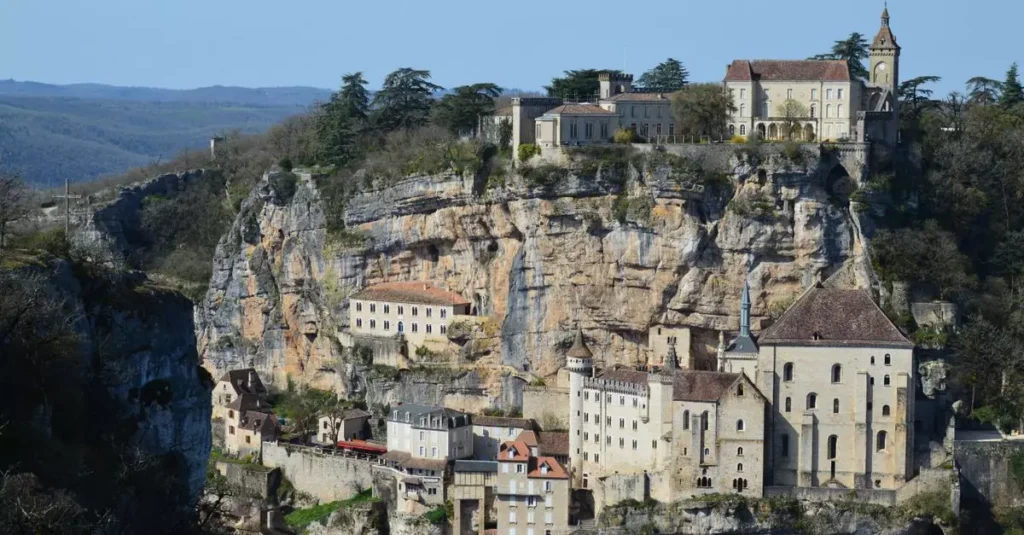
France is renowned for its iconic cities and world-famous landmarks, but its true enchantment often lies just beyond the well-trodden paths. Discovering the best hidden towns in France offers a more intimate and authentic travel experience, allowing you to connect with local culture and savor a slower pace of life. This guide will lead you to charming villages that have retained their unique character, from the flower-laden streets of Alsace to the dramatic coastlines of Brittany and the sun-drenched landscapes of Provence. You’ll learn about their distinct histories, discover must-see attractions, and find practical tips for navigating these lesser-known treasures. Prepare to be captivated by the quiet beauty and genuine warmth that await in these unforgettable French escapes.
Unearthing France’s Most Enchanting Lesser-Known Villages
Why Seek Out France’s Hidden Towns?
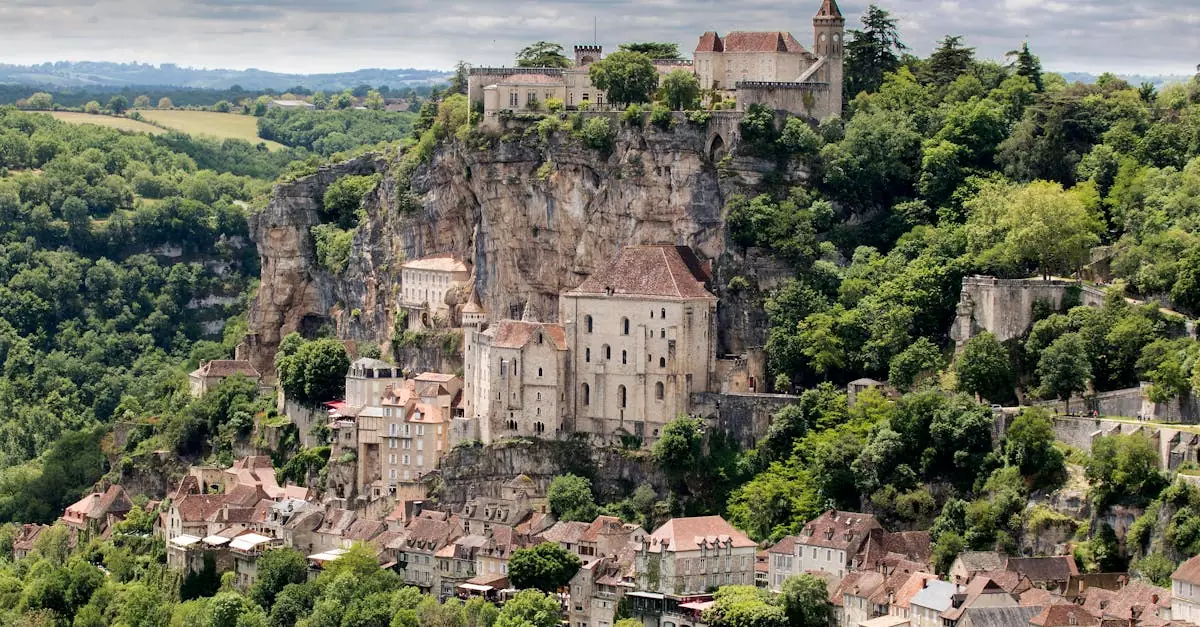
While iconic cities like Paris and Lyon draw millions, France’s true magic often lies in its quieter corners. Seeking out these best hidden towns in France offers a more intimate travel experience. You’ll bypass the crowds and discover genuine local life, unhurried traditions, and landscapes untouched by mass tourism. This approach allows for deeper cultural immersion and the creation of unique travel memories.
Beyond Paris: The Allure of Rural French Charm
The appeal of rural French destinations extends far beyond the Parisian buzz. Imagine waking up to the scent of freshly baked bread from a local boulangerie or spending afternoons meandering through cobblestone streets lined with medieval architecture. These villages offer a slower pace of life, where time seems to stretch, allowing for genuine relaxation and connection. From the lavender fields of Provence to the granite villages of Brittany, each region boasts its own distinct charm and character, waiting to be uncovered. Exploring these areas provides a richer understanding of France’s diverse heritage, far removed from the well-trodden tourist paths.
How to Find Your Perfect French Village Escape
Discovering France’s best-kept secrets requires a blend of planning and spontaneity. For those who prefer structure, regional tourism websites and specialized travel blogs often highlight lesser-known destinations. Consider focusing on a specific region, such as the Dordogne for its prehistoric caves and medieval castles or Alsace for its picturesque half-timbered houses.
When planning your visit, consider the season. Spring (April-May) and autumn (September-October) generally offer pleasant weather and fewer crowds, making them ideal for exploring these charming locales. Summer can be beautiful but also busier, especially in popular southern regions.
Transportation to these villages often involves a combination of trains and local buses, or renting a car for maximum flexibility. Many smaller towns are best navigated on foot, so pack comfortable shoes.
Here’s a general overview of what to expect when venturing off the beaten path:
| Aspect | Description |
|---|---|
| Atmosphere | Quiet, authentic, traditional, often historic architecture. |
| Activities | Local markets, scenic walks, wine tasting, historical site visits. |
| Accommodation | Boutique hotels, charming guesthouses (chambres d’hôtes), self-catering. |
| Budget | Generally more affordable than major cities, especially for food and lodging. |
| Logistics | May require more planning for transportation and language basics. |
For those looking to venture further afield and understand the broader European context, resources like Wikipedia’s page on Europe can provide valuable geographical and cultural background.
Alsace’s Fairytale Villages: Colmar’s Quaint Neighbors
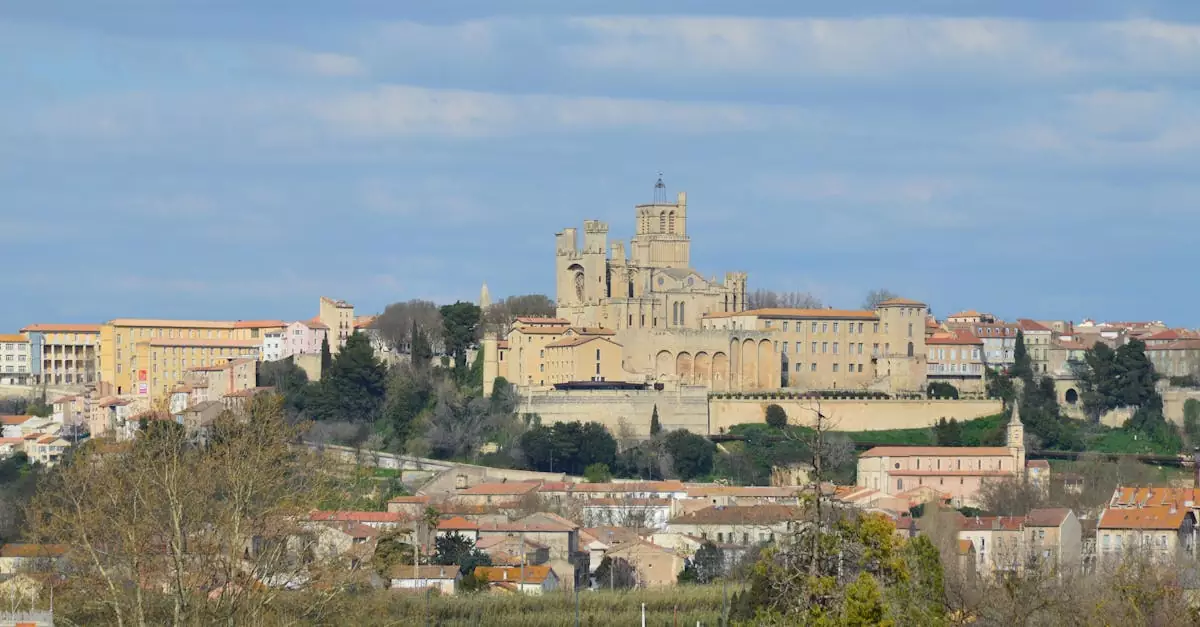
While Colmar often takes center stage in Alsace, its surrounding villages offer an even more intimate glimpse into the region’s unique charm. These are some of the best hidden towns in France, often overlooked by those sticking to larger cities, yet they provide an authentic experience of Alsatian life. Traveling between these villages is straightforward, making them excellent day trip destinations or a peaceful base for a longer stay.
Eguisheim: A Perfectly Preserved Medieval Gem
Eguisheim stands out as a remarkably well-preserved medieval village, its circular layout a testament to its historical defenses. The narrow, cobblestone streets wind outwards from a central castle, lined with half-timbered houses painted in vibrant hues of yellow, blue, and red. Flower boxes overflow with geraniums, creating a picturesque scene at every turn.
- Getting there: Eguisheim is a short bus ride or a 15-minute drive from Colmar. Parking can be challenging during peak season, so arriving early is advisable.
- What to do: Wander through the concentric streets, visit the Château de Eguisheim, and sample local wines from one of the many family-run wineries. The village’s compact size makes it ideal for leisurely exploration on foot.
- Best time to visit: Spring and summer offer the most vibrant floral displays. The Christmas markets here are also exceptionally popular, transforming the village into a festive wonderland.
Riquewihr: A Wine Route Classic with Timeless Appeal
Riquewihr is a quintessential Alsatian village, famous for its role along the Route des Vins d’Alsace. Its fortified walls and ancient buildings transport visitors back centuries. The main street, Rue du Général de Gaulle, is a lively artery filled with artisanal shops, wine cellars, and charming cafes.
- Local specialty: Riquewihr is renowned for its Riesling and Gewürztraminer wines. Many vineyards offer tastings, providing a delightful way to experience the local terroir.
- Logistics: Easily accessible by car from Colmar, Riquewihr also has bus connections. Like Eguisheim, parking requires some planning, with designated lots outside the village center.
- Visual appeal: The architecture here is stunning, with steep roofs, ornate window frames, and the iconic Dolder Tower standing guard. It’s a photographer’s dream, especially during the golden hour.
Kaysersberg: Albert Schweitzer’s Birthplace and a Floral Delight
Kaysersberg offers a blend of history, natural beauty, and a connection to a Nobel Peace Prize winner. This charming town boasts a picturesque river, a medieval castle ruin overlooking the village, and a reputation for being exceptionally floral. It’s often cited as one of the most beautiful villages in France.
- Historical significance: The birthplace of Albert Schweitzer, the town features a museum dedicated to his life and work, adding an intellectual dimension to its appeal.
- Outdoor activities: Hike up to the Château de Kaysersberg for panoramic views, or stroll along the Weiss River. The village’s numerous gardens and flower-adorned balconies contribute to its award-winning beauty.
- Traveler tip: Kaysersberg’s slightly larger size compared to Eguisheim or Riquewihr means it can accommodate more visitors, but it still retains an intimate atmosphere. It’s a great base for exploring the wider Alsace region.
These three Alsatian villages, while close to Colmar, offer distinct experiences that firmly place them among France’s best-kept secrets. Their well-preserved medieval character, vibrant floral displays, and rich wine heritage make them essential stops for anyone seeking authentic charm off the beaten path.
Provence’s Sun-Drenched Secrets: Beyond the Lavender Fields
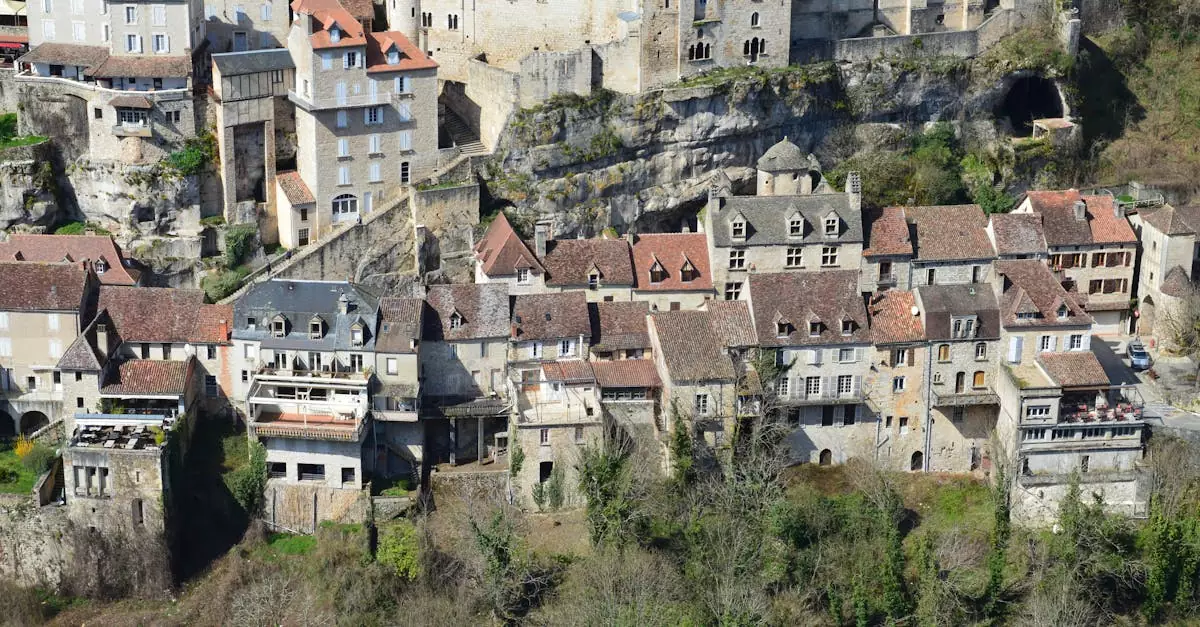
While the iconic lavender fields of Provence draw crowds each summer, this sun-drenched region of France hides many lesser-known gems. For travelers seeking a more intimate French experience, these charming villages offer a glimpse into authentic Provençal life, often with fewer tourists and equally stunning scenery. Moving beyond the well-trodden paths allows for a deeper connection with the local culture and a more relaxed pace of travel.
Gordes: The Cliffside Village with Breathtaking Views
Perched dramatically on a rocky outcrop in the Luberon Mountains, Gordes is often cited as one of France’s most beautiful villages. Its stone houses seem to tumble down the hillside, creating a picturesque panorama that has captivated artists for centuries. Wandering its narrow, winding streets reveals hidden squares, ancient fountains, and artisan boutiques.
Visitor Insights:
- Best Time to Visit: Spring (April-May) and autumn (September-October) offer pleasant weather and fewer crowds than peak summer.
- Getting There: Gordes is best accessed by car, offering flexibility to explore the surrounding Luberon. Buses are available from Cavaillon, but schedules can be infrequent.
- What to See: The Château de Gordes, the Sénanque Abbey (famous for its lavender fields, though often crowded), and the Village des Bories (a collection of ancient stone huts) are highlights.
Roussillon: A Village Painted in Ochre Hues
Just a short drive from Gordes, Roussillon presents a striking contrast with its vibrant, earthy palette. The village is built upon the world’s largest ochre deposit, lending its buildings and the surrounding landscape a spectrum of reds, oranges, and yellows. Walking the Ochre Trail (Sentier des Ocres) is a must-do, offering a surreal journey through colorful cliffs and rock formations.
Logistics and Tips:
- Ochre Trail: Wear sturdy shoes, as the paths can be uneven. The trail is divided into shorter and longer loops, with the longer one taking about an hour.
- Accommodation: While Roussillon has charming boutique hotels, consider staying in a nearby town like Bonnieux or Ménerbes for more budget-friendly options and easier parking.
- Local Culture: Enjoy a leisurely lunch at one of the village’s cafes, savoring local Provençal cuisine.
Lourmarin: Artistic Haven in the Luberon Valley
Nestled at the foot of the Luberon Mountains, Lourmarin exudes an artistic and sophisticated charm. This village is known for its lively atmosphere, with numerous art galleries, bookshops, and excellent restaurants. Its elegant castle, Château de Lourmarin, is a testament to its rich history and hosts cultural events.
Traveler Considerations:
- Atmosphere: Lourmarin is a popular destination for artists and writers, contributing to its bohemian yet chic vibe. It feels slightly more cosmopolitan than some of its neighboring villages.
- Day Trips: Lourmarin serves as an excellent base for exploring other nearby villages such as Cucuron and Ansouis.
- Budget: Dining and accommodation in Lourmarin can be slightly more expensive than in smaller, more remote villages, reflecting its popularity and amenities.
These best hidden towns in France, particularly within the captivating region of Provence, offer an authentic and enriching travel experience. By venturing off the typical tourist routes, visitors can uncover the true spirit of French village life.
Brittany’s Coastal Charms: Historic Ports and Seaside Towns
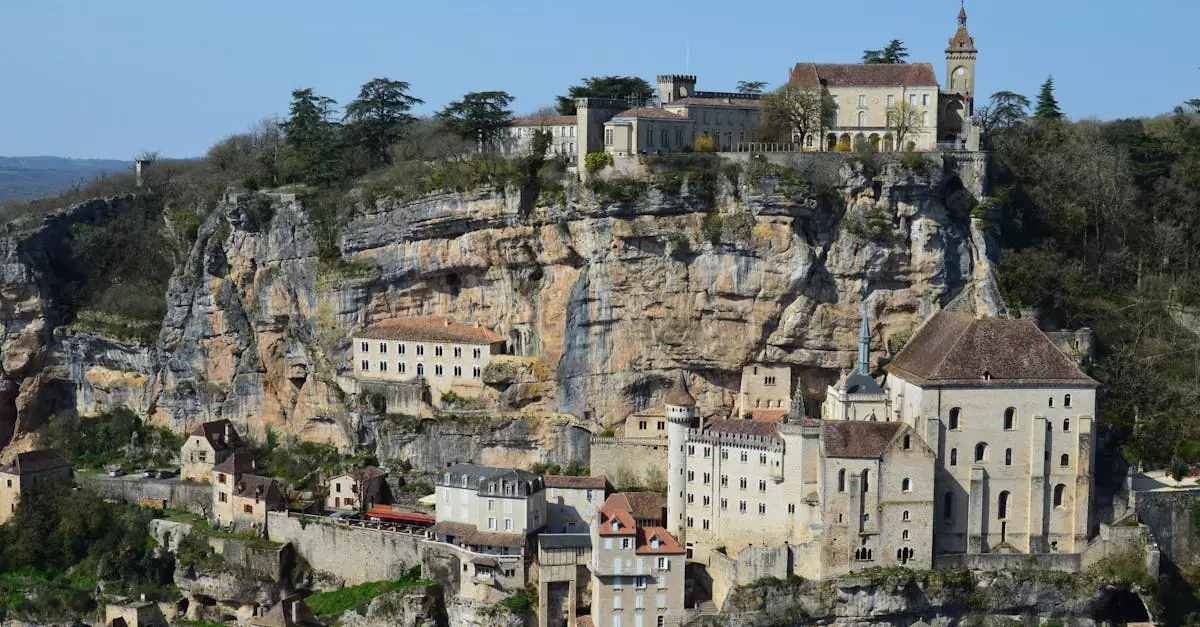
Brittany, a region in northwestern France, offers a dramatic coastline dotted with historic ports and picturesque villages that feel a world away from the bustling crowds. This rugged peninsula is a treasure trove of authentic French culture, where ancient traditions meet the wild Atlantic. For travelers seeking charming hidden towns in France, Brittany presents a compelling alternative to more famous destinations.
Dinan: A Medieval Walled City on the Rance River
Dinan stands as one of France’s most beautifully preserved medieval towns, a living testament to its rich history. The town is encircled by 1.5 kilometers of ramparts, offering breathtaking views over the Rance River estuary. Walking through its cobbled streets, lined with half-timbered houses that lean precariously, feels like stepping back centuries.
The heart of Dinan is its vibrant market square, Place des Cordeliers, where local vendors sell fresh produce, artisanal cheeses, and crafts. Don’t miss the climb up the Tour de l’Horloge (Clock Tower) for panoramic vistas, or a stroll down to the Port of Dinan, a charming waterfront with riverside cafes and boat tours. Getting to Dinan is easiest by car, though regional trains connect to nearby larger towns like Saint-Malo, requiring a short taxi or bus ride to reach the town center.
Saint-Malo: The Walled City of Pirates
Saint-Malo is an extraordinary fortified city, an island commune connected to the mainland by roads. Its formidable granite ramparts, built to withstand the fierce Atlantic tides and historical invasions, offer a spectacular promenade. This city was once a notorious stronghold for privateers, known as “corsairs,” and a palpable sense of maritime adventure lingers.
Visitors can walk the full circuit of the ramparts, enjoying sweeping views of the English Channel and the surrounding islands. Inside the walls, the narrow streets are filled with shops, restaurants, and historic buildings, including the impressive Château de Saint-Malo. During low tide, it’s possible to walk out to the Fort National, a tidal island fort accessible on foot. Accommodation within the walled city offers an immersive experience, though booking well in advance is recommended, especially during peak season.
Locronan: A Picturesque Village Frozen in Time
Named one of the most beautiful villages in France, Locronan is a remarkably preserved medieval settlement in western Brittany. Its granite buildings, narrow streets, and central square, dominated by a 15th-century church, evoke a bygone era. The village’s charm lies in its authenticity; it has served as a filming location for historical movies, further cementing its timeless appeal.
Locronan is particularly enchanting for those interested in photography and history. The village is car-free in its core, encouraging leisurely exploration on foot. Artisan workshops and small boutiques offer unique crafts and local products. While Locronan doesn’t have its own train station, it’s accessible by bus from nearby Quimper, making it a worthwhile day trip for those exploring the Finistère department.
Navigating and Experiencing France’s Hidden Towns
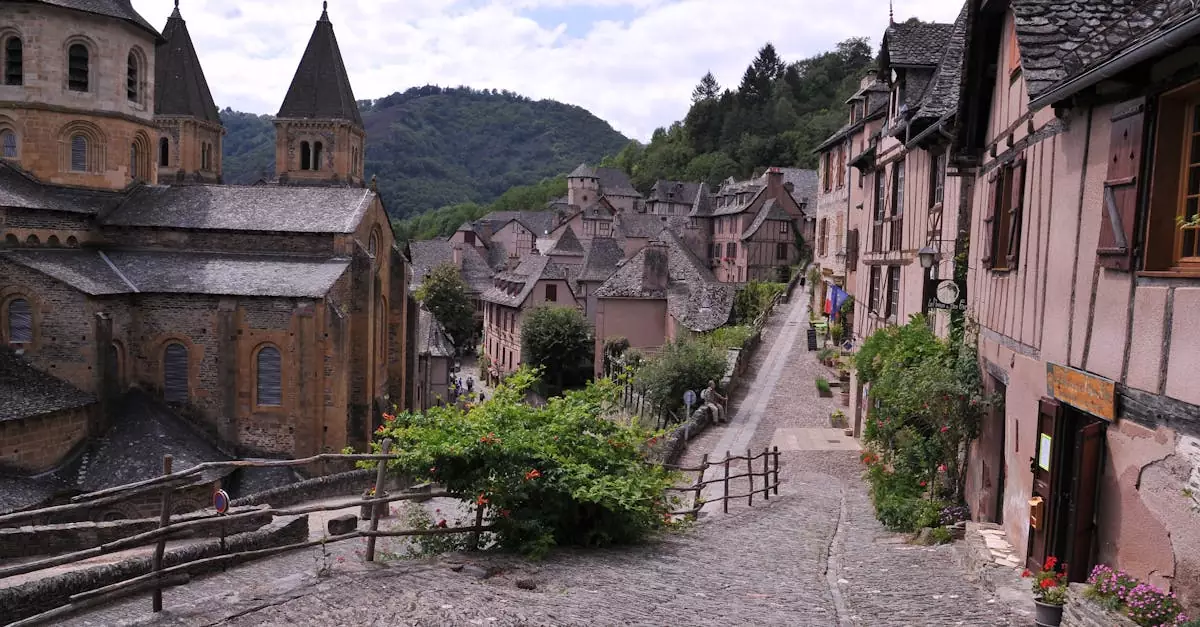
Discovering France’s best-kept secrets means venturing beyond the well-trodden tourist paths. These charming villages offer an authentic glimpse into French life, but reaching and enjoying them requires a bit of planning. Understanding the best times to visit, how to get around, and how to structure your trip will make your adventure smoother and more rewarding.
Best Time to Visit France’s Hidden Towns for Ideal Weather
Timing your visit can significantly enhance your experience in France’s hidden towns. The shoulder seasons, spring (April to June) and autumn (September to October), generally offer the most pleasant weather. During these months, you’ll find milder temperatures, fewer crowds, and beautiful natural scenery – think blooming flowers in spring or vibrant foliage in autumn.
Summer (July and August) brings warm weather and long daylight hours, ideal for leisurely strolls and outdoor dining. However, this is also peak tourist season, meaning popular villages can feel crowded, and accommodation prices may be higher. Winter (November to March) offers a quieter, more intimate experience, with charming Christmas markets and cozy bistros. Be prepared for cooler temperatures and potentially shorter opening hours for some attractions.
| Season | Average Temperature (°C) | Crowds | Scenery |
|---|---|---|---|
| Spring | 10-20 | Moderate | Blooming flowers, green |
| Summer | 20-30 | High | Lush, vibrant |
| Autumn | 10-20 | Moderate | Fall foliage, harvest |
| Winter | 0-10 | Low | Crisp, sometimes snow |
Getting Around: Car Rentals vs. Public Transport for Village Hopping
When exploring France’s best hidden towns, your transportation choice is crucial. For true freedom and access to the most secluded hamlets, renting a car is highly recommended. It allows you to set your own pace, stop at spontaneous viewpoints, and easily navigate winding country roads. Many of these smaller villages are not well-served by public transportation, making a car almost essential for comprehensive exploration.
Major cities and larger towns have good train connections, and you can often rent cars from these hubs. However, once you’re in a rural region, a car unlocks the ability to visit multiple villages in a day without relying on infrequent bus schedules. Be aware that driving in some old town centers can be challenging due to narrow streets and limited parking. Consider a smaller vehicle for easier maneuverability.
Public transport, primarily trains and buses, can connect you between larger towns. If your focus is on a few specific villages accessible via regional lines or bus routes, this can be a more budget-friendly option. However, it requires meticulous planning and often involves longer travel times and fewer flexible stops. For a comprehensive journey through France’s less-visited gems, a car offers unparalleled convenience.
Crafting Your Itinerary: A Sample 7-Day Hidden France Road Trip
A week-long road trip is an excellent way to immerse yourself in the charm of France’s lesser-known villages. This sample itinerary focuses on the picturesque regions of Burgundy and the Loire Valley, known for their stunning landscapes and historic architecture.
Day 1-2: Burgundy – Beaune and surrounding villages
Arrive in Beaune, a historic wine town. Spend a day exploring its Hospices and tasting local wines. Dedicate the second day to driving through the Côte d’Or, stopping in villages like Gevrey-Chambertin or Meursault.
Day 3-4: Burgundy to Loire Valley – Transfer and Sancerre
Enjoy a scenic drive towards the Loire Valley. Break up the journey with a stop in the charming hilltop town of Sancerre, famous for its goat cheese and white wine. Spend the night in a local inn.
Day 5-6: Loire Valley – Chinon and charming hamlets
Base yourself near Chinon, a town with a rich medieval history. Spend these days visiting nearby troglodyte caves, exploring lesser-known châteaux like Château d’Ussé, and wandering through villages such as Montrésor or Candes-Saint-Martin.
Day 7: Departure
Depending on your departure point, enjoy a final French breakfast before heading to a major airport like Paris or Lyon for your journey home. This itinerary balances iconic sights with the quietude of the best hidden towns France has to offer.
This route provides a taste of France’s diverse beauty, from rolling vineyards to fairytale castles, all while keeping you away from the biggest crowds. Remember to book accommodations in advance, especially if traveling during peak season. For more general information on European travel, you can consult resources like Wikipedia’s page on Europe.
Frequently Asked Questions About Exploring Secret France
What are the best hidden towns in France for couples?
For romantic getaways away from the crowds, consider towns like Saint-Émilion in Bordeaux, known for its medieval architecture and vineyards. Yvoire on Lake Geneva offers picturesque lakeside charm, while Riquewihr in Alsace provides a fairytale setting with its half-timbered houses. These locations offer intimate settings and opportunities for leisurely strolls and wine tasting.
Are there affordable accommodation options in these smaller French towns?
Yes, smaller towns often provide more budget-friendly accommodation than major cities. You’ll find charming guesthouses (chambres d’hôtes), small hotels, and vacation rentals that can be more affordable. Booking outside of peak season, typically July and August, can also significantly reduce costs.
| Accommodation Type | Average Price (per night) | Notes |
|---|---|---|
| Chambre d’Hôte | €70 – €120 | Often includes breakfast, local feel |
| Small Hotel | €80 – €150 | Varying amenities, good value |
| Vacation Rental | €90 – €180 | Ideal for longer stays, self-catering |
What local foods should I try when visiting France’s hidden gems?
Each region boasts unique culinary specialties. In Alsace, try choucroute garnie (sauerkraut with meats) or tarte flambée. Normandy is famous for its camembert cheese and cider. The Loire Valley offers excellent goat cheese and local river fish. Don’t miss regional pastries and freshly baked bread from local bakeries.
What common tourist mistakes should travelers avoid in rural France?
One common mistake is underestimating the need for a car, as public transport can be infrequent in more remote areas. Another is not learning a few basic French phrases; while many people in tourist areas speak English, making an effort is always appreciated in smaller villages. Finally, be aware that many shops and restaurants, particularly in smaller towns, may close for a long lunch break (typically 12:30 PM to 2:30 PM) and may also be closed on Sundays or Mondays.