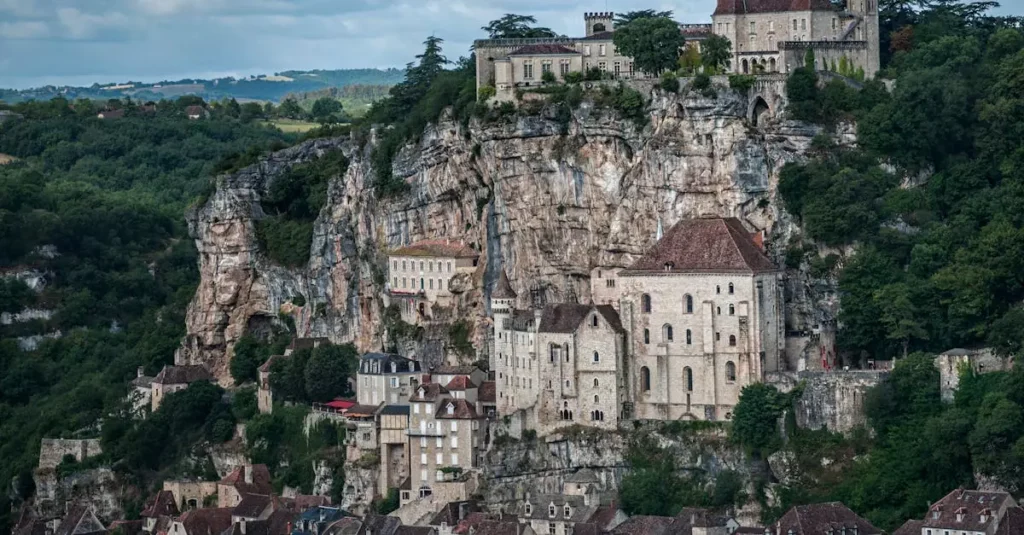
Escape the well-trodden paths and discover the tranquil beauty of rural France. If you’re dreaming of rolling vineyards, charming stone villages, and a pace of life dictated by the seasons rather than the clock, then exploring the best French countryside destinations is for you. This guide will take you beyond bustling cities to uncover regions brimming with authentic charm, delicious regional cuisine, and breathtaking landscapes.
You’ll learn about the unique allure of these rural escapes, from the fairy-tale villages of Alsace and the chateaux-lined Loire Valley to the sun-drenched fields of Provence and the rugged coastlines of Brittany. We’ll explore why choosing the countryside offers a deeper connection to French culture and provide insights into planning your own unforgettable journey. Get ready to be inspired by the quiet corners of France that offer some of its most rewarding travel experiences.
Why Choose the French Countryside Over Bustling Cities?
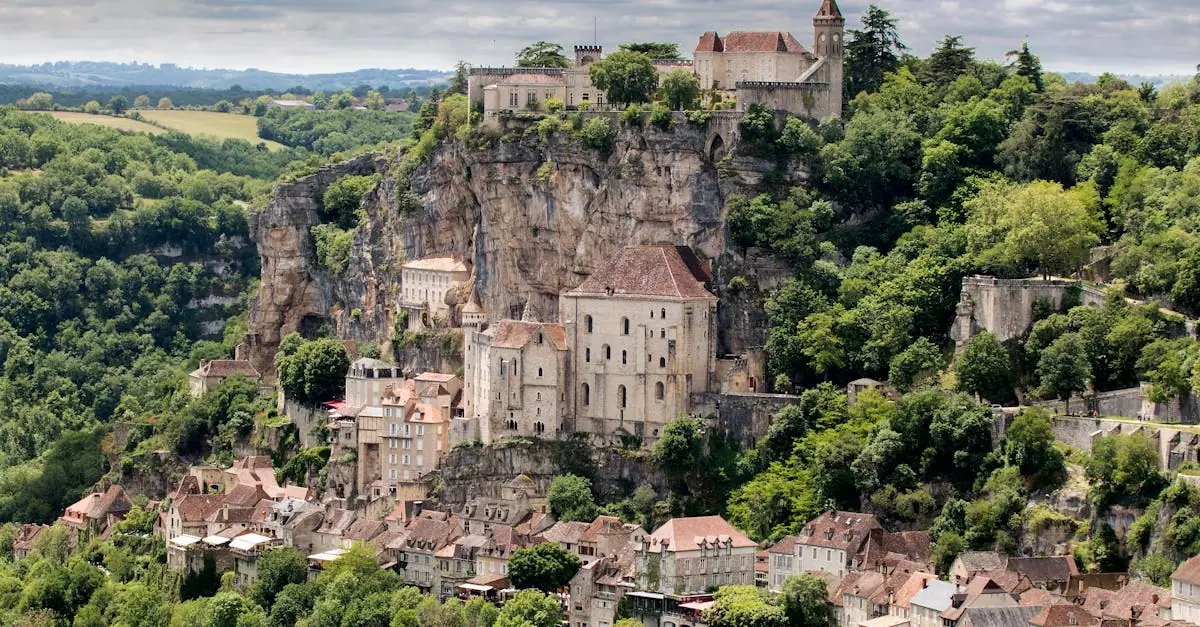
Opting for the French countryside offers a distinct travel experience compared to the vibrant energy of cities like Paris or Lyon. It’s a choice for those seeking a slower pace, deeper immersion in local culture, and a closer connection with nature. The allure lies in its authenticity, providing a glimpse into a France that remains relatively untouched by mass tourism.
Tranquility and Authentic Charm
The French countryside is synonymous with peace and quiet. Imagine waking up to the gentle sounds of nature, the aroma of freshly baked bread from a local boulangerie, and the sight of rolling vineyards or picturesque villages. Here, you’ll find genuine hospitality, unhurried interactions with locals, and a chance to disconnect from the everyday hustle. Unlike crowded tourist hubs, these rural areas offer a more personal encounter with French life.
For travelers seeking an escape from urban environments, destinations like the Dordogne or Provence present an abundance of charming villages with stone houses, flower-filled balconies, and quiet squares. The pace of life encourages lingering over coffee at a local café or strolling through markets without the pressure of a packed itinerary. This authentic charm is a primary draw for many planning a trip to France, seeking an experience that feels both timeless and deeply personal.
Unique Regional Flavors and Traditions
Each region of the French countryside boasts its own culinary identity and deeply rooted traditions. From the hearty stews and cheeses of Normandy to the sun-drenched olive oils and herbs of Provence, the gastronomic journey is as diverse as the landscape itself. Visiting local markets, farm stands, and family-run restaurants offers a direct route to understanding and appreciating these regional specialties.
These traditions extend beyond food; they include local festivals, artisanal crafts, and the preservation of historical architecture. For instance, the Alsace region showcases unique half-timbered houses and a blend of French and German influences, evident in its cuisine and festivals. Experiencing these elements provides a richer understanding of the fabric of French rural life, far beyond what a city tour might offer. Many of the best French countryside destinations are celebrated for these cultural offerings, drawing visitors who appreciate heritage and craftsmanship.
Access to Nature and Outdoor Activities
Beyond its cultural richness, the French countryside offers unparalleled access to natural beauty and a wide array of outdoor activities. Whether you prefer hiking through the lavender fields of Provence, cycling along the Loire River’s chateaux, or exploring the rugged coastline of Brittany, there are opportunities for every level of adventurer. The vast, unspoiled landscapes invite exploration and physical activity.
Many rural areas are crisscrossed with well-maintained trails, scenic drives, and designated natural parks. For example, the French Alps offer world-class hiking and skiing, while the Cévennes National Park provides a more remote wilderness experience. When planning your trip around outdoor activities, consider the best seasons for hiking or enjoying specific landscapes. Traveling in spring or autumn can offer pleasant weather for walking and fewer crowds, making it easier to appreciate the natural splendor of these regions.
Top 5 Best French Countryside Destinations for 2026
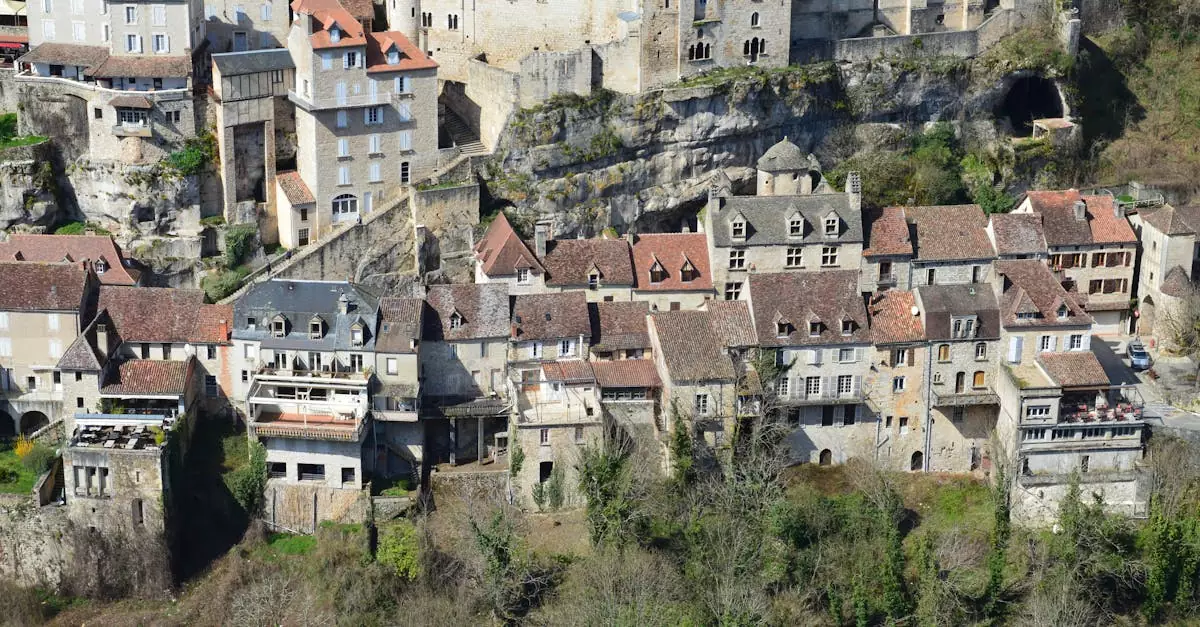
Choosing the best French countryside destinations involves balancing historical charm, natural beauty, and distinct regional cultures. For travelers seeking an escape beyond bustling cities, these five regions offer unique experiences in 2026. Each provides a distinct flavor of rural France, from majestic chateaux to sun-drenched vineyards and dramatic coastlines.
Loire Valley: Chateaux, Vineyards, and Royal History
The Loire Valley, a UNESCO World Heritage site, remains a quintessential French countryside destination. Its landscape is dotted with over 300 magnificent chateaux, remnants of its royal past. Visitors can cycle between historic estates like Chambord, Chenonceau, and Villandry, often with vineyards stretching out on either side.
- Timing: Spring (April-May) offers blooming gardens and fewer crowds, while autumn (September-October) brings harvest festivals and vibrant foliage. Summer can be warm and busy.
- Logistics: Renting a car is highly recommended for flexible exploration. Many chateaux are accessible by bike, especially around towns like Amboise and Blois.
- Consider: Wine tasting is a major draw, with appellations like Sancerre and Vouvray producing excellent whites.
Provence: Lavender Fields, Hilltop Villages, and Mediterranean Sun
Provence embodies the idyllic South of France, famous for its fragrant lavender fields, olive groves, and picturesque hilltop villages. Areas like the Luberon Natural Park, with villages such as Gordes and Roussillon, offer stunning vistas and charming cobblestone streets. The region’s vibrant markets and delicious cuisine, influenced by Mediterranean flavors, are also major attractions.
- Best time to visit: June and July are peak lavender season. Spring and early autumn offer pleasant weather for sightseeing without the summer heat.
- Getting around: A car is essential for reaching smaller villages and scenic routes. Train connections are good between larger towns like Avignon and Aix-en-Provence.
- Local flavor: Don’t miss a visit to a local market for fresh produce, artisanal cheeses, and regional specialties.
Dordogne: Prehistoric Caves, Medieval Castles, and Gourmet Food
The Dordogne region in southwestern France is a treasure trove for history buffs and food lovers. It boasts an impressive concentration of prehistoric cave art, including the Lascaux IV replica, and numerous well-preserved medieval castles overlooking the Dordogne River. The area is renowned for its rich culinary heritage, particularly foie gras, truffles, and walnuts.
- Key attractions: Sarlat-la-Canéda is a beautifully preserved medieval town. Beynac-et-Cazenac and Castelnaud-la-Chapelle offer dramatic castle views.
- Traveler tip: Consider a river cruise or kayaking trip on the Dordogne for unique perspectives of the landscape and castles.
- Culinary focus: Food tours and cooking classes are popular ways to experience the region’s gastronomic delights.
Alsace: Fairytale Villages, Wine Route, and German Influences
Alsace, nestled on the German border, presents a unique Franco-German cultural blend. Its countryside is characterized by charming, half-timbered villages that look like they’ve sprung from a storybook. The Alsace Wine Route winds through picturesque vineyards, connecting towns like Colmar, Eguisheim, and Riquewihr, each with distinct architectural beauty and local wines, especially Riesling and Gewürztraminer.
- Seasonal appeal: The Christmas markets in Alsace are world-famous, drawing visitors from across Europe. Spring and summer offer pleasant weather for exploring the vineyards.
- Transportation: The Wine Route is best navigated by car or bicycle. Regular train services connect larger towns.
- Cultural note: The distinct architecture and dialect reflect its historical ties to Germany.
Brittany: Rugged Coastlines, Celtic Heritage, and Seafood Delights
Brittany, in the northwest of France, offers a wilder, more dramatic countryside experience. Its rugged coastline, dotted with picturesque fishing villages and windswept beaches, is a major draw. The region’s strong Celtic heritage is evident in its music, festivals, and ancient megalithic sites, such as those near Carnac. Fresh seafood is a highlight of its distinct cuisine.
- Coastal exploration: The Pink Granite Coast (Côte de Granit Rose) is particularly stunning. Hiking trails like the GR34 offer incredible coastal views.
- Local experience: Seek out creperies for savory galettes and sweet crepes, and enjoy freshly caught seafood.
- Budget considerations: While some coastal resorts can be pricey, charming guesthouses and smaller towns offer more affordable options.
Planning Your French Countryside Road Trip Itinerary
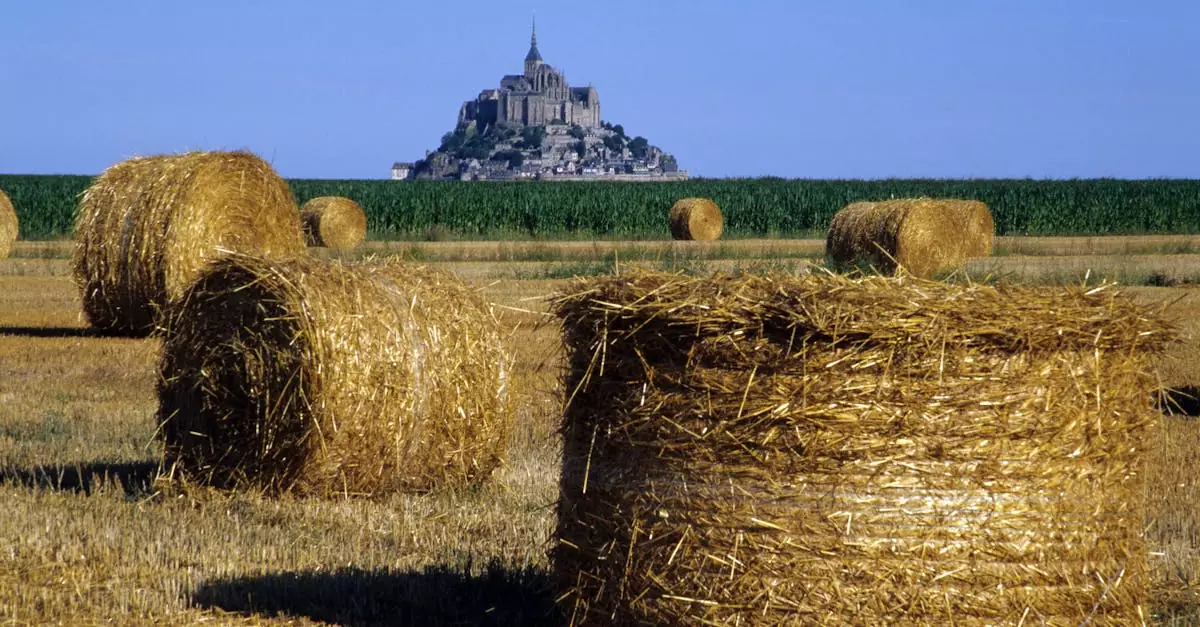
Embarking on a road trip through the French countryside offers a quintessential European adventure, allowing you to discover charming villages, historic chateaux, and breathtaking landscapes at your own pace. The best French countryside destinations are often best experienced with a car, providing the flexibility to navigate winding rural roads and stop at spontaneous points of interest. When planning your itinerary, consider the specific region’s attractions and the time you have available.
Crafting a 7-Day Loire Valley Chateau Circuit
A week in the Loire Valley is an excellent introduction to France’s royal past and architectural grandeur. This region is renowned for its concentration of magnificent chateaux, many of which are UNESCO World Heritage sites. A 7-day circuit allows for a comfortable pace, balancing visits to iconic castles with leisurely exploration of picturesque towns like Amboise and Chinon.
Your itinerary could begin with the majestic Château de Chambord, the largest in the Loire Valley, followed by the elegant Château de Chenonceau, gracefully spanning the River Cher. Dedicate a day to the historic Château d’Amboise and its royal apartments, and perhaps the Clos Lucé, Leonardo da Vinci’s final home. A visit to the fortress-like Château de Chinon, with its rich history tied to Joan of Arc, is also highly recommended. Consider basing yourself in a central town like Tours or Blois for easier access to multiple sites, or opt for a more immersive experience by staying in smaller villages.
- Transportation: A rental car is essential for navigating the Loire Valley. Most major chateaux have ample parking.
- Accommodation: Options range from luxury hotels and charming B&Bs to self-catering gîtes. Booking in advance is advisable during peak season.
- Best Time to Visit: Spring (April-June) and autumn (September-October) offer pleasant weather and fewer crowds.
A 10-Day Provence and Luberon Village Exploration
For a journey steeped in lavender fields, ochre cliffs, and vibrant markets, a 10-day exploration of Provence and the Luberon region is ideal. This itinerary allows ample time to soak in the Mediterranean charm and discover the distinct character of each hilltop village. Starting in Avignon, with its Papal Palace, provides a historical anchor before venturing into the heart of Provence.
Your route could include visits to the Roman amphitheater in Arles, the stunning Pont du Gard aqueduct, and the charming city of Aix-en-Provence. In the Luberon, allocate time for iconic villages such as Gordes, Roussillon (famous for its ochre trails), Bonnieux, and Ménerbes. Allow for leisurely strolls through local markets, where you can sample regional produce and artisanal crafts. A longer stay permits day trips to the Calanques National Park or the coastal town of Cassis.
| Village/Town | Key Attractions | Estimated Time |
|---|---|---|
| Avignon | Papal Palace, Pont d’Avignon | 1-2 days |
| Arles | Roman Amphitheatre, Van Gogh sites | 1 day |
| Aix-en-Provence | Cours Mirabeau, Cézanne’s studio | 1 day |
| Gordes | Abbey of Sénanque, panoramic views | 0.5 day |
| Roussillon | Ochre hiking trails, colorful village | 0.5 day |
| Ménerbes/Bonnieux | Hilltop charm, local markets | 0.5 day each |
- Transportation: A car is highly recommended for exploring the scattered villages. Parking can be challenging in some of the smaller hamlets.
- Budget: Provence can be more expensive, especially during summer. Consider self-catering to manage costs.
- Local Culture: Embrace the slower pace of life, enjoy long lunches, and explore the vibrant local markets.
Navigating the Dordogne’s Castles and Rivers
The Dordogne region, often called the “Valley of a Thousand Chateaux,” offers a captivating blend of medieval history, prehistoric caves, and picturesque river landscapes. A road trip here allows for a deep dive into France’s rich past, with opportunities for canoeing, exploring ancient dwellings, and savoring regional gastronomy.
Key highlights include the stunning Château de Beynac, perched dramatically on a cliff overlooking the Dordogne River, and the equally impressive Château de Castelnaud-la-Chapelle. Don’t miss the prehistoric cave paintings at Lascaux IV, a remarkable replica of the original site. Charming towns like Sarlat-la-Canéda, with its well-preserved medieval architecture and bustling market, are essential stops. Consider a scenic drive along the Dordogne River, stopping at villages like Domme or La Roque-Gageac.
- Activities: Canoeing or kayaking on the Dordogne River is a popular way to see the chateaux from a different perspective.
- Gastronomy: The region is famous for its truffles, foie gras, and walnuts. Seek out local restaurants for authentic culinary experiences.
- Logistics: Distances between attractions are manageable for day trips from a central base.
The Alsatian Wine Route: A Perfect Weekend Getaway
For a shorter escape, the Alsatian Wine Route (Route des Vins d’Alsace) offers a delightful journey through charming vineyards and storybook villages. This compact region, stretching from Marlenheim to Thann, can be explored over a long weekend, providing a taste of French and German influences.
The route winds through picturesque towns like Colmar, with its canals and half-timbered houses, and Eguisheim, a circular village consistently voted among France’s most beautiful. Other notable stops include Riquewihr, Ribeauvillé, and Kaysersberg. Dedicate time to visiting local wineries for tastings of Alsace’s renowned white wines, such as Riesling and Gewürztraminer. The scenic beauty, combined with the delicious wine and distinctive cuisine, makes this a highly rewarding short break.
- Seasonality: Autumn is particularly stunning as the vineyards change color, and harvest festivals take place.
- Accessibility: The Wine Route is easily navigable by car, with many villages offering wine tasting opportunities directly from producers.
- Comparison: While less grand than the Loire Valley chateaux, Alsace offers a more intimate and charming village experience, often with a more affordable price point.
What Local Foods Must You Try in Rural France?
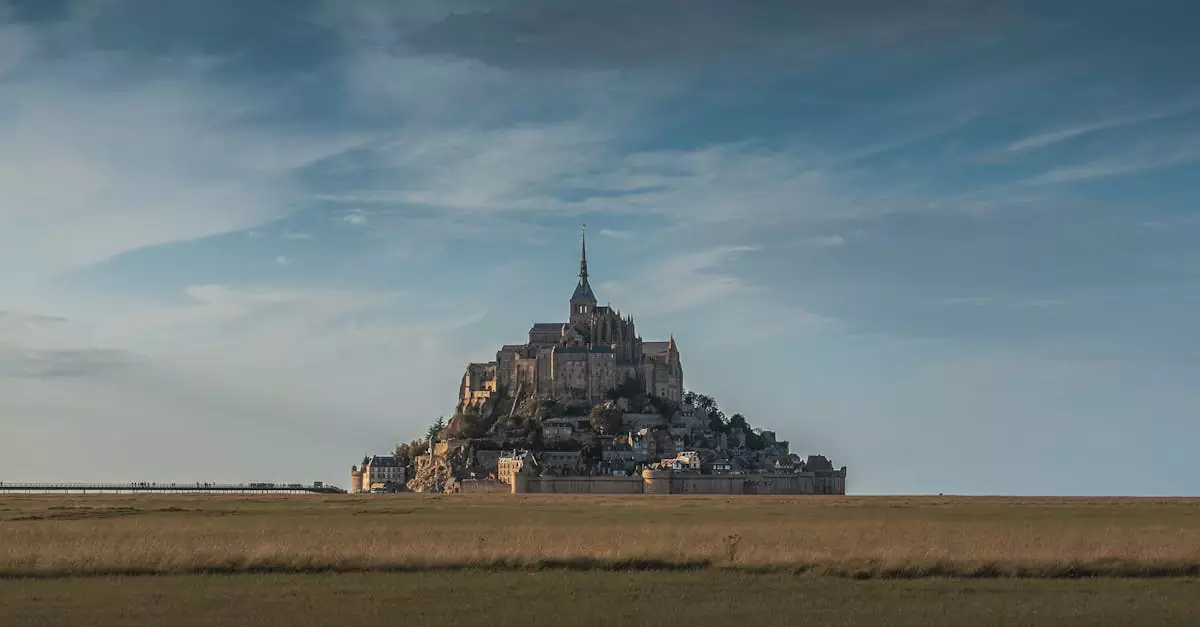
Embarking on a culinary journey through the French countryside offers a delightful exploration of regional flavors and traditions. Each area boasts unique specialties, reflecting its agricultural heritage and local produce. To truly experience the best French countryside destinations, sampling these authentic dishes is essential.
Loire Valley: Rillettes, Goat Cheese, and Tarte Tatin
The Loire Valley, renowned for its châteaux and vineyards, also presents a rich gastronomic landscape. Here, rillettes—slow-cooked, shredded pork or duck, preserved in its own fat—are a staple, often served on crusty bread. Don’t miss the region’s exquisite goat cheeses, such as Sainte-Maure de Touraine or Crottin de Chavignol, with their distinct earthy notes. For dessert, the Tarte Tatin, a caramelized apple upside-down cake, originated in this region and is a must-try.
Provençal Specialties: Ratatouille, Bouillabaisse, and Calissons
Southern France’s Provence evokes images of lavender fields and sun-drenched landscapes, mirrored in its vibrant cuisine. Ratatouille, a hearty vegetable stew featuring eggplant, zucchini, peppers, and tomatoes, showcases the region’s abundant produce. Along the coast, bouillabaisse, a complex fish stew originating from Marseille, is a flavorful testament to Mediterranean influences. For a sweet treat, calissons d’Aix, a diamond-shaped confectionery made from candied fruit and almonds topped with a thin layer of royal icing, offers a delicate sweetness.
Dordogne Delicacies: Foie Gras, Truffles, and Walnut Cake
The Dordogne, a region steeped in history and picturesque villages, is celebrated for its rich and indulgent foods. Foie gras, the liver of a duck or goose, is a delicacy prepared in various ways, from terrines to pan-seared. The area is also a prime location for black truffles, whose intense aroma and flavor elevate many local dishes. For a taste of local baking, a dense and moist walnut cake provides a satisfying, nutty finish to any meal.
Alsatian Comfort Food: Choucroute Garnie, Tarte Flambée, and Kugelhopf
Bordering Germany, Alsace offers a cuisine that blends French and German influences, often characterized by hearty, comforting dishes. Choucroute garnie is a substantial platter of sauerkraut served with various sausages, smoked meats, and potatoes. Tarte flambée (or flammekueche), a thin, pizza-like dough topped with crème fraîche, onions, and lardons, is a popular and delicious snack or light meal. Finally, Kugelhopf, a sweet, yeast-based cake often studded with raisins and almonds and baked in a distinctive fluted mold, is a beloved regional specialty.
When is the Best Time to Visit the French Countryside?
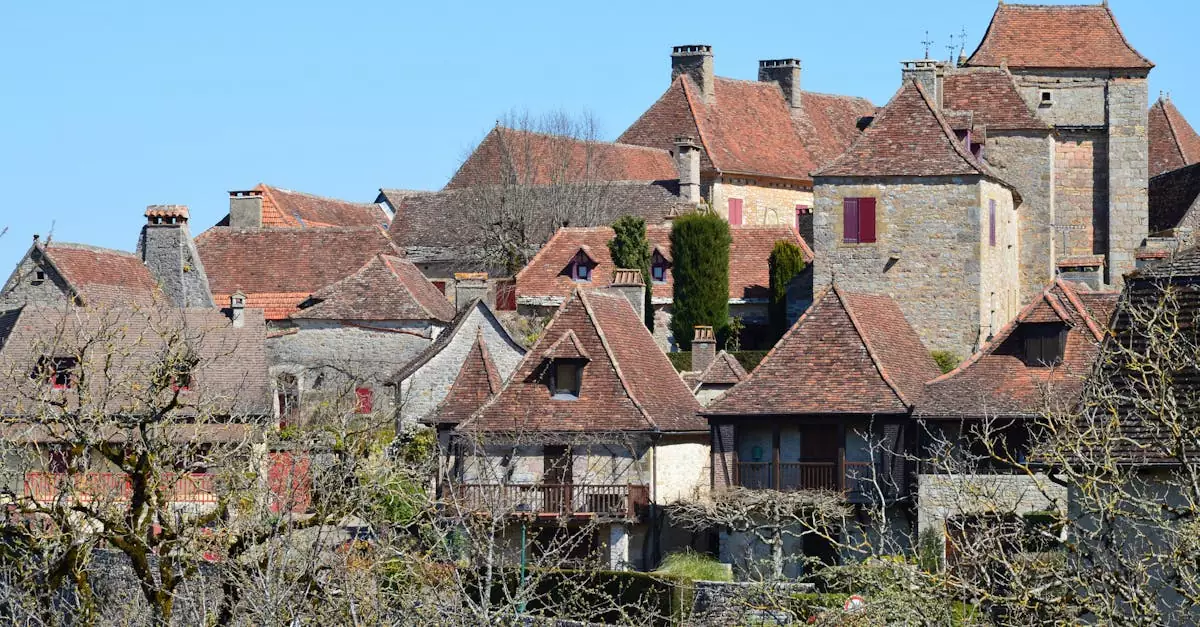
Choosing the right season can significantly enhance your experience exploring the best French countryside destinations. Each period offers a unique charm, from vibrant spring blooms to the cozy quiet of winter.
Spring Blooms and Mild Weather: April to June
Spring transforms the French countryside into a picturesque landscape bursting with color. From April through June, the weather is generally mild, making it ideal for exploring vineyards, gardens, and charming villages on foot or by bike. Wildflowers carpet the fields, and fruit trees blossom, creating stunning visuals. This is also a popular time for outdoor activities like hiking in the Alps or cycling through the Loire Valley.
The shoulder months of April and May offer pleasant temperatures with fewer crowds than peak summer. June brings warmer weather and longer daylight hours, perfect for enjoying al fresco dining and leisurely strolls. Expect average temperatures to range from 10°C (50°F) in early spring to 20°C (68°F) by early summer.
Summer Sunshine and Festivals: July to August
July and August are the warmest months, characterized by abundant sunshine and long, light-filled days. This is the peak tourist season, with lively festivals and local markets in full swing across many regions. It’s an excellent time for beach holidays in coastal areas like Normandy or the French Riviera, as well as for enjoying outdoor concerts and wine festivals.
However, summer also means higher prices for accommodations and larger crowds, particularly in well-known destinations. Temperatures can reach 25°C (77°F) and sometimes higher, so staying hydrated and seeking shade is essential. If you plan to visit during these months, booking accommodations and transportation in advance is highly recommended.
Autumn Harvest and Golden Hues: September to October
Autumn brings a dramatic shift to the French countryside, with vibrant foliage painting the landscapes in shades of gold, red, and orange. September and October are harvest seasons for many wine regions, offering unique opportunities to witness grape picking and participate in harvest festivals. The weather remains pleasant, with crisp air and comfortable temperatures, making it a fantastic time for scenic drives and enjoying regional cuisine.
This period is often considered one of the best times to visit for those seeking a more tranquil experience. The summer crowds have dispersed, and the landscapes offer a breathtaking backdrop. Average temperatures range from 15°C (59°F) to 20°C (68°F).
Winter Charm and Fewer Crowds: November to March
Winter in the French countryside offers a serene and intimate experience, often overlooked by mainstream tourism. From November to March, the landscapes take on a quiet beauty, with frosty mornings and cozy evenings by the fire. This is an excellent time for visiting smaller villages, enjoying hearty regional food, and exploring museums and historical sites without the bustle of peak season.
While some outdoor activities may be limited by weather, regions like Alsace or the French Alps can be enchanting with festive Christmas markets and opportunities for skiing. Temperatures typically range from 2°C (36°F) to 8°C (46°F). Visiting during the winter months can also lead to significant savings on accommodations and flights, making it a budget-friendly option for exploring these best French countryside destinations.
| Season | Best For | Weather | Crowds | Notes |
|---|---|---|---|---|
| Spring | Blooms, mild weather, outdoor activities | 10°C – 20°C (50°F – 68°F), pleasant | Moderate | Ideal for gardens, vineyards, and early hiking. |
| Summer | Festivals, sunshine, beach, long days | 20°C – 30°C+ (68°F – 86°F+), warm to hot | High | Peak season; book ahead. Best for coastal and lively town visits. |
| Autumn | Harvest, foliage, pleasant temperatures | 15°C – 20°C (59°F – 68°F), crisp | Moderate | Excellent for wine regions and scenic drives. |
| Winter | Quiet charm, fewer crowds, cozy atmosphere | 2°C – 8°C (36°F – 46°F), cool to cold | Low | Good for budget travel and experiencing local village life. |
Frequently Asked Questions About French Countryside Travel
How do I get around the French countryside?
Navigating the French countryside typically requires a car for maximum flexibility, especially for reaching more remote villages and scenic routes. Rental cars are readily available at major airports and train stations across Europe. For shorter distances or within larger rural towns, local buses operate, though schedules can be infrequent. Some regions also offer cycling routes, providing a more active way to experience the landscape.
What are the best accommodation options (gîtes, chambres d’hôtes)?
The French countryside offers charming and authentic lodging.
- Gîtes: These are self-catering holiday homes, ranging from rustic cottages to spacious farmhouses. They are excellent for families or groups seeking privacy and the ability to cook their own meals.
- Chambres d’hôtes: These are bed and breakfasts, often run by locals in their own homes. They provide a more intimate experience, with breakfast included and opportunities to interact with your hosts and other guests.
Both options offer a genuine taste of rural French life, a contrast to standard hotels.
Is the French countryside budget-friendly?
The French countryside can be surprisingly budget-friendly, especially when compared to major cities like Paris. Eating at local markets, picnicking, and opting for gîtes or chambres d’hôtes can significantly reduce costs. While high-end regional restaurants and luxury accommodations exist, many affordable and delightful options cater to travelers seeking value. Traveling outside peak season, typically July and August, can also lead to lower prices for both lodging and some activities.
What should I pack for a trip to rural France?
Packing for the French countryside depends on the season. Comfortable walking shoes are essential, as you’ll likely be exploring villages and natural landscapes on foot. Layers are key, as weather can change. Pack a light rain jacket, even in summer, and consider a small backpack for day trips. For evenings, smart-casual attire is generally appropriate for dining out. Don’t forget adapters for electronics and any personal medications. Sunscreen and a hat are advisable for warmer months.