Embarking on your first trip to Transylvania promises an unforgettable journey through a land of medieval castles, charming villages, and breathtaking landscapes. To ensure your adventure is smooth and enriching, understanding key practicalities is essential. This guide to Transylvania first trip tips will equip you with everything you need to know, from the best times to visit and how to navigate the region to must-see historical sites and local cuisine. You’ll discover how to plan your itinerary effectively, manage your budget, and avoid common pitfalls, allowing you to immerse yourself in the magic of this captivating corner of Europe. Prepare to delve into the heart of Romania’s most storied province with confidence and excitement.
When is the Best Time for Your First Transylvania Trip?
Choosing the right season for your first Transylvania trip significantly shapes the experience. Each period offers distinct advantages, from blooming landscapes to festive atmospheres and serene winter beauty. Consider your priorities regarding weather, crowds, and specific activities when planning your visit to this historic region of Europe.
Experiencing Transylvania in Spring: Wildflowers and Mild Weather
Spring in Transylvania, typically from April to May, brings refreshing mildness after winter’s chill. The landscape awakens with vibrant wildflowers, especially in the Carpathian foothills, making it a beautiful time for nature enthusiasts and hikers. Average temperatures hover between 10-18°C (50-64°F), offering comfortable conditions for sightseeing without the intense summer heat.
This season is also less crowded than the peak summer months, allowing for a more intimate experience at popular castles and medieval towns like Sighișoara and Brașov. However, be prepared for occasional spring showers, and pack layers, as evenings can still be cool. Rural roads may be muddy in early spring.
Summer in Transylvania: Festivals and Long Daylight Hours
June through August marks summer in Transylvania, characterized by warm weather and long daylight hours, often extending past 9 PM. Temperatures typically range from 20-28°C (68-82°F), ideal for exploring outdoor attractions and enjoying the region’s many festivals. Many towns host cultural events, music festivals, and traditional celebrations during this time, creating a lively atmosphere.
Summer is the busiest tourist season, so expect larger crowds at major attractions and potentially higher accommodation prices. Booking accommodations and popular tours in advance is highly recommended. This is also the best time for venturing into the mountains for extended hikes, as trails are generally clear of snow and accessible.
Autumn’s Charm: Leaf Peeping and Harvest Season
From September to October, Transylvania transforms into a picturesque canvas of autumn colors. The foliage, especially in the rolling hills and forests surrounding towns like Sibiu, creates stunning vistas. Temperatures are cooler, ranging from 10-18°C (50-64°F), and the air is crisp.
This shoulder season offers a good balance: fewer crowds than summer, pleasant weather for walking, and the beauty of the changing leaves. It’s also harvest season, providing opportunities to sample local produce and wines. Early autumn can still be quite sunny, while late October may bring cooler, wetter weather.
Winter Wonders: Snow-Capped Castles and Cozy Villages
November through March is winter in Transylvania, bringing a magical, often snow-dusted atmosphere. Temperatures can drop significantly, often below freezing, with average highs around 0-5°C (32-41°F) and nighttime lows much colder. Snowfall is common, transforming medieval towns and castles like Bran and Corvin into picturesque scenes straight out of a fairytale.
This is the quietest tourist season, offering a peaceful and authentic experience. It’s perfect for those seeking a cozy retreat, enjoying hearty Romanian cuisine by a fireplace, and experiencing Christmas markets if visiting in December. Winter activities include skiing in resorts like Poiana Brașov. However, some rural roads may be impassable due to snow, and daylight hours are significantly shorter. Travel can be slower, and warm clothing is essential.
Here’s a look at seasonal averages:
| Month | Avg. High (°C) | Avg. Low (°C) | Daylight Hours (approx.) | Notes |
|---|---|---|---|---|
| April | 15 | 5 | 13 | Wildflowers, mild weather, fewer crowds |
| July | 26 | 14 | 15.5 | Warm, long days, festivals, peak tourist season |
| October | 14 | 6 | 11 | Autumn colors, harvest, pleasant walking weather |
| January | 2 | -6 | 9 | Cold, snow likely, quietest season, winter sports |
Navigating Transylvania: Transportation Options for New Visitors
Planning your first trip to Transylvania involves understanding how to get around this diverse region. From major international airports to scenic mountain passes, a mix of transport methods will serve you well. Considering these options in advance ensures a smoother journey as you explore its historic cities and dramatic landscapes.
Getting to Transylvania: Flights to Cluj-Napoca and Sibiu
Most international travelers arrive in Transylvania via its two primary airports: Cluj-Napoca International Airport (CLJ) and Sibiu International Airport (SBZ). Cluj-Napoca is the larger of the two, offering more direct flight connections from major European hubs. Sibiu, while smaller, provides a charming entry point, often with connections through cities like Munich or Vienna. Budget airlines frequently fly into both, making Transylvania an accessible destination within Europe. Booking flights in advance, especially during peak summer months or around the Christmas market season, is advisable for securing better fares.
Rental Cars vs. Trains: Choosing Your Travel Style
Deciding between a rental car and the train system is a key logistical choice for Transylvania first trip tips. A rental car offers unparalleled flexibility, especially for reaching remote villages or scenic routes like the Transfagarasan Highway. Roads are generally well-maintained, though some rural routes can be narrow and winding. Car rental agencies are readily available at both Cluj-Napoca and Sibiu airports, as well as in larger cities.
Alternatively, Romania’s national railway company, CFR Călători, connects most major Transylvanian cities and towns. Train travel can be a relaxing and economical option, allowing you to enjoy the passing scenery without the stress of driving. Cities like Brașov, Sibiu, Cluj-Napoca, and Sighișoara are well-served by rail. However, for exploring smaller, off-the-beaten-path attractions, a car is often more practical.
| Transportation Method | Pros | Cons | Best For |
|---|---|---|---|
| Rental Car | Flexibility, access to remote areas | Cost, navigating unfamiliar roads, parking | Adventurous travelers, exploring rural Transylvania, scenic drives |
| Train | Relaxing, cost-effective, scenic views | Limited reach to smaller villages, schedule dependent | City-to-city travel, budget-conscious travelers, historical city exploration |
| Bus | Extensive network, affordable | Slower, less comfortable than trains | Budget travel, reaching smaller towns not on train lines |
Exploring Medieval Towns: Walking and Local Buses
Once you’ve arrived in a Transylvanian city or town, getting around is often best done on foot. The historic centers of places like Brașov, Sibiu, and Sighișoara are compact and incredibly walkable. Cobblestone streets, charming squares, and centuries-old architecture are best appreciated at a leisurely pace. Wear comfortable shoes, as many of these medieval streets are uneven.
For slightly longer distances within cities or to reach nearby attractions, local buses are a common and affordable option. Bus routes are typically well-signposted, and tickets can usually be purchased from kiosks or directly from the driver. While service can be less frequent in smaller towns, it’s a reliable way to navigate urban areas without needing a car.
Scenic Drives: The Transfagarasan Highway and Beyond
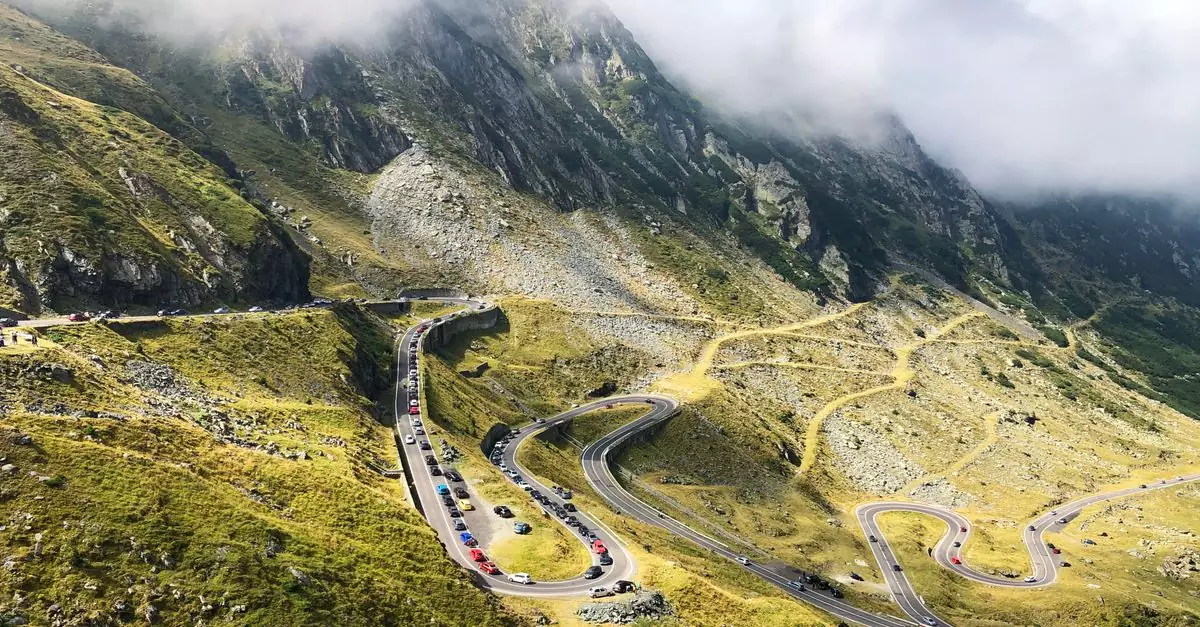
For those who opt for a rental car, Transylvania’s roads offer some of Europe’s most spectacular driving experiences. The Transfagarasan Highway, often cited as one of the world’s most incredible roads, is a must-drive for many visitors. This engineering marvel winds through the Carpathian Mountains, offering breathtaking vistas at every turn. It’s important to note that the Transfagarasan is typically only open from late June to October due to heavy snow.
Other scenic routes include the Transalpina (DN67C), another high-altitude road offering dramatic mountain scenery, and the winding roads through the Apuseni Mountains, known for their traditional villages and natural beauty. When planning these drives, always check local road conditions, especially outside of the summer season, and ensure your vehicle is in good repair. A good map or GPS is essential, as mobile signal can be unreliable in mountainous areas.
Must-See Castles and Medieval Towns on Your Transylvania Itinerary
Planning a first trip to Transylvania often centers around its iconic castles and remarkably preserved medieval towns. These sites offer a tangible connection to the region’s rich history, from royal residences to legendary fortresses. Prioritizing these key attractions will shape a memorable journey through this captivating part of Europe.
Bran Castle: Myth vs. Reality for First-Time Visitors
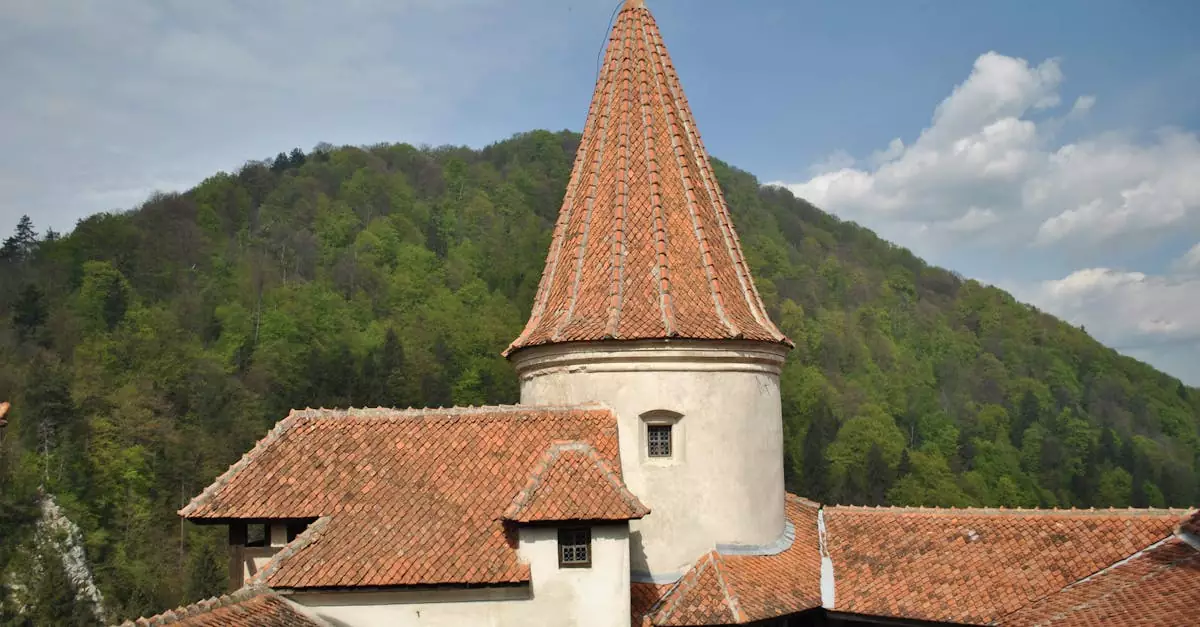
Bran Castle, widely marketed as Dracula’s Castle, is a major draw for many visitors. While Bram Stoker’s novel never explicitly names Bran Castle, its dramatic hilltop setting and resemblance to descriptions in the book have cemented its association with the vampire myth. The castle itself is a fascinating medieval fortress with a complex history, serving as a customs post and royal residence.
When visiting, be prepared for crowds, especially during peak season. Arriving early in the morning or later in the afternoon can offer a slightly less congested experience. Inside, you’ll find narrow staircases, hidden passages, and rooms furnished with period pieces. The views from the ramparts over the surrounding valley are impressive, regardless of the vampire connection.
Peleș Castle: A Royal Gem Near the Transylvanian Border
Located in Sinaia, just outside the traditional Transylvanian region but easily accessible, Peleș Castle is a stunning example of Neo-Renaissance architecture. Built as a summer residence for King Carol I of Romania, it is considered one of the most beautiful castles in Europe. Its intricate exterior, adorned with wood carvings and stained glass, is matched by its opulent interior, featuring over 160 rooms, many elaborately decorated.
A visit to Peleș Castle offers a glimpse into the lavish lifestyle of the Romanian monarchy. The castle is remarkably well-preserved, with many original furnishings and artworks on display. Allow at least two to three hours to fully appreciate its grandeur. Combine this visit with a stop at the nearby Pelișor Castle, a smaller but equally charming royal villa.
Sighișoara Citadel: Exploring Europe’s Last Inhabited Medieval Fortress
Sighișoara is a UNESCO World Heritage site and one of the best-preserved inhabited medieval citadels in Europe. This colorful hilltop town, with its cobblestone streets, burgher houses, and defensive towers, transports visitors back in time. It is famously the birthplace of Vlad the Impaler, the historical figure who inspired Bram Stoker’s Dracula.
Key landmarks within the citadel include the Clock Tower, which houses a museum and offers panoramic views, and the Church on the Hill. Wandering through the narrow lanes, you can find artisan shops, cozy cafes, and guesthouses. Staying overnight within the citadel walls provides a unique, atmospheric experience, especially after the day-trippers have departed.
Sibiu’s Old Town: Hanseatic Charm and European Capital of Culture
Sibiu boasts one of Transylvania’s most beautiful and well-maintained old towns. Its history as a major medieval trading center is evident in its architecture, characterized by large squares, colorful houses with distinctive “eye” windows, and fortified walls. Sibiu was a European Capital of Culture in 2007, a designation that spurred significant restoration and cultural development.
The Grand Square (Piața Mare) and the Small Square (Piața Mică) are the heart of the city, connected by the picturesque Liars’ Bridge. The Council Tower offers excellent views over the red rooftops. Sibiu is also known for its excellent museums, including the Brukenthal National Museum. The city’s relaxed atmosphere and pedestrian-friendly streets make it a pleasure to explore on foot.
Brașov’s Black Church and Council Square Exploration
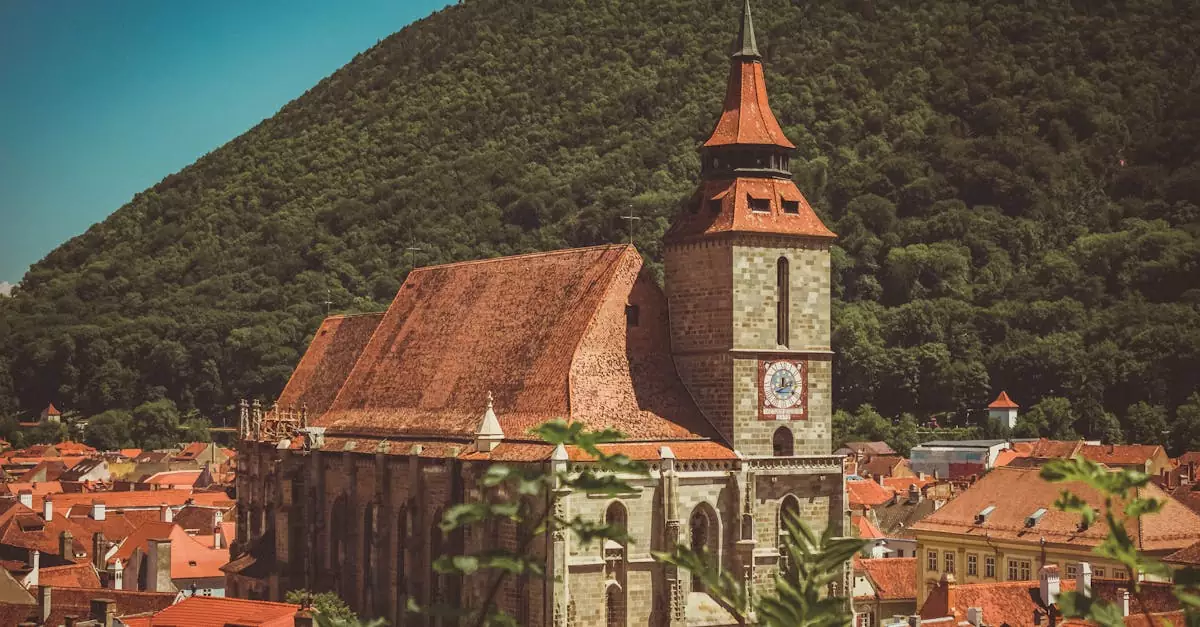
Brașov is a vibrant city that serves as a popular base for exploring the surrounding Transylvanian attractions. Its medieval core is dominated by the imposing Black Church (Biserica Neagră), the largest Gothic church in Romania, named for the soot damage it sustained in a great fire in 1689. The Council Square (Piața Sfatului) is a lively hub surrounded by colorful merchant houses and cafes.
From Brașov, it’s easy to arrange day trips to Bran Castle and Peleș Castle. The city itself offers plenty to see, including the narrowest street in Romania, Strada Sforii, and the historic Catherine’s Gate. For a panoramic view, take the cable car up Mount Tâmpa, which overlooks the city and the surrounding Carpathian Mountains.
| Destination | Key Features | Best For | Travel Time from Brașov (Approx.) |
|---|---|---|---|
| Bran Castle | Gothic fortress, Dracula association | Myth hunters, history buffs | 45 minutes |
| Peleș Castle | Neo-Renaissance royal palace, opulent interiors | Architecture lovers, royalty enthusiasts | 2 hours |
| Sighișoara Citadel | Inhabited medieval town, UNESCO site, Clock Tower | History enthusiasts, photographers | 2.5 hours |
| Sibiu Old Town | Hanseatic architecture, squares, European Capital of Culture | City explorers, culture seekers | 2 hours |
| Brașov Black Church | Gothic church, Council Square, Mount Tâmpa | City exploration, cultural immersion | N/A (Base city) |
Savoring Transylvania: What Local Foods to Try
A first trip to Transylvania offers a culinary journey as rich and storied as its medieval castles. The region’s cuisine is a hearty blend of Romanian, Hungarian, and Saxon influences, with fresh, local ingredients taking center stage. Prepare your palate for robust flavors and comforting dishes that reflect centuries of tradition.
Hearty Romanian Dishes: Sarmale and Mămăligă
No exploration of Romanian food is complete without trying sarmale, a national dish of cabbage or vine leaves stuffed with spiced minced meat, rice, and herbs, slow-cooked to tender perfection. These savory rolls are often served with a dollop of sour cream. Complementing sarmale is mămăligă, a polenta-like porridge made from cornmeal. It’s a versatile staple, served as a side dish, a base for stews, or even fried. For an authentic experience, look for restaurants offering home-style cooking where these dishes are prepared with time-honored recipes.
Transylvanian Kürtőskalács (Chimney Cake) Delights
You’ll likely smell kürtőskalács before you see it. This iconic sweet treat, also known as chimney cake, is made from unleavened dough wrapped around a spit, grilled over charcoal, and then rolled in sugar, cinnamon, nuts, or poppy seeds. The result is a deliciously caramelized, hollow pastry with a crisp exterior and soft interior. You’ll find vendors selling these fresh from the grill at markets and town squares throughout Transylvania, making them an irresistible snack as you wander through historic streets.
Local Cheeses and Cured Meats from Rural Markets
Transylvania’s rural markets are treasure troves for food lovers. Seek out artisanal cheeses, often made from sheep or cow’s milk, with distinct regional variations. Smoked cheeses, like telemea or cașcaval, are particularly popular. Alongside cheese, you’ll find an array of cured meats, from smoked sausages to thinly sliced salam de Sibiu. Visiting a local market provides an excellent opportunity to sample authentic flavors and purchase high-quality provisions. Many smaller towns and villages have weekly markets, so check local schedules.
Exploring Traditional Pubs and Restaurants in Sibiu and Brașov
To truly immerse yourself in Transylvanian gastronomy, dine at traditional pubs and restaurants. In cities like Sibiu and Brașov, these establishments often feature rustic decor and serve a wide range of regional specialties. Beyond sarmale and mămăligă, look for dishes like ciorbă (sour soups, often with meat and vegetables), tochitură (a pork stew with polenta and fried egg), and various grilled meats. Many restaurants pride themselves on sourcing ingredients from local farms. For a taste of authentic pub culture, try a local beer or a shot of țuică (plum brandy). When planning your culinary tour, consider that many restaurants may have limited English menus, so a translation app or a willingness to try new things can enhance your dining experience.
Budgeting for Your Transylvania Adventure: Costs and Savings

Planning a first trip to Transylvania involves understanding local costs to maximize your budget. This region of Europe offers a compelling blend of history, culture, and stunning landscapes, often at a more accessible price point than Western European destinations. By considering accommodation, daily expenses, and smart shopping, you can craft an unforgettable journey without overspending.
Accommodation Options: From Guesthouses to Boutique Hotels
Transylvania’s accommodation landscape caters to various budgets and travel styles. Traditional guesthouses, often called pensiuni, provide an authentic experience, frequently run by local families who offer warm hospitality and home-cooked meals. These are typically the most budget-friendly option. For those seeking more comfort and amenities, mid-range hotels and increasingly stylish boutique hotels in renovated historic buildings are widely available, particularly in cities like Brașov and Sibiu.
| Accommodation Type | Average Nightly Cost (EUR) | Key Features |
|---|---|---|
| Guesthouse (Pensiune) | 30-60 | Local charm, often breakfast included, friendly |
| Mid-Range Hotel | 60-100 | Standard amenities, convenient locations |
| Boutique Hotel | 90-150+ | Unique design, higher-end services, central |
| Hostel Dorm Bed | 15-25 | Budget-focused, social atmosphere |
Hostels are also a growing option in larger towns, ideal for solo travelers or those on a tight budget looking to connect with others. Booking in advance, especially during peak season (summer and around Christmas markets), is recommended to secure the best rates and availability.
Estimating Daily Expenses: Food, Transport, and Activities
Your daily spending in Transylvania will largely depend on your chosen activities and dining habits. Eating at local restaurants and traditional hanuri (inns) is significantly cheaper than opting for tourist-oriented establishments. Expect to pay around 8-15 EUR for a hearty main course at a local spot.
Public transportation within cities is inexpensive, with bus and tram tickets costing less than 1 EUR per ride. For intercity travel, trains are a viable and economical option, though buses can sometimes be faster. Renting a car offers flexibility, especially for reaching more remote castles and villages, but factor in fuel and parking costs. A rough daily budget, excluding accommodation, could range from 40-70 EUR per person, covering meals, local transport, and a few attractions.
Finding Affordable Souvenirs in Transylvanian Markets
Transylvania is renowned for its traditional crafts, from intricately painted pottery and hand-carved wooden items to embroidered textiles. The best place to find authentic souvenirs is at local markets, particularly those held in town squares or during festivals. Prices are generally reasonable, and you can often find unique pieces that reflect regional artistry.
Engage politely with vendors; sometimes a bit of friendly haggling can lead to a better price, especially if you’re buying multiple items. Look for items like hand-painted Easter eggs, traditional wooden spoons, or woven rugs. Avoid purchasing mass-produced items from souvenir shops near major tourist sites, as these are often more expensive and less authentic.
Tips for Saving Money on Castle Entrance Fees
Transylvania’s iconic castles, such as Bran Castle and Peleș Castle, are major attractions, and their entrance fees can add up. Many castles offer combined tickets or discounts for students and seniors. Checking the official websites of the attractions before your visit can help you identify any special offers or family packages.
Consider prioritizing which castles are most important to you. While Bran Castle is famous, lesser-known but equally fascinating castles like Corvin Castle or Râșnov Fortress might provide a more budget-friendly historical immersion. Some smaller, less commercialized historical sites may even be free to visit or have nominal entry fees. Planning your itinerary to group nearby castles can also save on transportation costs.
Frequently Asked Questions for Transylvania First-Timers
Planning your first trip to Transylvania involves more than just booking flights and a castle tour. Understanding a few key details can significantly enhance your experience. This section addresses common concerns for travelers heading to this historic region of Europe.
Is Transylvania Safe for Tourists in 2026?
Yes, Transylvania is generally very safe for tourists. Like any travel destination, it’s wise to exercise common-sense precautions, such as being aware of your surroundings in crowded areas and avoiding walking alone late at night in unfamiliar neighborhoods. Petty theft can occur, but violent crime against tourists is rare. Major tourist destinations and cities like Brașov, Sibiu, and Sighișoara maintain a safe atmosphere, and locals are typically friendly and helpful.
What Language is Spoken in Transylvania?
The official language in Transylvania is Romanian. While many people, especially in tourist areas and younger generations, speak some English, knowing a few basic Romanian phrases can be beneficial. German and Hungarian are also spoken by significant minority populations in certain areas, reflecting the region’s complex history.
Do I Need to Exchange Currency for Transylvania?
The currency used in Transylvania is the Romanian Leu (RON). While some larger hotels and shops might accept Euros, it’s not widespread, and you’ll likely get a poor exchange rate. It’s best to use Romanian Leu for most transactions. ATMs are readily available in cities and towns, offering a convenient way to withdraw local currency. Credit cards are widely accepted in hotels, restaurants, and larger stores, but carrying some cash for smaller vendors, markets, or rural areas is recommended.
What are Common Tourist Mistakes to Avoid in Transylvania?
A common mistake for first-time visitors is trying to see too much in too little time. Transylvania is rich in history and diverse landscapes, from medieval towns to the Carpathian Mountains. Rushing through multiple cities in a few days means you’ll likely miss the nuances of each place.
Another frequent oversight is underestimating travel times between destinations. While distances may seem short on a map, roads can be winding, especially in mountainous areas, and public transport schedules require careful planning.
Finally, not engaging with the local culture beyond the main tourist sites can be a missed opportunity. Venture into local markets, try regional dishes at non-touristy restaurants, and perhaps learn a few basic Romanian phrases to connect with locals more authentically.