France is a country where wine transcends mere consumption; it embodies a way of life intricately tied to its culture and landscape. From the rolling hills of Burgundy to the sun-drenched vineyards of the south, each region tells a unique story and offers a distinct flavor. If you’re planning a journey to explore the heart of French viticulture, understanding the nuances of its diverse wine territories is essential.
This guide will navigate you through France’s premier wine regions, highlighting what makes each special. You’ll uncover iconic appellations that produce world-renowned varietals, learn about the characteristics of their wines, and find practical tips for planning your visit. Whether you’re an experienced oenophile or a curious newcomer, prepare to uncork the secrets of France’s celebrated wine destinations.
Uncorking Bordeaux: The King of French Wine Regions
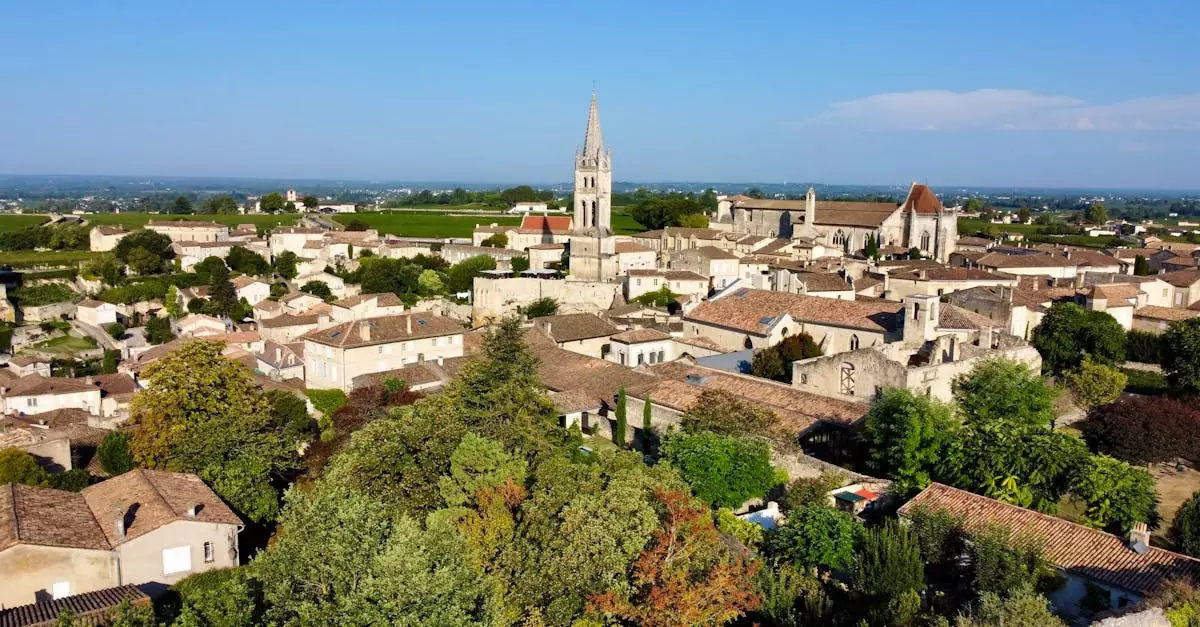
Bordeaux reigns as the titan among France’s wine regions, synonymous with prestige and exceptional quality. This expansive area, spanning both banks of the Gironde estuary, produces some of the world’s most coveted red and white wines. Its reputation is founded on centuries of winemaking tradition, meticulous vineyard management, and a diverse terroir that yields complex, age-worthy vintages. A visit to Bordeaux offers an immersive experience into fine wine production, with opportunities to taste iconic labels and discover emerging producers.
Médoc Peninsula: Premier Cru Estates and Coastal Charm
The Médoc Peninsula, located north of Bordeaux city along the left bank of the Gironde, is home to many of the region’s most renowned Châteaux. Here, you’ll find esteemed appellations like Margaux, Saint-Julien, Pauillac, Saint-Estèphe, and Moulis. The gravelly soils are perfect for Cabernet Sauvignon, dominating the blends and creating wines celebrated for their structure, tannins, and dark fruit notes. Driving through the Médoc feels like touring an open-air museum of wine architecture, with grand estates dotting the landscape.
Planning a visit to the Médoc requires some logistical considerations. Many top Châteaux are private estates that require advance reservations for tours and tastings. Renting a car is highly recommended for navigating the region, as public transport is limited between vineyards. Consider basing yourself in towns like Pauillac or Saint-Julien for easy access. The best time to visit is typically from May to October, though the autumn harvest season (September-October) offers a vibrant atmosphere, albeit with potentially higher accommodation prices.
Saint-Émilion: Medieval Village and UNESCO World Heritage Vineyards
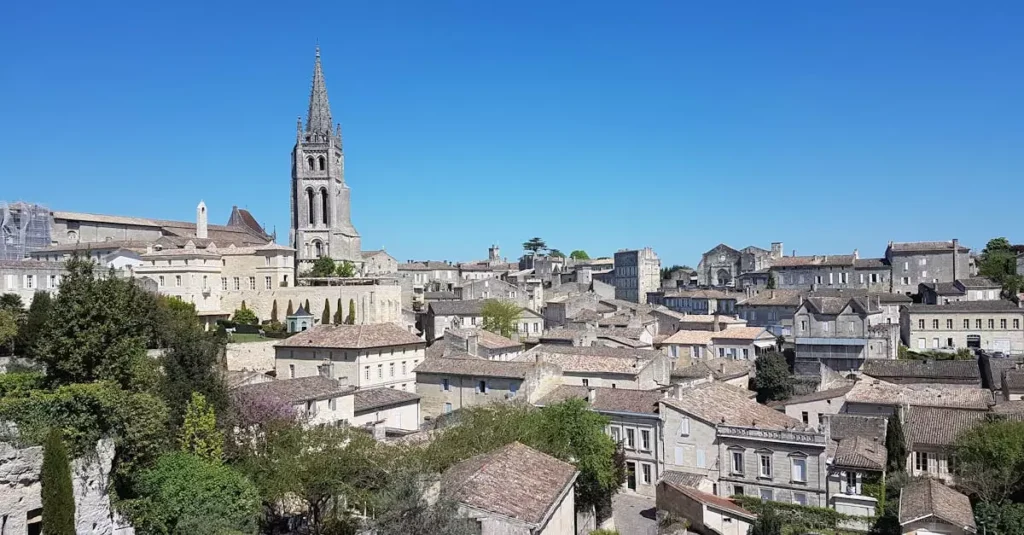
Across the river from the Médoc lies Saint-Émilion, a picturesque medieval village perched on a hillside, with vineyards recognized as a UNESCO World Heritage site. This appellation is famous for its Merlot-dominant blends, producing softer, plummier wines compared to their Cabernet-based counterparts from the left bank. The unique terroir, characterized by limestone soils and a warmer microclimate, enhances the elegance and aromatic complexity of Saint-Émilion wines.
Wandering through the cobbled streets of Saint-Émilion village is a delightful experience. The town features a charming array of wine shops, restaurants, and boutique hotels. Many wineries here are smaller and more accessible than the grand Châteaux of the Médoc, making it easier to arrange visits. Consider booking a guided tour that includes vineyard walks and cellar visits to fully appreciate the history and winemaking process. The proximity to Bordeaux city makes it a popular day trip, but staying overnight allows for a more relaxed exploration.
Pessac-Léognan: Gravel Soils and Elegant White Wines
South of Bordeaux city, the Pessac-Léognan appellation is a delightful surprise, offering both exceptional red and white wines. This region shares the gravelly soils of the Médoc, producing excellent Cabernet Sauvignon-based reds that are often more approachable in their youth. Pessac-Léognan is also known for dry white wines made from Sauvignon Blanc and Sémillon, celebrated for their richness, minerality, and aging potential. Visiting estates like Château Haut-Bailly or Château Smith Haut Lafitte provides insight into this diverse appellation.
For travelers interested in a blend of wine tasting and city proximity, Pessac-Léognan is an excellent choice. It’s easily accessible from Bordeaux by car or public transport for some wineries. The region offers a more relaxed pace than some of the more famous sub-regions, with a good selection of accommodations ranging from charming guesthouses to luxury hotels. Tastings often highlight the distinct character of both red and white wines, showcasing the versatility of this unique terroir.
Burgundy’s Diverse Terroirs: Pinot Noir and Chardonnay Paradise
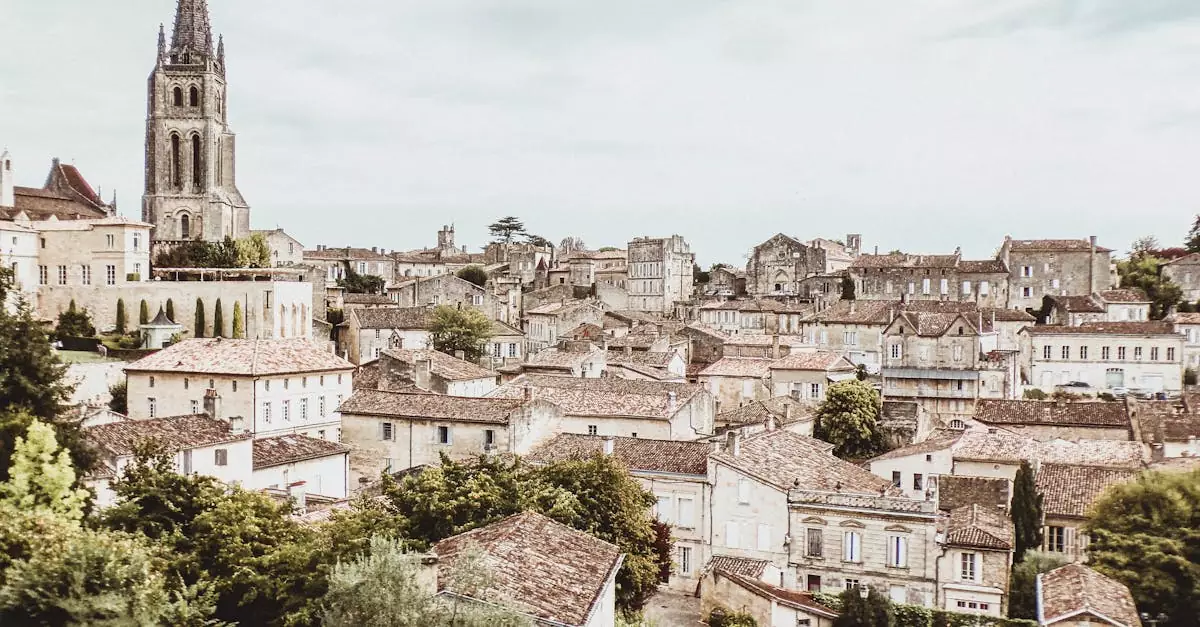
Burgundy, or Bourgogne, is a cornerstone of France’s premier wine regions, celebrated globally for its nuanced Pinot Noir reds and elegant Chardonnay whites. This ancient land, shaped by unique geological formations and centuries of viticultural tradition, offers a profound journey for any wine enthusiast. The region’s meticulous classification system highlights specific vineyards and their distinct soils (terroirs), allowing for an unparalleled understanding of how place influences wine character. Exploring Burgundy is less about grand châteaux and more about intimate domaines and the subtle differences that define each appellation.
Côte de Nuits: Grand Crus and Historic Vineyards
The Côte de Nuits, stretching south from Dijon, is often regarded as the spiritual heartland of Burgundy’s red wines. Here, you’ll find the highest concentration of Grand Cru vineyards, the pinnacle of Burgundy’s classification. Villages like Gevrey-Chambertin, Vosne-Romanée, and Nuits-Saint-Georges are synonymous with some of the world’s most sought-after Pinot Noirs. The wines here are known for their complexity, depth, and aging potential, often exhibiting notes of dark cherry, raspberry, and earthy undertones.
Visiting the Côte de Nuits offers a chance to taste wines from legendary vineyards such as Romanée-Conti, La Tâche, and Chambertin. Many producers welcome visitors for tastings, though appointments are often essential, especially for smaller, family-run estates. The best time to visit is during the harvest season in September or October, when the air is alive with activity, or in late spring and early autumn for pleasant weather and vineyard scenery. Transportation within the Côte de Nuits is best managed by car, allowing flexibility to hop between villages and wineries.
Côte de Beaune: Premier Crus and Picturesque Villages
South of the Côte de Nuits lies the Côte de Beaune, a region that, while still producing exceptional reds, is more widely recognized for its exquisite dry white wines, primarily from Chardonnay. Villages like Puligny-Montrachet, Chassagne-Montrachet, and Meursault are home to some of the most celebrated white wine appellations in the world. These wines are known for their balance of fruit, minerality, and oak influence, offering notes of apple, citrus, and hazelnut.
The Côte de Beaune boasts a higher number of Premier Cru vineyards compared to its northern neighbor, offering a vast array of high-quality wines at various price points. The landscape is dotted with charming villages, each with its own character and winemaking traditions. Beaune itself is a significant wine capital, featuring the historic Hospices de Beaune, a stunning medieval hospital that now hosts an annual wine auction. Exploring this area is highly rewarding for those who appreciate the diversity of Chardonnay.
Chablis: Crisp Whites from Limestone Soils
Northwest of the main Burgundy wine route, Chablis presents a distinct expression of Chardonnay, shaped by its unique Kimmeridgian marl soils and cooler climate. This region is famed for its bone-dry, mineral-driven white wines, often characterized by vibrant acidity and notes of green apple, lemon zest, and a distinct flinty aroma. Unlike the richer, oak-influenced Chardonnays of the Côte de Beaune, Chablis wines are celebrated for their purity and steely character.
The appellations range from Petit Chablis and Chablis to the more prestigious Premier Cru and Grand Cru vineyards, all situated on slopes overlooking the Serein River. The chalky, fossil-rich soil is key to the region’s signature minerality. Visiting Chablis offers a fresh perspective on Chardonnay, emphasizing its terroir. The town of Chablis is small and easily navigable, with many wineries offering tastings. It’s an excellent destination for those seeking crisp, refreshing white wines.
Champagne: The Ultimate Celebration Drink
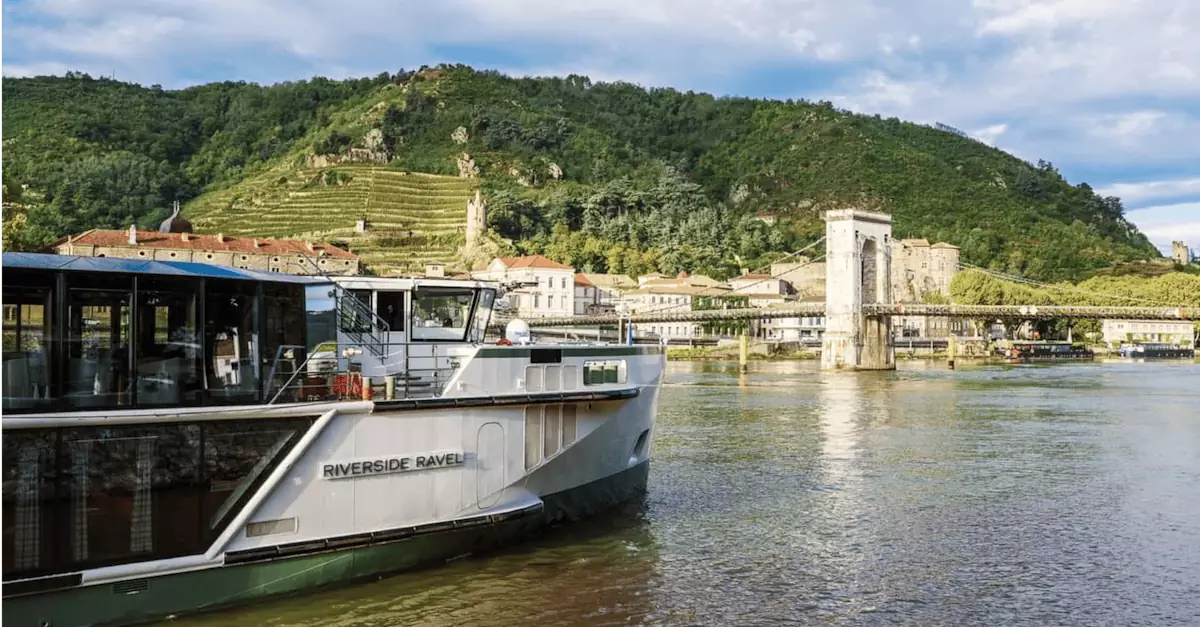
The Champagne region, just a short journey from Paris, is synonymous with luxury and celebration. This is where the world’s most famous sparkling wine originates, produced under strict appellation rules. Visiting here offers a blend of grand estates and charming local producers, making it one of the best wine regions in France for those seeking both prestige and authenticity. The landscape features rolling hills covered in meticulously tended vineyards, interspersed with historic towns.
Épernay: Avenue de Champagne and Grand Maisons
Épernay is often considered the wine capital of Champagne. Its famous thoroughfare, the Avenue de Champagne, is a UNESCO World Heritage site, lined with opulent mansions belonging to the region’s most prestigious Champagne houses. Names like Moët & Chandon, Perrier-Jouët, and Mercier have their historic headquarters here. Many offer guided tours that delve into their brand histories, showcase production methods, and culminate in tastings of their finest vintages. Booking tours in advance is highly recommended, especially during peak season.
The sheer scale of the underground cellars is impressive, with miles of chalk tunnels housing millions of bottles. These cool, dark environments are crucial for the aging process, allowing the wine to develop its characteristic bubbles and complex flavors. A visit to Épernay provides a deep dive into the commercial and historical heart of Champagne production.
Reims: Cathedral City and Underground Cellars
Reims offers a dual appeal: it’s a city of immense historical significance, home to a magnificent Gothic cathedral where French kings were once crowned, and a major hub for Champagne production. Several of the largest Champagne houses, including Taittinger, Veuve Clicquot, and Pommery, have their cellars beneath the city. These chalk quarries, or “crayères,” dating back to Roman times, provide the ideal temperature and humidity for aging Champagne.
Exploring the cellars of Reims is as much a journey through history as it is a wine experience. The Reims Cathedral itself is a UNESCO World Heritage site and a breathtaking example of Gothic architecture, often featuring stained-glass windows designed by artists like Marc Chagall. Many Champagne tours in Reims incorporate a visit to the cathedral or offer insights into its historical connection with the region’s wine legacy.
Visiting Smaller Growers: Authenticity and Intimate Tastings
Beyond the grand estates, the Champagne region is dotted with countless smaller, independent growers who produce exceptional wines with a distinct personal touch. These “Vignerons Indépendants” often provide a more intimate and authentic tasting experience. You’ll typically meet the winemaker or their family, learn about their vineyard practices and winemaking philosophy, and taste Champagnes that reflect their unique terroir.
Visiting these smaller producers requires a bit more planning, as appointments are usually necessary. This approach allows for a deeper connection with the people behind the wine and often reveals hidden gems. Many travelers find these encounters to be the most memorable part of their trip to the Champagne region. Tastings at smaller growers are generally more affordable than at the large houses, offering excellent value.
Here’s a look at how visiting Champagne compares to other French wine areas:
| Feature | Champagne | Bordeaux | Burgundy |
|---|---|---|---|
| Primary Wine | Sparkling Wine (Champagne) | Red & White Still Wines | Red & White Still Wines |
| Vibe | Grand, Celebratory, Historic | Prestigious, Classic, Estate-Focused | Traditional, Terroir-Driven, Diverse |
| Budget | Moderate to Very High | Moderate to Very High | Moderate to High |
| Logistics | Easy access from Paris, good public transport | Requires car for vineyard exploration | Requires car for vineyard exploration |
| Seasonality | Year-round, harvest in September | Year-round, harvest in September/October | Year-round, harvest in September/October |
Beyond the Classics: Exploring Alsace and the Loire Valley
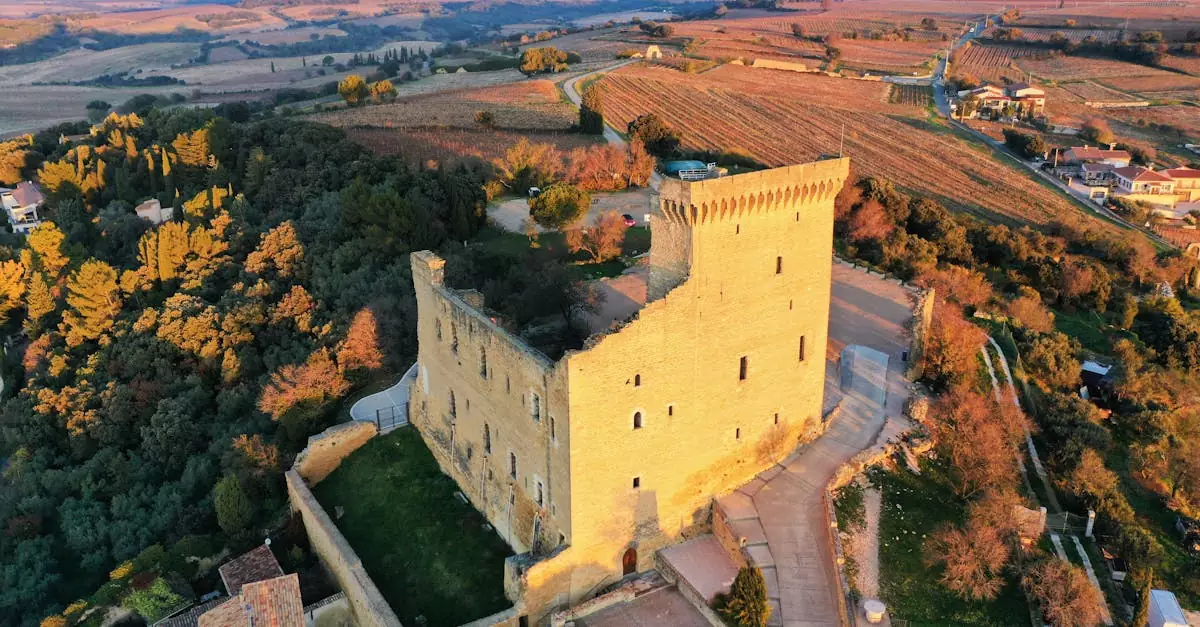
While Bordeaux and Burgundy often steal the spotlight, France boasts a diverse array of wine-producing regions, each offering unique varietals and distinct cultural experiences. Venturing beyond the most famous appellations reveals charming towns, picturesque landscapes, and exceptional wines that cater to a variety of tastes.
Alsace Wine Route: Riesling, Gewürztraminer, and Fairytale Towns
The Alsace Wine Route, stretching roughly 170 kilometers from Marlenheim to Thann, is a journey through rolling vineyards and storybook villages. This northeastern region is renowned for its dry, aromatic white wines, particularly Riesling and Gewürztraminer, which thrive in the dry, sunny climate protected by the Vosges Mountains. Unlike many French wine regions, Alsace labels typically feature the grape varietal rather than the village name.
Driving the route offers a chance to sample wines directly from producers in charming towns like Colmar, Riquewihr, and Eguisheim. These villages, with their colorful half-timbered houses and flower-draped balconies, feel like stepping back in time. Many wineries offer tastings, often without a fee, in exchange for a purchase. Consider visiting during the harvest season in September or October for a vibrant atmosphere, though spring and early autumn provide pleasant weather for sightseeing.
Traveler Tip: Many smaller villages along the Alsace Wine Route are best navigated by car. Renting a vehicle provides the flexibility to stop at numerous Weinguts (wine estates) and soak in the scenery.
Loire Valley: Sauvignon Blanc, Chenin Blanc, and Royal Châteaux
The Loire Valley, a UNESCO World Heritage site, is France’s longest river valley and a treasure trove of history, culture, and exquisite wines. Famous for its crisp Sauvignon Blanc (Sancerre, Pouilly-Fumé) and versatile Chenin Blanc (Vouvray, Savennières), the region’s diverse terroirs produce a wide spectrum of white, rosé, and even red wines. The valley is also dotted with magnificent royal châteaux, adding a layer of historical grandeur to any wine-focused itinerary.
The vastness of the Loire Valley means it’s often divided into sub-regions for easier exploration. The central area, around Tours, is a hub for Chenin Blanc. Further east, the areas of Sancerre and Pouilly-Fumé are synonymous with world-class Sauvignon Blanc. Beyond wine, visiting châteaux like Chambord, Chenonceau, or Villandry offers a glimpse into France’s royal past.
Getting Around: While a car is beneficial for exploring individual vineyards, the TGV high-speed train connects major cities like Tours and Angers, making it possible to combine city stays with day trips to wineries. Local buses and organized wine tours are also options for those preferring not to drive.
Hidden Gems: Côtes du Rhône and Provence Rosé
For those seeking bold reds or refreshing rosés, the southern Rhône Valley and Provence offer compelling alternatives. The Côtes du Rhône appellation is celebrated for its robust Grenache- and Syrah-based red blends, such as Gigondas and Châteauneuf-du-Pape, known for their rich fruit and spice notes. These wines are often more approachable in price compared to their northern Rhône counterparts.
Provence, on the other hand, is the undisputed king of rosé. The region’s pale, dry, and elegant rosés are perfect for warm weather and pair beautifully with the local Mediterranean cuisine. Visiting during the summer months allows you to experience the lively atmosphere and enjoy rosé al fresco. Towns like Aix-en-Provence and Bandol provide excellent bases for exploring local vineyards and enjoying the coastal scenery.
Budget Considerations: While some premium wines from these regions can be expensive, many excellent Côtes du Rhône reds and Provençal rosés are available at very reasonable prices, making them accessible for a wider range of budgets.
Planning Your French Wine Adventure: Itinerary and Logistics
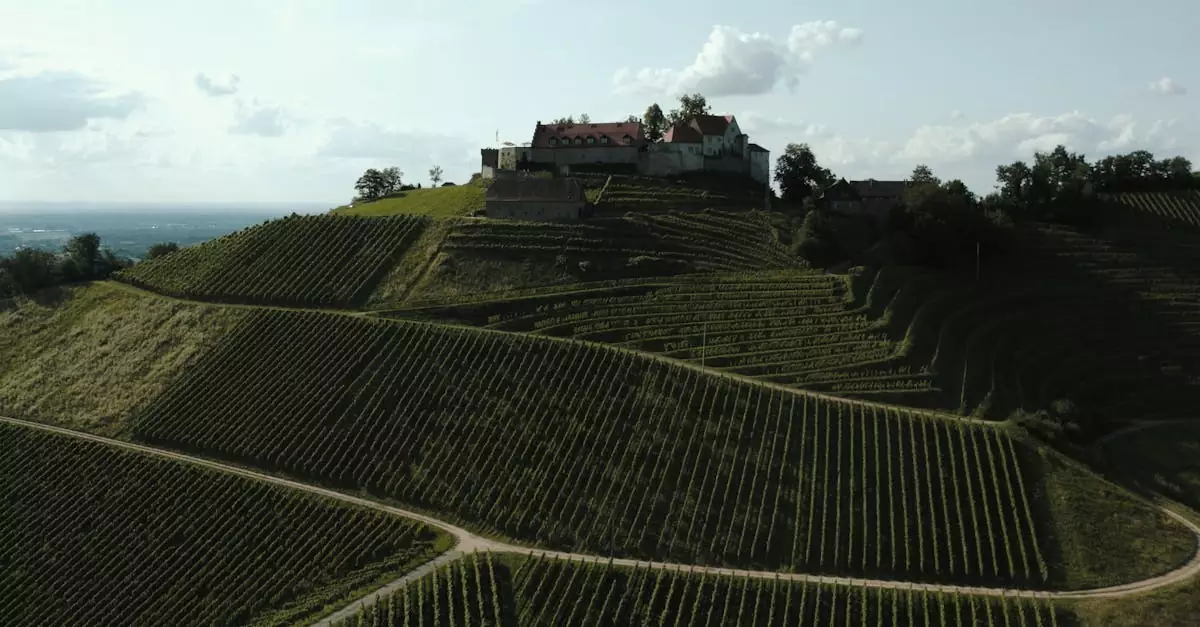
Embarking on a journey through France’s renowned wine regions requires thoughtful planning. Understanding the best times to visit, how to navigate between vineyards, and how to structure your days will significantly enhance your experience. This section provides practical advice to help you craft your ideal French wine tour.
Best Time to Visit French Wine Regions for Harvest and Weather
The ideal time to visit France’s wine regions often hinges on your priorities, whether it’s experiencing the vibrant harvest or enjoying pleasant weather for touring.
- September and October: This is peak harvest season, known as les vendanges. You’ll witness the bustling activity in the vineyards and can often participate in grape-picking events. The weather is typically mild and sunny, though cooler evenings are common. This is a fantastic time for wine enthusiasts keen to see the winemaking process firsthand.
- May and June: Spring offers blooming landscapes and comfortable temperatures, making it excellent for leisurely vineyard visits and exploring charming villages. Crowds are generally smaller than in summer, and the vineyards are lush and green.
- July and August: Summer is warm and lively, with long daylight hours ideal for extended touring. However, this is also the busiest tourist season, and prices for accommodations can be higher. Some smaller wineries might close for a few weeks during August.
| Season | Pros | Cons |
|---|---|---|
| Spring (May-Jun) | Blooming landscapes, mild weather, fewer crowds | Can be unpredictable with rain |
| Summer (Jul-Aug) | Warmest weather, long days, lively atmosphere | Peak crowds, higher prices, potential heat |
| Autumn (Sep-Oct) | Harvest season, beautiful foliage, pleasant temps | Shorter days, potential for rain |
Getting Around: Navigating Vineyards by Car, Train, and Tour
France’s wine country is spread across distinct regions, and your transportation choice will depend on your itinerary and desired level of independence.
By Car: Renting a car offers the most flexibility, allowing you to explore remote villages and stop spontaneously at wineries. Major rental agencies operate at airports and in larger cities. Be aware of strict drink-driving laws; designate a driver or use a taxi service if you plan to sample extensively. Navigating French country roads is generally straightforward, but a GPS or reliable map app is highly recommended.
By Train: France boasts an excellent high-speed rail network (TGV) connecting major cities. For wine regions like Champagne or Burgundy, you can take a train to a regional hub like Reims or Dijon and then arrange local transport, hire a driver, or join a guided tour. Trains are a comfortable and efficient way to cover long distances between wine-producing areas.
Guided Tours: For a hassle-free experience, consider joining a guided wine tour. These tours often include transportation, pre-booked winery visits, and knowledgeable guides. They are particularly useful if you want to focus solely on wine tasting without the stress of driving or logistics. Many operators offer day trips or multi-day packages from major cities like Paris.
Suggested Itineraries for 7 and 14 Days of Wine Exploration
Tailoring your trip to the length of your stay allows for a focused or comprehensive immersion into France’s viticultural landscape.
7-Day Itinerary: A Taste of Two Regions
This itinerary focuses on two of the most iconic and accessible wine regions, perfect for a shorter trip.
- Days 1-3: Champagne: Arrive in Paris and take a train to Reims or Épernay. Visit renowned Champagne houses like Moët & Chandon or Veuve Clicquot, as well as smaller grower producers. Enjoy exploring the historic cellars and tasting the effervescent wines.
- Days 4-7: Burgundy: Travel south to Dijon or Beaune by train. Base yourself in Beaune, the heart of Burgundy’s wine trade. Focus on tasting Pinot Noir and Chardonnay, visiting prestigious appellations like Gevrey-Chambertin or Meursault. Consider a bike tour through the vineyards of the Côte de Beaune.
14-Day Itinerary: A Deeper Dive
This extended itinerary allows for a more in-depth exploration, encompassing a broader range of France’s best wine regions.
- Days 1-3: Champagne: As above, begin with the sparkling wines of Champagne.
- Days 4-7: Burgundy: Continue south to explore the diverse terroirs of Burgundy, perhaps venturing into the Beaujolais region for its fruity Gamay wines.
- Days 8-10: Bordeaux: Travel west to Bordeaux. Focus on the Médoc peninsula for Cabernet Sauvignon-dominant blends, or Saint-Émilion and Pomerol for Merlot-based wines. Consider a guided tour of the prestigious châteaux.
- Days 11-14: Loire Valley: Head northwest to the Loire Valley. Explore the different sub-regions, from the crisp Sauvignon Blancs of Sancerre and Pouilly-Fumé to the Chenin Blancs of Vouvray and the Cabernet Francs of Chinon. Enjoy the fairytale castles alongside the wine.
This sample itinerary can be adjusted based on your specific interests, whether you prefer a focus on reds, whites, or sparkling wines.
Frequently Asked Questions About France’s Wine Regions
What are the most budget-friendly wine regions in France?
For travelers mindful of their spending, the Languedoc-Roussillon region often presents better value than its more famous counterparts. Here, you can find excellent wines, particularly from areas like the Côtes du Roussillon and Minervois, at more accessible price points for both bottles and tastings. Consider visiting outside of peak summer months for even greater savings on accommodations and local services.
Are wine tours recommended for solo travelers in France?
Wine tours can be an excellent way for solo travelers to experience France’s wine regions. They offer a structured way to visit multiple vineyards, learn about winemaking, and enjoy tastings in a social setting. Many tour operators cater to small groups, making it easier to connect with other travelers. Booking a guided tour also handles transportation logistics, which can be a significant benefit when traveling alone.
What are the essential wine tasting etiquette tips for France?
When participating in wine tastings across France, observe a few key etiquette points. Swirl the wine gently in your glass to release its aromas before smelling and tasting. Take small sips, allowing the wine to coat your palate. It is customary to spit wine if you are tasting many varieties, especially during professional tours or extensive vineyard visits, though it’s not strictly required for casual visitors. Always thank your host and the winery staff for their hospitality.