France’s culinary reputation precedes it, but beyond the famed pastries and rich sauces lies a deeply regional gastronomic landscape. Discovering the best local foods in France means venturing beyond Paris to explore the unique flavors and traditions that define its diverse provinces. This journey will guide you through the hearty fare of Alsace, the sun-kissed dishes of Provence, the coastal delights of Brittany, and the robust specialties of the Southwest. You’ll learn about iconic regional dishes, understand the importance of local ingredients, and find out where to experience these authentic tastes, from bustling markets to cozy bistros. Prepare to uncover the true culinary heart of France, one delicious regional specialty at a time.
Must-Try Regional Specialties: A Taste of France’s Best Local Foods

France’s culinary landscape is a rich tapestry woven from diverse regional traditions, each offering unique flavors and ingredients. Moving beyond the universally recognized icons, delving into specific areas reveals a deeper appreciation for the country’s gastronomic heritage. Understanding these specialties can guide your culinary journey, ensuring you sample the authentic tastes that define each region.
The Iconic Flavors of Paris: Croissants, Macarons, and Beyond
Paris, the nation’s capital, is a global culinary hub, but its local food scene offers more than just famous pastries. While a flaky croissant from a traditional boulangerie or a colorful macaron from Ladurée are essential experiences, the city also boasts exceptional bistros serving classic dishes. Look for steak frites, a simple yet satisfying combination of pan-fried steak and crispy fries, or escargots, snails cooked in garlic and parsley butter. For a truly Parisian experience, seek out a fromagerie to sample a wide array of French cheeses, best enjoyed with a fresh baguette.
Alsace’s Hearty Cuisine: Choucroute Garnie and Tarte Flambée
Nestled on the border with Germany, Alsace presents a distinct culinary identity characterized by robust, comforting dishes. Choucroute garnie is the quintessential Alsatian meal, a generous platter of sauerkraut slow-cooked with various sausages, pork cuts, and potatoes. It’s a hearty dish, perfect for a chilly evening. Another local favorite is tarte flambée (or flammekueche), a thin, crispy flatbread topped with crème fraîche, onions, and lardons. This versatile dish can be enjoyed as an appetizer or a light meal. Exploring the charming villages of Alsace often leads to small, family-run restaurants serving these authentic specialties.
Provençal Delights: Ratatouille, Bouillabaisse, and Tapenade
The sun-drenched region of Provence offers a lighter, Mediterranean-inspired cuisine, heavily influenced by fresh vegetables, olive oil, and herbs. Ratatouille, a vibrant stew of eggplant, zucchini, bell peppers, and tomatoes, showcases the region’s produce. Along the coast, particularly in Marseille, bouillabaisse is a must-try. This complex fish stew, traditionally made with several types of Mediterranean fish, is a culinary institution. For a simpler taste of Provence, tapenade, a paste made from olives, capers, and anchovies, is a flavorful spread often served with bread.
Brittany’s Coastal Treasures: Galettes and Crêpes
Brittany, with its windswept coastline and rich agricultural heritage, is famous for its buckwheat galettes and sweet crêpes. Galettes, savory pancakes made from buckwheat flour, are typically filled with cheese, ham, eggs, or mushrooms. They offer a wholesome meal, often enjoyed with a glass of local cidre (hard cider). Sweet crêpes, made from wheat flour, serve as delightful desserts or snacks, topped with sugar, jam, chocolate, or fruit. Visiting a traditional crêperie in a seaside town like Saint-Malo provides an authentic taste of this beloved regional food.
Beyond the Classics: Uncovering Hidden Culinary Gems
While iconic dishes like croissants and coq au vin often come to mind when thinking about French cuisine, the country’s true culinary soul lies in its regional specialties. Venturing beyond the well-trodden paths reveals a tapestry of flavors deeply rooted in local traditions and produce. This exploration focuses on specific regions known for their unique gastronomic contributions, offering a taste of authentic France that goes beyond the usual tourist fare.
Lyon’s Bouchons: Authentic Lyonnaise Gastronomy
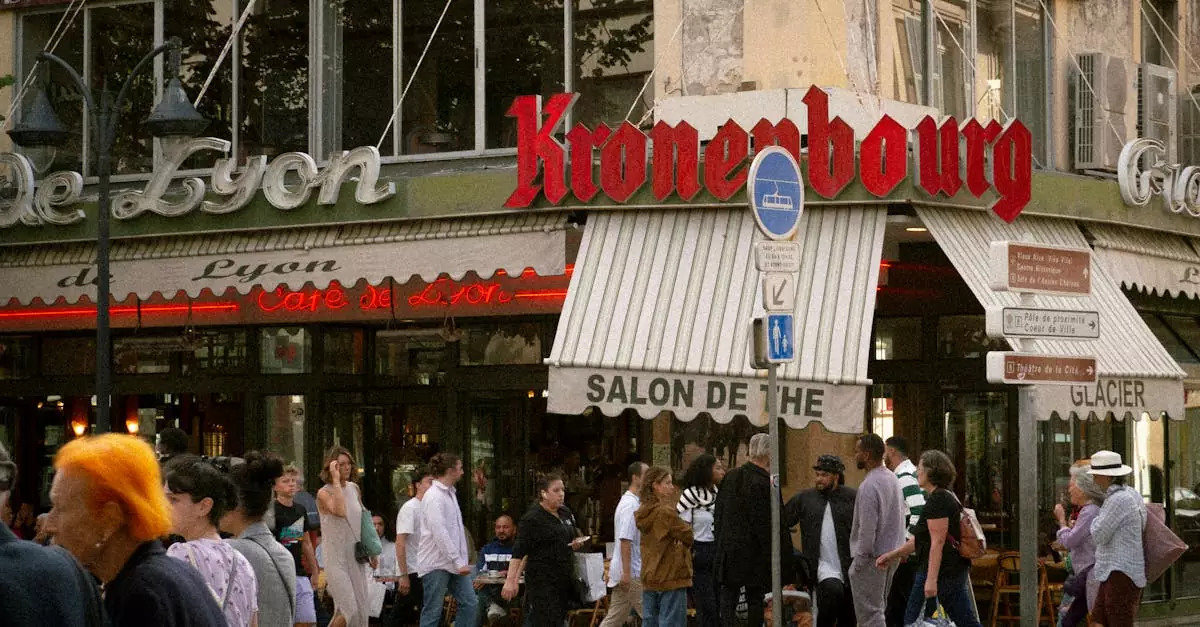
Lyon, often hailed as France’s gastronomic capital, is home to the bouchon. These traditional eateries offer a hearty, unpretentious dining experience, serving classic Lyonnaise dishes. Expect rich, flavorful fare like quenelles de brochet (pike dumplings) and salade Lyonnaise (frisée salad with bacon and a poached egg). The atmosphere in a bouchon is typically convivial and intimate, making it a perfect spot to savor the local culture alongside the food.
Visiting a bouchon is best done with an appetite for robust flavors. Many are small, so booking in advance is advisable, especially for popular spots like Le Garet or Daniel et Denise. The emphasis is on fresh, seasonal ingredients and time-honored recipes passed down through generations. Here, you can truly taste the essence of Lyonnaise home cooking.
The Cheese Routes of Normandy: Camembert and Calvados Pairings
Normandy’s rolling green pastures are the birthplace of some of France’s most celebrated cheeses, most notably Camembert. A journey through this region offers a chance to visit artisanal cheese producers, witness the cheesemaking process, and sample these creamy delights directly from the source. Many farms offer tours and tastings, providing insight into the craft.
Beyond cheese, Normandy is famous for its cider and Calvados, an apple brandy. These beverages are perfect accompaniments to local dairy. Imagine a tasting session featuring a perfectly ripe Camembert, a crisp Normandy cider, and a warming sip of Calvados to finish – a true taste of the region’s bounty. Exploring the Pays d’Auge region is particularly rewarding for this experience.
Loire Valley’s Goat Cheeses and Local Wines
The Loire Valley, renowned for its magnificent châteaux, also boasts a vibrant cheese and wine culture. The region is particularly celebrated for its delicate chèvre (goat cheese), with varieties like Selles-sur-Cher and Crottin de Chavignol earning widespread acclaim. These cheeses, often characterized by their distinct ash rind or earthy notes, pair beautifully with the crisp, aromatic white wines produced in the same valley, such as Sancerre and Pouilly-Fumé.
Visiting local markets in towns like Tours or Saumur provides an excellent opportunity to sample a wide array of these goat cheeses and discuss their nuances with the producers. Many vineyards also offer wine tastings that can be combined with cheese platters, showcasing the perfect synergy between the valley’s agricultural products. This is a delightful way to experience the region’s terroir.
Southwestern France: Cassoulet and Foie Gras
The cuisine of Southwestern France is hearty, rustic, and deeply satisfying. This is the land of cassoulet, a slow-cooked casserole of white beans, duck confit, pork, and sausages, originating from the towns of Carcassonne, Toulouse, and Castelnaudary. Each town has its own subtle variation, making a regional tour of cassoulet a delicious endeavor.
Another hallmark of this region is foie gras, the rich, fatty liver of duck or goose. While controversial for some, it is a deeply traditional delicacy here, often served pan-seared or as a terrine. Pairings with local Sauternes wine or a sweet onion confiture are common. For those interested in production, some farms in the Périgord or Gascony regions offer educational tours. Experiencing these robust flavors provides profound insight into the culinary heritage of Southwestern France.
What Are the Best Local Foods in France to Try for First-Time Visitors?

France is a culinary paradise, and for first-time visitors, navigating the sheer variety of delicious dishes can be overwhelming. Focusing on a few quintessential local foods will provide an authentic taste of French cuisine without feeling rushed. These selections offer a broad introduction to the flavors and traditions that make French food world-renowned.
Essential French Pastries: Pain au Chocolat and Éclairs
No culinary journey through France is complete without indulging in its iconic pastries. Pain au chocolat, a flaky, buttery croissant dough filled with rich dark chocolate, is a breakfast staple and a delightful treat. Éclairs, delicate choux pastry filled with cream and topped with chocolate icing, represent a more refined dessert experience. Visiting a local boulangerie or pâtisserie, especially in regions like Paris or Lyon, offers the freshest and most authentic versions.
Timing your pastry experience is key; they are best enjoyed in the morning when they are freshest. While readily available across the country, quality can vary. Seek out bakeries with a steady stream of locals for the best indication of quality.
Classic French Cheese Boards: A Beginner’s Guide
French cheese is legendary, and a cheese board, or plateau de fromages, is an excellent way to sample a variety. For beginners, starting with a selection of well-known cheeses provides a good foundation. Consider a creamy Brie or Camembert, a firm Comté or Gruyère, and a pungent Roquefort or Bleu d’Auvergne. Accompanying these with fresh baguette, fruit preserves, and perhaps some nuts creates a balanced experience.
Many restaurants offer curated cheese boards, but visiting a local fromagerie (cheese shop) allows for personalized recommendations and tastings. This is a fantastic way to learn about regional specialties.
Iconic French Soups: French Onion Soup and Vichyssoise
French soups offer comforting and flavorful introductions to the country’s gastronomy. Soupe à l’oignon gratinée (French onion soup) is a hearty classic, featuring caramelized onions in a rich beef broth, topped with a toasted baguette slice and melted Gruyère cheese. It’s perfect for cooler evenings. Vichyssoise, a chilled soup made from leeks, potatoes, cream, and chives, is a refreshing option, particularly popular during warmer months.
These soups are found in bistros and traditional restaurants across France. French onion soup is a common starter, while Vichyssoise might be more seasonal.
Simple Yet Delicious: Baguettes and Butter
Sometimes, the simplest foods are the most profound. The French baguette is more than just bread; it’s a cultural icon. Its crisp crust and soft, airy interior make it the ideal vehicle for enjoying French butter, particularly the high-quality, often salted, varieties found throughout the country. A fresh baguette, torn and spread with good butter, can be a surprisingly satisfying meal or accompaniment.
Locals often buy their baguettes daily from neighborhood bakeries. Look for those with a golden-brown crust and a slightly chewy interior. Enjoying this simple pleasure with a local cheese or charcuterie is a quintessential French experience.
Navigating French Markets: Where to Find Authentic Local Foods
To truly taste France, you must venture beyond restaurants and immerse yourself in the vibrant world of its local food markets. These bustling hubs offer a direct connection to producers, showcasing the freshest seasonal ingredients and regional specialties. From the aromatic spice stalls to the colorful displays of produce, markets are an essential stop for any culinary exploration of the best local foods in France.
Experiencing the Marché des Enfants Rouges in Paris
Paris, while renowned for its haute cuisine, also boasts a treasure trove of market experiences. The Marché des Enfants Rouges, the city’s oldest covered market, is a prime example. Established in 1628, it’s a lively place where you can sample diverse cuisines from around the world, often prepared by the vendors themselves. Beyond international flavors, you’ll find excellent French cheese vendors and produce stalls. Arrive early to avoid the largest crowds, especially on weekends. It’s a fantastic spot for a casual lunch, offering a more authentic Parisian food experience than many tourist-centric bistros.
Exploring Local Markets in Provence: Fresh Produce and Artisanal Goods
The sun-drenched region of Provence is synonymous with vibrant colors and fragrant scents, and its local markets embody this. Towns like Aix-en-Provence, L’Isle-sur-la-Sorgue, and Cucuron host weekly markets that are sensory delights. Here, you can find an abundance of ripe fruits, vegetables, herbs like lavender and thyme, local honey, olive oils, and artisanal products. Many vendors offer samples, allowing you to taste the quality firsthand. It’s an excellent opportunity to pick up picnic supplies or unique edible souvenirs.
A typical Provençal market might feature:
| Product Category | Key Offerings | Seasonal Availability |
|---|---|---|
| Fruits & Vegetables | Tomatoes, melons, peaches, courgettes, eggplants | Summer months are peak |
| Cheeses | Goat cheeses (chèvre), regional sheep cheeses | Year-round, with specific varieties in spring |
| Olives & Olive Oil | Cured olives, virgin olive oil | Olives harvested in autumn, oil pressed through winter |
| Baked Goods | Fougasse (flatbread), regional pastries | Year-round |
When visiting these markets, consider bringing your own reusable bags to carry your purchases. Many vendors are happy to wrap items individually for easier transport.
Finding the Best Bakeries (Boulangeries) for Fresh Bread
No culinary journey through France is complete without indulging in its legendary bread. Boulangeries are ubiquitous, and while many offer excellent quality, seeking out those that specialize in traditional methods is key. Look for bakeries that clearly display their commitment to “artisan” baking, often indicating long fermentation processes and high-quality ingredients. The classic baguette, with its crisp crust and soft interior, is a must-try, but don’t overlook other regional breads like the sourdough pain de campagne or the richer pain complet.
Visiting a boulangerie early in the morning ensures you get the freshest loaves, still warm from the oven. It’s a simple pleasure that defines daily life in France.
Discovering Fromageries for World-Class French Cheeses
France is a cheese lover’s paradise, and dedicated fromageries are the temples of this dairy art. These specialty shops offer an astonishing variety of cheeses, from creamy Brie and pungent Roquefort to firm Comté and delicate goat cheeses. The shopkeepers are usually passionate experts, eager to guide you through their selection, explain the origins of each cheese, and offer tasting samples.
When selecting cheese, consider its texture, milk type (cow, goat, sheep), and region of origin. A good fromager can help you assemble a perfect cheese board, recommending complementary accompaniments like fig jam or nuts. It’s a fantastic way to sample the diverse terroir of France through its cheeses, experiencing some of the best local foods in France in a concentrated form.
Pairing French Dishes with Local Beverages
France’s rich culinary heritage extends beyond its food to the beverages that complement it. Understanding these pairings enhances the dining experience, revealing how regional drinks can elevate national dishes. This exploration delves into the traditional and contemporary ways to match French foods with their ideal liquid companions.
The Art of Wine Pairing with French Cuisine
Wine is intrinsically linked to French gastronomy. The golden rule is to pair regional food with regional wine. For instance, the rich, earthy flavors of a beef bourguignon from Burgundy are best enjoyed with a robust Pinot Noir from the same region. Similarly, the delicate seafood of the Loire Valley pairs beautifully with its crisp Sancerre or Muscadet.
When dining in France, don’t hesitate to ask your server for recommendations. They are often well-versed in local pairings and can guide you toward an optimal wine choice for your meal. Consider the weight and intensity of the dish; lighter fare generally calls for lighter wines, while heavier, richer dishes can stand up to bolder reds or full-bodied whites.
Exploring French Cider and Calvados
Beyond wine, certain regions of France boast distinct alcoholic beverages that are perfect accompaniments to local specialties. Normandy, for example, is renowned for its cider and Calvados, an apple brandy. Dry ciders are excellent with the region’s famous crepes and galettes, providing a refreshing contrast to the rich fillings.
Calvados, especially an older vintage, can be enjoyed as a digestif after a meal or even incorporated into cooking. Its apple-based notes also make it a surprisingly good match for pork dishes or strong cheeses like Camembert, a Norman staple. Exploring these local spirits offers a deeper appreciation for regional French food culture.
Discovering Regional Beers and Liqueurs
While wine dominates the French beverage scene, regional beers have gained popularity, particularly in the north and east of France. Alsace, with its strong Germanic influence, produces excellent lagers and wheat beers that pair well with hearty Alsatian fare like choucroute garnie. Craft breweries are also emerging across the country, offering diverse styles to complement various dishes.
Liqueurs also play a role in French dining. Chartreuse, a herbal liqueur produced by Carthusian monks, is a complex digestif with a unique flavor profile. It can be enjoyed neat or with a splash of water. Other regional liqueurs, often fruit-based, can provide a sweet or tart counterpoint to rich desserts or strong cheeses.
Non-Alcoholic Pairings: French Juices and Sparkling Waters
For those seeking non-alcoholic options, France offers sophisticated choices that still complement its cuisine. Many restaurants serve high-quality fruit juices, often made from regional produce like apples, pears, or apricots. These juices can offer a similar acidity and sweetness to wine, making them suitable pairings for lighter dishes.
Sparkling mineral waters are also a popular and refreshing choice. French brands like Perrier and Badoit are widely available and provide a clean palate cleanser between bites. Their effervescence can cut through richness, much like a dry white wine, making them a versatile accompaniment to a wide range of French foods. Opting for these beverages ensures a delightful and inclusive culinary experience.
Frequently Asked Questions About French Local Foods
What are the most popular street foods in France?
While France is renowned for its sit-down dining, street food culture is growing, especially in larger cities. Look for crêpes, both sweet and savory (galettes), often filled with ham, cheese, or eggs. Baguettes with various fillings, such as jambon-beurre (ham and butter), are a classic quick bite. In some regions, you might find specialties like socca, a chickpea flour pancake from Nice.
Are there vegetarian or vegan options for local French food?
Traditional French cuisine can be meat and dairy-heavy, but vegetarian and vegan options are increasingly available. Many bistros now offer vegetable gratins, salads, and pasta dishes. For vegans, seek out restaurants specializing in plant-based cuisine, which are becoming more common. When ordering, be specific about ingredients; for example, ensure no butter or cream is used in vegetable preparations.
What’s the best way to experience local food culture in France?
Engaging with local food culture goes beyond just eating. Visit regional markets (marchés) to see fresh produce, cheeses, and local specialties. Consider taking a cooking class to learn regional techniques. Dining at small, family-run bistros and brasseries offers a more authentic experience than large, tourist-focused restaurants. Don’t hesitate to ask your server for recommendations.
How much should I budget for food when traveling in France?
Budgeting for food in France can vary significantly. A simple baguette sandwich might cost €4-€6. A casual meal at a bistro could range from €15-€25 per person, excluding drinks. Fine dining experiences can easily exceed €100 per person. To save money, consider picnicking with market finds or utilizing bakeries for breakfast and lunch.
| Meal Type | Estimated Cost (per person) | Notes |
|---|---|---|
| Breakfast | €5 – €10 | Pastry and coffee at a bakery |
| Lunch | €10 – €25 | Bistro plat du jour, sandwich, or market food |
| Dinner | €20 – €50+ | Casual restaurant to mid-range dining |
| Drinks | €3 – €8+ | Coffee, glass of wine, beer |