Europe’s most iconic cities are undeniably captivating, but exploring them often comes with a significant cost. Savvy travelers know that a richer, more authentic, and far more affordable experience awaits by venturing off the beaten path. This article is your guide to the best hidden budget destinations Europe has to offer, revealing places where your travel fund stretches further without compromising on culture, beauty, or adventure.
You’ll discover charming towns and vibrant cities that provide incredible value, from the historic streets of Eastern Europe to the sun-drenched coasts of the Mediterranean. We’ll explore how to find affordable accommodation, savor delicious local cuisine without overspending, and navigate transportation like a pro. Prepare to uncover a side of Europe that’s brimming with character, history, and welcoming locals, all waiting to be explored on a budget.
Unveiling Europe’s Best Kept Budget Secrets
For many travelers, the allure of Europe conjures images of iconic landmarks and bustling capitals. However, exploring the continent’s most popular cities often comes with a hefty price tag. Savvy travelers understand that a more authentic and affordable experience can be found by venturing beyond the well-trodden path. Discovering these lesser-known destinations provides a chance to connect with local culture, enjoy less crowded attractions, and significantly stretch your travel budget.
Why Seek Out Lesser-Known European Gems?
Opting for less-hyped destinations in Europe unlocks a richer travel experience. The cost of accommodation, food, and activities is often considerably lower than in major tourist hubs like Paris or Rome. Beyond financial savings, these places offer a genuine glimpse into daily life, free from overwhelming crowds. Imagine strolling through charming medieval towns without jostling for space or enjoying a leisurely meal at a local restaurant where English might not be the primary language. This approach allows for deeper immersion and more memorable encounters.
Top Emerging Budget Destinations in Eastern Europe
Eastern Europe consistently offers some of the continent’s most compelling value for money. Countries like Poland, the Czech Republic, and Hungary have long been appreciated for their affordability, but newer contenders are emerging with vibrant cultures and stunning scenery.
Slovenia presents breathtaking natural landscapes at a fraction of the cost of its Alpine neighbors. Lake Bled and the Julian Alps are easily accessible, offering hiking, water sports, and picturesque villages. Ljubljana, the capital, is a compact and walkable city with a lively atmosphere, beautiful architecture, and excellent food markets.
Further east, Albania is rapidly gaining recognition as a fantastic budget destination. Its coastline along the Adriatic and Ionian Seas rivals that of Greece and Italy, but with significantly lower prices for accommodation and dining. Cities like Tirana offer a fascinating blend of Ottoman, Italian, and communist-era influences, while ancient ruins such as Butrint provide a glimpse into its rich history.
Underrated Affordable Cities in Southern Europe
While Southern Europe is famous for its sun-drenched coastlines and ancient ruins, many travelers flock to a few select spots, driving up prices. By looking slightly off-center, you can find incredible value.
Portugal, beyond Lisbon and Porto, offers charming regions that remain remarkably affordable. Consider the Alentejo region, known for its rolling hills, cork forests, and historic towns like Évora. Here, you can enjoy delicious regional cuisine and local wines without the premium prices of the Algarve.
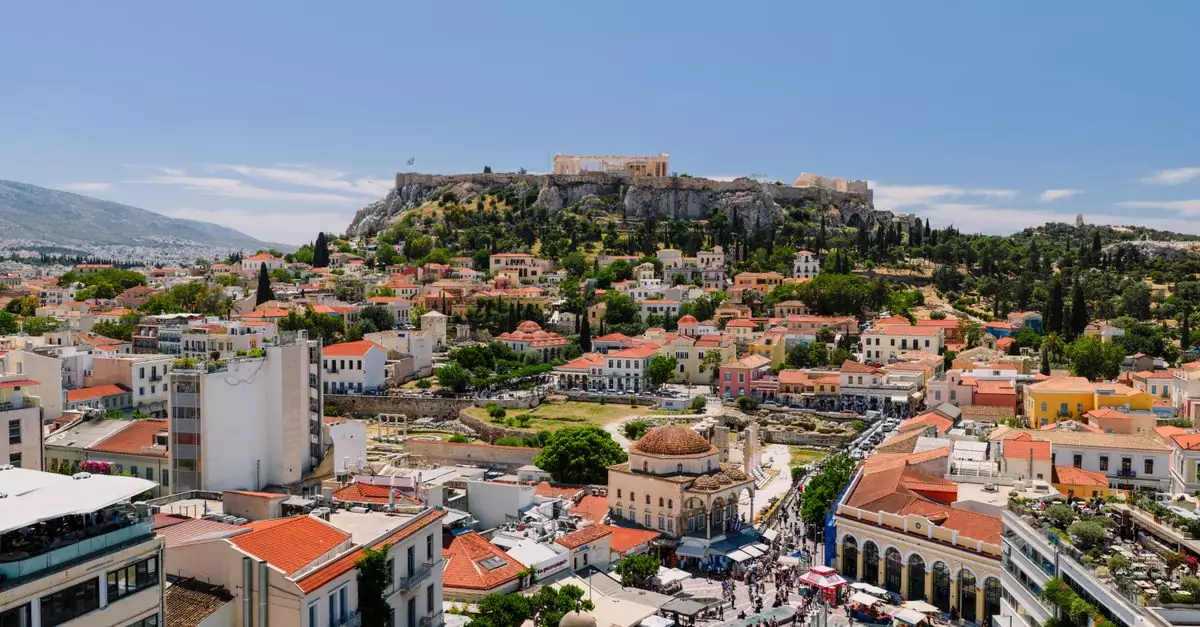
In Greece, while the islands are undeniably beautiful, mainland cities and less-visited islands provide exceptional value. Thessaloniki, Greece’s second-largest city, boasts a vibrant culinary scene, ancient Roman ruins, and a lively waterfront, all at a more accessible price point. For island hopping on a budget, consider islands in the North Aegean or Dodecanese that aren’t on every mainstream itinerary.
Planning Your Affordable European Adventure
When planning a trip to these budget-friendly European locales, a few practical tips can maximize your savings and enhance your experience.
Timing is Key: Traveling during the shoulder seasons (April-May and September-October) often yields lower prices for flights and accommodation, alongside pleasant weather and fewer crowds.
Transportation: Within Eastern Europe, trains and buses are generally efficient and very affordable for inter-city travel. For example, the extensive rail network in Poland connects major cities and smaller towns effectively. In Southern Europe, budget airlines can be useful for longer distances, but local buses and trains are cost-effective for shorter hops. Consider purchasing rail passes if you plan extensive train travel across multiple countries.
Accommodation: Look beyond large hotel chains. Guesthouses, family-run pensions, and apartments booked through platforms like Airbnb often provide better value and a more local feel. Booking accommodation in advance, especially during peak season, is always recommended.
Budget Comparison:
| Destination | Estimated Daily Budget (per person) | Accommodation Type | Transportation Ease |
|---|---|---|---|
| Ljubljana, Slovenia | €70 – €100 | Guesthouses, Apartments | High |
| Tirana, Albania | €50 – €80 | Budget Hotels, Hostels | Moderate |
| Évora, Portugal | €60 – €90 | Pensions, Local Inns | Moderate |
| Thessaloniki, Greece | €65 – €95 | Apartments, Boutique Hotels | High |
Note: Budgets are estimates and can vary based on travel style and specific choices.
By embracing these hidden gems and planning strategically, you can experience the magic of Europe without breaking the bank.
Affordable Adventures in the Balkans: Beyond the Crowds
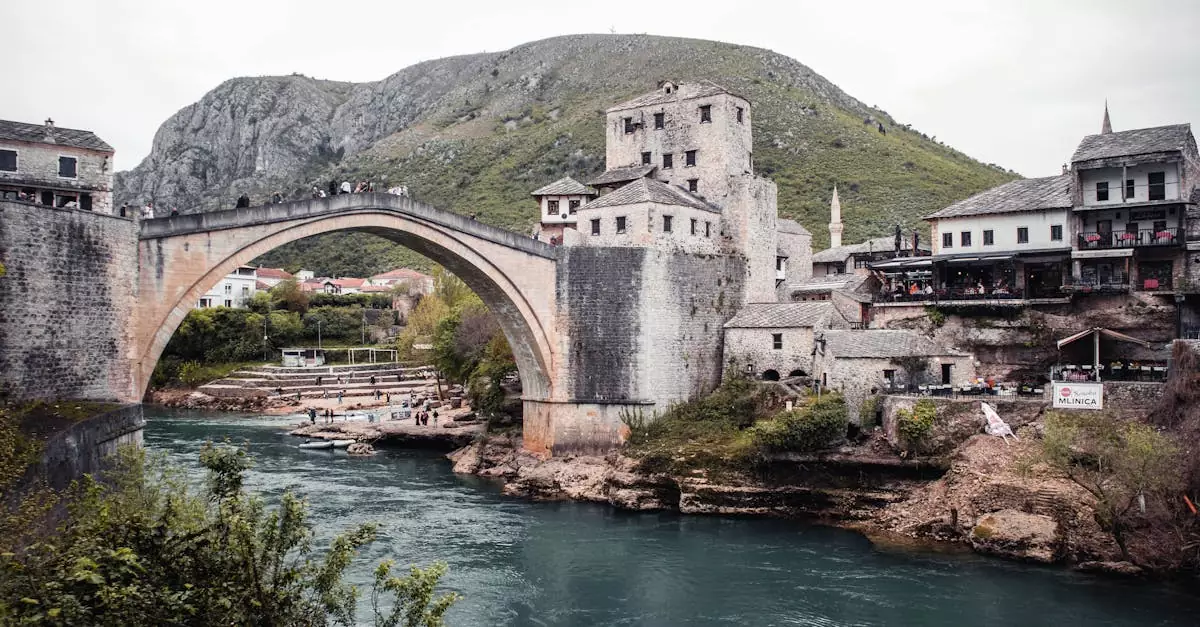
The Balkan Peninsula offers a compelling blend of history, culture, and natural beauty, often at a fraction of the cost found in Western Europe. This region, rich with diverse influences from Ottoman to Austro-Hungarian empires, provides a rewarding experience for budget-conscious travelers seeking authentic encounters away from mass tourism. Planning a trip here involves understanding local transport and currency, but the rewards are immense.
Exploring Sarajevo’s Rich History on a Budget
Sarajevo, the capital of Bosnia and Herzegovina, is a city where East truly meets West. Its historical core, Baščaršija, is a vibrant maze of cobblestone streets lined with artisan workshops and traditional eateries. You can immerse yourself in the city’s poignant 20th-century history by visiting sites like the Latin Bridge, where Archduke Franz Ferdinand was assassinated, and the Tunnel of Hope, a vital lifeline during the Bosnian War.
For budget travelers, Sarajevo is exceptionally welcoming. Accommodation options range from affordable hostels and guesthouses in the Old Town to modern apartments further afield. Meals at local ćevabdžinice (for grilled minced meat) or buregdžinice (for savory pies) offer delicious and filling options for just a few euros. Public transport, primarily buses and trams, is efficient and inexpensive for exploring areas beyond the immediate city center. Consider visiting in spring or autumn to avoid summer heat and enjoy lower prices on flights and lodging.
Discovering the Coastal Charms of Albania’s Riviera
Albania’s Ionian coast, often referred to as the Albanian Riviera, boasts stunning turquoise waters and pristine beaches rivaling those in more famous Mediterranean destinations. Towns like Sarandë, Ksamil, and Dhërmi offer a more laid-back and significantly more affordable alternative to their Greek or Italian counterparts. The journey to these coastal gems is becoming increasingly accessible.
Travelers can find budget-friendly guesthouses and apartments, particularly outside the peak summer months of July and August. Fresh seafood is abundant and reasonably priced at local tavernas. While intercity buses connect major towns, renting a car can offer flexibility for reaching more secluded coves and villages, though this will increase your daily expenses. The best time to visit for pleasant weather and fewer crowds is late May to early June or September.
Navigating Montenegro’s Mountain Landscapes Affordably
Montenegro, with its dramatic coastline and rugged interior, offers a wealth of natural beauty for those looking to stretch their travel budget. While the popular Bay of Kotor can see higher prices, venturing inland or to less developed coastal areas reveals significant savings. Towns like Bar and Ulcinj on the coast, or the mountain regions around Durmitor National Park, provide excellent value.
Accommodation in Montenegro varies. Hostels are common in larger towns, and private rooms in family homes (sobe) are a widespread and affordable option, especially in smaller villages. For those keen on hiking and outdoor activities, consider staying in guesthouses near national parks. Public buses are the primary mode of intercity transport and are generally inexpensive. For a more immersive experience in the mountainous interior, consider basing yourself in Žabljak and utilizing local guides for affordable excursions into the stunning landscapes. Traveling in the shoulder seasons, like May or September, allows for comfortable exploration without the peak summer tourist influx.
Eastern European Escapes: Culture Without the Cost
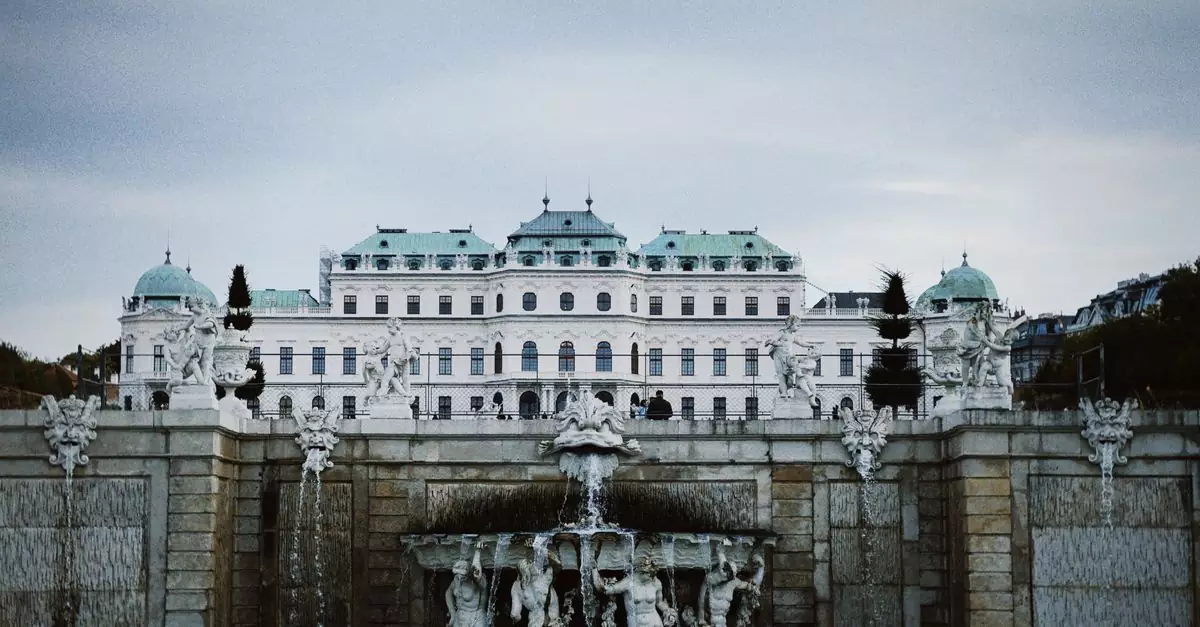
Eastern Europe presents a treasure trove of experiences for travelers seeking rich history, vibrant culture, and stunning architecture without the hefty price tag often associated with Western European cities. These destinations offer incredible value, allowing you to immerse yourself in local life, savor delicious cuisine, and explore historical marvels on a budget.
Krakow’s Medieval Charm and Delicious Pierogi Deals
Krakow, Poland, is a city that effortlessly blends a fairytale medieval atmosphere with a lively modern pulse. Its UNESCO-listed Old Town, centered around the magnificent Rynek Główny (Main Market Square), is a pedestrian’s paradise. Here, you can wander through cobblestone streets, admire the Cloth Hall, and visit St. Mary’s Basilica, all without spending a fortune on admission fees for the main attractions.
Foodies will rejoice in Krakow’s affordability. Traditional Polish dumplings, known as pierogi, can be found in numerous “Bar Mleczny” (Milk Bars)—remnants of the communist era that now serve hearty, incredibly cheap meals. Expect to pay just a few euros for a generous plate. Beyond pierogi, hearty stews, kielbasa, and comforting potato dishes are also budget-friendly staples.
For a deeper understanding of the city’s complex past, a visit to the Jewish Quarter (Kazimierz) is essential. Once a separate town, it’s now a bohemian hub filled with synagogues, atmospheric cafes, and independent art galleries. While Auschwitz-Birkenau is a somber but crucial day trip, staying within Krakow itself offers abundant historical insights.
Getting Around: Krakow’s Old Town and Kazimierz are highly walkable. For longer distances, the city has an efficient and affordable tram and bus network. A single ticket is inexpensive, and day passes offer excellent value.
Budget Tip: Look for accommodation in Kazimierz or slightly outside the immediate Old Town for better rates. Many hostels and budget guesthouses offer comfortable stays.
Budapest’s Ruin Bars and Thermal Baths for Less
Budapest, Hungary, often called the “Pearl of the Danube,” offers a unique blend of grandeur and gritty charm. Its most famous attractions, the thermal baths, are surprisingly accessible for their luxurious experience. Szechenyi Baths, the largest, and Gellért Baths provide a chance to relax in mineral-rich waters, a perfect antidote after a day of sightseeing.
The city is renowned for its “ruin bars,” unconventional drinking establishments set up in abandoned pre-war buildings and courtyards. Szimpla Kert is the most famous, a labyrinth of quirky art installations, mismatched furniture, and a buzzing atmosphere. These bars offer a memorable nightlife experience that is far more affordable than typical clubs.
Beyond the baths and bars, Budapest boasts impressive architecture, from the Hungarian Parliament Building to Buda Castle. Many of these can be admired from the outside, and walking across the Chain Bridge offers stunning city views. The Great Market Hall is another must-visit, a vibrant indoor market where you can sample local delicacies and pick up souvenirs at reasonable prices.
Transportation: Budapest is well-served by a comprehensive public transport system, including metro lines, trams, and buses. Consider purchasing a travel card for unlimited travel over several days. The city center is also quite walkable.
Accommodation: Hostels are plentiful and offer a social atmosphere, while apartments rented through platforms can be cost-effective for groups. Staying in districts VI, VII, or VIII can provide a good balance of proximity to attractions and lower prices.
Lviv’s Architectural Wonders and Ukrainian Hospitality
Lviv, Ukraine, remains one of Europe’s most overlooked gems, offering an enchanting experience at a fraction of the cost of its Western European counterparts. Its historic city center, a UNESCO World Heritage site, feels like stepping back in time, with cobblestone streets, ornate buildings, and charming squares. The architecture is a stunning blend of Polish, Austrian, and Armenian influences.
Wandering through Rynok Square, admiring the Black House, and climbing the Town Hall Tower for panoramic views are all budget-friendly activities. Lviv is also known for its unique themed restaurants and cafes, many of which offer creative interiors and delicious, affordable food. Try local specialties like varenyky (dumplings) and borscht.
The city’s rich history is palpable, from the Lychakiv Cemetery, an open-air museum of sculptures, to the many churches and cathedrals that dot the landscape. Ukrainian hospitality is renowned, and you’ll find locals warm and welcoming, often eager to share their culture.
Logistics: Lviv’s airport is relatively small, and flights can be very affordable. Once in the city, most of the historic center is easily explored on foot. Public transport, including trams and marshrutkas (minibuses), is very inexpensive for longer distances.
Budget Considerations: Ukraine generally offers some of the lowest travel costs in Europe. Accommodation, food, and transport are all significantly cheaper than in most of the continent, making Lviv an exceptional value destination.
Mediterranean Magic on a Shoestring: Portugal and Beyond
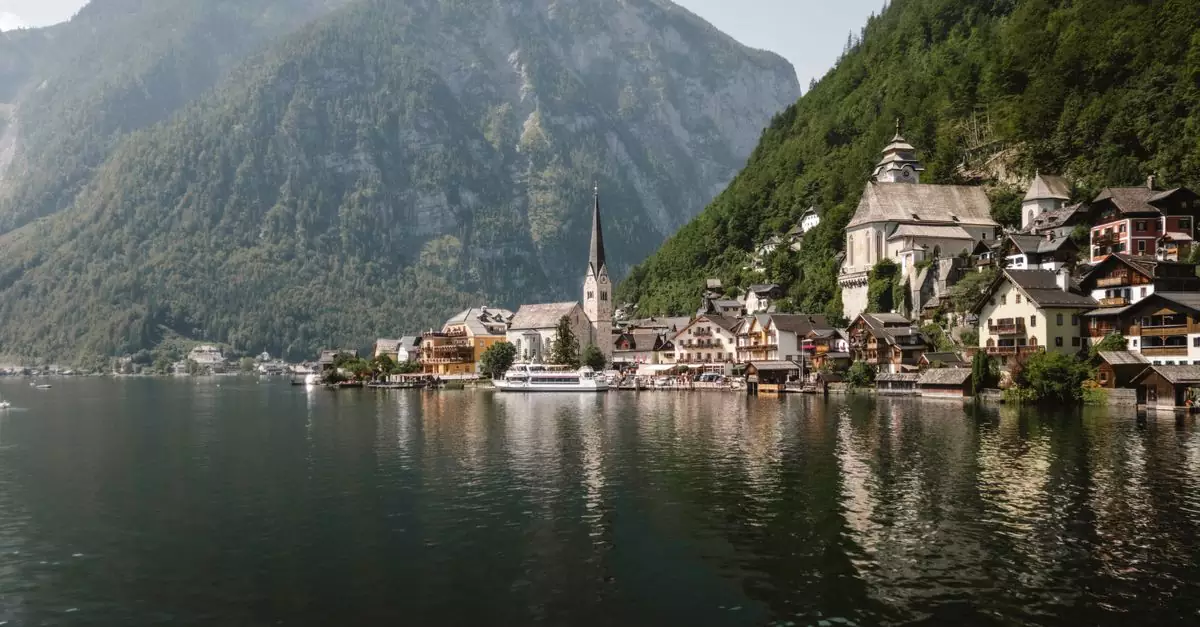
For travelers dreaming of sun-drenched coastlines, historic towns, and delicious food without breaking the bank, the Mediterranean offers a wealth of affordable options. Portugal, with its diverse landscapes and rich culture, stands out as a prime example of European charm accessible to budget-conscious explorers. Beyond Portugal, exploring islands like Malta reveals even more opportunities for an enriching yet economical European adventure.
Porto’s Riverside Charm and Port Wine Tasting on a Budget
Porto, Portugal’s second-largest city, captivates visitors with its Ribeira district, a UNESCO World Heritage site, where colorful buildings cascade down to the Douro River. This vibrant area is best experienced on foot, allowing you to soak in the atmosphere and discover hidden alleys. For budget travelers, Porto offers excellent value. Accommodation can be found in charming guesthouses or hostels, particularly in neighborhoods slightly outside the immediate city center.
Food in Porto is a significant draw, and it’s possible to eat very well without overspending. Look for “prato do dia” (dish of the day) specials in local tascas, which offer hearty, traditional meals at low prices. A visit to Vila Nova de Gaia, across the river, is essential for port wine enthusiasts. Many port lodges offer tours and tastings, and while some can be pricey, others provide more affordable introductory experiences. Booking tours in advance can sometimes secure better rates. Getting around Porto is easy and inexpensive thanks to its efficient metro system and walkable central areas.
Exploring the Algarve’s Hidden Beaches Affordably
While the Algarve in southern Portugal is known for its stunning coastline, it doesn’t have to be an expensive destination. Moving beyond the most developed resort towns like Albufeira and Vilamoura can lead to significant savings. Consider staying in smaller towns such as Tavira or Sagres, which offer a more authentic experience and lower accommodation costs. These locations also provide access to equally beautiful, often less crowded, beaches.
Transportation within the Algarve can be managed affordably by utilizing local buses, which connect most towns and villages. Renting a car can be cost-effective for groups or those wanting to explore more remote coves and natural parks, but factor in parking costs in popular areas. For dining, seek out beachfront restaurants away from the main tourist strips or explore local markets for fresh produce to prepare your own meals if your accommodation has cooking facilities. The shoulder seasons, particularly April to May and September to October, offer pleasant weather and reduced prices on flights and lodging.
Malta’s Historic Cities and Azure Waters for Budget Travelers
Malta, a compact archipelago in the central Mediterranean, presents a compelling case for budget travel with its immense historical significance and striking natural beauty. Valletta, the capital, is a treasure trove of Baroque architecture and ancient fortifications, best explored by walking its grid-like streets. The Three Cities (Vittoriosa, Senglea, and Cospicua) opposite Valletta offer a glimpse into Malta’s maritime past and are generally less crowded and more affordable to explore.
Getting around Malta is straightforward and budget-friendly due to its excellent public bus system, which covers the entire island. For a small fee, you can purchase a multi-day bus pass offering unlimited travel. Accommodation options range from budget-friendly hostels and guesthouses in areas like St. Julian’s or Sliema to more affordable apartments outside the main tourist hubs. Dining in Malta offers diverse choices; local pastizzi (savory pastries) are a cheap and delicious snack, while many restaurants serve fresh seafood and traditional Maltese dishes at reasonable prices, especially if you venture away from prime waterfront locations. The smaller island of Gozo, accessible by a short and inexpensive ferry ride, provides a more tranquil and often cheaper alternative for a day trip or longer stay.
| Destination | Average Daily Budget (Excl. Flights) | Best Time to Visit | Transportation Ease |
|---|---|---|---|
| Porto, Portugal | €60 – €90 | April-May, Sept-Oct | High (walkable, metro) |
| Algarve, Portugal | €70 – €100 | April-June, Sept-Oct | Medium (bus, car rental) |
| Malta | €65 – €95 | April-June, Sept-Oct | High (bus system) |
Mastering Your Budget: Saving Tips for Hidden European Gems
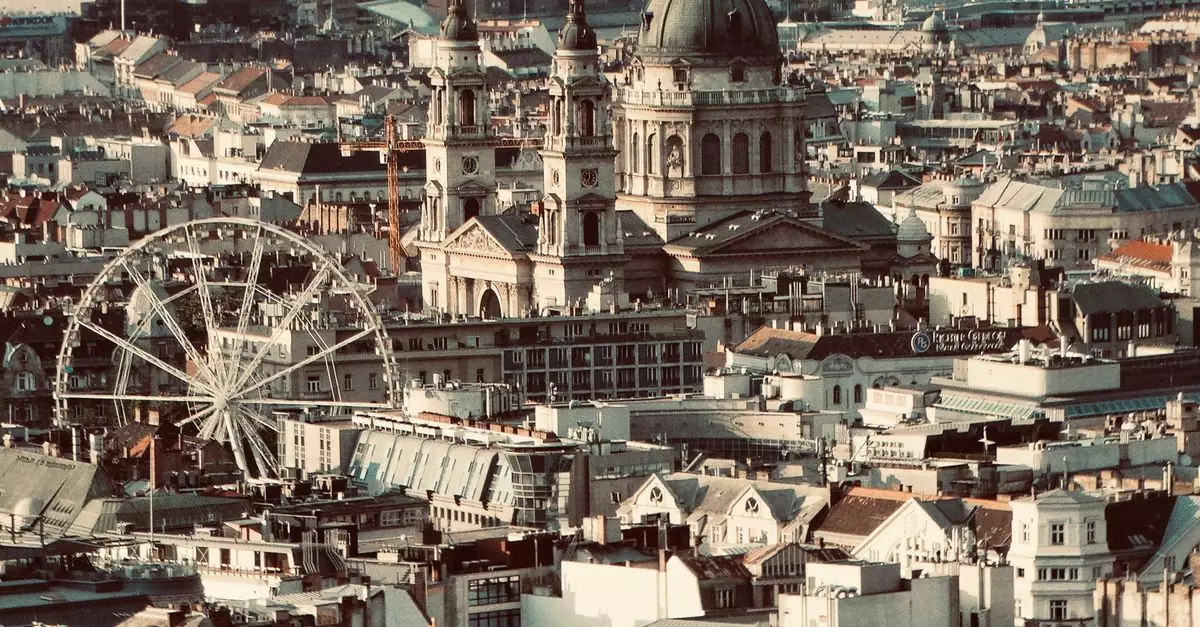
Traveling through Europe doesn’t have to drain your savings. By focusing on less-touristed regions and adopting smart strategies, you can experience the continent’s charm without breaking the bank. This guide offers practical advice for finding affordable accommodation, enjoying delicious local food, choosing economical transport, and timing your visit for maximum value. These best hidden budget destinations Europe offer incredible experiences for the savvy traveler.
Finding Affordable Accommodation in Off-the-Beaten-Path Towns
When seeking budget-friendly European adventures, steer clear of major capitals and well-trodden tourist hubs. Instead, consider smaller cities and towns that offer a more authentic experience at a fraction of the cost. Look for guesthouses, family-run inns, or apartments rented through local platforms. These often provide a more personal touch and can be significantly cheaper than hotels in popular areas. Booking in advance, especially outside of peak summer months, can secure better rates.
Consider regions like the Balkans, Eastern Europe, or less-visited parts of Southern Europe. For instance, cities like Plovdiv, Bulgaria or Lviv, Ukraine offer rich history and culture at remarkably low prices. Even within Western Europe, towns in rural France, northern Spain, or the Italian countryside can be surprisingly affordable if you venture away from major attractions.
Eating Like a Local: Delicious and Cheap European Eats
One of the most rewarding ways to save money and immerse yourself in local culture is by eating where the locals do. Avoid tourist-trap restaurants with inflated prices and multilingual menus. Instead, seek out local markets, bakeries, and small, unassuming eateries. These are often where you’ll find the most authentic and delicious food at the best prices.
Markets are fantastic for picking up fresh produce, local cheeses, cured meats, and freshly baked bread for a picnic lunch. For dinner, look for establishments filled with locals, often identified by their simple decor and focused menus. Many European countries have regional specialties that are both affordable and incredibly flavorful. In Italy, a slice of pizza al taglio or a panino from a local bar can be a filling and inexpensive meal. In Spain, tapas are a great way to sample a variety of dishes without committing to a large, costly meal. Embracing these local dining habits is key to a budget-friendly trip.
Smart Transportation Choices for Budget European Travel
Getting around Europe affordably requires strategic planning. While flying between major cities can sometimes be cheap with budget airlines, consider other options for shorter distances or for a more scenic journey. Trains are a classic European travel experience and can be very cost-effective, especially if booked in advance or if you opt for regional lines over high-speed services.
Buses are often the most budget-friendly option for intercity travel, with companies like FlixBus operating extensive networks across the continent. For shorter distances within cities or to nearby towns, walking or using local public transport—buses, trams, and metros—is the cheapest and often most efficient way to get around. Renting a car might seem appealing for flexibility, but factor in fuel costs, tolls, and parking, which can add up quickly, especially in urban areas.
Here’s a quick look at common transportation options:
| Transport Type | Typical Cost (per 100km) | Pros | Cons |
|---|---|---|---|
| Train | €10-€30 | Scenic, comfortable, city-center access | Can be expensive if not booked in advance |
| Bus | €5-€15 | Very affordable, extensive network | Slower, less comfortable for long journeys |
| Budget Flight | €20-€70 | Fast for long distances | Airport transfers add cost/time, baggage fees |
| Car Rental | €30-€60 + fuel/tolls | Maximum flexibility, good for rural areas | Expensive in cities, parking challenges |
| Local Transit | €1-€3 | Cheap, convenient for city exploration | Limited to specific routes and schedules |
When to Visit for the Lowest Prices and Best Weather
Timing your visit can significantly impact your budget and overall experience. The shoulder seasons—spring (April to May) and autumn (September to October)—often offer the best balance of pleasant weather and lower prices. During these months, you’ll find fewer crowds, more affordable accommodation, and often milder temperatures than the peak summer heat.
Visiting during the off-season (November to March) can yield the absolute lowest prices, but be prepared for colder weather and potentially shorter opening hours for some attractions. However, this is an excellent time to experience cities like Prague, Czech Republic or Budapest, Hungary with a magical winter atmosphere and fewer tourists.
The summer months (June to August) are the most expensive and crowded, as this is peak holiday season across Europe. If you must travel in summer, booking well in advance is crucial for securing reasonable prices and availability. Consider visiting less popular coastal areas or inland regions during this time to escape the worst of the crowds and find better value.
Frequently Asked Questions About Budget European Travel
Are these hidden destinations safe for solo travelers?
Many of these less-visited European locations offer a high degree of safety, often surpassing that of larger, more crowded cities. Local police presence is generally good, and crime rates tend to be low. However, as with any travel, it’s wise to remain aware of your surroundings, especially at night. Researching specific neighborhoods within a city before arrival can also enhance your safety. For solo travelers, sticking to well-lit areas and letting someone know your itinerary provides an extra layer of security.
What are the best times to visit these budget-friendly locations?
The shoulder seasons—spring (April to June) and autumn (September to October)—are generally the best times to visit most of these budget European destinations. During these months, you’ll find pleasant weather, fewer crowds, and lower prices for flights and accommodations compared to the peak summer season.
Here’s a quick look at seasonal considerations:
| Season | Pros | Cons |
|---|---|---|
| Spring | Mild weather, blooming nature, fewer crowds | Variable weather, some attractions may be closed |
| Summer | Warmest weather, long daylight hours | Peak crowds, highest prices |
| Autumn | Beautiful foliage, harvest festivals, lower prices | Cooler weather, shorter daylight hours |
| Winter | Lowest prices, festive markets, fewer tourists | Cold weather, limited daylight, some attractions closed |
Visiting during the off-season (winter, excluding holiday periods) can offer the absolute lowest prices, but be prepared for colder temperatures and potentially limited opening hours for some attractions.
How can I avoid common tourist scams in less-visited European cities?
While these destinations are generally safe, being informed about potential scams is always a good practice. Be wary of overly friendly strangers offering unsolicited help or tours, especially near major landmarks. Always agree on prices for taxis or services before you commit. Keep your valuables secure and out of sight, particularly in crowded markets or on public transport. Research common scams specific to the region you are visiting. For instance, some areas might have issues with fake petitions or distraction thefts. Trust your instincts; if something feels off, it likely is. Staying informed is your best defense against encountering these common tourist traps.