Europe is brimming with iconic landmarks, but for travelers in 2026 seeking a more authentic and less crowded experience, the real magic lies in its hidden gems. Venturing beyond the usual tourist trails reveals a continent rich in undiscovered beauty, deep-rooted culture, and welcoming local life, often at more accessible prices. If you’re yearning for a journey that feels personal and offers genuine discovery, exploring these underrated destinations is key.
This guide unveils some of the best hidden destinations in Europe, from the dramatic coastlines of the Peloponnese and the ancient cave dwellings of Basilicata to the serene fjords of Norway and the vibrant history of Poland’s Baltic coast. We’ll explore what makes each location special, offer practical tips for navigating these less-trodden paths, and provide insights into the best times to visit for an unforgettable adventure. Prepare to be inspired to plan a trip that truly takes you off the beaten path.
Discovering Europe’s Best Kept Secrets: Top Underrated Cities
While iconic cities like Paris and Rome hold undeniable charm, many travelers in 2026 are seeking more authentic and less crowded European experiences. Venturing off the beaten path reveals a wealth of destinations offering rich history, stunning landscapes, and genuine cultural immersion without the overwhelming tourist throngs. These less-visited gems provide a different perspective on the continent, often at a more accessible price point and with a more relaxed pace.
Why Seek Out Europe’s Hidden Destinations?
The appeal of Europe’s hidden destinations lies in their ability to offer a more personal travel experience. You can engage more deeply with local life, discover unique traditions, and enjoy renowned attractions with a sense of quiet discovery. Avoiding peak season crowds at popular sites allows for a more profound connection with the place itself. For those looking to escape predictable tourist trails, these underrated locales present an exciting alternative.
The Allure of Albania: From Coastal Charms to Mountain Peaks
Albania is rapidly emerging as one of Europe’s most captivating and affordable destinations. Its dramatic coastline along the Ionian Sea boasts beaches rivaling those in Greece, but with fewer visitors and lower prices. Towns like Sarandë offer lively atmospheres and access to the UNESCO World Heritage site of Butrint, an ancient city with Greek, Roman, and Venetian ruins.
Inland, the Albanian Alps, also known as the Accursed Mountains, provide breathtaking hiking opportunities and traditional villages. Towns like Theth and Valbona offer a glimpse into a more rugged and untouched side of Europe. Tirana, the capital, is a vibrant city undergoing a renaissance, with colorful buildings, excellent museums, and a burgeoning culinary scene that makes it a worthwhile stop on any itinerary. Planning a trip to Albania requires understanding its developing infrastructure; while major roads are improving, exploring remote areas might necessitate local transport or a rental car.
Exploring Romania’s Transylvanian Towns Beyond Dracula
Transylvania conjures images of Gothic castles and vampire legends, but its charm extends far beyond Bram Stoker’s fiction. Medieval Saxon towns like Sighișoara, a UNESCO World Heritage site and the birthplace of Vlad the Impaler, offer a living history lesson with their well-preserved fortifications and colorful merchant houses. Brașov, nestled at the foot of the Carpathian Mountains, serves as an excellent base for exploring the region, boasting its own Black Church and proximity to the famous Bran Castle.
Beyond these highlights, consider visiting Sibiu, known for its charming squares and the “houses with eyes,” or Alba Iulia, with its impressive star-shaped citadel. The rolling hills and fortified churches scattered throughout the countryside testify to centuries of cultural exchange. Traveling between these towns is relatively straightforward via train or bus, making a road trip through Transylvania a rewarding adventure for history buffs and landscape lovers alike.
Slovenia’s Emerald Wonders: Lake Bled’s Lesser-Known Neighbors
While Lake Bled is Slovenia’s postcard-perfect jewel, the country offers a wealth of other stunning natural and cultural attractions that remain relatively undiscovered. The Soča Valley, carved by the emerald-green Soča River, is an adventurer’s paradise offering world-class white-water rafting, kayaking, and hiking. The Julian Alps provide dramatic scenery and challenging treks, with trails leading to panoramic viewpoints and pristine alpine lakes.
For a different kind of charm, explore the Škocjan Caves, a UNESCO World Heritage site featuring a vast underground canyon, or the Postojna Cave, one of the largest karst cave systems in Europe. The coastal town of Piran, with its Venetian architecture and narrow cobblestone streets, offers a delightful Mediterranean atmosphere without the crowds of its Italian counterparts. Slovenia’s compact size and excellent public transport make it easy to combine these diverse experiences into a single trip.
Beyond the Crowds: Off-the-Beaten-Path Regions in Southern Europe
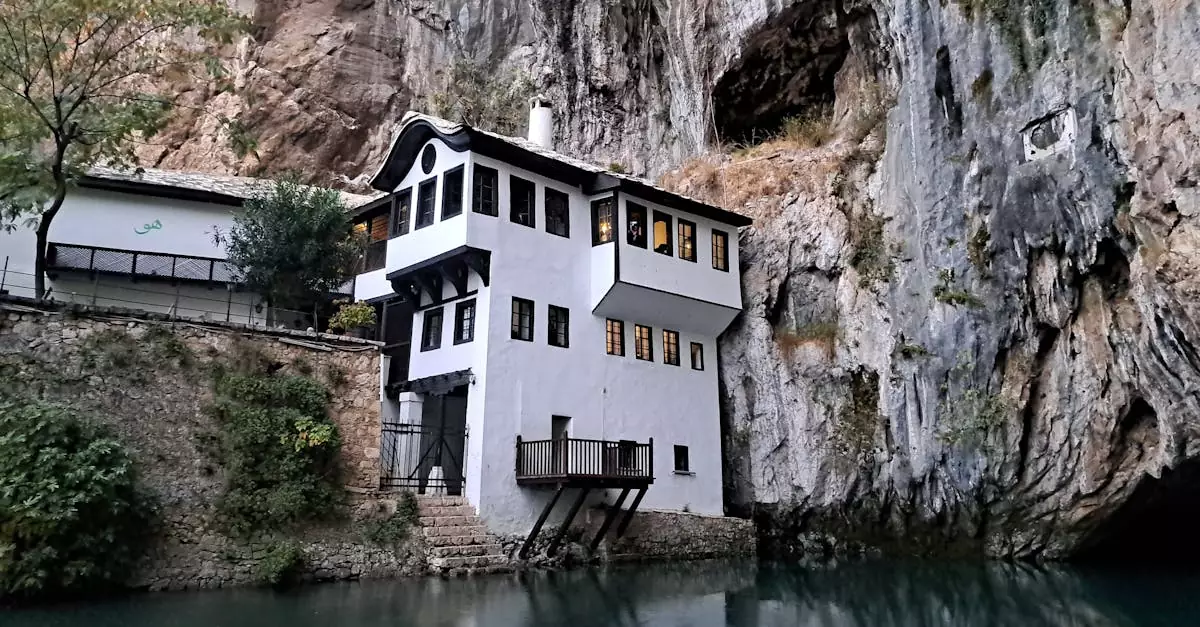
Southern Europe offers a treasure trove of experiences beyond its well-trodden paths. For travelers seeking the best hidden destinations in Europe in 2026, exploring regions like the Peloponnese, Basilicata, and Alentejo provides authentic encounters with history, culture, and stunning landscapes, all without the overwhelming tourist throngs. These areas reward visitors with a more intimate understanding of local life and a chance to discover truly unique sights.
The Undiscovered Coastlines of the Peloponnese, Greece
While islands like Santorini and Mykonos draw global attention, the Peloponnese peninsula remains remarkably overlooked. This vast landmass boasts a dramatic coastline dotted with secluded beaches, ancient ruins, and charming seaside towns. The Mani Peninsula, with its distinctive tower houses and rugged terrain, offers a glimpse into a wilder, more independent Greek spirit. Further south, the beaches around Pylos and Methoni provide crystal-clear waters and a relaxed atmosphere, often with only locals for company.
Getting to the Peloponnese is straightforward, with Kalamata International Airport (KLX) serving as a convenient entry point for exploring the western and southern parts of the peninsula. Renting a car is highly recommended to navigate the winding coastal roads and reach more remote coves. Travel during the shoulder seasons, from April to June or September to October, offers pleasant weather and fewer visitors. Consider basing yourself in towns like Nafplio for historical exploration or Kardamyli for a tranquil coastal escape.
Basilicata, Italy: Matera’s Ancient Caves and Rural Beauty
Basilicata, nestled in the instep of Italy’s boot, is defined by its dramatic landscapes and ancient history, most notably the UNESCO World Heritage city of Matera. Famous for its Sassi, ancient cave dwellings carved into the rock, Matera offers an unparalleled journey back in time. Beyond Matera, the region’s rolling hills are dotted with medieval villages, untouched forests, and a rugged coastline along the Ionian Sea. Pollino National Park provides opportunities for hiking and experiencing authentic southern Italian rural life.
Reaching Basilicata typically involves flying into Bari (BRI) in the neighboring Puglia region and then taking a train or bus to Matera. Alternatively, Naples (NAP) is also a viable option, though slightly further. While Matera itself is a major draw, exploring smaller towns like Venosa, the birthplace of the poet Horace, or the coastal village of Maratea, known as the “Pearl of the Tyrrhenian,” requires a car for maximum flexibility. The best time to visit is spring or autumn to avoid the summer heat and enjoy comfortable temperatures for sightseeing.
Portugal’s Alentejo Region: Cork Forests and Historic Villages
North of the Algarve and east of Lisbon, the Alentejo region presents a different face of Portugal, characterized by vast cork oak forests, olive groves, and sun-drenched plains. This is a land of slow living, where whitewashed villages cling to hilltops and ancient megalithic sites whisper tales of prehistoric inhabitants. Towns like Évora, a UNESCO World Heritage city with a Roman temple and a macabre Chapel of Bones, offer rich history, while smaller villages such as Monsaraz, perched above the Alqueva Dam, provide breathtaking views and a sense of timeless tranquility.
Travelers can fly into Lisbon (LIS) and rent a car to easily access the Alentejo, which is about a 1.5-hour drive from the capital. The region is sprawling, making a car essential for independent exploration. The best times to visit are spring, when wildflowers bloom across the plains, and autumn, for harvest festivals and mild weather. Consider splitting your time between the historic cities and the more rural areas to experience the full breadth of what this expansive region offers. For those seeking a truly off-the-beaten-path experience, the Alentejo stands out as one of Europe’s most rewarding hidden gems.
Northern Europe’s Secret Sanctuaries: Fjords, Forests, and Folklore
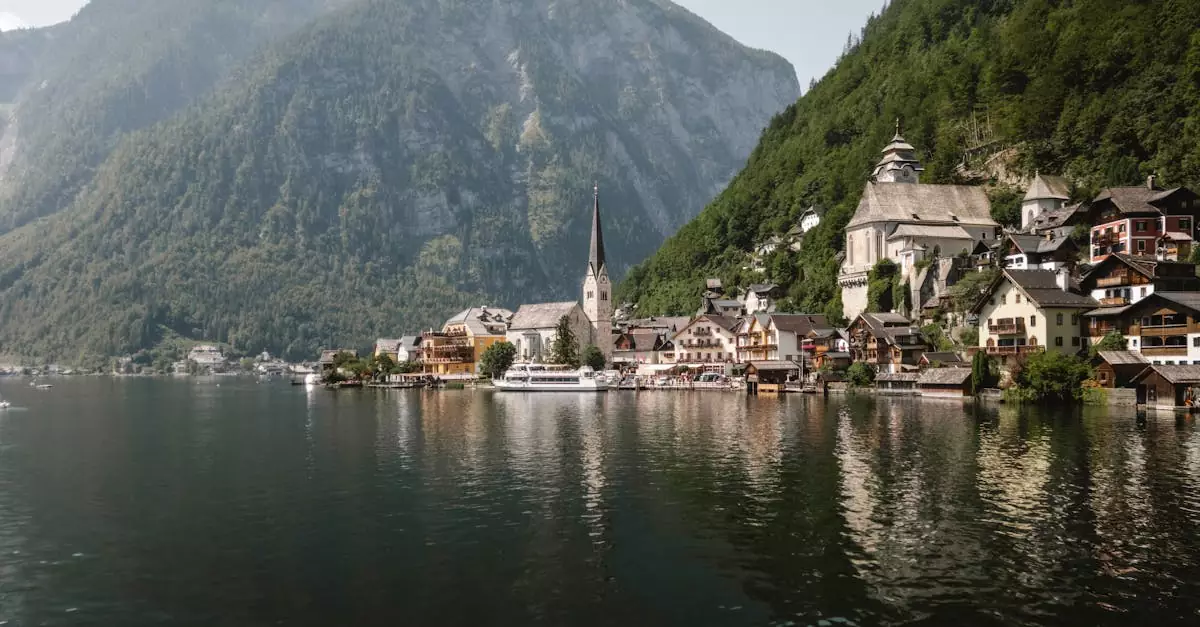
While iconic cities and well-trodden paths draw millions, Northern Europe holds a treasure trove of lesser-known destinations. These areas offer dramatic natural beauty, unique cultural experiences, and a welcome respite from crowded tourist hotspots. For travelers seeking the best hidden destinations in Europe in 2026, venturing north provides an unforgettable adventure.
Norway’s Lofoten Islands: Dramatic Landscapes Without the Summer Rush
The Lofoten Islands, an archipelago off Norway’s northern coast, are famed for their jagged peaks, picturesque fishing villages, and vibrant red rorbuer (fishermen’s cabins). While summer offers long daylight hours, visiting in the shoulder seasons of late spring or early autumn allows for a more intimate experience. You’ll still catch the dramatic scenery, often with fewer crowds and potentially lower prices for accommodations.
Getting to Lofoten typically involves flying into Evenes (Harstad/Narvik Airport) or Leknes Airport, followed by a car rental. Driving is the best way to navigate the islands, offering flexibility to stop at scenic viewpoints and explore charming villages like Reine and Henningsvær. Consider renting a car in advance, especially if traveling during peak demand periods.
Activities range from hiking scenic trails like Reinebringen for panoramic views to sea kayaking through serene fjords. For photography enthusiasts, the opportunities are endless, from capturing the midnight sun in summer to the potential of the Northern Lights in autumn.
Traveler Tip: Pack layers. The weather in Lofoten can change rapidly, even in summer. Waterproof and windproof outer layers are essential.
Finland’s Lakeland District: Archipelago Adventures and Sauna Culture
Finland’s Lakeland, a vast region dotted with over 180,000 lakes and countless islands, offers a different kind of northern escape. This land is characterized by serene waters, dense forests, and a deeply ingrained sauna culture. It’s a place to slow down, connect with nature, and experience authentic Finnish life.
The best way to experience the Lakeland District is by car, allowing access to numerous lakes and small towns. Major entry points include Helsinki, from which you can drive north, or flying into regional airports like Kuopio or Tampere. Consider renting a boat or a kayak to truly appreciate the archipelago’s beauty.
Accommodations range from cozy lakeside cabins and traditional farm stays to small guesthouses in towns like Savonlinna, known for its medieval castle. Many rentals come with private saunas, a quintessential Finnish experience. Imagine ending a day of swimming or hiking with a rejuvenating sauna session.
When to Visit: Summer (June-August) offers warm weather, ideal for water activities and exploring the islands. Autumn (September-October) brings beautiful foliage colors and a quieter atmosphere.
The Faroe Islands: A Dramatic Atlantic Archipelago
For a truly raw and dramatic landscape, the Faroe Islands are an unparalleled choice. This self-governing archipelago within the Kingdom of Denmark, located between Iceland and Norway, boasts sheer cliffs, puffin colonies, and windswept green valleys. It’s a destination for those who appreciate untamed nature and a sense of remoteness.
Access to the Faroe Islands is primarily by air, with flights landing at Vágar Airport (FAE) near the capital, Tórshavn. Once there, renting a car is highly recommended for exploring the islands, as public transport is limited outside of Tórshavn. Many islands are connected by tunnels and bridges, making travel relatively straightforward.
Hiking is a major draw, with trails leading to stunning viewpoints like the Múlafossur waterfall or the iconic Kallur Lighthouse on Kalsoy island. Birdwatching, especially during the summer months when puffins return, is another popular activity. The weather is notoriously unpredictable, so be prepared for wind, rain, and sunshine all in one day.
Budget Consideration: The Faroe Islands can be more expensive than mainland Europe due to their remote location and reliance on imports. Planning your budget for accommodations, car rental, and food is advisable.
Eastern Europe’s Enchanting Escapes: Castles, Culture, and Cuisine
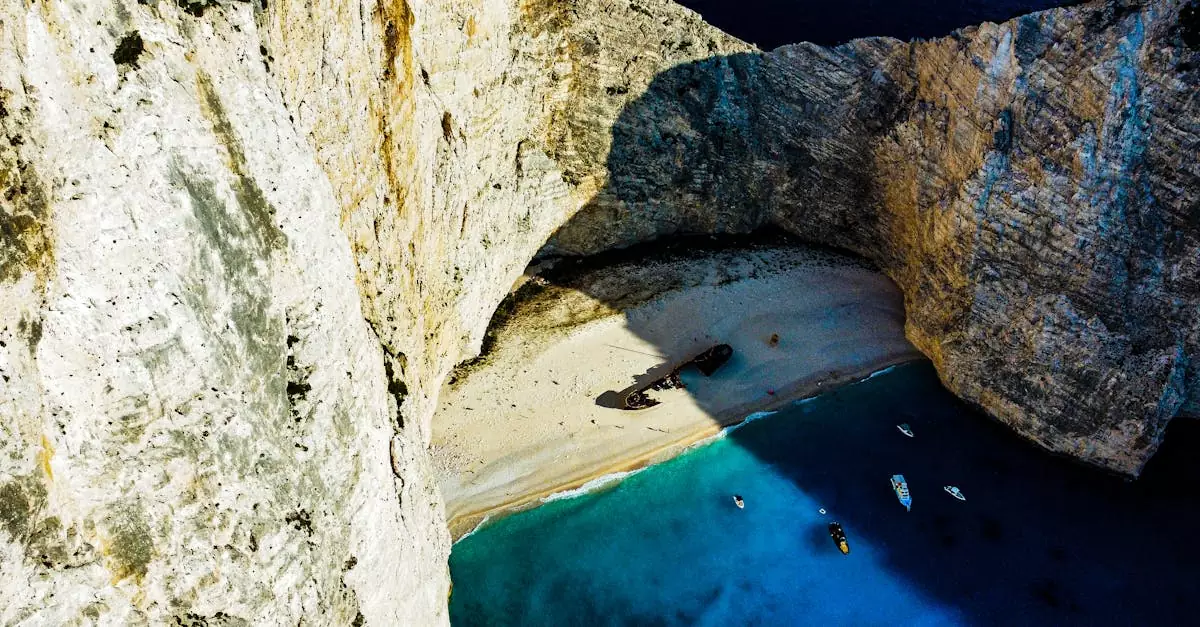
Eastern Europe offers a wealth of history, vibrant culture, and delicious food, often at a more accessible price point than its Western counterparts. These destinations provide authentic experiences beyond the well-trodden tourist paths, making them some of the best hidden gems in Europe for travelers seeking something different.
Krakow’s Lesser-Known Districts: Kazimierz and Podgórze
While Krakow’s Main Market Square is a must-see, venture beyond its historic core to discover the distinct charms of Kazimierz and Podgórze. Kazimierz, the former Jewish Quarter, buzzes with a unique atmosphere, its narrow streets lined with synagogues, charming cafes, and independent art galleries. By evening, the district comes alive with live music spilling from atmospheric bars.
Adjacent to Kazimierz, Podgórze offers a more poignant historical perspective. Once a separate Jewish ghetto during World War II, it now stands as a testament to resilience. Key sites include the Ghetto Heroes Square and the historic Eagle Pharmacy, which played a vital role in saving lives. Exploring these districts provides a deeper understanding of Krakow’s complex past and its vibrant present.
Getting between these districts and the Old Town is straightforward. Trams are frequent and affordable, making it easy to hop between the main attractions. Consider visiting in spring or early autumn for pleasant weather and fewer crowds.
The Bohemian Switzerland National Park, Czech Republic
For nature lovers and hikers, Bohemian Switzerland National Park (České Švýcarsko) presents a dramatic landscape of sandstone formations, deep gorges, and verdant forests. Located in the north of the Czech Republic, near the German border, this park is a stunning natural escape. The iconic Pravčická brána, Europe’s largest natural sandstone arch, is a highlight, offering breathtaking panoramic views.
Other popular activities include boat trips through the Edmund Gorge and the Wild Gorge, where towering rock walls create a sense of awe. The park is well-served by a network of marked hiking trails suitable for various fitness levels. Many visitors combine a trip to Bohemian Switzerland with a visit to the nearby spa town of Karlovy Vary or the Saxon Switzerland National Park on the German side.
Logistics for Bohemian Switzerland:
| Aspect | Details |
|---|---|
| Access | Train to Děčín, then local buses or ferries to park entrances like Hřensko. |
| Best Time | May to September for hiking; autumn offers beautiful foliage. |
| Accommodation | Guesthouses and hotels in towns like Hřensko, Jetřichovice, or Děčín. |
| Budget | Generally affordable, especially for food and local transport. |
Gdańsk, Poland: Hanseatic History and Baltic Breezes
Gdańsk, a port city on the Baltic coast, boasts a rich history as a major Hanseatic League trading center. Its meticulously reconstructed Old Town, particularly along Długi Targ (Long Market), features colorful merchant houses, ornate fountains, and the imposing St. Mary’s Church, one of the largest brick churches in the world. The city is also the birthplace of the Solidarity movement, a pivotal force in the fall of communism in Eastern Europe.
Beyond the historical core, explore the European Solidarity Centre for a deep dive into modern Polish history. The city’s maritime heritage is evident at the National Maritime Museum and the iconic Żuraw (Crane), a medieval port crane. Gdańsk offers a refreshing coastal atmosphere, with beaches accessible by tram or ferry, making it a unique addition to any exploration of Europe’s less-visited regions.
The best time to visit Gdańsk is during the summer months (June to August) for warmer weather, though spring and early autumn are also pleasant and less crowded. The city is easily navigable on foot, with a good public transport system for reaching further attractions.
Planning Your Journey to Europe’s Hidden Gems
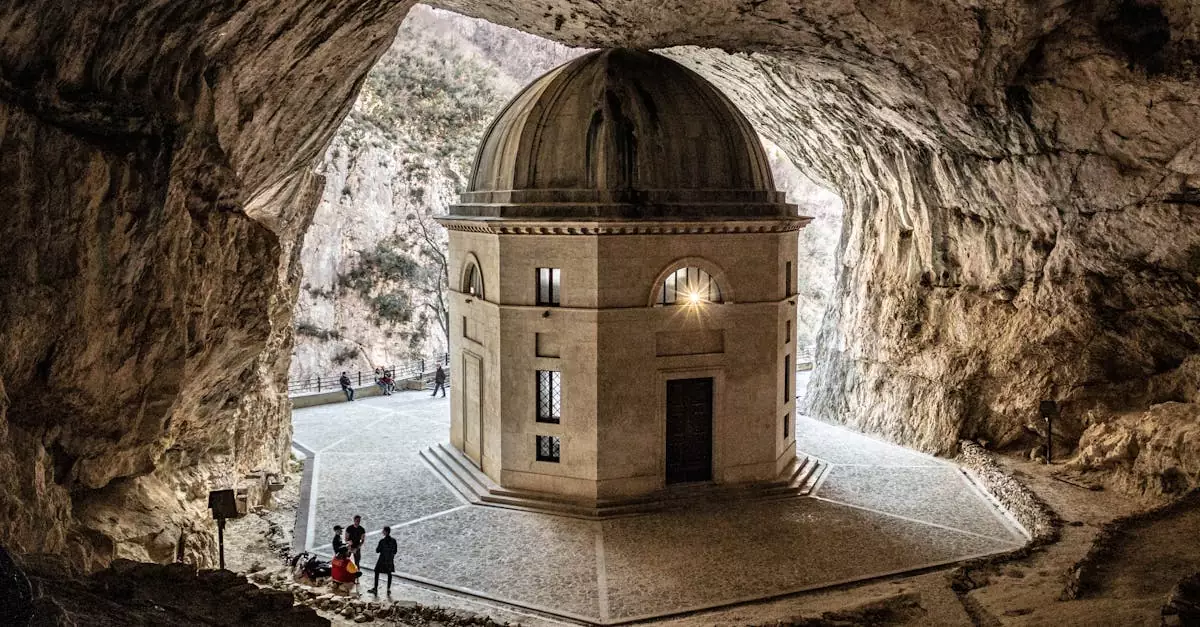
Discovering Europe’s best hidden destinations requires thoughtful planning, especially when venturing off the beaten path. Focusing on less-touristed areas allows for more authentic cultural immersion and often a more relaxed travel pace. This section provides practical advice to help you navigate these unique European experiences, from timing your visit to managing your budget.
Best Time to Visit Europe’s Underrated Destinations
Timing is crucial for maximizing your enjoyment of Europe’s quieter corners. While major cities often brace for peak season crowds from June to August, many hidden gems are best experienced during the shoulder seasons: spring (April-May) and autumn (September-October). During these months, the weather is generally pleasant, with fewer tourists, lower prices, and local life more readily accessible.
Consider these seasonal advantages:
- Spring: Wildflowers bloom across rural landscapes, and charming towns awaken from winter. Days lengthen, offering ample daylight for sightseeing.
- Autumn: Fall foliage paints the scenery in vibrant colors, and harvest festivals offer a taste of local traditions. The crisp air is invigorating for outdoor activities.
- Winter: For those seeking a truly off-season experience, some destinations offer unique charm with fewer visitors, especially in mountainous or coastal regions. However, be prepared for shorter daylight hours and potential weather disruptions.
Navigating Between Hidden European Spots: Transportation Tips
Reaching and moving between less-visited European locations often involves a mix of transport methods. While high-speed trains connect major hubs, reaching smaller towns or remote natural areas might require regional buses, ferries, or even a rental car.
Here are some common transportation strategies:
- Trains: Excellent for inter-city travel, especially in Western and Central Europe. Booking in advance can secure better fares.
- Buses: Often the most economical option for reaching smaller towns and villages not served by rail. Services can be less frequent, so check schedules carefully.
- Rental Cars: Provides the greatest flexibility for exploring remote areas, scenic drives, and multiple small villages at your own pace. Be aware of varying road conditions and parking availability.
- Ferries: Essential for island hopping or accessing coastal regions, offering scenic journeys.
- Flights: Useful for covering long distances quickly between countries, but often requires further ground transportation from the airport.
When planning your routes, utilize resources like Rome2rio or national railway websites to compare options. Understanding the transportation network across Europe is key to efficient travel.
Budgeting for Authentic Experiences in Less-Touristed Areas
One of the significant advantages of visiting Europe’s best hidden destinations is the potential for greater budget control. Away from the major tourist circuits, you’ll often find more affordable accommodation, dining, and activity costs.
A typical daily budget can vary significantly based on the country and your travel style. For instance, a traveler exploring the Balkans might spend €60-€100 per day, while someone visiting a remote Scandinavian fjord could expect €120-€180.
Consider these tips for managing your expenses:
- Accommodation: Look for family-run guesthouses (pensions), agriturismos, or apartments. Booking directly can sometimes yield better rates than through large online platforms.
- Dining: Embrace local markets for fresh produce and picnic lunches. Seek out small, family-owned restaurants (trattorias, tavernas) for authentic and affordable meals.
- Activities: Many of the most rewarding experiences in these areas are free or low-cost, such as hiking, visiting local churches, or simply enjoying the scenery.
- Travel Passes: For extensive train travel, research if a rail pass offers value, though often point-to-point tickets booked in advance are cheaper for specific routes.
By prioritizing local experiences and being mindful of your spending, you can enjoy a rich and authentic European adventure without breaking the bank.
Frequently Asked Questions About Europe’s Best Hidden Destinations
Are these hidden destinations safe for solo travelers?
Many of Europe’s less-traveled regions offer a high level of safety, often due to lower tourist numbers and strong community ties. Destinations like the Faroe Islands or smaller towns in Slovenia generally have low crime rates. Solo travelers can enhance their safety by practicing standard precautions: informing someone of their itinerary, staying aware of their surroundings, and choosing accommodations with good reviews. Researching local customs and learning a few basic phrases can also significantly improve the experience and safety for solo visitors.
What are some unique local foods to try in these regions?
Exploring the culinary landscape is a significant part of discovering Europe’s best hidden destinations. In the Azores, Portugal, expect hearty stews like Cozido das Furnas, cooked using volcanic heat. The Balkans offer rich flavors; try ćevapi (grilled minced meat) in Bosnia and Herzegovina or ajvar (a roasted red pepper spread) in North Macedonia. In Estonia, sample verivorst (blood sausage) during winter or fresh herring from the Baltic Sea. Don’t overlook local cheeses and wines, which are often produced in small, artisanal batches in these less-visited areas.
What should I pack for a trip to off-the-beaten-path Europe?
Packing for less-touristed European locales requires versatility. Comfortable walking shoes are essential, as you’ll likely be navigating cobblestone streets and natural trails. Layers are key, as weather can change rapidly, especially in mountainous or coastal regions. Consider waterproof and windproof outerwear, even in summer. A universal power adapter, a portable charger, and a basic first-aid kit are practical additions. For areas with limited English, a phrasebook or translation app can be invaluable. Depending on the specific destination, items like insect repellent or a sturdy daypack might also be necessary.
| Item | Consideration |
|---|---|
| Footwear | Comfortable walking shoes, hiking boots if needed |
| Clothing | Layers (t-shirts, sweaters, fleece) |
| Outerwear | Waterproof and windproof jacket |
| Accessories | Universal adapter, portable charger, daypack |
| Health & Safety | Basic first-aid kit, personal medications |
| Navigation | Offline maps, phrasebook or translation app |