Embarking on a journey to Swedish Lapland offers a unique glimpse into a world of dramatic landscapes and captivating natural phenomena. This comprehensive Swedish Lapland travel guide is designed to help you navigate this vast Arctic region, from planning your visit and understanding the best times to experience its magic to exploring must-see destinations and crafting the perfect itinerary. Discover how to witness the ethereal dance of the Northern Lights, immerse yourself in rich Sámi culture, and embrace thrilling Arctic adventures like dog sledding and snowmobiling. Whether you have a few days or a full week, this guide will equip you with essential information to make your trip unforgettable.
Why Visit Swedish Lapland: A Wilderness Wonderland
Swedish Lapland offers a unique escape into stark beauty and profound natural phenomena. This vast, sparsely populated region in northern Sweden attracts those seeking genuine wilderness, cultural immersion, and unforgettable adventures. Planning a trip to this Arctic haven provides an opportunity to disconnect from the everyday and reconnect with nature on an epic scale.
Experience the Magic of the Northern Lights in Swedish Lapland
Witnessing the Aurora Borealis, or Northern Lights, is a primary draw for many visitors to Swedish Lapland. The region’s latitude and minimal light pollution create ideal conditions for this celestial spectacle. From late September to March, dark, clear skies frequently come alive with dancing ribbons of green, purple, and pink light.
For optimal viewing, consider staying in areas away from towns and villages. Kiruna, Abisko, and Jukkasjärvi are popular bases. Abisko National Park, in particular, is renowned for its “blue hole” phenomenon, a microclimate that often keeps the skies clear when surrounding areas are cloudy. Several tour operators offer guided Northern Lights excursions, often combining viewing with activities like snowmobiling or traditional Sámi meals.
Discover the Unique Sámi Culture and Traditions
Swedish Lapland is the ancestral homeland of the Sámi people, Europe’s only indigenous population. A visit here provides a valuable opportunity to learn about their rich culture, deeply intertwined with the Arctic environment and semi-nomadic reindeer herding traditions.
Engaging with Sámi culture can involve visiting reindeer herding camps, learning about traditional handicrafts (duodji), and experiencing their unique music (joik). Many communities offer cultural tours and workshops. The Icehotel in Jukkasjärvi often features art installations and exhibitions by Sámi artists. Respectful engagement is key; always seek permission before photographing people or sacred sites. Understanding Sámi heritage adds a profound layer to any Swedish Lapland travel experience.
Embrace Arctic Adventures: Skiing, Snowmobiling, and Dog Sledding
Beyond the aurora and cultural experiences, Swedish Lapland is an adventurer’s paradise. The winter landscape transforms into a playground for a variety of exhilarating activities.
Skiing and snowboarding are popular, with resorts like Riksgränsen and Björkliden offering incredible slopes with stunning views. Riksgränsen is particularly famous for its late-season skiing, often extending into May and June under the midnight sun.
Snowmobiling tours provide a thrilling way to cover vast distances and reach remote areas. Guided tours ensure safety and allow you to appreciate the expansive wilderness. Dog sledding offers a more traditional and serene way to experience the snowy terrain. Gliding through silent forests pulled by a team of energetic huskies is an iconic Arctic adventure. Ice fishing, snowshoeing, and cross-country skiing are other excellent ways to immerse yourself in the winter landscape.
Best Time to Visit Swedish Lapland for Your Arctic Dream
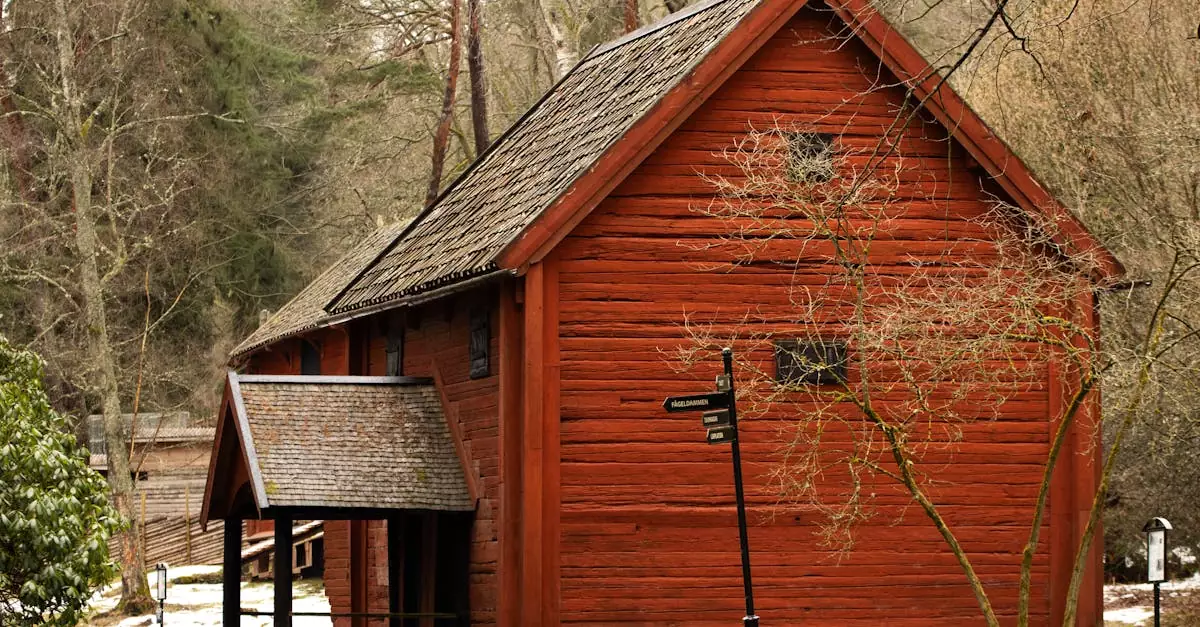
Choosing the right time to visit Swedish Lapland significantly shapes your experience, from the elusive Northern Lights to the endless summer days. This vast region in northern Sweden offers distinct adventures depending on the season. Understanding these differences will help you plan an unforgettable Arctic journey.
Winter Wonderland: December to March for Snow and Northern Lights
For many, Swedish Lapland in winter is the quintessential Arctic experience. This period, from December through March, is prime time for witnessing the Northern Lights. The long, dark nights provide optimal viewing conditions, with clear skies offering the best chance to see this natural phenomenon. Temperatures can drop well below freezing, so packing warm, layered clothing is essential.
This season is also ideal for snow-based activities. Snowmobiling through silent, snow-covered forests, dog sledding across frozen lakes, and skiing are popular pursuits. Resorts like Åre (though further south, it’s a major Scandinavian ski hub) and smaller, more remote lodges offer various winter adventures. The landscape transforms into a pristine white wonderland, providing breathtaking scenery. Keep in mind that daylight hours are very short, with the sun barely rising above the horizon in mid-winter.
Midnight Sun Season: June to July for Endless Daylight Adventures
From June to July, Swedish Lapland experiences the phenomenon of the Midnight Sun. For approximately two months, the sun does not set, casting perpetual twilight or daylight over the region. This offers a unique opportunity for extended exploration and activities. Hiking, fishing, kayaking, and mountain biking become popular as the landscape awakens with vibrant green.
The warmer temperatures, while still cool compared to southern Europe, make outdoor activities more comfortable. This is also a fantastic time for wildlife spotting, as many animals are more active during the extended daylight. Visiting during the Midnight Sun season allows for 24 hours of potential adventure, though it can take some adjustment to sleep with constant daylight.
Shoulder Seasons: September to October for Autumn Colors and Early Aurora
The shoulder seasons, particularly September and October, offer a different kind of magic in Swedish Lapland. September brings a stunning display of autumn colors, known as “ruska,” where birch and aspen trees turn vibrant shades of yellow, orange, and red against the evergreen landscape. This period is visually spectacular and offers excellent hiking opportunities before heavy snows arrive.
While not as reliable as mid-winter, the nights in September and October are dark enough to begin seeing the Northern Lights again. The combination of crisp autumn air, beautiful foliage, and the potential for aurora sightings makes this a compelling time to visit for those seeking a quieter, more colorful Arctic experience. The crowds are generally smaller than in peak winter, and accommodation prices may be more accessible.
Here’s a quick comparison of the seasons:
| Season | Months | Primary Attraction(s) | Average Temperatures (Celsius) | Daylight Hours |
|---|---|---|---|---|
| Winter | December-March | Northern Lights, Snow Activities | -10°C to -30°C | 0-6 hours |
| Midnight Sun | June-July | Endless Daylight, Hiking, Nature | +10°C to +20°C | 24 hours |
| Autumn | September-October | Autumn Colors, Early Aurora, Hiking | +0°C to +10°C | 8-12 hours |
Getting Around Swedish Lapland: Navigating the Arctic North
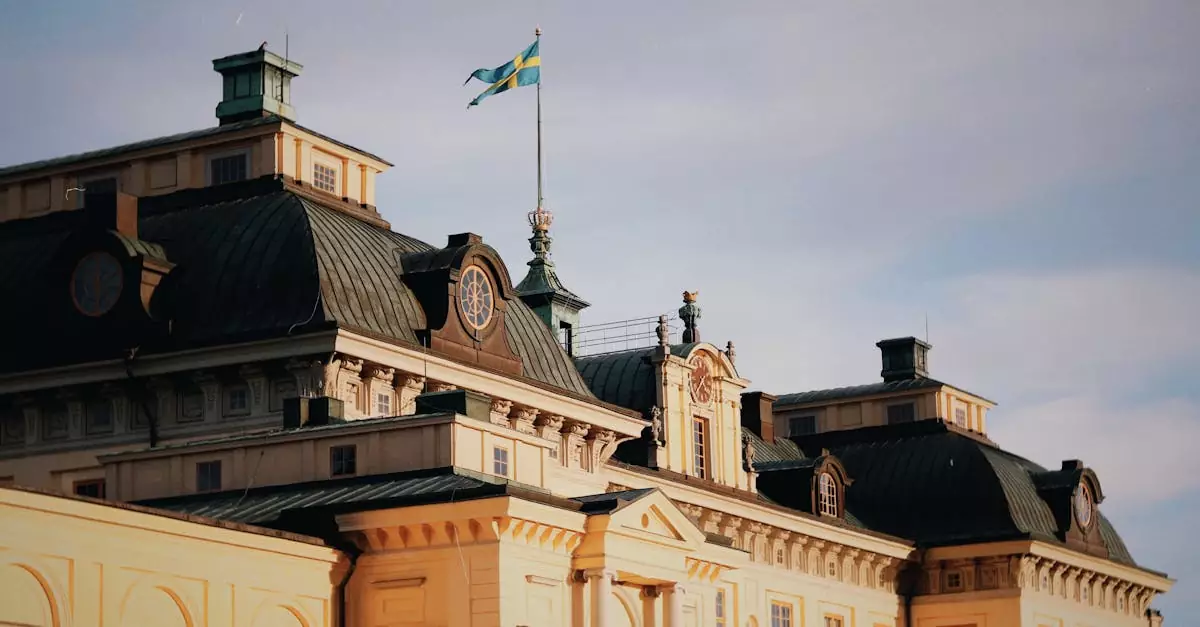
Planning your journey through Swedish Lapland requires understanding its vastness and unique transportation options. The region stretches across a significant portion of northern Sweden, with distances between popular destinations often measured in hours. Whether you’re chasing the Northern Lights or immersing yourself in Sámi culture, efficient travel is key to maximizing your experience.
Flying into Swedish Lapland: Kiruna and Luleå Airports
The most common gateways to Swedish Lapland are Kiruna Airport (KRN) and Luleå Airport (LLA). Kiruna, located further north, is ideal for accessing areas like Abisko National Park, famed for its aurora viewing, and the original Icehotel in Jukkasjärvi. Luleå, situated on the coast, serves as a good starting point for exploring the Luleå Archipelago, especially during winter when it freezes over, or for visiting towns like Boden. Direct flights from Stockholm are available, and connections are generally efficient. Booking flights in advance, especially during peak winter months (December to March), is highly recommended.
Train Travel: Scenic Routes Through the Arctic Landscape
For a truly immersive experience, consider traveling by train. SJ, Sweden’s national rail operator, offers services that wind through stunning Arctic landscapes. The overnight sleeper train from Stockholm to Kiruna or Abisko is a popular choice, allowing you to save on accommodation and wake up closer to your destination. This mode of transport offers a relaxed pace and the chance to witness the transition from southern Sweden to the rugged north. Tickets should be booked well in advance, particularly for sleeper compartments.
Renting a Car vs. Local Buses: Choosing Your Transport Method
Deciding between a rental car and local buses depends on your itinerary and comfort level with winter driving. Renting a car offers flexibility, allowing you to visit remote locations, stop at scenic viewpoints, and travel on your own schedule. However, winter conditions in Swedish Lapland can be challenging, with snow, ice, and limited daylight hours. If you opt for a rental, ensure it’s equipped for winter (e.g., studded tires) and be prepared for potentially slower travel times. Local buses connect major towns and some smaller villages, offering a more budget-friendly option, but service can be infrequent, especially outside of main routes. Check timetables carefully, as they often change seasonally.
Snowmobile and Dog Sled Tours: Essential Arctic Experiences
While not for general transit, snowmobile and dog sled tours are quintessential Swedish Lapland experiences and often serve as a means to reach specific activity locations or accommodations. Many tour operators offer packages that include transport to and from your hotel, providing a thrilling way to traverse snowy terrain. These tours are particularly popular for Northern Lights excursions, ice fishing trips, and visiting Sámi reindeer herders. Booking these in advance is crucial, as availability is limited, especially for private tours. They offer a unique perspective on the Arctic wilderness that is otherwise inaccessible.
Must-See Destinations and Hidden Gems in Swedish Lapland
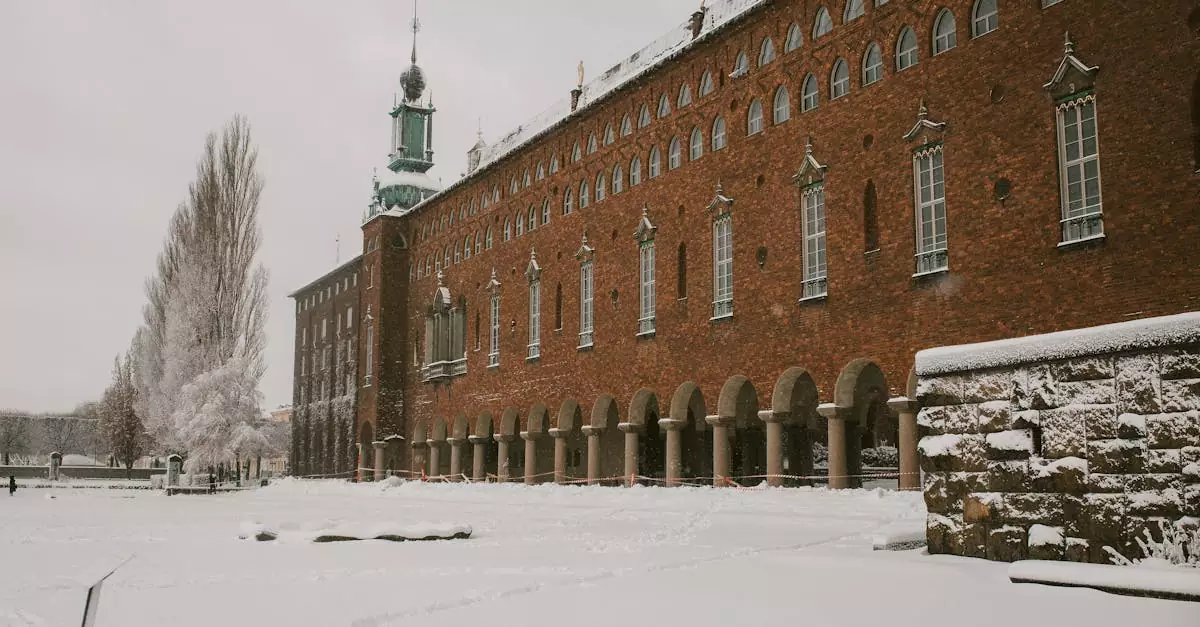
Planning a trip to Swedish Lapland involves choosing from a landscape rich in natural wonders and unique cultural experiences. This region offers everything from prime aurora viewing spots to vibrant Arctic cities and serene archipelagos.
Abisko National Park: The Ultimate Aurora Sky Station
For many, the primary draw of Swedish Lapland is the chance to witness the Northern Lights. Abisko National Park stands out as one of the best places in the world for aurora viewing. Its location, far from light pollution and often blessed with clear skies due to a microclimate, makes it a prime spot.
The Aurora Sky Station, perched atop Mount Nuolja, offers an unparalleled vantage point. Reaching it involves a chairlift ride, adding an adventurous element to the experience. Visitors can learn about auroral science and enjoy the dramatic landscape. Beyond the lights, Abisko is also a gateway to hiking and cross-country skiing trails during winter months.
Kiruna: The Arctic City and its Transformation
Kiruna is Sweden’s northernmost city and a hub for Arctic exploration. It is currently undergoing a remarkable transformation as its historic city center is being moved, building by building, to make way for continued iron ore mining. This unique situation offers a fascinating glimpse into the interplay between industry and community in the Arctic.
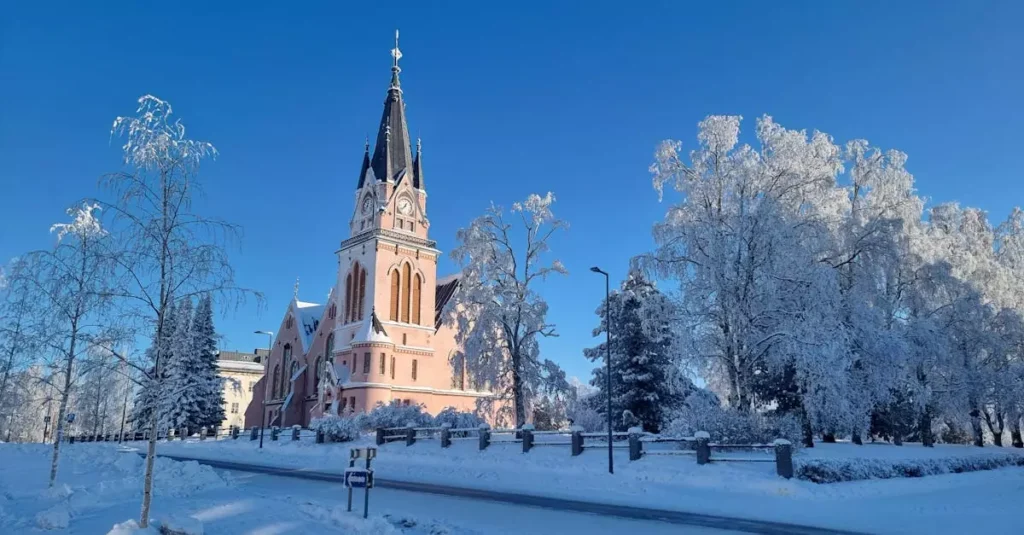
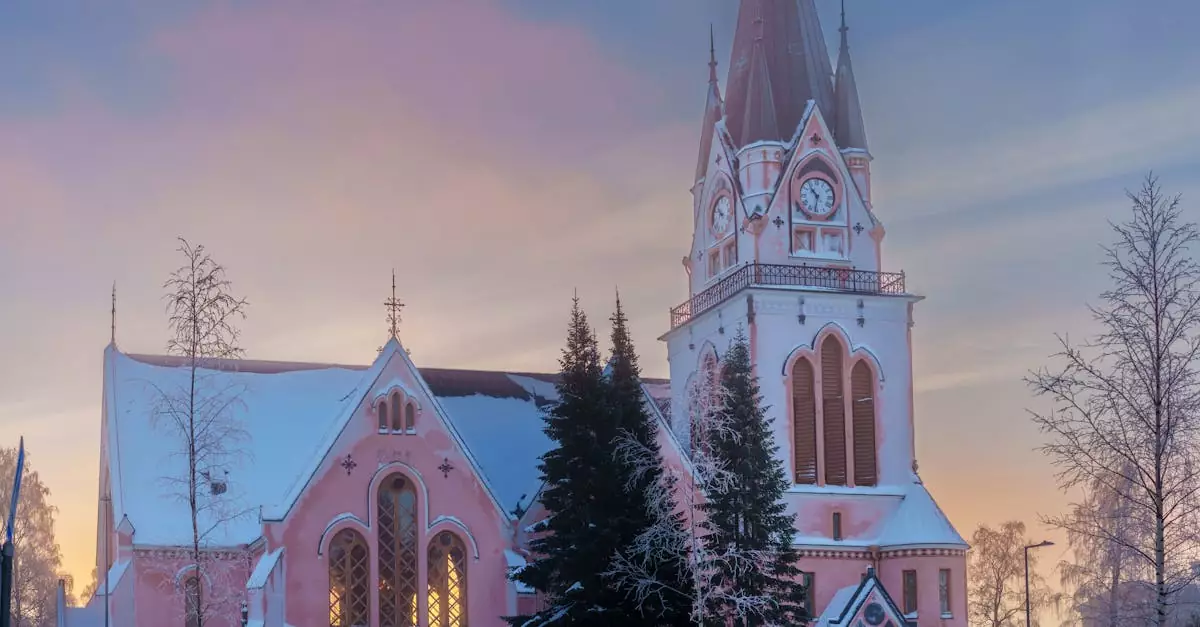
Visitors can explore the new city center, visit the iconic Kiruna Church (designed by architect Gustaf Wickman, who also designed the original city hall), and learn about the mining operations at LKAB. Kiruna also serves as a starting point for many Arctic adventures, including dog sledding tours and ice hotel excursions.
Jukkasjärvi: Home of the Original ICEHOTEL
A short distance from Kiruna lies Jukkasjärvi, a small village famous for being the home of the original ICEHOTEL. This unique hotel is rebuilt each year from ice and snow harvested from the Torne River. Staying here is a memorable experience, with individually designed art suites and rooms carved entirely from ice.
Beyond the hotel, Jukkasjärvi offers a chance to connect with Sámi culture. Visitors can meet local reindeer herders, learn about traditional crafts, and understand the Sámi way of life. The Torne River itself is central to the region’s history and ecosystem.
Luleå Archipelago: Coastal Arctic Beauty and Island Hopping
While much of Swedish Lapland is known for its inland wilderness, the Luleå Archipelago presents a different kind of Arctic beauty. This vast collection of islands offers a more coastal experience, especially during the warmer months.
Island hopping is a popular activity, with opportunities for kayaking, swimming in the cool Baltic waters, and enjoying the unique light of the Arctic summer. In winter, the sea ice transforms the archipelago into a vast, accessible landscape for snowshoeing, cross-country skiing, and even ice driving. Luleå itself is a pleasant city with a modern feel and serves as a good base for exploring the surrounding islands.
Here’s a quick comparison of the key destinations:
| Destination | Primary Attraction | Winter Activities | Summer Activities |
|---|---|---|---|
| Abisko National Park | Northern Lights, Hiking | Aurora viewing, Snowshoeing, Cross-country skiing | Hiking, Nature observation |
| Kiruna | Arctic City, Mining history | Dog sledding, Ice hotel visits, Northern Lights | Hiking, City exploration, Sámi culture |
| Jukkasjärvi | ICEHOTEL, Sámi culture | ICEHOTEL, Reindeer sledding, Aurora viewing | ICEHOTEL (summer accommodations), River activities |
| Luleå Archipelago | Coastal scenery, Island hopping | Ice driving, Snowshoeing, Cross-country skiing | Kayaking, Swimming, Island exploration |
Planning Your Swedish Lapland Itinerary: From 3 Days to a Week
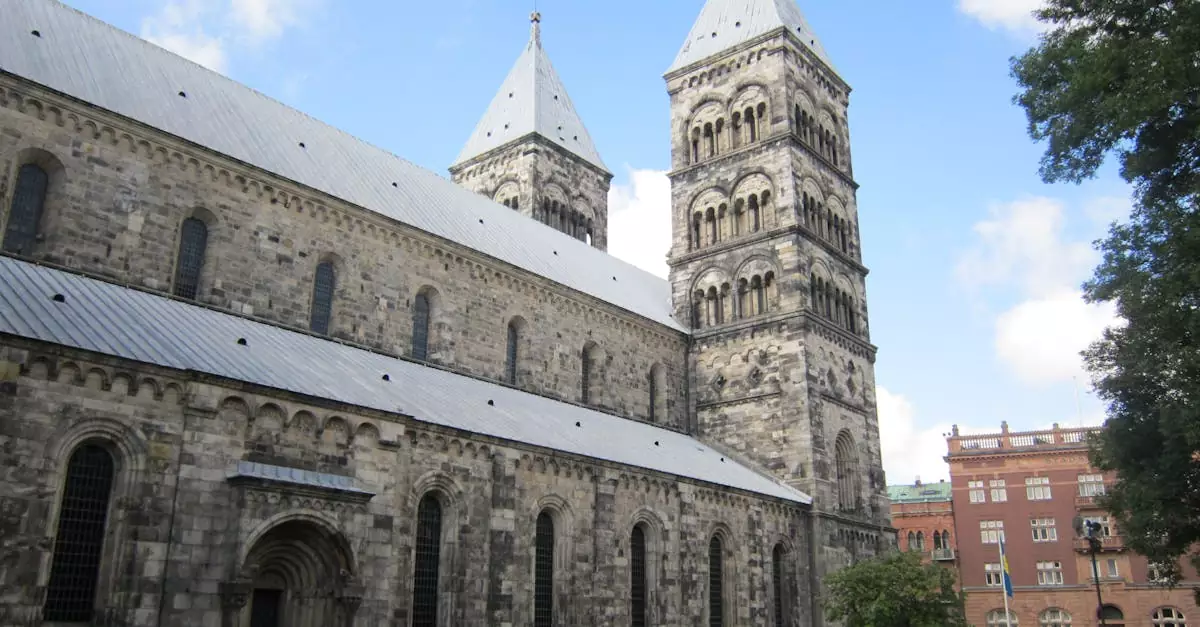
Crafting the right itinerary for Swedish Lapland depends on your priorities, whether it’s maximizing Northern Lights viewing, engaging in winter sports, or delving into Sámi culture. The region’s vastness means you’ll likely focus on one or two key areas, such as Kiruna or Abisko, for shorter trips. Consider your travel style and the season when deciding how long to stay.
A 3-Day Northern Lights Focused Itinerary
A short trip to Swedish Lapland is best centered around maximizing your chances of seeing the Aurora Borealis. This itinerary assumes you’re flying into Kiruna Airport (KRN) and focusing on the nearby wilderness.
Day 1: Arrival and Aurora Hunt
Arrive at Kiruna Airport, transfer to your accommodation. Many hotels offer airport shuttles. Spend the afternoon settling in and perhaps taking a short walk to get acquainted with the surroundings. In the evening, embark on a guided Northern Lights tour. These tours often take you away from light pollution for the best viewing opportunities and may include hot drinks and snacks.
Day 2: Icehotel and Local Culture
Visit the famous Icehotel in Jukkasjärvi. Even if you’re not staying overnight, a guided tour provides insight into its construction and unique art suites. In the afternoon, consider a visit to the Sámi Parliament (Sametinget) in Kiruna or a local Sámi cultural center to learn about indigenous traditions. For dinner, try a restaurant serving traditional Swedish Lapland cuisine.
Day 3: Winter Activities and Departure
Depending on your flight schedule, dedicate the morning to a short winter activity. A husky sledding or snowmobile tour offers an exhilarating taste of the Arctic landscape. Alternatively, enjoy a peaceful snowshoeing excursion. Return to Kiruna Airport for your departure.
A 5-Day Arctic Adventure Itinerary
A five-day trip allows for a more relaxed pace and the inclusion of more activities, offering a deeper dive into the Arctic experience. This itinerary expands on the Northern Lights focus with additional adventures.
Day 1: Arrival in Kiruna & Aurora Chase
Fly into Kiruna (KRN) and transfer to your accommodation. This could be a hotel in Kiruna or a wilderness lodge outside the city. In the evening, join a guided Northern Lights chase, venturing to prime viewing spots.
Day 2: Sámi Heritage and Reindeer Encounter
Spend the morning learning about the indigenous Sámi people. Consider a visit to a Sámi camp for an authentic experience, including learning about reindeer herding and enjoying traditional food. Many tours include opportunities to interact with reindeer.
Day 3: Icehotel and Snow Activities
Journey to Jukkasjärvi to explore the Icehotel. The afternoon is perfect for a thrilling husky sledding adventure through the snow-covered forests. Alternatively, opt for a guided snowmobile tour for a faster-paced exploration.
Day 4: Abisko National Park and Aurora Sky Station
Travel to Abisko, renowned for its clear skies and excellent Northern Lights viewing potential. Visit Abisko National Park and, if conditions are favorable, ascend to the Aurora Sky Station for an unparalleled perspective of the aurora. This is often considered one of the best places in the world for aurora viewing.
Day 5: Winter Sports and Departure
Engage in a final winter activity. Options include cross-country skiing, ice fishing, or a scenic hike in the national park. Enjoy a last Arctic breakfast before heading back to Kiruna Airport for your departure.
A 7-Day Immersive Swedish Lapland Experience
A week in Swedish Lapland allows for a truly comprehensive immersion, blending adventure, culture, and relaxation. This itinerary offers a broader exploration of the region’s highlights.
Day 1: Arrival in Kiruna & City Exploration
Arrive at Kiruna Airport (KRN) and check into your accommodation. Spend the afternoon exploring Kiruna, perhaps visiting the new city center or the historic church. In the evening, embark on your first guided Northern Lights tour.
Day 2: Sámi Culture and Reindeer Herding
Dedicate the day to understanding Sámi culture. Visit a traditional Sámi village or camp, learn about their way of life, reindeer herding traditions, and enjoy a traditional meal. This offers profound cultural insight.
Day 3: The Magic of the Icehotel
Travel to Jukkasjärvi to experience the world-famous Icehotel. Take a guided tour to appreciate the art suites and learn about its unique creation each year. Consider an ice sculpting class for a hands-on experience.
Day 4: Husky Sledding Adventure
Experience the thrill of being pulled by a team of energetic huskies. A full-day husky sledding tour provides an extensive journey through the Arctic wilderness, often including lunch cooked over an open fire. This is a quintessential Lapland adventure.
Day 5: Abisko National Park and Aurora Sky Station
Head to Abisko National Park, a prime location for aurora viewing due to its microclimate. Spend the day hiking or snowshoeing within the park. In the evening, ascend to the Aurora Sky Station for a high-altitude aurora viewing experience.
Day 6: Snowmobiling and Wilderness Lodge Stay
Explore the vast winter landscape on a guided snowmobile tour. This allows you to cover more ground and reach remote areas. Consider spending this night at a secluded wilderness lodge, offering a peaceful escape and excellent stargazing opportunities, with chances for aurora sightings.
Day 7: Relaxation and Departure
Enjoy a leisurely morning at your lodge or return to Kiruna for some last-minute souvenir shopping. Depending on your flight schedule, you might have time for a final short activity like a sauna experience before transferring to Kiruna Airport for your departure.
Itinerary Comparison for Swedish Lapland
| Itinerary Type | Duration | Focus | Key Activities | Pace | Best For |
|---|---|---|---|---|---|
| Northern Lights Focused | 3 Days | Maximizing Aurora viewing | Guided Northern Lights tours, Icehotel visit, short winter activity (e.g., snowshoeing) | Fast | Short breaks, aurora enthusiasts |
| Arctic Adventure | 5 Days | Aurora viewing & winter activities | Northern Lights tours, Sámi encounter, Icehotel, husky sledding, Abisko National Park & Aurora Sky Station | Moderate | First-time visitors, those seeking a mix of adventure and sights |
| Immersive Experience | 7 Days | Deep dive into culture and adventure | Extended Northern Lights viewing, Sámi village visit, Icehotel, husky sledding, snowmobiling, wilderness lodge | Relaxed | Travelers wanting a comprehensive understanding of Swedish Lapland |
Frequently Asked Questions About Traveling to Swedish Lapland
What should I pack for a Swedish Lapland trip?
Packing for Swedish Lapland requires a focus on warmth and layering. Thermal base layers, such as merino wool or synthetic fabrics, are essential. Over these, add insulating mid-layers like fleece or down jackets. A windproof and waterproof outer shell is crucial for protection against the elements.
Don’t forget warm, waterproof boots with good grip, thick wool socks, insulated gloves or mittens, and a warm hat that covers your ears. A scarf or balaclava will protect your face from the cold. Consider bringing hand and foot warmers for extra comfort during long outdoor excursions. Sunglasses are also important, even in winter, due to snow glare.
Is Swedish Lapland expensive to visit?
Swedish Lapland can be a moderately expensive destination, similar to other Scandinavian countries. Costs are influenced by the time of year, accommodation choices, and activities. Flights to regional airports like Kiruna or Luleå can be a significant expense, especially when booked last minute.
Accommodation ranges from budget-friendly hostels and guesthouses to mid-range hotels and luxury wilderness lodges. Activities like dog sledding, ice hotel visits, and Northern Lights tours can add up. Eating out at restaurants will also contribute to your daily budget. Planning and booking in advance can help manage costs, and self-catering options can offer savings.
What is the best way to see the Northern Lights?
The best way to see the Northern Lights (Aurora Borealis) is to get away from light pollution and be patient. Clear, dark skies are essential. The optimal viewing season runs from September to March, with the longest, darkest nights in December and January.
Consider joining a guided Northern Lights tour. These tours often take you to remote locations with experienced guides who know the best viewing spots and can provide insights into the aurora. Many tours offer transportation, warm clothing, and hot drinks. Alternatively, rent a car and drive to higher elevations or away from towns. Patience is key, as the aurora can appear and disappear unpredictably.
Are there dangerous animals in Swedish Lapland?
While Swedish Lapland is home to wild animals, encounters with dangerous ones are rare, especially for tourists sticking to marked paths and organized activities. The most significant wildlife to be aware of are bears and wolves, but they generally avoid human contact. Moose can be large and unpredictable if encountered unexpectedly, particularly when driving.
Reindeer are abundant and a key part of Sámi culture, but they pose no threat. The primary safety concern in the Arctic environment is the weather itself, including extreme cold, snowstorms, and the risk of getting lost. Always be prepared for the conditions and follow local advice.