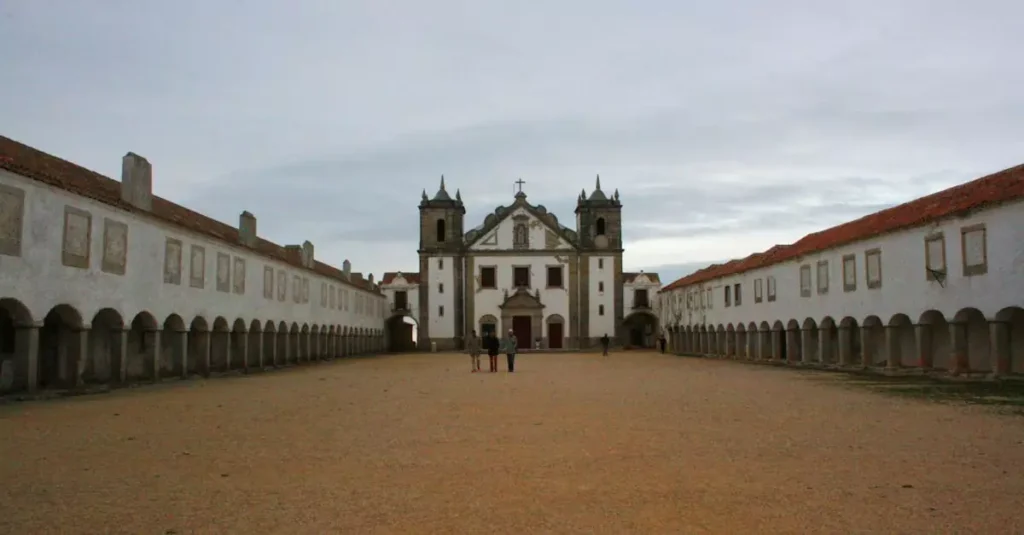
Beyond the vibrant energy of Lisbon and Porto, Portugal reveals a tapestry of quieter, captivating destinations waiting to be explored. If you’re looking for an escape from the crowds and a deeper connection with authentic culture and stunning landscapes, discovering the best hidden places Portugal has to offer is your next adventure. This guide will take you off the well-trodden tourist trail to uncover charming villages nestled in rolling hills, dramatic coastlines, and serene islands that feel worlds away. Prepare to explore Portugal’s interior treasures, underrated beach havens, and the wilder corners of its national parks, revealing a side of the country many visitors miss.
Unveiling Portugal’s Best Hidden Places Beyond the Tourist Trail
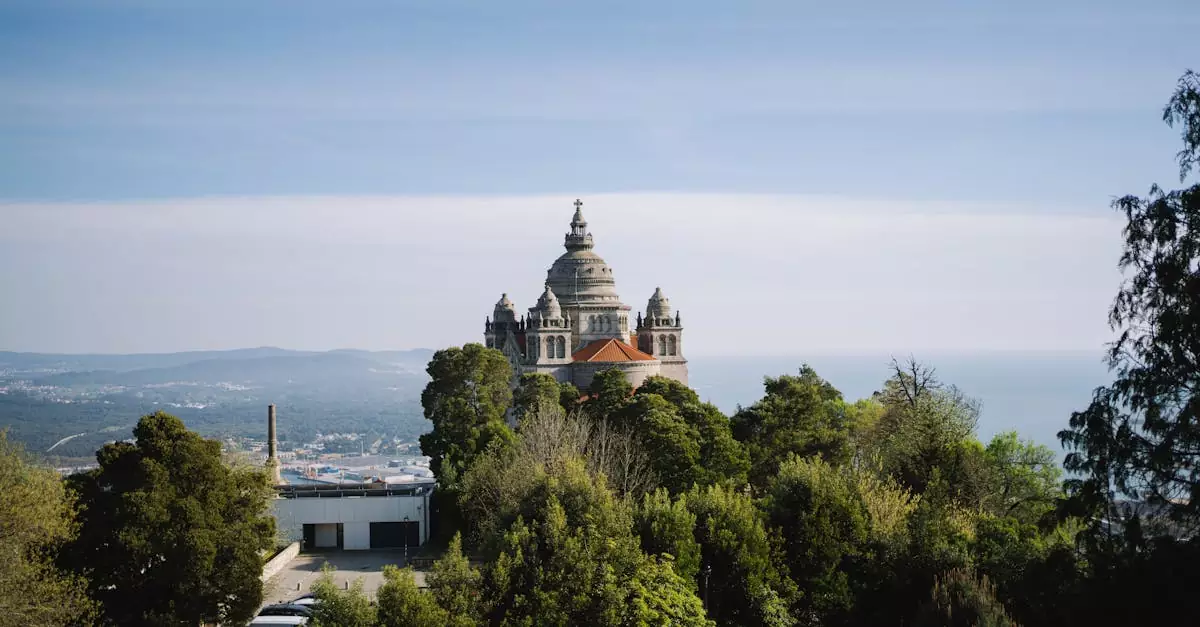
While Lisbon and Porto attract millions, Portugal’s true magic often lies in its quieter corners. Exploring these hidden places offers a more authentic and tranquil travel experience. From sun-drenched plains to dramatic coastlines and volcanic islands, these destinations promise unforgettable memories without the crowds.
Alentejo’s Undiscovered Villages: Monsaraz and Estremoz
The Alentejo region, known for its rolling plains and cork oak forests, is a treasure trove of historical villages that feel frozen in time. Monsaraz, a fortified medieval village perched atop a hill, offers breathtaking views over the Alqueva Dam. Its whitewashed houses, cobblestone streets, and ancient castle walls create a profoundly peaceful atmosphere. Nearby, Estremoz features a vibrant town square and is famous for its marble quarries, a material that has shaped much of Portugal’s architecture.
Planning Your Alentejo Visit:
- Best Time to Visit: Spring (April-May) and Autumn (September-October) provide pleasant temperatures for exploring. Summer can be very hot.
- Getting Around: A rental car is recommended for navigating between villages and appreciating the vast landscapes. Public transport is limited.
- Local Culture: Enjoy the region’s slow pace, savor hearty cuisine (think black pork and rich stews), and sample local wines.
The Enchanting Azores Islands: São Miguel’s Secret Lagoons
For a truly off-the-beaten-path adventure, the Azores archipelago in the mid-Atlantic presents dramatic volcanic landscapes and a unique island culture. São Miguel, the largest island, is home to stunning natural wonders, including the lesser-known Sete Fontes (Seven Springs) and the serene Lagoa do Fogo. While popular viewpoints exist, specific hiking trails lead to secluded spots offering unparalleled tranquility and breathtaking vistas of emerald crater lakes.
Azores Travel Tips:
- Getting There: Flights connect mainland Portugal to Ponta Delgada (PDL) on São Miguel. Inter-island flights are available for further exploration.
- Island Exploration: Renting a car is essential for accessing various natural sites and villages across São Miguel.
- Weather: The weather is notoriously changeable, even within a single day. Pack layers and prepare for sun, rain, and mist.
Costa Vicentina: Wild Beaches and Coastal Hiking Trails
Stretching along Portugal’s southwestern coast, the Costa Vicentina Natural Park is a haven for nature lovers and surfers seeking untamed beauty. This rugged coastline features dramatic cliffs, expansive sandy beaches, and a network of scenic hiking trails, including parts of the Rota Vicentina. Unlike the Algarve’s more developed resorts, this region retains a wild charm, with small fishing villages and protected natural landscapes.
Costa Vicentina Highlights:
- Beaches: Discover secluded coves like Praia da Amoreira or the powerful waves at Praia do Amado, popular with surfers.
- Hiking: The Rota Vicentina offers marked trails, including the Fishermen’s Trail, which hugs the coastline for spectacular ocean views.
- Accommodation: Options range from charming guesthouses in villages like Vila Nova de Milfontes to rustic campsites.
These destinations represent just a glimpse into the wealth of hidden gems awaiting discovery in Portugal. Venturing beyond typical tourist routes rewards travelers with deeper cultural immersion and unforgettable natural beauty.
Exploring the Secret Coast: Portugal’s Underrated Beach Destinations
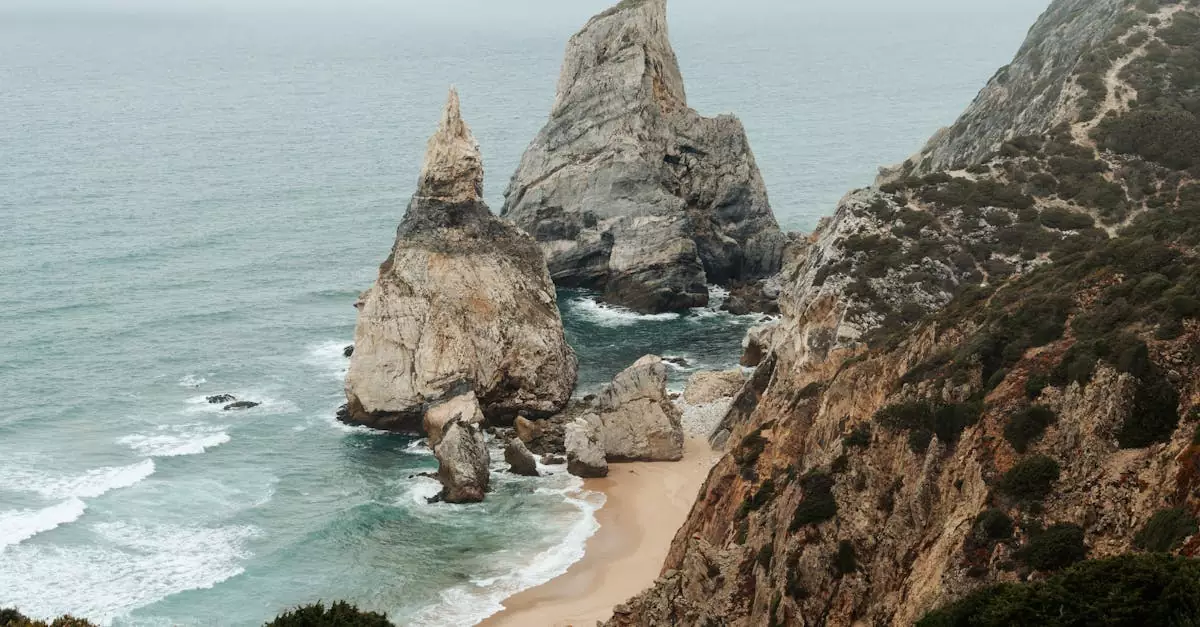
Portugal’s coastline is famous, but many visitors flock to the same few spots. For those seeking quieter shores and authentic coastal charm, several lesser-known destinations offer a refreshing alternative. These areas combine stunning natural beauty with a more relaxed pace, providing a true escape from the crowds. Discovering these hidden gems allows for a deeper connection with local culture and the dramatic landscapes of the Iberian Peninsula.
Praia da Arrifana: A Surfer’s Paradise in the Algarve’s West
Nestled on the wilder western edge of the Algarve, Praia da Arrifana is a crescent-shaped beach backed by dramatic cliffs. This spot is a haven for surfers, offering consistent waves that appeal to both beginners and experienced riders. The dramatic rock formations and the remains of a 16th-century fortress perched above the bay add a sense of history and grandeur. Unlike the more developed southern Algarve beaches, Arrifana retains a raw, natural feel.
Getting to Arrifana typically involves driving, as it’s a short detour from the main coastal road. Car rental is advisable for exploring the surrounding Costa Vicentina Natural Park. Accommodation options range from charming guesthouses and surf lodges to self-catering apartments, often booked well in advance during peak summer months. Evenings here are quiet, with a few local restaurants serving fresh seafood.
Zambujeira do Mar: A Charming Fishing Village with Stunning Coves
Further north along the Vicentina coast lies Zambujeira do Mar, a picturesque village perched on cliffs overlooking the Atlantic. This destination is known for its series of small, beautiful coves accessible via steep paths, offering secluded spots for sunbathing and swimming. The village itself retains its whitewashed charm, with narrow streets leading to viewpoints with breathtaking ocean vistas. It’s a place where life moves at a slower rhythm, centered around the sea.
Zambujeira do Mar is best reached by car, offering flexibility to discover nearby beaches like Praia de Nossa Senhora and Praia do Melides. Public transport is limited, with infrequent bus services connecting it to larger towns. The village offers a selection of family-run hotels and apartments, many with sea views. Visitors can enjoy fresh fish at local tascas and experience a more traditional Portuguese coastal atmosphere.
Ilha de Tavira: The Untouched Sands of the Eastern Algarve
While the western Algarve is rugged, the eastern side boasts the tranquil beauty of the Ria Formosa Natural Park. Ilha de Tavira, a barrier island accessible by a short ferry ride from the charming town of Tavira, offers miles of pristine, golden sand dunes and clear, shallow waters. This car-free island feels worlds away from the bustling resorts, providing a peaceful beach experience. The island’s natural state is carefully preserved, making it a unique escape.
Access to Ilha de Tavira is straightforward via regular ferry services from Quatro Águas, just outside Tavira. The town of Tavira itself is a delightful base, offering a wide range of accommodations from boutique hotels to traditional guesthouses. On the island, amenities are minimal, focusing on beach bars and restaurants that preserve the natural ambiance. It’s an ideal location for families and those seeking quiet relaxation by the sea.
Beyond Lisbon and Porto: Discovering Portugal’s Interior Treasures
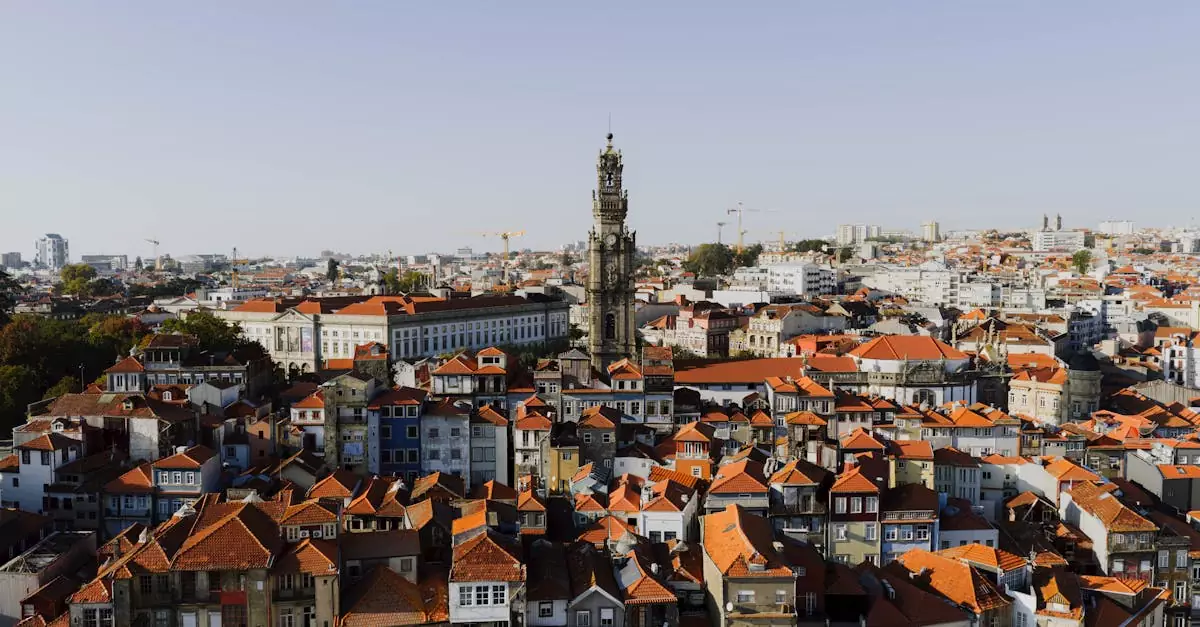
While Portugal’s coastal cities draw the majority of visitors, the country’s interior holds a wealth of less-traveled destinations. These regions offer a glimpse into a more traditional Portugal, with dramatic landscapes, historic villages, and authentic cultural experiences. Venturing inland rewards travelers with fewer crowds and a deeper connection to the land.
Peneda-Gerês National Park: Hiking to Remote Waterfalls
Portugal’s only national park, Peneda-Gerês, is a rugged expanse of granite peaks, ancient forests, and crystal-clear rivers. This vast wilderness is a haven for hikers and nature enthusiasts seeking solitude. The park’s trails lead to breathtaking viewpoints and secluded waterfalls, offering a refreshing escape from the summer heat.
Getting to the park typically requires a car, as public transport options are limited. Several charming villages are scattered throughout the park, providing bases for exploration. Consider staying in areas like Soajo or Lindoso, known for their traditional granaries and welcoming atmosphere. Remember to pack sturdy hiking boots and be prepared for varying weather conditions, even in summer.
- Best Time to Visit: Spring for wildflowers and pleasant hiking temperatures, or early autumn for vibrant foliage.
- Key Activities: Hiking, birdwatching, visiting historical villages, swimming in natural pools.
- Logistics: Car rental is highly recommended for navigating the park.
Monsanto: The Village Built Among Giant Boulders
Recognized as the “most Portuguese village in Portugal,” Monsanto is a truly unique destination. Clinging to a steep hillside, its houses are ingeniously built around, under, and even between massive granite boulders. Walking through its narrow, winding streets feels like stepping back in time. The panoramic views from the castle ruins at the summit are spectacular.
Monsanto is a small village easily explored on foot. Accommodations are limited, so booking in advance is advisable, especially during peak season. The nearest major towns with more amenities are Idanha-a-Nova and Castelo Branco. The journey to Monsanto itself is part of the adventure, often involving scenic drives through the Portuguese countryside.
- Getting There: Best accessed by car; the nearest train stations are in Castelo Branco or Covilhã.
- What to Expect: Steep cobblestone streets, unique architecture, limited dining options.
- Insider Tip: Visit early in the morning or late in the afternoon to experience the village at its most tranquil.
Amarante: A Riverside Town Steeped in History and Wine
Nestled along the banks of the Tâmega River, Amarante offers a charming blend of historical significance and natural beauty. Its iconic São Gonçalo bridge, with its distinctive arches, is a central landmark. The town is renowned for its sweet pastries, particularly the “Pão de Ló,” and its Vinho Verde wines, making it a delightful stop for food and wine lovers.
Amarante is easily accessible by car or bus from Porto. The town center is compact and walkable, with historic churches, colorful buildings, and a riverside promenade inviting leisurely strolls. It serves as a great base for exploring the surrounding Vinho Verde wine region.
- Local Specialties: Pão de Ló de Amarante, Vinho Verde.
- Transportation: Regular bus services connect Amarante to Porto.
- Cultural Highlights: Igreja de São Gonçalo, Museu Municipal de Amarante.
What’s the Best Time to Visit Portugal’s Hidden Gems?

Choosing the right season to visit Portugal’s lesser-known spots can significantly enhance your experience, offering everything from blooming landscapes to vibrant harvest celebrations. Each period presents unique advantages for discovering these off-the-beaten-path treasures.
Spring (April-May) for Wildflowers and Mild Weather
Spring is an excellent time to seek out Portugal’s hidden places, especially if you appreciate nature and comfortable temperatures. The countryside bursts into vibrant color with wildflowers carpeting hillsides, particularly in the Alentejo and inland areas. Temperatures are generally mild, averaging between 15°C and 20°C (59°F – 68°F), making it ideal for hiking and exploring rural villages without the intense summer heat.
This season is also less crowded than the peak summer months, allowing for a more authentic interaction with local communities and a relaxed pace of travel. You can enjoy coastal walks or explore historic towns like Óbidos or Monsaraz with fewer tourists.
Autumn (September-October) for Harvest Festivals and Fewer Crowds
As summer winds down, autumn emerges as a prime time for experiencing Portugal’s hidden gems. The weather remains pleasant, with average temperatures ranging from 18°C to 24°C (64°F – 75°F), and the intense summer sun softens. This period is particularly special for wine regions like the Douro Valley, where you can witness the grape harvest and participate in local festivals.
Visiting in autumn means significantly fewer crowds at popular attractions and a more intimate atmosphere in smaller towns. It’s also a great time for culinary exploration, as local markets overflow with seasonal produce. Consider visiting the Azores during this time for stunning volcanic landscapes and fewer visitors.
Summer (June-August) for Coastal Escapes and Island Adventures
Summer is the most popular time to visit Portugal, and while many flock to the main tourist hubs, this season offers distinct opportunities for exploring coastal hidden places and the archipelagos. The Algarve’s less developed western coast, for instance, provides beautiful beaches and dramatic cliffs with a more laid-back vibe than the central resorts. The islands of Madeira and the Azores truly shine, offering lush scenery and outdoor activities like hiking and whale watching under warm, sunny skies.
Temperatures can reach 25°C to 30°C (77°F – 86°F) or higher inland, so staying near the coast or at higher altitudes is advisable for comfort. While it’s the busiest period, venturing slightly off the typical tourist routes can still reward you with serene experiences.
| Season | Average Temperature (°C) | Key Highlights | Crowd Levels |
|---|---|---|---|
| Spring | 15-20°C | Wildflowers, mild weather, fewer crowds | Low to Medium |
| Summer | 25-30°C+ | Coastal activities, island adventures, festivals | High |
| Autumn | 18-24°C | Harvest festivals, pleasant weather, fewer crowds | Medium |
Getting Around Portugal’s Secluded Spots: Transportation Tips
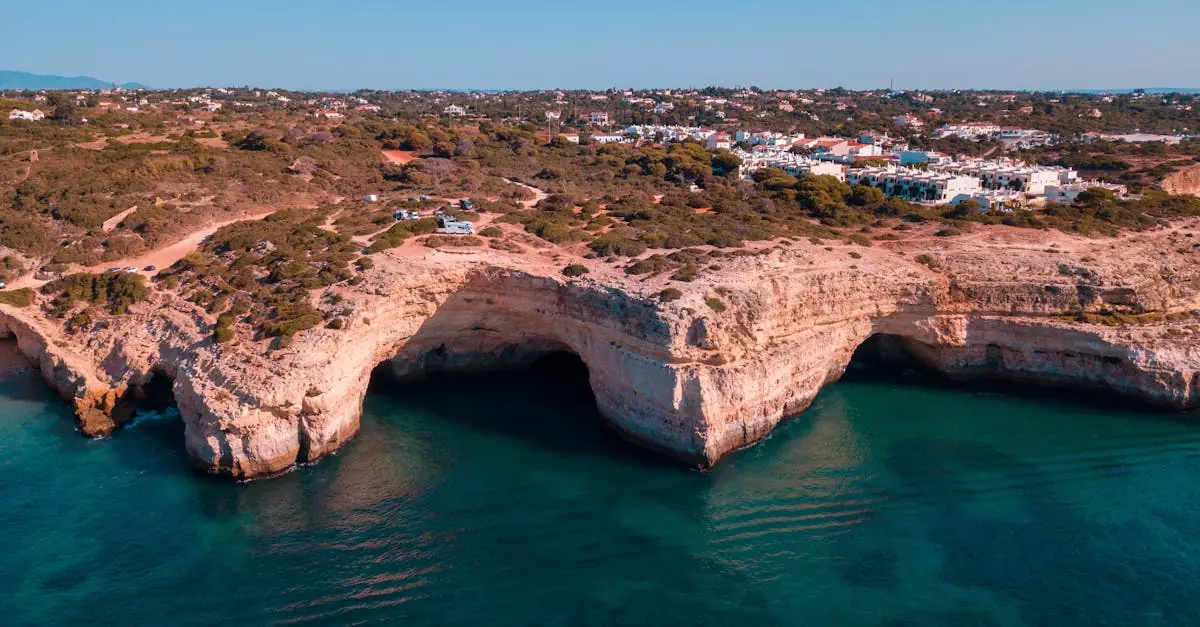
Reaching Portugal’s lesser-known destinations often requires a strategic approach to transportation. While major cities are well-connected, venturing into rural landscapes and remote villages means embracing a variety of travel methods. Planning your journey in advance, especially if you aim to discover the best hidden places Portugal has to offer, will ensure a smoother and more rewarding experience.
Renting a Car for Ultimate Freedom on Rural Roads
For those seeking to explore the wilder corners of Portugal, renting a car provides unparalleled flexibility. This is particularly true for accessing the best hidden places Portugal might have tucked away in its interior or along its rugged coastline. A car allows you to set your own pace, stop at spontaneous viewpoints, and navigate narrow country lanes that are inaccessible by public transport.
When renting, consider a compact car if you plan on driving through small villages with tight streets. For more remote areas, especially in the Alentejo or inland mountainous regions, a slightly larger vehicle might offer more comfort. Be aware of toll roads (pagas) across Portugal; many are electronic, so inquire with your rental agency about transponder options to avoid fines. Driving in Portugal is on the right side of the road, and familiarizing yourself with local road signs is advisable.
Navigating Regional Trains and Buses to Smaller Towns
While a car offers the most direct access to some remote spots, Portugal’s extensive rail and bus network can still connect you to many charming, less-visited towns. The national railway company, Comboios de Portugal (CP), operates services across the country, with regional and intercity lines reaching many smaller hubs. These are often more affordable than car rental and offer a chance to relax and enjoy the scenery.
Buses, operated by various companies like Rede Expressos and FlixBus, often serve routes that trains do not, reaching even more secluded villages. Booking tickets in advance is recommended, especially during peak travel seasons, to secure your seat. This method is a great way to experience authentic Portuguese life and engage with locals during your travels.
Here’s a quick look at typical travel times from Lisbon to select regional towns:
| Destination | Train Time (Approx.) | Bus Time (Approx.) |
|---|---|---|
| Évora (Alentejo) | 1.5 hours | 1.5 hours |
| Coimbra (Central) | 2 hours | 2 hours |
| Viana do Castelo | 4 hours | 3.5 hours |
Exploring Islands: Flights and Ferry Services in the Azores and Madeira
Portugal’s archipelago islands, the Azores and Madeira, present unique transportation challenges and opportunities. To reach these stunning destinations, flights are the primary method. Major airports in Lisbon and Porto offer regular connections to Ponta Delgada (São Miguel Island) in the Azores and Funchal (Madeira Island).
Once on the islands, renting a car is highly recommended for independent exploration, particularly for discovering the more remote natural wonders and hidden beaches. The Azores, being a group of nine islands, also require inter-island flights or ferries. SATA Air Açores operates most inter-island flights, offering spectacular aerial views. Ferries are available, but they are slower and often limited in frequency, especially between more distant islands. Madeira has a smaller network of islands, with Porto Santo being accessible by ferry from Funchal, a journey that takes a few hours.
Frequently Asked Questions About Portugal’s Hidden Places
Are Portugal’s hidden places safe for solo travelers?
Generally, Portugal is a safe country for solo travelers, and its less-visited regions are no exception. Petty crime is rare, and locals are typically friendly and helpful. However, as with any travel, it’s wise to remain aware of your surroundings, especially in unfamiliar areas. Stick to well-lit paths at night and inform someone of your itinerary. For instance, hiking in more remote areas of the Serra da Estrela Natural Park requires preparedness, but the rewards are immense.
What local foods should I try in rural Portugal?
Rural Portugal offers a delicious taste of authentic Portuguese cuisine, often prepared with fresh, local ingredients. Look for dishes like cozido à portuguesa, a hearty stew, or chanfana, a slow-cooked goat stew common in central Portugal. In the Alentejo region, savor açorda alentejana, a bread soup, and porco preto, black pork. Don’t miss regional cheeses and wines, which vary significantly from one area to another. Trying these local specialties is a key part of experiencing the best hidden places Portugal has to offer.
What are some unique accommodation options in these off-the-beaten-path locations?
Beyond standard hotels, many off-the-beaten-path destinations boast charming and unique places to stay. Consider quintas (wine estates) that offer rooms, restored farmhouses (herdades), or casas rurais (rural houses) for an immersive experience. Some areas also feature eco-lodges or glamping sites, particularly near natural parks. Booking in advance is recommended, especially during peak seasons in smaller villages.