When the snow begins to fall and days shorten, Scandinavia transforms into a magical winter wonderland, offering unique adventures and cozy escapes. If you’re dreaming of crisp air, stunning snowy landscapes, and perhaps even the ethereal dance of the Northern Lights, exploring the best winter destinations in Scandinavia should be at the top of your list. This region blends exhilarating Arctic activities with the comforting embrace of Nordic culture, creating an unforgettable travel experience.
In this guide, you’ll discover a curated selection of destinations that capture the essence of a Scandinavian winter. We’ll explore vibrant cities adorned with festive lights, remote Arctic landscapes perfect for aurora hunting, and charming towns offering a taste of local traditions. Learn about the best times to visit, essential packing tips, and how to navigate these captivating locales, ensuring your winter journey is both seamless and spectacular.
Why Scandinavia Shines as a Top Winter Destination
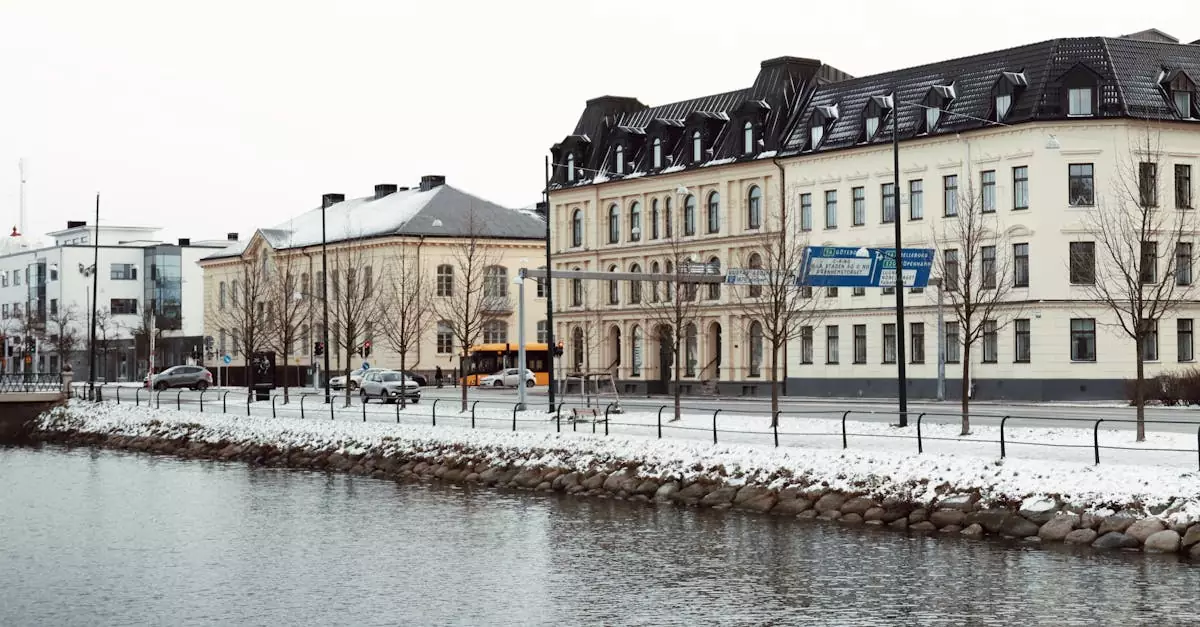
During the colder months, Scandinavia becomes a unique blend of stunning natural phenomena, vibrant urban experiences, and a distinct cultural embrace of winter. For travelers seeking an escape that combines adventure with cozy charm, the Nordic countries present an unparalleled opportunity. This region’s appeal lies not just in its snow-covered landscapes but in how its people and culture adapt and thrive, creating a truly memorable winter journey.
Embracing the Arctic Winter: Unique Scandinavian Charm
The Scandinavian winter is characterized by dramatic landscapes and the distinct ways communities engage with the cold. Picture vast expanses of pristine snow, frozen fjords, and the crisp, clean air of the Arctic climate. Beyond the visual spectacle, it’s the activities that truly set a Scandinavian winter apart. From dog sledding through silent forests in Lapland to ice swimming in the frigid waters of Norway, adventure opportunities abound. Even the cities embrace the season, often adorned with festive lights and offering warm havens in charming cafes and restaurants.
When planning a trip focused on Arctic experiences, consider timing. The deepest winter, from December to March, provides the best opportunities for snow-covered activities and the Northern Lights. However, late autumn or early spring can still offer winter charm with fewer crowds. Transportation typically involves a combination of flights to major hubs like Stockholm or Oslo, followed by trains, buses, or rental cars for accessing more remote areas. For those venturing deep into the Arctic Circle, specialized winter tires or local transport arrangements are essential for safety and accessibility.
Chasing the Aurora Borealis: A Scandinavian Spectacle
One of the most compelling reasons to visit Scandinavia in winter is the chance to witness the aurora borealis, or Northern Lights. This breathtaking natural light show, a dance of green, purple, and red hues across the night sky, is most visible in the northernmost regions of Norway, Sweden, and Finland. Locations like Tromsø in Norway, Abisko in Sweden, and Rovaniemi in Finland are renowned for their dark skies and high probability of aurora sightings during winter months.
To maximize your chances of seeing the aurora, aim for a trip between late September and late March. Clear, dark skies are crucial, so avoiding periods of heavy cloud cover is key. Many tours and accommodations cater specifically to aurora chasers, offering guided excursions to prime viewing spots away from light pollution. These tours often include warm clothing, hot drinks, and expert guidance on aurora photography. While sightings are never guaranteed, the pursuit itself—often under a canopy of stars in remote wilderness—is an unforgettable part of the Scandinavian winter experience.
Cozy Hygge & Fika: The Scandinavian Winter Lifestyle
Scandinavia’s winter culture is deeply rooted in concepts of comfort and togetherness. In Denmark, “hygge” describes a feeling of coziness and contentment, often experienced through simple pleasures like warm blankets, candlelight, and good company. Sweden’s “fika,” a cherished tradition of taking breaks for coffee and pastries, fosters connection and relaxation. This cultural emphasis on warmth and intimacy during the darker months is infectious and offers a welcome contrast to the cold outside.
Cities like Copenhagen, Stockholm, and Oslo come alive with festive markets, inviting cafes, and beautifully decorated streets. Visitors can immerse themselves in this lifestyle by seeking out local bakeries for kanelbullar (cinnamon buns) or aebleskiver (Danish pancake balls), enjoying mulled wine by a fireplace, or simply appreciating the quiet beauty of snow-dusted parks. This focus on indoor comfort and social connection makes Scandinavian cities incredibly appealing winter destinations, offering a different kind of adventure than the rugged Arctic wilderness.
| City/Region | Primary Winter Appeal | Typical Winter Temperature (°C) | Best Time for Aurora |
|---|---|---|---|
| Tromsø, Norway | Northern Lights, Arctic adventures, winter activities | -4 to -10 | October – March |
| Abisko, Sweden | Aurora Sky Station, clear skies, snowy landscapes | -10 to -20 | October – March |
| Rovaniemi, Finland | Santa Claus Village, Northern Lights, snow activities | -5 to -15 | September – March |
| Copenhagen, Denmark | Hygge, Christmas markets, city culture, cozy cafes | 0 to 5 | N/A |
| Stockholm, Sweden | Fika, museums, city charm, ice skating | -5 to 2 | N/A |
Top Scandinavian Cities for a Magical Winter Escape
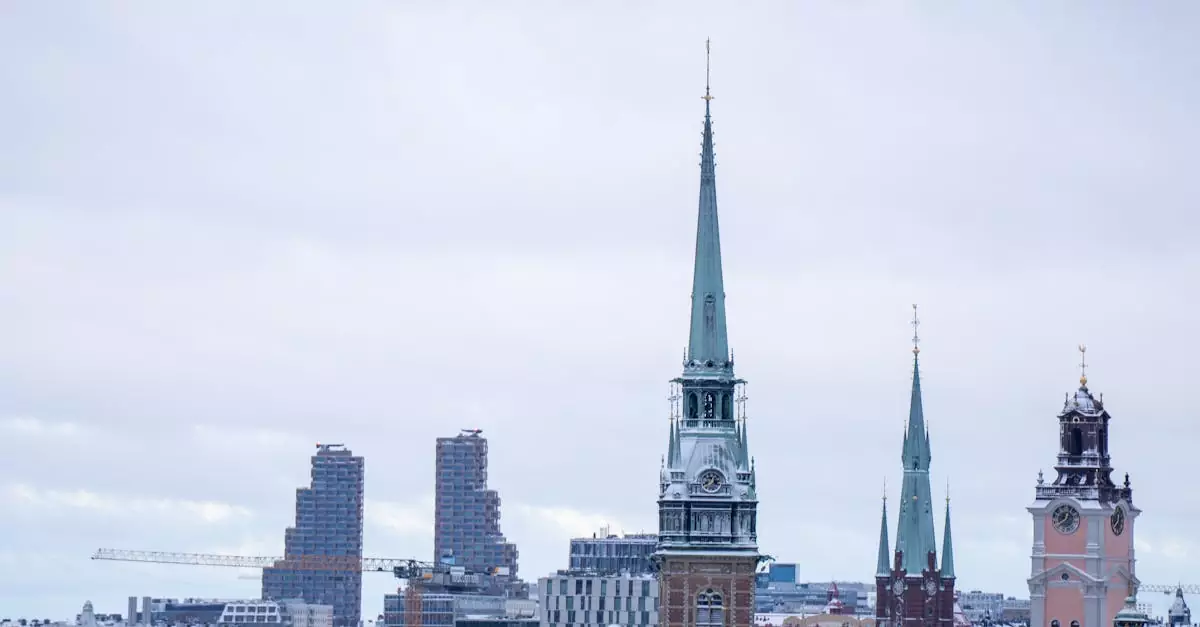
When considering the best winter destinations in Scandinavia, its vibrant capital cities offer a compelling blend of festive charm, cultural immersion, and accessible winter activities. These urban centers provide a comfortable base for experiencing the season, often with fewer logistical challenges than remote Arctic locations, while still delivering memorable Scandinavian winter magic.
Stockholm’s Archipelago & Old Town Winter Wonderland
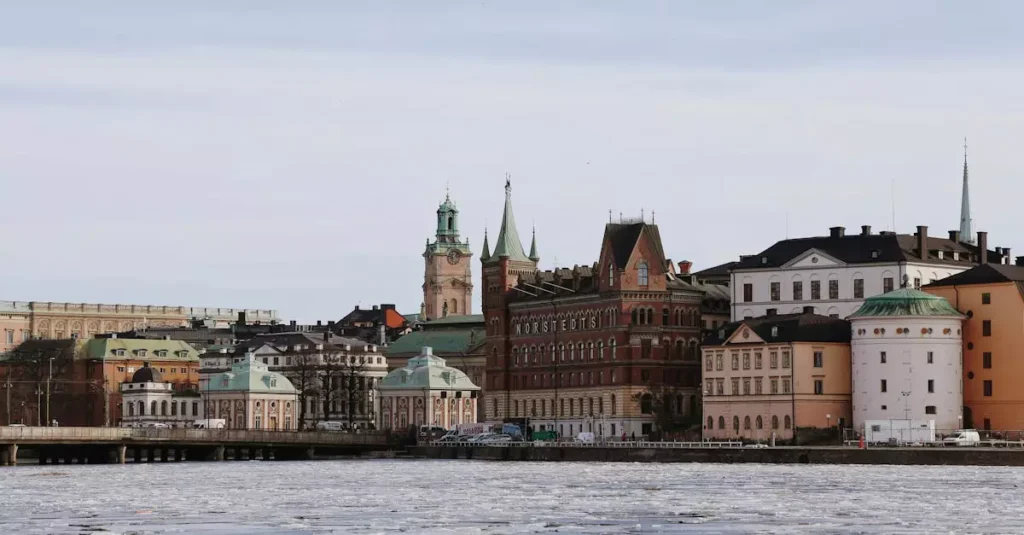
Stockholm truly transforms in winter, with a dusting of snow often gracing the historic Gamla Stan (Old Town). Wander through its narrow, cobblestone streets, illuminated by twinkling lights and the scent of mulled wine wafting from cozy cafes. The city’s archipelago, usually a summer hotspot, takes on a stark, beautiful character in winter. Consider a boat trip that navigates through icy waters, offering a different perspective on the thousands of islands.
For a unique experience, visit the Vasa Museum, home to a remarkably preserved 17th-century ship, providing a fascinating indoor escape from the cold. Stockholm also boasts an excellent public transport system, making it easy to get around. The metro stations themselves often feature artistic designs, adding an unexpected aesthetic element to your travels.
- Getting Around: Stockholm has an efficient public transport network, including metro, buses, and trams. Consider a travel card for unlimited travel.
- Winter Tip: Embrace ‘fika’, the Swedish tradition of coffee and pastry breaks. It’s the perfect way to warm up and soak in the local atmosphere.
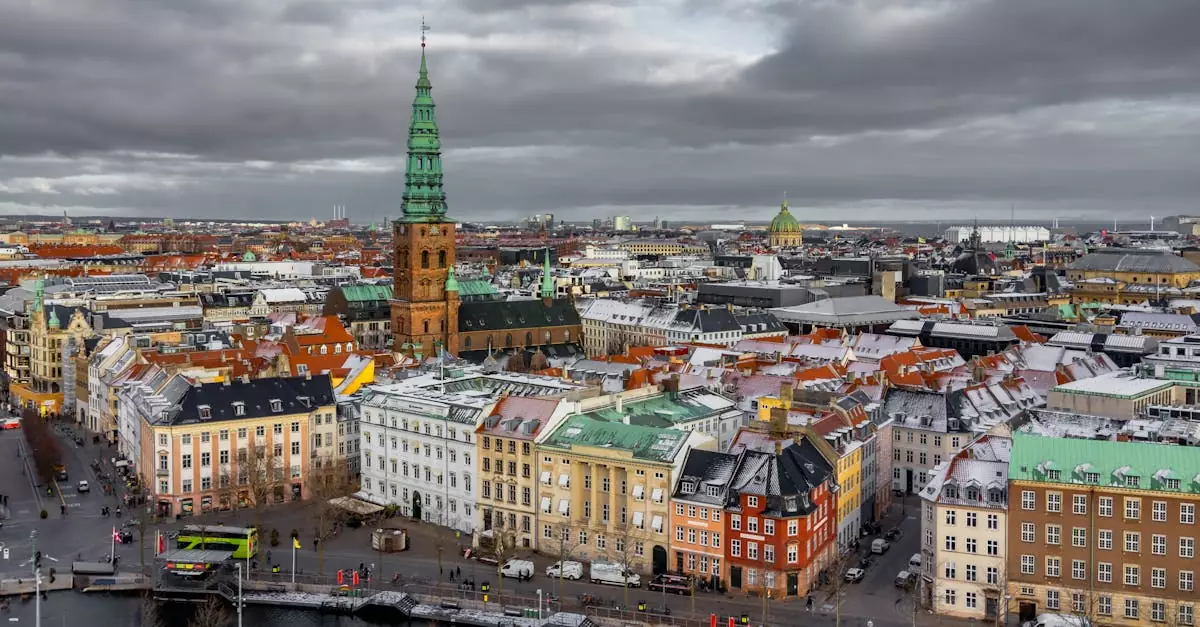
Copenhagen’s Tivoli Gardens & Christmas Markets
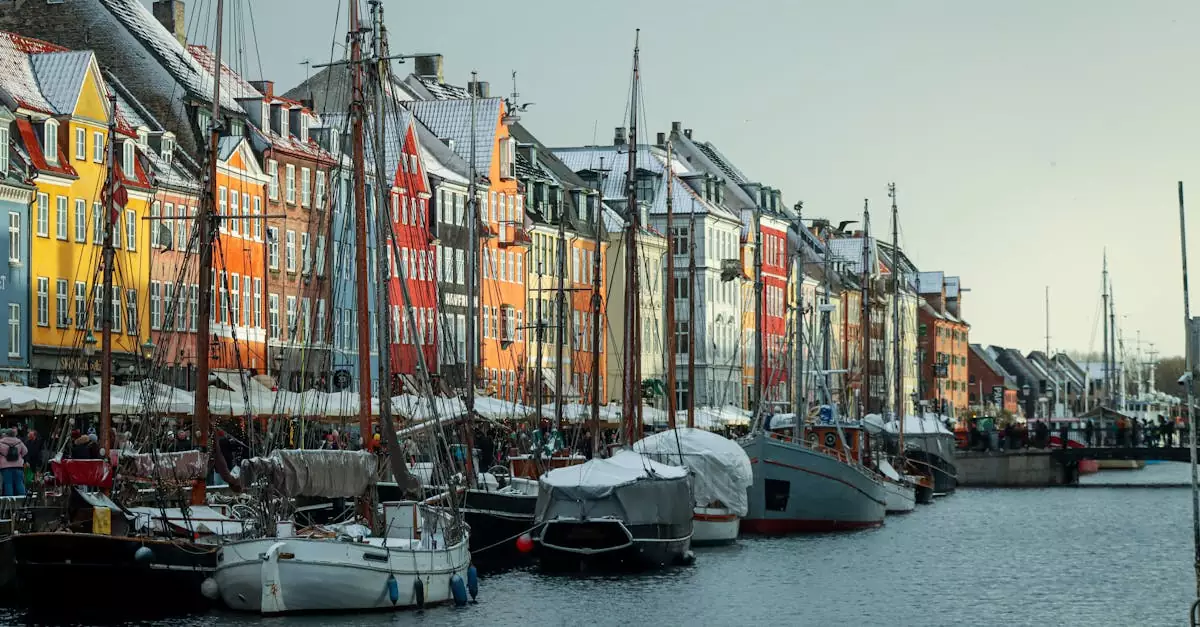
Copenhagen shines during winter, especially with the reopening of Tivoli Gardens. This iconic amusement park is completely redecorated for Christmas, featuring elaborate light displays, festive stalls, and seasonal treats. It’s a magical experience, even for those not typically drawn to amusement parks. Beyond Tivoli, the city is dotted with charming Christmas markets, such as the one in Nyhavn, offering handcrafted gifts and warming gløgg.
Exploring Copenhagen on foot or by bicycle remains feasible, though dressing warmly is essential. The city’s compact nature means many attractions are within walking distance. Don’t miss the chance to visit the Little Mermaid statue, which looks particularly striking against a frosty backdrop.
- Accommodation: Copenhagen offers a range of hotels, from boutique options in the city center to more budget-friendly choices slightly further out.
- Budget Consideration: While Copenhagen can be pricier, focusing on free attractions like walking through Nyhavn and enjoying Christmas markets can help manage costs.
Oslo’s Winter Sports & Cultural Hub
Oslo, nestled between the Oslofjord and rolling hills, is a prime destination for those seeking a mix of urban culture and accessible winter sports. Just a short tram or metro ride from the city center, you can find yourself at Holmenkollen, famous for its ski jump, which offers panoramic views and a ski museum. For more active pursuits, the surrounding forests, like Nordmarka, are crisscrossed with groomed cross-country ski trails and snowshoeing paths.
Back in the city, Oslo features a rich cultural scene with world-class museums, including the Viking Ship Museum and the Munch Museum. The waterfront area, Aker Brygge, is lively year-round, with restaurants and bars providing cozy spots to enjoy the winter ambiance. Consider a ferry trip to some of the nearby islands in the Oslofjord for a different perspective.
| Activity Type | Location Examples | Accessibility from City Center |
|---|---|---|
| Skiing (Cross-country) | Nordmarka Forest | Easy (Metro/Bus) |
| Skiing (Alpine) | Tryvann Ski Resort | Moderate (Metro/Bus) |
| Ice Skating | Spikersuppa | Easy (Walking) |
| Museums | Bygdøy Peninsula | Easy (Bus/Ferry) |
| City Exploration | Karl Johans gate, Grünerløkka | Easy (Walking/Tram) |
Arctic Adventures: Tromsø & Abisko for Northern Lights
When considering the best winter destinations in Scandinavia, few places rival the Arctic Circle for pure winter magic. This region offers unparalleled opportunities to witness the Aurora Borealis, engage in thrilling outdoor activities, and experience a unique subarctic culture. Tromsø, Norway, and Abisko, Sweden, stand out as premier locations for these unforgettable experiences.
Tromsø, Norway: Gateway to the Arctic Circle
Tromsø, often called the “Gateway to the Arctic,” is a vibrant city situated well above the Arctic Circle. Its location makes it a prime spot for Northern Lights viewing, with the dark winter months providing ample opportunity to see the sky erupt in color. The city itself offers a surprising amount of culture and amenities, from museums like the Polar Museum, detailing the region’s history of exploration, to a lively culinary scene.
Getting to Tromsø is relatively straightforward, with direct flights from Oslo and other major European hubs. During winter, the city experiences polar night, meaning the sun doesn’t rise for several weeks, creating ideal dark conditions for aurora hunting. Numerous tour operators offer guided Northern Lights chases, taking you away from city light pollution to maximize your chances of a sighting.
- Best time to visit for Northern Lights: Late September to early April.
- Getting around: The city center is walkable, but local buses are available. Tours often include transportation.
- Accommodation: Options range from city hotels to remote cabins.
Abisko, Sweden: The Aurora Capital of the World
Abisko National Park in Swedish Lapland is renowned for its microclimate, which often results in clearer skies than surrounding areas, significantly increasing the probability of witnessing the Northern Lights. The park’s “Blue Hole,” an area known for its consistent clear skies, makes it a favored destination for aurora enthusiasts and scientists alike. The Aurora Sky Station offers a unique vantage point, accessible by chairlift, where you can enjoy the spectacle in relative comfort.
Abisko is more remote than Tromsø, providing a deeper immersion into the Arctic wilderness. The journey typically involves flying into Kiruna and then taking a bus or train to Abisko. The focus here is on nature and the Aurora, with activities centered around the national park.
- Key attractions: Aurora Sky Station, hiking trails (though many are snow-covered in winter), cross-country skiing.
- Logistics: Plan for colder temperatures and pack accordingly. Advance booking for the Sky Station is highly recommended.
- Comparison to Tromsø: Abisko offers a more wilderness-focused experience, while Tromsø provides a blend of city amenities and Arctic adventure.
Dog Sledding & Reindeer Encounters Near the Arctic Circle
Beyond the mesmerizing dance of the Northern Lights, Scandinavia’s winter destinations offer a host of exhilarating activities. Dog sledding is a quintessential Arctic experience. Imagine gliding through snow-covered forests, pulled by a team of energetic huskies—it’s an exhilarating way to connect with the landscape. Many tours cater to different skill levels, from introductory rides to multi-day expeditions.
Meeting the indigenous Sámi people and learning about their traditional way of life, which often includes reindeer herding, provides a rich cultural dimension. Reindeer sledding offers a gentler yet equally charming experience, giving insight into a heritage deeply intertwined with the Arctic environment.
| Activity | Location Examples | Typical Duration | Estimated Cost (per person) |
|---|---|---|---|
| Northern Lights Tour | Tromsø, Abisko | 3-6 hours | $100 – $200 USD |
| Dog Sledding | Tromsø, Abisko, Kiruna | 2-5 hours | $150 – $300 USD |
| Reindeer Sledding | Tromsø, Abisko, Rovaniemi (Finland) | 1-3 hours | $80 – $150 USD |
| Snowmobiling | Tromsø, Abisko, Kiruna | 2-4 hours | $120 – $250 USD |
These adventures are often available through local tour operators in towns like Tromsø and Abisko, or from larger hubs like Kiruna. Booking in advance is advisable, especially during peak winter seasons. Remember that weather conditions can impact availability, so flexibility is key.
Beyond the Cities: Winter Road Trips & Hidden Gems
While Scandinavia’s capital cities offer festive charm, the true magic of a winter visit often lies beyond urban centers. Embracing a winter road trip or venturing to more remote regions reveals dramatic landscapes, unique activities, and a profound sense of Arctic tranquility. These destinations provide opportunities for adventure and immersion that city breaks can’t replicate.
The Lofoten Islands: Dramatic Winter Coastlines
The Lofoten Islands in Norway transform into a breathtaking winter wonderland, offering a beautiful alternative to the summer crowds. Jagged peaks dusted with snow plunge into the frigid, dark waters, creating a dramatic and unforgettable coastal panorama. Unlike the busy summer months, winter here is about quiet contemplation, dramatic light, and the chance to witness the aurora borealis dance over the fjords.
Getting to Lofoten in winter requires careful planning. Flights typically arrive at Leknes or Svolvær, but having a car is essential for navigating the islands and reaching picturesque fishing villages like Reine and Hamnøy. Roads are generally well-maintained, but snow and ice conditions can change rapidly, so winter tires are mandatory, and driving cautiously is paramount. Accommodations often consist of cozy rorbuer (traditional fishermen’s cabins), many of which are modernly equipped and offer stunning views. Expect fewer daylight hours, with the sun remaining low on the horizon or not appearing at all during the deepest winter months, creating a unique, ethereal light.
Lapland’s Winter Magic: Santa Claus Village & Snowmobiling
Finnish Lapland is synonymous with Arctic adventure and is perhaps the most famous winter destination in Scandinavia for families. Rovaniemi, the official hometown of Santa Claus, offers a festive experience with its Santa Claus Village, where you can meet Santa, cross the Arctic Circle, and send postcards from the Santa Claus Main Post Office. Beyond the Christmas cheer, Lapland is an adventurer’s paradise.
Activities abound, from husky sledding through silent, snow-laden forests to exhilarating snowmobile safaris across frozen lakes and fells. The region is also one of the best places in the world to witness the Northern Lights. For the best chance of seeing the aurora, consider staying in a glass igloo or a remote cabin away from city lights. Transportation within Lapland is often organized through tour operators offering transfers and excursions, but renting a car provides flexibility, especially if you plan to explore smaller villages or national parks like Pallas-Yllästunturi. Layered clothing is crucial; temperatures can drop significantly, so thermal base layers, insulated outerwear, and warm accessories are essential.
Exploring Iceland’s South Coast in Winter
Iceland’s South Coast presents dramatic, raw beauty in winter, offering a chance to experience its iconic landscapes with fewer tourists and a unique, frosty ambiance. Waterfalls like Skógafoss and Seljalandsfoss can be partially frozen, creating stunning ice formations, while the black sand beaches of Reynisfjara are even more dramatic under a winter sky. Glacier lagoons, such as Jökulsárlón, are often dotted with larger icebergs, and the surrounding ice caves become accessible.
Winter travel in Iceland requires flexibility and preparedness. Daylight hours are limited, especially in December and January, meaning itineraries need to be structured around available light. Driving the Ring Road on the South Coast is feasible, but road conditions can be challenging due to snow, ice, and strong winds. Always check road.is for current conditions before setting out. Many travelers opt for guided tours from Reykjavík, which handle transportation and logistics, offering a safer and more relaxed way to see the sights. Accommodations range from guesthouses in small towns like Vík to hotels near major attractions. Be prepared for sudden weather changes; packing waterproof and windproof gear is essential. The chance to see the Northern Lights is also high on the South Coast, away from light pollution.
Planning Your Scandinavian Winter Trip: Essential Tips
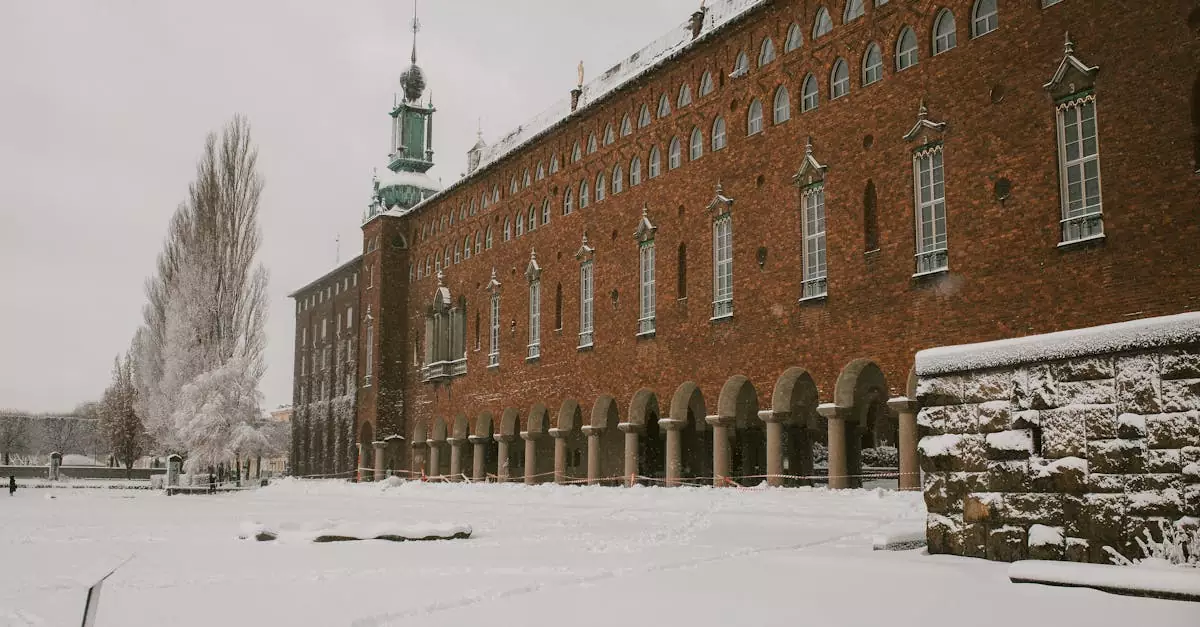
A winter trip to Scandinavia offers a unique blend of breathtaking natural phenomena and cozy urban charm. To make the most of your adventure, careful planning is key. Understanding the best times to visit, how to navigate the region, what to pack, and how to budget will ensure a smooth and memorable experience.
Best Time to Visit Scandinavia for Winter Experiences
The prime window for experiencing Scandinavia’s winter magic, particularly for Northern Lights viewing and snow-based activities, typically runs from late November through March. December and January offer the longest hours of darkness, increasing your chances of seeing the aurora borealis, but also bring the coldest temperatures and shortest daylight hours. February and March can provide a better balance, with increasing daylight and often more stable snow conditions, making them excellent months for outdoor pursuits like skiing or dog sledding.
While deep winter months are ideal for the classic Arctic experience, early December can be charming with Christmas markets and a festive atmosphere, though daylight is limited. Late March might see some spring-like conditions in southern areas while still offering good aurora potential further north. Consider your priorities: if seeing the Northern Lights is paramount, aim for January or February. For a balance of activities and slightly more daylight, February or early March might be preferable.
Getting Around: Flights, Trains, and Car Rentals
Navigating Scandinavia in winter requires consideration of weather conditions and vast distances. Flying is often the most efficient way to cover long distances between major cities like Stockholm, Oslo, Copenhagen, and Helsinki. Within Norway, domestic flights are essential for reaching northern destinations like Tromsø or Lofoten.
For travel between Scandinavian capitals and major cities, the train network is extensive and comfortable, offering scenic views. Companies like SJ in Sweden and Vy in Norway provide reliable services. Traveling by train can be a more relaxed way to see the countryside, especially if you’re not in a rush.
Renting a car offers the most flexibility, particularly for exploring rural areas or national parks. However, winter driving in Scandinavia can be challenging. Roads are often snow-covered or icy, and weather can change rapidly. If you opt for a rental car, ensure it’s equipped with winter tires (often mandatory) and be prepared for slower travel times. Familiarize yourself with local driving laws and consider booking a vehicle with four-wheel drive. Always check road conditions before setting out.
Here’s a general overview of transportation options:
| Transportation Type | Best For | Pros | Cons |
|---|---|---|---|
| Flights | Long distances, reaching northern regions | Speed, efficiency for vast distances | Cost, limited flexibility, potential delays due to weather |
| Trains | Inter-city travel, scenic routes | Comfort, environmental friendliness, scenic views | Slower than flights, less flexible for rural exploration |
| Car Rental | Rural exploration, flexibility | Independence, access to remote areas | Challenging winter driving conditions, parking in cities, cost |
| Buses | Shorter distances, local travel | Cost-effective, access to smaller towns | Slower, can be less frequent in winter |
Packing Essentials for Scandinavian Winter Weather
Packing appropriately is crucial for enjoying Scandinavia’s winter climate. Layering is the key strategy. Start with a moisture-wicking base layer, such as merino wool or synthetic fabrics, to keep dry. The mid-layer should provide insulation; fleece or down jackets are excellent choices. Your outer layer needs to be waterproof and windproof to protect against snow, rain, and biting winds.
Don’t forget warm accessories. A thick, insulated hat that covers your ears, a scarf or neck gaiter, and waterproof, insulated gloves or mittens are essential. For your feet, opt for wool or thermal socks and sturdy, waterproof winter boots with good grip. You’ll be doing a lot of walking, often on slippery surfaces.
Consider bringing:
- Thermal base layers: Tops and bottoms.
- Insulating mid-layers: Fleece jackets, down vests.
- Waterproof and windproof outer shell: Jacket and pants.
- Warm hat: Wool or fleece, covering ears.
- Scarf or neck gaiter: For wind protection.
- Waterproof insulated gloves or mittens: Mittens are generally warmer.
- Wool or thermal socks: Several pairs.
- Waterproof winter boots: With good traction.
- Lip balm and moisturizer: Cold air can be drying.
- Sunglasses: Snow glare can be intense.
Budgeting for Your Scandinavian Winter Adventure
Scandinavia is generally an expensive region to travel in, and winter can sometimes see higher prices for accommodation and flights, especially around the holidays. However, with smart planning, you can manage your expenses.
Accommodation costs vary significantly. Hostels and guesthouses offer budget-friendly options, while hotels, especially in city centers, can be pricier. Consider Airbnb or self-catering apartments for potential savings, particularly if you plan to cook some of your own meals. Northern regions like Lapland might have unique accommodation options like ice hotels or glass igloos, which come with a premium price tag.
Food costs can add up quickly. Eating at local cafes or supermarkets for lunch and preparing some meals yourself can significantly reduce your daily spending. Look for daily specials or “dagens rätt” (dish of the day) in restaurants for more affordable options.
Transportation costs depend on your chosen method. Flights between countries can be expensive if not booked in advance. Train travel can offer value, especially with rail passes or advance bookings. Car rentals add fuel and potential parking costs.
To manage your budget:
- Book flights and accommodation in advance, especially for travel during peak winter months or holidays.
- Consider traveling in early December or late March for potentially lower prices.
- Utilize public transport within cities.
- Mix dining out with self-catering to save on food expenses.
- Look for free activities such as walking tours or enjoying city parks.
While Scandinavia in winter is an investment, the unique experiences—from the ethereal glow of the Northern Lights to the cozy charm of its cities—make it a worthwhile journey.
Frequently Asked Questions About Winter in Scandinavia
What are the average temperatures in Scandinavia during winter?
Winter temperatures across Scandinavia vary significantly by region. Coastal areas, influenced by the Gulf Stream, often experience milder conditions with averages ranging from 0°C to 5°C (32°F to 41°F). Inland and northern regions, however, can see much colder temperatures, frequently dropping to -10°C to -25°C (14°F to -13°F), with extreme lows possible. Snowfall is common throughout the region, particularly in the mountains and further north.
Is Scandinavia safe to visit in winter?
Scandinavia is generally considered a very safe region for travelers year-round. Winter conditions, such as snow and ice, can present logistical challenges, especially for driving in more remote areas. It’s advisable to check local weather advisories and road conditions before traveling. Major cities are well-equipped to handle winter weather, with efficient public transport and snow clearing services. Familiarizing yourself with winter driving tips if you plan to rent a car is also a good idea.
What are the best activities for families in Scandinavia during winter?
Families visiting Scandinavia in winter will find a wealth of activities. Many ski resorts offer beginner slopes and ski schools suitable for children. Dog sledding and reindeer sleigh rides are unique Arctic experiences popular with all ages. In the cities, ice skating rinks, Christmas markets (typically running until late December), and indoor attractions like museums and science centers provide ample entertainment. Look for destinations offering specific family-friendly packages or accommodations.
Can I see the Northern Lights in Southern Scandinavia?
While the prime viewing locations for the Northern Lights are in the Arctic regions of Scandinavia, such as northern Norway, Sweden, and Finland, there is a small chance of seeing them further south. This depends on strong solar activity and clear, dark skies. Sightings in southern Scandinavia are rare and less predictable than in the north. For the best chances of witnessing the aurora borealis, planning a trip to the Arctic Circle is highly recommended.