Chasing the ethereal glow of the aurora borealis is a dream for many, and Europe offers some of the most spectacular stages for this natural light show. If you’re wondering where to witness this phenomenon, understanding the factors that contribute to successful viewing is essential. This guide will help you navigate the best Northern Lights destinations across the continent, detailing prime locations, optimal timing, and unique accommodation options.
You’ll discover why certain regions consistently deliver breathtaking displays, learn about the best months to plan your trip, and explore tips for maximizing your chances of seeing the aurora—from avoiding light pollution to understanding moon phases. We’ll also delve into planning your itinerary, whether you prefer a guided adventure or a self-drive exploration, and highlight unique places to stay that will make your aurora experience truly unforgettable.
Top European Countries for Witnessing the Aurora Borealis
When planning a trip to chase the Northern Lights, Europe offers a remarkable array of destinations, each with its own charm and optimal viewing conditions. The key to a successful aurora hunt lies in choosing a location with minimal light pollution, clear skies, and a position well within the auroral oval. Several countries consistently deliver exceptional experiences for those seeking this natural phenomenon.
Iceland: The Land of Fire and Ice for Northern Lights
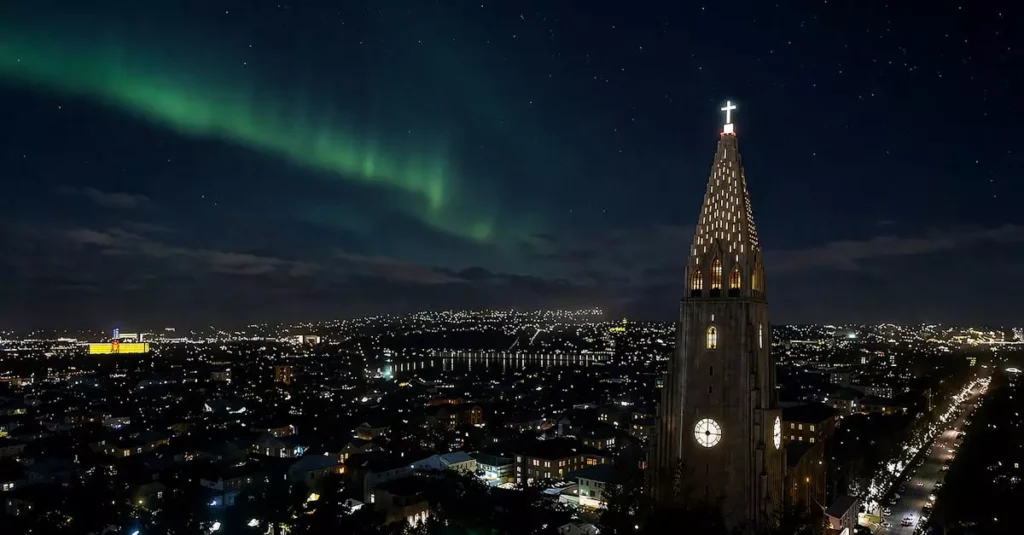
Iceland is a premier destination for aurora viewing, thanks to its northern latitude and vast, sparsely populated landscapes. The country’s dramatic scenery, from glaciers to volcanoes, provides a stunning backdrop for the dancing lights. While the aurora can be seen anywhere in Iceland under the right conditions, popular spots include Thingvellir National Park, Jökulsárlón Glacier Lagoon, and the remote Westfjords.
When to Go: The prime viewing season in Iceland runs from late August to mid-April. The darkest months, from November to February, offer the longest periods of darkness, increasing your chances.
Logistics: Keflavík International Airport (KEF) near Reykjavík serves as the main entry point. Renting a car is highly recommended for flexibility in chasing clear skies and escaping city lights. Tours are also widely available from Reykjavík and other towns.
Budget Considerations: Iceland can be an expensive destination. Budget for car rental, fuel, accommodation, and tours. Self-catering options and guesthouses can help manage costs.
Safety: Always check weather forecasts and road conditions before venturing out, especially in winter. Aurora hunting often involves driving in remote areas at night.
Norway’s Arctic Coast: Tromsø and Lofoten Islands
Norway’s northern coastline, particularly the area around Tromsø and the Lofoten Islands, is renowned as one of the best Northern Lights destinations in the world. Tromsø, known as the “Gateway to the Arctic,” offers a vibrant city experience combined with excellent aurora viewing opportunities just a short drive away. The Lofoten Islands provide a dramatic, rugged landscape with picturesque fishing villages that make for unforgettable photographic subjects under the aurora.
Viewing Tips: In Tromsø, consider taking a guided chase tour, which often drives for hours to find the clearest skies. For Lofoten, seek out a quiet beach or scenic viewpoint away from village lights.
Travel: Fly into Tromsø Airport, Langnes (TOS). To reach the Lofoten Islands, you can fly to Leknes (LKN) or Svolvær (SVJ), or take a ferry from Bodø.
Accommodation: Options range from hotels in Tromsø to charming rorbuer (fishermen’s cabins) in Lofoten. Booking well in advance is crucial, especially during peak season.
Sweden’s Lapland: Abisko National Park’s Clear Skies
Abisko National Park in Swedish Lapland is famed for its “blue hole”—a microclimate that often results in clear skies even when surrounding areas are cloudy. This unique phenomenon, combined with its position under the auroral oval, makes it a top contender for consistent aurora sightings. The Aurora Sky Station, located on Mount Nuolja, offers a spectacular vantage point.
Why Abisko? The park’s location and the presence of the Aurora Sky Station provide a dedicated and optimized experience for aurora hunters.
Getting There: The nearest airport is Kiruna (KRN). From Kiruna, you can take a bus or train to Abisko.
Best Time: September to March offers the best chances, with the darkest skies in winter.
Finland’s Aurora Village: Rovaniemi and Kakslauttanen
Finnish Lapland provides a magical winter wonderland experience, with Rovaniemi, the official hometown of Santa Claus, and unique glass igloo accommodations in areas like Kakslauttanen, offering cozy ways to watch the Northern Lights. While Rovaniemi provides more amenities, the more remote locations often have darker skies.
Unique Stays: Consider booking a stay in a glass igloo or a log cabin with a glass roof for an immersive aurora viewing experience directly from your bed.
Activities: Beyond aurora hunting, enjoy husky sledding, reindeer sleigh rides, and visiting Santa Claus Village in Rovaniemi.
Travel: Fly into Rovaniemi Airport (RVN). Transportation within Lapland often involves pre-booked transfers or rental cars for reaching more secluded spots.
| Destination | Best Viewing Months | Typical Weather Conditions | Budget Range (per day, approx.) | Key Draw |
|---|---|---|---|---|
| Iceland | Sep – Apr | Cold, windy, variable snow/rain | $150 – $300+ | Dramatic landscapes, accessible from Reykjavík, geothermal activity |
| Norway (Tromsø) | Oct – Mar | Very cold, snowy, often windy | $170 – $350+ | Arctic city amenities, organized tours, coastal scenery |
| Norway (Lofoten) | Sep – Mar | Cold, windy, snowy, coastal storms possible | $160 – $320+ | Picturesque fishing villages, rugged mountains, dramatic coastlines |
| Sweden (Abisko) | Sep – Mar | Very cold, dry, often clear due to microclimate | $140 – $280+ | Abisko National Park’s “blue hole,” Aurora Sky Station |
| Finland (Lapland) | Sep – Mar | Very cold, snowy, can be cloudy | $150 – $350+ | Glass igloos, Santa Claus Village, serene winter forests |
When is the Best Time to See the Northern Lights in Europe?
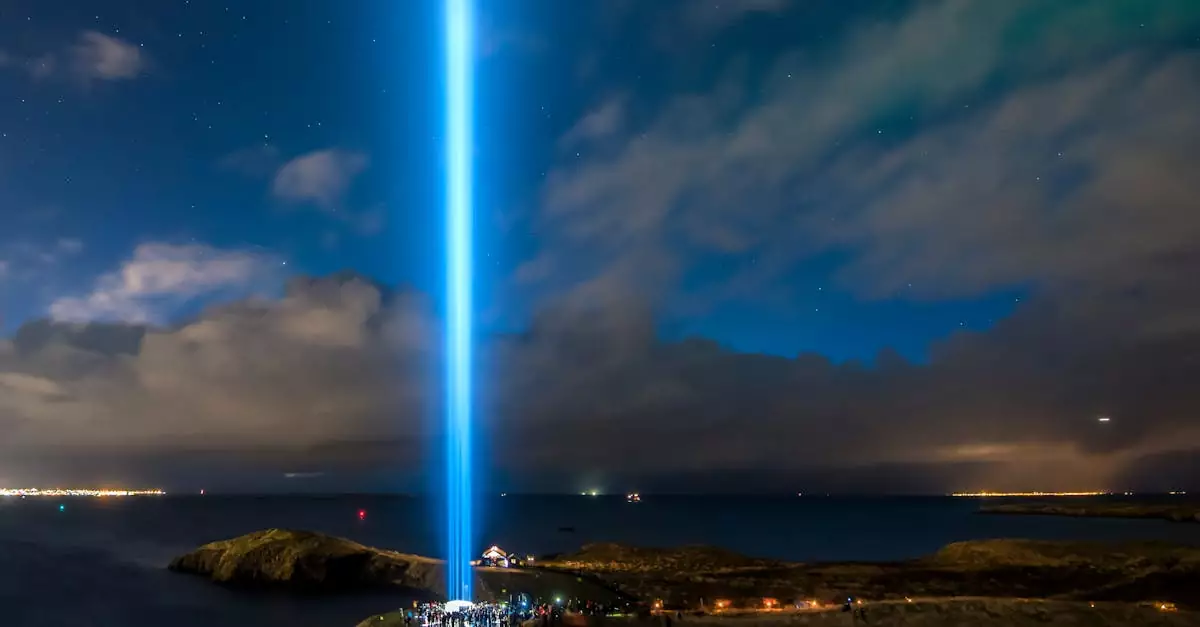
Timing your trip is crucial for maximizing your chances of witnessing the aurora borealis. While the aurora can technically appear at any time of year, its visibility heavily depends on darkness and clear skies.
Peak Aurora Season: September to March
The prime season for aurora viewing in Europe runs from September through March. During these months, the nights are longest and darkest, creating ideal conditions for aurora visibility. While winter months like December and January offer the most darkness, they also come with colder temperatures and potentially more cloudy weather. September and October, as well as February and March, can provide a good balance of darkness and milder weather, with fewer chances of heavy snowfall obscuring the view. Many travelers find these shoulder months to be optimal for aurora hunting.
Understanding Moon Phases for Optimal Viewing
The moon’s phase plays a significant role in aurora visibility. A full moon, while beautiful, can wash out fainter auroral displays, making them harder to spot. For the best viewing experience, aim for nights around the new moon, when the sky is darkest. Checking a lunar calendar before booking your trip can help align your travel dates with darker skies. This simple step can dramatically improve your chances of seeing a vibrant aurora without the moon’s interference.
Avoiding Light Pollution: City vs. Wilderness
One of the most critical factors in seeing the Northern Lights is minimizing light pollution. Even the most spectacular aurora display will be diminished or invisible if viewed from a brightly lit urban area. Therefore, venturing away from cities and towns is essential.
Consider these options for escaping light pollution:
- Remote cabins or guesthouses: Many accommodations in aurora-prone regions are situated in isolated locations specifically for optimal stargazing and aurora viewing.
- National parks and wilderness areas: These protected zones typically have minimal artificial lighting, offering pristine dark skies. However, ensure you are aware of park access times and safety guidelines.
- Organized aurora tours: These tours often take participants to carefully selected dark sky locations, sometimes including transportation to remote spots that are difficult to access independently.
Choosing accommodations and activities that prioritize darkness will significantly enhance your aurora viewing experience.
Planning Your Aurora Hunting Itinerary: What to Expect
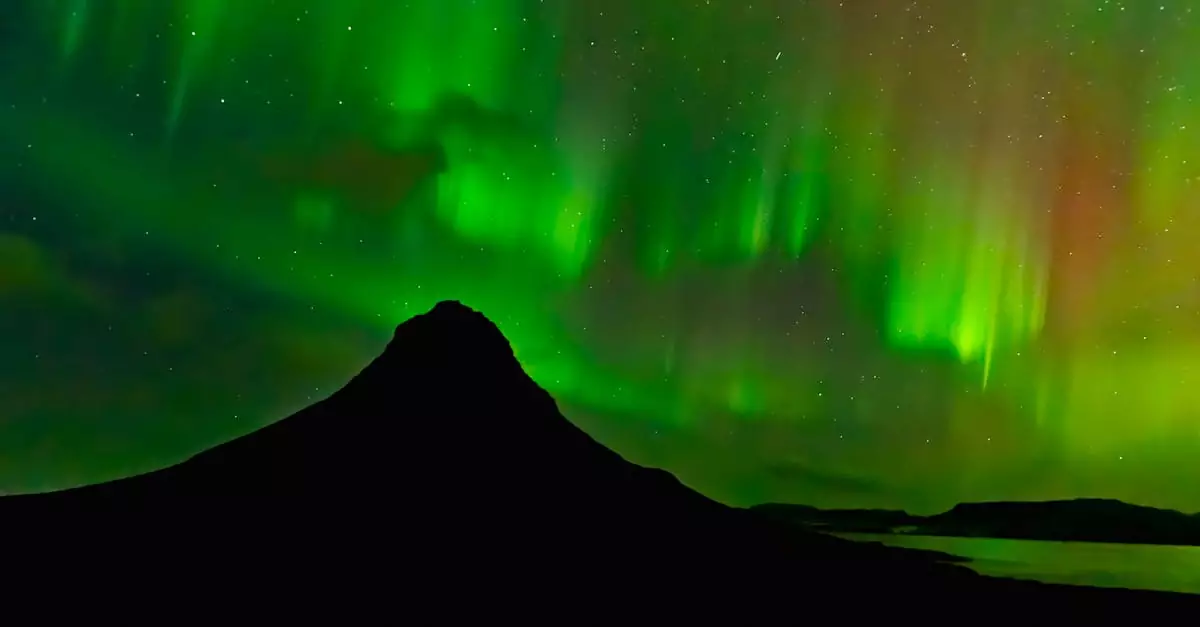
Chasing the Northern Lights is a bucket-list experience that requires careful planning. Success depends on a combination of clear skies, solar activity, and being in the right place at the right time. Understanding these factors will help you craft an effective itinerary for witnessing the aurora borealis.
Crafting a 5-Day Northern Lights Itinerary in Iceland
A short trip to Iceland can provide excellent opportunities to see the aurora. Given the country’s latitude, it’s a prime location for aurora viewing. A 5-day itinerary should balance aurora hunting with experiencing Iceland’s unique landscapes.
Consider basing yourself outside of Reykjavík for darker skies. Locations like Vik on the south coast or the Snaefellsnes Peninsula are popular choices. Dedicate each evening to an aurora excursion, either self-guided or with a tour. During the day, explore glaciers, waterfalls like Skógafoss, and black sand beaches.
Sample 5-Day Iceland Aurora Itinerary:
| Day | Morning/Afternoon Activity | Evening Activity | Location |
|---|---|---|---|
| 1 | Arrive at Keflavík Airport, pick up rental car, drive to accommodation. | Aurora hunt near accommodation. | Near Hella or Selfoss |
| 2 | Explore the Golden Circle: Þingvellir National Park, Geysir geothermal area, Gullfoss waterfall. | Guided Northern Lights tour. | Near Laugarvatn |
| 3 | South Coast: Seljalandsfoss and Skógafoss waterfalls, Reynisfjara black sand beach. | Aurora viewing from the coast. | Vik |
| 4 | Glacier hike or ice cave tour (seasonal). | Self-drive aurora hunt. | Near Jökulsárlón |
| 5 | Drive back towards Keflavík, visit the Blue Lagoon (optional), depart. | N/A | N/A |
This itinerary provides a framework, but flexibility is key. Always check the aurora forecast and weather conditions.
A 7-Day Arctic Adventure: Norway’s Best Viewing Spots
Norway’s extensive coastline above the Arctic Circle offers numerous prime locations for aurora viewing. A 7-day trip allows for a more in-depth exploration of this region. Tromsø, often called the “Gateway to the Arctic,” is a popular starting point due to its accessibility and infrastructure.
From Tromsø, you can embark on various excursions. Consider a husky sledding or reindeer sledding trip by day, which also offers chances for aurora sightings if timed correctly. Further north, the Lofoten Islands provide dramatic coastal scenery that serves as a stunning backdrop for the aurora.
A 7-day itinerary could include:
- Days 1-3: Tromsø: Explore the city, visit the Polar Museum, take a cable car up Mount Storsteinen for panoramic views. Evening aurora chases.
- Days 4-5: Senja or Lyngen Alps: Experience a more remote setting. Activities might include snowshoeing or fjord cruises. Aurora hunting in less light-polluted areas.
- Days 6-7: Return to Tromsø or depart from Evenes: Last chance for aurora viewing or souvenir shopping.
Norway’s fjords and mountains create breathtaking foregrounds for aurora photography. Be prepared for cold temperatures and pack accordingly.
Maximizing Your Chances: Guided Tours vs. Self-Drive
Deciding between a guided tour and a self-drive adventure for your aurora hunt depends on your preferences and budget. Both options have distinct advantages.
Guided Tours:
These tours are excellent for first-time visitors or those who prefer not to worry about logistics. Guides are experienced aurora hunters and know the best locations based on weather forecasts and aurora predictions. They often provide warm clothing, hot drinks, and photography tips. Tours can also take you to remote spots inaccessible by public transport.
Self-Drive:
Renting a car offers the ultimate flexibility. You can chase clear skies independently, stopping whenever and wherever you see fit. This is ideal for photographers who want to capture unique landscapes with the aurora. However, it requires confidence driving in potentially icy conditions and navigating unfamiliar areas at night. Ensure your rental agreement allows driving on unpaved roads if you plan to venture off the beaten path.
| Aspect | Guided Tour | Self-Drive |
|---|---|---|
| Flexibility | Limited to tour itinerary | High |
| Logistics | Handled by tour operator | You manage all logistics |
| Cost | Can be higher per person | Potentially lower, but depends on car size/rental duration |
| Expertise | Experienced guides provide local knowledge | Relies on your own research and forecasts |
| Comfort | Often includes warm gear, snacks | You provide your own |
| Best For | Beginners, those seeking convenience | Independent travelers, photographers |
Regardless of your choice, always monitor the aurora forecast. Websites and apps like the Norwegian Meteorological Institute’s aurora forecast or the Icelandic Met Office’s aurora forecast are invaluable resources. Being prepared for cold weather, understanding the best viewing times (typically between 10 PM and 3 AM), and having patience are crucial for a successful aurora experience in any of these best Northern Lights destinations.
Unique Accommodations for an Unforgettable Aurora Experience
Choosing where to stay can elevate your Northern Lights pursuit from a good trip to an extraordinary adventure. Beyond standard hotels, several unique lodging options offer unparalleled proximity and comfort for aurora viewing. These accommodations often cater specifically to travelers seeking the best northern lights destinations, providing specialized services and environments designed for optimal viewing.
Glass Igloos in Finnish Lapland: Sleep Under the Stars
Finnish Lapland is renowned for its glass igloos, offering a surreal experience of sleeping beneath the vast Arctic sky. These transparent domes are typically located in remote areas, away from light pollution, and are equipped with heated floors and comfortable bedding. Many resorts provide aurora alerts, waking guests if the lights appear, ensuring you don’t miss a moment of the celestial display.
Imagine waking up to a sky painted with ethereal green and purple hues, all from the warmth and comfort of your bed. This immersive experience is a significant draw for those visiting the best northern lights destinations in Scandinavia. Booking well in advance is crucial, as these unique accommodations are highly sought after, especially during peak aurora season from September to March.
Ice Hotels and Snow Villages: A Winter Wonderland Stay
For a truly unique and chillingly beautiful experience, consider an ice hotel or a stay in a purpose-built snow village. These structures, crafted entirely from ice and snow, offer a surreal environment that feels like stepping into a fairytale. While the temperature inside can be quite low, you’ll be provided with thermal sleeping bags and reindeer skins for warmth.
These destinations often feature ice bars, restaurants, and art installations, creating a magical atmosphere. Staying in an ice hotel provides a memorable backdrop for aurora hunting, as the stark, icy landscape contrasts dramatically with the vibrant colors of the Northern Lights. Locations like Kiruna in Sweden and Kemi in Finland offer these distinctive winter accommodations.
A night in an ice hotel is an experience for the adventurous traveler. While not for everyone, the novelty and the unique connection to the Arctic environment make it a compelling option for those seeking something beyond the ordinary.
Cozy Cabins and Remote Cottages for Solitude
If privacy and a more intimate connection with nature are your priorities, renting a remote cabin or cottage is an excellent choice. These accommodations are often situated on the outskirts of villages or deep within the wilderness, offering minimal light pollution and a sense of seclusion. Many come equipped with their own saunas, fireplaces, and even outdoor hot tubs, enhancing the cozy Arctic experience.
These private rentals allow you to step outside your door at any moment to check for the aurora, without relying on organized tours or hotel alerts. They are particularly well-suited for families or small groups who want the flexibility to chase the lights at their own pace. Researching locations with good aurora forecasts and minimal artificial light is key when selecting a remote cabin.
Consider areas like the Lofoten Islands in Norway or rural Iceland for stunning cabin stays. The ability to cook your own meals and enjoy the silence of the wilderness adds another layer to the aurora viewing experience. For those prioritizing a peaceful and personal encounter with the Northern Lights, these quiet retreats are invaluable.
Essential Packing and Photography Tips for Northern Lights Hunters
Witnessing the aurora borealis is a bucket-list experience, but to truly enjoy it, proper preparation is key. This includes dressing warmly enough to withstand frigid Arctic temperatures and bringing the right gear to capture the elusive celestial dance.
What to Wear: Layering for Arctic Temperatures
When heading to the best Northern Lights destinations, especially during peak viewing seasons like winter, layering is your most effective strategy against extreme cold. Start with a moisture-wicking base layer, such as merino wool or synthetic fabrics, to draw sweat away from your skin. Avoid cotton, as it holds moisture and can make you feel colder.
Your mid-layer should provide insulation. Think fleece jackets, down vests, or wool sweaters. This layer traps body heat, keeping you comfortably warm.
The outer layer is crucial for protection against wind and snow. A waterproof and windproof parka or ski jacket is essential. Ensure it has a hood for added warmth and protection. Don’t forget insulated, waterproof pants to match your jacket.
Camera Gear for Capturing the Aurora Borealis
Capturing the aurora requires more than just a smartphone. While some newer phones have impressive low-light capabilities, dedicated camera equipment offers far greater control and image quality. A DSLR or mirrorless camera with manual settings is highly recommended.
A wide-angle lens (14-35mm range) is ideal for capturing the vastness of the night sky and the full sweep of the aurora. A fast aperture lens (f/2.8 or wider) will allow more light to reach the sensor, resulting in brighter images and shorter exposure times, which helps minimize motion blur from the aurora itself.
A sturdy tripod is essential. Long exposures are necessary for aurora photography, and any camera shake will result in blurry images. Look for a tripod that can withstand wind and cold. Don’t forget extra batteries, as cold temperatures drain them quickly. Consider a remote shutter release or intervalometer to trigger the camera without touching it, further reducing shake.
Best Camera Settings for Northern Lights Photography
Achieving stunning aurora photos involves dialing in specific camera settings. While these can vary depending on light conditions and aurora intensity, a good starting point is essential for any traveler seeking to document the best Northern Lights destinations.
Begin with your camera in manual mode (M). Set your ISO to a range between 800 and 3200. Higher ISOs capture more light but can introduce digital noise, so find a balance that works for your camera.
The aperture should be set as wide as possible, typically f/2.8 or f/4, to let in maximum light. Shutter speed is critical; start with exposures between 5 and 30 seconds. If the aurora is very active and bright, you might need shorter exposures (5-10 seconds) to avoid overexposure. For fainter displays, longer exposures (20-30 seconds) might be necessary.
Focus should be set to manual focus (MF) and adjusted to infinity. It’s often best to focus on a bright star or a distant light source and then lock the focus. White balance can be set to a custom setting, often around 3500K to 4500K, or left on auto if you plan to adjust it in post-processing. Shooting in RAW format is highly recommended, as it provides more flexibility for editing.
Frequently Asked Questions About European Northern Lights Destinations
How far north do you need to be to see the Northern Lights?
To reliably see the aurora borealis in Europe, you generally need to be within or close to the Arctic Circle. Locations like Northern Norway, Sweden, Finland, and Iceland offer the best chances due to their high latitude. The further north you travel, the higher the probability of witnessing this celestial display, especially during peak aurora season.
Can you see the Northern Lights from southern Europe?
It is extremely rare to see the Northern Lights from southern Europe. While intense solar activity can cause the aurora to extend its reach, sightings are typically confined to northern latitudes. Relying on southern European locations for aurora viewing is not advisable. For a better chance, consider destinations further north on the continent.
What are the chances of seeing the Northern Lights on any given night?
The chances of seeing the Northern Lights on any given night depend on several factors: solar activity, cloud cover, and your location. Even in prime viewing areas, clear skies are essential. While a good forecast can indicate high aurora activity, clouds can obscure the view. Patience and multiple nights of observation increase your odds significantly.
Are Northern Lights tours worth the cost?
Northern Lights tours can be very worthwhile, especially for first-time visitors. Tour operators often have local expertise, knowing the best viewing spots away from light pollution. They also monitor weather and aurora forecasts closely, increasing your chances of a successful sighting. Many tours include transportation, warm gear, and sometimes even photography tips, making the experience more comfortable and successful.