France is a country celebrated for its iconic landmarks and sophisticated capital, but venture beyond Paris, and you’ll discover a treasure trove of diverse and captivating destinations perfect for a memorable getaway. If you’re looking for the best city breaks in France that offer rich culture, delicious food, and stunning architecture without the overwhelming crowds, this guide is for you. We’ll explore charming cities like Lyon, the gastronomic heartland; Bordeaux, famed for its wine and elegant squares; the sun-drenched artistic hubs of Avignon and Aix-en-Provence; the glamorous Riviera cities of Nice and Cannes; and the historic northern gems of Lille and Rouen. Prepare to uncover the unique character of these incredible French cities and find your next unforgettable escape.
Discovering France’s Top City Break Gems
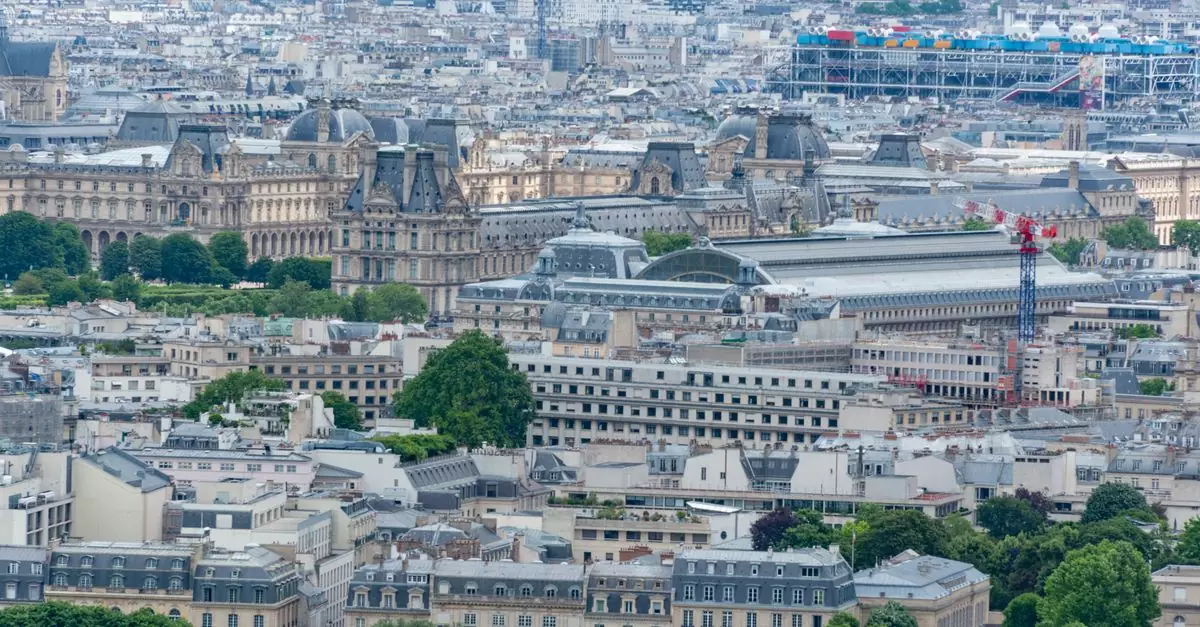
France offers a wealth of captivating cities that provide rich cultural experiences and memorable escapes. While Paris rightfully holds a special place in many travelers’ hearts, venturing beyond the capital reveals a diverse tapestry of destinations, each with its unique character and allure. These alternative French city breaks offer an intimate glimpse into regional life, world-class cuisine, and stunning historical architecture, often at a more relaxed pace and budget-friendly options.
Why Choose a French City Break Over Paris?
Opting for a French city break beyond Paris presents an opportunity to experience the country’s regional diversity firsthand. Cities like Lyon, Bordeaux, and Marseille showcase distinct identities shaped by their history, geography, and local traditions. You can immerse yourself in the heart of wine country, explore ancient Roman ruins, or savor seafood along the Mediterranean coast. These destinations often provide a more authentic feel, allowing for deeper connections with local culture and a chance to escape the overwhelming crowds found in popular Parisian attractions. Furthermore, transportation between these cities is generally efficient, and accommodation options can offer better value, making them an attractive choice for travelers seeking a balanced and enriching French adventure.
Unveiling the Charm of Lyon: Gastronomy and History
Lyon, situated at the confluence of the Rhône and Saône rivers, is a UNESCO World Heritage site celebrated as France’s gastronomic capital. Its historical heart, Vieux Lyon, is a labyrinth of cobblestone streets lined with Renaissance-era buildings. Here, you can wander through traboules, hidden passageways that once served silk merchants. The city boasts an impressive array of Michelin-starred restaurants, but don’t miss the chance to dine in a traditional bouchon, offering hearty Lyonnaise cuisine.
Getting to Lyon is straightforward, with high-speed TGV trains connecting it to Paris in just under two hours. The city center is highly walkable, and its efficient public transport system, including trams and metros, makes navigating easy. For those interested in history and food, Lyon offers an unparalleled experience, balancing its culinary fame with significant historical landmarks and a vibrant modern culture.
Bordeaux: Wine, Architecture, and Riverside Romance
Bordeaux, the capital of the world-renowned wine region, captivates visitors with its elegant 18th-century architecture and picturesque setting along the Garonne River. The city center, largely pedestrianized, invites leisurely strolls past grand stone facades and the iconic Miroir d’eau (Water Mirror). Beyond its architectural splendor, Bordeaux is the gateway to numerous vineyards, offering opportunities for wine tasting tours and vineyard visits.
Travelers can reach Bordeaux easily via TGV from Paris in around two hours. Once there, the city is exceptionally walkable, and a modern tram system provides convenient access to different districts. A boat trip on the Garonne offers a unique perspective of the city’s riverside beauty. Bordeaux provides a sophisticated yet relaxed urban experience, blending its rich viticultural heritage with a thriving cultural scene and stunning urban planning.
Exploring the Artistic Soul of Provence: Avignon & Aix-en-Provence

When seeking the best city breaks in France beyond the capital, the sun-drenched region of Provence beckons with its rich history and vibrant artistic heritage. Avignon and Aix-en-Provence offer distinct yet complementary experiences, each showcasing the unique charm of southern France. These cities provide a more relaxed pace than Paris, allowing for deeper immersion in local culture and stunning Provençal landscapes.
Avignon: Papal Palace and Pont d’Avignon
Avignon is defined by its monumental Palais des Papes, a UNESCO World Heritage site that served as the seat of the Catholic Church in the 14th century. Wandering through its vast halls and ramparts offers a tangible connection to a significant chapter of European history. Equally iconic is the Pont d’Avignon, or Pont Saint-Bénézet, a medieval bridge that famously stops mid-river, inspiring the beloved children’s song.
Beyond these landmarks, Avignon’s historic center is a delight to explore on foot. Cobblestone streets wind past charming squares, artisan boutiques, and traditional Provençal restaurants. The city is also a hub for performing arts, particularly during the renowned Festival d’Avignon in July, which transforms the city into a lively stage. Getting around Avignon is straightforward, with most attractions within walking distance of each other. The TGV station provides excellent connections to other major French cities.
Aix-en-Provence: Cézanne’s Inspiration and Cours Mirabeau
Aix-en-Provence, the birthplace of post-Impressionist painter Paul Cézanne, exudes an elegant atmosphere. The city’s tree-lined Cours Mirabeau, with its fountains and bustling cafés, serves as its vibrant artery. Here, you can savor a coffee and soak in the sophisticated ambiance that inspired Cézanne’s life and work. Visitors can trace his footsteps by visiting his studio, now a museum.
Aix-en-Provence is also known for its vibrant markets, particularly the daily flower and produce market in Place Richelme and the lively Saturday market. The city’s numerous fountains, each with its own character and history, enhance its picturesque appeal. Unlike Avignon’s grand historical narrative, Aix offers a gentler, more artistic immersion. Its compact center is highly walkable, making it easy to discover its hidden courtyards and elegant architecture.
Best Time to Visit Provence for City Breaks
The shoulder seasons offer a delightful balance for experiencing Avignon and Aix-en-Provence. Spring (April to June) brings blooming flowers and pleasant temperatures, ideal for walking and outdoor dining. Autumn (September to October) provides crisp air, harvest colors, and fewer crowds than the peak summer months.
Summer (July and August) is the warmest and busiest period, especially during the Festival d’Avignon in July. While lively, expect higher prices and larger crowds. Winter (November to March) is quieter, with cooler weather, but many attractions remain open, offering a more tranquil experience.
| Season | Avg. Temperature (°C) | Crowds | Best For |
|---|---|---|---|
| Spring | 15-22 | Moderate | Sightseeing, outdoor markets, pleasant walks |
| Summer | 25-30 | High | Festivals, lively atmosphere, beach access |
| Autumn | 18-25 | Moderate | Harvest season, cultural events, mild weather |
| Winter | 8-15 | Low | Quiet exploration, festive markets |
Coastal Charms: Nice and the French Riviera’s Chic Cities
The French Riviera, or Côte d’Azur, offers a sun-drenched alternative to the urban pulse of Paris, presenting a collection of sophisticated coastal cities perfect for a European city break. This glamorous stretch of coastline balances natural beauty with vibrant city life, making it a compelling choice for travelers seeking both relaxation and cultural immersion. From the iconic Promenade des Anglais to the allure of nearby principality, the Riviera promises an unforgettable escape.
Nice: Promenade des Anglais and Old Town Delights
Nice, the unofficial capital of the French Riviera, immediately captivates with its azure waters and palm-lined promenades. The famous Promenade des Anglais is more than just a walkway; it’s a social hub, perfect for a leisurely stroll, people-watching, or soaking in the Mediterranean sun. Beyond the beachfront, the Vieux Nice (Old Town) beckons with its narrow, winding streets, colorful buildings, and lively markets. Here, you can discover hidden squares, charming boutiques, and the vibrant Cours Saleya flower and produce market.
Getting around Nice is straightforward. The tram system is efficient and connects key areas, while the Old Town is best explored on foot. For those arriving by air, Nice Côte d’Azur Airport (NCE) is well-connected, and airport buses or taxis provide easy access to the city center. Accommodation ranges from luxurious seaside hotels to charming boutique guesthouses tucked away in the Old Town, catering to various budgets.
Exploring the Glamour of Cannes and Monaco Day Trips
The allure of the French Riviera extends beyond Nice, with world-renowned destinations just a short journey away. Cannes, famous for its annual film festival, offers a taste of high-end glamour. Stroll along the Boulevard de la Croisette, lined with designer boutiques and sandy beaches, or explore the historic Le Suquet district for panoramic views.
A day trip to the Principality of Monaco is another essential Riviera experience. Witness the changing of the guard at the Prince’s Palace, visit the Oceanographic Museum, or try your luck at the legendary Monte Carlo Casino. The journey from Nice to both Cannes and Monaco is easily managed via regional trains, offering scenic coastal views. These excursions provide a glimpse into the opulent lifestyle and unique charm that defines this celebrated region.
| Destination | Travel Time from Nice (Train) | Key Attractions | Vibe |
|---|---|---|---|
| Cannes | Approx. 40 minutes | La Croisette, Palais des Festivals, Le Suquet | Glamorous, cinematic |
| Monaco | Approx. 25 minutes | Prince’s Palace, Monte Carlo Casino, Oceanographic Museum | Opulent, sovereign |
Culinary Adventures in Nice: Socca and Niçoise Salads
The cuisine of Nice is a significant draw, reflecting the region’s Mediterranean influences and fresh, local ingredients. A must-try is socca, a savory chickpea flour pancake cooked in a wood-fired oven, often enjoyed as a street food snack. The iconic Salade Niçoise, featuring fresh tuna, olives, tomatoes, eggs, and anchovies, showcases the vibrant flavors of the region.
Exploring the local food scene is integral to any visit. Beyond the famous dishes, discover markets brimming with regional produce, artisanal cheeses, and local wines. Restaurants in the Old Town offer authentic experiences, from casual bistros serving traditional Provençal fare to more refined dining establishments. For those interested in understanding European culinary traditions further, exploring other regional French cuisines can offer a broader perspective.
Northern France’s Historic Treasures: Lille and Rouen
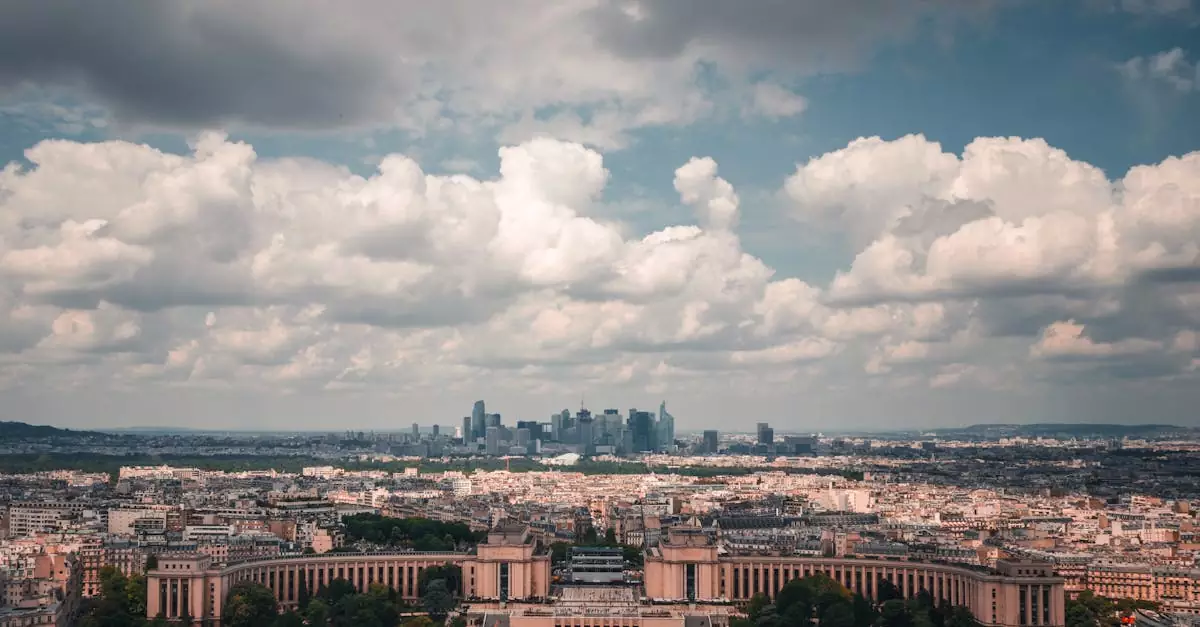
When seeking the best city breaks in France beyond the obvious Parisian allure, consider the rich history and distinct charm of northern France. Lille and Rouen offer a compelling blend of architectural grandeur, vibrant local life, and significant historical narratives, providing a different perspective on French culture. These cities are easily accessible and offer a more intimate travel experience than their larger counterparts.
Lille: Flemish Architecture and Vibrant Markets
Lille, situated close to the Belgian border, showcases a strong Flemish influence in its architecture, particularly in the Grand Place and Rue de la Monnaie. Colorful gabled houses and ornate facades create a picturesque urban landscape. The city is a hub for art and culture, boasting the Palais des Beaux-Arts, one of France’s largest art museums.
A visit to Lille wouldn’t be complete without experiencing its lively markets. The Marché de Wazemmes, one of the largest in Europe, is a sensory delight, offering everything from fresh produce and local cheeses to clothing and antiques. It’s a fantastic place to soak in the local atmosphere and sample regional specialties. Lille is also known for its excellent shopping, from high-end boutiques to independent craft stores.
Rouen: Joan of Arc’s Legacy and Gothic Cathedrals
Rouen, the capital of Normandy, is steeped in history, most famously as the site of Joan of Arc’s martyrdom. Her story resonates throughout the city, with the modern Joan of Arc Church standing on the very spot where she was burned at the stake. The city’s skyline is dominated by the magnificent Rouen Cathedral, a masterpiece of Gothic architecture that inspired Claude Monet’s famous series of paintings.
Wandering through Rouen’s medieval streets, with their half-timbered houses and cobblestone lanes, feels like stepping back in time. The Gros-Horloge, a 14th-century astronomical clock tower, is another iconic landmark. Rouen offers a deep dive into French history, with museums and historical sites that bring the past to life, making it a significant stop for those interested in medieval France.
Getting Around Lille and Rouen: Public Transport Options
Both Lille and Rouen are well-equipped with public transportation systems, making it easy to navigate between key attractions. Lille features an efficient metro system, one of the first automated metros in the world, along with an extensive tram network and bus routes. This comprehensive network makes getting around Lille straightforward and time-efficient, covering most of the city and its outskirts.
In Rouen, public transport primarily consists of buses and trams. The tramway system is particularly useful for connecting major points of interest. Walking is also highly recommended in both cities, especially in their historic centers, as many streets are pedestrian-friendly and best appreciated on foot. Consider purchasing day passes or multi-journey tickets if you plan on using public transport frequently.
| City | Primary Public Transport | Walkability | Notes |
|---|---|---|---|
| Lille | Metro, Tram, Bus | High | Extensive network, good for reaching suburbs |
| Rouen | Tram, Bus | Very High | Historic center best explored on foot |
For travelers interested in exploring more of Northern Europe, Lille’s strategic location offers easy connections to Belgium and the Netherlands. The train station in Lille is a major hub for international rail travel.
What to Pack for Your French City Break Adventure?
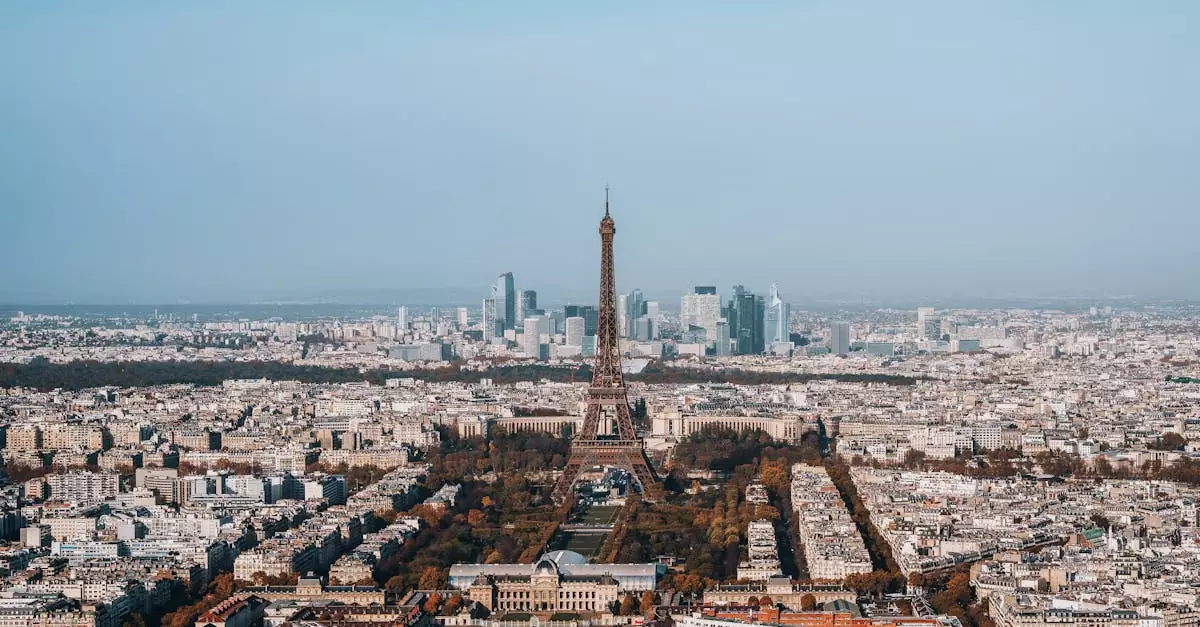
Packing efficiently for a French city break means balancing style with practicality, especially when venturing beyond the iconic streets of Paris. Understanding the local climate and your planned activities will guide your choices, ensuring you’re prepared for everything from leisurely museum visits to spontaneous evening strolls.
Essential Clothing for Different Seasons
The weather across France can vary significantly, so checking your destination’s forecast closer to your departure date is crucial. For spring and autumn, layering is key. Think comfortable walking shoes, a light to medium-weight jacket, scarves, and versatile trousers or skirts. You’ll want pieces that can transition from a brisk morning to a mild afternoon.
Summer city breaks call for lighter attire. Breathable fabrics like cotton and linen are your best friends. Pack shorts, t-shirts, sundresses, and a hat for sun protection. Evenings can sometimes bring a slight chill, so a light cardigan or denim jacket is advisable.
Winter in French cities often means cooler temperatures and potential rain. Prioritize warmth with a well-insulated, waterproof coat, sweaters, thermal layers, and a hat, gloves, and scarf set. Comfortable, waterproof footwear is essential to keep your feet dry and warm during extensive sightseeing.
Must-Have Accessories for Urban Exploration
Comfortable footwear is paramount for any French city break. You’ll likely be doing a lot of walking, so opt for supportive walking shoes, stylish sneakers, or ankle boots that have been broken in. A crossbody bag or a secure backpack is recommended for keeping your belongings safe and accessible while navigating crowded areas or public transport.
Don’t forget a reusable water bottle to stay hydrated, especially during warmer months. A small umbrella is a wise addition year-round, as sudden showers can occur. Consider a portable phone charger to ensure you don’t run out of battery while navigating or capturing memories.
Adapters and Electronics for Travelers
France uses Type E electrical outlets, operating at 230V and 50Hz. Ensure you pack the correct adapter for your electronics, whether it’s for charging your phone, camera, or laptop. Most modern electronics are dual-voltage, but it’s always wise to check the small print on your devices.
Bringing a universal travel adapter can simplify things if you plan to visit multiple European countries. Consider downloading offline maps of your chosen city onto your smartphone before you leave, which can be a lifesaver if Wi-Fi is spotty or you want to conserve mobile data. For digital nomads or those who need to stay connected, a portable Wi-Fi hotspot might also be a worthwhile consideration.
Frequently Asked Questions About French City Breaks
What is the most affordable city break in France?
When considering the most affordable city breaks in France, cities outside of Paris often offer better value. Lille, in the Hauts-de-France region, provides a charming experience with more budget-friendly accommodation and dining options compared to the capital. Lyon also presents a good balance, especially if you seek excellent food without the premium prices of Paris.
For a truly budget-conscious trip, consider cities in regions like Nouvelle-Aquitaine or Occitanie. Bordeaux, while renowned for its wine, can be explored affordably by focusing on its architecture and riverside walks, with many guesthouses offering reasonable rates.
Is it easy to travel between French cities?
Yes, traveling between French cities is generally very easy thanks to an excellent public transportation network. The TGV (Train à Grande Vitesse) high-speed rail system connects major cities efficiently, making day trips or multi-city itineraries straightforward.
Regional trains (TER) serve smaller towns and connect to the TGV lines. For example, a trip from Paris to Lyon takes around two hours by TGV, while traveling from Lyon to Avignon is also a quick and convenient journey. Booking train tickets in advance, especially for the TGV, can secure better prices and ensure availability.
Which French city is best for couples on a short break?
For couples seeking a romantic short break, Annecy stands out. Known as the “Venice of the Alps,” its canals, picturesque Old Town, and stunning lake offer a fairytale setting. The town is compact and walkable, making it ideal for leisurely strolls hand-in-hand.
Another excellent choice is Strasbourg in Alsace. Its unique blend of French and German culture, charming half-timbered houses, and boat tours along the Ill River create an enchanting atmosphere. The city is particularly magical during the Christmas market season.
Are French city breaks safe for solo female travelers?
French cities are generally very safe for solo female travelers. Like any urban environment, it’s wise to exercise common sense precautions, such as being aware of your surroundings, especially in crowded tourist areas or at night.
Major cities like Paris, Lyon, and Bordeaux have well-lit main streets and public transport systems that are generally safe. Smaller cities and towns, such as Aix-en-Provence or Colmar, often feel even more secure due to their intimate size and friendly local atmosphere. Staying in well-reviewed accommodations in central, well-populated areas is always a good strategy for solo travelers.