Embarking on one of the best scenic drives in Italy promises an unforgettable journey through diverse and breathtaking landscapes. From the dramatic cliffs of the Amalfi Coast to the rolling vineyards of Tuscany and the majestic peaks of the Dolomites, Italy offers a unique road trip experience. This guide will equip you with the knowledge to plan your perfect Italian adventure, covering everything from choosing the ideal route and understanding rental car options to navigating local roads and discovering hidden culinary gems. You’ll learn about the distinct charm of each region, practical driving tips, and essential stops that will enhance your journey. Get ready to explore the heart of Italy, one winding road at a time.
Top 5 Most Breathtaking Scenic Drives in Italy
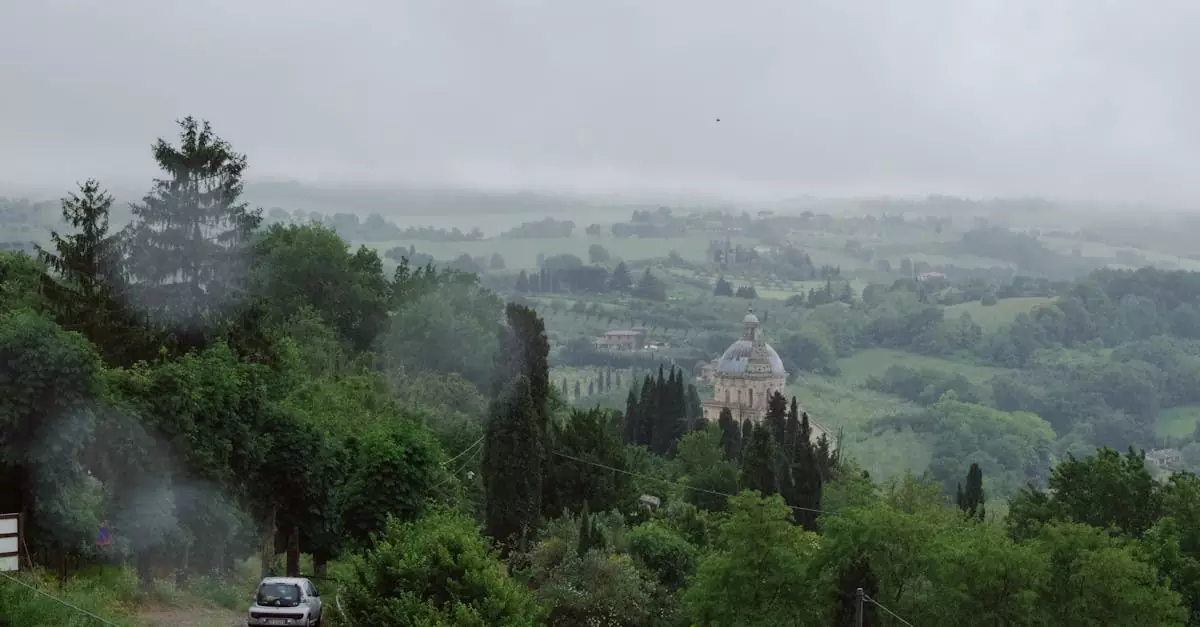
Italy’s varied landscapes offer some of the most rewarding driving experiences in Europe. From dramatic coastlines to rolling vineyards and majestic mountains, these routes promise unforgettable journeys for road trip enthusiasts. Planning your Italian road trip involves selecting the right scenery and timing your visit for each region.
Amalfi Coast: The Divine Road (SS163)
The Amalfi Coast’s SS163, often called the “Divine Road,” is famous for its dramatic cliffs plunging into the turquoise Tyrrhenian Sea. This narrow, winding road connects picturesque towns like Positano, Amalfi, and Ravello, each offering stunning vistas and charming historical centers. Driving here requires focus due to sharp turns and limited space, especially during peak season.
Practicalities:
- Best Time to Visit: Spring (April-May) and Fall (September-October) provide pleasant weather and fewer crowds.
- Transportation: Renting a compact car is advisable. Public buses are an option, but they offer less flexibility.
- Accommodation: Book stays in towns like Sorrento or Salerno for easier access, or immerse yourself directly in Amalfi Coast villages.
- Budget: Expect higher prices for accommodations and dining, particularly in popular towns.
Tuscany’s Rolling Hills: Chianti Wine Route (SR222)
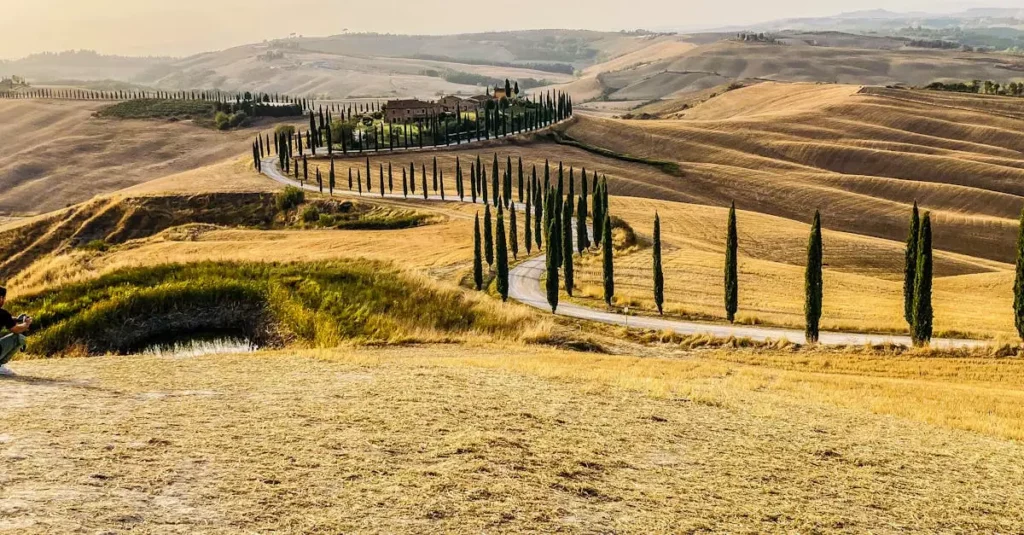
The SR222, or Chianti Road, winds through the heart of Tuscany, renowned for its cypress-lined avenues, medieval villages, and extensive vineyards. This route is a must for wine lovers, passing through towns like Greve in Chianti, Castellina in Chianti, and Radda in Chianti. It’s a more relaxed drive, perfect for leisurely stops at wineries and trattorias.
Highlights:
- Wineries: Numerous opportunities for wine tasting and vineyard tours.
- Villages: Explore charming historical centers and savor local cuisine.
- Scenery: Iconic Tuscan landscapes of rolling hills, olive groves, and vineyards.
This drive is a quintessential Italian experience, offering a taste of the region’s rich culture and gastronomy. Consider visiting during harvest season (September-October) for a vibrant atmosphere.
Dolomites: Great Dolomite Road (Strada Dolomitica)
The Great Dolomite Road (Strada Dolomitica) traverses the Italian Alps, providing breathtaking mountain scenery. This route connects Cortina d’Ampezzo with Bolzano, passing through dramatic peaks, alpine meadows, and charming mountain villages. It’s a spectacular drive, especially for those who appreciate rugged natural beauty and outdoor activities.
Driving Tips:
- Seasonality: Best driven from late May to early October, as mountain passes may close due to snow outside these months.
- Road Conditions: Roads are generally well-maintained but can be steep and winding.
- Activities: Hiking, photography, and enjoying mountain air are primary draws.
The sheer scale of the Dolomites offers a dramatic contrast to the coastal and rural drives in other parts of Italy.
Lake Como’s Lakeside Loop: Via Regina
The Via Regina provides a beautiful way to experience Lake Como, tracing its western shore from Como town northwards. This road offers stunning views of the lake, elegant villas, and lush gardens. While not a single continuous highway, sections of it provide a delightful driving experience, allowing access to charming lakeside villages like Bellagio and Varenna.
Key Towns to Visit:
- Bellagio: Known as the “Pearl of Lake Como.”
- Varenna: A picturesque fishing village with colorful houses.
- Como: The main city at the southern end of the lake.
The Via Regina is best enjoyed at a moderate pace, with frequent stops to admire the scenery and explore the lakeside towns.
Puglia’s Trulli Countryside: Valle d’Itria
The Valle d’Itria in Puglia is known for its unique trulli—traditional dry-stone huts with conical roofs. Driving through this region reveals a distinct architectural heritage set against a backdrop of olive groves and vineyards. Towns like Alberobello (a UNESCO World Heritage site), Locorotondo, and Cisternino are central to this scenic drive.
Traveler Insights:
- Unique Architecture: The trulli are a significant draw, offering unique photo opportunities.
- Local Flavors: Puglia is celebrated for its excellent cuisine, including olive oil, wine, and fresh produce.
- Pace: This region is ideal for slow travel, allowing time to soak in the atmosphere and discover hidden gems.
This drive offers a different, rustic Italian charm compared to the more famous coastal or mountain routes, making it a compelling choice for those seeking unique landscapes and cultural immersion.
Planning Your Italian Scenic Drive Itinerary
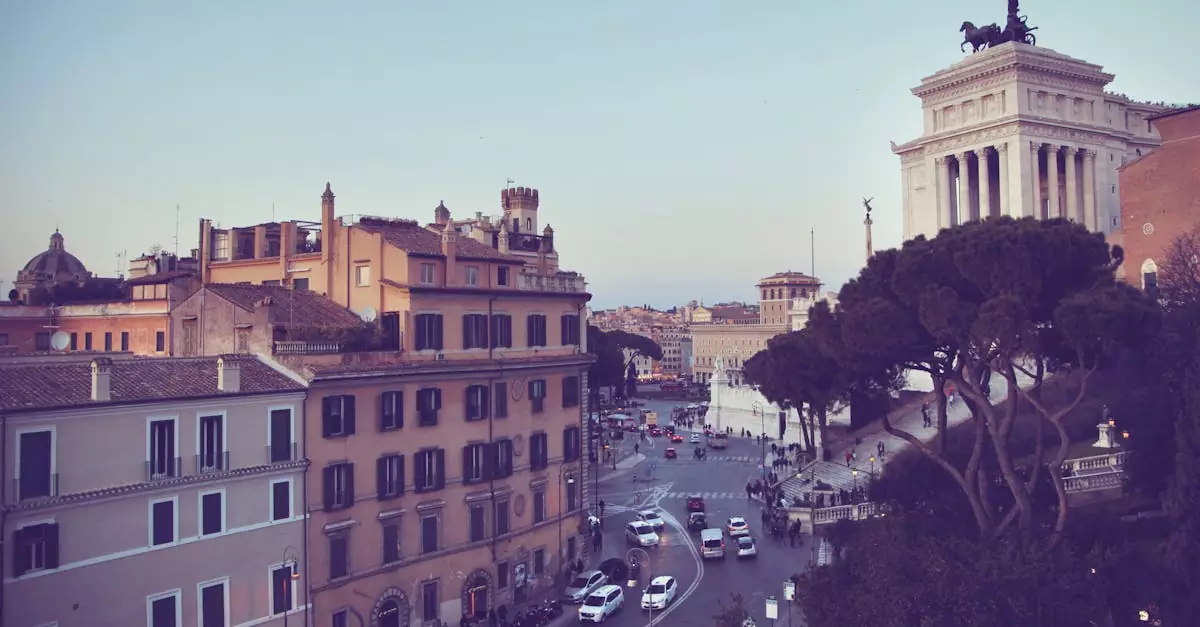
Embarking on one of the best scenic drives in Italy requires thoughtful planning to maximize your experience. Considering the vast diversity of landscapes, from alpine peaks to coastal cliffs, a well-structured itinerary ensures you capture the essence of Italy’s driving routes. This section offers practical advice for crafting a memorable road trip across this beautiful country.
Choosing Your Route: North vs. South Italy Drives
Italy’s varied geography presents distinct driving experiences depending on whether you choose the north or the south. Northern Italy offers dramatic mountain passes in the Dolomites and picturesque lakeside roads, such as those around Lake Como and Lake Garda. These routes often involve winding roads and require careful navigation, especially in winter.
Conversely, Southern Italy boasts dramatic coastal highways like the Amalfi Coast and rugged interior landscapes in regions like Puglia and Sicily. These drives often feature stunning sea views and charming hilltop towns. Consider your comfort level with narrow, cliff-hugging roads when deciding between the two.
| Region | Scenery Highlights | Road Type | Best For |
|---|---|---|---|
| North | Dolomites, Alpine Lakes (Como, Garda), Vineyards | Mountain passes, lakeside roads, some autostrada | Mountain lovers, wine enthusiasts, cooler climates |
| South | Amalfi Coast, Puglia coastline, Sicilian coasts, hills | Coastal highways, winding country lanes, some autostrada | Coastal scenery, ancient history, warmer weather |
Duration: How Many Days for Each Scenic Drive?
The time needed for an Italian road trip varies significantly based on your chosen route and pace. A short, focused drive, such as a loop through Tuscany, might be accomplished in 3–4 days. However, to truly appreciate the landscapes and stop at various villages, a week is more realistic.
For longer, more ambitious journeys, like combining the Dolomites with a section of the Adriatic coast or exploring Sicily extensively, allocate at least 10–14 days. This allows for spontaneous detours and a more relaxed pace. Remember to factor in travel time between major points and potential delays.
Best Time of Year for Italy’s Scenic Drives
The ideal season for driving in Italy depends on your destination and preferences. Spring (April to June) and autumn (September to October) are generally considered the best times for most scenic drives. During these periods, the weather is pleasant, crowds are thinner than in peak summer, and the landscapes are vibrant with blooming flowers or autumn foliage.
Summer (July to August) can be very hot, especially in the south, and popular routes like the Amalfi Coast become extremely congested. However, it’s the best time for beach access and lively coastal towns. Winter (November to March) can bring snow to the northern mountain passes, making some routes impassable. Coastal areas in the south are milder but can experience rain.
Essential Stops: Villages and Viewpoints Along the Way
No scenic drive in Italy is complete without experiencing its charming villages and breathtaking viewpoints. For instance, along the Amalfi Coast, don’t miss Positano’s colorful houses cascading down to the sea or Ravello’s serene gardens offering panoramic vistas.
In Tuscany, smaller towns like San Gimignano with its medieval towers or Pienza, a UNESCO World Heritage site renowned for its Renaissance architecture, provide unforgettable stops. When driving through the Dolomites, seek out viewpoints like Tre Cime di Lavaredo or Seceda for unparalleled mountain scenery. Always be on the lookout for official “Belvedere” signs indicating scenic overlooks.
Renting the Perfect Car for Italy’s Roads
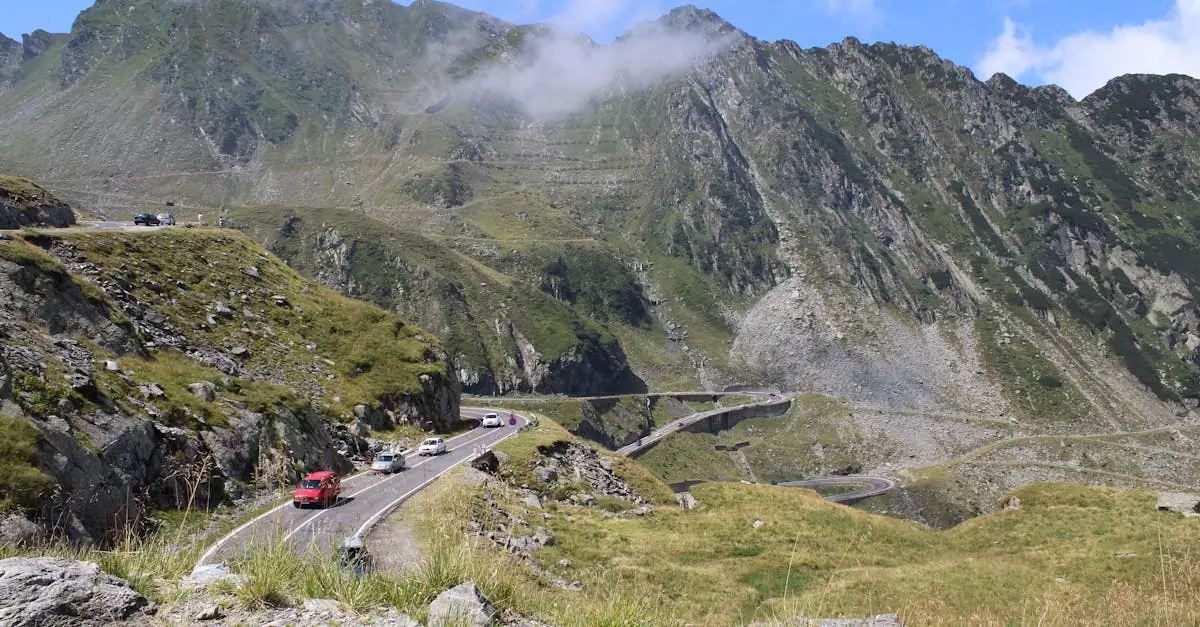
Embarking on one of the best scenic drives in Italy requires careful consideration of your vehicle. The right car can transform a challenging drive into a joyful exploration, while the wrong one might lead to frustration. Planning ahead for your rental, understanding local driving nuances, and being aware of road regulations are essential for a smooth Italian road trip.
Small Car vs. SUV: Navigating Narrow Italian Streets
When choosing a rental car for your Italian adventure, size is crucial. Many Italian towns and villages feature incredibly narrow streets, some dating back centuries. Driving a large SUV or even a mid-size sedan through these ancient cobblestone lanes can be nerve-wracking, often leading to scraped bumpers or tense moments with oncoming traffic.
A compact car, or even a sub-compact, is usually the most practical choice for navigating these tight spaces. These smaller vehicles offer greater maneuverability, making it easier to squeeze through narrow alleyways and find parking. They are also generally more fuel-efficient, which can be a significant advantage on longer scenic drives. While an SUV might provide a commanding view and more cargo space, its bulk can be a serious impediment in historic centers and on some winding coastal roads where space is limited.
Automatic vs. Manual Transmission: What to Expect
Most rental cars available in Italy are manual transmission. If you’re not comfortable driving a stick shift, it’s crucial to specifically request an automatic. These vehicles are less common and tend to be more expensive. Booking well in advance is highly recommended if an automatic is essential for your trip.
Driving a manual in Italy, especially on the hilly terrain of regions like Tuscany or the Amalfi Coast, requires a good understanding of clutch control. Be prepared for frequent gear changes on winding roads and steep inclines. If you’re accustomed to an automatic, practicing on a manual before your trip, or opting for an automatic despite the higher cost, can help prevent unnecessary stress during your scenic drive.
International Driving Permits (IDP) and Italian Road Rules
Before you get behind the wheel, ensure you have the necessary documentation. Drivers from outside the European Union typically need an International Driving Permit (IDP) in addition to their valid home country driver’s license to legally drive in Italy. An IDP is essentially a translation of your license into multiple languages, making it easier for local authorities to understand.
Beyond the permit, familiarize yourself with key Italian road rules. Speed limits vary by road type and are strictly enforced. Pay close attention to signage, as many areas have lower speed limits than you might expect. Seatbelt use is mandatory for all occupants. Furthermore, be aware of “right of way” rules, particularly at intersections where signage may be minimal. Understanding these basics will help you avoid fines and ensure a safer journey.
Understanding Tolls (Telepass) and ZTL Zones
Italy’s autostrada (motorway) system is excellent but includes tolls. Most tolls are collected via automated barriers where you can pay by cash or card. However, many Italians opt for a “Telepass” device, a small transponder that allows for automated toll collection and often faster passage through toll booths. While you can rent a Telepass device with your car, it’s an additional cost, and for shorter trips or infrequent motorway use, paying at the booth is perfectly fine.
A more significant concern for drivers are Zona a Traffico Limitato (ZTL) zones. These restricted traffic areas, typically found in the historic centers of cities and towns, are designed to reduce congestion and pollution. Entry into a ZTL without a permit is strictly prohibited and will result in hefty fines, often mailed to your rental car company and subsequently to you. ZTLs are usually clearly marked with a red and white circular sign. Always look for these signs and avoid entering restricted areas unless you have confirmed a valid permit, often provided by your hotel if it’s located within a ZTL. Navigating these zones requires vigilance to fully enjoy the best scenic drives Italy has to offer without incurring unexpected penalties.
Must-Try Local Foods and Culinary Stops on Your Drive
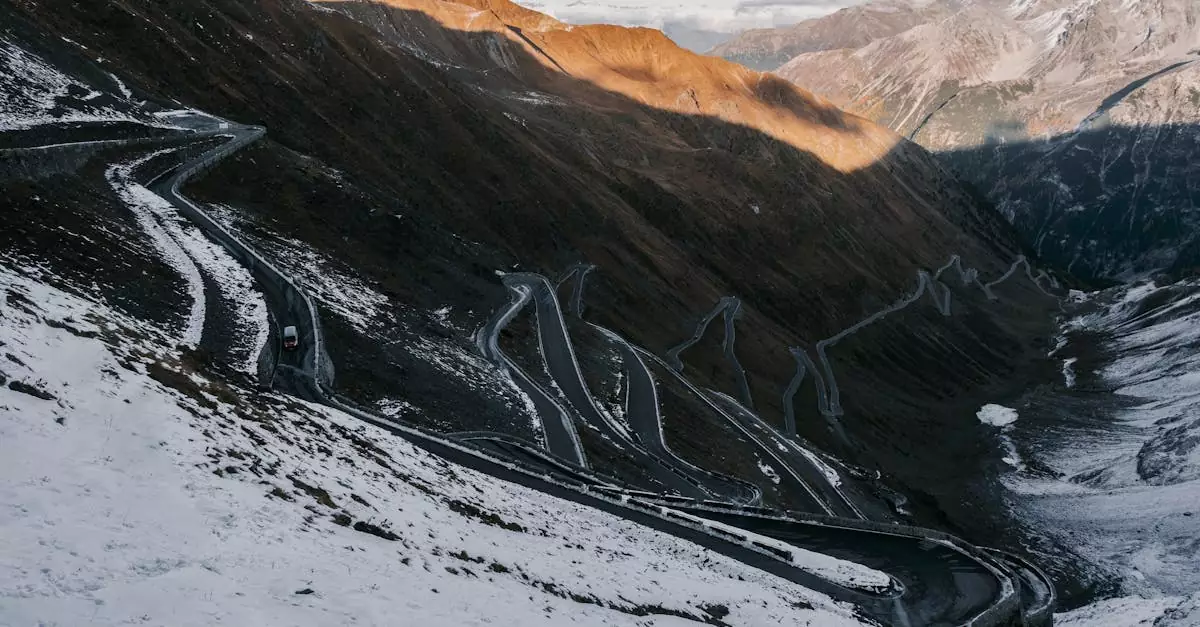
Italy’s scenic drives are as much about the journey as they are about the destination, and a significant part of that experience is the food. Each region boasts unique culinary traditions best savored right where they originate. Planning your road trip with these regional specialties in mind can elevate your adventure from simply beautiful to truly unforgettable.
Tuscan Delights: Pici Pasta and Bistecca alla Fiorentina
Driving through Tuscany offers a feast for the eyes and the palate. In the heart of this region, look for trattorias serving pici, a thick, hand-rolled spaghetti, often dressed with rich ragù or a simple garlic and chili sauce. A true highlight for meat lovers is Bistecca alla Fiorentina, a T-bone steak from Chianina cattle, grilled over coals and seasoned with salt and pepper. Enjoy it with a glass of local Chianti Classico. Many wineries along the Chianti wine route offer tastings that pair perfectly with regional charcuterie and cheeses.
Campania’s Coastal Flavors: Limoncello and Fresh Seafood
The Amalfi Coast and the region of Campania are synonymous with vibrant, fresh flavors. Along the winding coastal roads, seafood restaurants serve the catch of the day, prepared simply to highlight its natural taste. Don’t miss spaghetti alle vongole (spaghetti with clams) or grilled octopus. No visit to this area is complete without sampling Limoncello, a sweet and potent lemon liqueur produced from the region’s famous Sorrento lemons. Consider a stop in Sorrento or Positano to find artisanal producers.
Dolomite Mountain Cuisine: Canederli and Speck
Venturing into the Dolomite mountains, particularly in South Tyrol (Alto Adige), introduces a unique blend of Italian and Austrian influences. Here, hearty dishes are the norm. Canederli, or knödel, are bread dumplings often served in broth or with melted butter and cheese, making them a perfect warm-up after a mountain hike. Another staple is Speck, a dry-cured, lightly smoked ham that is a regional delicacy, often enjoyed with dark rye bread and local cheeses. Driving through valleys like Val Gardena or Alta Badia, you’ll find numerous mountain huts and inns offering these traditional meals.
Puglian Specialties: Orecchiette and Burrata
The heel of Italy, Puglia, offers a distinct culinary landscape characterized by simple, high-quality ingredients. The region is famous for Orecchiette pasta, meaning “little ears,” typically served with turnip greens (cime di rapa). Another must-try is Burrata, a fresh mozzarella cheese filled with cream and stracciatella, often served with ripe tomatoes and basil. Puglia’s scenic drives often pass through olive groves and vineyards, providing opportunities to sample local olive oil and wines like Primitivo. Consider a detour to the Valle d’Itria to taste these specialties in their truest form.
Hidden Gems and Photography Spots on Italy’s Scenic Routes
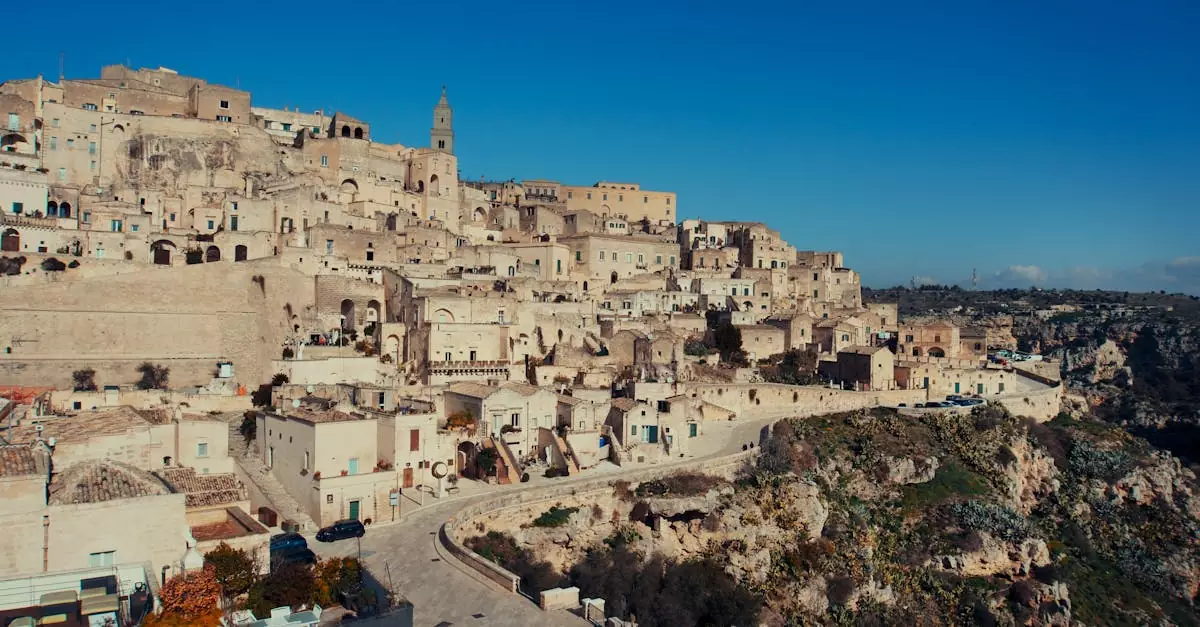
While the iconic vistas of Italy’s most famous drives are undeniably breathtaking, venturing slightly off the beaten path often reveals quieter, equally stunning landscapes and unique cultural experiences. These lesser-known spots offer fantastic photographic opportunities and a more intimate encounter with the Italian countryside.
Beyond Positano: Lesser-Known Amalfi Coast Villages
The Amalfi Coast is world-renowned, but its popularity can mean crowded viewpoints. Skip the busiest stretches and head to villages like Atrani or Furore. Atrani, a tiny fishing village just a short walk from Amalfi town, feels like stepping back in time with its narrow alleys and picturesque piazza. Furore boasts a dramatic fjord and a secluded beach, accessible via a scenic, albeit steep, path. These spots offer a more authentic glimpse into coastal life and fewer crowds for your photographs.
When planning your visit, consider traveling in the shoulder seasons of April-May or September-October. This avoids the peak summer heat and crowds, making exploration more enjoyable and securing better light for photography. Parking can be challenging in these smaller villages, so utilizing local SITA buses or even walking between nearby towns is often more practical.
Off-the-Beaten-Path Wineries in the Chianti Region
Tuscany’s Chianti region is synonymous with rolling hills and vineyards, but beyond the well-trodden paths between Florence and Siena lie numerous smaller, family-run wineries. Look for estates that don’t heavily advertise; these often offer more personal tasting experiences and a chance to connect with winemakers. Many are nestled down unpaved roads, adding to the adventure of discovering them.
Visiting these smaller wineries can be a highlight of any scenic drive through Tuscany. Booking tastings in advance is always recommended, as many operate by appointment only. This also allows you to communicate any specific interests, such as learning about organic winemaking or particular grape varietals.
Secret Alpine Lakes near the Great Dolomite Road
The Great Dolomite Road, or Strada delle Dolomiti, is a spectacular route through the Italian Alps, but its main attractions can be busy. For a truly serene experience and incredible photo opportunities, seek out some of the smaller alpine lakes that dot the surrounding valleys. Lago di Braies (Pragser Wildsee) is famous, but consider its less-visited neighbors. Lago di Carezza (Karersee) is known for its vibrant colors and mystical legends, while smaller, unnamed tarns can be found with a bit of hiking off the main road.
These alpine lakes are best visited during late spring or early autumn when the crowds are thinner and the natural light is softer. The reflections of the jagged Dolomite peaks on the still water create magical scenes, especially during sunrise or sunset. Be prepared for cooler temperatures even in summer, and pack layers of clothing.
Baroque Towns of Southern Puglia: Lecce’s Charm
While the coastal drives of Puglia are stunning, the inland Baroque towns offer a different kind of beauty. Lecce, often called the “Florence of the South,” is a masterpiece of golden-hued Baroque architecture. Its intricate churches and palazzi are a photographer’s dream, especially when illuminated at night. Beyond Lecce, explore smaller towns like Nardò and Galatina, which boast their own unique Baroque treasures and a more relaxed atmosphere.
Driving through Puglia, you’ll notice a distinct architectural style that feels less grand than its northern counterparts but equally captivating. The local pietra leccese stone gives buildings a warm, honeyed appearance. Exploring these towns on foot is the best way to discover hidden courtyards and intricate facades.
Frequently Asked Questions About Scenic Drives in Italy
What is the most famous scenic drive in Italy?
While “most famous” can be subjective, the Amalfi Coast road (Strada Statale 163 Amalfitana) is arguably Italy’s most iconic scenic drive. It winds along dramatic cliffs overlooking the Tyrrhenian Sea, connecting picturesque towns like Positano, Amalfi, and Ravello. Its breathtaking views and vibrant coastal villages draw visitors from around the globe. Other highly celebrated routes include the Great Dolomite Road in the Alps and the Via Cassia through Tuscany.
Are Italy’s scenic drives suitable for families?
Many scenic drives in Italy can be family-friendly, but suitability depends on the specific route and your children’s ages. The Amalfi Coast, for instance, can be challenging with very young children due to narrow, winding roads and limited parking. However, the drive can be rewarding with frequent stops for gelato and beach time. Routes through regions like Tuscany, with rolling hills and charming medieval towns, often offer more relaxed pacing and activities like visiting farms or exploring castles.
Consider these factors for family road trips:
- Road Conditions: Steep inclines, sharp turns, and narrow passages require attentive driving.
- Travel Time: Break up long drives with frequent stops to prevent restlessness.
- Activities: Plan stops with kid-friendly attractions like beaches, parks, or historical sites.
- Accommodation: Look for family-friendly hotels or agriturismos with amenities for children.
How much does a scenic road trip in Italy cost?
The cost of a scenic road trip in Italy varies significantly based on your travel style, duration, and chosen regions. Budget travelers can expect to spend around €70-€100 per person per day, covering basic accommodations, modest meals, and fuel. Mid-range travelers might budget €150-€250 per person daily for more comfortable hotels, varied dining, and some paid attractions. Luxury travelers could spend upwards of €300+ per person per day.
Key cost components include:
- Car Rental: Prices fluctuate based on car size, rental duration, and season. Expect €30-€70+ per day.
- Fuel: Italy’s fuel prices are among the highest in Europe.
- Tolls: Many autostrade (highways) have tolls, which can add up on longer routes.
- Accommodation: Options range from budget hostels and B&Bs to luxury hotels and villas.
- Food: Eating at local trattorias and markets is more affordable than fine dining.
- Activities: Entrance fees for attractions and tours can impact your budget.
What are common tourist mistakes to avoid on Italian road trips?
Avoiding common pitfalls can make your Italian road trip smoother and more enjoyable. One frequent mistake is underestimating driving times due to narrow roads and traffic, especially in popular coastal areas. Another is not accounting for ZTLs (Zona a Traffico Limitato) in city centers, which restrict vehicle access and can result in hefty fines if entered without authorization.
Here are other common errors to steer clear of:
- Over-scheduling: Trying to cram too many destinations into a short period.
- Ignoring Local Driving Customs: Italian driving can be assertive; be prepared and drive defensively.
- Not Booking in Advance: Especially during peak season, car rentals and popular accommodations fill up quickly.
- Failing to Prepare for Parking: Parking in Italian towns, particularly historic centers, can be difficult and expensive. Research parking options beforehand.
- Underestimating Fuel Costs: Fuel prices are high, and stations can be spaced out in rural areas. Keep your tank topped up.
- Not Having an International Driving Permit (IDP): While not always strictly enforced for all nationalities, it’s advisable to have one, especially if your license isn’t in Italian or English. Many rental agencies may require it.