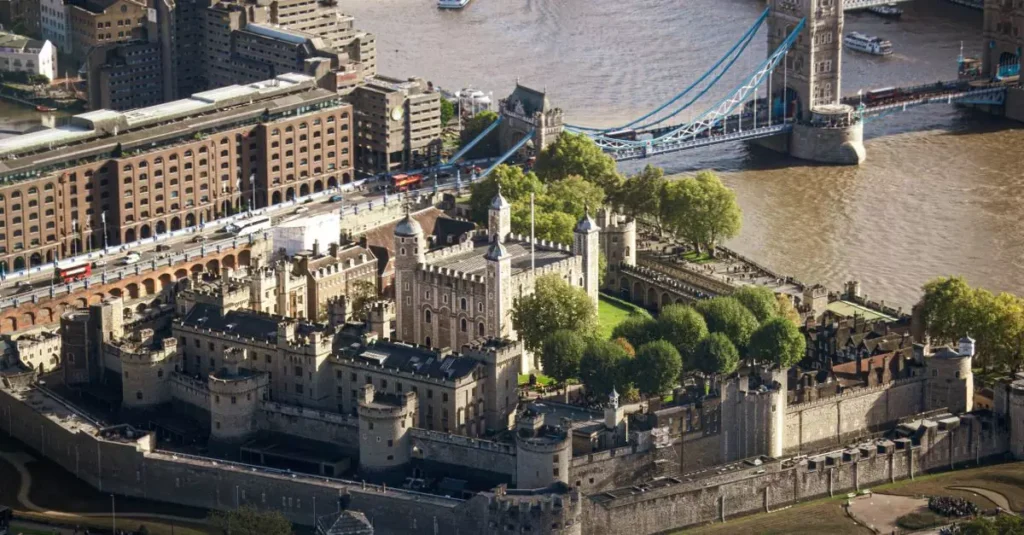
England’s landscape is rich with history, and its magnificent castles serve as enduring testaments to centuries of royal intrigue, medieval battles, and architectural grandeur. For history enthusiasts and curious travelers alike, exploring the best castles in England offers a captivating journey through the nation’s storied past. This guide will introduce you to some of the most enchanting fortresses, highlighting their unique features and providing practical tips for your visit. From ancient strongholds to elegant royal residences, prepare to step back in time and delve into the fascinating world of English castles.
Unveiling the Top 10 Best Castles in England for History Buffs
England’s landscape is dotted with stunning fortresses and stately homes, each whispering tales of centuries past. For those drawn to history, the search for the best castles in England offers a journey through royal intrigue, medieval battles, and enduring architectural marvels. Planning your visit involves understanding what each site has to offer, from living history experiences to serene gardens.
Windsor Castle: A Royal Residence Through the Ages
As the oldest and largest inhabited castle in the world, Windsor Castle stands as a testament to nearly a millennium of royal occupation. Located in Berkshire, it remains an official residence of the British monarch. Visitors can explore the State Apartments, St. George’s Chapel (the final resting place of ten monarchs), and the picturesque grounds.
Visitor Insights:
- Timing: Allow a full day to fully appreciate Windsor. Weekdays outside of school holidays are generally less crowded.
- Logistics: Easily accessible by train from London Waterloo or Paddington. Pre-booking tickets online is highly recommended to avoid queues.
- Budget: Ticket prices are comparable to major London attractions. Consider a combined ticket if also visiting other Royal Collection sites.
Warwick Castle: A Medieval Marvel with Jousting Spectacles
Warwick Castle in Warwickshire transports visitors back to the medieval era. This formidable fortress, once a strategic stronghold, now offers a vibrant historical experience. It’s renowned for its dramatic jousting tournaments, falconry displays, and immersive shows that bring its storied past to life.
What to See:
- The ramparts offer commanding views of the River Avon.
- The Great Hall and Kingmaker exhibition detail the castle’s military history.
- The Horrible Histories maze provides interactive fun for families.
Traveler Tip: Arrive early, especially during peak season, to secure good spots for live shows and avoid the longest queues for attractions like the dungeons.
Leeds Castle: The ‘Loveliest Castle in the World’ in Kent
Often described as the ‘loveliest castle in the world,’ Leeds Castle in Kent is set on islands within a picturesque lake. Its origins date back to the 11th century, and it has served as a royal palace, a home for nobility, and even a hospital. The castle’s elegant interiors and extensive gardens provide a serene escape.
Key Attractions:
- The beautifully furnished rooms within the castle.
- The formal gardens, including a maze and a grotto.
- The Bird of Prey Centre offers daily flying demonstrations.
Getting There: The nearest train station is Bearsted, with onward taxi or bus connections. Driving is also popular for those exploring the countryside of Kent.
Hever Castle: Anne Boleyn’s Childhood Home and Tudor Charm
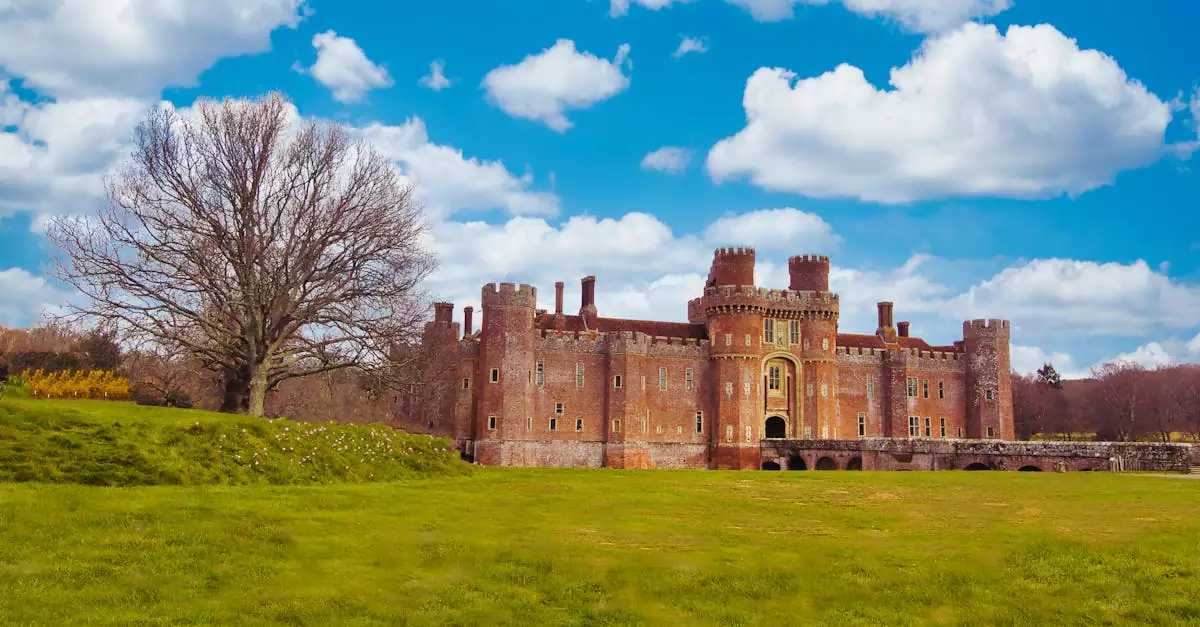
Hever Castle, nestled in Kent, holds a special place in history as the childhood home of Anne Boleyn, the second wife of Henry VIII. This moated castle boasts rich Tudor heritage, with interiors showcasing period furniture and artifacts. The magnificent gardens, featuring Italian, Rose, and Yew mazes, are a major draw.
Planning Your Visit:
- Best Time: Spring and summer offer the most vibrant garden displays.
- Activities: Beyond the castle and gardens, explore the adventure playground and the lake.
- Nearby: Combine a visit with other historical sites in the region, such as Chartwell, the former home of Winston Churchill.
Beyond the Famous: Exploring England’s Lesser-Known Castle Gems
While iconic fortresses like Windsor and the Tower of London often dominate discussions of English castles, a wealth of captivating yet lesser-known historical sites await discovery. These sites offer unique perspectives on England’s rich past, from medieval sieges to royal dramas. Venturing beyond the most famous landmarks reveals a deeper understanding of the country’s architectural heritage and the stories embedded within its ancient stones.
Bodiam Castle: The Iconic Moated Fortress in East Sussex
Bodiam Castle exemplifies a 14th-century moated fortress. Its striking appearance, with towers and battlements reflected in the surrounding water, makes it a photographer’s dream and a tangible link to medieval defensive architecture. Built by Sir Edward Dalyngrigge, a former knight of Edward III, the castle was designed more for show and comfort than for serious warfare, reflecting the changing priorities of late medieval nobility.
Visiting Bodiam offers a chance to walk the castle’s ramparts and explore its interior ruins. The National Trust maintains the site, ensuring its preservation for future generations. Access is straightforward, though checking their website for opening times and any special events is advisable. The surrounding countryside of East Sussex provides a beautiful backdrop, making it a pleasant day trip from London or Brighton.
Kenilworth Castle: Ruins and Romance in Warwickshire
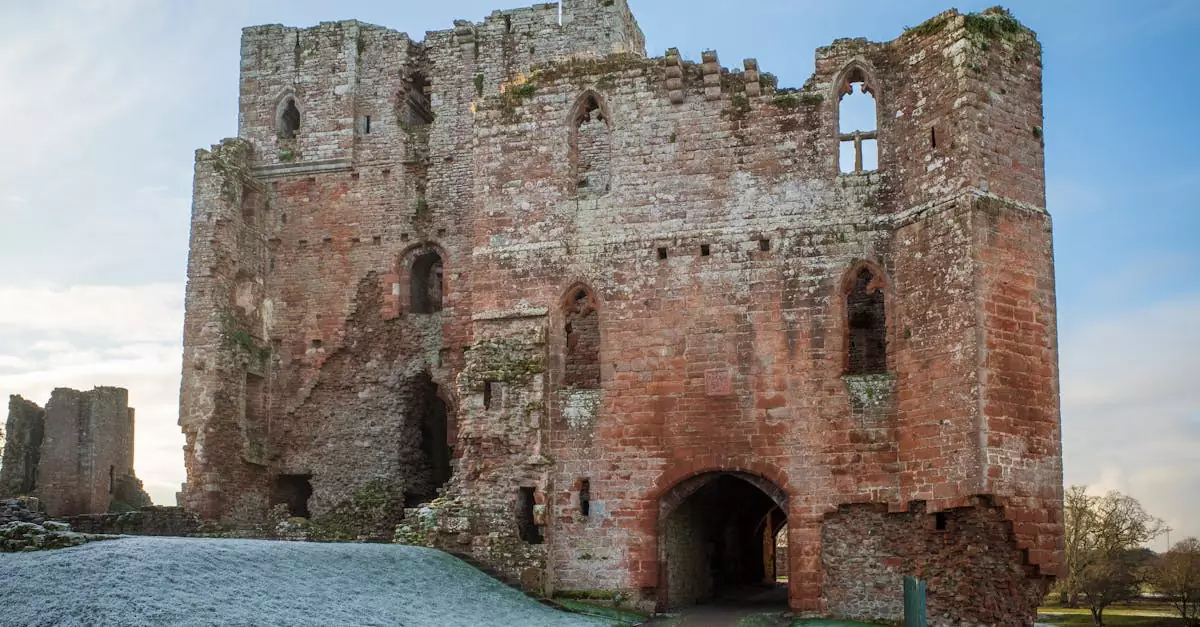
Kenilworth Castle boasts a dramatic history, from its Norman origins to its role as a lavish Elizabethan courtier’s retreat. Its extensive ruins, particularly the impressive Great Hall and the Tudor Gatehouse, hint at its former grandeur. The castle is famously associated with Robert Dudley, Earl of Leicester, and his elaborate entertainments for Queen Elizabeth I, adding a layer of romantic intrigue to its already compelling story.
The sheer scale of Kenilworth’s remains allows visitors to spend several hours wandering through its various sections. Managed by English Heritage, the site features excellent interpretative displays and often hosts historical reenactments. Its location in Warwickshire makes it easily accessible for those traveling through the Midlands and pairs well with visits to nearby Stratford-upon-Avon.
Arundel Castle: A Majestic Seat of the Duke of Norfolk
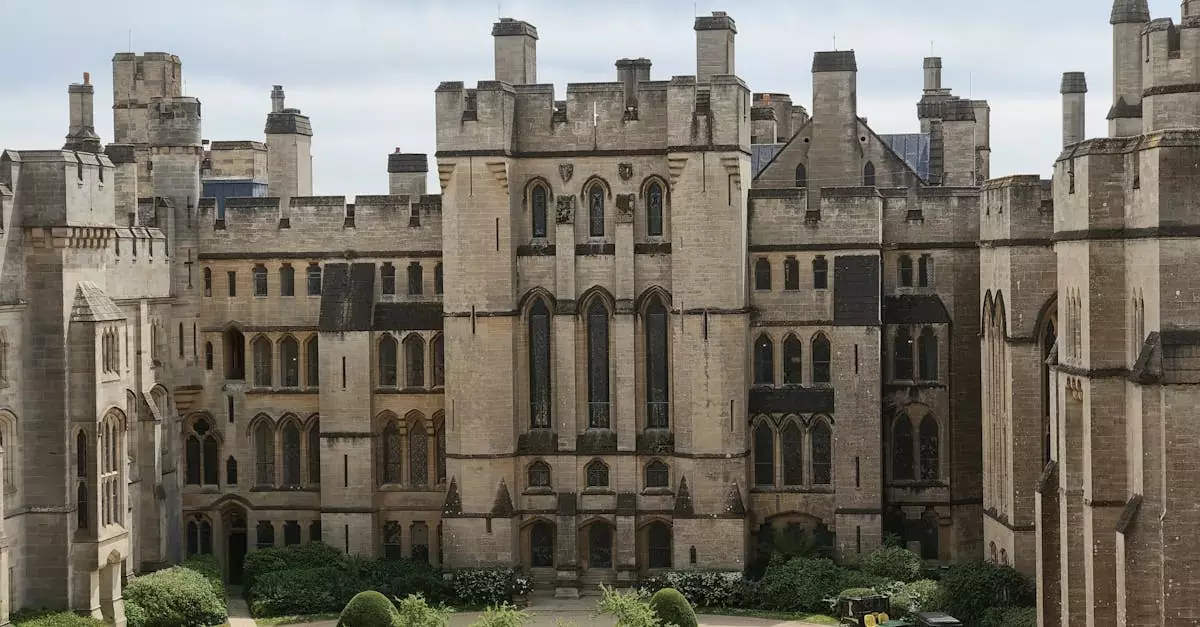
Arundel Castle, a magnificent stately home in West Sussex, has been the principal residence of the Dukes of Norfolk for over 400 years. Unlike many ruined castles, Arundel is beautifully preserved and lived in, blending Norman architecture with Victorian grandeur. Its interiors are richly adorned with art and tapestries, offering a glimpse into centuries of noble life.
The extensive gardens are a major draw, particularly the Rose Garden and the Italian Garden, which are stunning throughout the warmer months. Visitors can explore the state rooms, chapel, and ramparts, gaining a comprehensive understanding of the castle’s long history. Booking tickets in advance is recommended, especially during peak season, to secure entry and avoid queues.
St Michael’s Mount: A Tidal Island Castle in Cornwall
St Michael’s Mount is a unique and breathtaking tidal island castle off the coast of Cornwall. Accessible by a causeway at low tide or by boat at high tide, this dramatic landmark has been a place of pilgrimage and a strategic stronghold for centuries. The medieval church and castle complex sits atop a granite peak, offering spectacular views of the Cornish coastline.
The experience of visiting St Michael’s Mount is dictated by the tides, adding an element of adventure to the journey. The National Trust manages the island, and visitors can explore the historic castle interiors, sub-tropical terraced gardens, and the charming village below. Planning your visit around the tide times is crucial for accessing the causeway. This Cornish gem provides a distinct atmosphere compared to its mainland counterparts.
Planning Your Castle-Hopping Adventure: Essential Travel Tips
Embarking on a journey to England’s historic fortresses requires thoughtful planning to maximize your experience. From understanding the best times to visit for pleasant weather to efficiently navigating between these iconic landmarks, a little preparation goes a long way. This section offers practical advice to help you craft a memorable and seamless castle tour.
Best Time of Year to Visit England’s Castles for Optimal Weather
The ideal time to explore England’s castles often depends on your tolerance for crowds and weather. For the most agreeable conditions, consider visiting during the shoulder seasons: late spring (May to June) or early autumn (September to October). During these months, you’ll generally find milder temperatures, fewer tourists than the peak summer months, and beautiful natural scenery.
Summer (July and August) offers the warmest weather and longest daylight hours, making it excellent for outdoor exploration. However, expect larger crowds at popular sites and higher accommodation prices. Winter (November to February) can be atmospheric, with fewer visitors and potentially lower costs, but shorter days and colder, wetter weather can limit outdoor activities and accessibility to some sites. Spring can be unpredictable, with a mix of sunshine and rain, but the blooming gardens around many castles are a significant draw.
Here’s a quick look at seasonal considerations:
| Season | Pros | Cons |
|---|---|---|
| Spring | Blooming gardens, fewer crowds | Unpredictable weather, shorter days |
| Summer | Warmest weather, long daylight hours | Peak crowds, higher prices |
| Autumn | Mild temperatures, beautiful foliage | Shorter days, potential for rain |
| Winter | Fewest crowds, lower prices | Cold, wet weather, limited daylight hours |
Navigating England: Transportation Options to Reach Remote Castles
Reaching England’s castles often involves a combination of public transport and local travel. For those focusing on major sites like Windsor Castle or the Tower of London, well-connected train lines from London make them easily accessible as day trips. However, many of the more remote and picturesque castles, such as those in the North of England or on the coast, are best reached by car.
Renting a car offers the greatest flexibility, allowing you to visit multiple castles in a single day and explore the surrounding countryside at your own pace. Major car rental companies operate from airports and city centers across England. Be prepared for driving on the left and navigating narrow country lanes.
If a car isn’t feasible, consider using England’s extensive rail network to reach the nearest town or city, then utilize local bus services or taxis for the final leg to the castle. National Express coaches also offer a budget-friendly alternative for intercity travel. For specific regions, look into local bus routes or inquire at tourist information centers about specialized tours that may cater to castle visits. Planning your routes in advance using resources like National Rail Enquiries or the Traveline website is highly recommended.
Crafting Your Itinerary: How Many Castles Can You Realistically Visit?
The number of castles you can realistically visit depends heavily on your pace, travel method, and the geographical proximity of the sites. A common mistake is trying to cram too many into a single day, leading to a rushed and superficial experience.
For a deep dive into a single, large castle like Warwick Castle or Alnwick Castle, allow at least half a day, if not a full day, to fully appreciate its history, grounds, and associated activities. If you’re aiming for a broader overview of the best castles in England, grouping them by region is key. For instance, a trip to the Cotswolds could include Sudeley Castle and Berkeley Castle within a couple of days.
A sustainable pace for castle hopping might involve visiting one major castle per day, or perhaps two smaller, closely located sites. If you’re using public transport, factor in significant travel time between locations, which might limit you to one castle per day. A car offers more freedom, potentially allowing for two to three castles within a day if they are within a reasonable driving distance and you prioritize efficiency. Remember to check opening times and book tickets in advance, especially for popular attractions during peak season, to avoid disappointment.
What to Expect Inside England’s Historic Castles
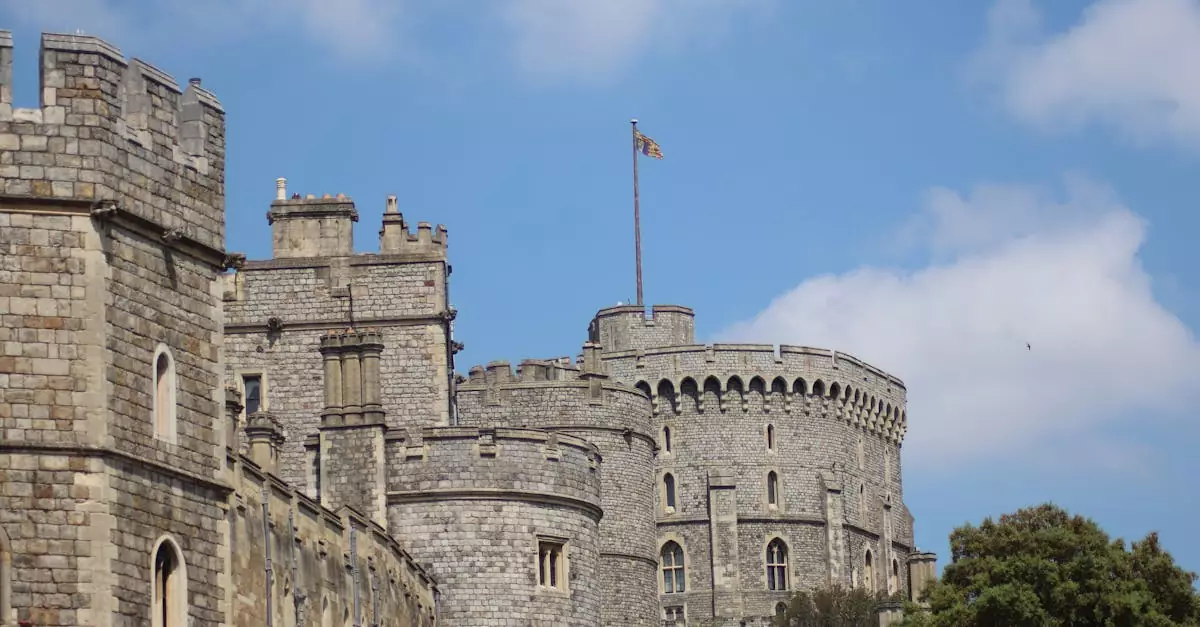
Visiting England’s historic fortifications offers a tangible connection to centuries of history. Beyond imposing exteriors, many castles reveal opulent interiors, engaging historical reenactments, and breathtaking viewpoints. Planning your visit to these iconic landmarks means understanding what awaits inside, from grand halls to hidden passageways.
Exploring State Rooms and Royal Apartments
Many of the best castles in England, particularly those with royal associations like Windsor Castle, feature meticulously preserved state rooms and royal apartments. Expect to see lavish furnishings, intricate tapestries, and impressive art collections that reflect the tastes and wealth of past monarchs and nobility. These rooms provide insights into the daily lives and ceremonial functions of castle residents.
Guides or audio tours are frequently available to enrich the experience, detailing the historical significance of each chamber and its notable occupants. Some locations may limit access to certain areas to preserve delicate interiors, so checking the specific castle’s visitor information beforehand is advisable. Allow ample time to appreciate the artistry and historical narratives within these grand spaces.
Experiencing Living History Demonstrations and Reenactments
To truly bring the past to life, many castles host living history events and reenactments. These can range from medieval banquets and jousting tournaments to demonstrations of historical crafts and military tactics. Such events offer a dynamic and immersive way to understand the martial and social aspects of castle life.
These special events often occur during peak tourist seasons or on weekends, so consulting the castle’s official schedule is crucial for planning. They can significantly enhance a visit, providing educational entertainment for all ages. Be prepared for crowds during popular reenactment dates, and consider arriving early to secure good viewing spots.
Photography Hotspots: Capturing the Magic of Castle Architecture
England’s castles present unparalleled opportunities for photographers, offering dramatic silhouettes against the sky, intricate stonework, and sweeping landscapes. Key vantage points often include castle courtyards, battlements, and surrounding gardens or parks. Locations like Warwick Castle are renowned for their photogenic appeal, with chances to capture both grand architectural details and expansive views.
When visiting, consider the time of day for the best light; early morning and late afternoon often provide softer, more dramatic illumination. Many castles have specific viewpoints that are particularly popular with visitors seeking the perfect shot. Remember to check the castle’s photography policy, as some areas may have restrictions, especially concerning tripods or professional equipment. The variety of architectural styles, from Norman fortifications to Tudor mansions, ensures a diverse portfolio for any photography enthusiast.
Family Fun and Romantic Escapes: Castles for Every Traveler
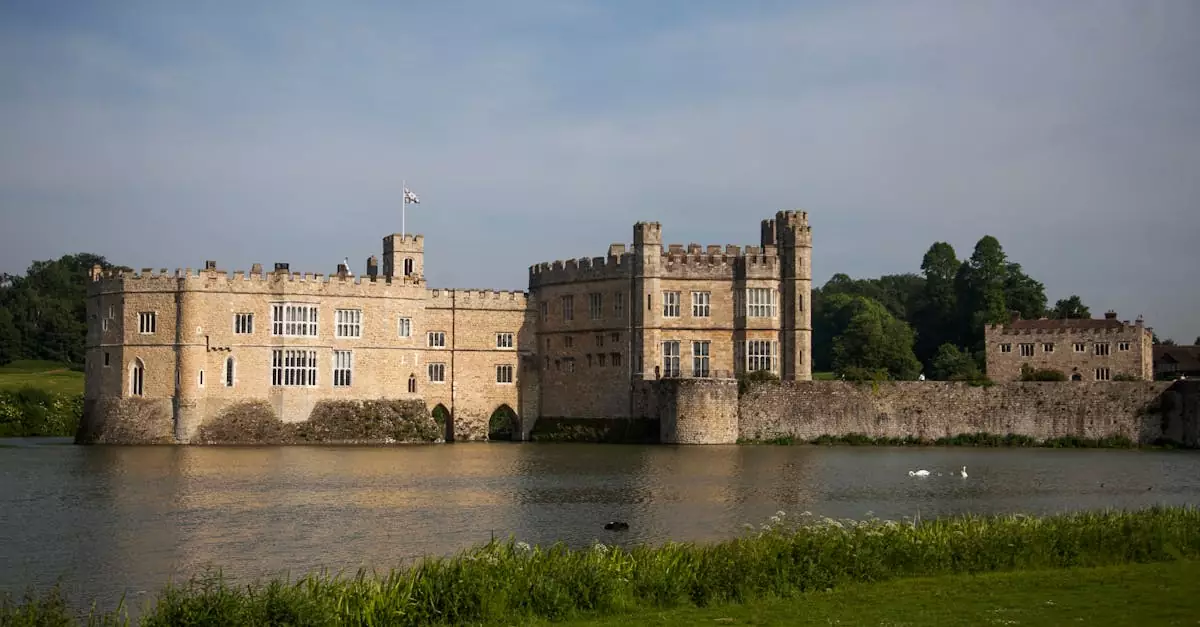
England’s historic castles offer diverse experiences, catering to families seeking adventure, couples desiring romance, and solo travelers valuing independence. When planning your visit to these iconic landmarks, consider the specific needs and interests of your travel party to ensure a memorable journey.
Kid-Friendly Castles with Engaging Activities and Play Areas
Many English castles have embraced their role as family destinations, offering more than just ancient stones. Look for sites that provide interactive exhibits, costume days, or dedicated play zones.
For instance, Warwick Castle in Warwickshire is renowned for its family-oriented attractions. It frequently hosts live jousting tournaments, falconry displays, and even a “Horrible Histories” maze that brings medieval life to vivid reality. Children can dress as knights or princesses, adding an immersive element to their visit.
Bodiam Castle in East Sussex, managed by the National Trust, offers a hands-on experience. Its moated setting and accessible ruins encourage imaginative play, and the site often organizes family-friendly events during school holidays. Exploring the battlements and imagining life within its walls provides hours of entertainment for younger visitors.
When choosing a castle for children, check their official websites for upcoming events and activity schedules. Many offer family ticket deals, and some have on-site cafes with child-friendly menus, making a full day trip convenient.
Romantic Castle Stays and Picturesque Settings for Couples
For couples, England’s castles provide a backdrop of unparalleled romance, from grand stately homes to intimate, historic fortresses. Many offer overnight stays, allowing for a truly immersive experience.
Leeds Castle in Kent, often described as “the loveliest castle in the world,” offers a luxurious escape. Its beautiful gardens, maze, and tranquil setting make it ideal for a romantic weekend. The extensive grounds are perfect for leisurely strolls hand in hand.
Consider staying in a castle hotel for an unforgettable romantic getaway. Options range from opulent suites in fully restored castles to charming rooms in historic manor houses attached to castle ruins. These accommodations often feature fine dining, spa facilities, and stunning views, enhancing the sense of occasion.
When booking a romantic castle visit, inquire about special packages for couples, such as private tours or dinner reservations with a view. The quieter shoulder seasons, like late spring or early autumn, can offer a more intimate atmosphere with fewer crowds.
Solo Traveler’s Guide to Exploring England’s Castles Safely
England’s castles are also rewarding destinations for solo travelers, offering opportunities for quiet contemplation, historical immersion, and personal discovery. Safety is generally high across the UK, but standard precautions are always advisable.
Many castles are well-signposted and easily accessible via public transport, particularly those near major cities. For example, Windsor Castle, the oldest and largest inhabited castle in the world, is a straightforward train journey from London. Its royal connections and impressive architecture offer a substantial day of exploration.
When visiting alone, consider joining a guided tour. These tours not only provide in-depth historical context but also offer a chance to connect with other travelers and ensure you don’t miss key highlights. Many sites have excellent audio guides available, allowing you to set your own pace.
For a more independent experience, renting a car to access more remote castles provides flexibility in your itinerary, allowing you to visit multiple sites in a day or linger longer at those that capture your interest. Always inform someone of your travel plans, especially if visiting less populated areas, and be aware of your surroundings, particularly in crowded tourist spots.
The following table compares popular castles based on their suitability for different traveler types:
| Castle Name | Location | Best For: Families | Best For: Couples | Best For: Solo Travelers | Notes |
|---|---|---|---|---|---|
| Warwick Castle | Warwickshire | High | Medium | Medium | Jousting, mazes, interactive shows |
| Bodiam Castle | East Sussex | Medium | Medium | High | Moated ruins, imaginative play, scenic beauty |
| Leeds Castle | Kent | Medium | High | Medium | Gardens, peacocks, romantic setting, overnight stays |
| Windsor Castle | Berkshire | High | High | High | Royal residence, State Apartments, St. George’s Chapel |
| Alnwick Castle | Northumberland | High | Medium | High | “Harry Potter” filming location, broomstick training, gardens |
| Dover Castle | Kent | High | Medium | High | Dramatic coastal views, wartime tunnels, historical significance |
Frequently Asked Questions About Visiting English Castles
Are England’s castles expensive to visit?
The cost of visiting English castles varies significantly. Entry fees for major attractions like Windsor Castle or the Tower of London can range from £20 to £30 per adult. Smaller, privately owned castles might be less expensive, with some offering grounds access for a nominal fee or even free entry. Many sites provide family tickets or discounts for seniors and students. Consider purchasing a heritage pass if you plan to visit multiple historic properties managed by organizations like English Heritage or the National Trust, as this can offer considerable savings.
What are the opening hours for most castles?
Opening hours are generally consistent during peak season, typically from around 9:30 AM or 10:00 AM until 5:00 PM. However, hours can change seasonally, with shorter daylight months often resulting in earlier closing times. Some castles, especially those still inhabited or used for events, may have limited public access on certain days. It is always best to check the official website of the specific castle you plan to visit for the most up-to-date information on opening times and any potential closures.
Can I bring food and drinks into the castles?
Most castles allow visitors to bring their own food and drinks, particularly for consumption in designated picnic areas or on the grounds. However, taking food and drinks inside the historic interiors of the buildings is often restricted to prevent damage to ancient artifacts and structures. Always look for signage or ask a member of staff if you are unsure. Many castles also have on-site cafes or restaurants offering refreshments, though these can be more expensive than bringing your own provisions.
What should I wear when visiting a castle?
Comfortable footwear is essential, as you will likely be doing a lot of walking on uneven surfaces, including cobblestones, gravel paths, and potentially steep stairs. Layers are advisable, as the weather in England can be unpredictable, and interior castle temperatures can vary. Many historic castles lack modern heating systems, so even on a warm day, it can feel cool inside. For outdoor areas, a waterproof jacket is a wise addition. Consider the terrain and the potential for climbing towers when choosing your attire.