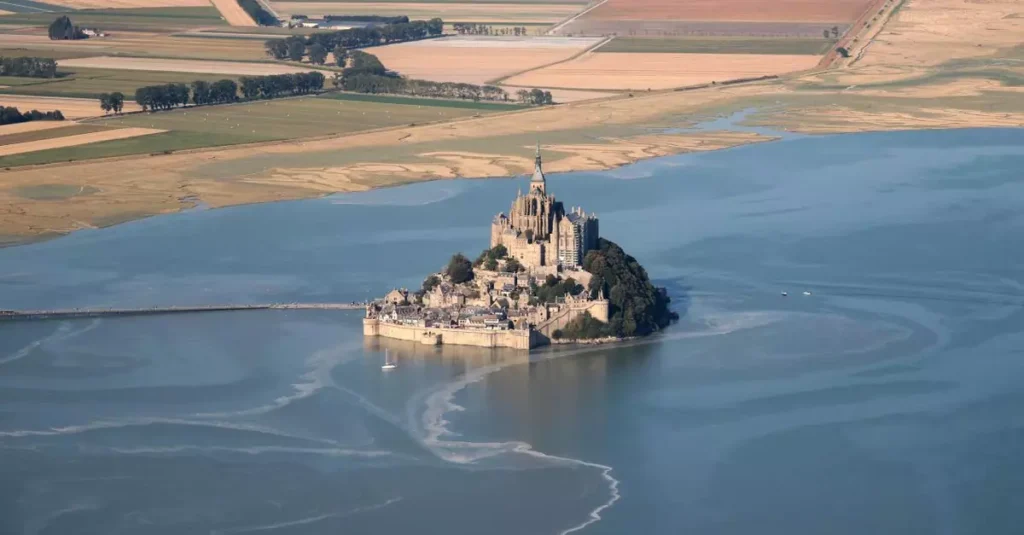
Witnessing Mont Saint Michel emerge from the sea is a breathtaking spectacle, reminding us of nature’s grandeur. This iconic tidal island in Normandy transforms dramatically with incoming waters, captivating visitors for centuries. If you’re planning a trip to experience this phenomenon, this Mont Saint Michel high tide guide will equip you with essential information. You’ll learn about the unique geography that creates these extreme tides, discover the best times and specific days to plan your visit for the most dramatic displays, and find out how to navigate to the island and where to enjoy stunning viewpoints. Additionally, we’ll cover essential safety tips to ensure you can appreciate the bay’s power responsibly.
Understanding the Mont Saint Michel High Tide Phenomenon
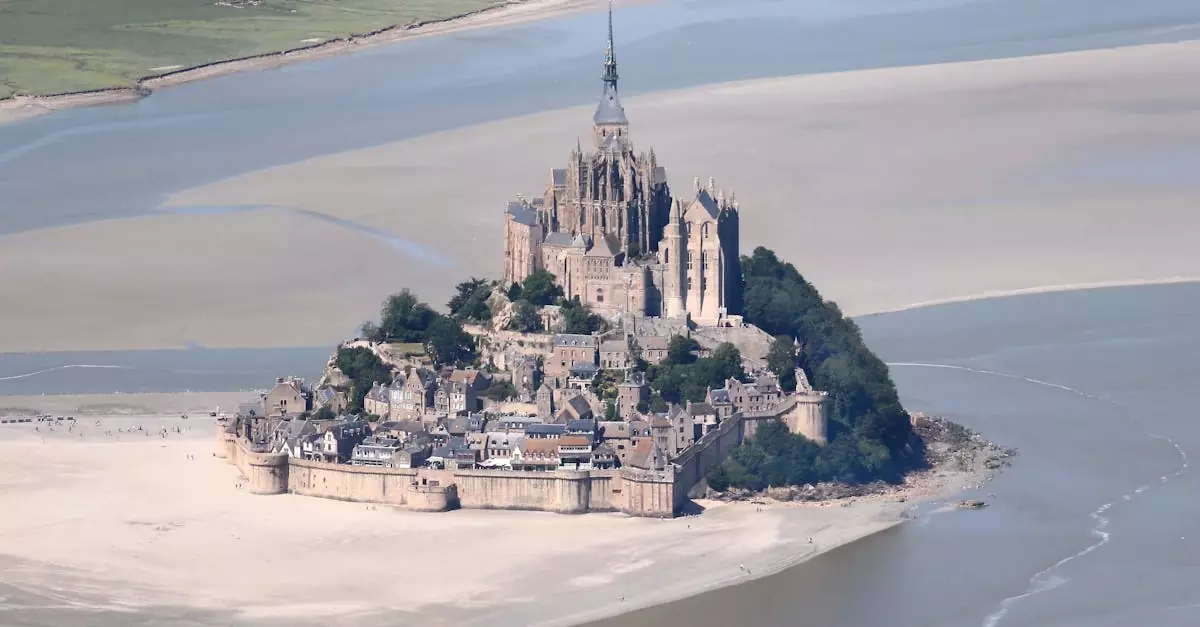
The spectacle of Mont Saint Michel, a tidal island commune in Normandy, France, is profoundly shaped by its dramatic tidal changes. Understanding these natural forces is key to experiencing the site at its most impressive. This Mont Saint Michel high tide guide will help you plan your visit to witness this natural wonder.
What Causes Mont Saint Michel’s Extreme Tides?
The extreme tidal range at Mont Saint Michel results from a unique geographical combination. The bay’s funnel shape, along with the vast expanse of the English Channel, amplifies tidal forces, creating one of the most significant tidal differences in all of Europe, sometimes exceeding 15 meters (50 feet) between low and high tide. The sheer volume of water rushing in and out of the bay dramatically transforms the landscape within hours.
The Rhythmic Dance: Predicting Mont Saint Michel Tides
Predicting tidal movements is crucial for any visitor. Tides at Mont Saint Michel follow a regular, predictable cycle influenced by lunar and solar gravity. High tides occur roughly twice daily, but their timing and height vary. Spring tides, the highest and lowest tides, occur around the new and full moon, while neap tides, with a smaller range, happen during quarter moons. Consulting official tide charts for your visit dates is essential. Many websites and local tourist offices provide these schedules, often detailing hourly water levels.
Why Witnessing the High Tide at Mont Saint Michel is Essential
Seeing Mont Saint Michel surrounded by water is an unforgettable experience that defines its iconic status. At high tide, the abbey and its medieval village are completely encircled by the sea, creating the illusion of floating on the water’s surface. This transformation alters the approach to the island, as the causeway can become submerged, requiring visitors to use the elevated walkway or take special boat services. Witnessing this phenomenon offers a profound appreciation for the island’s historical significance and its enduring natural beauty. It’s a moment when the raw power of nature is fully displayed, making the journey to this UNESCO World Heritage site truly worthwhile.
When to Plan Your Mont Saint Michel High Tide Visit

Planning a visit to witness Mont Saint Michel surrounded by the sea requires careful timing. The bay’s dramatic tides are a spectacle, but their intensity and visibility vary throughout the year. Understanding the best times to visit will significantly enhance your experience.
Best Months for High Tides at Mont Saint Michel
While Mont Saint Michel is a year-round destination, certain months offer a higher likelihood of experiencing impressive tidal surges. The spring and autumn months, particularly March, April, September, and October, often provide the most dramatic high tides due to the gravitational pull of the sun and moon aligning favorably during equinoxes.
Visiting during these shoulder seasons also means fewer crowds compared to peak summer months, allowing for a more serene appreciation of the bay. The weather can be unpredictable, but the stunning tidal displays often justify the risk of a brief shower.
Choosing the Right Day: Spring Tides vs. Neap Tides
The key to witnessing a true “sea engulfing the Mont” lies in understanding the difference between spring tides and neap tides.
- Spring Tides: These are the highest and lowest tides, occurring twice a month when the sun, Earth, and moon align. This alignment amplifies gravitational pull, leading to significantly higher high tides and lower low tides. For the most dramatic high tide experience, target days with significant spring tides.
- Neap Tides: These moderate tides occur when the sun and moon are at right angles to each other relative to Earth. Their gravitational forces partially cancel each other out, resulting in less extreme tidal ranges. While still beautiful, neap tides won’t create the same dramatic effect of the sea rushing in.
When planning your Mont Saint Michel high tide visit, always check a tide chart for the specific dates you intend to visit. The highest spring tides are often marked with higher numbers and are best observed during the day for optimal viewing.
Navigating Seasonal Weather for Tide Viewing
The weather in Normandy can significantly affect your visit. While the tides themselves are predictable, the skies are not.
| Season | Typical Weather | Pros for Tide Viewing | Cons for Tide Viewing |
|---|---|---|---|
| Spring | Mild, often rainy, breezy | Fewer crowds, good tidal potential, pleasant temps | Unpredictable rain, can be windy |
| Summer | Warm, sunny, can be humid | Best chance for clear skies, long daylight hours | Peak crowds, less dramatic tidal ranges on average |
| Autumn | Cooler, crisp, increasing chance of rain and wind | Beautiful foliage, good tidal potential, fewer crowds | Shorter daylight hours, increasing chance of storms |
| Winter | Cold, damp, windy, potential for frost | Very few crowds, dramatic light, powerful atmosphere | Short daylight, high chance of poor weather |
To maximize your chances of clear viewing conditions during a high tide, consider visiting in late spring or early autumn. These periods often balance good tidal potential with manageable weather and fewer tourists than the summer months. Always pack layers and waterproofs, as coastal weather can change rapidly.
Getting to Mont Saint Michel for the High Tide
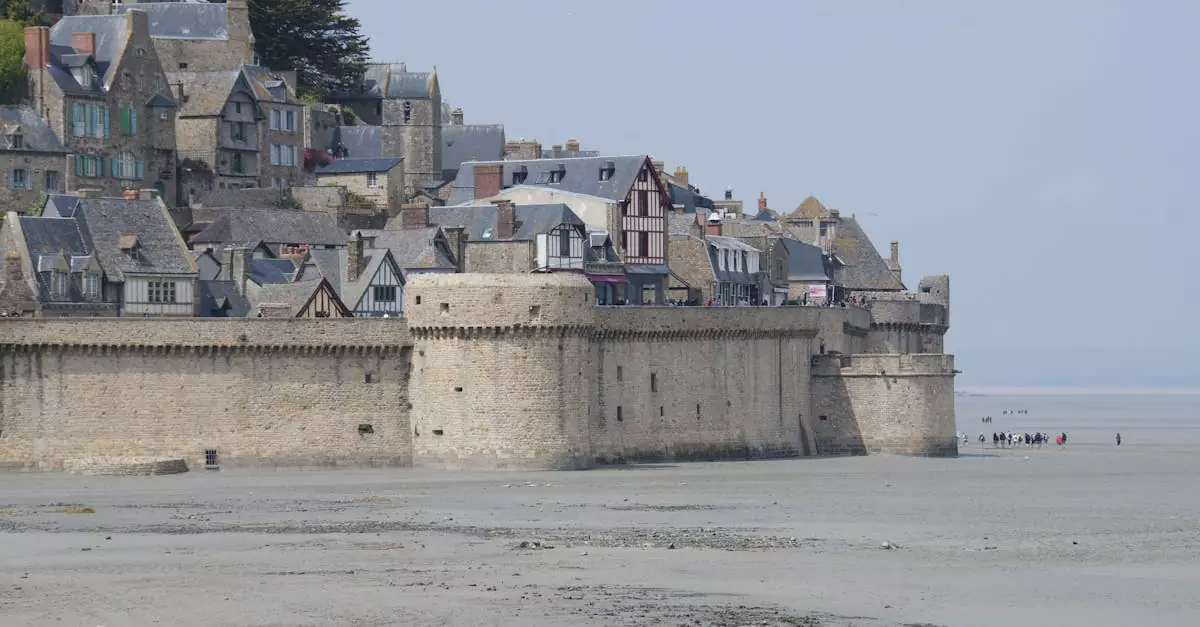
Experiencing the dramatic Mont Saint Michel high tide requires careful planning, especially regarding transportation. The abbey sits on a tidal island, and its accessibility changes significantly with the sea’s ebb and flow. Understanding how to reach the Mont, particularly during high tide, is key to a successful visit.
Driving to Mont Saint Michel: Parking and Shuttle Options
If you’re arriving by car, you’ll need to park at designated areas on the mainland before accessing the Mont itself. The main parking facilities are located at the “Pré-salé” or “Barrage” (dam) areas. From these lots, a complimentary shuttle bus service, known as the “Passeur,” runs frequently to the entrance of the Mont. This shuttle is essential for most visitors, as private vehicles are not allowed on the island or the causeway.
Consider arriving early, especially during peak seasons or predicted high tide events, as parking lots can fill up quickly. The shuttle service operates year-round, but its schedule can vary, so it’s wise to check the latest timings. The journey from the parking area to the Mont via shuttle takes about 10-15 minutes.
Train and Bus Routes to the Mont Saint Michel Bay
For those traveling without a car, reaching Mont Saint Michel by public transport is feasible, though it involves a few steps. The nearest train station is in Pontorson, a town a few kilometers from the Mont. From Paris, trains typically depart from Gare Montparnasse and take approximately 3 to 3.5 hours to reach Pontorson.
Upon arrival at Pontorson station, you can catch a local bus service directly to the Mont. Several bus companies operate this route, and their schedules are often coordinated with train arrivals. Alternatively, you can take a taxi from Pontorson to the Mont. This public transport option offers a relaxed journey, allowing you to enjoy the regional scenery without the stress of driving and parking.
Navigating the Access Bridge to the Mont
Once you disembark from the shuttle or bus, you will walk across a modern pedestrian and vehicle bridge that connects the mainland to Mont Saint Michel. This causeway replaced the older, more vulnerable bridge and offers stunning views of the bay and the abbey atop its rocky islet.
The walk across the bridge is approximately 700 meters (about half a mile) and is generally flat and accessible. It’s a scenic stroll, providing excellent photo opportunities. Be aware that the bridge can be windy, especially on days with strong tidal surges. Allow ample time for this walk, particularly if you plan to witness the high tide, as you’ll want to position yourself strategically and safely. The bridge is designed to allow tides to flow freely around the Mont, contributing to its unique tidal island status.
Best Spots to Witness the Mont Saint Michel High Tide

Experiencing the dramatic Mont Saint Michel high tide requires strategic positioning. The bay’s rapid rise can transform the landscape within minutes, so knowing where to be is crucial for an unforgettable viewing. These locations offer distinct perspectives on this natural spectacle.
From the Ramparts: Panoramic Views of the Rising Tide
The medieval ramparts encircling Mont Saint Michel offer commanding, 360-degree views. Standing on these ancient walls, you can watch the tide surge across the bay from a safe elevation. The sheer scale of the water’s advance is particularly impressive from this vantage point, as the causeway can become submerged.
The ramparts are accessible throughout the day, and the best time to be here for the tide is about an hour before the predicted peak. This allows ample time to find a good spot and observe the initial stages of the water’s approach. Remember to wear comfortable shoes for navigating the uneven stone pathways.
The Mont Saint Michel Beach: A Unique Perspective (Guided Tours Only)
For an immersive experience, consider a guided walk across the bay during high tide. These tours, led by experienced local guides, take you onto the sand flats as the water begins to surround the rock. This offers an unparalleled, close-up view of the tide’s power and the unique environment of the bay.
These guided excursions are essential for safety, as quicksands and rapidly rising waters can be dangerous. Booking in advance is highly recommended, especially during peak tourist seasons. Guides will also point out the diverse flora and fauna of the bay, adding an educational element to the experience.
Viewing Points from the Mainland Shoreline
Several points along the mainland coastline provide excellent, accessible views of Mont Saint Michel as the tide comes in. The area around the modern bridge and causeway offers a good vantage point, especially if you are arriving by car or shuttle bus. Here, you can observe the water flowing around the base of the rock and the submerged causeway.
Further afield, the coastal paths near Beauvoir or the Pointe du Grouin offer more distant but equally spectacular panoramas. These locations are less crowded and provide a broader context for the bay’s transformation. They are particularly good for photography, offering a wider frame that includes the Mont and the advancing sea.
Capturing the Perfect High Tide Photograph
Photographing the Mont Saint Michel high tide presents both a challenge and an opportunity. The dramatic contrast between the rock, the water, and the sky can yield stunning images. For the best shots, consider arriving at least two hours before the predicted high tide.
Photography Tips for High Tide:
- Location: The ramparts offer elevated perspectives, while mainland viewpoints like the dike or coastal paths provide wider scenic shots.
- Timing: Capture the water’s approach, the moment it surrounds the Mont, and the reflection of the abbey on the water’s surface.
- Equipment: A wide-angle lens is useful for capturing the vastness of the bay, while a telephoto lens can isolate details of the abbey against the water. Consider a tripod for low-light conditions or long exposures.
- Safety: Never venture onto the sand flats without a guide during high tide. Stay well back from the water’s edge on elevated viewpoints.
The dynamic nature of the light and water means that conditions change rapidly, so be prepared to adapt your shots. Patience is key to capturing the most dramatic moments of the bay’s transformation.
Safety and Practical Tips for High Tide Visitors
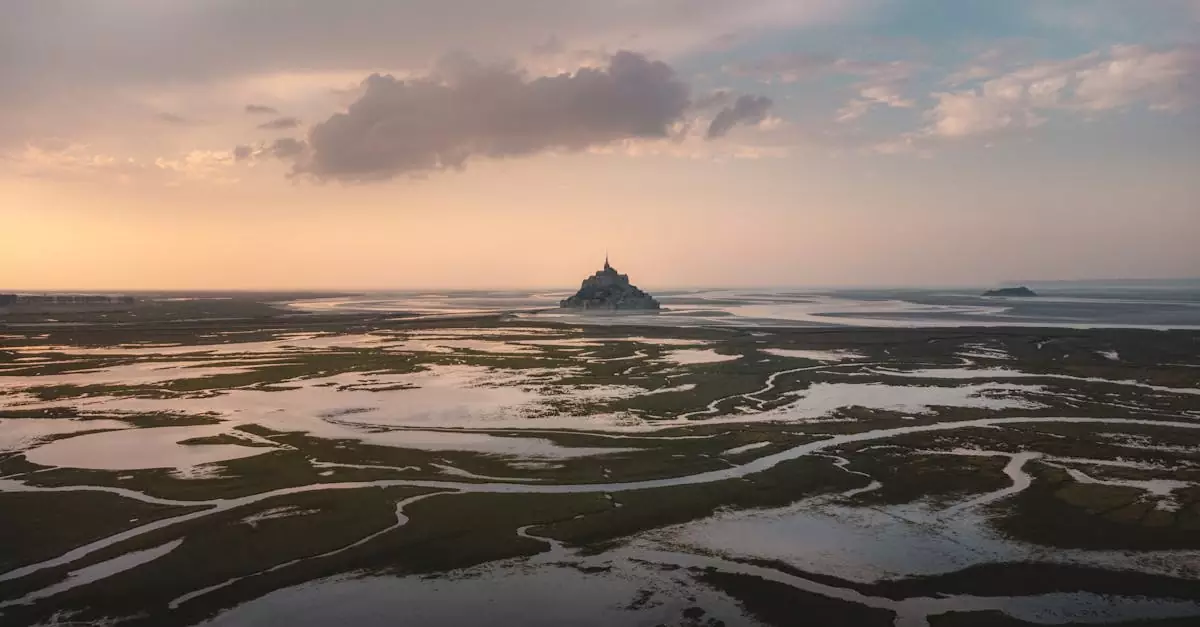
Experiencing the Mont Saint Michel high tide is a powerful spectacle, but it also demands respect for the bay’s dynamic environment. Understanding the risks and preparing accordingly is crucial for a safe and memorable visit. This guide offers essential advice for navigating the waters and sands safely.
Essential Safety Precautions When Exploring the Bay
The bay surrounding Mont Saint Michel is a tidal zone with shifting sands and rapidly rising waters. Unpredictable currents and the speed at which the tide comes in pose significant dangers. It is strongly advised never to venture onto the sand flats alone or without a guide, especially if you are unfamiliar with the area. Always stay aware of your surroundings and the incoming tide. Local authorities and guides are the best resources for understanding the bay’s conditions.
What to Wear for Mont Saint Michel High Tide Walks
Appropriate footwear is paramount for any walk across the bay. Sturdy, waterproof boots with good grip are essential, as the sand can be deep and uneven, and you will likely encounter water. Avoid sandals, flip-flops, or smooth-soled shoes, as they offer little protection and can easily be lost. Waterproof trousers or quick-drying clothing are also recommended, as you will get wet. Bringing a change of clothes and a towel is a wise precaution, particularly if you plan to walk to the island and then explore its village.
Understanding Tide Times: Avoiding Dangerous Situations
The most critical aspect of planning a visit around high tide is consulting the official tide charts for the bay. Tides can rise very quickly, sometimes up to 15 meters in just a few hours. A false sense of security can be dangerous; what might seem like a safe distance from the island can quickly become an impassable water channel. Always check the tide schedule for your visit and err on the side of caution. If you are unsure, postpone your bay walk or opt for a guided tour. Understanding the nuances of the tide is key to a safe Mont Saint Michel high tide experience.
Guided Bay Walks: Safety and Expert Insights
For the majority of visitors, joining a guided bay walk is the safest and most informative way to experience the high tide. Local guides are experts in the bay’s geography, tidal patterns, and the safest routes. They carry safety equipment and are trained to respond to emergencies. These guided tours not only ensure your safety but also offer a deeper understanding of the unique ecosystem, the history of the bay, and the challenges faced by pilgrims and inhabitants in centuries past. While there is a cost associated with guided walks, it is a worthwhile investment for peace of mind and a richer experience. You can often book these tours in advance through local tourist offices or directly with guide companies.
Frequently Asked Questions About Mont Saint Michel High Tides
Can you walk across the bay during high tide?
No, it is not safe to walk across the bay during high tide. The waters rise rapidly and can submerge the causeway, making it impossible to cross. Only experienced, authorized guides should be consulted for any bay crossings, and these are typically planned around the tides, not during peak high tide.
How long does it take for the tide to come in at Mont Saint Michel?
The tide at Mont Saint Michel moves quickly. While the entire cycle of ebb and flow takes around 12 hours, the actual incoming tide can cover vast stretches of sand in minutes. It’s crucial to be aware of the tide schedule before venturing anywhere near the bay.
What happens if I get caught by the tide?
Getting caught by the tide at Mont Saint Michel is extremely dangerous. The incoming tide is powerful and can sweep people off their feet. If you find yourself in this situation, immediately seek higher ground, such as the rock of Mont Saint Michel itself or any elevated structures. Do not attempt to outrun the tide. Lifeguards and rescue services are available, but prevention is key. Always check the tide times before your visit.
Is it safe to visit Mont Saint Michel during a spring tide?
Visiting during a spring tide offers the most dramatic views of the sea engulfing the mount, but it also requires utmost caution. Spring tides are the highest tides, occurring when the sun and moon align, increasing their gravitational pull. While the pedestrian walkway remains accessible, the surrounding bay will be significantly inundated. Always consult the official tide schedule and heed local warnings. Understanding these tidal patterns is essential for a safe and enjoyable experience.