Europe’s coastlines are dotted with iconic destinations, but for those seeking a tranquil escape, a world of secluded shores awaits. Beyond the bustling crowds of popular resorts lie some of the continent’s best hidden beaches, offering pristine sands, crystal-clear waters, and an unparalleled sense of peace. This guide will unveil these precious, less-traveled spots, revealing exactly where to find them and what makes each one special.
You’ll discover how to reach these secret coves, whether by a scenic hike, a local ferry, or a short boat trip. We’ll explore the unique charm of hidden gems across the Mediterranean and Atlantic, from dramatic cliff-lined inlets to tranquil bays perfect for a quiet dip. Prepare to plan your next escape to Europe’s best hidden beaches and experience the true beauty of an unspoiled coastline.
Unveiling Europe’s Best Kept Secret Beaches
The Allure of Europe’s Undiscovered Coastlines
Europe boasts a remarkable diversity of coastlines, from the rugged cliffs of Ireland to the sun-drenched islands of Greece. While iconic destinations like the Amalfi Coast and the French Riviera attract millions, a significant portion of Europe’s shoreline remains untouched. These less-traveled stretches offer a different kind of magic: tranquility, unspoiled natural beauty, and a genuine escape from the crowds. Discovering these hidden coves and secluded bays provides a more intimate connection with the continent’s stunning maritime landscapes.
Why Seek Out Europe’s Hidden Beach Gems?
The appeal of Europe’s best hidden beaches lies in their ability to deliver an authentic and peaceful vacation experience. Beyond the allure of clear waters and soft sand, these spots provide a respite from the commercialized tourism found at more popular resorts. Travelers seek them out for the chance to reconnect with nature, enjoy quiet contemplation, or experience local culture without the usual tourist infrastructure. Finding a secluded cove means more space to relax, better opportunities for wildlife spotting, and a greater sense of discovery.
Criteria for Identifying Truly Secluded European Beaches
Identifying genuinely secluded European beaches requires looking beyond well-trodden paths. True hidden gems are typically characterized by remote locations, often requiring a bit of effort to reach, such as a hike or a boat trip. They tend to have limited or no amenities, so visitors should come prepared with essentials. Unlike busy tourist beaches, these spots are less likely to be heavily advertised, making word-of-mouth or local knowledge invaluable. Accessibility can also be a key factor; beaches reached only by foot or small boat are naturally more shielded from mass tourism. Understanding the geography of Europe reveals numerous such possibilities.
Top Hidden Beach Destinations in the Mediterranean
The Mediterranean Sea, a cradle of ancient civilizations, guards some of Europe’s most breathtaking and secluded beaches. While iconic shores draw crowds, venturing slightly off the beaten path reveals tranquil coves and dramatic coastlines. For travelers seeking the best hidden beaches in Europe, the Mediterranean offers unparalleled diversity, from dramatic cliffs to turquoise waters.
Zakynthos’ Shipwreck Beach (Navagio) Secret Access Points
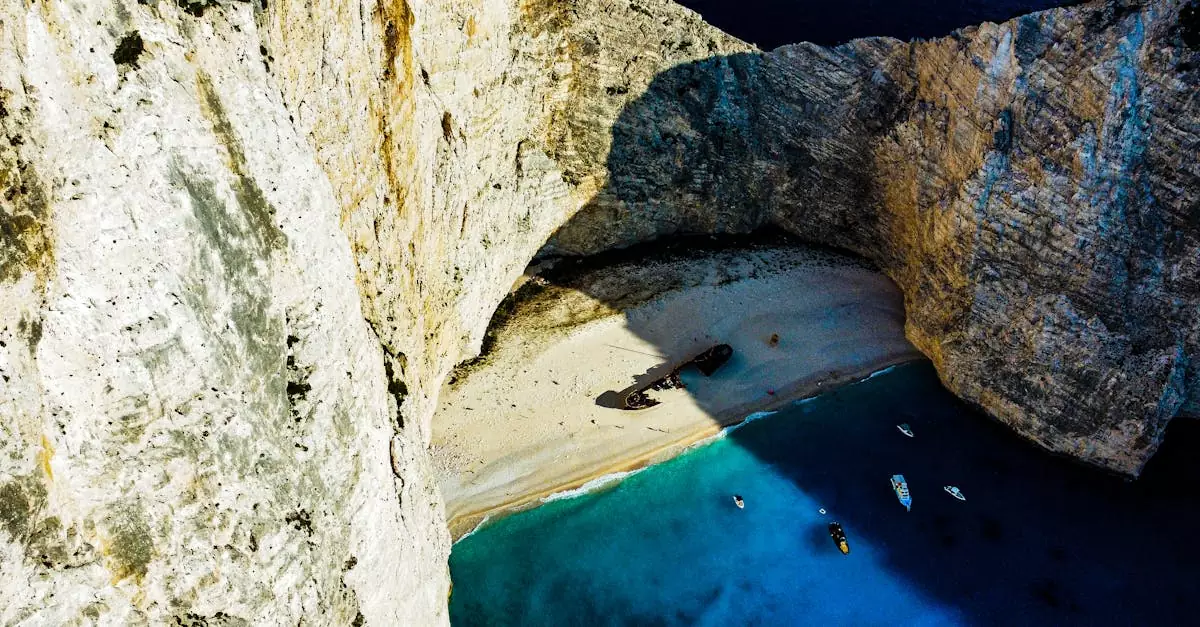
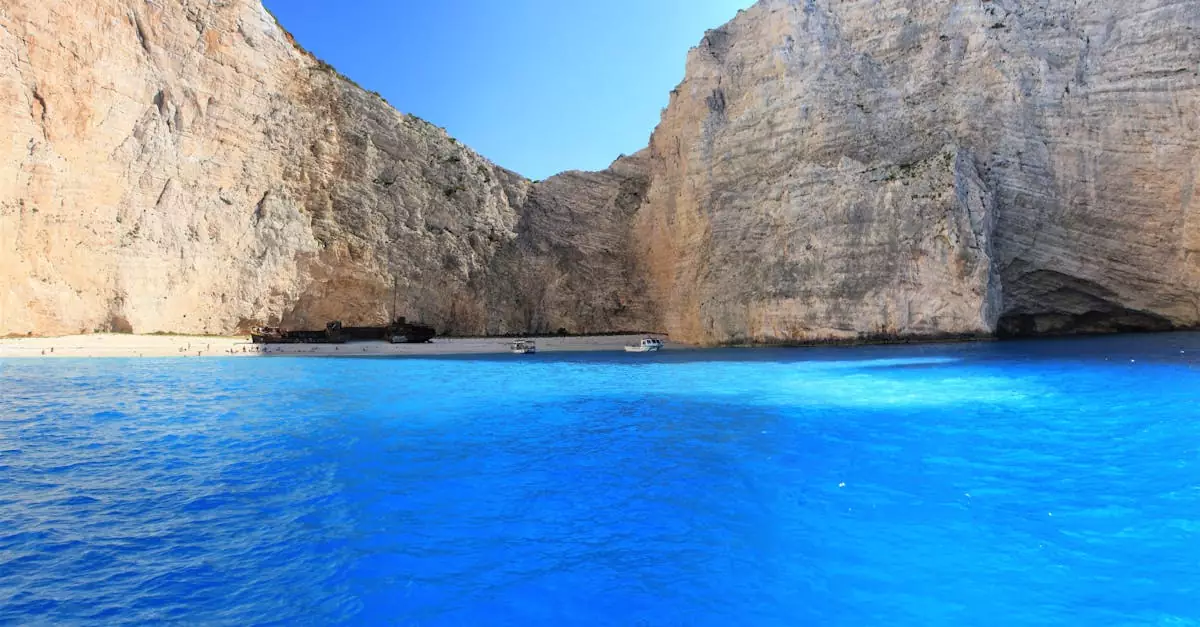
Navagio Beach, famously known as Shipwreck Beach, on Zakynthos island in Greece, is a postcard-perfect sight. Its white pebbles, towering limestone cliffs, and the iconic shipwreck make it a must-see. However, the main viewpoint can be crowded. For a more serene experience, consider visiting outside peak hours or seeking less obvious access points.
While the beach itself is primarily accessible by boat tours, adventurous visitors often find ways to view it from above. Local knowledge sometimes points to unofficial trails leading to viewpoints overlooking the cove. These paths can be challenging, requiring sturdy footwear. Always prioritize safety and be aware of your surroundings if attempting such routes. Boat tours remain the most common and safest way to reach the beach, offering a chance to swim in the crystal-clear waters.
Crete’s Seitan Limania: A Dramatic Hidden Cove
Seitan Limania on the Akrotiri peninsula of Crete, Greece, is a stunning natural harbor that feels like a secret. This narrow inlet creates a small, sheltered beach with incredibly clear, turquoise water, framed by dramatic white cliffs that enhance its secluded ambiance.
Reaching Seitan Limania involves a short, steep descent down a rocky path, which can be slippery, especially after rain. Good walking shoes are essential. The parking area is small, so arriving early, particularly during the summer months, is highly recommended. Despite the effort, the reward is a unique swimming spot that feels worlds away from more accessible tourist beaches.
Sardinia’s Cala Luna: Accessible by Boat or Scenic Hike
Cala Luna on Sardinia’s eastern coast in Italy is a jewel of the Gulf of Orosei. This crescent-shaped beach is famed for its soft sand, clear waters, and impressive caves carved into limestone cliffs. Its relative inaccessibility contributes to its charm and status as one of Europe’s best hidden beaches.
The most popular way to reach Cala Luna is by boat from nearby towns like Cala Gonone or Santa Maria Navarrese. Several tour operators offer daily excursions, often stopping at other beautiful coves along the coast. For the more active traveler, a challenging but rewarding hike is also an option. The trail provides spectacular views of the coastline, but good fitness and preparation are required.
Malta’s St. Peter’s Pool: Natural Infinity Pool Paradise
St. Peter’s Pool, located near Marsaxlokk in Malta, is not a traditional sandy beach but rather a magnificent natural swimming pool. Carved by the sea into the limestone rocks, it features a deep, crystal-clear turquoise pool with natural platforms ideal for sunbathing and jumping into the refreshing water. The unique shape and vibrant colors make it a photographer’s delight.
Access to St. Peter’s Pool involves a short walk over rocky terrain from a small parking area. The area is popular with locals and adventurous tourists, especially during warmer months. While there are no facilities directly at the pool, the nearby fishing village of Marsaxlokk offers plenty of charming restaurants and amenities. Visiting during the week or early in the morning can help avoid the largest crowds.
Adriatic Gems: Secluded Shores Away from the Crowds
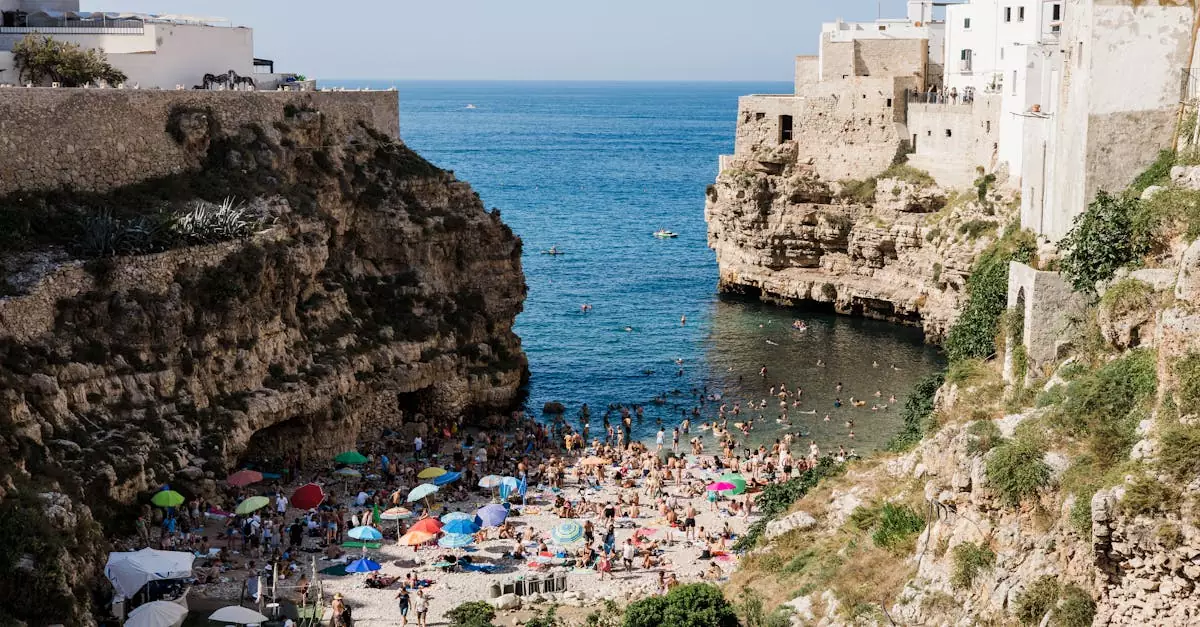
The Adriatic coast of Europe offers a treasure trove of hidden beaches, often overlooked in favor of more famous Mediterranean hotspots. These secluded shores provide a tranquil escape, showcasing dramatic landscapes and pristine waters. Discovering these spots requires a bit more effort, but the reward is a truly authentic and peaceful beach experience.
Stiniva Cove, Vis Island, Croatia: A Dramatic Entrance
Often cited as one of Europe’s most stunning beaches, Stiniva Cove on Vis Island demands an adventure to reach. Framed by towering cliffs that create a natural amphitheater, the cove’s entrance is a narrow sea passage. Inside, a small pebble beach awaits, with impossibly clear turquoise water.
Getting to Stiniva is part of its allure. From the towns of Vis or Komiža, you can take a water taxi or join a boat tour. For the more intrepid, a steep, rocky hiking trail descends from the road above, offering breathtaking views as you make your way down. The effort is well worth it for the sheer beauty and seclusion once you arrive.
- Best Time to Visit: Late May to early June or September to early October to avoid peak summer crowds and heat.
- Getting There: Boat from Vis or Komiža, or hike from the road.
- Facilities: Limited, so bring your own water and snacks.
Proizd Beach, Korčula, Croatia: Crystal Clear Waters
Located on the small islet of Proizd, just off the northern coast of Korčula Island, Proizd Beach comprises four exquisite white pebble coves. The water here is exceptionally clear, shifting through shades of turquoise and emerald, making it a dream for swimmers and snorkelers. The islet is largely undeveloped, preserving its natural charm.
Access to Proizd is typically via a water taxi from the town of Vela Luka on Korčula. The short boat ride takes you to a small pier, from which you can walk to the various coves. The main beach is easily accessible, while others might require a short scramble over rocks.
| Feature | Proizd Beach, Korčula | Stiniva Cove, Vis | Ksamil Beaches, Albania |
|---|---|---|---|
| Scenery | White pebbles, clear turquoise water | Dramatic cliffs, hidden cove | White sand, clear shallow water |
| Access | Water taxi from Vela Luka | Boat or steep hike | Car, bus, or boat |
| Crowds | Moderate in peak season | Can be busy, but manageable | Can be very crowded in summer |
| Vibe | Relaxed, natural beauty | Adventurous, dramatic | Lively, tropical feel |
Ksamil Beaches, Albania: Caribbean-like Sands
While gaining popularity, Ksamil in southern Albania still offers pockets of secluded beauty, especially outside peak summer months. Its charm lies in the scattering of small islands just offshore, accessible by swimming, a small boat, or even pedal boat. The sand is soft and white, and the water is a dazzling clear blue, often compared to Caribbean destinations.
Ksamil is easily reachable by car or local bus from Sarandë. The main beaches can get crowded, but venturing to the smaller, less accessible coves or visiting in the shoulder seasons can provide a more tranquil experience. Many of the beaches have charming restaurants and cafes lining the shore, offering fresh seafood and stunning views.
- Getting There: Day trip from Sarandë by bus or taxi.
- Best for: Swimming, sunbathing, and boat trips to nearby islands.
- Consider Visiting: June or September for a balance of good weather and fewer crowds.
Atlantic’s Untamed Beauty: Portugal and Spain’s Secret Sands
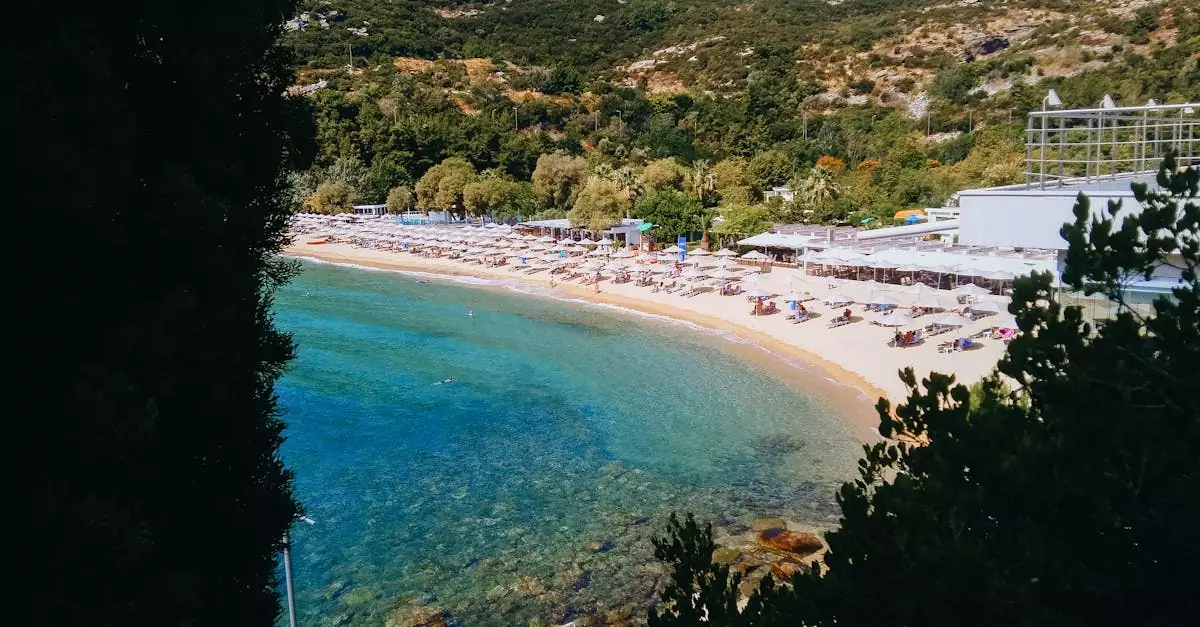
The Atlantic coastlines of Portugal and Spain offer a rugged, dramatic alternative to the Mediterranean’s calmer waters. Here, powerful waves carve intricate coastlines, revealing secluded coves and expansive beaches that feel a world away from crowded tourist hubs. These shores often require a bit more effort to reach, rewarding intrepid travelers with pristine natural beauty and a sense of true discovery. Planning a trip to these regions means embracing a wilder side of European beach life.
Praia da Marinha, Algarve, Portugal: Iconic Arches and Hidden Caves
Praia da Marinha is arguably one of the most photographed beaches in the Algarve, yet its dramatic cliffs, sea stacks, and hidden grottoes still retain a sense of secluded charm. Accessible via a steep staircase from the clifftop, the beach itself is a wide expanse of golden sand. What truly sets it apart are the iconic double arches and numerous caves carved by centuries of erosion.
Getting There and Logistics:
- Access: Parking is available at the top of the cliffs, followed by a descent of around 100 steps.
- Timing: Arrive early, especially in peak season (July-August), to secure a good spot and enjoy calmer waters. The late afternoon light is spectacular for photography.
- Activities: Kayaking or paddleboarding allows for intimate exploration of the sea caves. Swimming is generally safe in calm conditions, but always be aware of the tide.
- Facilities: Limited facilities exist directly on the beach; come prepared with water and snacks.
While part of the popular Algarve, Praia da Marinha retains its allure by offering more than just sunbathing. Its geological wonders make it a destination for those seeking natural spectacle alongside their beach time.
Playa de las Catedrales, Galicia, Spain: Dramatic Rock Formations
Further north, along the rugged coast of Galicia, lies Playa de las Catedrales (Beach of the Cathedrals). This extraordinary beach is renowned for its towering rock arches, sculpted by the Atlantic into formations resembling gothic cathedral spires. At low tide, visitors can walk amongst these natural monuments, marveling at their scale and intricate detail.
Visitor Information:
- Tidal Dependence: Access to walk among the arches is strictly limited to low tide. It is crucial to check the tide times before visiting.
- Access: A wooden walkway leads down to the beach, with some sections of sand that can be soft.
- Crowd Management: During peak season, a reservation system may be in place to limit visitor numbers and protect the fragile environment.
- Best Time to Visit: Aim for the spring or early autumn months for fewer crowds and pleasant weather. Summer can be busy, and booking in advance is essential.
This unique beach offers a different kind of coastal experience, blending natural artistry with a touch of the sublime. It’s a must-see for anyone interested in geological wonders and dramatic coastal landscapes in Northern Spain.
Isla de Ons, Galicia, Spain: Pristine and Protected Beaches
For a truly unspoiled escape, the islands of the Rías Baixas, particularly Isla de Ons, offer some of Galicia’s most secluded and pristine beaches. Part of the Atlantic Islands of Galicia National Park, Ons is a protected natural reserve, ensuring its shores remain untouched and its waters crystal clear. The island boasts several stunning beaches, including Praia de Area Grande and Praia de Canexol, accessible by ferry from ports like Bueu or Portonovo.
Island Exploration Tips:
- Ferry Services: Ferries operate seasonally, typically from late spring through early autumn. Booking tickets in advance is highly recommended.
- On-Island Amenities: Facilities are minimal, reflecting the island’s protected status. There are a few small restaurants and basic services in the main village.
- Hiking: The island is crisscrossed with walking trails offering breathtaking views and leading to various coves and viewpoints.
- Conservation: Visitors are expected to adhere to park regulations, including proper waste disposal and respecting the natural environment.
Isla de Ons provides an opportunity to experience a tranquil, natural paradise, far from the hustle of the mainland. Its protected status ensures that its secluded beaches remain a sanctuary for nature lovers and those seeking quiet contemplation.
Planning Your Escape to Europe’s Hidden Beaches
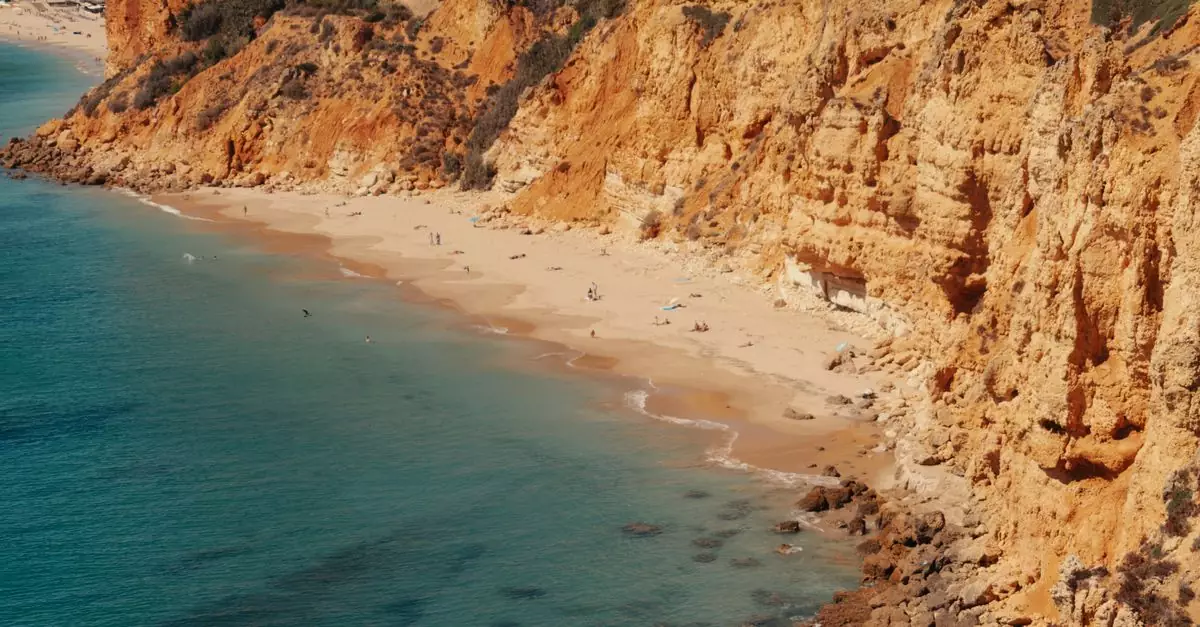
Discovering Europe’s best hidden beaches requires foresight. While the allure of secluded shores is strong, practical planning ensures your trip is as relaxing as the destination itself. From timing your visit to packing the right gear, these insights will help you navigate the journey to your own slice of European paradise.
Best Time to Visit Europe’s Secluded Shores
The ideal time to seek out Europe’s best hidden beaches often falls outside the peak summer months of July and August. During these months, even the most remote spots can attract crowds, and accommodation prices soar. Consider visiting in late spring (May to June) or early autumn (September to October).
- Spring (May-June): Enjoy pleasant temperatures, blooming wildflowers, and fewer tourists. The water might still be cool for swimming in some northern regions, but it’s perfect for sunbathing and exploring.
- Summer (July-August): The warmest weather, ideal for swimming and water sports. However, expect higher prices and more people. Book accommodations and transport well in advance.
- Autumn (September-October): Often offers a delightful balance of warm weather and reduced crowds. The sea remains warm enough for swimming in many southern areas, and the landscapes take on beautiful autumnal hues.
Understanding regional variations is key. The Mediterranean coast enjoys a longer warm season than the Atlantic shores, making September a fantastic month for Greek islands or the Algarve, while June might be preferable for beaches in Brittany.
Getting to Europe’s Best Hidden Beaches: Transportation Tips
Reaching secluded European beaches often involves a multi-step journey. Direct flights to small coastal towns are rare, so be prepared for a combination of air, train, and local transport.
- Flights: Fly into the nearest major airport. From there, you’ll likely need onward travel.
- Trains: Europe boasts an extensive rail network, offering a scenic and relatively eco-friendly way to travel between cities and larger towns. Companies like Deutsche Bahn or SNCF provide comprehensive services.
- Rental Cars: For ultimate flexibility, especially when accessing very remote locations, renting a car is often the best option. This allows you to stop at viewpoints and explore coastal roads at your own pace. Be mindful of parking availability and potential narrow, winding roads.
- Local Buses & Ferries: Once near your destination, local buses or ferries can be essential for reaching specific beaches, particularly on islands. Research schedules in advance as they can be infrequent.
When planning your route, consider the logistical challenges. Some of the most rewarding hidden beaches might require a hike from the nearest road or public transport stop.
Packing Essentials for a Remote Beach Getaway
Packing smart is crucial when heading to less-developed coastal areas. You’ll want to be self-sufficient and comfortable.
- Sun Protection: High SPF sunscreen, a wide-brimmed hat, and sunglasses are essential.
- Comfortable Footwear: Sturdy walking shoes or hiking sandals are necessary for navigating uneven terrain to reach your secluded spot. Water shoes can also be useful for rocky shorelines.
- Beach Gear: A lightweight, quick-drying towel, a reusable water bottle, and a beach blanket.
- Snacks & Water: Many hidden beaches lack nearby facilities, so bring plenty of food and drinks.
- First-Aid Kit: A basic kit for minor cuts or scrapes.
- Insect Repellent: Especially important for evenings or if visiting areas with dense vegetation.
- Cash: Some smaller villages or remote beach cafes may not accept cards.
Don’t forget a good book and perhaps a portable charger for your devices.
Accommodation Options Near Secluded European Beaches
Finding accommodation near Europe’s best hidden beaches often means choosing between charming local guesthouses, self-catering apartments, or small boutique hotels. Large resorts are typically absent in these quieter locales.
- Guesthouses (Pensions/B&Bs): Offer a personal touch and local insights. Often family-run, they provide an authentic experience.
- Apartments/Villas: Ideal for longer stays or families, offering more space and the ability to prepare your own meals. Many can be found through local rental agencies or platforms like Airbnb.
- Small Hotels: Look for independently owned hotels that blend into the local character of the region.
Booking in advance is highly recommended, particularly if traveling during shoulder seasons when some accommodations might operate with reduced hours or availability. Researching the specific village or town near your desired beach will reveal the most suitable lodging options. Consider proximity to amenities like small grocery stores or local tavernas, as these can be few and far between in truly remote areas.
Frequently Asked Questions About Europe’s Hidden Beaches
Are Europe’s hidden beaches safe for swimming?
Generally, yes, but always exercise caution. Many secluded European beaches are located in natural settings, which means currents can be stronger or less predictable than at monitored tourist beaches. Always check local conditions, look for any posted warnings, and swim within your abilities. If you’re unsure, observe local swimmers or ask for advice at a nearby village. Familiarize yourself with European water safety guidelines if you plan extensive swimming.
What are the best hidden beaches in Europe for families?
Families seeking quieter shores should consider beaches with calm, shallow waters and minimal waves. For instance, some coves along the Croatian coast, particularly on islands like Vis or Mljet, offer clear, tranquil waters suitable for children. Similarly, certain less-developed stretches of coastline in Sardinia, Italy, or the Algarve region of Portugal (away from the main resorts) can provide a more serene family experience. Look for beaches accessible by short, easy walks rather than challenging hikes.
Can I find hidden beaches in Europe accessible by public transport?
Accessing truly hidden beaches often requires a car or a significant walk, as their seclusion is part of their charm. However, some are reachable with a bit of planning. For example, in Greece, you might take a local bus to a coastal town and then a short taxi or walk to a nearby secluded bay. In Spain, some coastal train lines stop near less-visited stretches of the Mediterranean or Atlantic coast, requiring a final hike. Researching local bus routes and ferry schedules for the specific region you’re visiting is key.
What local foods should I try near these hidden coastal spots?
The culinary experiences near hidden beaches often reflect the freshest local ingredients. In Portugal, expect delicious grilled sardines or octopus, often served simply with potatoes and salad. Along the Mediterranean, particularly in Greece or Italy, look for freshly caught fish prepared al cartoccio (baked in parchment paper) or simple pasta dishes featuring local seafood like mussels or clams. Don’t miss trying regional cheeses and olives, which are staples in many coastal villages across Europe.