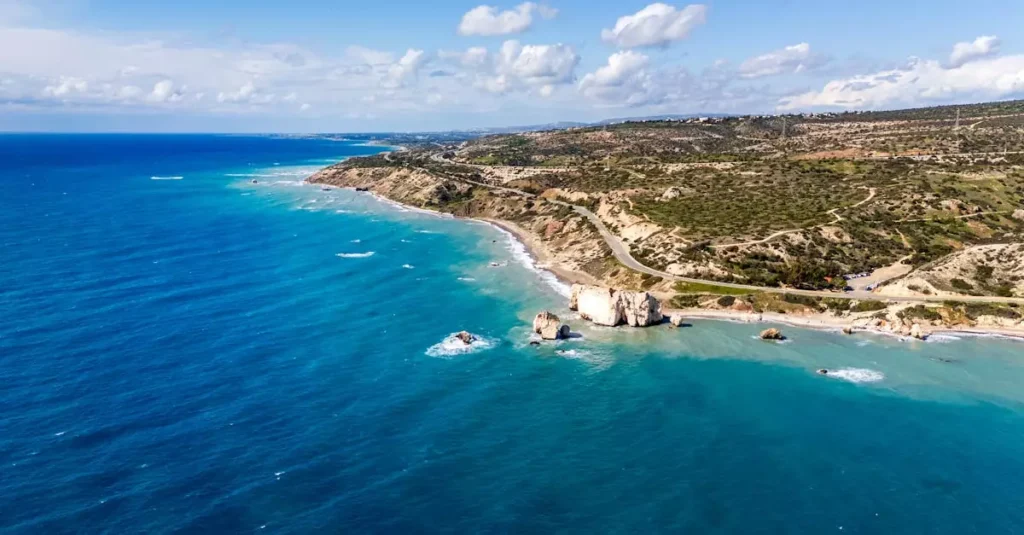
Embarking on one of the best coastal road trips in Europe promises a journey filled with breathtaking vistas, charming villages, and unforgettable moments. Imagine winding roads that hug dramatic cliffs, revealing turquoise waters and picturesque harbors at every turn. From the sun-drenched shores of the Mediterranean to the rugged beauty of the Atlantic, Europe offers a diverse tapestry of coastal drives, each with its unique character and allure.
This guide will take you through some of the most iconic and rewarding coastal routes the continent has to offer. You’ll discover hidden gems, practical tips for navigating these scenic highways, and insights into the local culture and cuisine that make each destination special. Whether you’re dreaming of Italy’s dramatic Amalfi Coast, Ireland’s wild Atlantic shores, or Spain’s verdant coastline, prepare to be inspired for your next adventure.
Amalfi Coast, Italy: A Dramatic Drive Through Mediterranean Splendor
The Amalfi Coast road, officially the Strada Statale 163 Amalfitana, is a legendary stretch of highway clinging to the rugged cliffs of Italy’s Sorrentine Peninsula. This iconic drive offers breathtaking panoramas at every hairpin turn, making it one of the best coastal road trips in Europe for those seeking dramatic scenery and charming seaside towns. Expect vibrant bougainvillea, pastel-colored villages cascading down to the turquoise Tyrrhenian Sea, and a taste of la dolce vita.
Navigating the SS163: Tips for Driving the Amalfi Coast Road
Driving the SS163 requires a blend of confidence and caution. The road is narrow and winding, often congested during peak season. Familiarize yourself with local driving customs and be prepared for scooters, buses, and other vehicles sharing the path.
- Vehicle Choice: Opt for a smaller car. Larger vehicles can be challenging to maneuver on tight bends and difficult to park. Many travelers find renting a scooter or using local buses and ferries to be a less stressful alternative for getting between towns.
- Timing: Travel outside of July and August if possible. May, June, September, and early October offer pleasant weather with fewer crowds. Early morning or late afternoon drives can also help you avoid the busiest traffic.
- Parking: Parking is scarce and often expensive in popular towns. Look for official parking lots, but be prepared to walk uphill to reach your destination. Consider staying in one town and using public transport or ferries to visit others.
- Navigation: While GPS is helpful, keep an eye on road signs and be aware of your surroundings. The dramatic drops and sheer rock faces demand full attention.
Positano’s Cliffside Charm: Exploring the Jewel of the Coast
Positano is arguably the most photogenic town along the Amalfi Coast. Its houses, painted in shades of peach, pink, and white, tumble down the steep hillside towards a pebble beach. Walking through Positano involves navigating a labyrinth of narrow staircases and charming alleyways lined with boutiques selling linen clothing, ceramics, and local crafts.
The Spiaggia Grande, the main beach, offers stunning views back up at the town. For a quieter experience, head to Fornillo Beach, accessible via a scenic coastal path. Boat tours departing from Positano provide a unique perspective of the coastline, often including stops for swimming in secluded coves.
Ravello’s Gardens and Views: A Serene Escape Above the Sea
Perched high above the coast, Ravello offers a tranquil respite from the bustling towns below. This elegant village is renowned for its magnificent gardens and unparalleled vistas. Villa Rufolo, with its Moorish architecture and terraced gardens, has inspired artists and musicians for centuries, most notably Richard Wagner.
Equally impressive is Villa Cimbrone, famous for its “Terrace of Infinity,” a promenade lined with classical busts that frames a truly awe-inspiring panorama of the coastline. Ravello’s peaceful atmosphere and sophisticated charm provide a delightful contrast to the seaside energy of Positano and Amalfi.
Local Flavors: Must-Try Seafood and Limoncello in Amalfi
The culinary scene along the Amalfi Coast is as vibrant as its scenery. Fresh seafood is a staple, with local trattorias serving dishes like spaghetti alle vongole (spaghetti with clams) and grilled fish caught daily. Don’t miss delizia al limone, a light sponge cake soaked in limoncello syrup, a regional specialty.
Speaking of limoncello, this sweet and potent liqueur made from local lemons is a must-try. You’ll find it served chilled after meals, or you can purchase bottles from local producers. Many towns also offer cooking classes where you can learn to prepare classic Sorrentine dishes. Visiting a local market provides a chance to sample regional produce, cheeses, and olives, offering a true taste of the area.
The Wild Atlantic Way, Ireland: Rugged Beauty and Coastal Villages
Ireland’s Wild Atlantic Way is a celebrated scenic drive, stretching over 2,500 kilometers along the country’s western seaboard. This route showcases dramatic coastal landscapes, from towering cliffs to windswept beaches and charming fishing villages. It’s one of the best coastal road trips in Europe for those seeking raw, natural beauty and a deep connection with traditional Irish culture. Driving this route offers a profound sense of discovery, with each bend revealing a breathtaking vista.
Connemara’s Mystical Landscapes: Driving Through the National Park
The Connemara region, a significant portion of the Wild Atlantic Way, is characterized by its stark beauty. Here, mountains meet the sea, interspersed with peat bogs and glittering lakes. Driving through Connemara National Park, you’ll encounter roads winding through landscapes seemingly untouched by time. Keep an eye out for Connemara ponies, a hardy breed native to the region, often seen grazing freely. The Twelve Bens mountain range provides a dramatic backdrop, offering numerous hiking opportunities for those who wish to explore on foot.
Cliffs of Moher: Experiencing Ireland’s Iconic Coastal Vistas
No journey along the Wild Atlantic Way is complete without a visit to the Cliffs of Moher. These majestic cliffs rise over 200 meters from the Atlantic Ocean, offering unparalleled views. On a clear day, you can see the Aran Islands and the coastline stretching for miles. The visitor center provides excellent information about the geology and wildlife, including the numerous seabirds that nest on the cliff faces. Be prepared for strong winds, which are common year-round, and always maintain a safe distance from the cliff edge.
Dingle Peninsula: A Journey Through Traditional Irish Culture
The Dingle Peninsula, a designated Gaeltacht (Irish-speaking) area, offers a vibrant immersion into traditional Irish culture alongside stunning scenery. The Slea Head Drive is a must-do, a circular route that showcases ancient forts, beehive huts, and dramatic sea stacks. You’ll find lively pubs in Dingle town, where traditional music sessions are a nightly occurrence. This peninsula is also a fantastic place to sample fresh seafood, with many restaurants offering locally caught fish and shellfish.
Best Time to Drive the Wild Atlantic Way for Optimal Weather
The Wild Atlantic Way can be driven year-round, but the best time for optimal weather is typically from May to September. During these months, you’ll experience longer daylight hours and a higher chance of sunshine, though rain is always a possibility in Ireland.
Here’s a general overview of seasonal considerations:
| Season | Pros | Cons |
|---|---|---|
| Spring (Apr-May) | Fewer crowds, blooming wildflowers | Unpredictable weather, cooler temperatures |
| Summer (Jun-Aug) | Longest days, warmest weather, vibrant | Busiest period, higher accommodation prices |
| Autumn (Sep-Oct) | Beautiful fall colors, fewer crowds | Shorter days, increasing chance of rain |
| Winter (Nov-Mar) | Dramatic storms, peaceful atmosphere | Shortest days, limited services, potential road closures |
For the best balance of good weather and manageable crowds, late spring (May-June) and early autumn (September) are often recommended for driving this route.
The Great Ocean Road, Australia (Though Not Europe, Often Compared!): Iconic Surf and Twelve Apostles
While this guide focuses on the best coastal road trips in Europe, the Great Ocean Road in Australia frequently features in discussions about iconic scenic drives, and its dramatic landscapes offer a valuable point of comparison. Stretching over 243 kilometers along the southeastern coast, it’s renowned for its rugged cliffs, surf beaches, and the famous Twelve Apostles rock formations. This drive showcases the raw power of the Southern Ocean and provides a breathtaking natural spectacle.
Torquay to Lorne: The Start of the Iconic Drive
The journey typically begins in Torquay, a town synonymous with Australian surf culture. From here, the road winds through coastal heathlands and past popular surf breaks like Bells Beach. The initial stretch offers glimpses of the ocean before the landscape opens up dramatically.
Lorne, a charming seaside town, serves as a natural stopping point. It’s a great place to enjoy a relaxed lunch with ocean views or take a dip in the calm waters of Louttit Bay. The drive itself is characterized by sweeping vistas and the constant presence of the sea.
Exploring the Twelve Apostles and Loch Ard Gorge
Further west, the Great Ocean Road reaches its most famous landmarks: the Twelve Apostles. These towering limestone stacks, sculpted by the relentless ocean over millennia, are a truly awe-inspiring sight. While there were once twelve, erosion has reduced their number, but the remaining formations are still spectacular.
Nearby, Loch Ard Gorge offers a more intimate experience. Here, you can walk down to the beach and explore the shipwreck history of the area, including the famous Loch Ard clipper. The sheer cliffs and secluded beach create a dramatic and historic setting. Visiting at sunrise or sunset provides particularly stunning light for photography.
Wildlife Spotting: Koalas and Kangaroos Along the Coast
Beyond the dramatic coastal scenery, the Great Ocean Road is also a prime location for wildlife encounters. Keep an eye out for koalas in the eucalyptus trees, particularly around the Cape Otway area. These sleepy marsupials are often found in the more forested sections adjacent to the coast.
Kangaroos are also common, especially in the early morning and late afternoon, grazing in paddocks and open spaces. Birdlife is abundant, with various seabirds and coastal species visible along the cliffs and beaches. Responsible wildlife viewing means maintaining a safe distance and never feeding the animals.
Accommodation Options: From Coastal Campgrounds to Luxury Stays
The Great Ocean Road offers a diverse range of accommodation to suit different budgets and travel styles.
- Budget-friendly: Numerous caravan parks and campgrounds are dotted along the route, providing basic facilities and stunning locations. Hostels are also available in towns like Lorne and Apollo Bay.
- Mid-range: Motels, holiday parks with cabins, and self-contained apartments offer comfortable stays in the main towns.
- Luxury: Boutique hotels and high-end lodges provide a more indulgent experience, often with spectacular ocean views and premium amenities.
Booking in advance is highly recommended, especially during peak holiday seasons and weekends, as the Great Ocean Road is a very popular destination.
Northern Spain’s Green Coast: From Basque Country to Galicia
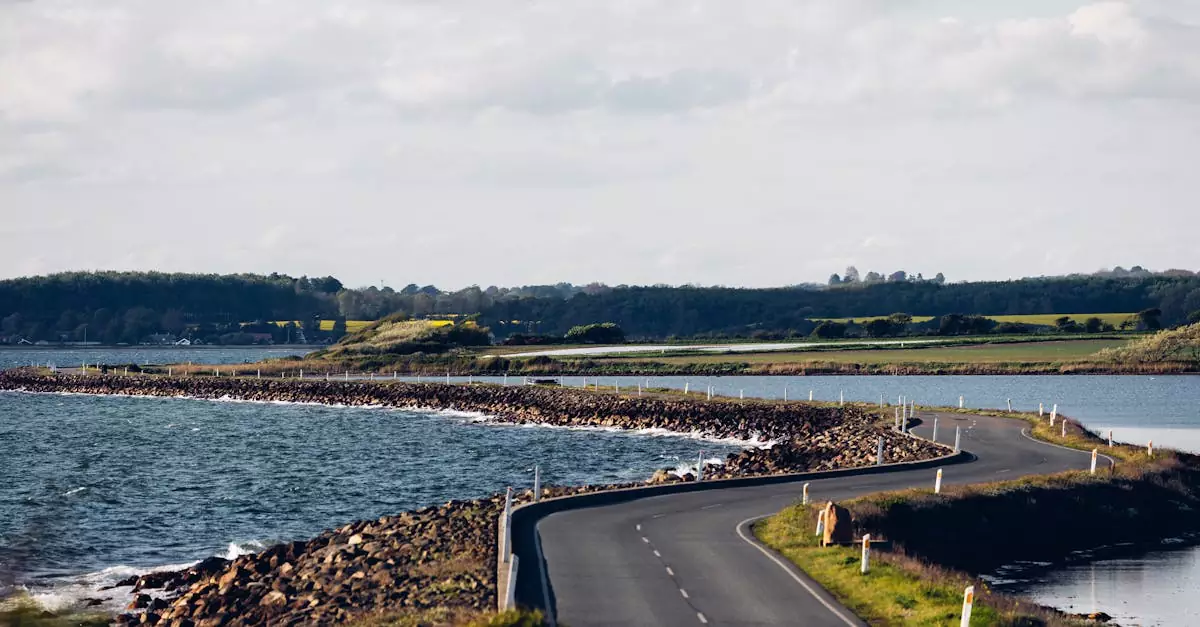
The northern coast of Spain, often called the “Green Coast” or España Verde, offers a dramatically different landscape from its sun-drenched southern counterparts. This region, stretching from the Basque Country to Galicia, is characterized by lush rolling hills, rugged cliffs, and a cooler, wetter climate that nurtures vibrant green scenery. It’s a dream destination for those seeking dramatic ocean views, excellent seafood, and a less crowded European coastal road trip experience.
San Sebastián’s Culinary Delights and La Concha Beach
Your journey along this scenic route might begin in San Sebastián, a city renowned for its exceptional gastronomy. The Basque Country’s capital boasts an impressive number of Michelin-starred restaurants and a vibrant pintxos (tapas) culture. Spend your days indulging in these small culinary masterpieces, perhaps starting with a walk along the iconic crescent-shaped La Concha Beach, considered one of Europe’s most beautiful urban beaches. The city’s elegant architecture and lively atmosphere provide a sophisticated starting point before heading west. Consider visiting in late summer for pleasant weather, though expect more crowds.
Picos de Europa National Park: Mountain Vistas Meeting the Sea
Venturing further west, the landscape begins to shift, leading you towards the majestic Picos de Europa National Park. While not strictly coastal, this mountain range dramatically plunges towards the Cantabrian Sea, offering breathtaking viewpoints where jagged peaks meet the azure waters. Driving through the park allows for short hikes, discovering glacial lakes, and admiring the rugged beauty. Towns like Potes serve as excellent bases for exploring the park’s dramatic gorges and charming mountain villages. The drive from the coast inland is relatively short, making it an easy addition to your coastal itinerary.
Santiago de Compostela’s Pilgrim Route and Coastal Endings
The route eventually leads you toward Galicia, a region steeped in history and famous as the culmination of the Camino de Santiago pilgrimage. While the city of Santiago de Compostela itself is inland, its spiritual significance is undeniable. Many pilgrims, after completing their journey, continue to the nearby coast to dip their feet in the Atlantic. For road trippers, Galicia’s coastline offers a wilder, more windswept beauty, with granite cliffs, sandy beaches, and picturesque fishing villages. The region is known for its excellent seafood, particularly its octopus (pulpo a la gallega) and shellfish.
Hidden Coves and Beaches: Discovering Northern Spain’s Secluded Spots
Beyond the well-known attractions, Northern Spain’s Green Coast is dotted with countless hidden coves and stunning beaches, many of which are far less developed than those found elsewhere in Europe. Look for opportunities to pull over and discover secluded stretches of sand or dramatic cliffside vistas. The stretch between Cudillero in Asturias and Fisterra in Galicia is particularly rich with these natural treasures. Renting a car is essential for truly exploring these off-the-beaten-path locations, allowing you the flexibility to stop whenever a spectacular view catches your eye. The best time to visit for pleasant weather and fewer crowds is typically May, June, or September.
Croatia’s Dalmatian Coast: Island Hopping and Adriatic Wonders
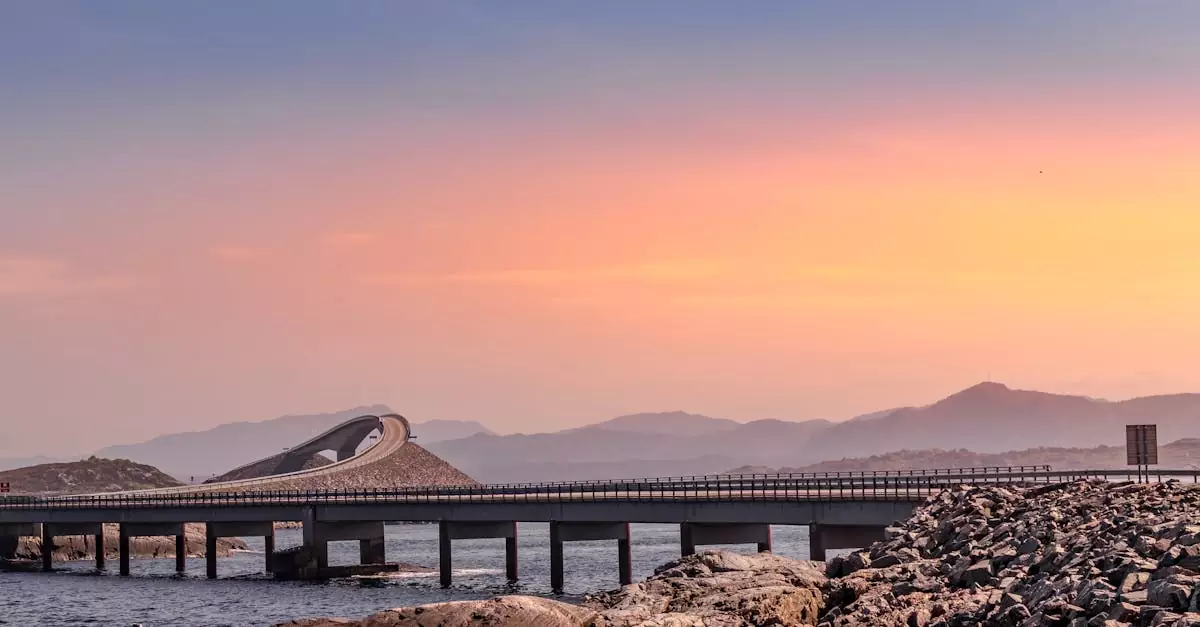
The Dalmatian Coast of Croatia offers one of the most visually stunning and logistically accessible coastal road trips in Europe. This stretch of the Adriatic Sea is famed for its sapphire waters, ancient walled cities, and a scattering of picturesque islands. Driving here connects you to a rich history and vibrant culture, making it a top choice for a memorable European road trip.
Driving the D8 Highway: Connecting Split and Dubrovnik
The D8 Highway, also known as the Jadranska Magistrala, is the backbone of any Dalmatian road trip. This scenic route hugs the coastline for much of its length, offering breathtaking views at every turn. Starting from Split, you can drive south towards Dubrovnik, a journey of approximately 230 kilometers. The road is generally well-maintained, though it can be winding in places, so allow ample time to enjoy the scenery and make stops. Key towns and viewpoints along the way include Makarska, with its stunning Biokovo mountain backdrop, and the charming medieval town of Ston, famous for its impressive defensive walls and oyster farms.
Hvar Island’s Lavender Fields and Chic Harbor
While the D8 Highway offers incredible mainland vistas, the true magic of the Dalmatian Coast lies in its islands. A ferry from Split or Drvenik will take you to Hvar Island, renowned for its fragrant lavender fields that bloom in early summer and its glamorous main town, Hvar. Renting a scooter or a small car on the island allows you to discover hidden coves, secluded beaches, and charming villages like Stari Grad, one of Europe’s oldest towns. The harbor in Hvar Town buzzes with activity, showcasing sleek yachts and upscale dining options, a contrast to the island’s more rustic interior.
Plitvice Lakes National Park: A Detour to Cascading Waterfalls
Though not directly on the coast, Plitvice Lakes National Park is an essential detour for anyone exploring Croatia’s natural beauty. Located inland, about a 2-hour drive from the coast, this UNESCO World Heritage site features sixteen terraced lakes interconnected by a series of waterfalls and cascades. Wooden boardwalks wind through the park, allowing for immersive exploration of this aquatic wonderland. Visiting Plitvice requires a full day, and it’s best to book tickets in advance, especially during peak season, to avoid queues. The vibrant turquoise and emerald hues of the water, set against lush green foliage, create a truly unforgettable spectacle.
Best Coastal Road Trip Itinerary for 7 Days in Croatia
A week-long road trip along Croatia’s Dalmatian Coast provides a solid introduction to its highlights. This itinerary balances driving, island exploration, and cultural immersion.
| Day | Focus | Activities |
|---|---|---|
| 1-2 | Split & Trogir | Explore Diocletian’s Palace in Split; visit the UNESCO-listed old town of Trogir. |
| 3 | Drive to Makarska Riviera | Scenic drive along the D8; relax on beaches near Brela or Baška Voda. |
| 4-5 | Hvar Island | Ferry to Hvar; explore Hvar Town and Stari Grad; visit lavender fields (June/July). |
| 6 | Dubrovnik | Drive to Dubrovnik; explore the Old Town and walk the city walls. |
| 7 | Departure | Depart from Dubrovnik or return to Split. |
This itinerary can be adjusted based on your pace and interests. For instance, you could spend more time on the islands or add a visit to the Pelješac Peninsula for wine tasting and more stunning coastal drives. When planning your trip, consider renting a car that is comfortable for both highway driving and navigating narrower island roads. Accommodation options range from boutique hotels in historic towns to apartments with sea views. The shoulder seasons, May-June and September-October, offer pleasant weather and fewer crowds, making them excellent times for this European coastal adventure.
Frequently Asked Questions About European Coastal Road Trips
What are the essential items to pack for a European coastal road trip?
Packing essentials for a European coastal drive include layers of clothing, as weather can change rapidly by the sea. A waterproof jacket is crucial, even in summer. Comfortable walking shoes are a must for exploring charming seaside towns and coastal paths. Don’t forget sun protection like sunscreen, sunglasses, and a hat, especially for driving with the windows down. A reusable water bottle and a portable charger for electronics will also prove invaluable.
How much budget should I allocate for a week-long coastal drive?
Budgeting for a week-long coastal drive in Europe varies significantly by country and travel style. For a moderate budget, aiming for €100-€150 per person per day is a reasonable starting point. This typically covers accommodation in mid-range hotels or guesthouses, meals at local restaurants, fuel, tolls, and some activities. Travelers seeking luxury will spend considerably more, while those on a tighter budget can reduce costs by staying in hostels or self-catering apartments and preparing some meals.
Here’s a general breakdown for a week-long trip:
| Category | Moderate Budget (€/day) | Budget-Conscious (€/day) |
|---|---|---|
| Accommodation | €50 – €80 | €30 – €50 |
| Food | €40 – €60 | €20 – €30 |
| Fuel & Tolls | €20 – €30 | €15 – €25 |
| Activities | €15 – €20 | €10 – €15 |
| Total | €125 – €190 | €75 – €120 |
Remember to factor in the cost of car rental or your own vehicle’s maintenance. Driving through countries like Norway or Switzerland will generally be more expensive than routes in Portugal or parts of Spain.
Are these routes suitable for solo travelers or families?
Many of these European coastal routes are excellent for both solo travelers and families, with some considerations. Solo travelers will find many of these destinations safe and welcoming, offering opportunities for both solitude and social interaction in charming towns. Families will appreciate the variety of activities, from beach time to historical sites, though some routes with winding roads or limited parking might require more attention with younger children.
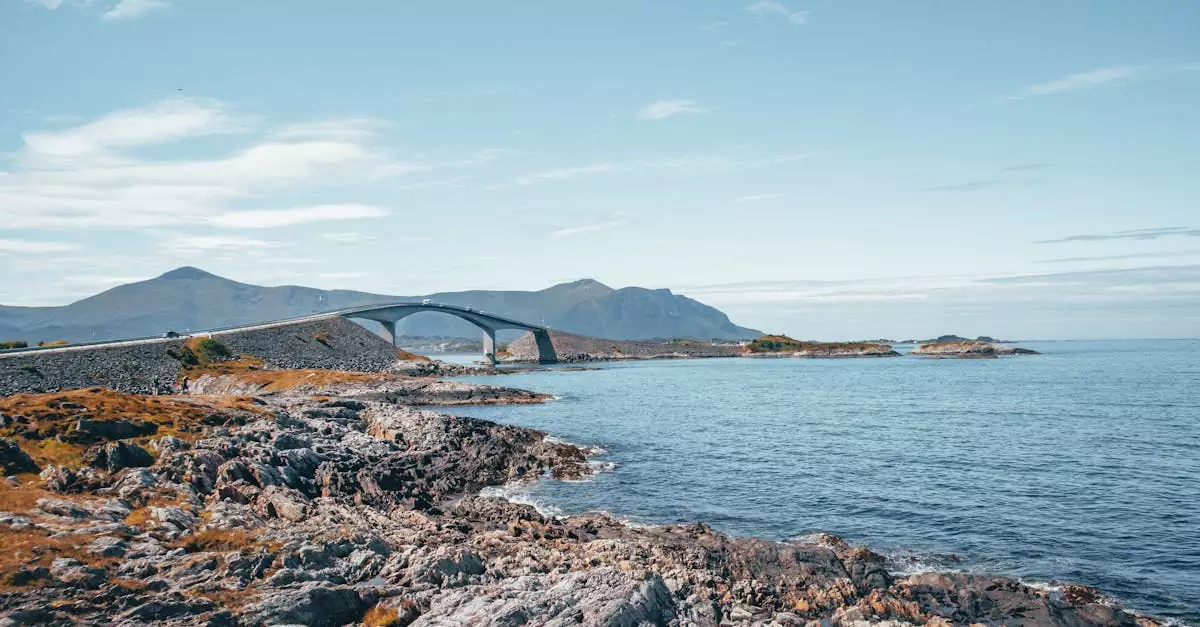
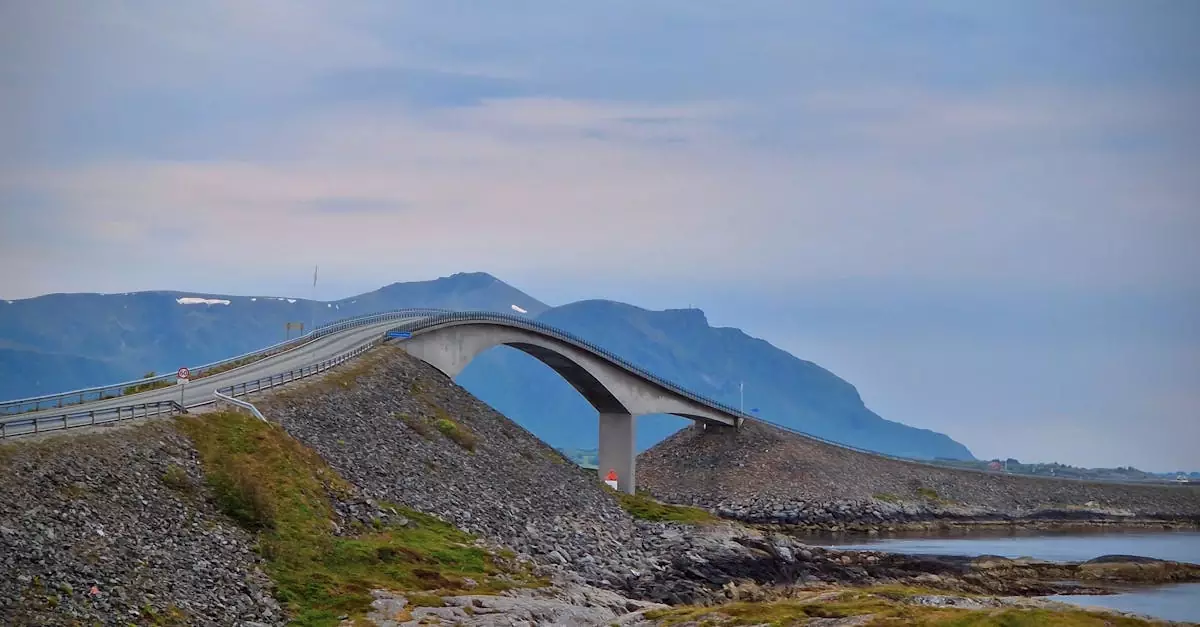
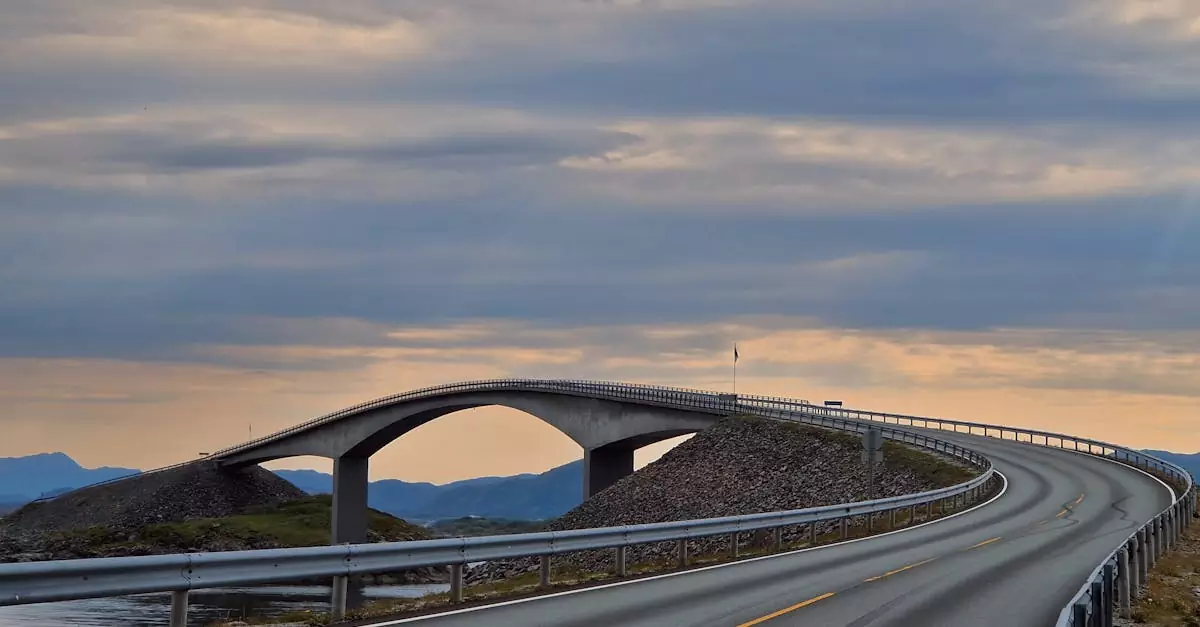
For families, consider routes with ample beaches and easily accessible attractions. The Amalfi Coast, while stunning, can be challenging with very young children due to its narrow roads and steep inclines. The Pembrokeshire Coast in Wales or the Atlantic Road in Norway, with its dramatic bridges and accessible viewpoints, might offer a more relaxed experience for family adventures.
What are common tourist mistakes to avoid on these drives?
A common mistake is trying to cover too much ground. The allure of the best coastal road trips in Europe lies in slow travel; rushing from one point to the next diminishes the experience. Allow ample time to linger in small villages, enjoy spontaneous stops, and soak in the scenery.
Another pitfall is underestimating driving times. Coastal roads, especially in mountainous regions like parts of Italy or Croatia, can be slow and winding. Always add buffer time to your itinerary. Over-reliance on GPS without checking local road conditions or signage can also lead to unexpected detours or delays. Finally, failing to book accommodations in advance, particularly during peak season, can result in limited choices or inflated prices.