France’s extensive coastline offers a captivating array of experiences, from the dramatic cliffs of Normandy to the sun-drenched shores of the French Riviera. Discovering the best seaside towns in France means uncovering picturesque harbors, historic walled cities, and villages renowned for their local charm and culinary delights. This guide will lead you through a selection of these coastal treasures, highlighting what makes each unique. You’ll learn about the artistic allure of Honfleur, the striking natural beauty of Étretat, the regal elegance of Deauville, and the historic ramparts of Saint-Malo. We’ll also explore the vibrant pink granite coast of Brittany and the sparkling bays of the Côte d’Azur, providing insights to help you plan your perfect French coastal escape.
Why Choose France for Your Next Seaside Escape?
France offers a captivating blend of natural beauty, rich history, and culinary delights, making it a premier destination for coastal vacations. Whether you envision rugged cliffs, sandy beaches, or charming fishing villages, the French coastline delivers a diverse range of experiences. Planning a trip to one of the best seaside towns in France means anticipating picturesque landscapes and a vibrant local culture.
The Allure of French Coastal Landscapes
France’s coastline, stretching from the English Channel to the Mediterranean Sea, presents a remarkable variety of scenery. The north coast, with its dramatic chalk cliffs in Normandy and the windswept beaches of Brittany, showcases a wilder beauty. Further south, the Côte d’Azur boasts glamorous resorts and azure waters, while the Atlantic coast offers long stretches of golden sand ideal for surfing and family holidays. This geographical diversity ensures that every traveler can find their ideal coastal setting.
Beyond the Crowds: Uncovering Hidden Coastal Gems
While iconic destinations like Nice and Saint-Tropez draw international attention, France is home to lesser-known seaside towns that offer a more authentic and tranquil experience. These hidden gems often provide a slower pace of life, allowing visitors to connect more deeply with local traditions and enjoy pristine natural surroundings without the overwhelming crowds. Exploring regions like the Opal Coast in the north or the less-developed stretches of the Languedoc coast can reveal truly special places.
France’s appeal extends beyond its varied landscapes; it’s a destination that caters to diverse travel styles and budgets. From luxurious resorts on the Riviera to charming guesthouses in small fishing villages, accommodation options are plentiful. The ease of travel within Europe and the country’s well-developed infrastructure also enhance its popularity as a seaside destination.
Top Seaside Towns on the Normandy Coast
The Normandy coast offers rugged beauty and rich history, with charming seaside towns that draw visitors year after year. From artistic harbors to dramatic natural formations, these destinations provide a quintessential French coastal experience.
Honfleur: Artistic Charm and Harbor Views
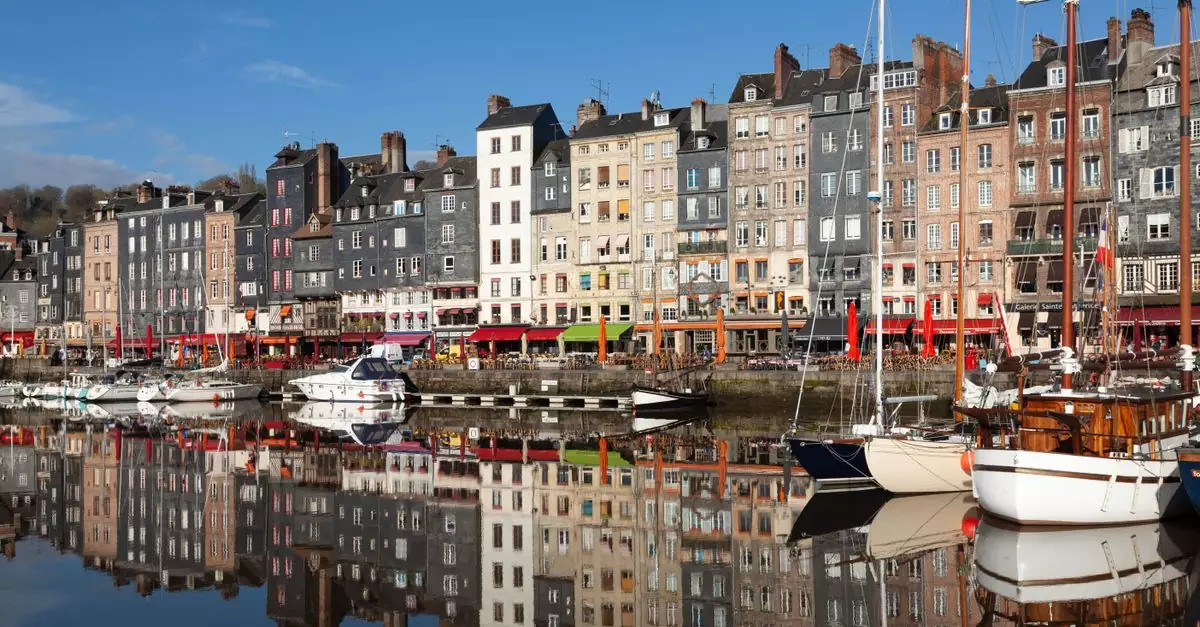
Honfleur is a picturesque port town that has long captivated artists, particularly the Impressionists. Its Vieux Bassin (Old Harbor) is the heart of the town, lined with tall, narrow houses painted in a spectrum of colors. The reflection of these buildings in the water, along with the bobbing fishing boats, creates a scene straight out of a painting.
As you wander through the cobblestone streets, you’ll find numerous art galleries and studios. The Sainte-Catherine Church, built entirely of wood by shipwrights, is a unique architectural marvel and a testament to the town’s maritime heritage. For a taste of local life, visit the fish market near the harbor.
Getting to Honfleur is straightforward, often involving a train to Deauville-Trouville followed by a bus or taxi. Accommodation options range from boutique hotels in historic buildings to more modern apartments. The town is very walkable, with most attractions concentrated around the harbor.
Étretat: Dramatic Cliffs and Natural Arches
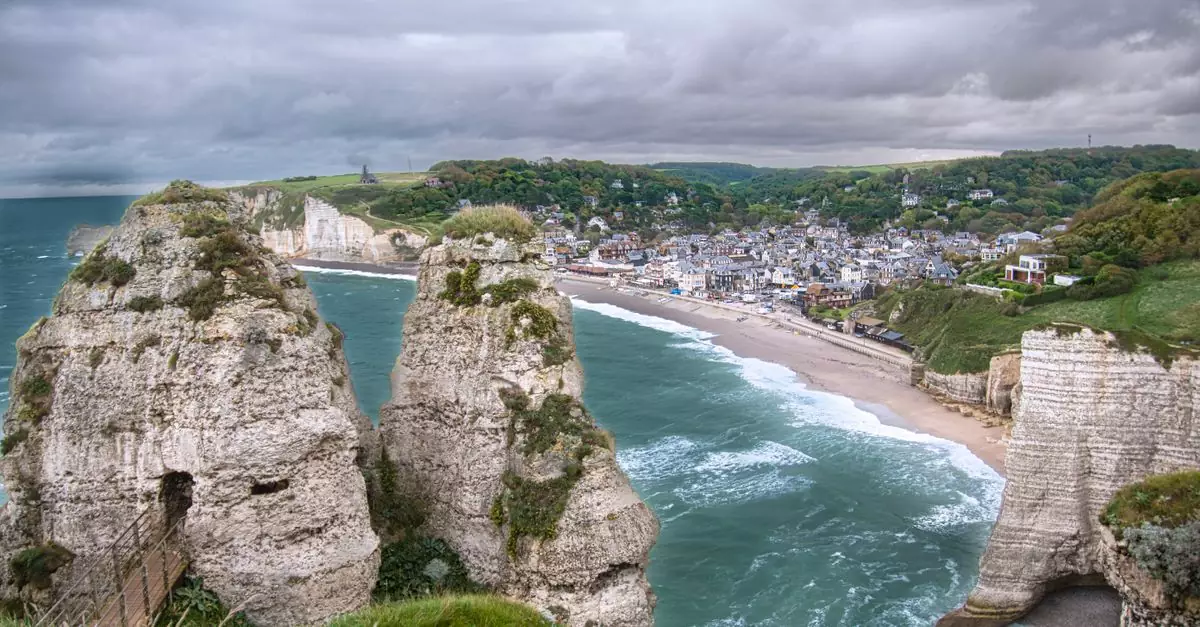
Étretat is renowned for its breathtaking white chalk cliffs and distinctive rock formations that plunge into the English Channel. The most famous are the Falaise d’Aval (Downstream Cliff) with its needle-like rock and the Falaise d’Amont (Upstream Cliff), which features a natural arch. These dramatic landscapes have inspired legends and artists alike.
Visitors can walk along the cliff tops for spectacular panoramic views. The GR21 hiking trail passes through Étretat, offering excellent opportunities for coastal walks. Down in the town, the pebble beach is a popular spot for a stroll, and the gardens above the cliffs provide a different perspective on the scenery.
While the natural beauty is the main draw, Étretat also has a small town center with shops and restaurants. It can get busy, especially during peak season, so booking accommodations in advance is advisable. Consider visiting outside of July and August for a more tranquil experience.
Deauville & Trouville: Elegant Resorts and Sandy Beaches
These two sister towns, separated by the Touques River, offer contrasting but complementary coastal experiences. Deauville embodies French Riviera glamour, known for its upscale casino, luxury hotels, and the iconic boardwalk, “Les Planches.” It’s a destination for those seeking elegance and a touch of celebrity spotting.
Trouville, on the other hand, retains a more authentic fishing port atmosphere. Its lively fish market is a must-visit, and the town offers a more bohemian charm with its bustling promenade and independent shops. The wide, sandy beaches are a significant attraction for both towns, perfect for sunbathing and seaside activities.
Transportation between Deauville and Trouville is easy via a short walk across the bridge or a quick ferry ride. The train station in Deauville provides convenient access to Paris. Travelers can choose accommodations from opulent hotels in Deauville to charming guesthouses in Trouville, catering to different budgets and preferences.
| Town | Vibe | Key Attraction | Best For |
|---|---|---|---|
| Honfleur | Artistic, Historic | Vieux Bassin (Old Harbor) | Art lovers, photographers, history buffs |
| Étretat | Natural Beauty, Dramatic | Chalk Cliffs and Arches | Hikers, nature enthusiasts, scenic views |
| Deauville | Elegant, Glamorous | Casino, “Les Planches” | Luxury travelers, beachgoers |
| Trouville | Authentic, Lively | Fish Market, Sandy Beaches | Foodies, families, relaxed beach-goers |
Exploring the Best Seaside Towns in Brittany
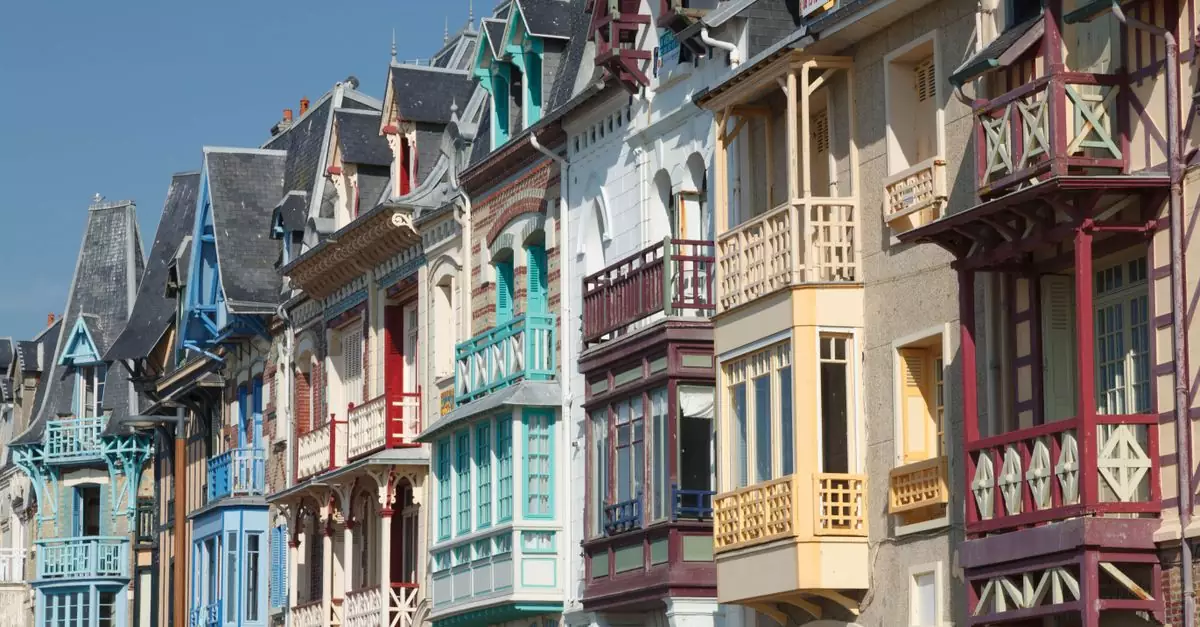
Brittany, a region in the northwest of France, offers a rugged coastline dotted with charming seaside towns. This area is renowned for its dramatic landscapes, rich maritime history, and distinct Celtic heritage. When seeking the best seaside towns in France, Brittany’s offerings are a compelling choice for travelers drawn to authentic coastal experiences.
Saint-Malo: The Walled City and Tidal Wonders
Saint-Malo is a historic port city in Brittany, famous for its impressive ramparts that encircle the old town. Walking along these ancient walls provides panoramic views of the English Channel and the surrounding islands. The city’s strategic location has shaped its history, from its origins as a pirate haven to its role in World War II.
The tides in Saint-Malo are among the most powerful in Europe, creating a dramatic spectacle. At low tide, you can walk out to the islands of Grand Bé and Petit Bé, which are inaccessible during high tide. This phenomenon dictates much of the town’s rhythm and offers unique photographic opportunities.
Getting to Saint-Malo:
The nearest major airport is Rennes–Saint-Jacques Airport (RNS), approximately an hour’s drive away. Direct train services connect Saint-Malo to Paris in about 2.5 hours, making it an accessible destination for a weekend getaway.
Visitor Tip: Check the tide times before your visit to make the most of the tidal walks and to understand the harbor’s activity.
Concarneau: The Walled Town and Maritime Heritage
Concarneau is another of Brittany’s fortified coastal gems, distinguished by its “Ville Close,” a fortified island town accessible by bridges. This medieval citadel, surrounded by granite walls, houses narrow streets, charming shops, and seafood restaurants. It’s a well-preserved example of a fortified port town, offering a glimpse into centuries of maritime life.
The town’s economy has long been tied to fishing, particularly tuna. The Musée de la Pêche (Fishing Museum) provides fascinating insights into the region’s seafaring traditions and the evolution of fishing techniques. The bustling harbor is a constant hub of activity, with colorful fishing boats enhancing the picturesque scene.
Seasonal Considerations:
Concarneau is popular during the summer months, boasting warm weather and a vibrant atmosphere. However, visiting in the shoulder seasons (spring or autumn) offers fewer crowds and a more tranquil experience, though the weather can be unpredictable.
Perros-Guirec: Pink Granite Coast and Coastal Walks
Perros-Guirec, located on the Côte de Granit Rose (Pink Granite Coast), is famous for its striking rock formations sculpted by the sea and wind. These large, rose-hued granite boulders create a surreal and beautiful landscape along the coastline. The Sentier des Douaniers, a coastal path, offers spectacular walking routes with breathtaking views.
The natural beauty of Perros-Guirec makes it a haven for nature lovers and hikers. The Ploumanac’h lighthouse, set against the backdrop of these unique rocks, is an iconic landmark. Boat trips are available to explore the Sept-Îles archipelago, a significant bird sanctuary.
Budgeting for Perros-Guirec:
Accommodation options range from campsites and guesthouses to hotels. Dining can be adjusted to suit different budgets, with crêperies offering affordable local specialties, while seafood restaurants can be more indulgent.
Traveler Insight: For the best photographic light on the pink granite, aim for sunrise or sunset. The colors are most dramatic during these times.
Sun-Drenched Seaside Havens on the French Riviera
The French Riviera, or Côte d’Azur, offers a dazzling stretch of coastline where azure waters meet vibrant towns. These destinations are renowned for their Mediterranean charm, artistic heritage, and sophisticated atmosphere. Planning a trip to these best seaside towns in France requires understanding their unique appeals, from bustling promenades to secluded coves.
Menton: The ‘Pearl of France’ and Lemon Festivals
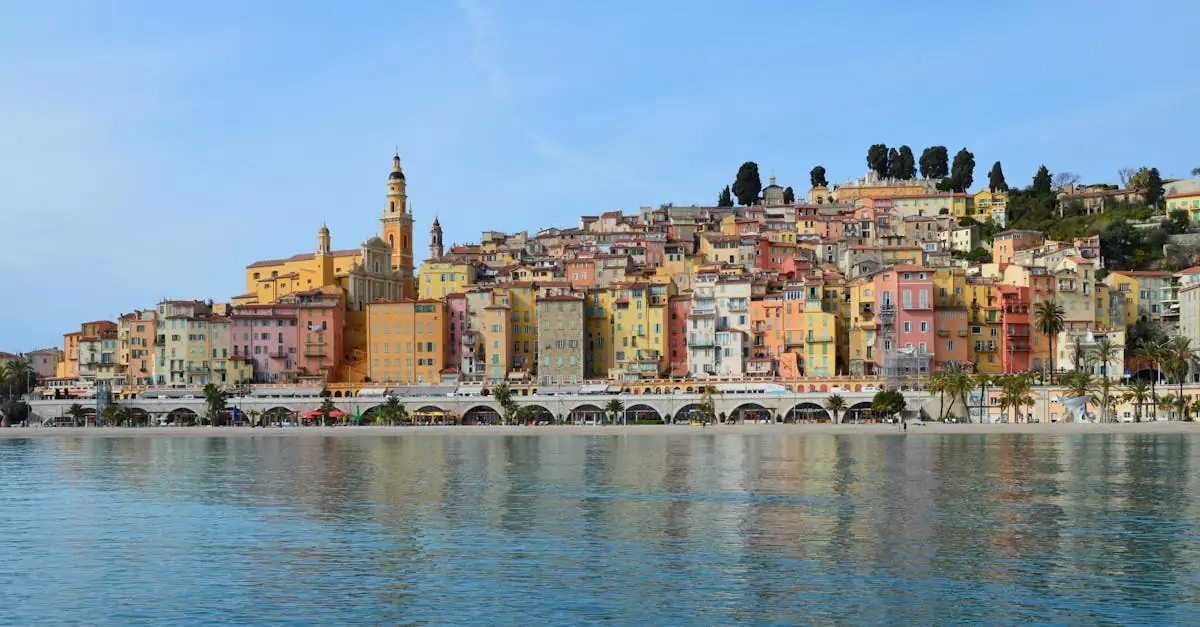
Menton, situated right on the Italian border, lives up to its nickname, “La Perle de la France.” This charming town is famous for its microclimate, allowing for the cultivation of exceptional citrus fruits, particularly lemons. The annual Fête du Citron (Lemon Festival) in February is a spectacular event, drawing crowds with its elaborate floats and lemon-sculpted art.
Beyond the festival, Menton offers a beautiful old town with pastel-colored buildings cascading down to the sea. Wander through its narrow, winding streets, discover hidden squares, and enjoy the scent of jasmine and citrus in the air. The beachfront promenade provides a pleasant spot for a stroll, with views across the bay. For those seeking tranquility, the Jardin Botanique Val Rahmeh offers a peaceful escape with exotic plants.
Getting to Menton is straightforward. It’s well-connected by train to Nice and Monaco. Driving is also an option, though parking can be challenging in peak season. Accommodations range from boutique hotels in the old town to larger resorts along the coast.
Villefranche-sur-Mer: Picturesque Bay and Colorful Streets
Villefranche-sur-Mer boasts one of the most beautiful natural harbors in Europe. Its deep, sheltered bay is a frequent stop for cruise ships and superyachts, adding a touch of glamour. The town itself is a delight, characterized by its steep, narrow streets, arcaded walkways, and vibrantly painted houses that tumble down to the waterfront.
The bay is the star attraction, offering stunning views from the Citadel Saint-Elme and the waterfront promenade. The old town, particularly Rue Obscure, a covered medieval street, provides a unique atmospheric experience. Don’t miss the Chapelle Saint-Pierre, decorated by Jean Cocteau. The town’s small pebble beach is perfect for a refreshing dip.
Villefranche is conveniently located between Nice and Monaco, making it easily accessible by train or bus. Its compact size means much of the town is best explored on foot. Budget travelers might find options slightly more limited here compared to larger neighboring cities, but charming guesthouses and apartments are available.
Cassis: Calanques National Park and Wine Tasting
Cassis is a picturesque fishing port nestled between dramatic limestone cliffs, serving as the gateway to the stunning Parc National des Calanques. This national park features breathtaking rocky inlets with turquoise waters, accessible by boat, hiking, or kayaking. The calanques themselves are the primary draw, offering spectacular scenery and opportunities for swimming and exploration.
Back in Cassis, enjoy the lively harbor, lined with restaurants and cafes. The town has a more relaxed feel than some of its Riviera neighbors. Local vineyards surround Cassis, producing crisp white wines that perfectly complement fresh seafood. Wine tasting tours are a popular activity for visitors.
Accessing Cassis is easiest by car or by bus from Marseille. The train station is a short distance from the town center, requiring a bus or taxi. Hiking to the nearest calanques is feasible from Cassis, but boat tours offer a more comprehensive way to see them all. Consider visiting outside the peak summer months of July and August for a less crowded experience and more pleasant weather for outdoor activities.
What’s the Best Time to Visit France’s Seaside Towns?
Choosing the right season can significantly enhance your experience when visiting France’s best seaside towns. Each period offers a distinct atmosphere, from bustling summer beaches to tranquil winter escapes.
Summer: Peak Season for Beach Activities
July and August represent the peak tourist season along the French coast. This is when the weather is warmest, making it ideal for swimming, sunbathing, and enjoying water sports. Expect lively atmospheres in popular destinations like the Côte d’Azur and Brittany, with vibrant markets and bustling promenades. However, this popularity also means higher accommodation prices and larger crowds at major attractions. Booking well in advance is essential for securing desirable lodging and transport.
Spring & Autumn: Ideal for Coastal Exploration and Fewer Crowds
For travelers who prefer milder weather and a more relaxed pace, spring (April to June) and autumn (September to October) offer compelling alternatives. During these shoulder seasons, the temperatures are pleasant for walking along the coast, cycling through seaside villages, and enjoying regional cuisine without the intense summer heat or the largest crowds. Many coastal towns maintain their charm, with local shops and restaurants remaining open. This is also a fantastic time to appreciate the natural beauty of areas like Normandy or the Atlantic coast, with fewer visitors making it easier to access scenic viewpoints and enjoy a more authentic feel.
| Season | Average Temperature (°C) | Key Activities | Crowd Levels | Accommodation Costs |
|---|---|---|---|---|
| Summer (Jul-Aug) | 20-28 | Beach activities, swimming, water sports, festivals | High | High |
| Spring (Apr-Jun) | 12-20 | Coastal walks, cycling, sightseeing, local markets | Moderate | Moderate |
| Autumn (Sep-Oct) | 10-18 | Sightseeing, wine tasting, cultural exploration | Moderate | Moderate |
| Winter (Nov-Mar) | 5-10 | Festive markets, cozy dining, quiet exploration | Low | Low |
Winter: Tranquil Escapes and Festive Markets
Visiting France’s seaside towns in winter (November to March) offers a unique perspective. The coast becomes a peaceful retreat, perfect for those seeking solitude and a break from the usual tourist bustle. Many seaside resorts quiet down, but larger towns and cities often host charming Christmas markets, providing a festive atmosphere. This season is best suited for travelers interested in experiencing local life, enjoying hearty regional food in cozy restaurants, and taking bracing walks along windswept beaches. Accommodation is typically at its most affordable during these months.
Frequently Asked Questions About French Seaside Towns
How do I travel between France’s best seaside towns?
Navigating between France’s coastal gems offers several practical options. The most scenic and convenient method for exploring individual towns or short distances is by car, providing flexibility for spontaneous stops and access to more remote beaches. For longer inter-city travel, France’s excellent high-speed rail network connects major coastal hubs like Nice, Marseille, and Bordeaux efficiently.
Regional trains and buses are also viable, particularly for reaching smaller, less accessible seaside villages. Consider purchasing a rail pass if you plan extensive train travel across the country. For those prioritizing a relaxed journey, ferries can connect certain islands or coastal points, offering unique perspectives.
Here’s a general overview of inter-town travel:
| Mode of Transport | Best For | Typical Cost (approx.) | Notes |
|---|---|---|---|
| Car Rental | Flexibility, remote areas, families | €40-€80 per day | Tolls and parking can add to costs. |
| High-Speed Train | Speed, comfort, major cities | €30-€100 per ticket | Book in advance for best prices. |
| Regional Train/Bus | Smaller towns, budget travel | €10-€30 per ticket | Slower, but offers local scenery. |
| Ferry | Island hopping, coastal views | Varies by route | Limited routes, weather dependent. |
What are the must-try local seafood dishes?
French coastal cuisine is renowned for its freshness and variety. A true highlight is moules marinières, steamed mussels cooked with white wine, shallots, and parsley – a simple yet profoundly flavorful dish found in many seaside bistros. For a taste of the ocean’s bounty, plateau de fruits de mer (seafood platter) is a must-try, showcasing an array of oysters, prawns, crab, and whelks, best enjoyed with a crisp Muscadet wine.
Don’t miss bouillabaisse, a rich Provençal fish stew originating from Marseille, typically featuring several types of fish, shellfish, and aromatic herbs. In Brittany, crêpes and galettes (savory buckwheat crepes) are a staple, often filled with local seafood like scallops or shrimp. Grilled sardines, especially in the summer months, offer a simpler, delicious taste of the sea.
Are these towns suitable for family vacations?
Many of France’s seaside towns are exceptionally well-suited for family vacations, offering a blend of relaxation and engaging activities for all ages. Resorts along the Côte d’Azur, such as Nice or Cannes, provide long sandy beaches, promenade strolls, and numerous family-friendly attractions like aquariums and amusement parks. The Vendée coast, with towns like Les Sables-d’Olonne, boasts vast, gently sloping beaches ideal for young swimmers and sandcastle builders.
In Normandy and Brittany, families can enjoy exploring historical sites like Mont Saint-Michel, engaging in water sports, and discovering charming fishing villages. Many accommodations offer family rooms or apartments, and the pace of life in these towns is generally relaxed, making it easy to manage with children. Local markets provide opportunities for children to experience French culture and taste regional produce.