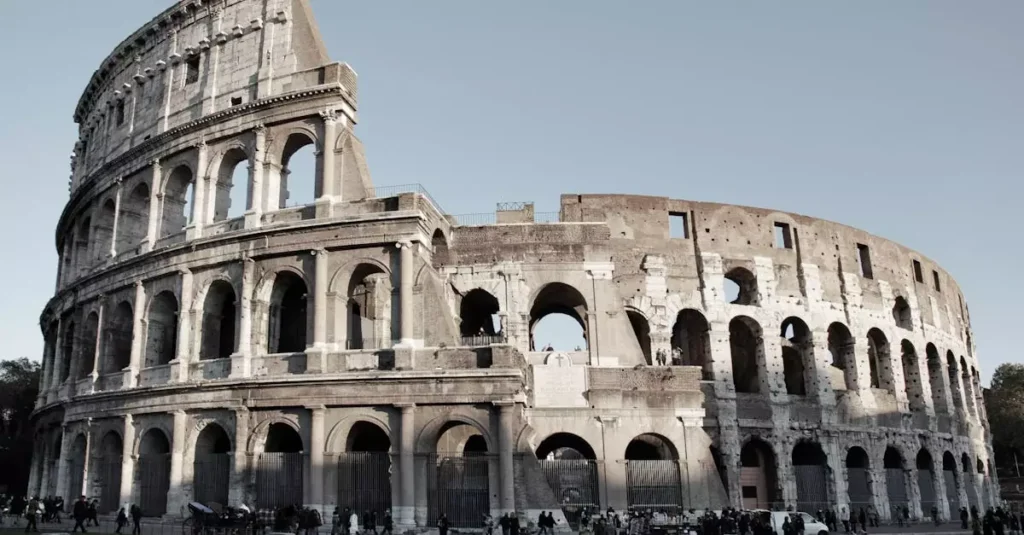
Europe is a continent steeped in history, offering an unparalleled journey through millennia for those eager to explore its past. If you’re captivated by the remnants of ancient civilizations, this guide to the best ancient landmarks in Europe will illuminate your path. We’ll delve into iconic sites that have stood the test of time, revealing their architectural ingenuity, cultural significance, and enduring stories.
From the majestic Acropolis of Athens, a symbol of classical Greece, to the awe-inspiring Colosseum in Rome, echoing the power of an empire, these destinations provide a tangible link to the people who shaped our world. You’ll discover celebrated ruins while learning practical tips for planning your visit, understanding local logistics, and making the most of your exploration. Prepare to step back in time and witness the grandeur of antiquity firsthand.
Discovering the Most Captivating Ancient Landmarks in Europe
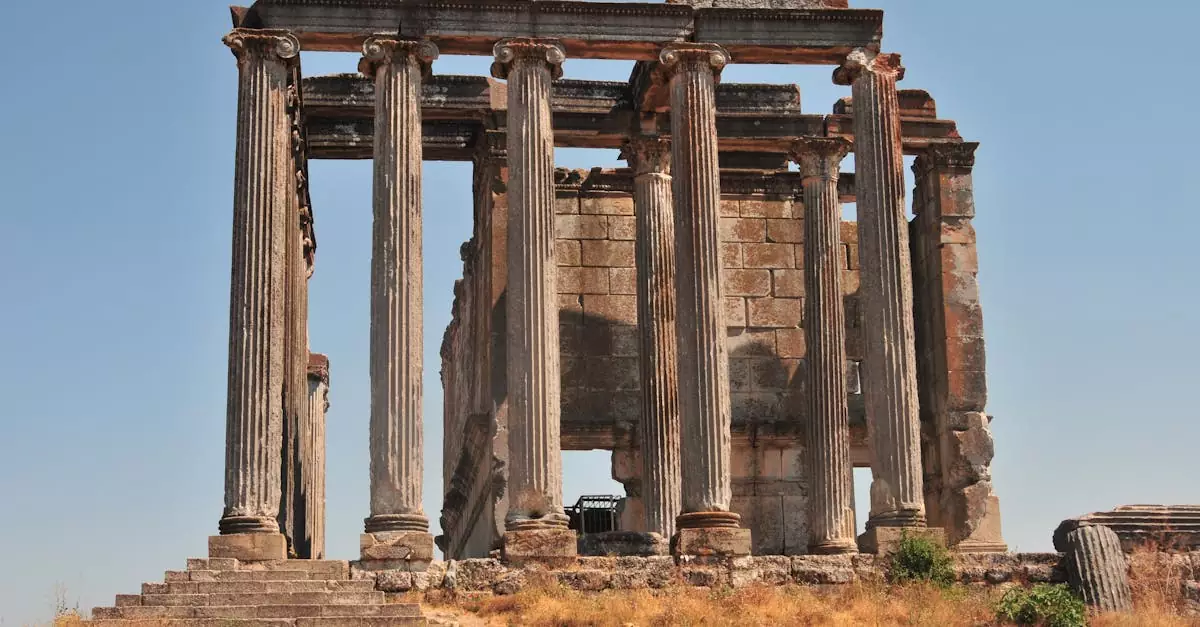
Europe is a treasure trove of ancient history, offering a direct connection to the civilizations that shaped the modern world. For travelers seeking to walk in the footsteps of emperors, philosophers, and artists, these historical sites provide an unparalleled journey through time. Understanding the best ancient landmarks in Europe involves exploring sites that represent significant historical periods and offer immersive experiences for visitors.
The Acropolis of Athens: A Citadel of Classical Greece
Perched above Athens, the Acropolis stands as a monumental testament to the Golden Age of Greece. Its iconic structures, notably the Parthenon, Erechtheion, and Propylaea, are architectural marvels that have inspired countless generations. Visiting the Acropolis provides a profound glimpse into Athenian democracy, philosophy, and art.
Planning Your Visit:
- Best Time to Visit: Spring (April-May) and Autumn (September-October) offer pleasant weather and fewer crowds than the peak summer months.
- Getting There: The Acropolis is easily accessible via the metro to the Acropoli station.
- Tickets: Purchase tickets online in advance to avoid long queues, especially during peak season. Combination tickets can offer value if you plan to visit other archaeological sites in Athens.
- What to Bring: Comfortable walking shoes are essential due to uneven terrain. Sunscreen and water are also highly recommended, particularly during warmer months.
Colosseum and Roman Forum: Echoes of the Roman Empire
Rome’s Colosseum and adjacent Roman Forum are potent symbols of the grandeur and power of the Roman Empire. The Colosseum, an amphitheater that once hosted gladiatorial contests and public spectacles, remains awe-inspiring. Nearby, the Roman Forum was the heart of ancient Roman public life, where political speeches, triumphal processions, and commercial affairs unfolded.
Traveler Insights:
- Guided Tours: Consider a guided tour to fully appreciate the historical context and intricate details of these vast sites. Many tours combine the Colosseum, Forum, and Palatine Hill for a comprehensive experience.
- Logistics: These sites are centrally located and easily reached by public transport or on foot from many popular accommodation options in Rome.
- Crowds: Expect significant crowds year-round. Booking skip-the-line tickets online is essential for a smoother visit.
- Budget: Entrance fees can add up, but a unified ticket for the Colosseum, Forum, and Palatine Hill provides good value. Budget for additional expenses like guided tours or audio guides.
Pompeii and Herculaneum: Preserved Cities of Vesuvius
Frozen in time by the catastrophic eruption of Mount Vesuvius in 79 AD, Pompeii and Herculaneum offer an unparalleled look into daily Roman life. These archaeological sites showcase remarkably preserved villas, shops, public baths, and even the haunting plaster casts of victims, providing an intimate connection to the past.
Key Considerations:
- Proximity: Both sites are near Naples and easily accessible by the Circumvesuviana train line. Pompeii is larger, while Herculaneum is smaller but often considered better preserved.
- Timing: Allocate at least half a day for Pompeii and a few hours for Herculaneum. Visiting both in one day is feasible but can be tiring.
- Weather: The sites are largely exposed, so be prepared for sun or rain depending on the season. Comfortable footwear is crucial for navigating the ancient cobblestone streets.
- Comparison: While Pompeii is more famous and extensive, Herculaneum offers a more intimate and detailed view of Roman domestic life due to its superior preservation.
Machu Picchu: The Lost City of the Incas
Although geographically located in South America, Machu Picchu is frequently included in broader historical travel itineraries and is a must-see for anyone fascinated by ancient civilizations. This breathtaking Inca citadel, nestled high in the Andes Mountains, is renowned for its sophisticated dry-stone construction and stunning panoramic views. Its purpose remains a subject of debate, adding to its mystique.
Visitor Tips:
- Altitude: Acclimatize to the altitude in Cusco or the Sacred Valley before ascending to Machu Picchu to avoid altitude sickness.
- Tickets: Tickets for Machu Picchu and optional hikes (Huayna Picchu, Machu Picchu Mountain) must be booked months in advance, especially during peak season.
- Transportation: Access is typically via train from Cusco or Ollantaytambo to Aguas Calientes, followed by a bus ride up to the citadel.
- Sustainability: Respect the site’s fragile environment. Follow designated paths and adhere to all visitor guidelines to help preserve this UNESCO World Heritage site.
Beyond the Icons: Lesser-Known Ancient European Treasures
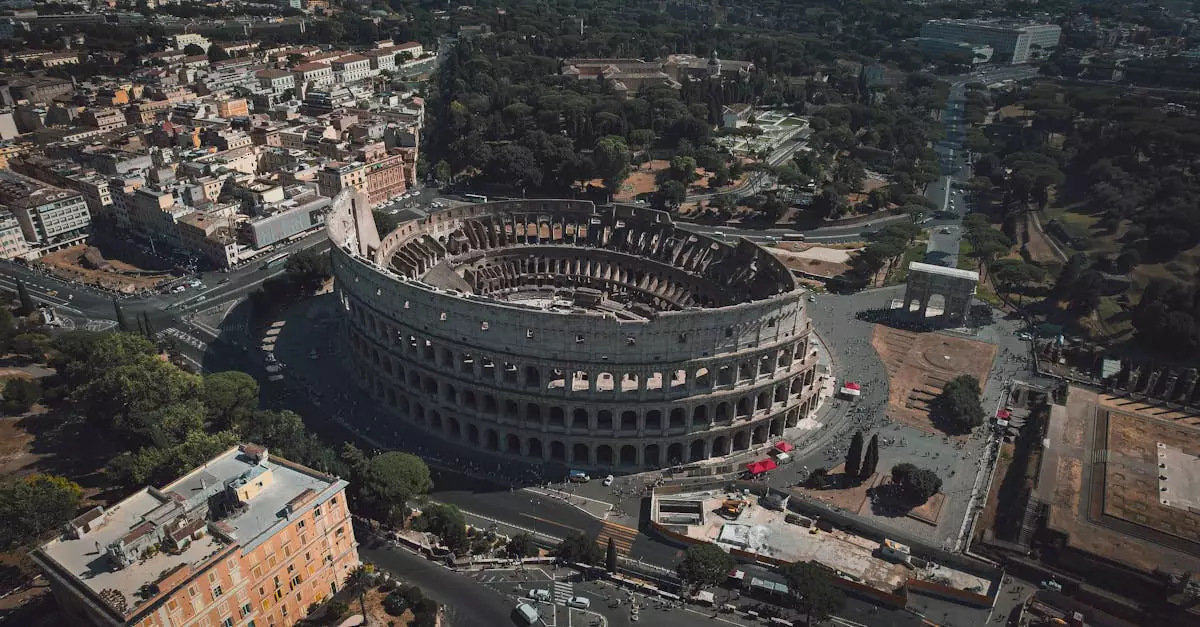
While Rome’s Colosseum and Athens’ Acropolis are undeniably magnificent, Europe holds a wealth of ancient sites that provide a deeper, often less crowded, glimpse into the past. These destinations offer a more intimate encounter with history, allowing for thoughtful reflection and genuine discovery. Exploring beyond the most famous landmarks reveals the continent’s layered past, from bustling Roman ports to enigmatic early settlements.
Ephesus, Turkey: A Grand Roman Port City
Ephesus, located near modern-day Selçuk in Turkey, was once a vibrant hub of the Roman Empire, facilitating trade and cultural exchange across the Mediterranean. Walking its marble streets, you can still envision the chariots that once rumbled by and the citizens who gathered in its grand public spaces. The Library of Celsus, with its intricately carved facade, stands as a testament to the city’s intellectual prowess.
Key structures like the Great Theater, capable of holding 25,000 spectators, and the Temple of Hadrian connect you to the daily life and religious practices of antiquity. Visiting Ephesus requires a full day to truly appreciate its scale and complexity. Comfortable walking shoes are essential, as the site is extensive and largely uncovered.
- Getting there: The closest airport is Izmir Adnan Menderes Airport (ADB), about an hour’s drive away. From Izmir, take a bus or arrange a private transfer to Selçuk.
- Best time to visit: Spring (April-May) and autumn (September-October) offer pleasant weather, avoiding the intense summer heat.
- Tip: Consider hiring a local guide at the entrance. Their insights can significantly enhance your understanding of the ruins and bring the ancient city to life.
Palenque, Mexico: Mayan Majesty in the Jungle
While geographically outside of Europe, the ancient Mayan city of Palenque in Mexico’s Chiapas state offers comparable wonder and historical significance, making it relevant for those fascinated by ancient civilizations. This UNESCO World Heritage site is renowned for its elegant architecture and sophisticated hieroglyphic inscriptions that have aided scholars in deciphering Mayan history.
Nestled within a lush jungle, the site creates a dramatic backdrop for stone temples and palaces. The Temple of the Inscriptions, housing the tomb of the ruler Pakal the Great, is particularly impressive. Exploring Palenque involves navigating stone pathways and climbing stairs, so moderate physical fitness is recommended. The humidity can be high, so staying hydrated is crucial.
- Getting there: The nearest major airport is Villahermosa (VSA), from where you can take a bus or taxi to Palenque town.
- Accommodation: Palenque town offers a range of options, from budget hostels to comfortable hotels.
- Considerations: Mosquito repellent is a must due to the jungle environment. Early morning visits are best to avoid crowds and the midday heat.
Bagan, Myanmar: A Landscape of Ancient Temples
Bagan in Myanmar presents a breathtaking panorama of thousands of ancient Buddhist temples, pagodas, and stupas scattered across a vast plain. Dating from the 9th to the 13th centuries, this archaeological zone was the capital of the Kingdom of Pagan, the first to unify the regions that would later constitute modern Myanmar. The sheer number and variety of structures are awe-inspiring.
Sunrise and sunset are particularly magical times to visit, as soft light illuminates the ancient brickwork and mist often shrouds the landscape, creating an ethereal atmosphere. Travelers can rent electric bikes or bicycles to navigate the extensive site, allowing for independent exploration. Some temples offer climbable staircases for panoramic views.
- Getting there: The nearest airport is Nyaung U (NYU), which has domestic flights from Yangon and Mandalay.
- Logistics: A pass is required to enter the archaeological zone. Respectful attire (covering shoulders and knees) is necessary when visiting religious sites.
- Experience: Hiring a local guide can provide deep historical and cultural context to the numerous temples.
Chichen Itza, Mexico: Iconic Mayan Pyramid
Another significant Mayan site, Chichen Itza in Mexico’s Yucatán Peninsula, is one of the most visited ancient landmarks in the Americas and a prime example of Mesoamerican architecture. Its most famous structure, the Pyramid of Kukulcan (El Castillo), is an iconic symbol of the Mayan civilization, renowned for its astronomical alignments and intricate design.
Beyond the pyramid, the Great Ball Court, the Temple of the Warriors, and the Sacred Cenote reveal aspects of Mayan life, warfare, and ritual. The sheer scale of Chichen Itza is impressive, and understanding its historical context adds depth to the visit. It’s advisable to arrive early to avoid the largest crowds and the heat.
- Getting there: Chichen Itza is accessible by bus from Mérida or Cancún. Driving is also an option, with parking available on-site.
- Timing: Visiting between 8 AM and 10 AM offers the best chance for a less crowded experience.
- Comparison: While both Palenque and Chichen Itza are Mayan sites, Palenque is more integrated with its jungle environment, offering a secluded feel, whereas Chichen Itza is a grander ceremonial center with its iconic pyramid at its heart.
Planning Your European Ancient Landmark Itinerary: What to Consider
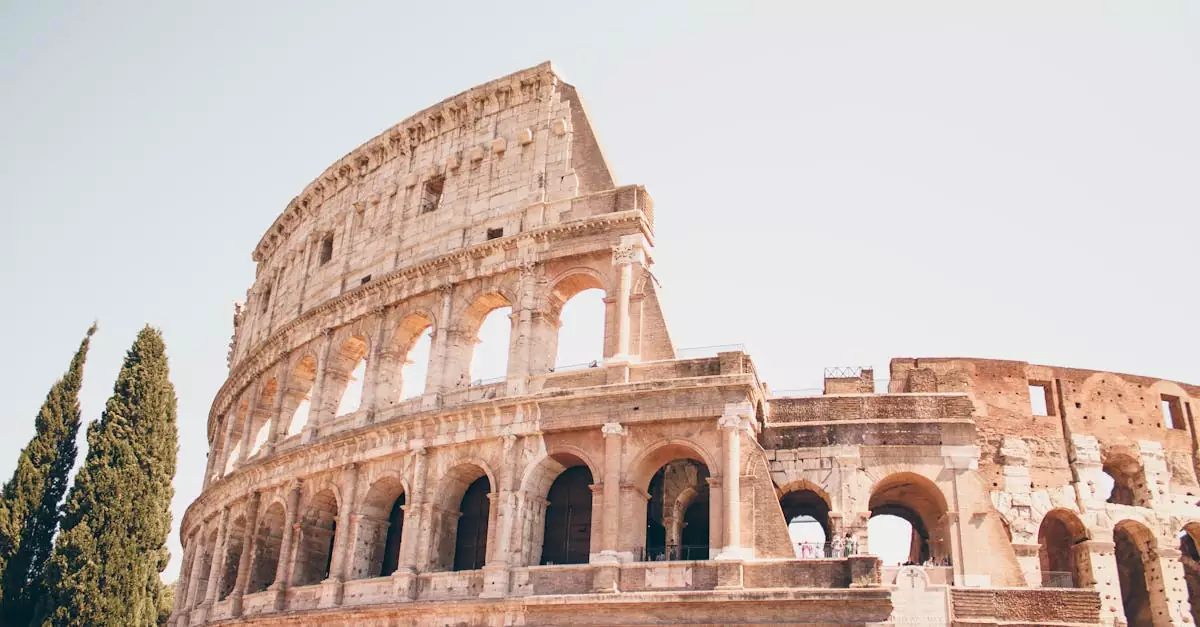
Embarking on a journey to Europe’s best ancient landmarks requires thoughtful planning to maximize your experience. Understanding the nuances of timing, logistics, and packing can transform a good trip into an unforgettable one. This section focuses on practical advice to help you navigate the complexities of visiting these historic sites across the continent of Europe.
Best Time to Visit Europe’s Ancient Sites for Optimal Weather
The ideal time to visit Europe’s ancient landmarks largely depends on your tolerance for crowds and weather. Spring (April to June) and autumn (September to October) generally offer the most pleasant conditions. Temperatures are mild, making exploration comfortable, and the peak summer crowds have subsided.
Shoulder seasons provide a sweet spot for visiting popular destinations like Rome or Athens. You can wander through the Roman Forum or the Acropolis without the oppressive heat of July and August and enjoy shorter queues. Winter can be an option for those who prefer solitude and lower prices, but be prepared for colder weather and potentially limited access to some outdoor sites.
| Season | Pros | Cons | Best For |
|---|---|---|---|
| Spring | Mild temperatures, blooming scenery | Moderate crowds, variable rainfall | Sightseeing, outdoor activities |
| Summer | Longest daylight hours, all sites open | Peak crowds, high temperatures, higher prices | Beach destinations, northern Europe |
| Autumn | Pleasant temperatures, fall foliage | Increasing crowds, shorter daylight | City breaks, cultural experiences |
| Winter | Fewest crowds, lowest prices, festive atmosphere | Cold weather, shorter daylight, some closures | Budget travelers, winter sports enthusiasts |
Crafting a Multi-City Ancient Landmark Tour
Designing a multi-city itinerary to see Europe’s best ancient landmarks is an exciting endeavor. Consider grouping sites geographically to minimize travel time and costs. For instance, a trip focused on Roman influence could include Rome, Pompeii, and cities in France like Nîmes or Arles.
When planning routes, think about transportation options. High-speed trains are efficient for connecting major cities within countries and across borders, offering a comfortable and scenic way to travel. Budget airlines can be cost-effective for longer distances, but factor in airport transit times and baggage fees.
A balanced itinerary might dedicate 2-3 full days to major historical centers like Rome or Athens, allowing ample time to absorb the atmosphere and history. Shorter stays of a day or two are feasible for smaller sites or those that can be visited as day trips from a larger base. Always allow buffer time for unexpected delays or spontaneous discoveries.
Essential Packing List for Exploring Historical Ruins
Comfortable footwear is paramount when exploring ancient ruins. You’ll be doing a lot of walking, often on uneven terrain, so sturdy walking shoes or hiking boots are essential. Pack light, breathable clothing suitable for the season, and always include layers, as temperatures can fluctuate throughout the day.
Don’t forget sun protection: a hat, sunglasses, and high-SPF sunscreen are crucial, especially when visiting sites in southern Europe during warmer months. A reusable water bottle is highly recommended to stay hydrated and reduce plastic waste. For documentation and navigation, a portable power bank to keep your devices charged and a physical map or downloaded offline maps can be invaluable, as Wi-Fi signals can be unreliable at remote historical locations. Finally, consider a small backpack to carry your essentials comfortably throughout the day.
Navigating Europe’s Ancient Sites: Transportation and Logistics
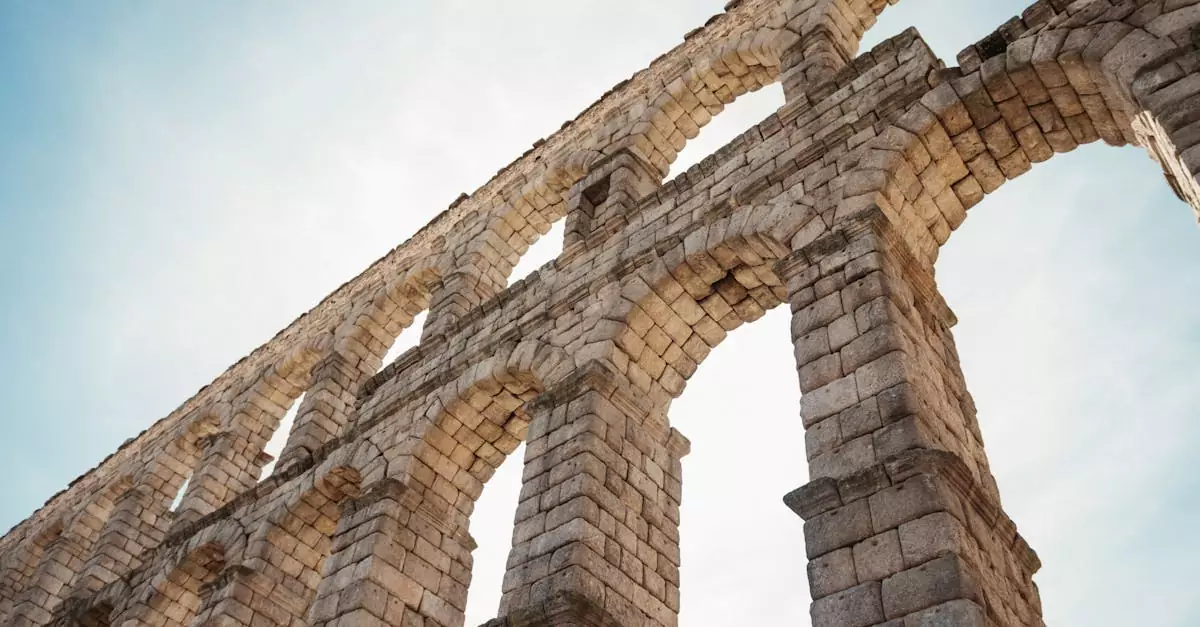
Exploring Europe’s best ancient landmarks involves strategic planning, especially when it comes to getting around. Fortunately, the continent offers a well-developed infrastructure that makes journeying between historical treasures both feasible and enjoyable for travelers. Understanding your transportation options, from intercity travel to local site access, is key to maximizing your time and minimizing logistical headaches.
Getting Between Major Ancient Landmarks by Train and Plane
The most efficient way to cover long distances between major European cities boasting significant ancient sites is by utilizing the extensive rail network or budget airlines. High-speed trains connect capitals and large urban centers, offering a comfortable and scenic alternative to flying for journeys of up to six hours. For instance, a train journey from Rome to Athens isn’t practical, but traveling from Rome to Florence to see Roman ruins is an excellent use of rail.
When distances are greater, or time is a critical factor, flying between countries or distant cities is often necessary. Many European cities have international airports served by numerous carriers, including low-cost options. Booking flights and train tickets in advance, especially during peak travel seasons, can significantly reduce costs and ensure availability. Consider purchasing rail passes if you plan on extensive train travel across multiple countries, as these can offer considerable savings.
Local Transportation Options at Archaeological Sites
Once you arrive at a city or town near an ancient landmark, local transportation becomes your primary concern. Many major historical sites, such as the Acropolis in Athens or the Colosseum in Rome, are located within or very close to city centers, making them accessible by public transport, taxis, or even on foot. Researching the specific location of the ruins you wish to visit beforehand is crucial.
For more remote or spread-out archaeological complexes, like Pompeii near Naples or Hadrian’s Wall in the UK, renting a car offers the most flexibility. However, many of these sites are also reachable via local bus services or organized tours departing from nearby towns or cities. Some popular sites have dedicated shuttle services from train stations or visitor centers, simplifying access. Always check the official website of the landmark for the most up-to-date information on transportation and parking.
Day Trips to Ancient Ruins from Major European Cities
Europe’s major cities often serve as excellent bases for day trips to remarkable ancient ruins. From Rome, for example, you can easily visit Ostia Antica, the ancient port of Rome, with a short train ride. Paris, while not an ancient Roman capital, is within reach of Gallo-Roman sites like the Maison Carrée in Nîmes via a high-speed train.
When planning these excursions, factor in travel time to and from the city. A day trip to a site that requires several hours of travel each way might feel rushed. Prioritize destinations that are within a two-to-three-hour radius for a more relaxed experience. Checking operating hours for both the ruins and the return transportation is essential to avoid being stranded. Many tourist information centers in major European cities can provide detailed advice on local day trip options and transport links.
Experiencing Ancient Europe: Activities and Hidden Gems
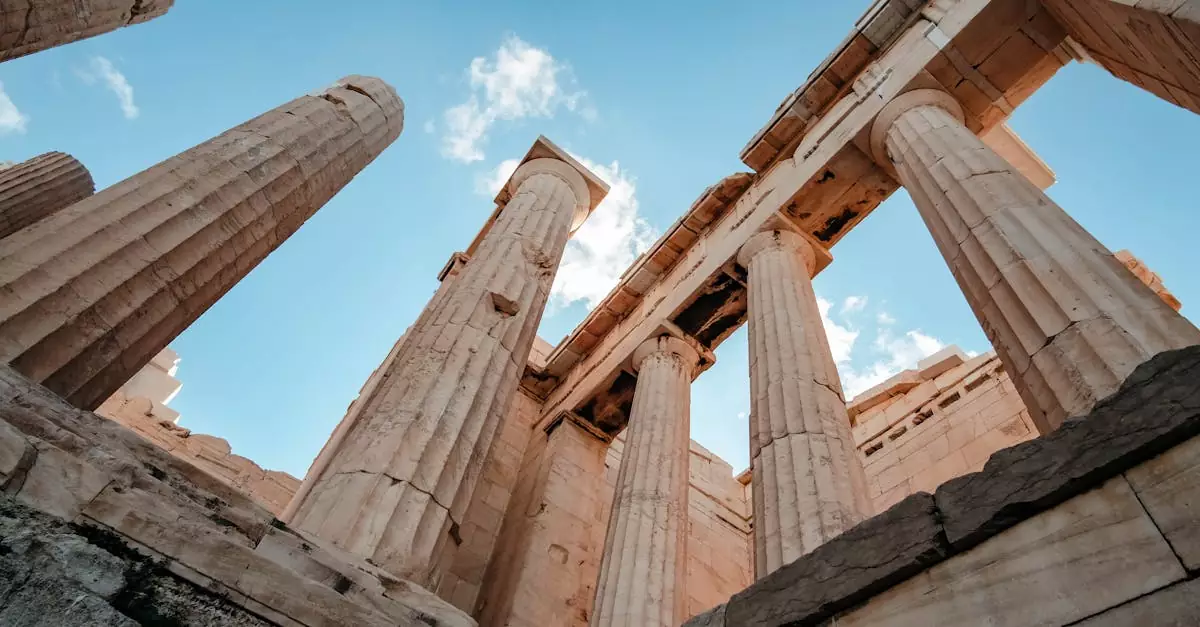
When planning a trip to Europe’s most significant historical sites, deciding between guided tours and independent exploration is a key consideration. Each approach offers a distinct way to connect with the past, and the best choice often depends on your travel style and priorities.
Guided Tours vs. Self-Exploration of Ancient Landmarks
Guided tours provide invaluable context, with knowledgeable local guides bringing history to life. They can offer insights into architectural details, historical events, and cultural nuances that might otherwise be missed. For complex sites like the Acropolis in Athens or the Roman Forum, a guide can transform a collection of ruins into a vivid narrative. Many tours also handle logistics like transportation and skip-the-line access, which can be a significant advantage, especially during peak tourist seasons.
Conversely, self-exploration allows for a more personal and flexible experience. You can set your own pace, linger at sites that capture your imagination, and discover quiet corners away from the crowds. This method is particularly rewarding for those who enjoy in-depth research beforehand or simply want to absorb the atmosphere at their leisure. Renting a car or utilizing Europe’s extensive public transport network can facilitate independent travel between various ancient landmarks.
| Approach | Pros | Cons | Best For |
|---|---|---|---|
| Guided Tours | Expert insights, logistical ease, historical context, skip-the-line | Less flexibility, fixed schedule, potential for large group sizes | First-time visitors, complex historical sites, travelers seeking deep understanding, time-constrained trips |
| Self-Exploration | Flexibility, personal pace, budget control, spontaneous discovery | Requires research and planning, potential for missed details, logistics | Independent travelers, history enthusiasts, budget-conscious trips, those seeking solitude |
Photography Hotspots at Europe’s Best Ancient Sites
Capturing the grandeur of Europe’s ancient landmarks requires knowing where to find the best vantage points. For iconic shots of the Colosseum in Rome, consider the Palatine Hill for an elevated perspective that includes the Roman Forum. Early morning or late afternoon light, often referred to as the “golden hour,” casts a warm glow and minimizes harsh shadows, enhancing the texture and scale of these historic structures.
In Greece, the Parthenon on the Acropolis offers numerous photographic opportunities. Beyond the direct frontal views, look for angles that incorporate the surrounding ancient theater of Dionysus or the Erechtheion. For a different kind of ancient beauty, the ancient city of Pompeii in Italy provides a unique opportunity to photograph remarkably preserved streets, homes, and public spaces, offering a poignant glimpse into daily life. Be mindful of local regulations regarding tripods and drone usage at sensitive historical sites.
Discovering Smaller, Underrated Ancient Ruins
While the iconic sites draw the largest crowds, Europe is dotted with numerous smaller, less-visited ancient ruins that offer a more intimate encounter with history. These locations often provide a richer sense of discovery and a quieter atmosphere, allowing for deeper reflection. Exploring these sites can also be more budget-friendly, with fewer or no entrance fees.
Consider the Roman ruins in Trier, Germany, such as the Porta Nigra or the Imperial Baths, which are remarkably well-preserved and far less crowded than their counterparts in Italy. Similarly, the ancient theaters and Roman villas scattered throughout southern France, like the Théâtre Antique d’Orange, offer stunning architectural remnants without the overwhelming tourist throngs. Venturing off the beaten path to these smaller sites can reveal hidden layers of European history, providing a unique and memorable travel experience.
Frequently Asked Questions About Visiting Europe’s Ancient Landmarks
What are the most popular ancient landmarks in Europe?
Europe boasts an incredible array of ancient sites, drawing millions of visitors annually. Among the most sought-after are the Colosseum in Rome, Italy, a testament to Roman engineering and spectacle. Nearby, the Roman Forum offers a glimpse into the heart of ancient Roman life. Further afield, the Acropolis in Athens, Greece, with its iconic Parthenon, stands as a pinnacle of classical architecture. In France, the Pont du Gard, a remarkably preserved Roman aqueduct, showcases impressive engineering feats. For those interested in prehistoric eras, Stonehenge in the United Kingdom remains an enduring mystery. These sites offer profound connections to the past and are central to understanding the history of Europe.
How much does it cost to visit ancient landmarks in Europe?
The cost of visiting ancient landmarks in Europe varies significantly based on location, specific site, and associated tours or entrance fees. Major attractions like the Colosseum and the Acropolis typically have entrance fees ranging from €15 to €30, often including access to adjacent historical areas. Budget-friendly options exist, especially in countries with extensive Roman or Greek ruins, where some sites might have lower fees or be part of combined tickets. For instance, a multi-site pass in Rome can offer savings. Transportation to and within Europe also impacts the overall budget.
Here’s a general cost comparison for entry fees at select popular sites:
| Landmark | Country | Estimated Entry Fee (EUR) | Notes |
|---|---|---|---|
| Colosseum | Italy | 18-25 | Often includes Roman Forum & Palatine Hill |
| Acropolis | Greece | 20-30 | Seasonal pricing variations |
| Pont du Gard | France | 9-10 | Includes museum access |
| Stonehenge | UK | 20-25 | Requires advance booking |
| Roman Theatre of Orange | France | 10-12 | Includes museum |
Are there any safety concerns when visiting ancient European sites?
Safety at ancient European sites is generally high, with most locations well-maintained and managed. However, travelers should be aware of common tourist precautions. Pickpocketing can be an issue in crowded areas, particularly around major attractions in large cities like Rome or Athens. Wearable money belts or secure bags are recommended. Uneven terrain is common at many archaeological sites; sturdy, comfortable footwear is essential to prevent trips and falls, especially on ancient cobblestones or rocky paths. Some sites, like those in Greece or Italy, can experience extreme heat during summer months, so carrying water, wearing sunscreen, and seeking shade are crucial. Always check local advisories for any specific alerts.
What are the best ancient landmarks for families to visit?
Several ancient landmarks in Europe offer engaging experiences for families. The Roman Forum in Rome, Italy, with its vast open spaces and fallen columns, allows children to vividly imagine ancient life. Many sites offer interactive exhibits or audio guides that can capture younger imaginations. The Pont du Gard in France is also excellent, providing ample space for children to run around the perimeter while adults appreciate the aqueduct’s scale. Educational programs and family-friendly tours are often available at larger sites, making history more accessible. For a truly unique experience, consider visiting the ancient city of Pompeii, where the preserved remains offer a poignant and impactful lesson.