Crete, the largest of the Greek islands, offers a captivating blend of ancient history, stunning natural beauty, and vibrant culture that extends far beyond its famous beaches. Planning a trip focused on unique experiences in Crete means uncovering hidden gems and embracing authentic adventures. This guide will lead you through the island’s most unforgettable moments, from exploring charming Venetian harbors and hiking dramatic gorges to savoring delicious local cuisine and discovering secluded coves. You’ll learn how to immerse yourself in Cretan life, appreciate its rich past, and enjoy its breathtaking landscapes, ensuring your journey is both enriching and memorable. Get ready to discover the heart of this Mediterranean jewel.
Discover Crete’s Most Fantastic Experiences Beyond the Tourist Trail
Crete offers a wealth of experiences that go far beyond the typical sun-and-sand vacation. From ancient history to breathtaking natural landscapes, this Mediterranean gem provides opportunities for genuine adventure and discovery. Planning your trip to include these fantastic experiences will ensure a memorable visit.
Chania’s Venetian Harbor: A Romantic Evening Stroll
Chania’s Old Town, centered around its picturesque Venetian Harbor, transforms into a magical setting as dusk settles. The waterfront, lined with colorful buildings and tavernas, reflects the gentle lights, creating an atmosphere of timeless romance. Walking along the harbor wall towards the lighthouse offers stunning views of the sea and cityscape.
Exploring the narrow, winding alleys behind the harbor reveals hidden courtyards, artisan shops, and traditional restaurants. This area is best experienced on foot, allowing for spontaneous detours and the discovery of local life. Consider visiting during the shoulder seasons of spring or autumn for fewer crowds and pleasant weather.
Elafonissi Beach: Pink Sands and Crystal Waters
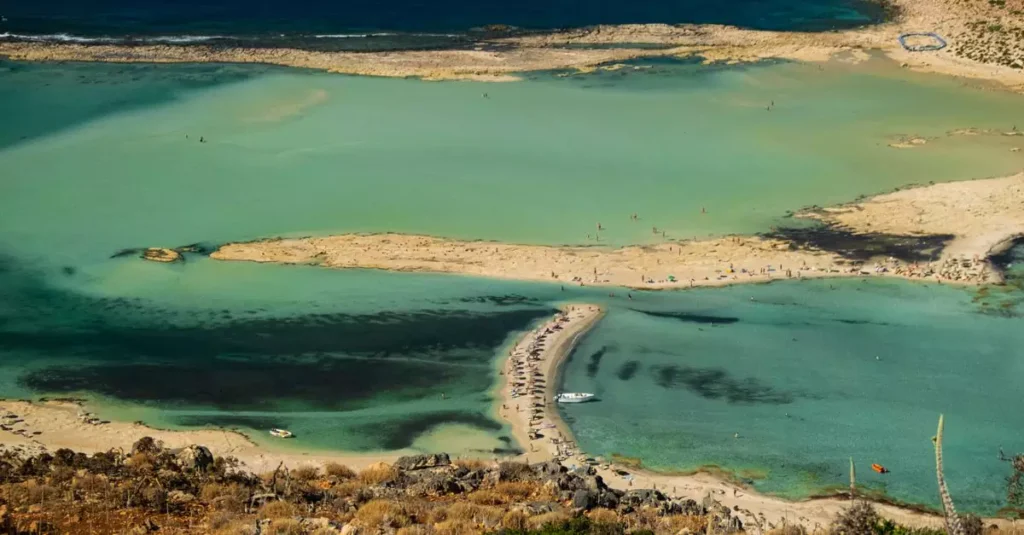
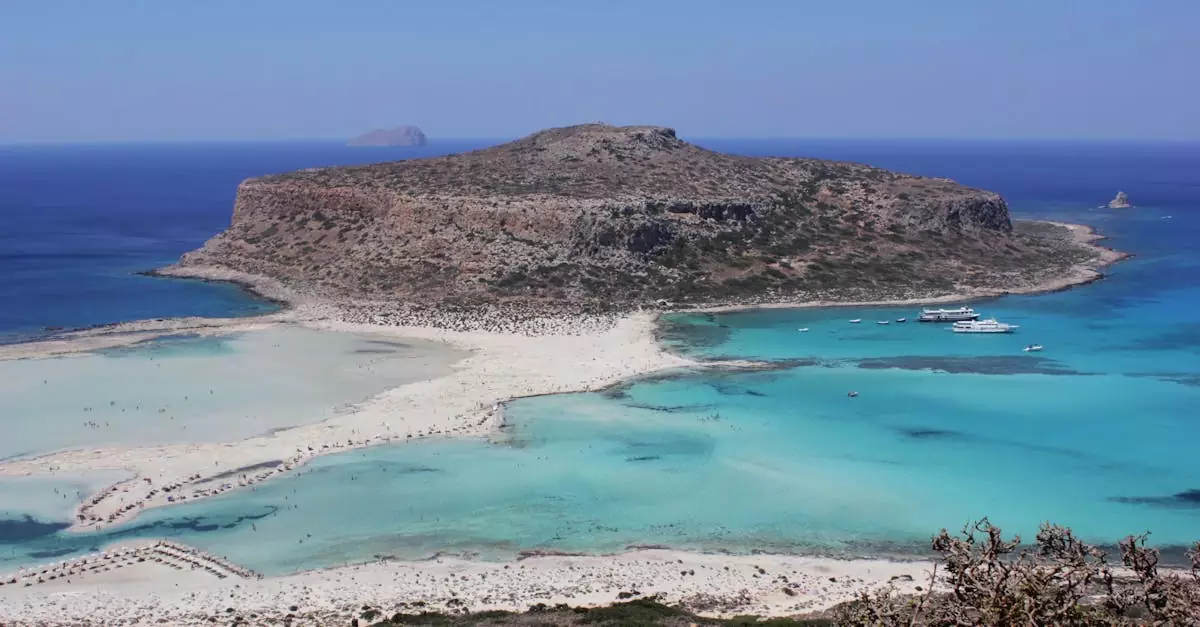
Elafonissi Beach is renowned for its unique pink-hued sand, a result of crushed seashells, and its shallow, crystal-clear turquoise waters. The beach is a small islet connected to the mainland by a shallow reef, which can be waded across at low tide, creating a lagoon-like environment ideal for relaxed swimming and sunbathing.
Reaching Elafonissi involves a scenic drive through rugged landscapes, typically taking 1.5 to 2 hours from Chania. While popular, the beach is extensive enough to find quieter spots, especially if you venture further along the coastline. Pack plenty of water and sun protection, as amenities can be limited.
Samaria Gorge Hike: An Epic Cretan Adventure
For adventurous travelers, hiking the Samaria Gorge is among the most fantastic experiences on Crete. This 16-kilometer (10-mile) trail is one of Europe’s longest canyons, offering a challenging yet rewarding trek through dramatic scenery. The path descends from the Omalos Plateau to the coastal village of Agia Roumeli.
The hike typically takes 5–7 hours and requires a good level of fitness. It’s essential to start early in the morning, wear sturdy hiking boots, and carry sufficient water and snacks. The gorge is usually open from May to October, depending on weather conditions. Visiting in late spring or early autumn provides cooler temperatures for hiking.
Rethymno’s Old Town: Exploring Ottoman & Venetian Charm
Rethymno’s Old Town offers a captivating blend of Venetian and Ottoman architectural influences, creating a unique historical ambiance. Its well-preserved Venetian harbor, narrow cobblestone streets, and ornate fountains invite leisurely exploration. The imposing Fortezza, a Venetian fortress overlooking the town and sea, provides panoramic views and insight into the island’s past.
As you wander through Rethymno’s labyrinthine streets, you’ll discover charming squares, traditional craft shops, and inviting cafes. The town is easily walkable, making it ideal for a day trip or a longer stay. Consider visiting during the day to fully appreciate the architecture, then returning in the evening to enjoy the lively atmosphere.
Culinary Delights: Tasting Fantastic Cretan Food
Crete’s culinary scene offers a true taste of the Mediterranean, blending fresh, local ingredients with age-old traditions. Experiencing the island’s food is central to any visit, with many fantastic experiences revolving around its unique dishes and dining customs. From hearty mountain fare to vibrant market finds, your palate will embark on its own adventure.
Must-Try Dishes: Dakos, Kalitsounia, and Lamb Antikristo
No culinary journey through Crete is complete without sampling its signature dishes. Dakos is a refreshing starter featuring barley rusks topped with chopped tomatoes, crumbled feta or mizithra cheese, oregano, and a drizzle of olive oil. It’s a simple yet flavorful introduction to Cretan cuisine.
For something sweet or savory, try kalitsounia. These small cheese pies come in various forms—some sweet with honey and cinnamon, others savory with local herbs. They are a beloved snack and a testament to the versatility of Cretan cheese.
Perhaps the most iconic meat dish is Lamb Antikristo. This traditional preparation involves slow-roasting lamb pieces on a large spit over an open fire, seasoned simply with salt. The result is tender, flavorful meat with a perfectly rendered crispy exterior, often prepared for celebrations and family gatherings, embodying the communal spirit of Cretan food culture.
Visiting a Traditional Taverna in a Mountain Village
To truly savor Cretan food, seek out a traditional taverna in a mountain village. These family-run establishments serve dishes made with ingredients sourced directly from their gardens or local farms. The atmosphere is warm and welcoming, offering a genuine glimpse into local life.
Consider visiting a village like Anogeia in the Psiloritis mountains for an authentic experience. Here, you can enjoy dishes like chochlioi boubouristi (snails fried with rosemary and vinegar) or gamopilafo (a rich rice dish often served at weddings). The journey to these villages also offers scenic drives, revealing a different side of Crete beyond the coast.
When dining in such settings, expect generous portions and a relaxed pace. It’s common for the owner to visit your table, recommending the day’s specials or sharing stories about the food. This personal touch makes dining in these locations memorable, contributing to many fantastic experiences on Crete.
Exploring Chania’s Municipal Market for Local Produce
Chania’s Municipal Market (Dimotiki Agora) is a bustling hub where locals shop for fresh produce, meats, cheeses, and spices. This covered market, housed in a distinctive cross-shaped building, is an excellent place to discover the raw ingredients that form the basis of Cretan cuisine. You can find everything from vibrant seasonal fruits and vegetables to local honey, olive oil, and raki.
Wander through the stalls and observe the quality and variety of goods on offer. It’s a fantastic opportunity to pick up edible souvenirs, such as packets of wild herbs like dittany of Crete or a bottle of high-quality olive oil. Many vendors are happy to offer samples, allowing you to taste the freshness firsthand.
The market is also surrounded by small cafes and eateries where you can grab a quick bite or coffee. Visiting in the morning, when the market is most active, provides an authentic atmosphere. This sensory experience is key to understanding Cretan food culture.
Wine Tasting in the Peza Region
Crete boasts a long history of winemaking, with the Peza region being one of the most significant viticultural areas. While less known internationally than other European wine regions, Cretan wines offer unique varietals shaped by the island’s climate and soil. A wine tasting here is a sophisticated way to appreciate another facet of the island’s agricultural heritage.
The region is home to indigenous grape varieties like Liatiko, a red grape known for its fruity character, and Vidiano, a white grape producing aromatic wines. Many wineries offer tours and tastings, allowing you to sample their offerings and learn about their production methods. Some wineries are modern, while others maintain traditional practices.
Planning a wine-tasting excursion, perhaps a day trip from Heraklion, can be a rewarding experience. Consider booking in advance, especially during peak season. This activity complements rustic culinary experiences, offering a refined taste of Crete and contributing to a well-rounded exploration of its gastronomic offerings.
Unearthing Crete’s Hidden Gems for Fantastic Experiences
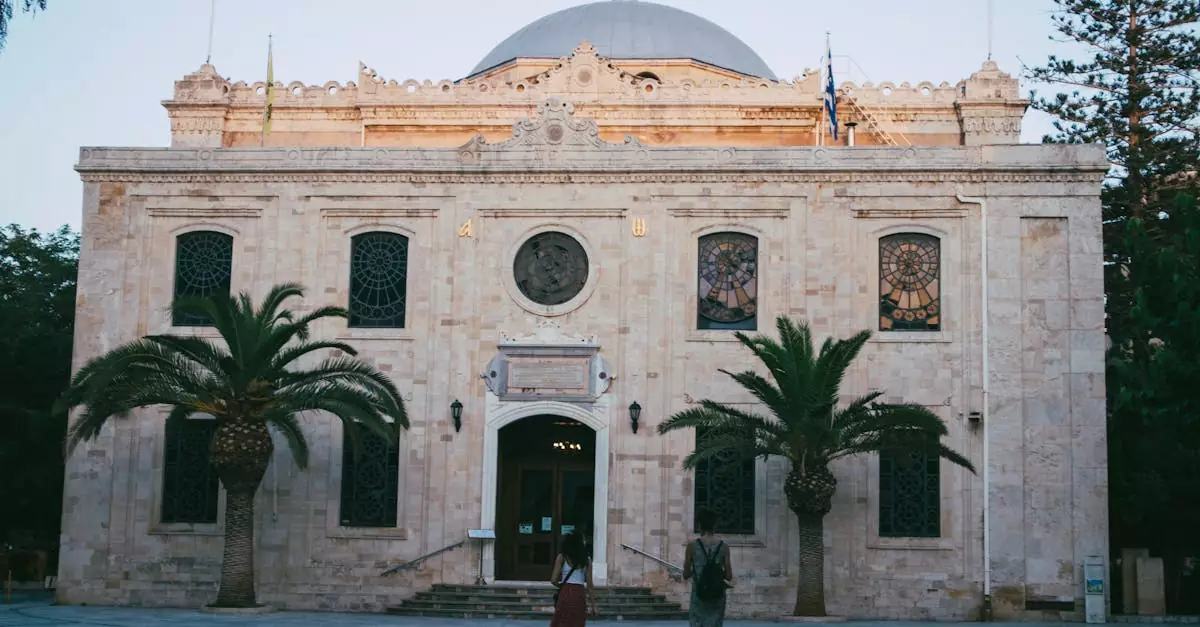
Crete offers a remarkable tapestry of landscapes, history, and culture, promising truly fantastic experiences for every traveler. Beyond the well-trodden paths, a wealth of hidden gems awaits those willing to venture further. From secluded coves to ancient ruins and traditional mountain villages, the island’s diverse offerings ensure unforgettable adventures.
The Secluded Beaches of the South Coast: Loutro and Marmara
For travelers seeking tranquility and pristine beauty, the south coast of Crete is a revelation. Loutro, a picturesque village accessible only by boat or a challenging hike, offers a unique escape. Its whitewashed buildings cascade down to a turquoise bay, devoid of cars and offering a peaceful atmosphere. Nearby, Marmara Beach, accessible via a short hike through a gorge, boasts stunning sea caves and crystal-clear waters perfect for swimming and snorkeling. Reaching these spots often involves a scenic ferry ride from Chora Sfakion, enhancing the sense of adventure.
Exploring the Minoan Palace of Knossos: Ancient History
No visit to Crete is complete without delving into its rich past at the Minoan Palace of Knossos. This archaeological site, near Heraklion, is the epicenter of Minoan civilization and a place of myth, famously associated with King Minos and the Minotaur. Wandering through the reconstructed palace offers a glimpse into a sophisticated Bronze Age society, with its intricate frescoes, advanced plumbing, and grand architecture. Arrive early in the morning or late in the afternoon to avoid the midday crowds and heat, especially during peak summer months. Hiring a guide can deepen your understanding of the site’s historical significance.
Hiking the Imbros Gorge: A Shorter, Accessible Alternative
While Samaria Gorge is Crete’s most famous hiking trail, the Imbros Gorge provides a more manageable yet equally rewarding experience. Located in the southwest of the island, this gorge is approximately 8 kilometers long and takes about two to three hours to complete. It offers dramatic rock formations, lush vegetation, and a sense of wild beauty. The path is generally well-maintained, suitable for most fitness levels, though sturdy footwear is recommended. You can arrange transport back to your starting point or combine it with a visit to nearby coastal areas.
Visiting the Traditional Village of Anogia
Perched on the slopes of Mount Psiloritis, the mountain village of Anogia offers a deep dive into Cretan culture and tradition. Known for its proud inhabitants and their distinct dialect, Anogia has a history of resistance and a strong connection to its heritage. The village is famous for its woven textiles and local produce, particularly cheese. Strolling through its narrow streets, you can visit artisan workshops, enjoy authentic Cretan cuisine at a local taverna, and experience the warm hospitality of the locals. It’s a fantastic way to see a different side of Crete, far from the coastal resorts.
Planning Your Crete Adventure: Best Time for Fantastic Experiences
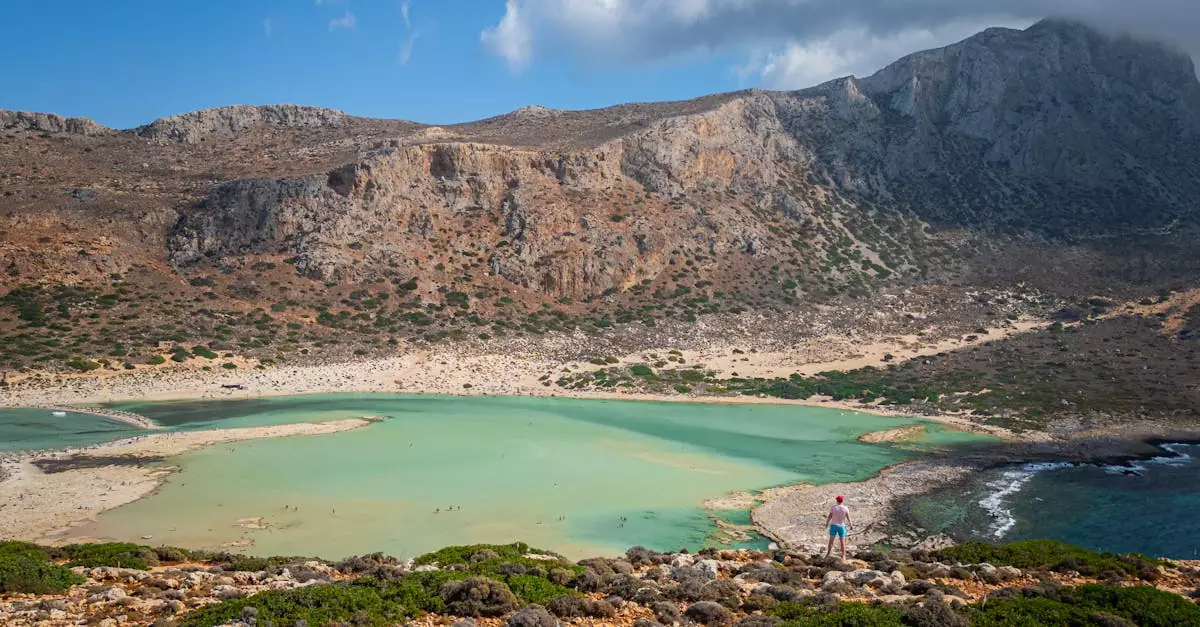
Choosing the right time to visit Crete can significantly enhance your experience on this diverse Greek island. Each season offers unique advantages, from blooming landscapes to sun-drenched beaches and ideal hiking conditions. Understanding these nuances will help you tailor your trip to enjoy the most fantastic experiences Crete has to offer.
Spring (April-May): Wildflowers and Pleasant Weather
Spring in Crete is a visual feast, with wildflowers carpeting the hillsides and mountains. The weather is mild and pleasant, with average temperatures ranging from 15°C to 22°C (59°F to 72°F). This makes it an excellent time for outdoor activities like hiking through the Samaria Gorge or exploring ancient Minoan sites without the intense summer heat.
Coastal towns begin to awaken from their winter slumber, offering a more relaxed atmosphere than the bustling summer months. While the sea may still be a bit cool for swimming, the longer daylight hours are perfect for sightseeing and leisurely strolls. Many tavernas and shops reopen, providing a good balance of amenities and tranquility. This period is particularly appealing for travelers seeking a more authentic, less crowded glimpse of Cretan life and natural beauty.
Summer (June-August): Peak Season for Beaches and Sun
Summer is synonymous with Crete’s famous beaches and abundant sunshine. From June through August, temperatures soar, typically between 25°C and 35°C (77°F to 95°F), making it prime time for sunbathers and swimmers. Popular destinations like Chania, Rethymno, and the southern coast attract large crowds eager to enjoy the crystal-clear waters and lively beach resorts.
This is the season for water sports, boat trips, and vibrant nightlife. Be prepared for higher prices and greater demand for accommodations, especially in well-known tourist areas. Booking well in advance is highly recommended for flights and hotels. While the heat can be intense, especially inland, coastal breezes often provide relief. For those prioritizing beach relaxation and a buzzing atmosphere, summer offers a classic Mediterranean holiday.
Autumn (September-October): Ideal for Hiking and Sightseeing
As summer crowds begin to thin, Crete transforms into an autumn paradise, offering a fantastic experience for those who appreciate cooler temperatures and fewer people. September and October boast average temperatures of 20°C to 28°C (68°F to 82°F), with the sea remaining warm enough for swimming well into October. This shoulder season is perfect for exploring the island’s rich history and diverse landscapes at a more leisurely pace.
Hiking trails become more accessible and enjoyable without the risk of extreme heat. Ancient sites, charming villages, and scenic drives are all more pleasant to experience. The harvest season also brings local festivals and a chance to sample fresh produce, including olives and grapes. This period offers a wonderful blend of good weather, cultural immersion, and outdoor adventure, making it a strong contender for the best time to visit for a well-rounded Cretan holiday.
| Month | Avg. Temperature (°C) | Sea Temperature (°C) | Crowd Levels | Best For |
|---|---|---|---|---|
| April | 15-22 | 17-19 | Low | Wildflowers, hiking, sightseeing |
| May | 20-27 | 19-21 | Medium | Outdoor activities, early beach visits |
| June | 25-32 | 22-24 | High | Beaches, swimming, water sports |
| July | 28-35 | 24-26 | Very High | Beach holidays, lively atmosphere |
| August | 28-35 | 25-27 | Very High | Beach holidays, late summer festivals |
| September | 23-30 | 24-26 | Medium | Hiking, sightseeing, pleasant swimming |
| October | 18-25 | 21-23 | Low | Hiking, cultural tours, relaxed visits |
Navigating Crete: Getting Around for Fantastic Experiences
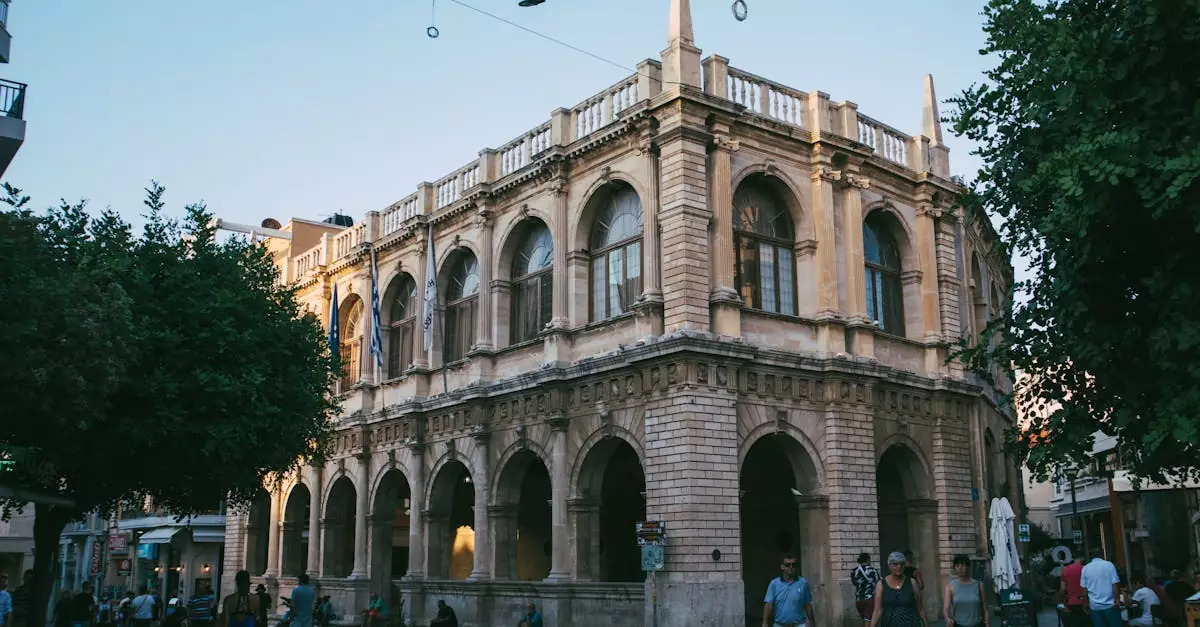
Crete offers a vast landscape ripe for exploration. To unlock its many fantastic experiences, understanding your transportation options is key. While the island is extensive, a combination of methods can help you navigate its diverse terrain efficiently and affordably.
Renting a Car: Freedom to Explore Remote Areas
For those seeking to immerse themselves in Crete’s offerings, renting a car provides unparalleled freedom. This is especially true if your itinerary includes visiting remote villages, hiking in rugged gorges like Samaria Gorge, or reaching less accessible beaches along the southern coast. A rental car allows you to set your own pace and detour to spontaneous discoveries, making for truly unique adventures.
When renting, consider a smaller vehicle, as many Cretan roads, particularly in mountainous areas and old town centers, can be narrow. Booking in advance, especially during peak season (June-August), is highly recommended to secure better rates and availability. Most international car rental companies have offices at the airports in Heraklion and Chania, as well as in major towns.
Public Buses (KTEL): Connecting Major Towns and Villages
Crete’s public bus system, operated by KTEL, is extensive and reliable, connecting major cities like Heraklion, Chania, Rethymno, and Agios Nikolaos, as well as numerous smaller towns and villages. This is a budget-friendly option for travelers who plan to stay primarily in these well-connected areas or for day trips to nearby attractions. Buses are generally comfortable and punctual, offering a stress-free way to travel without navigating unfamiliar roads.
Schedules can vary by season, with more frequent services during the summer months. It’s advisable to check the latest KTEL schedules online or at local bus stations upon arrival. Tickets are typically purchased directly from the bus driver or at the station. While convenient for intercity travel, buses may not reach the most remote locations, limiting spontaneous exploration for certain fantastic experiences.
Ferries: Island Hopping to Nearby Destinations
While Crete itself is substantial, ferries offer a gateway to further adventures in the Aegean Sea. From Cretan ports like Heraklion and Chania, you can catch ferries to other Greek islands such as Santorini, Mykonos, or Rhodes, as well as to the mainland port of Piraeus (Athens). This is an excellent option for extending your trip and experiencing more of what Southern Europe has to offer.
Ferry schedules are seasonal and can be affected by weather conditions. Booking tickets in advance is recommended, particularly for high-speed ferries or during busy travel periods. Companies like Minoan Lines and ANEK Lines operate many of the major routes. Consider this mode of transport if you’re looking to combine your Cretan exploration with visits to other iconic Greek destinations.
Driving Tips for Cretan Roads
Navigating Crete by car requires caution and awareness. While major roads are generally well-maintained, many secondary and rural roads can be winding, narrow, and steep, with sharp turns. Local driving styles can be assertive.
- Speed Limits: Adhere to posted speed limits, which are typically lower in towns and on rural routes.
- Parking: Parking can be challenging in busy towns and popular tourist spots. Look for designated parking areas.
- Fuel Stations: Ensure you have enough fuel, especially when driving in remote mountainous regions, as stations can be sparse.
- Road Conditions: Be prepared for occasional potholes and uneven surfaces, particularly off the main highways.
- Navigation: GPS is helpful, but a physical map can serve as a useful backup, especially in areas with limited mobile signal.
Understanding these driving nuances will contribute to smoother travel and help you safely reach your desired destinations for fantastic experiences on Crete.
Frequently Asked Questions About Fantastic Experiences on Crete
What are the top family-friendly fantastic experiences on Crete?
Crete offers numerous activities that delight families. The Aquaworld Aquarium & Reptile Rescue Centre in Hersonissos provides an engaging look at local marine life and reptiles. For a dose of history and adventure, exploring the ancient Minoan palace of Knossos near Heraklion sparks imagination, though managing younger children in the heat requires planning. Beaches like Elafonissi, with its shallow, calm waters and pink sand, are excellent for younger children. Consider a boat trip from Chania or Rethymno; many offer opportunities for swimming and spotting marine life, making for memorable family days.
Is Crete safe for solo female travelers seeking fantastic experiences?
Crete is generally considered a safe destination for solo female travelers. As with any location, exercising common sense precautions is advised. Stick to well-lit areas at night, be aware of your surroundings, and avoid displaying excessive wealth. Locals are typically friendly and helpful. The island’s established tourism infrastructure means many areas are accustomed to visitors from all walks of life. Familiarizing yourself with basic Greek phrases can also enhance your interactions and safety.
What are some budget-friendly fantastic experiences on Crete?
Many of the most fantastic experiences on Crete are also remarkably affordable. Hiking through the Samaria Gorge (or a shorter, less demanding gorge like Imbros) offers incredible natural beauty for the cost of park entry and transportation. Exploring charming old towns like Chania and Rethymno, with their Venetian harbors and narrow alleyways, is free. Enjoying the island’s stunning beaches requires no fee beyond transportation and perhaps a small cost for sunbed rental if desired. Sampling local delicacies at a traditional taverna can be a delicious and economical way to experience Cretan culture.
What should I pack for a trip focused on fantastic experiences in Crete?
Packing for Crete depends heavily on the season and your planned activities. For summer travel focused on fantastic experiences, lightweight, breathable clothing is essential. Include swimwear, comfortable walking shoes for exploring ancient sites and towns, and sandals for the beach. Don’t forget sun protection: a wide-brimmed hat, sunglasses, and high-SPF sunscreen are crucial. A light jacket or shawl can be useful for cooler evenings, especially in mountainous areas. For hiking, sturdy footwear and moisture-wicking clothing are recommended. Insect repellent can be helpful, particularly near water sources in the evenings.