Embarking on a journey through Italy by train offers a captivating way to experience its diverse beauty and rich culture. This mode of travel transforms transit into an integral part of your adventure, connecting you directly with the heart of Italian life. If you’re dreaming of exploring ancient ruins, Renaissance art, or picturesque coastlines, planning the best Italy train trips can unlock unforgettable experiences.
This guide equips you with everything you need to craft your perfect rail itinerary. You’ll discover expertly curated routes for various travel styles, from classic grand tours to hidden gem explorations. We’ll cover essential practicalities like choosing train passes, navigating stations, and savoring local flavors along the way, ensuring your Italian rail adventure is seamless, memorable, and deeply rewarding.
Why Italy by Train is the Ultimate European Adventure
Traveling through Italy by train offers a uniquely rewarding experience, making your journey an integral part of your adventure. This method connects you directly with the heart of the country, avoiding the usual airport hassles and car rental complexities. For those planning their exploration of Europe, Italy’s rail network presents an exceptional way to see diverse landscapes and vibrant cities.
Seamless Travel Between Iconic Cities
Italy’s extensive high-speed rail network, primarily operated by Trenitalia and Italo, makes traversing the country remarkably efficient. Journeys between major hubs like Rome, Florence, and Venice are not only swift but also comfortable. Imagine departing from your Rome hotel and arriving directly in the historic center of Florence within hours, ready to immerse yourself in Renaissance art. This direct city-center to city-center connectivity eliminates lengthy transfers to airports, saving valuable vacation time. The ease of hopping on and off trains allows for spontaneous detours, enhancing your itinerary when exploring multiple regions.
Scenic Routes and Breathtaking Vistas
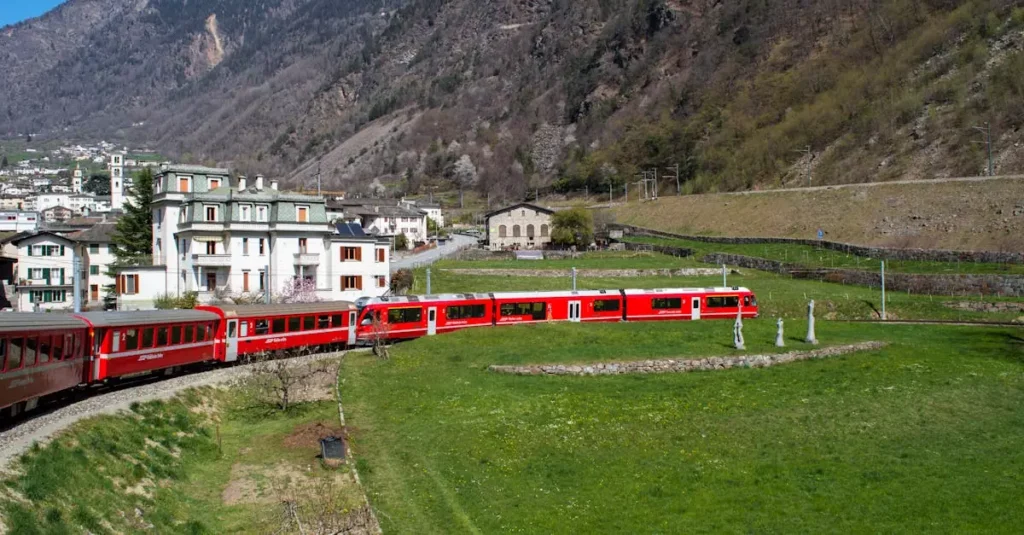
Beyond efficiency, train travel in Italy provides unparalleled access to stunning scenery. While high-speed lines focus on speed, regional trains offer a more leisurely pace, winding through picturesque countryside. Picture gliding past rolling Tuscan hills dotted with cypress trees, the vineyards of Piedmont, or the dramatic coastlines of the Amalfi region—access here often requires a combination of train and local transport. These routes showcase the diverse beauty of the Italian landscape in a way that driving or flying cannot match. Observing the changing terrain from your window enriches your understanding and appreciation of Italy’s geography.
Eco-Friendly and Stress-Free Exploration
Choosing train travel is an environmentally conscious decision, significantly reducing your carbon footprint compared to flying or driving. This commitment to sustainable tourism allows you to enjoy Italy’s beauty while minimizing your impact. Furthermore, the stress of navigating unfamiliar roads, dealing with traffic, and finding parking in crowded cities is completely alleviated. Train stations are typically centrally located, making them easily accessible and reducing the need for expensive taxis or rental cars for every leg of your journey. This relaxed approach to transportation enables you to fully appreciate your destination upon arrival, rather than arriving frazzled from the journey. The ability to relax, read, or simply gaze out the window while someone else handles navigation is a significant perk for many travelers.
Planning Your Perfect Italy Train Trip: Key Considerations
Embarking on one of the best Italy train trips requires a bit of foresight. Understanding the nuances of Italian rail travel will significantly enhance your journey, making it smoother and more enjoyable. From choosing the right ticket to navigating bustling stations, a little preparation goes a long way.
Choosing the Right Italy Train Pass
When planning extensive rail travel across Italy, a train pass can offer convenience and potential cost savings. The primary consideration is whether a pass aligns with your itinerary and travel style. If you plan to cover many cities in a short period, a flexible pass might be beneficial. Conversely, if your trip focuses on just a few destinations with longer stays, booking individual tickets in advance might be more economical.
Consider the Eurail Italy Pass if you’re a non-European resident planning to visit multiple Italian cities. This pass offers a set number of travel days within a specific period. However, it’s crucial to compare the pass cost against the sum of point-to-point tickets for your planned route. Sometimes, booking advance tickets on high-speed lines can be cheaper than using a pass, as passes often require a seat reservation fee on these trains.
Booking High-Speed vs. Regional Trains
Italy’s rail network comprises both high-speed and regional services, each serving different purposes and offering distinct experiences. High-speed trains, operated by Trenitalia (Frecce trains: Frecciarossa, Frecciargento, Frecciabianca) and Italo, connect major cities rapidly. These are ideal for covering long distances, such as Rome to Florence or Milan to Naples, in just a few hours. Booking these tickets in advance is highly recommended, as prices increase closer to departure, and popular routes can sell out.
Regional trains (Regionale and Regionale Veloce) are slower and stop more frequently, serving smaller towns and cities. They are perfect for day trips or exploring less-visited areas. A significant advantage of regional trains is their flexibility; tickets are generally valid for a set period after validation and do not require advance seat reservations. This makes them a great option for spontaneous excursions.
Here’s a quick comparison of train types:
| Train Type | Operator(s) | Speed | Booking Requirement | Best For |
|---|---|---|---|---|
| High-Speed (Frecce, Italo) | Trenitalia, Italo | Very Fast | Advance Booking | Inter-city travel, long distances |
| Intercity | Trenitalia | Medium | Advance Booking | Connecting larger cities, scenic routes |
| Regional | Trenitalia (Regionale, Regionale Veloce) | Slower | On-the-day OK | Local travel, smaller towns, day trips |
Navigating Italian Train Stations Like a Pro
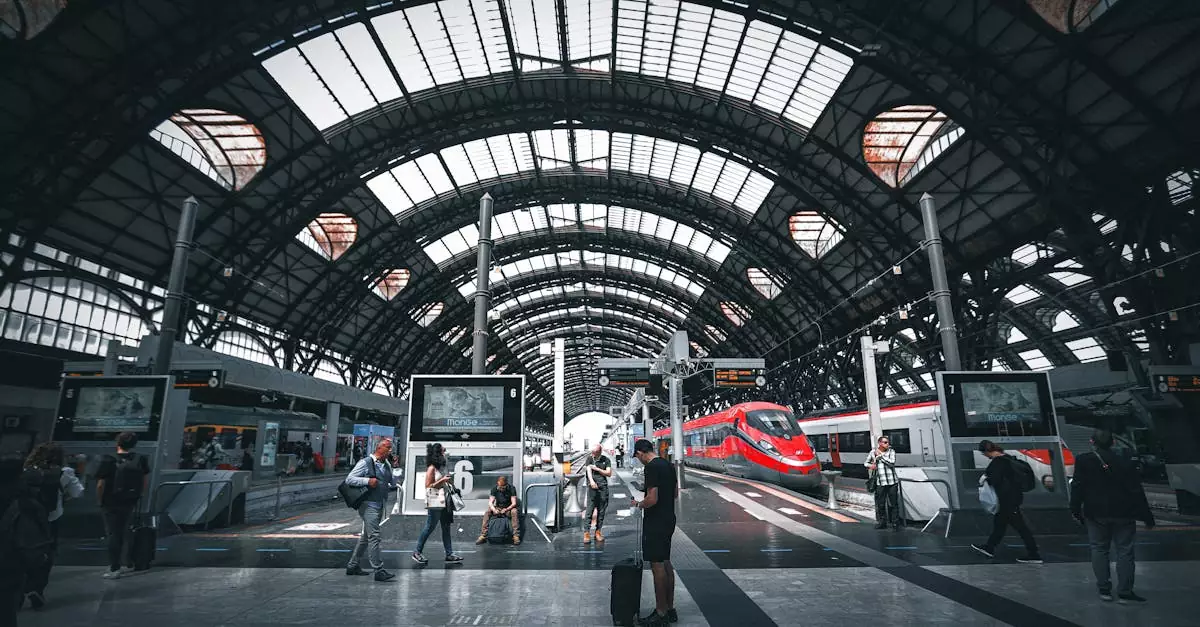
Italian train stations range from grand architectural hubs like Rome Termini or Milan Centrale to smaller, more intimate local stops. Regardless of size, understanding the layout and procedures will save you time and stress. Always arrive at least 20-30 minutes before your train’s departure, especially at larger stations, to locate your platform and validate your ticket.
Look for departure boards that list train numbers, destinations, and platform numbers (binario). Once you find your platform, check the electronic signs, as these often display the train composition, indicating which carriage numbers correspond to specific seating sections. For regional trains, you’ll need to validate your paper ticket in a small machine (often yellow or green) on the platform or near the station entrance before boarding. Failure to do so can result in a fine.
Essential Packing for Train Travel in Italy
Packing light is key for comfortable train travel in Italy, especially if you’ll be navigating stairs or busy platforms. Consider a rolling suitcase or a sturdy backpack that you can easily manage.
Here are a few packing essentials for your train journey:
- Comfortable Shoes: You’ll be doing a lot of walking in stations and cities.
- Daypack: For daily essentials like water, snacks, a camera, and guidebooks.
- Portable Charger: To keep your devices powered during long journeys.
- Travel Pillow: For added comfort on longer trips.
- Reusable Water Bottle: Stay hydrated and reduce plastic waste.
- Snacks: While trains often have dining cars or snack services, having your own provisions is convenient.
- Copies of Important Documents: Keep digital or physical copies of your tickets, passport, and accommodation bookings separate from the originals.
Top 5 Best Italy Train Trips Itineraries
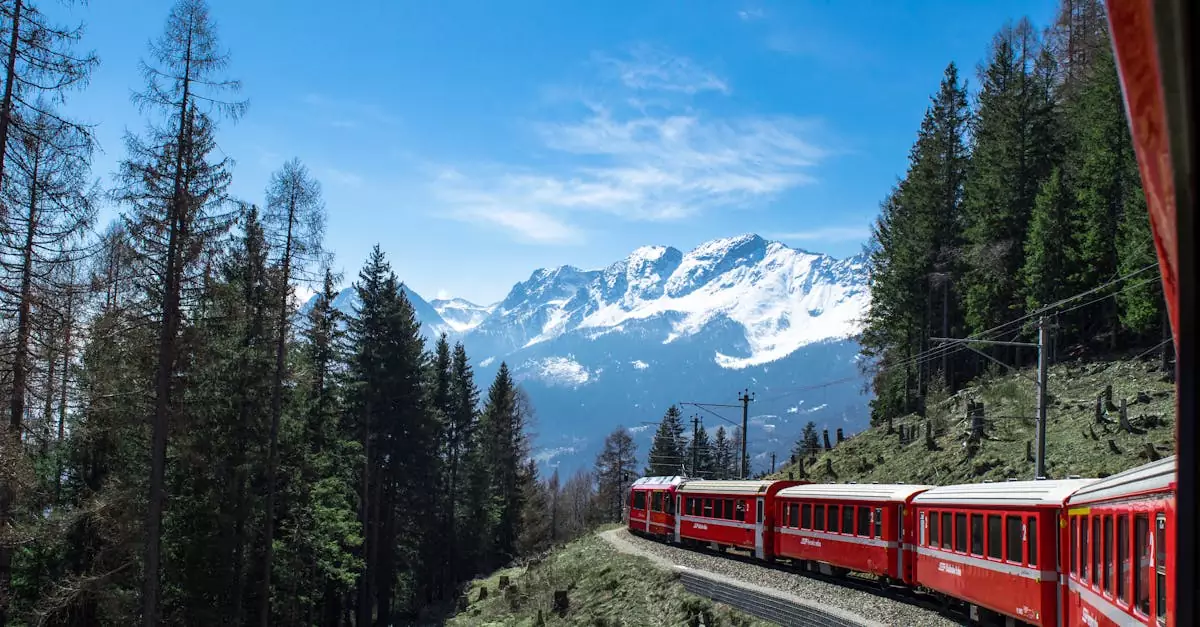
Traveling through Italy by train offers a charming and efficient way to experience its diverse landscapes and rich history. High-speed rail connects major cities, while regional lines provide access to quaint towns and scenic routes. Planning the best Italy train trips involves considering your interests, whether it’s art and history, culinary delights, or coastal beauty.
The Classic Grand Tour: Rome, Florence & Venice
This itinerary is a quintessential Italian journey, perfect for first-time visitors or those wanting to revisit iconic destinations. The high-speed train network makes travel between these cities seamless. Expect to spend at least 2-3 days in each location to truly absorb its atmosphere.
- Rome: Begin in the Eternal City, exploring ancient wonders like the Colosseum and Roman Forum, as well as Vatican City.
- Florence: A high-speed train whisks you to the heart of Tuscany. Immerse yourself in Renaissance art at the Uffizi Gallery and marvel at Michelangelo’s David.
- Venice: The final stop, where canals replace streets. Enjoy gondola rides, St. Mark’s Square, and the unique magic of this floating city.
Logistics: High-speed trains between these cities are frequent and comfortable. Booking tickets in advance, especially during peak season, is recommended for better prices. Consider purchasing a rail pass if you plan on taking multiple journeys across Europe.
Northern Italy’s Lakes and Cities: Milan, Como & Verona
This northern Italian adventure combines fashion, natural beauty, and a touch of Shakespearean romance. It’s ideal for travelers seeking a blend of urban sophistication and serene landscapes. The region is well-served by efficient rail lines.
- Milan: Start in Italy’s fashion capital. Visit the Duomo, explore the Galleria Vittorio Emanuele II, and perhaps catch an opera at La Scala.
- Lake Como (Varenna or Bellagio): A scenic train ride from Milan brings you to one of Italy’s most stunning lakes. Enjoy picturesque towns, boat trips, and tranquil waters.
- Verona: Famous as the setting for Romeo and Juliet, Verona boasts a well-preserved Roman arena and a charming historic center.
Traveler Tip: The train to Lake Como’s lakeside towns like Varenna is part of the appeal, offering beautiful views as you approach the water.
Southern Charm: Naples, Sorrento & the Amalfi Coast
For those drawn to vibrant culture, ancient history, and breathtaking coastal scenery, this southern itinerary is exceptional. The Circumvesuviana train line is vital for exploring this region. Be prepared for bustling city life in Naples and stunning cliffside drives along the coast.
- Naples: Dive into the birthplace of pizza. Explore the historic center, visit the National Archaeological Museum, and use it as a base for Pompeii and Herculaneum.
- Sorrento: A charming cliffside town offering spectacular views of the Bay of Naples. It serves as an excellent gateway to the Amalfi Coast.
- Amalfi Coast (Positano, Amalfi): While trains don’t run directly along the coast, buses and ferries from Sorrento or Salerno are readily available. Enjoy the dramatic vistas and colorful villages.
Budget Insight: Southern Italy generally offers a more budget-friendly experience compared to the north, particularly for food and local transport.
Tuscany by Rail: Siena, Pisa & Chianti Region
This itinerary focuses on the rolling hills, medieval towns, and world-renowned wines of Tuscany. While some parts of the Chianti region are best explored by car, a well-planned train trip can still offer a fantastic taste of this beloved Italian landscape.
- Florence: Use Florence as your starting point.
- Siena: A regional train connects Florence to Siena, famous for its Piazza del Campo and Palio horse race.
- Pisa: A quick train ride from Florence, primarily to see the iconic Leaning Tower.
- Chianti Region: While direct train access is limited, you can take regional trains to towns like Castellina in Chianti or Greve in Chianti and then arrange local transport or tours.
Seasonal Advice: Spring and autumn offer the most pleasant weather for exploring Tuscany’s countryside and vineyards.
Hidden Gems: Bologna, Parma & Cinque Terre Villages
This route appeals to travelers seeking authentic experiences beyond the main tourist trails, focusing on culinary excellence and rugged coastal beauty. It showcases the diversity of Italy accessible by rail.
- Bologna: Known as “La Grassa” (the fat one) for its rich culinary heritage. Explore its porticoes, enjoy world-class pasta, and visit the oldest university in the Western world.
- Parma: A short train ride from Bologna, this city is synonymous with Parmigiano Reggiano cheese and Prosciutto di Parma.
- Cinque Terre Villages: From La Spezia, a local train line connects the five stunning villages perched on the Ligurian coast: Monterosso, Vernazza, Corniglia, Manarola, and Riomaggiore.
Logistics: The regional train connecting the Cinque Terre villages runs frequently, making it easy to hop between them. Be aware that some paths between villages may be closed due to weather or maintenance.
Experiencing Local Flavors on Italy Train Journeys
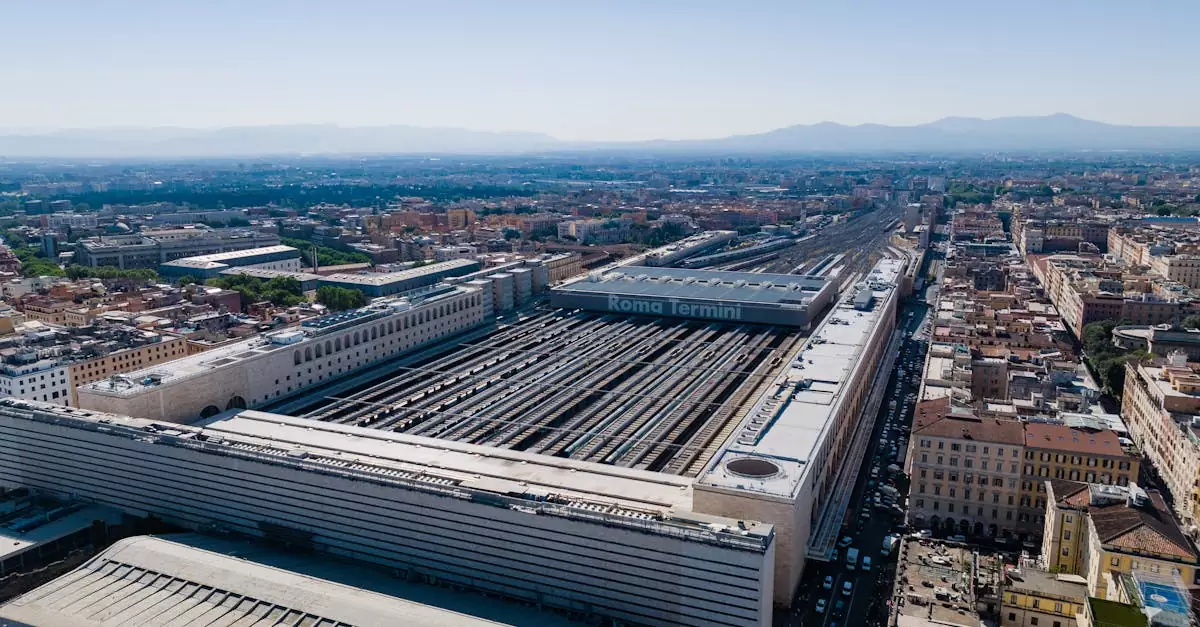
A significant part of any trip through Italy involves savoring its diverse culinary landscape. Train travel offers a unique advantage: it connects you directly to regional traditions, making it easy to sample authentic dishes as you move from one destination to the next. The journey itself becomes an edible adventure, a chance to taste the true essence of Italian food culture.
Must-Try Regional Dishes in Each City
Each major city accessible by train boasts its own culinary identity. In Rome, beyond the ubiquitous cacio e pepe, seek out saltimbocca alla Romana, a delightful veal dish, and coda alla vaccinara, a rich oxtail stew. Florence is synonymous with bistecca alla fiorentina, a thick-cut T-bone steak grilled to perfection, and hearty ribollita soup.
Venturing north, Milan offers risotto alla Milanese, a creamy saffron-infused rice dish, and cotoletta alla Milanese, a breaded veal cutlet. Further south, Naples is the undisputed birthplace of pizza, so indulge in an authentic pizza Margherita. Don’t overlook regional specialties like ragù Napoletano, a slow-cooked meat sauce, or sfogliatella, a shell-shaped pastry filled with ricotta.
Best Gelato Stops Along the Train Routes
No Italian train trip is complete without daily gelato. While excellent options abound in every town, some stand out for their artisanal quality and unique flavors. In Rome, Fatamorgana is renowned for its creative combinations using fresh, seasonal ingredients. Giolitti, a historic institution, offers a classic experience with a vast array of traditional flavors.
Florence’s Gelateria dei Neri consistently earns high marks for its smooth, rich gelato, particularly its pistachio and dark chocolate. For a taste of something different, Vivoli, one of the city’s oldest gelaterias, offers a charming atmosphere and delightful fruit sorbettos. Even smaller towns often hide local gems; keep an eye out for small, family-run gelaterie that emphasize natural ingredients.
Tips for Enjoying Italian Food Markets
Italian food markets are vibrant hubs of local life and offer an unparalleled opportunity to taste regional produce and prepared foods. These markets are fantastic places to grab a quick, authentic lunch or stock up on snacks for your train journey. Look for markets like Campo de’ Fiori in Rome, Mercato Centrale in Florence, or La Boqueria in Barcelona (though the latter is in Spain). Mercato Centrale in Florence features stalls selling everything from fresh pasta and lampredotto sandwiches to local wines and cheeses.
When visiting, don’t hesitate to ask vendors for recommendations or samples. Many will happily let you taste olives, cheeses, or cured meats. It’s also a great way to practice your Italian and engage with locals. Markets are often best visited in the morning when produce is freshest and the atmosphere most lively. Remember that some vendors may only accept cash.
Budgeting for Your Italy Train Adventure
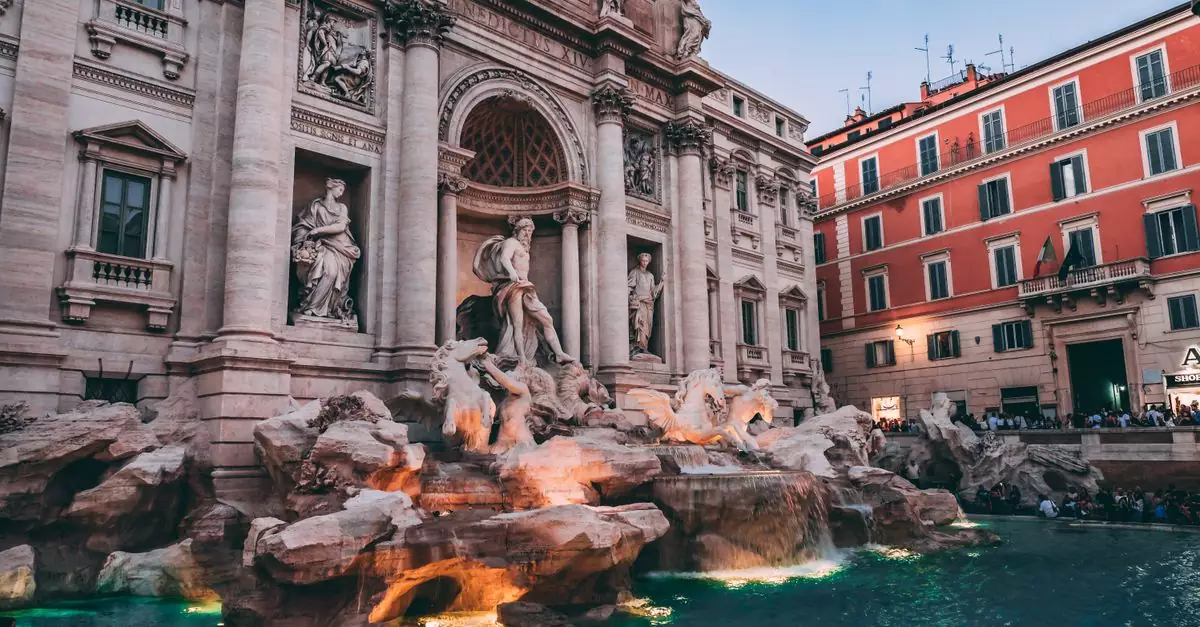
Planning your Italian rail journey involves understanding the costs involved, from tickets to daily expenses. By setting a realistic budget, you can maximize your experience without overspending. This section breaks down the key financial considerations for a seamless and affordable trip across Italy.
Average Costs for Train Tickets and Passes
The cost of train tickets in Italy varies significantly based on the route, train type, and how far in advance you book. High-speed trains like Frecciarossa and Italo offer faster travel between major cities but come at a higher price point. Regional trains are more economical but make more stops and are better suited for shorter distances or exploring smaller towns.
For popular routes such as Rome to Florence or Florence to Venice, booking several weeks or even months ahead can secure considerable savings, often 30-50% off the last-minute fare. A single ticket for a high-speed journey between Rome and Florence might range from €30 to €80 or more, depending on booking time and class. Regional train tickets are generally much cheaper, often under €15 for journeys of a couple of hours.
Consider purchasing tickets directly from Trenitalia or ItaloTreno websites for the best prices. While rail passes exist for wider European travel, they are often less cost-effective for solely exploring Italy compared to booking individual tickets in advance. A Eurail Italy Pass might be worth it if you plan extensive, last-minute travel across many regions, but for focused itineraries, point-to-point tickets usually offer better value.
| Route (Approximate) | Train Type | Advance Booking (Est. Price) | On-the-Day (Est. Price) |
|---|---|---|---|
| Rome – Florence | High-Speed | €30 – €50 | €50 – €80+ |
| Florence – Venice | High-Speed | €30 – €50 | €50 – €80+ |
| Milan – Lake Como | Regional | €5 – €10 | €8 – €15 |
| Naples – Sorrento | Circumvesuviana | €3 – €5 | €3 – €5 |
Affordable Accommodation Options Near Stations
Staying close to train stations offers immense convenience, especially for early departures or late arrivals. Many Italian cities have budget-friendly accommodation options within a short walk of their main train hubs. Hostels are popular among solo travelers and backpackers, offering dormitory beds for as little as €20-€30 per night. Look for well-rated hostels that provide lockers and communal kitchens, which can further reduce expenses.
Budget hotels and guesthouses (pensiónes) are also readily available. While they might lack the amenities of larger hotels, they provide private rooms at competitive prices, often ranging from €50 to €100 per night for a double room. Booking platforms can help filter by price and proximity to the station. For longer stays or families, consider apartments or Airbnb rentals, which can sometimes be more economical than hotels, especially if you plan to cook some meals, and often provide a more local experience. Always check reviews for cleanliness and safety, particularly when booking near busy transport hubs.
Saving Money on Dining and Activities
Eating like a local is one of the most enjoyable and cost-effective ways to experience Italy. Avoid restaurants directly adjacent to major tourist attractions, as they tend to be overpriced. Instead, wander a few blocks away to find trattorias and osterias frequented by locals. Look for places with simple menus and where staff might not speak fluent English—often a sign of authentic, reasonably priced food.
A panino (sandwich) from a local bakery or a slice of pizza al taglio (pizza by the slice) makes for a delicious and inexpensive lunch. For dinner, a meal at a casual trattoria, including house wine, can often be enjoyed for €20-€30 per person. Picnics are also a fantastic option, especially if you purchase fresh produce, cheese, and bread from local markets.
Many of Italy’s most iconic attractions offer free admission or have specific free entry days. For instance, many state museums in Italy offer free entry on the first Sunday of the month, though these can be extremely crowded. Even when entry fees apply, consider purchasing city passes if you plan to visit multiple paid attractions. These passes often include public transport and can offer significant savings. Alternatively, prioritize free activities like wandering through historic city centers, visiting public piazzas, and enjoying the general ambiance.
Frequently Asked Questions About Italy Train Travel
What is the best time of year for train trips in Italy?
The shoulder seasons—spring (April to June) and autumn (September to October)—offer the most pleasant weather for enjoying Italy’s cities and landscapes from the train. You’ll find fewer crowds and more comfortable temperatures for sightseeing. Summer (July and August) can be very hot, especially in the south, and is peak tourist season, leading to crowded trains and higher prices. Winter (November to March) is quieter and more affordable, but some coastal attractions may have reduced hours, and the weather can be damp and cool.
How far in advance should I book train tickets?
For high-speed trains (like Frecciarossa and Italo) between major cities such as Rome, Florence, and Venice, booking tickets 2–3 months in advance can secure the best prices. These popular routes often sell out, especially during peak travel times. Regional train tickets, which connect smaller towns or operate on shorter routes, are generally more flexible and can often be purchased closer to your travel date, sometimes even on the day of departure. However, booking ahead still guarantees a seat and can offer minor savings on some regional services.
Are Italy’s trains reliable and punctual?
Italian trains are generally reliable, particularly the high-speed services operated by Trenitalia (Frecciarossa) and Italo. These trains are modern and provide a comfortable travel experience. While punctuality can sometimes be an issue, especially on older regional lines or during high traffic periods, significant delays are not the norm. It’s always a good idea to check train schedules and platform information on station display boards or through the Trenitalia app. Travelers planning connections should allow a buffer of at least 30–60 minutes between services.
Can I bring luggage on Italian trains?
Yes, you can bring luggage on Italian trains. There are overhead racks above seats and larger storage areas at the ends of carriages for suitcases. Unlike many airlines, there are no strict weight or size restrictions for standard luggage, but you must be able to manage your bags yourself. It’s advisable to keep valuables with you at all times and to be mindful of your belongings, especially during boarding and alighting. For those with extensive luggage, consider packing lighter or arranging for luggage shipping services between hotels, a convenient option for longer journeys.