While the allure of Greece’s iconic islands like Santorini and Mykonos is undeniable, many travelers now seek quieter, more authentic experiences. If you dream of discovering secluded beaches, charming villages free from mass tourism, and genuine local culture, exploring Greece’s best hidden islands is your next adventure. This guide will take you beyond the well-trodden paths to reveal a side of Greece that feels like a personal discovery. You’ll learn about the unique character of several lesser-known gems, practical tips for planning your journey, and insights into what makes these islands so special. Prepare to uncover your own slice of undiscovered Greek paradise, where life moves at a slower pace and the beauty is simply breathtaking.
Why Seek Out Greece’s Best Hidden Islands?
Escaping the Crowds: The Allure of Lesser-Known Greek Isles
Greece conjures images of sun-drenched beaches, ancient ruins, and vibrant island life. While popular destinations like Santorini and Mykonos have their charm, they also attract significant crowds, especially during peak season. For travelers in search of tranquility and authenticity, Greece’s hidden islands offer a genuine escape. These lesser-known gems provide opportunities to connect with the country’s natural beauty and cultural heart without the hustle of mass tourism. Imagine discovering a secluded cove accessible only by boat or savoring a quiet evening meal at a local taverna where you’re one of the few visitors.
Choosing to venture off the beaten path means trading bustling promenades for quiet village squares and crowded viewpoints for serene panoramas. The peace found on these islands allows for deeper relaxation and a more immersive cultural experience. Instead of navigating throngs of tourists to capture a photo, you can simply sit back and absorb the atmosphere. This shift from checking off famous landmarks to savoring quiet moments is at the core of discovering Greece’s undiscovered paradise.
Authentic Experiences Beyond the Tourist Trail
The true magic of Greece’s lesser-visited islands often unfolds through interactions with locals and the discovery of traditions that have remained largely unchanged. Beyond the common tourist routes, you’ll find communities where daily life moves at a gentler pace, providing a glimpse into a more traditional Greek lifestyle. This might involve stumbling upon a local festival, picking up a few Greek phrases from a friendly shopkeeper, or enjoying freshly caught seafood prepared with recipes passed down through generations. These moments transform a vacation into a memorable journey.
Engaging with local culture goes beyond merely observing; it’s about participating. On islands like Folegandros, for example, the car-free Chora invites evening strolls and genuine interactions. You’ll encounter small artisan shops selling handcrafted goods or join locals for coffee in the main square. The absence of large-scale resorts often results in more intimate accommodations, ranging from family-run guesthouses to charming boutique hotels, further enhancing the sense of authenticity. These experiences are invaluable for travelers eager to connect with the soul of Greece.
Finding Your Personal Slice of Greek Paradise
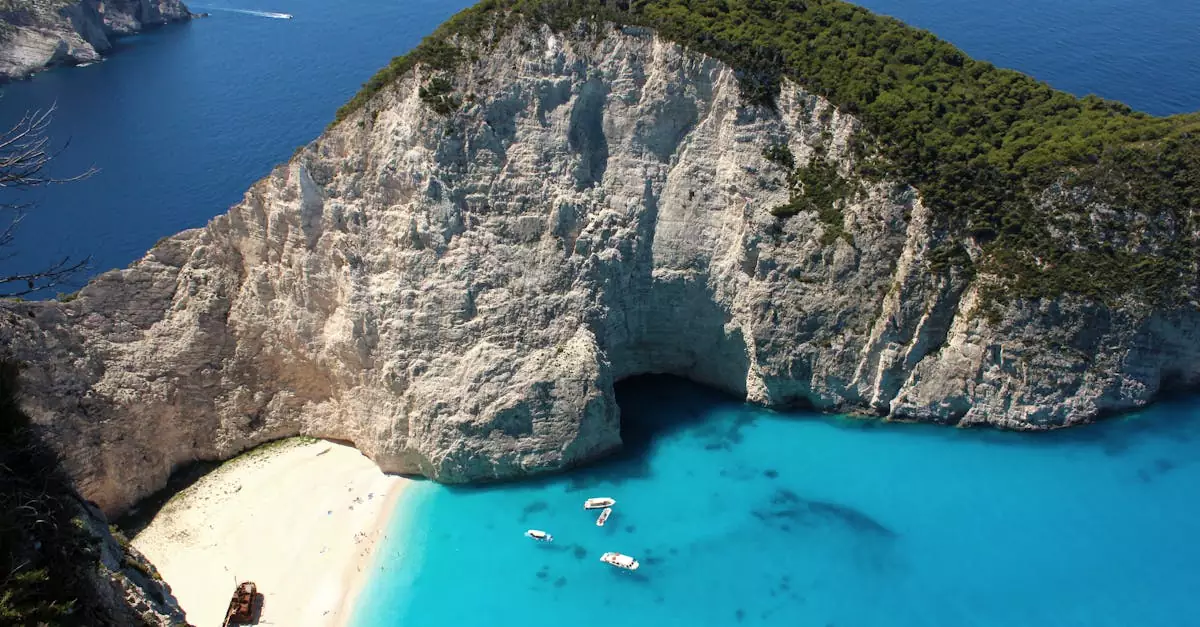
Ultimately, the pursuit of Greece’s best hidden islands is a quest for personal paradise. It’s about discovering a place that resonates with your ideal vacation, whether that includes dramatic cliffside villages, tranquil beaches, or rugged hiking trails. Each island has its unique character, catering to various preferences. For pristine beaches and clear turquoise waters, islands in the Dodecanese or Ionian Sea may be ideal. If you prefer dramatic landscapes and a sense of remoteness, consider islands in the Cyclades or the North Aegean.
Exploring these less-discovered destinations can also lead to a more affordable trip. While popular islands often come with premium pricing for flights, accommodations, and dining, many smaller islands offer budget-friendly experiences. This allows travelers to extend their stay, indulge in local culinary delights, or enjoy the peace of mind that comes with not overspending. Planning your visit during the shoulder seasons, such as late spring or early autumn, can enhance the sense of seclusion and provide pleasant weather for exploration.
Top Secret Greek Islands for an Unforgettable Escape
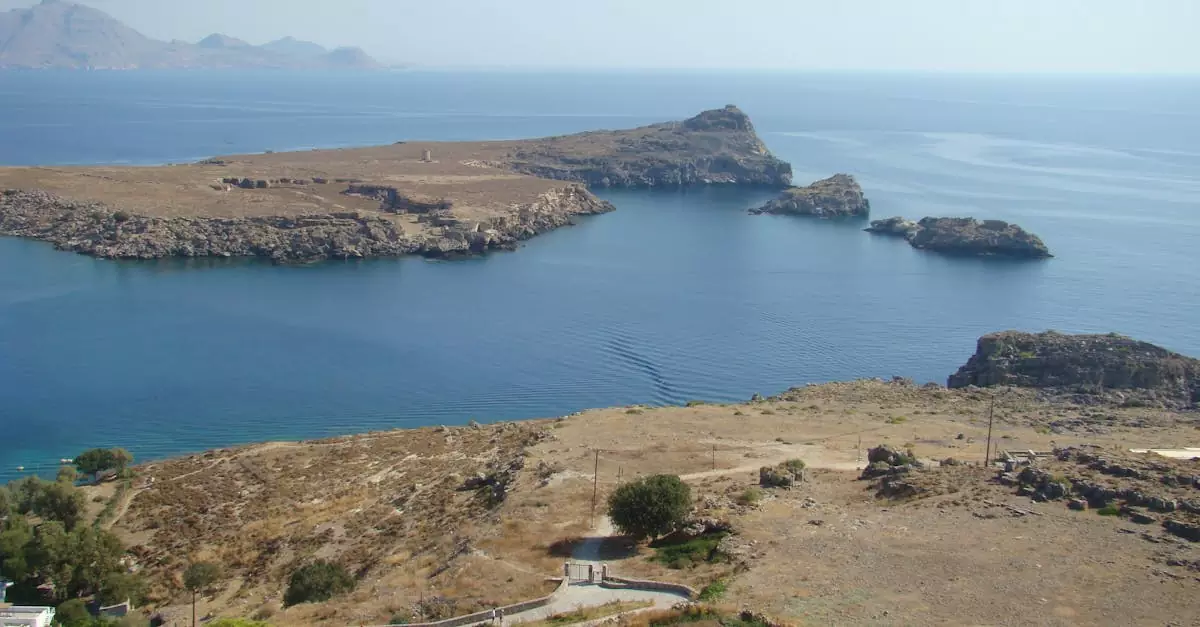
While Santorini and Mykonos attract crowds, Greece is home to a treasure trove of lesser-known islands that offer authentic experiences and breathtaking scenery. For travelers seeking the best hidden islands Greece has to offer, these destinations promise tranquility, unique culture, and unspoiled beauty away from the usual tourist trails.
Folegandros: Rugged Beauty and Cycladic Charm
Folegandros features a starkly beautiful landscape, resembling a miniature version of Santorini but without the overwhelming crowds. Its dramatic cliffs plunge into the azure Aegean Sea, creating a stunning backdrop for its whitewashed villages. The island’s main town, Chora, is a car-free labyrinth of narrow alleys, charming squares, and bougainvillea-draped balconies.
Getting to Folegandros typically involves a ferry from Athens’ Piraeus port or connections from nearby islands like Santorini or Milos. The journey can take anywhere from 3 to 9 hours, depending on the ferry type. Accommodations range from boutique hotels in Chora to simpler guesthouses near the port of Karavostasis. Spend evenings savoring fresh seafood at a taverna in Chora, followed by a walk to the Panagia church for panoramic sunset views. This island is a fantastic choice for couples and those seeking a peaceful, visually stunning escape.
Amorgos: The Authentic Aegean Gem
Known for its dramatic monasteries clinging to cliffs and its role in the film “The Big Blue,” Amorgos offers a deeply authentic Greek island experience. It’s a place where traditional life thrives, characterized by friendly locals and a slower pace. The Monastery of Hozoviotissa, carved into a sheer rock face, is a must-visit, offering breathtaking views and insight into monastic history.
Amorgos is accessible by ferry from Piraeus, with journeys ranging from 5 to 9 hours. The island has two main ports, Katapola and Aegiali, both offering a good selection of accommodations and tavernas. Renting a scooter or ATV is the best way to explore the island’s rugged interior and discover its secluded beaches. For hikers, Amorgos boasts an extensive network of ancient trails connecting its villages and historical sites.
Ithaca: Myth, Mystery, and Serene Shores
The legendary home of Odysseus, Ithaca is steeped in mythology and natural beauty. Unlike its more famous Ionian neighbors, Ithaca remains relatively undeveloped, preserving its lush landscapes and crystal-clear waters. The island is small enough to explore thoroughly in a few days, with charming villages like Vathy and Kioni offering picturesque harbors and traditional tavernas.
Reaching Ithaca usually requires a ferry from the mainland port of Kyllini, which is accessible from Athens by bus or car. Alternatively, you can fly to Kefalonia and take a short ferry ride. Accommodations are mostly small hotels and apartments, focusing on authentic hospitality. Renting a car is advisable for independent exploration, allowing access to hidden coves and hiking trails. It’s a tranquil destination for history buffs and those seeking a laid-back island atmosphere.
Symi: Venetian Architecture Meets Aegean Blue
Symi captivates with its stunning neoclassical architecture, particularly in its main harbor, Gialos. Colorful, amphitheatrically built mansions cascade down the hillside, creating a breathtaking visual spectacle. The island’s history as a sponge-diving center is evident in its charming waterfront and maritime museum.
Symi is best reached by ferry from Rhodes, a journey of about an hour. Alternatively, hydrofoils operate from Kos and other Dodecanese islands. Accommodations are concentrated around Gialos and the upper town of Chorio. While Symi is small, its beauty is best appreciated by wandering its picturesque streets, visiting the Monastery of Panormitis, and enjoying the clear waters of its many bays. It’s an ideal island for photographers and anyone who appreciates refined, historical beauty.
Planning Your Journey to Greece’s Best Hidden Islands
Venturing beyond the well-trodden paths of Santorini and Mykonos reveals a different side of Greece, where tranquility reigns and authentic experiences await. Discovering the best hidden islands in Greece requires a thoughtful planning approach, from timing your visit to mastering inter-island travel and managing your budget. This guide offers practical advice to help you navigate these less-explored gems.
Best Time to Visit for Unspoiled Beauty and Pleasant Weather
The shoulder seasons present the ideal time for visiting Greece’s secluded islands, balancing agreeable weather with fewer crowds.
- Spring (April to May): Wildflowers bloom, sea temperatures begin to warm, and the landscape is vibrant. Daytime temperatures are pleasant, making it ideal for hiking and sightseeing without the intense summer heat. You’ll find local life in full swing as businesses reopen after winter.
- Autumn (September to October): The sea remains warm enough for swimming, and the intense summer sun gives way to gentler warmth. This period is excellent for experiencing the islands at a relaxed pace, with harvest festivals often taking place. Many tourist facilities remain open, but with a noticeable reduction in visitor numbers.
Summer (June to August) brings the best beach weather but also peak crowds and higher prices, even on lesser-known islands. Winter (November to March) sees many businesses close, ferry schedules reduce significantly, and the weather can be unpredictable, making travel more challenging.
Navigating Between Secluded Islands: Ferry Routes and Flights
Reaching Greece’s hidden island paradises often involves a combination of flights and ferry travel. Flexibility is essential, as schedules can change, especially outside peak season.
Most international travelers fly into Athens International Airport (ATH). From Athens, you have several options:
- Domestic Flights: For islands further afield or those with limited ferry connections, a short domestic flight can save considerable travel time. Major Greek airlines operate these routes.
- Ferries: Ferries are the backbone of island hopping in Greece, connecting mainland ports (like Piraeus and Rafina near Athens, or ports in the Peloponnese) to the islands. Different types of ferries operate:
- High-speed ferries: Faster but pricier, suitable for covering longer distances quickly.
- Conventional ferries: Slower and more economical, often offering a more relaxed journey and sometimes the only option for smaller ports.
Booking ferry tickets in advance is recommended, especially during peak season. Websites like Ferryhopper or direct ferry companies can help you plan routes and compare prices. For islands in more remote archipelagos, you may need to connect via a larger island hub.
Budgeting for Your Off-the-Beaten-Path Greek Adventure
While lesser-known islands generally offer better value than their famous counterparts, careful budgeting is essential for an enjoyable trip. Prices can vary significantly based on the island group and the time of year.
A daily budget can range from €70 to €150 per person, depending on your travel style. This typically covers:
- Accommodation: Expect charming guesthouses, small hotels, and apartments. Luxury resorts are rare on these islands, but boutique options are emerging.
- Food: Eating at local tavernas is generally affordable and offers the most authentic culinary experience.
- Transportation: This includes local buses, scooter/car rentals, and inter-island ferries.
- Activities: Entrance fees to historical sites, boat trips, or simply enjoying the beaches.
Budget Comparison Table (Estimated Per Person Per Day)
| Category | Budget Traveler | Mid-Range Traveler |
|---|---|---|
| Accommodation | €30 – €50 | €60 – €90 |
| Food & Drink | €20 – €30 | €35 – €50 |
| Local Transport | €10 – €15 | €15 – €25 |
| Activities | €10 – €15 | €20 – €30 |
| Total | €70 – €110 | €130 – €195 |
Note: These are estimates and can fluctuate. High-speed ferries and car rentals will increase costs.
Consider visiting during the shoulder seasons to take advantage of lower accommodation rates and potentially fewer tourist-related expenses. Many rewarding experiences on these islands are free, such as swimming in secluded coves or watching the sunset from a quiet vantage point.
What to Do on Greece’s Undiscovered Islands?
Greece’s less-trodden islands offer a unique blend of history, natural beauty, and authentic culinary experiences, far from the bustling crowds of more famous destinations. These hidden gems invite travelers to immerse themselves in a slower pace of life, where ancient stories whisper from crumbling ruins and the sea offers a constant, soothing soundtrack.
Exploring Ancient Ruins and Byzantine Monasteries
Many of Greece’s lesser-known islands hold significant historical sites that offer a tangible connection to the past. You can wander through remarkably preserved ancient ruins, imagining life centuries ago, or discover secluded Byzantine monasteries perched on hillsides. These sites often provide a quiet space for reflection and are less crowded than their mainland counterparts, allowing for a more intimate historical encounter.
For instance, on islands like Astypalea, you can explore Venetian castles and ancient city remnants. Smaller islands like Koufonisia may have fewer archaeological finds, but their charm lies in untouched landscapes and traditional architecture. Always check local information for guided tours or the best times to visit to avoid midday sun.
Hiking Scenic Trails with Breathtaking Sea Vistas
The topography of many Greek islands lends itself beautifully to hiking. Trails often wind through fragrant wild herbs and olive groves, leading to dramatic cliffs that plunge into the Aegean or Ionian Sea. The reward for your efforts is invariably panoramic views that stretch across the azure waters, often dotted with distant islands.
Consider islands like Ikaria, known for its rugged interior and ancient pathways, or Kythira with diverse landscapes, from waterfalls to coastal paths. Pack sturdy footwear, plenty of water, and a hat, especially if traveling during the warmer months of May through September. Many trails are well-marked, but having a local map or GPS device is advisable for more remote routes.
Discovering Secluded Beaches and Crystal-Clear Coves
One of the greatest pleasures of visiting Greece’s hidden islands is discovering pristine, uncrowded beaches. These stretches of sand or pebble are often lapped by incredibly clear, turquoise waters, perfect for swimming, snorkeling, or simply relaxing in peace. Many require a short hike or a boat trip to access, adding to their exclusive feel.
Islands such as the Small Cyclades (including Koufonisia, Schinoussa, Iraklia, and Donoussa) boast stunning, accessible coves. Folegandros also offers beautiful beaches like Katergo, reachable by boat or a challenging hike. When planning your beach day, consider bringing your own snacks and water, as amenities can be scarce on more remote shores. Ferries or small local boat services are the best way to hop between these coastal gems.
Savoring Local Delicacies: Must-Try Island Cuisine
The culinary scene on Greece’s lesser-known islands provides an authentic taste of traditional Mediterranean life. Forget tourist traps; here, you’ll find tavernas serving dishes made with fresh, local ingredients, often prepared using recipes passed down through generations. Seafood is a highlight, but each island has its own specialties.
On Ikaria, renowned for its longevity, you might sample local cheeses, wild greens, and honey. Islands in the Dodecanese or Ionian archipelagos will offer distinct flavors influenced by their history and proximity to other cultures. Don’t miss trying fava (a split pea puree), fresh grilled fish, and horta (wild boiled greens), often drizzled with local olive oil. Enjoying a meal at a family-run taverna, perhaps overlooking the sea, is an essential part of the island experience.
Where to Stay on Your Secret Greek Island Getaway
Finding the right accommodation on Greece’s lesser-known islands enhances the feeling of discovering a truly untouched paradise. These islands often eschew large resorts in favor of more intimate lodging options that reflect the local character and pace of life. Whether you seek rustic charm or modern comfort with a view, there are options to suit every traveler looking for the best hidden islands in Greece.
Charming Guesthouses in Traditional Villages
Many of Greece’s best hidden islands are dotted with traditional villages where life has changed little over generations. Here, you’ll find family-run guesthouses (known as domatia) that offer a warm welcome and an authentic glimpse into island living. These simple, clean rooms, sometimes with shared bathrooms, are complemented by a generous dose of local hospitality. Staying in a guesthouse means you’re likely to be within walking distance of a local taverna and the village square, immersing you directly in the community. Expect breakfasts featuring homemade jams, local honey, and freshly baked bread.
Consider these types of accommodations for an authentic village experience:
- Family-run Domatia: Basic yet comfortable rooms, often with shared facilities, offering direct interaction with hosts.
- Converted Stone Houses: Some villages feature beautifully restored traditional stone houses available for rent, providing a unique architectural stay.
- Rooms Above Tavernas: A charming, if sometimes noisy, option that places you at the heart of village social life.
These guesthouses are generally the most budget-friendly choice, offering a valuable connection to local culture. Booking in advance is wise, especially during peak season, though spontaneous bookings can sometimes yield pleasant surprises.
Boutique Hotels with Panoramic Sea Views
For those who prefer a touch more luxury without sacrificing the secluded feel, boutique hotels are increasingly appearing on Greece’s quieter islands. These establishments often boast stunning locations, perched on hillsides or directly on secluded coves, offering breathtaking panoramic views of the Aegean or Ionian Sea. They typically feature fewer rooms, ensuring personalized service and a tranquil atmosphere.
Expect amenities such as:
- Infinity pools overlooking the water
- On-site restaurants serving local, seasonal cuisine
- Stylish, individually decorated rooms
- Concierge services to help arrange island excursions
These hotels represent a step up in price from guesthouses but provide a sophisticated base for enjoying the natural beauty of your chosen island. Many are located just outside main villages, offering both privacy and convenient access. Researching specific locations is key; some may require a short taxi ride or scooter rental from the nearest port.
Self-Catering Apartments for an Authentic Stay
Self-catering apartments offer a fantastic balance of independence and immersion, allowing you to live like a local on your secret Greek island getaway. These range from simple studios to more spacious apartments, often found within villages or in quieter coastal areas. Having your own kitchen allows you to prepare meals, perhaps using fresh produce bought from local markets or fish caught that morning.
This option is particularly well-suited for:
- Families or small groups seeking more space
- Travelers on a moderate budget who want to control food costs
- Longer stays where a sense of routine is desired
Many self-catering apartments are managed by locals who can provide invaluable tips on the best beaches, hidden hiking trails, and authentic tavernas. This type of accommodation fosters a deeper connection with the island, enabling you to set your own pace and truly savor the experience. When booking, pay attention to the proximity of amenities like bakeries, mini-markets, and tavernas, as these can significantly impact daily convenience.
Frequently Asked Questions About Greece’s Hidden Islands
Are Greece’s hidden islands suitable for families?
Many of Greece’s lesser-known islands offer a relaxed and authentic experience that can be wonderful for families. Islands like Folegandros or Amorgos provide a slower pace, beautiful beaches with calm waters, and opportunities for children to interact with local culture. Unlike busier destinations, families can often find quieter spots and enjoy a more personal atmosphere.
However, accessibility can be a factor. Some islands have limited services or require more travel time, which might be challenging with very young children. Always research specific amenities and ferry schedules for the island you are considering.
What are the essential items to pack for a less touristy island trip?
Packing for Greece’s hidden islands requires a focus on practicality and self-sufficiency. Beyond the usual beachwear, consider bringing high-quality sunscreen, a wide-brimmed hat, and comfortable walking shoes for exploring uneven terrain. A reusable water bottle is essential, as is insect repellent, especially for evenings.
It’s also wise to pack a basic first-aid kit, as medical facilities on smaller islands can be limited. Cash is crucial, as many tavernas and shops may not accept cards. Consider bringing a good book or two, as evening entertainment might be more low-key.
How do I get to the best hidden islands in Greece from Athens?
Reaching Greece’s best hidden islands typically involves a combination of flights and ferries, or direct ferry journeys. Most travelers start from Athens.
From Athens:
- Ferry: The primary gateway for ferries is the port of Piraeus, near Athens. You can also find ferries from other ports like Rafina or Lavrio, depending on your destination. Ferry schedules vary by season and are often more frequent in summer months. Booking tickets in advance is highly recommended, especially for popular routes or during peak season.
- Flight: For more distant island groups, flying from Athens International Airport (ATH) to a larger regional airport is often the most efficient first step. From there, you would connect to a ferry. For example, flying to Santorini or Crete might be a good option before taking a ferry to a more remote Cycladic or Dodecanese island.
Typical Travel Steps:
- Travel to Piraeus Port: Take the metro, bus, or a taxi from Athens city center to Piraeus.
- Ferry to Your Chosen Island: Board your pre-booked ferry. Journey times can range from a few hours to over ten hours, depending on the island and the type of ferry (high-speed versus conventional).
- Connecting Flights/Ferries: If your chosen island isn’t directly accessible from Piraeus, you might need to fly to a regional airport first or take an initial ferry to a larger island hub and then a smaller connecting ferry.
Researching specific ferry routes and times on sites like Ferryhopper or directly with ferry companies (e.g., Blue Star Ferries, Seajets) is essential for planning.