Greece is a land rich in legend, where ancient myths come alive amid stunning landscapes and awe-inspiring ruins. For travelers eager to connect with the stories of gods, heroes, and epic sagas, certain destinations emerge as essential stops on a mythological pilgrimage. This guide will navigate you through the best mythology destinations in Greece, unveiling sacred sites, legendary palaces, and oracular sanctuaries that have inspired imaginations for centuries. You’ll uncover the historical significance of these places, along with practical tips for planning your visit, including optimal travel times and navigating ancient pathways. Prepare to step back in time and experience the enduring allure of Greek mythology firsthand.
Journey to the Birthplace of Gods: Athens’ Mythological Heart
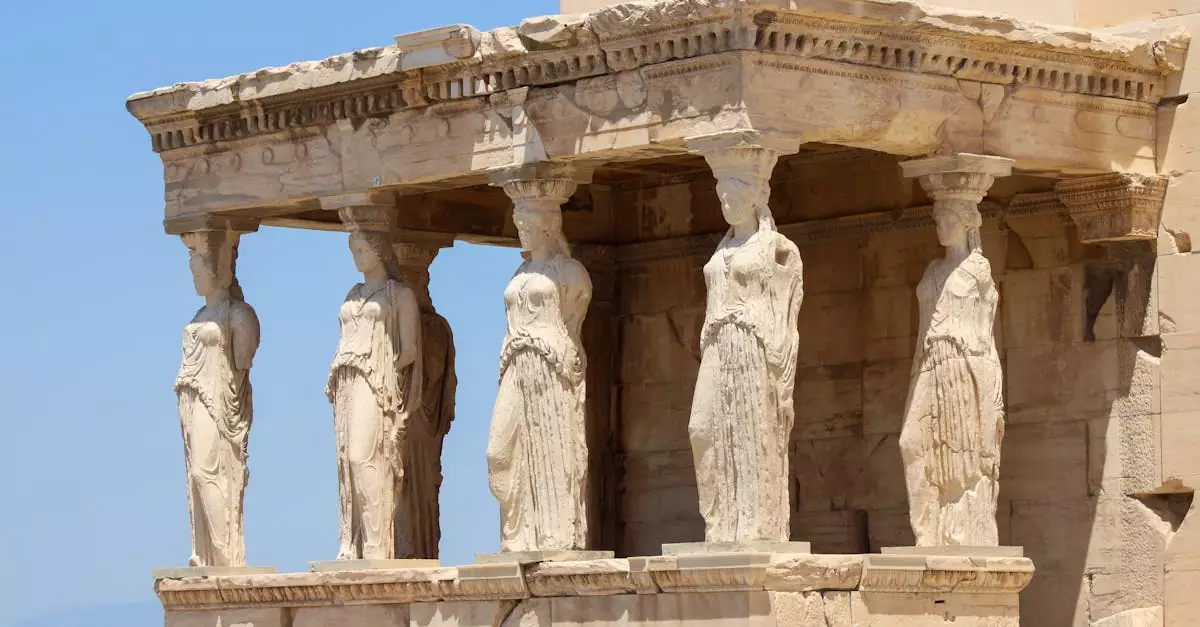
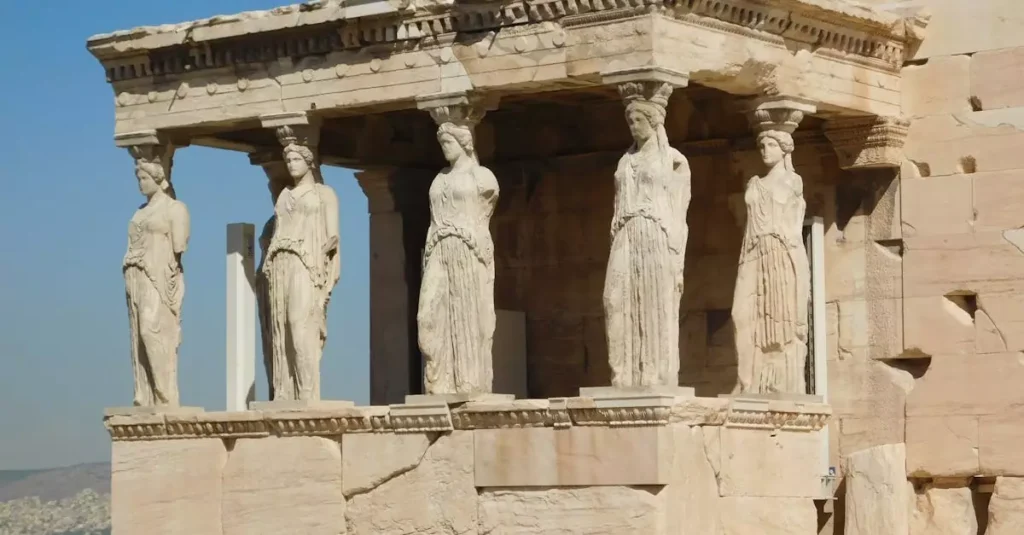
Athens, Greece’s capital, stands as a monumental testament to ancient civilization and a prime destination for mythology enthusiasts. Here, amidst the bustling modern city, the echoes of gods and heroes resonate powerfully. To grasp Athens’ mythological significance, delve into its iconic landmarks, each steeped in stories of divine intervention and human endeavor. When planning your visit to these ancient sites, consider crowd management, particularly during peak seasons, and wear comfortable footwear for navigating uneven terrain.
Exploring the Acropolis: Sanctuary of Athena
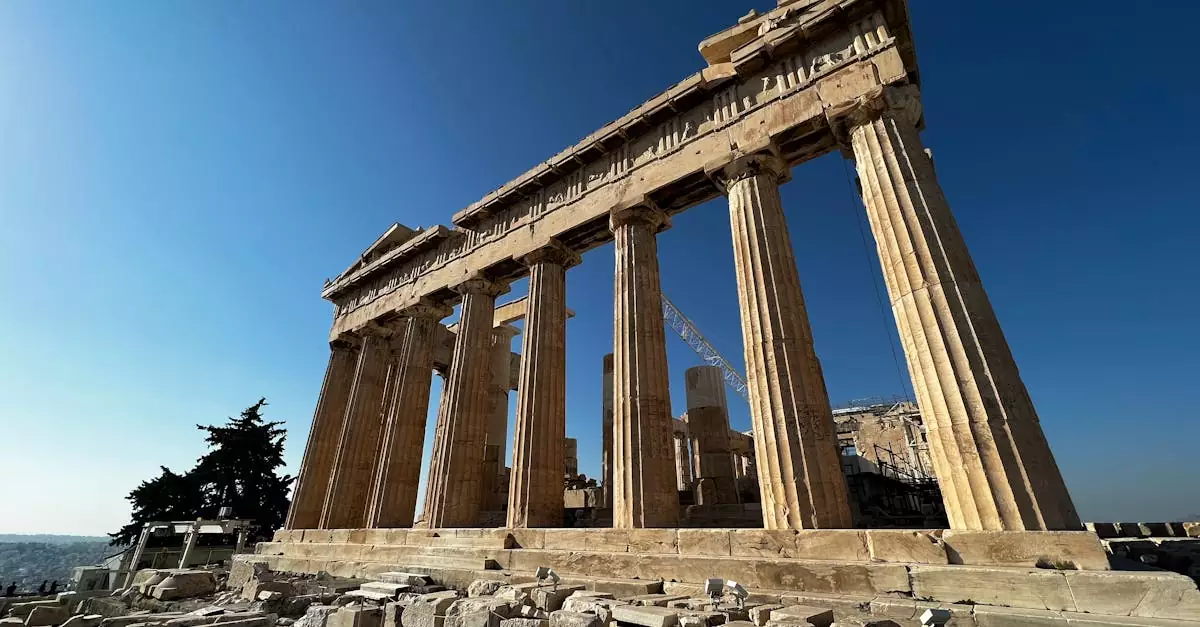
Dominating the Athenian skyline, the Acropolis symbolizes classical Greece and is crucial for understanding its mythology. Dedicated primarily to Athena, the goddess of wisdom and warfare, this ancient citadel served as a spiritual and civic center. The Parthenon, its most famous temple, was constructed to honor Athena Parthenos. Imagine standing where ancient Athenians once offered prayers and sacrifices, surrounded by structures that have witnessed millennia of history.
To avoid the midday sun and largest crowds, plan your visit to the Acropolis for early in the day, especially from April to October. Tickets can be purchased online in advance for convenience. The site is accessible via stairs, with some ramps available, but the terrain is primarily uneven stone.
The Ancient Agora: Socrates’ Philosophical Playground
The Ancient Agora, located northwest of the Acropolis, was the heart of public life in ancient Athens. It functioned as a marketplace, political forum, and gathering place for philosophers, including Socrates, whose dialogues shaped Western thought. Mythology weaves through the Agora via temples and altars dedicated to various deities, reflecting the polytheistic nature of ancient Greek religion. Walking through its ruins, you can envision the daily lives of Athenians, from bustling trade to intense philosophical debates.
The Agora is relatively flat, making it easier to navigate than the Acropolis and allowing for a more relaxed exploration. Consider visiting in the late afternoon for softer light and fewer tour groups. Nearby, the Museum of the Ancient Agora houses artifacts found on-site, offering further context to the mythological and historical significance of the area.
Temple of Olympian Zeus: A Giant’s Legacy
The colossal ruins of the Temple of Olympian Zeus provide a breathtaking glimpse into the grandeur of ancient Athenian ambition. Once the largest temple in Greece, it was dedicated to Zeus, the king of the gods. Although largely in ruins today, the remaining columns evoke the immense power and reverence associated with the Olympian pantheon. The site serves as a powerful reminder of the gods’ central role in the lives and beliefs of ancient Greeks.
This site is easily accessible and offers more open space for reflection compared to the Acropolis. The ground is mostly level, making it a comfortable visit for most travelers. Its proximity to the Acropolis allows for a convenient single-day itinerary of mythological exploration.
| Site | Primary Mythological Figure | Best Time to Visit | Estimated Time Needed | Accessibility |
|---|---|---|---|---|
| Acropolis | Athena | Early Morning (April-Oct) | 2-3 hours | Moderate |
| Ancient Agora | Various deities, Socrates | Late Afternoon | 1.5-2 hours | Good |
| Temple of Olympian Zeus | Zeus | Anytime | 1 hour | Excellent |
Athens offers a profound connection to the myths that have shaped Western culture. By visiting these key locations, travelers gain a tangible understanding of the ancient Greek worldview and the stories of its gods and heroes.
Crete: Island of Minotaurs and Minoan Mysteries
Crete, the largest of the Greek islands, is a treasure trove for those intrigued by ancient myths and history. Its dramatic landscapes, from rugged mountains to fertile plains, have provided the backdrop for some of Greece’s most enduring legends. Exploring Crete means stepping into a realm where myth and reality intertwine, offering an immersive experience of the Bronze Age Minoan civilization and the stories that have captivated imaginations for centuries.
Knossos Palace: Labyrinth of the Minotaur
No visit to Crete is complete without exploring the Palace of Knossos, the legendary seat of King Minos and the mythical home of the Minotaur. This vast Minoan archaeological site, famously excavated and partially reconstructed by Sir Arthur Evans, offers a tangible connection to the ancient world. As you wander through its labyrinthine corridors, crumbling walls, and faded frescoes, you can easily envision the tales of Daedalus, Icarus, and the heroic Theseus.
Plan your visit for the morning to avoid peak crowds and the midday sun, especially in summer. Comfortable walking shoes are essential, as the site involves uneven terrain. Hiring a local guide at the entrance or booking a guided tour in advance can enhance your understanding of the historical and mythological significance of the ruins. Public buses from Heraklion make the site accessible for day trips.
Myth of Zeus’s Birthplace: Idaean Cave
High in the Psiloritis Mountains lies the Idaean Cave, a sacred site steeped in mythology as one of the purported birthplaces of Zeus, the king of the gods. According to legend, Rhea hid her infant son here to protect him from his father, Cronus, and he was raised by the Kouretes, who clashed their spears to drown out the baby’s cries. The journey to the cave is an adventure in itself, offering breathtaking mountain scenery and a sense of profound antiquity.
Reaching the cave typically requires a car, as public transport is limited. The drive is scenic but can be winding. From the parking area, a moderate hike of about 20-30 minutes leads to the cave entrance. The cave features stalactites and stalagmites and provides a special atmosphere for those interested in ancient religious practices. The best time to visit is during spring or early autumn for pleasant hiking weather and fewer visitors.
Exploring Rethymno’s Venetian and Ottoman Mythology
While Knossos and the Idaean Cave are central to Greek mythology, the charming city of Rethymno offers a different kind of mythical allure, blending Venetian and Ottoman influences with local folklore. Its well-preserved old town, with narrow alleys, arched doorways, and a historic harbor, feels like a living museum. The Venetian fortress, Fortezza, stands guard over the city, its ramparts whispering tales of sieges and resilience.
Wandering through Rethymno’s old town is a delight for the senses. You can find traditional tavernas serving Cretan specialties, artisan shops, and historic mosques alongside Venetian churches. The atmosphere here centers on the layered history and the enduring spirit of the island, inspiring countless local stories and legends over the centuries. Rethymno is easily accessible by bus from both Heraklion and Chania, making it a convenient stop on any Cretan itinerary.
Delphi: Where Oracles Spoke and Destinies Were Forged
Delphi, nestled on the slopes of Mount Parnassus, is arguably one of the most significant ancient sites in Greece, deeply intertwined with mythology and history. This was once considered the center of the world, the navel of the earth, according to ancient Greek belief. Visiting Delphi offers a profound connection to the past, allowing travelers to walk in the footsteps of pilgrims who sought guidance from the famous Oracle. Its dramatic setting and well-preserved ruins make it a must-see for anyone interested in the best mythology destinations in Greece.
The Sanctuary of Apollo: Pythia’s Sacred Site
At the heart of Delphi lies the Sanctuary of Apollo, a sprawling complex dedicated to the god of music, poetry, and prophecy. This is where the Pythia, Apollo’s priestess, delivered her cryptic prophecies, influencing the decisions of kings and commoners alike. As you ascend the Sacred Way, you’ll pass the treasuries of various city-states, built to house offerings to Apollo. Imagine the throngs of people who once gathered here, eager to hear their fate. The scale and spiritual significance of the site are palpable, even after millennia.
Temple of Athena Pronaia and the Tholos
A short walk below the main sanctuary leads to the Sanctuary of Athena Pronaia, featuring the iconic Tholos. This circular structure, with its distinctive marble columns, is among the most photographed ruins in Delphi. While its exact purpose remains debated, it’s believed to have been part of a larger sanctuary dedicated to Athena. The view from this lower terrace, looking back toward the main site with the mountains as a backdrop, is breathtaking, offering a unique perspective on the ancient settlement.
The Archaeological Museum of Delphi: Priceless Artifacts
No visit to Delphi is complete without exploring its Archaeological Museum. Housed within the site, it safeguards many treasures unearthed during excavations. The museum’s collection includes remarkable sculptures, votive offerings, and artifacts that provide deeper insights into the religious practices and daily life of ancient Delphi. The Charioteer of Delphi, a stunning bronze statue, is a particular highlight, showcasing the incredible artistry of the era. Experiencing these objects up close brings the stories and legends of this mythical place to life.
Logistical Tips for Visiting Delphi:
- Getting There: Delphi is accessible by bus from Athens, with several departures daily. Renting a car offers more flexibility for exploring the surrounding region, though parking can be challenging during peak season.
- Best Time to Visit: Spring (April-May) and autumn (September-October) offer pleasant weather for walking and fewer crowds. Summer can be very hot and busy.
- What to Bring: Comfortable walking shoes are essential, as the site involves considerable uphill walking. Sunscreen, a hat, and plenty of water are also recommended, especially during warmer months.
- Budget Considerations: Entrance fees for the archaeological site and museum are reasonable. Bus tickets from Athens are also affordable. If renting a car, factor in fuel and potential parking costs.
- Nearby Attractions: Consider combining your trip to Delphi with visits to the charming mountain town of Arachova or the stunning monasteries of Meteora, located a few hours’ drive north.
Peloponnese: Land of Heroes and Epic Journeys
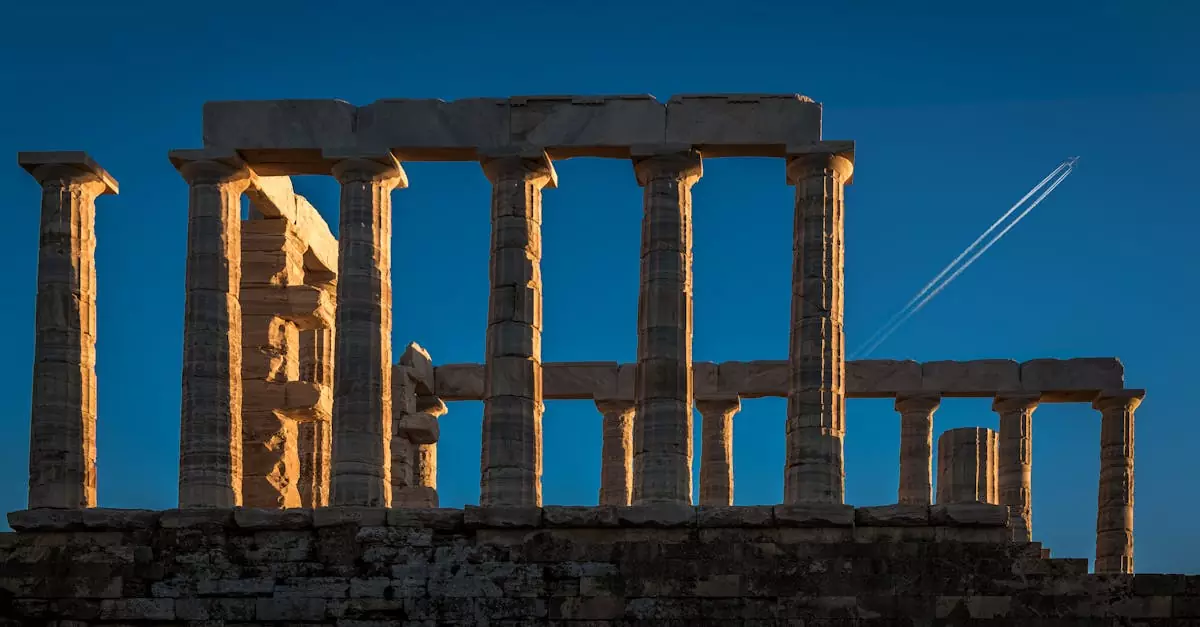
The Peloponnese peninsula, connected to mainland Greece by a narrow isthmus, is a treasure trove of ancient history and mythological significance. Here, many foundational myths of Greek civilization took root, making it a must-visit region for those seeking the best mythology destinations in Greece. Traveling through the Peloponnese offers a journey back in time, where legendary figures like Hercules, Agamemnon, and the gods of Olympus once walked.
Olympia: Birthplace of the Olympic Games
At the heart of the Peloponnese lies Olympia, revered not just for its historical importance but also for its mythological connections. This sacred sanctuary was dedicated to Zeus, king of the gods, and was the birthplace of the ancient Olympic Games, held every four years since 776 BCE. Imagine the throngs of athletes and spectators who once gathered here, their triumphs and struggles echoing through the ruins of temples, stadiums, and training grounds.
Visiting Olympia today allows you to walk among the remnants of this hallowed place. Key sites include the Temple of Zeus, where a colossal chryselephantine statue of the god once stood, and the ancient stadium, where athletic contests took place. The Archaeological Museum of Olympia houses remarkable artifacts, including stunning marble sculptures from the Temple of Zeus and the Hermes of Praxiteles.
Planning Your Visit to Olympia:
- Best Time to Visit: Spring (April-May) and autumn (September-October) offer pleasant weather and fewer crowds. Summer can be very hot.
- Getting There: Olympia is accessible by car or bus from major Peloponnese cities like Patras or Kalamata. The nearest international airport is in Athens, roughly a 3-hour drive away.
- Budget: Entrance fees to the archaeological site and museum are modest. Consider a guided tour for deeper insights.
- Logistics: Wear comfortable shoes for walking on uneven terrain. Allow at least 3-4 hours to fully explore the site and museum.
Mycenae: Agamemnon’s Ancient Kingdom
Venture deeper into the Argolid region of the Peloponnese to find Mycenae, a powerful Bronze Age city that dominated the Aegean world. This is the legendary home of King Agamemnon, leader of the Achaeans in Homer’s Iliad. The sheer scale of the fortifications and the richness of the royal tombs speak to the immense wealth and power of this ancient civilization, deeply intertwined with Greek mythology.
The iconic Lion Gate, the monumental entrance to the citadel, immediately transports you to a world of warriors and kings. Explore the Cyclopean Walls, named because ancient Greeks believed only giants could have moved such massive stones. Within the acropolis, you can see the remains of the royal palace, the megaron, and the Treasury of Atreus, a magnificent beehive tomb.
Mycenae vs. Tiryns:
While Mycenae is the most famous, the nearby citadel of Tiryns, also featuring impressive Cyclopean walls, is another significant Mycenaean site with its own mythological ties, often linked to Hercules. Both sites offer a glimpse into this fascinating period of Greek history.
| Feature | Mycenae | Tiryns |
|---|---|---|
| Mythology | Agamemnon, House of Atreus | Hercules, Proetus |
| Walls | Famous Lion Gate, Cyclopean walls | Extensive Cyclopean walls |
| Key Site | Treasury of Atreus, Royal Palace | Ramparts, Palace remains |
| Accessibility | Easily accessible, well-preserved | Accessible, more rugged |
| Time Needed | 2-3 hours | 1-2 hours |
Mystras: Byzantine Echoes and Mythological Significance
While primarily known as a stunning Byzantine ghost city, Mystras, perched on a steep hillside near ancient Sparta, also carries mythological resonance through its association with the region of Sparta itself. Though its most prominent structures date from the Byzantine era, the very ground it occupies is steeped in legends of heroes and demigods from earlier periods. The dramatic setting, with its monasteries, churches, and palaces clinging to the mountainside, evokes a sense of timelessness.
Wandering through Mystras feels like stepping into a different era. The intricate frescoes within the churches, such as the Pantanassa Monastery and the Agia Sophia, are breathtaking. The Palaiologos Palace complex offers panoramic views and a glimpse into the lives of Byzantine rulers. The sheer verticality of the site means navigating many steps, but the reward is unparalleled beauty and historical depth.
Logistics for Mystras:
- Location: Near modern Sparta in Laconia.
- Getting There: Accessible by car or bus from Sparta. Day trips from Kalamata or even Nafplio are possible but lengthy.
- Visit Duration: Allow at least 3-4 hours to explore the upper and lower towns.
- Physicality: The site is very steep; wear sturdy footwear and be prepared for a significant amount of walking and climbing.
What Are the Best Times to Visit Greece for Mythology Enthusiasts?
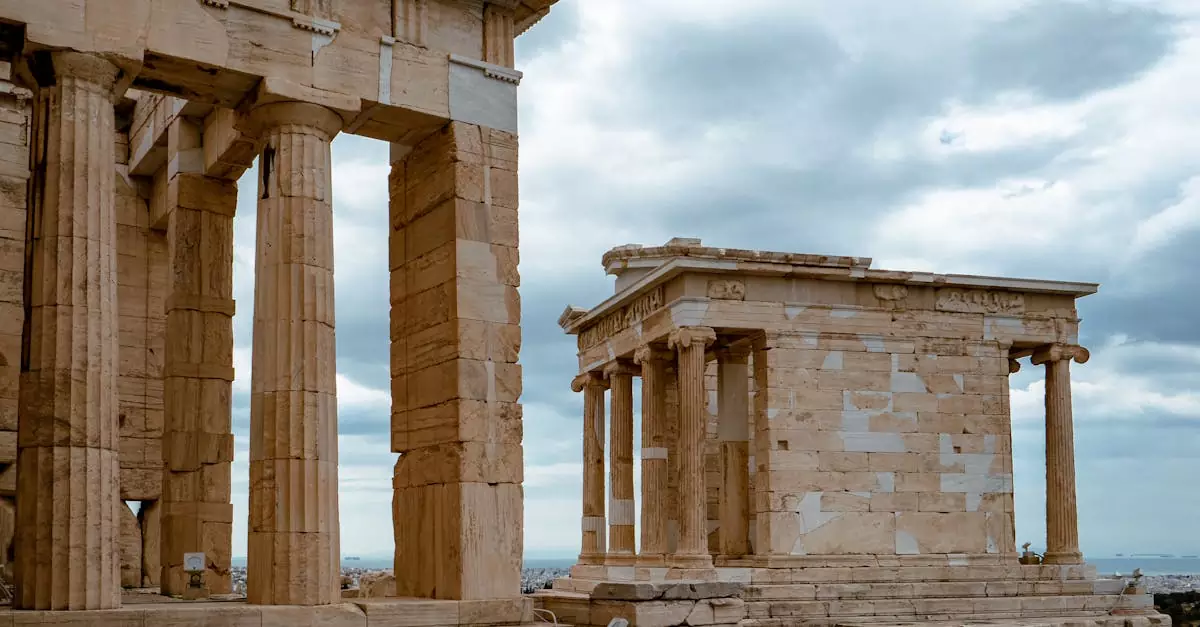
Choosing the right time to visit Greece can significantly enhance your experience, especially when focusing on its rich mythological tapestry. The best periods offer comfortable weather for extensive site exploration and fewer crowds, allowing for a more immersive encounter with ancient history.
Spring (April-May): Pleasant weather and fewer crowds
Spring arrives in Greece with a gentle embrace, making it an excellent time for those eager to trace the footsteps of ancient gods and heroes. Landscapes are often carpeted with wildflowers, adding visual delight to your journeys between historical sites. Temperatures are typically mild, averaging between 15-25°C (59-77°F), perfect for walking through the Acropolis or exploring the ruins at Delphi without the intense heat of summer.
This shoulder season also means fewer tour groups and lower accommodation prices compared to peak summer months. You can wander through the archaeological sites of Athens, Olympia, and Mycenae with more space and a greater sense of tranquility. Daylight hours are increasing, providing ample time for sightseeing.
| Month | Average High (°C) | Average Low (°C) | Rainfall (mm) |
|---|---|---|---|
| April | 20 | 10 | 35 |
| May | 25 | 14 | 20 |
Autumn (September-October): Ideal for exploring ancient sites
Similar to spring, autumn offers a sweet spot for visiting Greece’s mythological landmarks. The scorching summer heat subsides, replaced by pleasant, warm days and cooler evenings, generally ranging from 18-26°C (64-79°F). This comfortable climate is conducive to long days spent delving into the history of places like Epidaurus or the Minoan palaces of Crete.
The sea remains warm enough for swimming in early autumn, allowing for a balanced trip that includes both cultural immersion and relaxation. Tourist numbers begin to decrease after August, making it easier to access popular attractions and find more affordable travel options. The light in autumn is often softer, creating a beautiful atmosphere for photography at ancient ruins.
| Month | Average High (°C) | Average Low (°C) | Rainfall (mm) |
|---|---|---|---|
| September | 27 | 17 | 15 |
| October | 23 | 13 | 40 |
Summer (June-August): Peak season, but vibrant cultural events
Summer in Greece is synonymous with sunshine, lively islands, and a buzzing atmosphere, though it also brings the highest temperatures, often exceeding 30°C (86°F) inland and on the mainland. While this can be challenging for extensive daytime exploration of ancient sites, it’s an ideal time for island hopping and enjoying Greece’s famed beaches. Many archaeological sites have extended opening hours during summer, allowing for early morning or late afternoon visits to avoid the midday sun.
This period coincides with numerous cultural festivals, concerts, and events held across the country, many of which are inspired by ancient Greek drama and mythology. If you don’t mind the heat and the crowds, summer offers a vibrant and energetic experience. Booking accommodations and transportation well in advance is crucial during these months.
| Month | Average High (°C) | Average Low (°C) |
|---|---|---|
| June | 30 | 20 |
| July | 32 | 22 |
| August | 33 | 23 |
Planning Your Mythological Odyssey: Practical Tips for Travelers
Embarking on a journey through Greece’s rich mythological landscapes requires thoughtful planning. Understanding logistics, from transportation to accommodations, ensures a smoother and more immersive experience. These practical tips will help you navigate the complexities of visiting these ancient sites, allowing you to focus on the magic of the past.
Getting Around Greece: Flights, Ferries, and Road Trips
Greece offers multiple transportation options to reach its historical heartlands. For mainland exploration, renting a car provides the most flexibility, especially for accessing more remote archaeological sites scattered across the Peloponnese or central Greece. Major cities like Athens are well-connected by an extensive bus network, making intercity travel accessible without a personal vehicle.
Island hopping, a quintessential Greek experience, relies heavily on ferries. Numerous ferry companies operate routes between the mainland ports (like Piraeus near Athens) and the islands, as well as between the islands themselves. Booking ferry tickets in advance, particularly during peak season, is highly recommended. Domestic flights are also available for longer distances, such as traveling between Athens and Crete or Rhodes, saving considerable travel time.
Here’s a quick look at common travel methods:
| Transportation Method | Best For | Pros | Cons |
|---|---|---|---|
| Rental Car | Mainland exploration, flexibility | Freedom, access to remote sites | Parking in cities, cost |
| Ferries | Island hopping, scenic travel | Iconic experience, island access | Can be slow, weather dependent |
| Intercity Buses | Budget travel between cities | Affordable, extensive network | Less comfortable, slower |
| Domestic Flights | Long distances, saving time | Speed | Cost, airport transfers |
Accommodation Options: From Ancient Ruins to Modern Comforts
Your choice of accommodation can significantly enhance your immersion in Greece’s mythological heritage. Many ancient sites are located near charming villages or larger towns offering a range of lodging. In Athens, for instance, you can find hotels within walking distance of the Acropolis, allowing for early morning or late evening visits to avoid crowds.
Beyond major cities, consider staying in boutique hotels or guesthouses in towns like Delphi, Olympia, or Mycenae. These often provide a more authentic experience and easier access to primary attractions. For island destinations, from Santorini to Crete, options range from luxurious resorts with caldera views to simple, family-run studios near ancient Minoan ruins. Booking accommodations well in advance is crucial, especially for popular islands and during summer months.
Budgeting for Your Mythological Adventure
The cost of a trip focused on Greece’s mythological wonders can vary widely based on your travel style and the season. Flights to Greece are often a significant expense, with prices fluctuating based on departure location and booking time. Accommodation costs range from budget-friendly hostels and studios (€50-€100 per night) to mid-range hotels and villas (€100-€250 per night), and luxury options (€250+ per night).
Daily expenses for food, local transportation, and entrance fees to archaeological sites can add up. A modest daily budget for food might be €40-€60 per person, while site entrance fees can range from €6 to €12 per site, with combination tickets often offering savings. Transportation costs depend on your chosen methods; ferry tickets can range from €20 to €80 depending on the route, and car rentals start around €30 per day. Traveling during the shoulder seasons (April-May, September-October) can offer substantial savings on both flights and accommodation.
Essential Packing for Exploring Ancient Sites
When preparing for your journey to Greece’s ancient wonders, comfortable and practical items are key. Sturdy walking shoes are essential, as you’ll be traversing uneven terrain at archaeological sites. Lightweight, breathable clothing is important for the Mediterranean climate, especially during warmer months.
Don’t forget sun protection: a wide-brimmed hat, sunglasses, and high-SPF sunscreen are vital. Carry a reusable water bottle to stay hydrated, as many sites have limited facilities. A small backpack or daypack is useful for carrying essentials like water, snacks, a camera, and any guidebooks or maps. Insect repellent can be beneficial for evenings, particularly near coastal areas. Finally, consider packing a light jacket or sweater, as evenings can sometimes be cooler, especially in mountainous regions or on islands.