Europe’s allure often conjures images of bustling cities and iconic landmarks, but for those yearning for genuine tranquility, its remote islands offer an unparalleled escape. These secluded gems provide a chance to disconnect from everyday life, immerse yourself in pristine natural beauty, and embrace a slower pace. If you’re dreaming of dramatic coastlines, crystal-clear waters, and authentic local culture away from the crowds, exploring the best remote islands Europe has to offer should be your next adventure. This guide will unveil some of the continent’s most captivating and less-traveled island paradises, detailing what makes each unique and how to best experience their secluded charm. Prepare to be inspired by destinations that promise both profound peace and unforgettable exploration.
Unveiling the Best Remote Islands in Europe
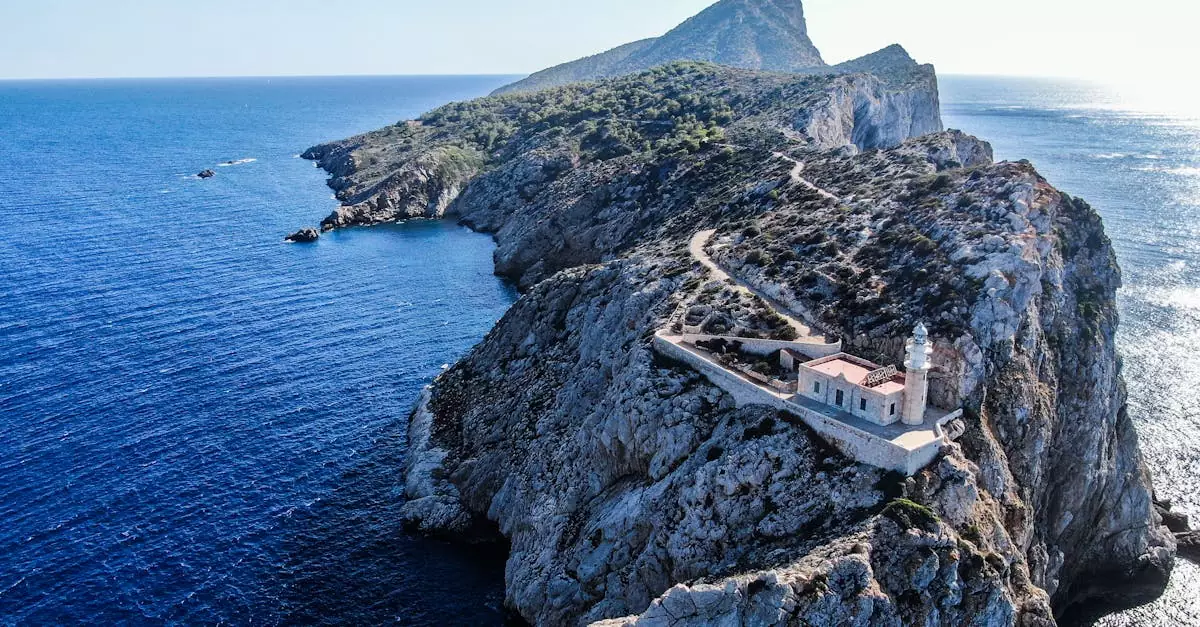
Europe offers a vast tapestry of experiences, but for those seeking true tranquility away from the crowds, its remote islands beckon. These less-traveled gems provide an escape into nature, a chance to connect with local traditions, and a profound sense of peace. If your idea of a perfect vacation involves dramatic coastlines, clear waters, and a slower pace of life, discovering the best remote islands in Europe should be at the top of your list.
Top 5 Secluded European Island Paradises
When planning a trip to find solitude, consider these five exceptional European islands, each offering a unique brand of remote charm.
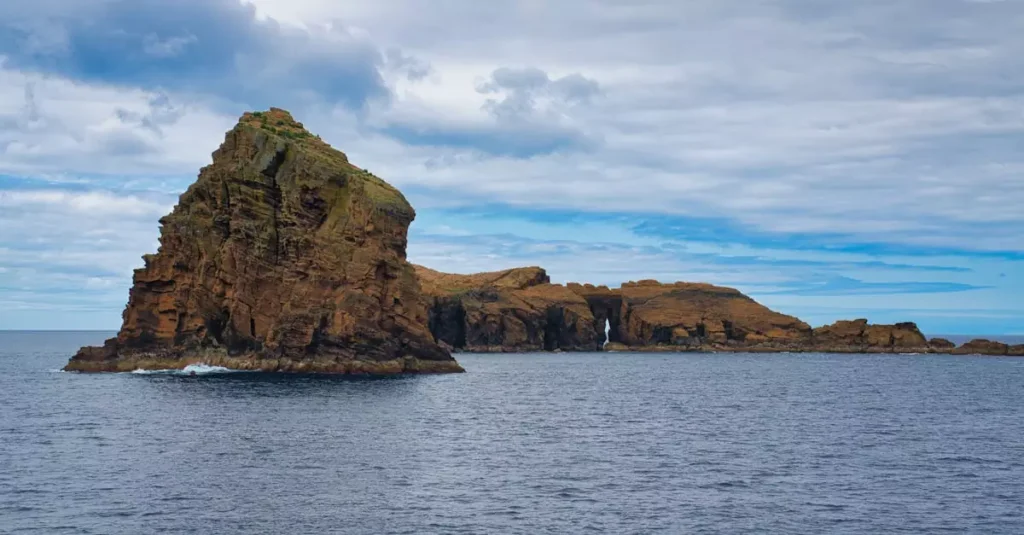
- The Azores, Portugal: This mid-Atlantic archipelago is a haven for nature lovers. São Miguel, the largest island, boasts volcanic landscapes, hot springs, and lush crater lakes. Smaller islands like Flores offer cascading waterfalls and a sense of being at the edge of the world. The Azores are best visited from late spring to early autumn for pleasant weather.
- Svalbard, Norway: Situated in the Arctic Ocean, Svalbard is a land of glaciers, polar bears, and the midnight sun. It’s a destination for the adventurous, offering activities like ice cave exploration and wildlife safaris. Access is primarily via flights from mainland Norway. Be prepared for extreme cold, especially outside of summer.
- Lofoten Islands, Norway: Dramatic peaks rise directly from the sea in this stunning Norwegian archipelago. Rorbuer (traditional fishermen’s cabins) provide unique accommodations. Summer offers long daylight hours, ideal for hiking and photography, while winter presents opportunities to see the Northern Lights. Transportation between islands is often by ferry.
- Gozo, Malta: Malta’s smaller sister island provides a more laid-back atmosphere than its bustling neighbor. Known for its ancient temples, dramatic cliffs, and excellent diving sites, Gozo is easily accessible by ferry from Malta. Visit during shoulder seasons for fewer crowds and milder temperatures.
- Folegandros, Greece: While the Greek islands are popular, Folegandros retains an authentic, unhurried charm. Its main town, Chora, perches dramatically on a cliff edge, offering breathtaking views of the Aegean Sea. Accessible by ferry from Athens, it’s a place to unwind and enjoy simple pleasures.
| Island | Country | Best Time to Visit | Primary Draw | Accessibility |
|---|---|---|---|---|
| The Azores | Portugal | May – September | Volcanic landscapes, hot springs, hiking | Flights from Lisbon, Porto, and other cities |
| Svalbard | Norway | June – August | Arctic wildlife, glaciers, midnight sun | Flights from Oslo or Tromsø |
| Lofoten Islands | Norway | June – August | Dramatic scenery, hiking, Northern Lights | Flights to Leknes/Svolvær, ferries |
| Gozo | Malta | April – June | Ancient sites, diving, relaxed atmosphere | Ferry from Malta |
| Folegandros | Greece | May – October | Cliffside towns, Aegean views, tranquility | Ferry from Piraeus (Athens) |
Finding Your Perfect Remote Island Getaway in Europe
Choosing the right remote island depends on your priorities. Are you seeking adventure, relaxation, or a deep dive into local culture? For active travelers, the Azores or Lofoten Islands offer extensive hiking and outdoor pursuits. Those looking for unique natural phenomena might gravitate towards Svalbard’s Arctic wonders.
If your goal is pure relaxation and stunning scenery without extreme adventure, Gozo or Folegandros provide serene environments. Consider the logistics of reaching each destination. Islands like Svalbard require more planning and are generally pricier due to their remoteness and specialized activities. Others, like Gozo, easily integrate into broader trips to their respective countries.
Budget is also a key factor. While some remote islands offer budget-friendly guesthouses, others, particularly in extreme climates or with limited infrastructure, can incur higher costs for accommodation, food, and transport. Researching local transportation options, such as inter-island ferries or limited bus services, is crucial for navigating these less-developed areas.
Why Choose a Remote Island for Your Next European Adventure?
Opting for a remote island escape in Europe offers a distinct contrast to visiting mainland cities or popular tourist hubs. These destinations allow for a break from the constant connectivity of modern life and a chance to reconnect with nature and oneself. The absence of large crowds fosters a more intimate experience with the landscape and local culture.
These islands often preserve traditions and ways of life that have changed little over generations. Interacting with locals can be more meaningful, and the pace of life encourages mindfulness and appreciation for simple moments. Furthermore, many remote islands boast pristine natural environments, from untouched beaches and dramatic coastlines to unique flora and fauna, offering unparalleled opportunities for exploration and rejuvenation. They represent a chance to experience the authentic soul of Europe.
The Azores, Portugal: Volcanic Wonders and Atlantic Charm
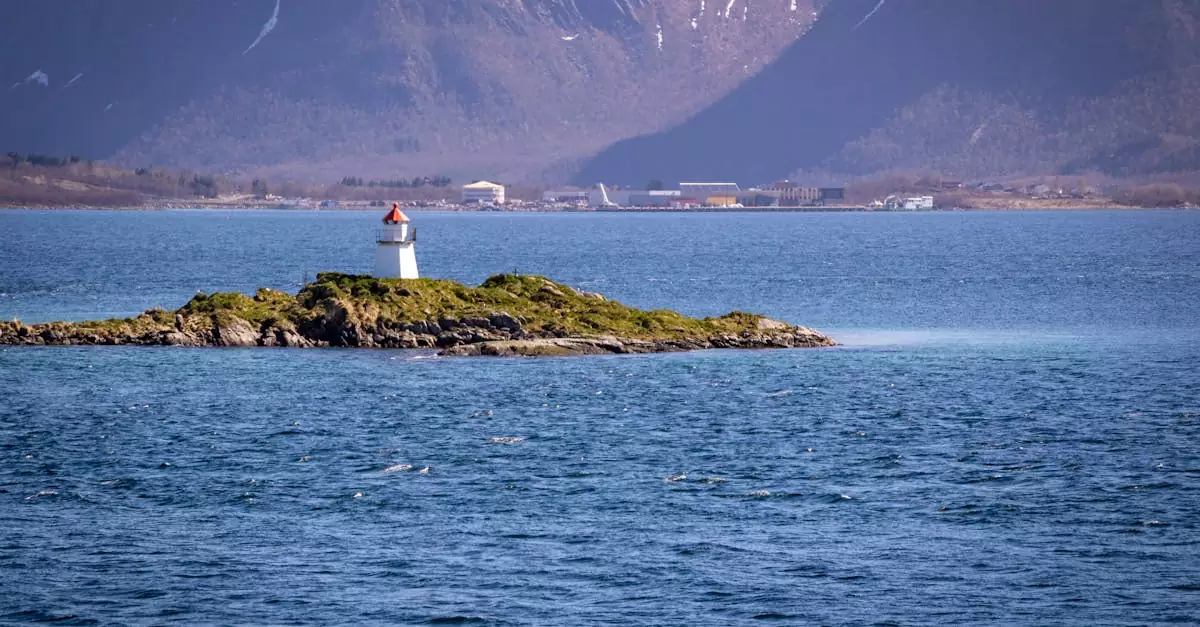
The Azores archipelago, a remote scattering of nine volcanic islands in the mid-Atlantic, offers a dramatic escape from the ordinary. This Portuguese territory is a haven for nature lovers, featuring a unique blend of lush landscapes, geothermal activity, and rich marine life. For travelers seeking the best remote islands Europe has to offer, the Azores provide an unparalleled experience of raw natural beauty and authentic island culture. Its dramatic scenery and relatively untouched nature make it a compelling choice for those looking to disconnect and immerse themselves in the environment.
São Miguel’s Geothermal Hotspots and Emerald Lakes
São Miguel, the largest island, often serves as the entry point for visitors and captivates with its diverse topography. The island’s volcanic origins are most evident in its stunning crater lakes and geothermal areas. Sete Cidades, a breathtaking caldera, features two distinct lakes—one emerald green and the other blue—separated by a narrow bridge. Legend has it that they were formed from the tears of a shepherd and a princess. Another must-see is Furnas Valley, where you can witness bubbling mud pots and steaming fumaroles. The natural hot springs here provide a unique opportunity to bathe in mineral-rich waters heated by the earth’s core. Don’t miss trying Cozido das Furnas, a traditional stew slow-cooked underground by volcanic heat.
Pico Island’s Vineyards and Whale Watching Opportunities
Pico Island, named after its towering stratovolcano, Mount Pico, presents a different yet equally compelling Azorean experience. Mount Pico, Portugal’s highest peak, is a challenging but rewarding hike, offering panoramic views of the surrounding islands. The island is also a UNESCO World Heritage site for its unique basalt vineyard landscape, where grapes are grown in small, stone-walled plots called currais. This traditional viticulture creates a distinctive wine, best enjoyed with fresh local seafood. Pico is also a world-class destination for whale and dolphin watching. From spring through autumn, the waters around the island teem with various cetacean species, including sperm whales, fin whales, and dolphins. Boat tours depart regularly, providing a chance to witness these magnificent creatures in their natural habitat.
Getting to and Around the Azores Archipelago
Reaching the Azores involves flying into one of the main airports, typically on São Miguel (Ponta Delgada Airport – PDL) or Terceira (Lajes Airport – TER). Several airlines offer direct or connecting flights from mainland Portugal and other European cities. Once in the Azores, inter-island travel is primarily by ferry or short domestic flights. Ferries are a scenic way to hop between islands during the summer months, though schedules can be limited outside of peak season.
Navigating individual islands is best done with a rental car, especially on larger islands like São Miguel and Terceira, to access more remote viewpoints and hiking trails. Smaller islands can be explored on foot, by bicycle, or with local taxis.
Transportation Options within the Azores:
| Island | Primary Transport | Car Rental Availability | Public Transport | Notes |
|---|---|---|---|---|
| São Miguel | Rental Car | High | Limited | Bus network connects major towns. |
| Pico | Rental Car | Moderate | Limited | Essential for vineyard and mountain access. |
| Terceira | Rental Car | Moderate | Limited | Bus service to Angra do Heroísmo and Praia. |
| Faial | Rental Car | Moderate | Limited | Useful for exploring the island. |
| Flores | Rental Car | Moderate | Very Limited | Recommended for full exploration. |
| Corvo | Walking/Taxi | Very Low | None | Smallest island, easily walkable. |
Svalbard, Norway: Arctic Wilderness and Polar Bears
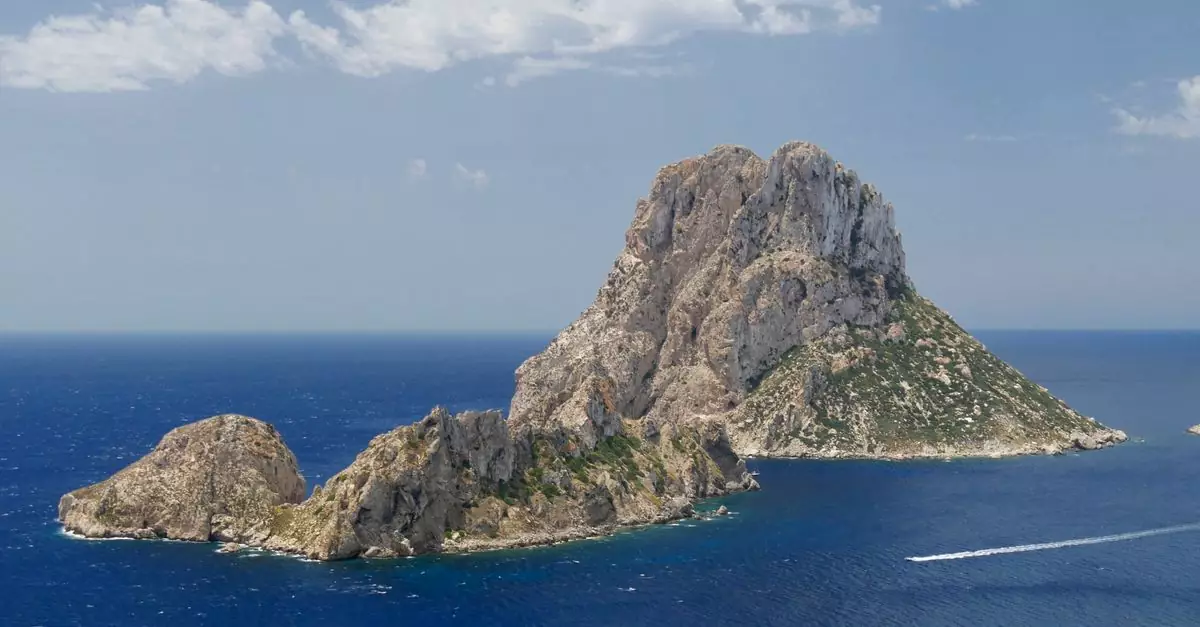
For travelers seeking truly remote islands in Europe, the Svalbard archipelago offers an unparalleled Arctic adventure. Located halfway between mainland Norway and the North Pole, this Norwegian territory is characterized by dramatic glaciers, stark mountain ranges, and abundant wildlife. It’s a destination that demands respect for nature and preparedness for extreme conditions, making it one of the best remote islands for those craving raw, untamed beauty.
Exploring Longyearbyen, the World’s Northernmost Town
Longyearbyen serves as the administrative center and main settlement on Spitsbergen, the largest island in Svalbard. Despite its remote location, the town is surprisingly modern and well-equipped, catering to the needs of its permanent residents and a growing number of visitors. Here, you can visit the Svalbard Museum to learn about the region’s history, mining heritage, and unique ecosystem. The Global Seed Vault, a secure backup facility for the world’s crop diversity, is also nearby, though it is not open to public tours. Walking around Longyearbyen, you’ll notice rifle racks outside buildings—a stark reminder of the polar bear presence and the necessity of carrying a firearm when venturing outside the settlement.
Wildlife Safaris: Walruses, Reindeer, and Arctic Foxes
Svalbard is a sanctuary for Arctic wildlife and a significant draw for visitors. Expeditions, often by boat or snowmobile depending on the season, are the primary way to witness these creatures in their natural habitat. Look out for walruses on rocky shores, Svalbard reindeer grazing in the tundra, and the elusive Arctic fox darting across the landscape. Birdwatchers will be thrilled by vast colonies of seabirds, including puffins and kittiwakes, that nest on cliffs during the summer months. Polar bear sightings are possible but rare and should always be observed from a safe distance with experienced guides.
Best Time for Svalbard’s Midnight Sun and Northern Lights
The timing of your visit to Svalbard profoundly impacts the experience. From late April to late August, the archipelago enjoys the phenomenon of the midnight sun, where daylight lasts for 24 hours. This period is ideal for outdoor activities, hiking, and wildlife viewing, as the continuous daylight allows for extended exploration.
Conversely, from late October to mid-February, Svalbard experiences polar night, with the sun remaining below the horizon. While this might seem daunting, it is the prime season for witnessing the magical aurora borealis, or Northern Lights, dancing across the dark Arctic sky. The shoulder seasons, March-April and September-October, offer a transition period with limited daylight but a chance to see both snow-covered landscapes and potentially the aurora, alongside fewer crowds.
| Season | Daylight Hours | Key Attractions | Considerations |
|---|---|---|---|
| Summer | 24-hour daylight | Midnight sun, hiking, boat tours, bird colonies | Mosquitoes can be present, higher visitor numbers |
| Autumn | Decreasing daylight | Northern Lights potential, autumn colors, fewer crowds | Cooler temperatures, some tours may cease operations |
| Winter | 24-hour darkness | Northern Lights, dog sledding, ice caving | Extreme cold, limited accessibility, essential gear |
| Spring | Increasing daylight | Snowmobile tours, Northern Lights, wildlife births | Melting snow can affect travel, still very cold |
Travel to Svalbard typically involves flying into Longyearbyen Airport (LYR) from Oslo or Tromsø, Norway. Given its status as one of the best remote islands for a unique escape, planning well in advance is crucial, especially for accommodations and guided tours, which can book up months ahead. Remember that due to the polar bear risk, you are not permitted to leave settlements without a guide or a rifle.
The Lofoten Islands, Norway: Dramatic Peaks and Fishing Villages
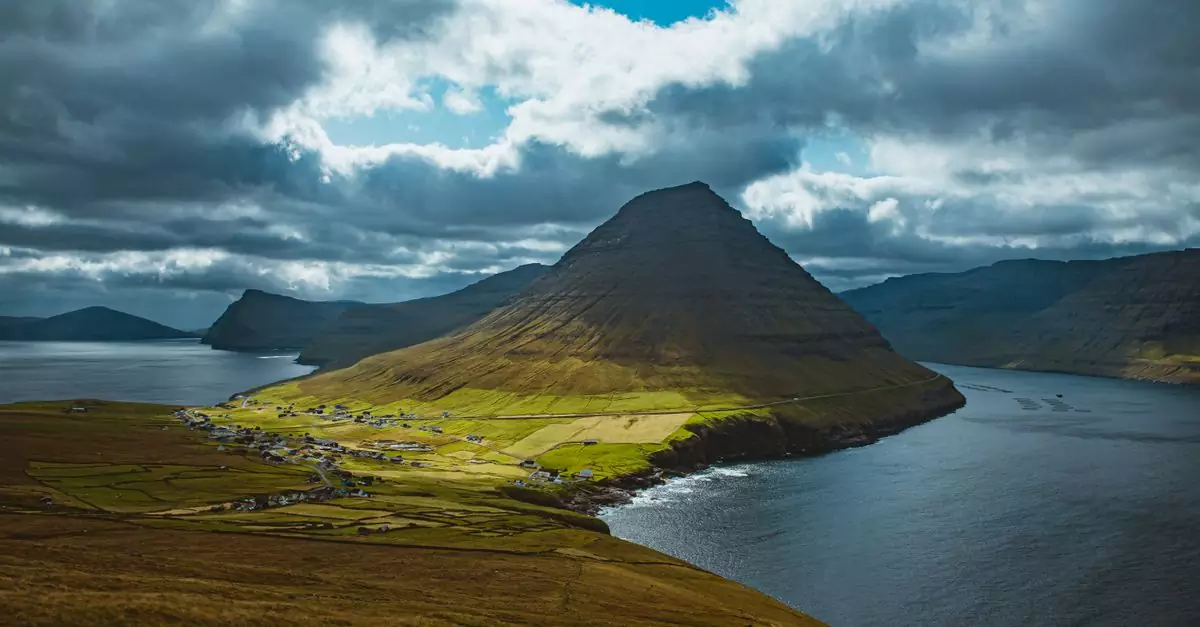
When considering the best remote islands Europe offers for a truly dramatic escape, the Lofoten Islands in Norway consistently rank high. This archipelago, located above the Arctic Circle, presents a breathtaking landscape where jagged mountains plunge directly into the turquoise sea. Unlike many tropical island destinations, Lofoten offers a rugged, wild beauty characterized by charming red fishing villages, windswept beaches, and the ever-present possibility of witnessing the aurora borealis.
Scenic Drives Through Reine and Hamnøy
Driving through Lofoten is an experience in itself, with the E10 highway connecting the main islands and offering stunning vistas at every turn. The southern part of the archipelago, particularly around Reine and Hamnøy, is often cited as the most picturesque. Here, traditional rorbuer (fishermen’s cabins) dot the coastline, their vibrant colors contrasting with the dramatic, snow-dusted peaks that form the backdrop. Pulling over at designated viewpoints is essential, allowing time to absorb the scenery and capture photographs of this iconic Norwegian landscape. Be prepared for narrow roads and the need to share the route with cyclists and other sightseers, especially during peak season.
Hiking to Iconic Viewpoints like Reinebringen
For those seeking panoramic views, hiking to viewpoints like Reinebringen is a must-do. This trail, while steep and demanding, rewards hikers with an unparalleled perspective over Reine village and the surrounding fjords. The path has been significantly improved in recent years with stone steps, making it more accessible, though it remains a challenging ascent. Always check local conditions before setting out, as weather can change rapidly in this region. Other popular hikes offer different perspectives, from coastal walks to more strenuous mountain climbs, catering to various fitness levels. Proper hiking gear, including sturdy boots and waterproof clothing, is crucial.
Experiencing the Magic of the Northern Lights in Lofoten
Visiting Lofoten during the winter months (roughly September to March) offers the extraordinary chance to witness the Northern Lights. The islands’ remote location and minimal light pollution create ideal conditions for aurora viewing. Imagine standing by a quiet fjord, with vibrant green and purple hues of the aurora dancing above the snow-capped mountains—it’s an unforgettable spectacle. While the aurora is a natural phenomenon and sightings are never guaranteed, the long, dark nights of the Arctic winter significantly increase your odds. Planning a trip during this period requires careful consideration of the weather, which can be harsh, and the limited daylight hours. However, the ethereal beauty of the landscape under a blanket of snow, combined with the potential for an aurora display, makes it a truly special time to visit.
Corsica, France: The Island of Beauty’s Hidden Coves
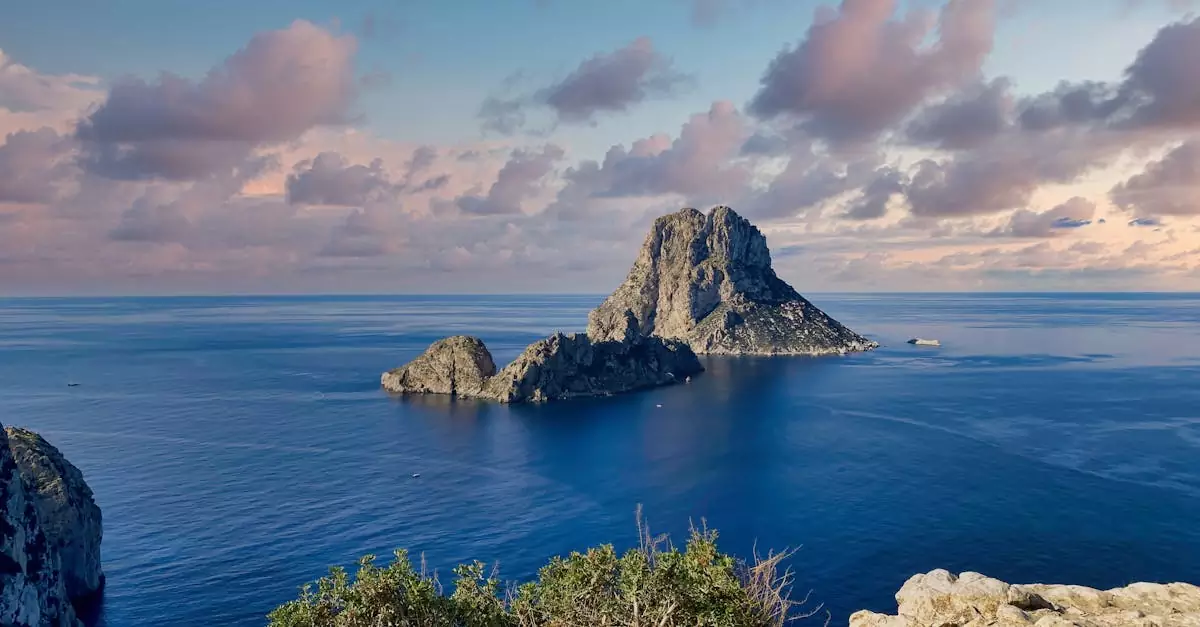
Corsica, often called the “Island of Beauty,” offers a rugged, untamed charm that appeals to those seeking an escape from crowded tourist hubs. Its dramatic landscapes, from soaring mountains to turquoise waters, provide a sense of true remoteness. This French island in the Mediterranean is a treasure trove for travelers looking to combine adventure with serene natural beauty.
Exploring the Scandola Nature Reserve by Boat
The Scandola Nature Reserve, a UNESCO World Heritage site, showcases Corsica’s unspoiled coastline. Accessible only by sea, this protected marine and terrestrial reserve features dramatic red volcanic cliffs plunging into crystal-clear waters. Boat tours are the only way to fully appreciate its unique geology and abundant marine life.
Many visitors opt for guided excursions departing from nearby towns like Calvi or Porto. These tours often include opportunities for swimming in secluded coves and observing the diverse bird population, including osprey. The sheer cliffs and sea caves create a dramatic backdrop, making it a photographer’s dream. Traveling by boat allows you to access areas unreachable by land, providing an intimate encounter with this protected natural wonder. Consider booking a smaller boat for a more personalized experience.
Hiking the GR20 Trail’s Lesser-Known Sections
While the GR20 is famously one of Europe’s most challenging long-distance hiking trails, its sheer length means many sections offer solitude and stunning scenery without requiring a full multi-day commitment. For those seeking a remote hiking experience on Corsica, focusing on specific, less-trafficked portions of the GR20 can be incredibly rewarding. These segments often traverse high mountain passes, offering panoramic views of the island’s interior.
Hikers can plan day trips or shorter overnight stays on sections like the northern part of the trail, which can be accessed from areas near Calenzana. These routes demand good physical condition and proper hiking gear, as the terrain is often rocky and steep. Planning your route in advance is crucial, and understanding the logistics of reaching trailheads is key. Staying in mountain refuges along the way offers a rustic, authentic experience, though booking well in advance is essential, especially during peak season.
Discovering Bonifacio’s Cliffside Citadel
Perched atop sheer limestone cliffs overlooking the Strait of Bonifacio, the town of Bonifacio offers a unique and breathtaking setting. This ancient citadel feels like a world apart, with its narrow, winding streets, historic fortifications, and stunning sea views. Its strategic location has shaped its history and continues to awe visitors today.
Wandering through the old town, you’ll encounter centuries-old buildings and charming squares. A must-do is visiting the King of Aragon’s Staircase, a steep set of steps carved directly into the cliff face, leading down to a sea cave. Boat trips around the base of the cliffs provide a different perspective on Bonifacio’s imposing position and reveal hidden grottos and sea arches. The town itself offers a sense of historical depth and a dramatic counterpoint to Corsica’s wilder natural landscapes.
Frequently Asked Questions About Remote European Islands
What are the most affordable remote islands in Europe?
For budget-conscious travelers seeking tranquility, islands in the Eastern Mediterranean or parts of the Balkans often present better value. Consider islands like Folegandros in Greece, which offers charming villages and beautiful beaches without the premium prices of its more famous neighbors. The Azores in Portugal also provide a more accessible price point compared to other Atlantic archipelagos, especially if you travel outside peak season.
For truly budget-friendly escapes, exploring islands accessible by ferry from mainland countries can significantly reduce travel costs. Smaller Greek islands or some Croatian islands can be reached without expensive flights, making them some of the best remote islands Europe has to offer for those watching their spending.
Which remote islands are best for couples seeking romance?
Couples often seek secluded beaches, charming local tavernas, and breathtaking sunsets. The Greek island of Symi, with its colorful neoclassical architecture and peaceful harbor, provides a picturesque setting. For a more dramatic landscape, the Faroe Islands offer rugged cliffs and a sense of profound isolation that can be incredibly romantic for adventurous pairs.
Another excellent choice is Mljet in Croatia, known for its two saltwater lakes and dense pine forests. Its national park status means fewer crowds, allowing for intimate walks and quiet moments. The sheer beauty and tranquility make it a top contender for a romantic getaway among the best remote islands Europe boasts.
How do I pack for a trip to a remote European island?
Packing for a remote island requires a balance of preparedness and practicality. Given limited shopping opportunities, bring essentials like specific medications, good quality sunscreen, and insect repellent. Comfortable walking shoes are crucial, as many remote islands involve uneven terrain and exploring on foot.
Consider layers, as weather can change unexpectedly, especially in the Atlantic or northern seas. A waterproof jacket is advisable for destinations like the Scottish Isles or the Azores. Don’t forget a good book and perhaps a portable charger, as electricity access can sometimes be less reliable than on the mainland. For specific packing lists, researching the typical weather in Europe for your chosen travel dates is highly recommended.