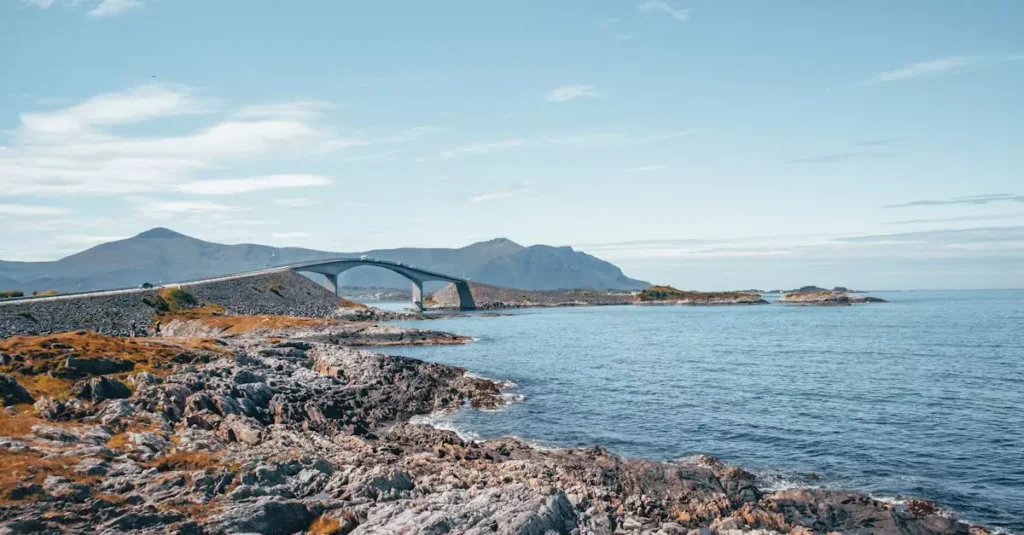
Embarking on one of the best island road trips Europe has to offer is a remarkable way to experience diverse landscapes, rich cultures, and stunning coastlines. These journeys foster a deeper connection with your destination, allowing you to discover hidden coves, ancient ruins, and charming villages at your own pace. This guide equips you with everything you need to plan your ultimate island driving adventure, including essential planning tips, the best times to travel, navigating ferries and car rentals, and necessary documents. We will also explore scenic routes across various islands, from dramatic cliffs to winding mountain passes, and delve into the delicious local flavors you can savor along the way. Get ready to map out an unforgettable road trip that transcends the typical tourist trail.
Top 5 Island Road Trips for an Unforgettable European Adventure
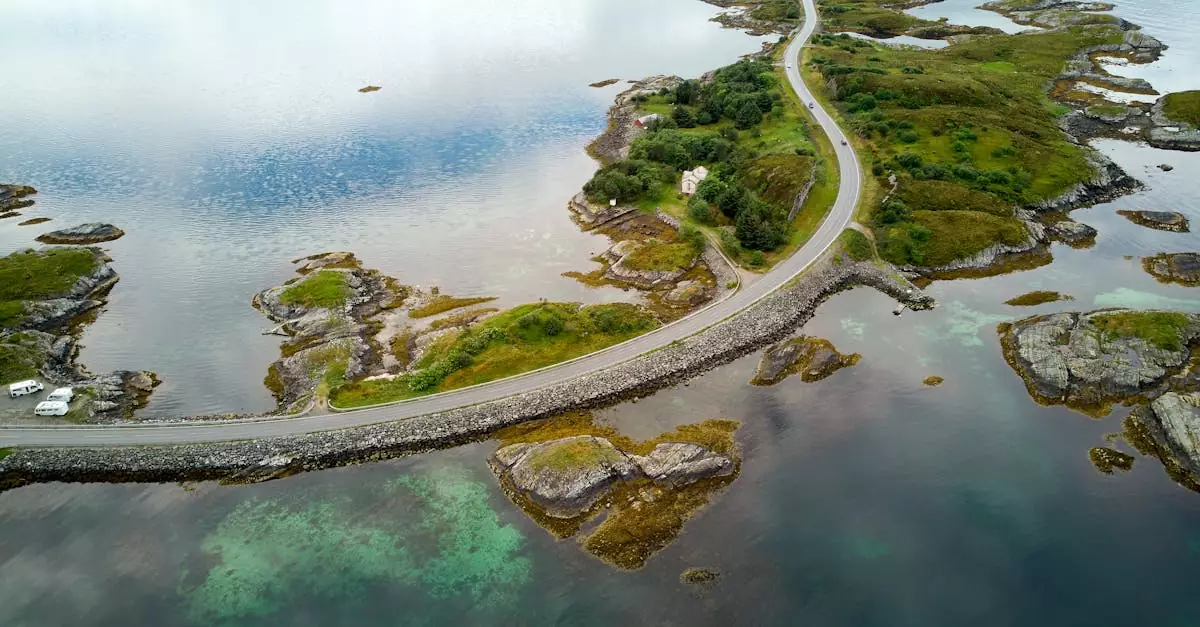
An island road trip in Europe offers a unique blend of scenic drives, cultural immersion, and coastal exploration. These journeys allow you to uncover hidden coves, ancient ruins, and charming villages at your own pace. From rugged coastlines to dramatic mountain passes, the best island road trips in Europe promise an adventure like no other.
Driving the Wild Atlantic Way: Ireland’s Coastal Majesty
The Wild Atlantic Way is Ireland’s iconic coastal route, stretching over 2,500 kilometers along the western seaboard. While not strictly an island road trip, as it’s a mainland route that skirts numerous islands accessible by ferry, its island-like feel, dramatic cliffs, and windswept landscapes make it a must-consider for those seeking a European road trip with an oceanic soul. Along this route, you’ll encounter the Cliffs of Moher, the rugged beauty of Connemara, and the vibrant culture of Galway.
For a truly isolated experience, consider exploring islands like the Aran Islands, accessible from Rossaveal or Doolin. The best time to drive the Wild Atlantic Way is from late spring to early autumn, though expect unpredictable weather year-round. Car rental is readily available in major cities like Dublin and Galway, but navigating smaller roads requires careful attention, so be prepared for single-lane stretches with passing places.
Exploring Sicily’s Diverse Landscapes by Car
Sicily, the largest island in the Mediterranean, presents an enticing road trip destination. Renting a car in Palermo or Catania unlocks the freedom to traverse varied terrain, from volcanic peaks to ancient Greek ruins and Baroque towns. A road trip here allows you to witness Mount Etna’s imposing presence, wander through the Valley of the Temples in Agrigento, and soak in the vibrant street life of Palermo.
Driving in Sicily can be exhilarating, with narrow city streets and winding country roads. It’s advisable to book accommodations with parking in advance, especially in popular towns. The shoulder seasons (spring and autumn) offer pleasant weather and fewer crowds, making them ideal for exploring. Budget for tolls on autostradas and factor in fluctuating fuel costs.
The Greek Island Hopping Road Trip: Crete’s Ancient Wonders
While island hopping in Greece often involves ferries, Crete’s substantial landmass makes it perfect for a focused road trip. Renting a car upon arrival at Heraklion or Chania airport provides the best way to explore this diverse island. You can drive from the Venetian harbor of Chania to the pink sands of Elafonissi beach, venture into the Samaria Gorge (noting that hiking is separate from driving), and uncover Minoan history at Knossos.
Crete’s roads are generally well-maintained, but mountain passes can be steep and winding. Allow ample time for your journey, as distances can be deceiving. Summer months are popular but can be very hot; spring and autumn provide a more comfortable climate for driving and sightseeing. Be aware of local driving habits, which can be enthusiastic.
Corsica’s Mountain Roads: The ‘Island of Beauty’ Drive
Known as the ‘Island of Beauty,’ Corsica in France offers some of Europe’s most dramatic driving experiences. The island’s mountainous interior features exhilarating roads that wind through pine forests and past granite peaks. A road trip here emphasizes the journey as much as the destination, with breathtaking viewpoints around every bend. Driving from Ajaccio to Calvi or tackling the challenging roads to discover remote villages like Zonza is unforgettable.
Car rental is essential for fully exploring Corsica. The roads can be narrow and challenging, especially in the mountains, requiring confident driving skills. Summer months bring warm weather and a lively atmosphere, while spring and autumn provide a more tranquil experience with cooler temperatures. Booking accommodations with parking is advisable, particularly in coastal towns.
Sardinia’s Emerald Coast and Inland Charm
Sardinia, Italy’s second-largest island, boasts a stunning coastline and a rugged interior ripe for exploration by car. The famous Costa Smeralda (Emerald Coast) features glamorous beaches and turquoise waters, while driving inland reveals ancient nuraghe (stone fortresses) and traditional villages. A road trip can take you from the vibrant port of Cagliari to the dramatic cliffs of the Golfo di Orosei and the wilder landscapes of the Supramonte region.
Renting a car in Sardinia is highly recommended for accessing its diverse attractions. Main roads are well-maintained, but smaller coastal and inland routes can be narrow and winding. Consider visiting during the shoulder seasons (May-June and September-October) for pleasant weather and fewer tourists. Factor in fuel and parking costs, especially along the popular Costa Smeralda.
Here’s a brief comparison of these island road trip destinations:
| Destination | Scenery Focus | Driving Challenge | Best Time to Visit | Typical Budget (per day, excl. flights) |
|---|---|---|---|---|
| Wild Atlantic Way (IE) | Rugged coastlines, cliffs, ocean vistas | Moderate | May-Sept | €80-€150 |
| Sicily (IT) | Volcanoes, ancient ruins, coastal towns | Moderate-High | April-June, Sept-Oct | €70-€130 |
| Crete (GR) | Beaches, mountains, ancient sites, gorges | Moderate | April-June, Sept-Oct | €60-€120 |
| Corsica (FR) | Mountains, dramatic coastlines, forests | High | May-June, Sept-Oct | €80-€140 |
| Sardinia (IT) | Beaches, turquoise waters, mountains, ruins | Moderate | May-June, Sept-Oct | €70-€130 |
Planning Your European Island Road Trip: Essential Tips
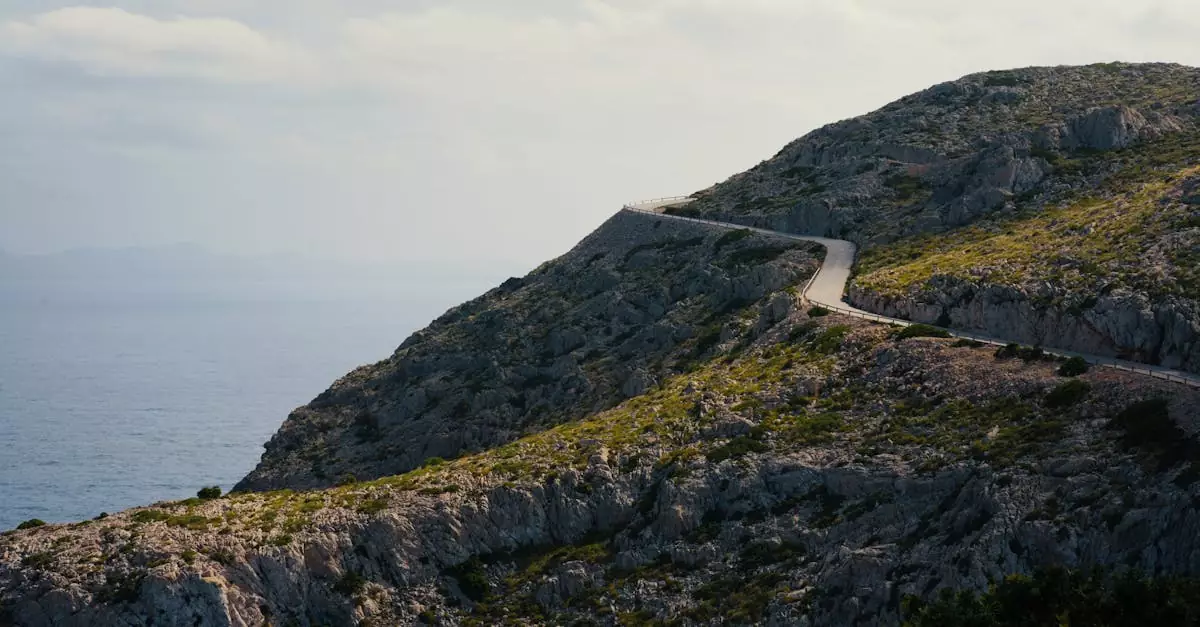
Embarking on one of the best island road trips Europe has to offer requires thoughtful preparation. Beyond the allure of coastal drives and charming villages, practical considerations ensure a smooth and enjoyable journey. This section covers key aspects to help you navigate the logistics of island hopping by car.
Best Time to Embark on Your Island Drive
The timing of your European island road trip significantly impacts your experience, influencing everything from weather and crowds to costs. Generally, the shoulder seasons—spring (April to June) and autumn (September to October)—offer a sweet spot. During these months, you’ll find pleasant weather suitable for driving and outdoor activities, fewer tourists than in peak summer, and often more affordable accommodation and ferry prices.
Summer (July to August) brings the warmest weather and longest daylight hours, ideal for sun-seekers and those who enjoy a lively atmosphere. However, it’s also the busiest and most expensive time, with popular routes and ferries often requiring advance booking. Winter (November to March) can be magical for a more introspective experience, with dramatic coastal scenery and fewer visitors. Be aware that some smaller islands may have reduced ferry services or closed amenities during this period, and weather can be unpredictable.
| Season | Weather | Crowds | Prices | Best For |
|---|---|---|---|---|
| Spring | Mild to warm | Moderate | Moderate | Scenery, hiking, fewer crowds |
| Summer | Hot and sunny | High | High | Beaches, water sports, vibrant life |
| Autumn | Mild to cool | Moderate | Moderate | Scenery, food, fewer crowds |
| Winter | Cool to cold, wet | Low | Low | Solitude, dramatic landscapes, budget |
Navigating Ferries and Car Rentals for Island Routes
Island road trips in Europe often involve ferry travel, a critical component of your itinerary. Research ferry companies serving your chosen islands well in advance, as schedules can vary seasonally and by route. Websites for operators like Grimaldi Lines or DFDS provide essential information on routes, durations, and booking procedures. Booking your ferry crossing, especially with a vehicle, is highly recommended during peak season to secure a spot.
When it comes to car rentals, consider your needs carefully. For smaller islands with narrow roads, a compact car is often more practical and easier to park. If you plan extensive driving on varied terrain, a slightly larger vehicle might offer more comfort and capability. Ensure your rental agreement allows for ferry travel if you intend to take your car between islands. Some rental companies have restrictions on taking vehicles on ferries, so always confirm this beforehand. Picking up your rental car at a major airport or city port can offer more options and competitive pricing compared to smaller island locations.
Essential Documents and Driving Regulations
Before you set off, ensure you have all the necessary documentation. A valid driver’s license is essential, and for non-EU/EEA citizens, an International Driving Permit (IDP) may be required in addition to your home country license. Check the specific requirements for each country you plan to visit, as regulations can differ. Always carry your passport, vehicle registration, and insurance documents.
Familiarize yourself with the driving regulations of the countries you’ll be visiting. Speed limits, rules regarding headlights (often mandatory even during the day), and parking regulations vary. Many European countries require drivers to carry a reflective vest and a warning triangle in their vehicle. Some regions also have specific rules about winter tires or snow chains during colder months. Understanding these requirements can prevent fines and ensure your safety on the road. For general information about driving in Europe, resources like Wikipedia’s entry on Europe can offer a starting point.
Choosing the Right Vehicle for European Island Roads
Selecting the appropriate vehicle is key to a comfortable and practical island road trip. Many European islands feature winding coastal roads, narrow village streets, and sometimes unpaved or rougher terrain, particularly in more remote areas. A compact car is often the most sensible choice for navigating these conditions. They are easier to maneuver in tight spaces, simpler to park, and generally more fuel-efficient, which can be a significant advantage on longer drives.
However, if your itinerary includes exploring rugged interiors or driving on gravel tracks, a small SUV or a vehicle with higher ground clearance might be beneficial. Consider the number of passengers and the amount of luggage you’ll be carrying. A cramped car with too much luggage can quickly diminish the enjoyment of a scenic drive. If you plan on extensive driving or have specific comfort needs, a slightly larger vehicle might be worth the extra cost and potential parking challenges. Always check the dimensions of your chosen vehicle against any ferry restrictions or narrow road warnings for your specific destinations.
Crafting the Perfect Island Itinerary: From Coast to Countryside
Planning an island road trip in Europe involves more than just picking a destination; it’s about structuring your journey to maximize scenic drives, cultural immersion, and relaxation. Whether you have a week or two, a well-crafted itinerary ensures you experience the best each island or archipelago has to offer. Consider the driving distances, ferry schedules, and the pace you prefer for your adventure.
7-Day Itinerary: Discovering the Amalfi Coast’s Scenic Drives
The Amalfi Coast, while technically a peninsula, offers an island-like experience with its dramatic cliffs and coastal road. A week here allows for a deep dive into its charming towns and stunning vistas. Start in Sorrento, a convenient gateway, and spend your first day acclimatizing. Dedicate days to exploring Positano, Amalfi, and Ravello, allowing ample time for leisurely drives and stops at panoramic viewpoints.
Consider a day trip to the island of Capri, accessible by ferry from Sorrento or Positano. This itinerary balances iconic sights with opportunities to discover less-crowded hamlets. Remember that parking can be challenging and expensive, especially during peak season, so factor in shuttle buses or walking within towns.
10-Day Itinerary: The Balearic Islands Road Trip Experience
For a multi-island road trip, the Balearic Islands of Spain present a fantastic option. A 10-day journey could focus on Mallorca and Menorca, offering distinct landscapes and atmospheres. Begin in Mallorca, perhaps basing yourself near Palma for a couple of days to explore its historic city and surrounding countryside. Then, rent a car to traverse the Serra de Tramuntana mountains, stopping in picturesque villages like Valldemossa and Deià.
A short ferry ride connects Mallorca to Menorca. Here, the pace slows, and the focus shifts to pristine beaches and ancient sites. Renting a car on Menorca is essential for accessing its secluded coves (calas) and prehistoric monuments. This trip offers a blend of vibrant culture and serene natural beauty.
14-Day Itinerary: A Grand Tour of the Canary Islands
The Canary Islands, a Spanish archipelago off the coast of northwestern Africa, provide incredible diversity for a longer road trip. A 14-day itinerary allows you to experience at least three islands, such as Tenerife, Gran Canaria, and Lanzarote. Tenerife, the largest, boasts the dramatic Teide National Park and charming coastal towns.
Gran Canaria offers a microcosm of continents, from desert dunes in the south to lush forests in the north. Lanzarote is renowned for its unique volcanic landscapes, shaped by César Manrique. Inter-island travel is typically by ferry or short flights, requiring careful planning. This extended trip is ideal for those seeking varied scenery, from volcanic terrains to sandy beaches.
Customizing Your Route: Balancing Popular Spots and Hidden Gems
When planning your European island road trip, striking a balance between must-see attractions and off-the-beaten-path discoveries is key. Popular spots like Santorini’s Oia or Sicily’s Taormina offer iconic views and vibrant atmospheres but can be crowded. To find hidden gems, venture inland, explore smaller coastal villages, or visit during the shoulder seasons.
Consider using local resources or asking for recommendations from residents to uncover authentic experiences. For instance, on Sardinia, away from the popular Costa Smeralda, you can find stunning, less-visited beaches and ancient Nuragic sites. Tailoring your route to your interests—be it gastronomy, history, or active pursuits—will ensure a more personal and rewarding journey.
What Are the Most Scenic Island Drives in Europe?
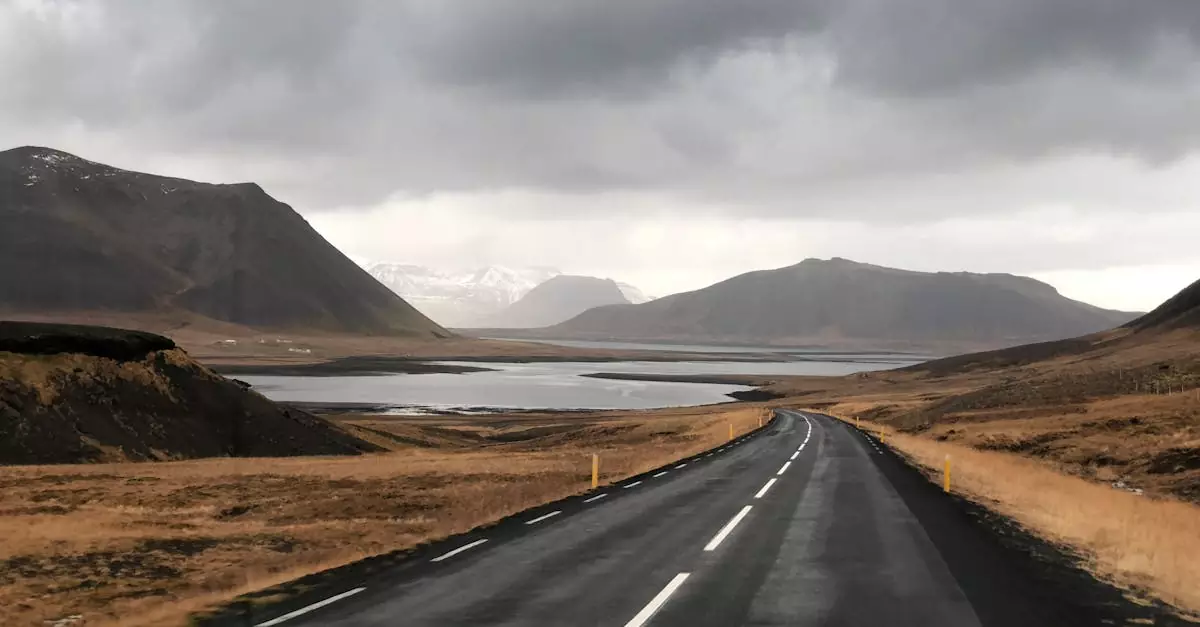
Embarking on an island road trip in Europe offers a unique blend of coastal vistas, charming villages, and cultural immersion. These journeys provide a sense of freedom, allowing you to set your own pace and discover hidden gems. From dramatic cliffside routes to winding country lanes, the best island road trips in Europe promise unforgettable adventures.
The Dramatic Cliffs of the Faroe Islands
The Faroe Islands present a rugged and breathtaking landscape, making them a prime destination for dramatic island drives. The main island of Streymoy connects to Eysturoy via a sub-sea tunnel, offering easy access to stunning viewpoints. Driving here means navigating winding roads that hug sheer cliffs, often shared with sheep.
Key routes include the drive to the picturesque village of Gásadalur, home to the Múlafossur waterfall cascading directly into the ocean. The journey itself is as rewarding as the destination, with frequent opportunities to pull over and soak in the panoramic views of the North Atlantic. Be prepared for unpredictable weather, as sunshine, fog, and rain can all occur within a single day.
Traveler Tip: Renting a car is essential for exploring the Faroe Islands. While public transport exists, a vehicle provides the flexibility needed to access remote areas and viewpoints. Ensure your rental agreement covers driving on the sub-sea tunnels.
Lofoten Islands Scenic Route: Norway’s Arctic Beauty
Norway’s Lofoten Islands offer a spectacular setting for an island road trip, renowned for their jagged peaks, red fishing cabins (rorbuer), and crystal-clear waters. The E10 highway is the main artery, a designated National Tourist Route that winds through charming fishing villages like Reine, Hamnøy, and Henningsvær.
The scenery is consistently dramatic, with mountains rising directly from the sea. During summer, the midnight sun provides endless daylight for driving and photography, while winter offers the chance to witness the Northern Lights. Driving conditions can be challenging in winter, with snow and ice, so a 4×4 vehicle might be advisable.
Logistics: The Lofoten Islands are accessible via ferry or by flying into airports like Leknes or Harstad/Narvik. Driving distances between villages are relatively short, allowing for leisurely exploration and ample stops for hiking or kayaking.
| Season | Daylight Hours | Road Conditions | Northern Lights |
|---|---|---|---|
| Summer | 24 hours | Good | No |
| Autumn | 8–14 hours | Variable | Yes |
| Winter | 0–6 hours | Challenging | Yes |
| Spring | 6–18 hours | Improving | Possible |
Mallorca’s Serra de Tramuntana Coastal Highway
For a taste of Mediterranean charm combined with dramatic coastal driving, Mallorca’s Serra de Tramuntana coastal highway is an excellent choice. This UNESCO World Heritage site boasts a mountainous spine running along the island’s northwest coast, offering exhilarating drives with hairpin turns and stunning sea views.
The road between Andratx and Pollença is particularly scenic, passing through picturesque villages like Deià and Valldemossa. Driving here requires concentration due to the narrow, winding roads and steep drops, but the panoramas of olive groves, terraced hillsides, and the azure Mediterranean Sea are well worth the effort. Parking can be limited in popular villages, especially during peak season.
Accommodation: Consider staying in a rural finca or a boutique hotel in one of the charming mountain villages to fully immerse yourself in the Tramuntana experience.
Roads Less Traveled: Lesser-Known European Island Routes
Beyond the more famous destinations, several lesser-known European islands offer equally rewarding road trip experiences for those seeking tranquility and authenticity. The Azores archipelago in Portugal, for example, provides a volcanic wonderland with emerald lakes and lush landscapes, perfect for scenic drives. Each island has its own character, from São Miguel’s geothermal wonders to Pico’s towering volcano.
Another option is the Isle of Skye in Scotland. While not entirely a road trip destination in the same vein as continental Europe, its dramatic landscapes, including the Quiraing and the Old Man of Storr, are best explored by car. The winding single-track roads add to the adventure, offering a true sense of discovery. These routes often require more planning regarding ferry schedules and accommodation availability, but they reward travelers with fewer crowds and a more intimate connection with the natural environment.
Savoring Local Flavors on Your Island Road Trip
Embarking on one of the best island road trips in Europe is as much about the journey as it is about the destination, and for many travelers, this means indulging in the local culinary scene. From sun-drenched coastlines to mountainous interiors, each island offers a unique gastronomic adventure. Tasting your way through these regions provides an authentic connection to the culture and history of each place.
Must-Try Seafood Dishes in the Mediterranean
The Mediterranean Sea is a treasure trove of fresh, vibrant seafood, a staple on many European islands. Along the coasts of islands like Crete or Corsica, you’ll find grilled octopus seasoned simply with olive oil and lemon, showcasing its natural sweetness. In the Balearic Islands, gambas al ajillo (garlic shrimp) is a popular tapa, best enjoyed with crusty bread to soak up the flavorful oil.
Consider visiting local fish markets early in the morning on islands like Sicily to see the day’s catch. This offers a glimpse into the local diet and provides an opportunity to sample dishes prepared with the freshest ingredients. Many seaside tavernas specialize in fish stews or fritto misto, a mixed fried seafood platter that varies by region.
Regional Specialties of the Greek Islands
The Greek islands offer unparalleled diversity in regional cuisine, influenced by centuries of history and geography. On Crete, dakos, a barley rusk topped with chopped tomatoes, feta cheese, and olive oil, is a refreshing and ubiquitous starter. In the Cyclades, particularly on Santorini, you might encounter fava, a creamy split pea purée often served with capers and onions.
When driving through the Peloponnese, don’t miss opportunities to sample dishes featuring local olive oil and honey. Islands like Rhodes are known for their lamb dishes, often slow-cooked with herbs. The smaller, less touristy islands often hold the most authentic culinary secrets, so venturing off the beaten path can lead to delightful discoveries.
Tasting Wine and Olive Oil in Sicily and Sardinia
Sicily and Sardinia, two of Italy’s largest islands, boast rich agricultural traditions, with wine and olive oil production playing a central role. Sicily’s volcanic soil yields robust wines like Nero d’Avola and crisp whites such as Grillo. Road trips here can include visits to vineyards for tastings and tours, often accompanied by local snacks.
Sardinia is famous for its distinct wines, including Cannonau (a Grenache variety) and Vermentino. The island’s olive oils are also exceptional, ranging from peppery to fruity. Many agriturismo accommodations offer opportunities to sample their estate-produced olive oil, often paired with fresh bread and local cheeses.
A table comparing key wine and olive oil regions:
| Island | Key Wine Varietals | Notable Olive Oil Characteristics |
|---|---|---|
| Sicily | Nero d’Avola, Grillo | Fruity, sometimes peppery |
| Sardinia | Cannonau, Vermentino | Intense, robust |
| Crete | Vidiano, Liatiko | Smooth, herbaceous |
| Corsica | Nielluccio, Vermentinu | Delicate, aromatic |
Unique Desserts and Pastries Across Europe’s Islands
Beyond savory dishes, Europe’s islands offer a delightful array of sweet treats. In Malta, pastizzi, flaky pastries filled with ricotta or mushy peas, are a popular snack available from small bakeries. On the Azores, you might find queijadas, small cheesecakes, often flavored with lemon zest.
The Portuguese island of Madeira is renowned for its Bolo de Mel, a rich honey cake with spices, traditionally made for Christmas but enjoyed year-round. In Cyprus, baklava and kataifi, syrupy nut-filled pastries, are common. These sweet endings provide a perfect conclusion to any meal or a delightful treat during a scenic drive.
Frequently Asked Questions About European Island Road Trips
What is the average cost of an island road trip in Europe?
The cost of an island road trip in Europe can vary significantly based on destination, travel style, and duration. Generally, you can expect to spend anywhere from €70 to €200 per person per day. This range accounts for accommodation, car rental or campervan hire, fuel, food, ferry costs, and activities. Islands in Western Europe like Corsica or Sardinia tend to be pricier than those in the Eastern Mediterranean, such as the Greek islands.
Consider these factors when budgeting:
- Accommodation: Camping and hostels are budget-friendly, while boutique hotels and villas will increase costs.
- Transportation: Ferry prices can add up, especially for vehicles. Fuel costs also fluctuate.
- Dining: Eating at local tavernas or self-catering can save money compared to upscale restaurants.
- Activities: Entrance fees for historical sites or guided tours will impact your daily spend.
Are European island roads suitable for campervans?
Many European island roads are suitable for campervans, but some present challenges. Larger islands with well-developed infrastructure, such as Crete or Sicily, generally offer good road conditions and ample space. However, smaller islands or those with rugged terrain, like some of the Scottish Isles or certain Greek Cyclades, may have narrow, winding, or unpaved roads.
When planning a campervan trip, consider:
- Road Width: Check if roads are wide enough for your vehicle, especially in historic village centers.
- Steep Gradients: Some coastal roads can be very steep, which can strain campervan engines.
- Parking: Designated campervan parking or campsites are essential. Wild camping is often restricted or prohibited.
- Ferry Access: Ensure your campervan dimensions are within the ferry company’s limits.
Always research specific island road conditions and any vehicle size restrictions before you go.
What should I pack for a summer island road trip in Europe?
Packing for a summer island road trip in Europe requires a mix of essentials for warm weather, driving, and potential varied activities. Lightweight, breathable clothing is key—think t-shirts, shorts, skirts, and sundresses. Don’t forget swimwear, a hat, and sunglasses for sunny days.
Essential items include:
- Sun Protection: High SPF sunscreen, after-sun lotion, and a wide-brimmed hat.
- Comfortable Footwear: Walking shoes or trainers for exploring towns and hiking, and sandals for the beach.
- Light Layers: A light jacket or cardigan for cooler evenings or air-conditioned vehicles.
- Driving Essentials: A valid driver’s license, your car’s registration and insurance documents, and a basic first-aid kit.
- Tech Gear: Phone charger, power bank, and a camera to capture memories.
- Reusable Water Bottle: Stay hydrated and reduce plastic waste.
Consider packing a small backpack for day trips and excursions.
How can I avoid tourist traps on popular European islands?
Avoiding tourist traps on popular European islands often comes down to venturing off the beaten path and embracing local experiences. While iconic landmarks are worth visiting, seek out less-hyped areas for a more authentic feel.
Here are a few strategies:
- Explore Beyond Main Towns: Venture into smaller villages or rural areas away from the primary tourist hubs.
- Eat Where Locals Eat: Look for restaurants packed with locals rather than those with menus in multiple languages and aggressive touts.
- Travel in the Shoulder Seasons: Visiting in late spring (May-June) or early autumn (September-October) can mean fewer crowds and more authentic interactions.
- Use Local Transportation: Opt for public buses or ferries to navigate between towns, offering a glimpse into daily island life.
- Research Local Events: Check for local festivals or markets that offer genuine cultural experiences.