While Europe’s iconic cities like Paris and Rome exude undeniable charm, a different kind of magic awaits those who venture off the well-trodden path. For travelers seeking authentic experiences, fewer crowds, and a deeper connection with local culture, exploring the continent’s hidden gems offers a refreshing alternative. Discovering the best hidden city breaks in Europe means uncovering destinations rich in history, character, and hospitality.
This guide will illuminate five of Europe’s most captivating yet often overlooked cities. You’ll learn about their unique attractions, from fairytale castles and vibrant canals to gastronomic heartlands and historic quarters. We’ll explore what makes each city special, providing insights into their distinct neighborhoods, the ideal times to visit, and the local culinary delights that await. Prepare to be inspired to plan your next unforgettable escape to a corner of Europe that feels both timeless and refreshingly new.
Unveiling Europe’s Best Kept Secret City Escapes
Why Choose a Lesser-Known European City Break?
The allure of Europe’s iconic capitals like Paris, Rome, or Barcelona is undeniable. However, for travelers seeking a more authentic experience, away from overwhelming crowds and inflated prices, exploring the continent’s hidden city breaks offers a refreshing alternative. These destinations often provide a deeper connection to local culture, unique historical narratives, and a more relaxed pace of travel. Choosing a less-trodden path means discovering genuine charm and creating memories that feel truly personal.
Top Criteria for Identifying Authentic Hidden Gems
Identifying the best hidden city breaks in Europe involves looking beyond the obvious tourist trails. Key indicators include a strong local identity, well-preserved historical architecture, vibrant cultural scenes, and a genuine welcome from residents. Look for cities with accessible public transport, a variety of independent eateries and shops, and a palpable sense of community. Authenticity often shines through in the absence of mass-produced souvenirs and the presence of local festivals or markets. These are places where you can easily strike up a conversation with a shopkeeper or stumble upon a quiet, charming square.
The Allure of Off-the-Beaten-Path European Adventures
Venturing off the beaten path in Europe opens up a world of discovery. These destinations might not always have the same level of international recognition, but they compensate with unique character and fewer tourist throngs. Imagine wandering through medieval alleyways in a city largely unchanged by time or enjoying regional cuisine in a family-run trattoria without a reservation. Such experiences foster genuine exploration, allowing travelers to immerse themselves fully in the destination’s atmosphere and history. This approach often leads to serendipitous encounters and a richer understanding of European diversity.
Top 5 Underrated European Cities for Your Next Break

When planning a European getaway, the usual suspects often steal the spotlight. However, a wealth of incredible cities offers rich culture, stunning architecture, and authentic experiences without the overwhelming crowds. For travelers seeking the best hidden city breaks in Europe, these five destinations promise an unforgettable escape.
Ljubljana, Slovenia: A Fairytale Capital on the Ljubljanica River
Ljubljana, Slovenia’s charming capital, feels like stepping into a storybook. The Ljubljanica River, crossed by picturesque bridges like the Triple Bridge and Dragon Bridge, winds through the largely car-free city center, making it pleasant to wander and soak in the relaxed atmosphere.
The compact city is dominated by Ljubljana Castle, perched on a hill overlooking red-tiled roofs and the Julian Alps. You can easily spend a day exploring its ramparts or simply enjoying the panoramic views. The city also boasts vibrant green spaces, most notably Tivoli Park, perfect for a leisurely stroll.
- Getting Around: Ljubljana is exceptionally walkable, and its efficient public transport system, including a hop-on hop-off tourist boat on the river, makes navigating easy.
- Best Time to Visit: Spring (April-May) and early autumn (September-October) offer pleasant weather and fewer tourists.
- Local Tip: Don’t miss the vibrant Central Market, a hub of local produce, crafts, and delicious street food.
Ghent, Belgium: Medieval Charm Meets Vibrant Canals
While Bruges often gets the nod for Belgian canal cities, Ghent offers a similarly enchanting experience with a more authentic, lived-in feel. Its well-preserved medieval architecture, including the imposing Gravensteen Castle and the towering Belfry, creates a dramatic skyline.
The city’s network of canals provides a different perspective, with boat tours offering insights into Ghent’s rich history as a medieval trading powerhouse. Unlike more tourist-focused cities, Ghent is a lively university town, meaning you’ll find a dynamic mix of historic sites and contemporary culture, from quirky street art to buzzing bars.
- Budget Considerations: Ghent can be more budget-friendly than its more famous neighbor, especially for dining and accommodation.
- Must-See: A boat trip along the Graslei and Korenlei, two stunning medieval quays, is essential.
- Getting There: Ghent is easily accessible by train from Brussels and other major European cities, making it a convenient stop on a wider itinerary.
Porto, Portugal: Riverside Beauty and Port Wine Delights
Porto, Portugal’s second-largest city, captivates with its colorful Ribeira district, a UNESCO World Heritage site tumbling down to the Douro River. The iconic Dom Luís I Bridge, designed by a disciple of Gustave Eiffel, offers breathtaking views and is a fantastic spot for photos.
Beyond the visual appeal, Porto is synonymous with port wine. A visit to one of the many port wine cellars in Vila Nova de Gaia, across the river, is essential. Here, you can learn about the wine-making process and indulge in tastings. The city also boasts stunning azulejo-tiled churches and a growing culinary scene.
- Accommodation: Consider staying in the Ribeira district for immediate access to the sights or the Boavista area for a more modern feel.
- Traveler Insight: The hilly terrain means comfortable walking shoes are a must, but the steep climbs are rewarded with incredible vistas.
- Best Value: Porto generally offers excellent value for money compared to other Western European cities.
Bologna, Italy: Gastronomic Heartbeat of Emilia-Romagna
For food lovers, Bologna is an unmissable destination. As the capital of the Emilia-Romagna region, it’s considered Italy’s culinary capital, famous for dishes like Bolognese sauce (ragù), tortellini, and mortadella. The city’s historic center, with its distinctive terracotta-hued buildings and miles of elegant porticoes, is a joy to explore on foot.
The University of Bologna, one of the oldest in the world, infuses the city with youthful energy. Climb the Asinelli Tower for panoramic views, or simply get lost in the maze of charming streets, stopping at trattorias for authentic regional cuisine. Bologna offers a more genuine Italian experience away from the major tourist hubs.
- Getting Around: The historic center is highly walkable, and Bologna also has an efficient bus system.
- Local Specialty: Seek out “tagliatelle al ragù” – the authentic version of what many know as spaghetti Bolognese.
- Day Trip Potential: Its central location makes it a great base for exploring other towns in Emilia-Romagna, such as Modena or Parma.
Krakow, Poland: Historic Grandeur and Lively Atmosphere
Krakow, Poland’s former royal capital, beautifully blends grandeur with a vibrant, modern spirit. Its vast Main Market Square, Rynek Główny, is one of Europe’s largest medieval town squares, featuring the magnificent Cloth Hall and St. Mary’s Basilica.
Wawel Castle, perched on a hill overlooking the Vistula River, offers a glimpse into Poland’s royal past. The Kazimierz district, the historic Jewish quarter, is now a bohemian hub filled with trendy cafes, galleries, and synagogues, showcasing the city’s resilience and cultural evolution. Krakow is also a poignant destination, with easy access to historical sites like the Auschwitz-Birkenau Memorial and Museum.
- Budget Friendliness: Krakow remains one of the most affordable major cities in Europe for travelers.
- Evening Activities: Enjoy the lively atmosphere in Kazimierz or experience traditional Polish music and dance performances.
- Transportation: The city center is very walkable, and an efficient tram and bus network connects all areas.
Exploring the Unique Neighborhoods of Hidden European Cities
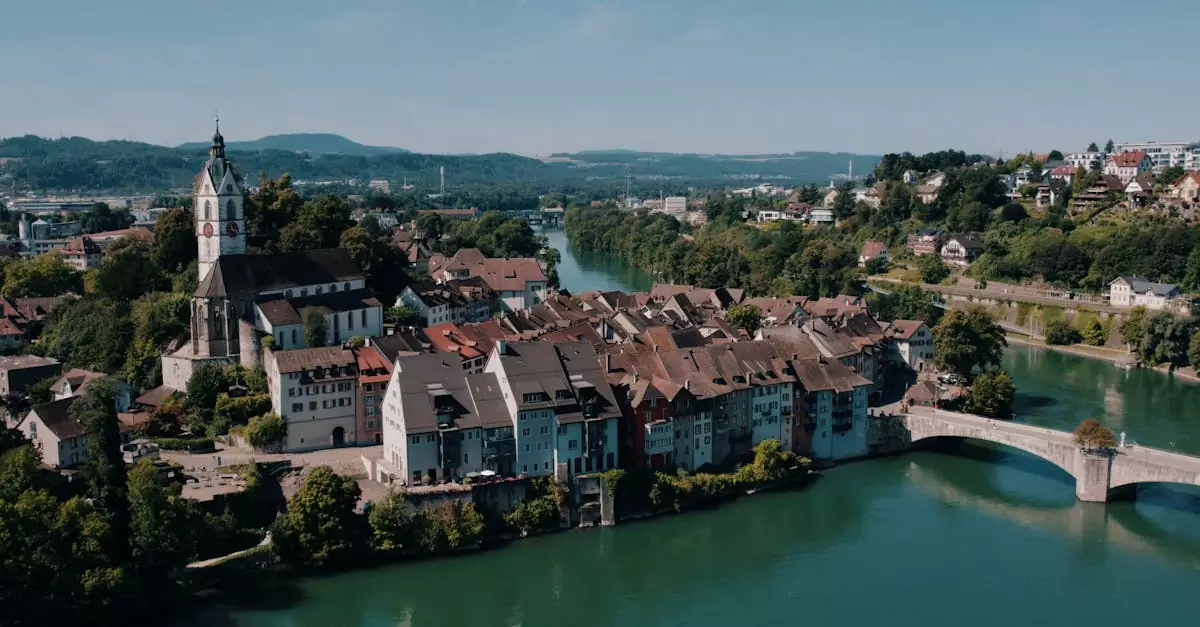
Beyond the well-trodden paths of Paris and Rome, Europe is brimming with cities that offer distinct neighborhood vibes, each telling a unique story. These destinations, often overlooked by mass tourism, provide a more intimate and authentic glimpse into local life. Understanding the character of different districts is key to unlocking the true essence of these hidden gems.
Wander Through Ljubljana’s Old Town and Trnovo
Ljubljana invites visitors to get lost in its compact Old Town, a pedestrian-friendly zone dominated by medieval architecture and the imposing Ljubljana Castle. Cross the Triple Bridge and explore the vibrant Central Market, a hub of local produce and crafts. For a different pace, venture south to Trnovo. This bohemian district, once a village on the outskirts, is now known for its leafy canals, independent boutiques, and the impressive Trnovo Church. It offers a quieter side of the city, providing a peaceful escape with distinct artistic flair. Getting around Ljubljana is best done on foot, with most attractions within easy walking distance.
Discover Ghent’s Patershol and Graslei/Korenlei Districts
Ghent boasts a captivating blend of historic grandeur and youthful energy. The Patershol district is a must-visit, a labyrinth of narrow, cobblestone streets lined with beautifully preserved 14th-century houses, now home to an array of cozy restaurants and artisan shops. Contrast this with the iconic Graslei and Korenlei quays. These picturesque waterfronts, flanked by ornate guildhalls, offer stunning views, especially when illuminated at night. A boat trip along the canals provides a unique perspective on the city’s architecture. Ghent is remarkably walkable, and its efficient tram system can help you cover longer distances.
Navigate Porto’s Ribeira, Vila Nova de Gaia, and Foz do Douro
Porto is a city of dramatic contrasts, best experienced by exploring its diverse neighborhoods. The Ribeira district, a UNESCO World Heritage site, pulses with life along the Douro River, its colorful buildings tumbling down to the waterfront. Here, you can sample local delicacies and enjoy Fado music. Across the Dom Luís I Bridge lies Vila Nova de Gaia, the historic heart of Port wine production, where numerous cellars offer tastings and tours. For a refreshing seaside escape, head west to Foz do Douro, where the river meets the Atlantic. This elegant district offers scenic coastal walks, lighthouse views, and a more relaxed atmosphere. Porto’s hilly terrain means comfortable shoes are essential, but public transport, including trams and buses, is readily available.
Delight in Bologna’s Quadrilatero, Saragozza, and Prati
Bologna is celebrated for its culinary prowess and rich history, with distinct neighborhoods offering unique experiences. The Quadrilatero, the ancient market district, is an absolute sensory delight. Its narrow streets are packed with food stalls, delis, and trattorias, showcasing the region’s gastronomic heritage. For a more tranquil exploration, wander through the Saragozza district, home to the impressive Sanctuary of the Madonna di San Luca, perched atop a hill accessible via a lengthy portico. The Prati district, north of the city center, offers a more residential feel with elegant architecture and local shops, providing a glimpse into everyday Bolognese life away from the tourist crowds. Bologna is a highly walkable city, particularly its historic center, and its covered arcades offer shelter in any weather.
Experience Krakow’s Kazimierz (Jewish Quarter) and Old Town
Krakow offers a compelling journey through history, with its Old Town and Kazimierz district standing out. The Main Market Square in the Old Town is one of Europe’s largest medieval squares, surrounded by stunning architecture like St. Mary’s Basilica and the Cloth Hall. Just south lies Kazimierz, the historic Jewish Quarter. Once a separate town, it’s now a vibrant area filled with synagogues, atmospheric courtyards, unique cafes, and bohemian bars. Exploring both districts reveals Krakow’s complex past and dynamic present. The city’s core is very walkable, and trams efficiently connect different areas.
What’s the Best Time to Visit These Hidden European Cities?
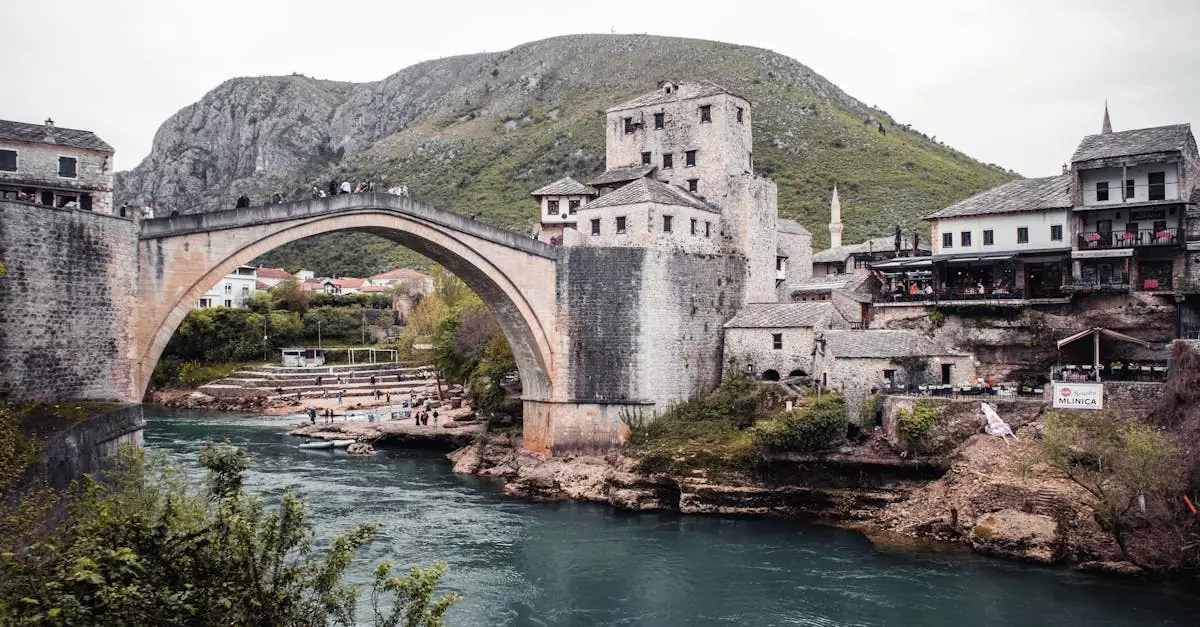
Choosing the right season can significantly enhance your experience of Europe’s lesser-known city breaks. Each period offers a unique atmosphere, from the vibrant bloom of spring to the festive sparkle of winter. Consider your priorities—whether it’s avoiding crowds, enjoying specific events, or simply finding pleasant weather—when planning your escape to these charming destinations.
Spring Blooms and Mild Weather: April to June
The shoulder months of spring offer a delightful balance for visiting many hidden European cities. Temperatures are generally mild, making it ideal for walking tours and outdoor exploration without the intense heat of summer. Gardens and parks burst into color, adding picturesque charm to cityscapes. This is also a fantastic time to find fewer crowds compared to peak summer, leading to potentially better prices on accommodations and flights. Destinations like the Alsace region in France or the coastal towns of Portugal begin to buzz with local life as outdoor cafes reopen.
Spring is particularly good for photography enthusiasts, with soft light and blooming flora creating beautiful backdrops. It’s also a great period for cultural events that often kick off as the weather warms. Be aware that early spring can still bring occasional rain, so packing layers and a waterproof jacket is advisable.
Summer Sunshine and Festivals: July to August
Summer is the peak tourist season across Europe, and even hidden gems can see an uptick in visitors. The long daylight hours are a major advantage, allowing for extended sightseeing. Many cities host vibrant summer festivals, outdoor concerts, and local markets, offering a lively atmosphere. Think of exploring the historic streets of a Baltic capital like Tallinn or enjoying al fresco dining in a lesser-known Italian hill town during these months.
However, be prepared for higher temperatures, which can be quite warm in southern and central Europe. Booking accommodations and popular attractions well in advance is crucial. While crowds are larger than in spring or autumn, these cities often retain a more relaxed feel than their major counterparts.
Autumn Colors and Cozy Vibes: September to October
Autumn transforms many European cities into a spectacle of warm hues. The crisp air is perfect for comfortable exploration, and the reduction in summer crowds makes for a more intimate experience. This season is excellent for enjoying local produce, with harvest festivals and seasonal culinary delights appearing on menus. Cities in Central Europe, such as those in Slovenia or the Czech Republic, offer stunning fall foliage.
The weather can be unpredictable, with cooler temperatures and a higher chance of rain as the season progresses. However, the atmospheric charm of misty mornings or golden afternoons can be incredibly appealing. It’s a wonderful time to seek out cozy pubs and cafes, making it a great period for a relaxed city break.
Winter Markets and Fewer Crowds: November to March
Winter offers a distinct charm, especially for those seeking a festive atmosphere or a tranquil escape. Many smaller European cities come alive with Christmas markets in November and December, offering unique crafts, seasonal foods, and a magical ambiance. Cities in Germany, Austria, or even smaller towns in the Nordics can be particularly enchanting during this period.
Beyond the holiday season, January and February are the quietest months, offering the lowest prices and the fewest tourists. This is an excellent time for museum visits, enjoying hearty local cuisine, and experiencing the city like a local. Be prepared for cold weather and shorter daylight hours; warm clothing and an appreciation for indoor activities are essential. Some attractions may have reduced opening hours, so checking in advance is wise.
Savoring Local Flavors: Culinary Delights in Europe’s Secret Cities
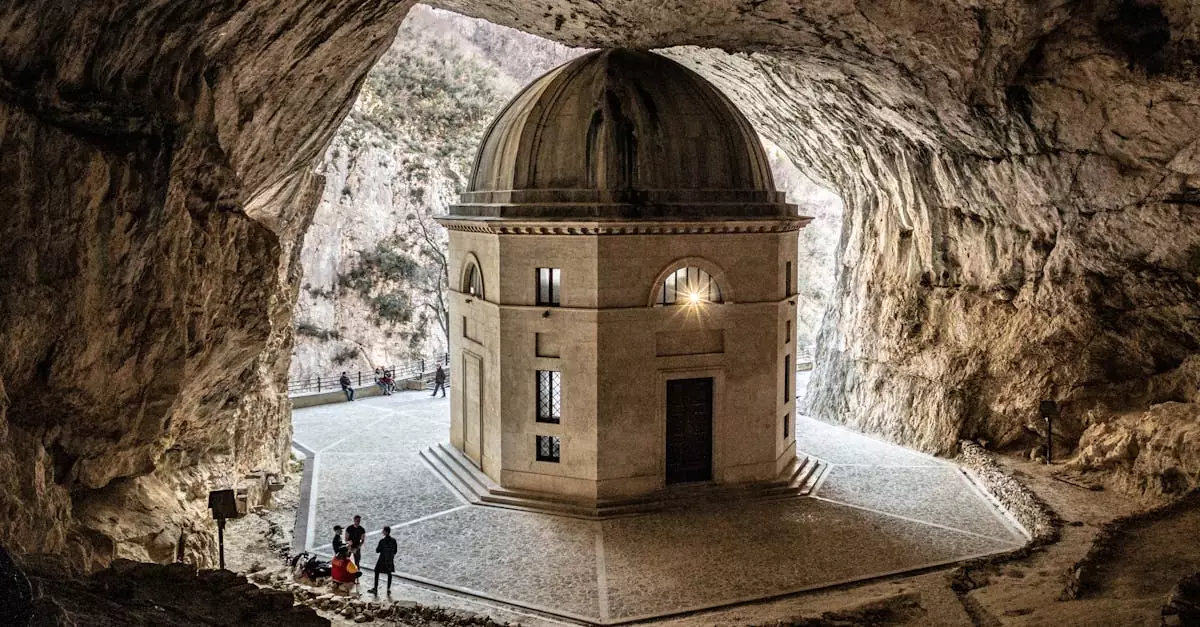
When planning a European city break, the culinary scene often plays a starring role. Beyond the well-trodden paths of Paris and Rome, a wealth of lesser-known destinations offer authentic and delicious gastronomic experiences. These cities provide a chance to taste regional specialties without the crowds, making for a more intimate and memorable dining adventure.
Slovenian Specialties: Kranjska Klobasa and Potica in Ljubljana
Ljubljana is a delightful discovery for food lovers. The city’s cuisine reflects its Central European heritage, with hearty and flavorful dishes. A must-try is the Kranjska klobasa, a protected Slovenian sausage made with pork, garlic, and pepper, often served with sauerkraut or horseradish. For a sweet treat, look no further than potica, a traditional rolled pastry with various fillings, most commonly walnuts. Enjoying these specialties at a traditional gostilna (tavern) offers a true taste of Slovenian hospitality.
Belgian Waffles and Waterzooi in Ghent
While Brussels and Bruges often steal the spotlight, Ghent presents a compelling alternative for experiencing Belgian culture and cuisine. The city boasts a vibrant food scene, from casual eateries to fine dining. Indulge in the iconic Belgian waffle, but seek out the less common yet equally delicious Ghentse waterzooi. This creamy chicken or fish stew, enriched with vegetables and cream, is a comforting and flavorful local classic. Exploring the historic city center on foot allows you to stumble upon bakeries and restaurants serving these authentic dishes.
Bacalhau and Francesinha in Porto
Porto is a haven for seafood lovers and those seeking robust flavors. The city is renowned for its preparation of bacalhau (salt cod), which is said to have hundreds of different recipes. Beyond cod, Porto is famous for the Francesinha, a hearty sandwich layered with various meats, covered in melted cheese, and drenched in a rich, beer-based sauce. It’s a substantial meal, best enjoyed after a leisurely stroll along the Douro River. For those interested in wine, a visit to the nearby Douro Valley for port wine tasting is highly recommended.
Tagliatelle al Ragù and Mortadella in Bologna
Often overlooked in favor of Florence or Venice, Bologna is the gastronomic heart of Italy’s Emilia-Romagna region and a true hidden gem for food enthusiasts. This city is the birthplace of tagliatelle al ragù, the authentic Italian meat sauce that has been adapted worldwide as “Bolognese.” Pair it with fresh, handmade pasta for an unparalleled experience. Don’t leave without trying Mortadella, the smooth, subtly spiced pork sausage that originated here. Sampling these dishes in a local trattoria provides an authentic taste of Italian culinary tradition.
Pierogi and Zapiekanka in Krakow
Krakow offers a rich culinary landscape that is both affordable and incredibly satisfying. Pierogi, the beloved Polish dumplings, are a must-try, with countless fillings ranging from savory (potato and cheese, meat) to sweet (fruit). For a quick and popular street food snack, seek out zapiekanka, a halved baguette topped with mushrooms, cheese, and ketchup, then toasted. These simple yet delicious dishes are readily available in the Old Town and Kazimierz districts, making Krakow an excellent choice for budget-conscious foodies.
Frequently Asked Questions About Europe’s Best Hidden City Breaks
How can I travel between these hidden European cities affordably?
Traveling between lesser-known European cities often involves a mix of budget airlines, regional trains, and buses. For significant distances, look for deals on airlines like Ryanair or Wizz Air, but always factor in baggage fees and airport transfer costs. Regional train networks, such as those in Germany or France, can offer scenic and comfortable journeys, especially if booked in advance. Overnight buses or trains can save on accommodation costs.
Consider these popular budget travel options:
- Budget Airlines: Best for longer distances between countries.
- Intercity Buses: Often the cheapest option for shorter hops, with companies like FlixBus covering many routes.
- Regional Trains: Excellent for scenic travel within a country or bordering regions, often more comfortable than buses.
- Car Sharing: Platforms like BlaBlaCar can be economical for specific routes.
What are some common tourist mistakes to avoid in these destinations?
A common mistake when visiting less touristy spots is expecting the same level of English proficiency as in major capitals. While many people in hospitality will speak some English, learning a few basic phrases in the local language (e.g., “hello,” “thank you,” “excuse me”) can significantly enhance your interactions. Another pitfall is underestimating the need to book accommodations and popular attractions in advance, even in smaller cities, especially during peak season or local festivals. Finally, don’t assume all services operate on a rigid schedule; check opening hours for shops and museums, as they can vary widely.
Are these hidden city breaks suitable for families or couples?
Many of these hidden city breaks are exceptionally well-suited for both families and couples, often offering a more authentic and relaxed experience than crowded major cities. Couples might appreciate the romantic ambiance of smaller historical centers, charming cafes, and fewer crowds. Families often find that these destinations provide a safer and more manageable environment for children, with opportunities for unique cultural immersion without overwhelming them. Look for cities with pedestrian-friendly zones, parks, and interactive museums.
What essential items should I pack for an off-season European city break?
Packing for an off-season European city break requires layering and preparedness for variable weather. Essential items include comfortable walking shoes, as you’ll likely be on your feet a lot. Pack versatile clothing layers: thermal base layers, sweaters or fleeces, and a waterproof and windproof outer jacket. Don’t forget a scarf, hat, and gloves, particularly for winter or shoulder seasons. A portable power bank is invaluable for keeping devices charged on the go, and a reusable water bottle can save money and reduce waste. For navigating, a good map or offline navigation app on your smartphone is a must.