
Navigating a new country’s social customs can elevate a good trip into a truly memorable experience. France, known for its rich culture and emphasis on politeness, is no exception. Understanding the subtle art of French etiquette can greatly enhance your interactions, whether you’re greeting shopkeepers or dining with locals. This guide offers essential French etiquette tips to help you feel more comfortable and confident during your travels. You’ll learn how to master greetings, navigate mealtime manners, understand appropriate dress, and avoid common faux pas, ensuring your journey is filled with positive experiences and genuine connections. Prepare to embrace French social graces with ease and appreciation.
Greeting and Introduction Etiquette in France
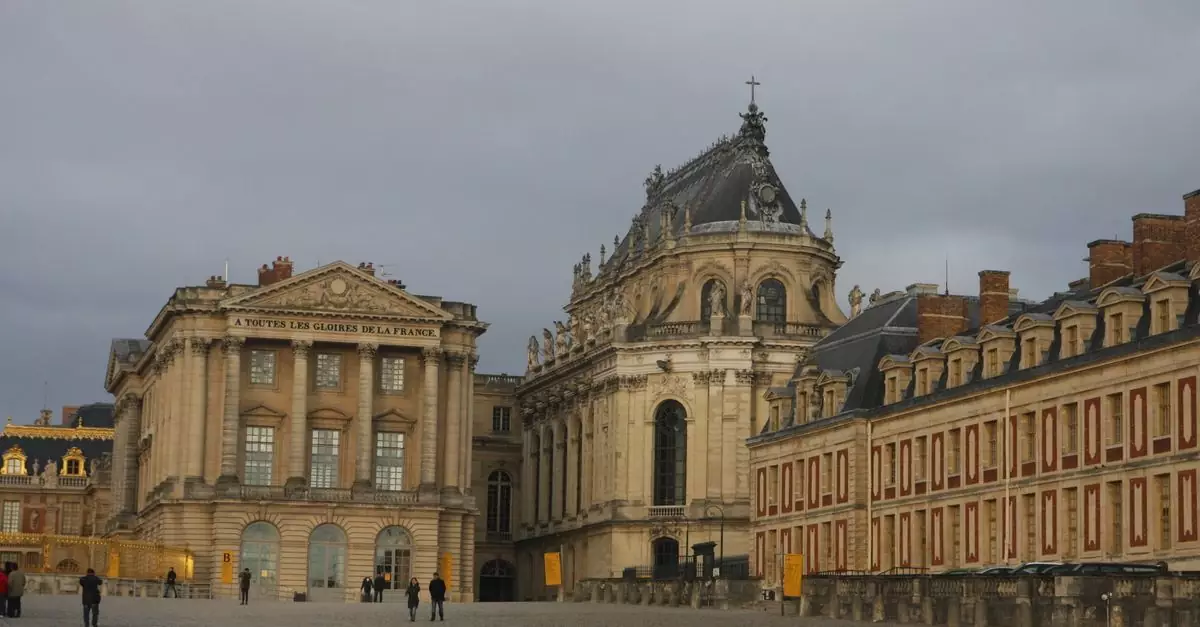
Understanding the nuances of French greetings and introductions is key to making a positive impression. Mastering these social cues will enhance your interactions, whether dining at a restaurant, visiting a shop, or engaging with locals. These best French etiquette tips focus on politeness and respect, fundamental aspects of French culture.
The Art of ‘Bonjour’ and ‘Au Revoir’ in French Greetings
The most crucial French etiquette tip for any visitor is to master the powerful greeting “Bonjour.” This word, meaning “good day,” is universally used from morning until early evening. When entering any establishment, from a small boulangerie to a large department store, a polite “Bonjour” to the staff or fellow patrons is expected. Similarly, “Au revoir” (goodbye) is the standard and courteous way to depart.
Failing to acknowledge someone with “Bonjour” can be perceived as rude, especially in smaller towns or traditional settings. It’s not just a formality; it’s a sign of respect. Many travelers find that a simple “Bonjour” can open doors and lead to warmer interactions. Consider it your essential first step in navigating French social graces.
Understanding ‘La Bise’: French Cheek Kissing Customs
‘La bise,’ the practice of greeting with kisses on the cheek, is a common social custom in France, but its application can confuse outsiders. The number of kisses (typically two, but varying by region from one to four) and who initiates it depend on your relationship and the specific social context.
Generally, ‘la bise’ is reserved for friends, family, and acquaintances, typically initiated by the person of higher social standing or the elder. In professional settings or when meeting someone for the first time, a handshake is more common. If unsure, observe others or wait for the other person to extend their cheek. Offering your cheek first can sometimes feel presumptuous. It’s a gesture of warmth that requires careful observation to execute correctly.
Formal vs. Informal Address: Using ‘Vous’ and ‘Tu’
French grammar distinguishes between formal and informal ways of addressing people: “vous” (formal you) and “tu” (informal you). Using the correct form is a significant aspect of French etiquette. “Vous” is used when addressing strangers, elders, superiors, or in formal situations, conveying respect and distance.
“Tu,” on the other hand, is used with close friends, family members, children, and peers with whom you have an established informal relationship. It signifies closeness and familiarity. If someone addresses you with “tu” first, it generally means they are comfortable being informal with you. When in doubt, always default to “vous.” It’s far better to be overly formal than to be too familiar too soon. Many travelers find this distinction challenging, but paying attention to how French speakers address each other will provide valuable clues.
Dining Decorum: Navigating French Mealtime Manners
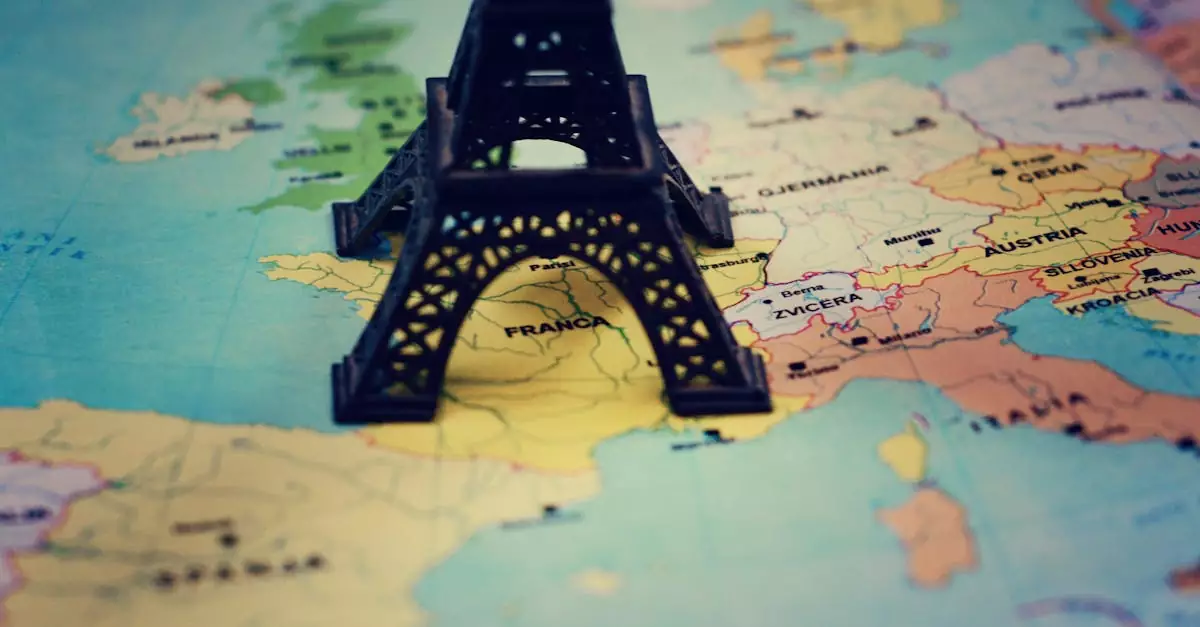
Mastering French dining etiquette is essential to truly savoring the culinary experiences France offers. Beyond enjoying delicious food, understanding mealtime customs enhances interactions with locals and ensures a more respectful visit. This section delves into the nuances of French table manners, from hand positioning to the art of toasting.
Table Manners for French Restaurants: What to Do and Avoid
When dining in France, observe key table manners to blend in with locals. Keep your hands visible above the table, resting your wrists on the edge if needed, rather than in your lap. The bread, typically placed to your left, is for accompanying your meal, not as a plate; break off small pieces to eat as you go. Avoid resting your elbows on the table while eating, though it’s generally acceptable during conversation between courses.
Wait for everyone at your table to be served before you begin eating, especially in more formal settings. If you need to leave the table, place your napkin on your chair, not on the table. When finished, place your knife and fork parallel on your plate, with the handles pointing towards the right.
The Pace of a French Meal: Enjoying Each Course
French meals are often leisurely affairs, designed for conversation and enjoyment rather than quick refueling. Expect multiple courses, each served and savored deliberately. Rushing through your meal can be perceived as impolite. It’s common to spend two to three hours at a restaurant for a full dinner.
This slower pace allows for appreciation of the food, wine, and company. Don’t be surprised if there’s a significant pause between courses. Embrace this opportunity to relax, engage in conversation, and truly immerse yourself in the dining experience. This unhurried approach is a cornerstone of French culture and a vital part of its gastronomic heritage.
Understanding French Wine Etiquette and Toasting Traditions
Wine is integral to French dining, and several customs surround its enjoyment. When wine is served, the host or server will typically pour a small amount for the guest of honor or the person whose birthday it is to taste. If you are the host, you might pour for your guests, starting with the women and then the men, or defer to the waiter.
When toasting, make eye contact with each person you are clinking glasses with. A simple “Santé!” (to your health) or “À votre santé!” (to your health – formal) is appropriate. It’s considered a faux pas to toast with anything other than wine or champagne, though water is sometimes acceptable in less formal situations. If you’re unsure about wine pairings, don’t hesitate to ask your server for recommendations; they are usually happy to guide you.
Navigating Social Situations: Essential French Etiquette

Understanding French social customs can significantly enhance your travel experience. From the simple act of greeting someone to navigating bustling markets, a little cultural awareness goes a long way in fostering positive interactions. These best French etiquette tips will help you feel more comfortable and confident during your visit to France.
Gift-Giving Customs: What to Bring When Invited to a French Home
If you’re fortunate enough to be invited to a French home for a meal or gathering, bringing a small gift is a thoughtful gesture. Flowers are a classic choice, but avoid chrysanthemums and lilies, which are often associated with funerals. A beautiful bouquet of roses, tulips, or mixed seasonal blooms is always appreciated. Alternatively, a good bottle of wine, a box of quality chocolates, or a small artisanal food item from your home country can also be well-received.
When presenting your gift, do so with your right hand. It’s customary to hand the gift to your host directly, rather than leaving it at the door. If you bring wine, it’s polite to wait for your host to open it, or they may set it aside to be enjoyed later. Avoid giving an even number of flowers, as this is traditionally considered unlucky. If your host has children, a small token for them is also a kind consideration.
Public Transportation Etiquette: Respecting Fellow Passengers
Public transport in France, whether it’s the Métro in Paris or regional trains, generally operates with a quiet understanding of shared space. A fundamental aspect of French etiquette on public transport is to keep noise levels down. Avoid loud phone conversations or playing music without headphones. When boarding, allow passengers to disembark first before you attempt to get on.
Offer your seat to elderly passengers, pregnant women, or those with young children. This is a sign of respect and consideration that is widely practiced. Keep your belongings close to you to avoid taking up extra space, especially during peak hours. If you need to ask for directions or assistance, do so politely and quietly. A simple “Excusez-moi” goes a long way.
Here’s a quick guide to common public transport scenarios:
| Situation | Recommended Action |
|---|---|
| Boarding a train | Wait for passengers to exit before boarding. |
| Seating | Offer seats to those in need. |
| Noise Level | Keep conversations and music at a low volume. |
| Luggage | Store bags to avoid obstructing aisles. |
| Asking for help | Approach politely and quietly. |
Navigating Europe by train can be an incredibly scenic and efficient way to travel between cities and regions.
Shopkeeper Interactions: Politeness in French Boutiques and Markets
Interacting with shopkeepers in France offers an opportunity to practice polite greetings and express gratitude. Upon entering a shop, it’s customary to offer a greeting. A simple “Bonjour” (good day) is appropriate during the day, and “Bonsoir” (good evening) after dusk. This applies even to the smallest boutiques and market stalls.
When browsing, avoid touching merchandise unnecessarily, especially in smaller shops. If you need assistance, politely catch the shopkeeper’s eye and say “Excusez-moi” or “Bonjour.” When making a purchase, remember to say “Merci” (thank you) upon completion. In markets, while bargaining might be common in some cultures, it’s generally not expected in most French retail settings unless explicitly indicated, such as at a flea market.
Respecting these small customs will make your shopping experience more pleasant and demonstrate your appreciation for French culture.
Common French Etiquette Mistakes Travelers Should Avoid

Navigating a new culture can be rewarding, but understanding local customs is key to a smooth experience. French etiquette, while perhaps less formal than some imagine, has its nuances. Being mindful of these can prevent misunderstandings and foster positive interactions with locals.
Avoiding Loud Conversations in Public Spaces
In France, maintaining a moderate volume in public settings is generally appreciated. This includes restaurants, cafés, public transport, and even walking down a street. Unlike in some other cultures where boisterous conversations are common, French people tend to be more reserved in their public demeanor. Speaking too loudly can be perceived as disruptive or even impolite.
Consider this when planning your trip to Paris or any other French city. Keeping your voice at a conversational level will help you blend in and show respect for the ambient atmosphere. This is particularly important in quieter establishments or during peak hours when many people are trying to enjoy their meals or conversations.
Dress Code Expectations: Dressing Appropriately for Occasions
While France is a fashion-forward nation, expectations for dressing appropriately vary by occasion. For everyday activities in cities like Lyon or Marseille, smart casual attire is usually sufficient. This means avoiding overly athletic wear or ripped clothing unless you are actually engaged in a sport.
However, for more formal settings, such as dining at a high-end restaurant, attending a theater performance, or visiting certain churches, dressing up is advisable. Men might opt for a jacket and smart trousers, while women could choose a dress or a stylish skirt and top combination. Researching the dress code for specific venues you plan to visit is a good practice. This attention to dress can significantly enhance your interactions and overall impression.
Understanding Personal Space and Physical Contact
Personal space in France is generally similar to that in many Western countries, but physical contact during greetings can differ. The common greeting among acquaintances and friends is the la bise, a kiss on each cheek, though the number of kisses can vary by region. For initial introductions, a handshake is standard.
When conversing, maintaining a comfortable distance is typical. Standing too close can feel intrusive. It’s also important to remember that physical touch during conversation is less common than in some other cultures. Observing how locals interact can provide helpful cues. Being aware of these subtle social cues will make your interactions feel more natural and respectful.
Key French Phrases to Enhance Your Etiquette
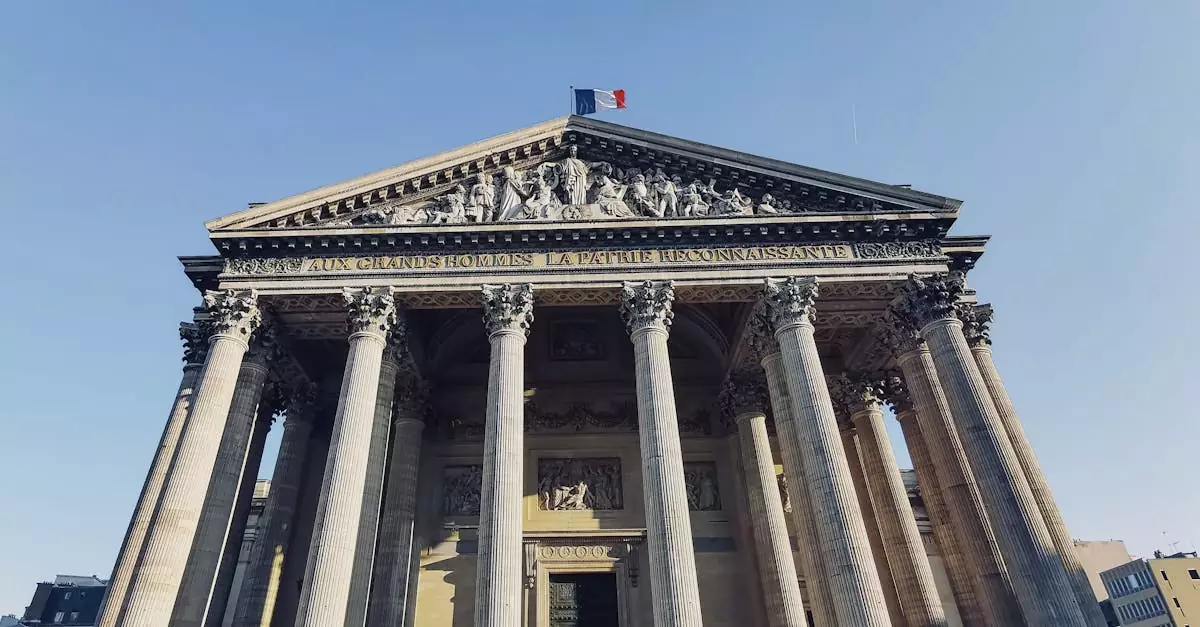
Mastering a few fundamental French phrases can significantly enhance your interactions and demonstrate respect for local customs. Beyond simply being polite, using the language shows an effort to connect, which is often greatly appreciated by locals. This linguistic courtesy is a cornerstone of good French etiquette.
Essential Greetings and Farewells in French
Initiating conversations with a proper greeting sets a positive tone. When entering a shop, restaurant, or any establishment, a simple “Bonjour” (good day) or “Bonsoir” (good evening) is customary. It’s considered impolite to begin speaking without first acknowledging the person you are addressing.
- Bonjour: Use this from morning until late afternoon.
- Bonsoir: Transition to this greeting as evening approaches.
- Au revoir: The standard way to say goodbye.
- Bonne journée: Wishing someone a good day as you leave.
- Bonne soirée: Wishing someone a good evening as you depart.
Remember to use these phrases consistently, even if you are just popping into a small boulangerie for a quick purchase. The effort is always recognized.
Polite Requests and Thank You Phrases
Expressing gratitude and making requests politely are crucial for navigating social situations smoothly. French culture places a high value on politeness, and specific phrases convey this effectively.
- S’il vous plaît: This means “please” and should be used when asking for anything.
- Merci: The essential word for “thank you.”
- Merci beaucoup: For a more emphatic “thank you very much.”
- De rien: The common response to “merci,” meaning “you’re welcome.”
- Excusez-moi: Use this to get someone’s attention or to apologize for a minor inconvenience.
When asking for directions or assistance, always begin with “Excusez-moi” followed by your request, and conclude with “Merci.” This sequence demonstrates proper respect.
Phrases for Dining and Socializing
During meals and social gatherings, certain phrases facilitate smoother interactions and show appreciation for your hosts or the establishment. These expressions go beyond basic politeness and touch upon the nuances of French social graces.
- Bon appétit: Said before a meal begins, wishing everyone enjoyment of their food.
- Santé! or Tchin-tchin!: Used when toasting, equivalent to “cheers!”
- L’addition, s’il vous plaît: How to ask for the bill in a restaurant.
Understanding these basic linguistic tools will help you avoid faux pas and open doors to more genuine connections during your travels in Europe. The ability to communicate even a little in the local language is a powerful icebreaker and a key component of mastering French etiquette.
Frequently Asked Questions About French Etiquette
Navigating cultural nuances can make or break a trip. Understanding common French etiquette practices will help ensure a smoother experience for any traveler visiting France. This section addresses some of the most frequent questions about social customs.
Is it rude to speak English in France?
While many French people, especially in tourist areas and younger generations, have some English proficiency, it’s polite to at least attempt a few French phrases before switching to English. A simple “Bonjour” (hello) or “Excusez-moi, parlez-vous anglais?” (Excuse me, do you speak English?) goes a long way. This shows respect for the local culture and language. Relying solely on English from the outset can sometimes be perceived as a lack of effort.
How should I address someone I’ve just met?
In France, formality is key when first meeting someone. Unless you are invited to use first names, it’s standard practice to use the formal address: “Monsieur” for men and “Madame” for women. This applies even if the person is younger than you. When addressing someone you don’t know well, especially in professional or service settings, using these titles followed by their surname is appropriate. The informal “tu” (you) is reserved for close friends, family, and children.
What are the tipping customs in French restaurants?
Service charges are typically included in the bill at French restaurants, indicated by “service compris.” This means a tip is not strictly mandatory. However, if you received exceptional service, it is customary to leave a small additional tip of a few euros, often rounded up to the nearest euro or a modest percentage of the bill. For example, leaving €1-2 on a smaller bill or 5-10% for outstanding service is common practice. Unlike in some other countries, there isn’t an expectation for a 15-20% tip.