Discover the allure of Sofia, Bulgaria, with this comprehensive Sofia Bulgaria travel guide. Often overlooked, this captivating capital city offers a rich tapestry of history, vibrant culture, and surprising affordability, making it a must-visit destination for discerning travelers. You’ll learn about the best times to visit, navigate the city like a local with our transportation tips, and follow a perfectly balanced 3-day itinerary that hits all the key highlights. We’ll also dive into the delicious world of Bulgarian cuisine, from must-try dishes to authentic dining spots, and answer your most pressing travel questions. Get ready to explore the heart of the Balkans and uncover why Sofia is Eastern Europe’s hidden gem.
Why Visit Sofia Bulgaria? Unpacking the Charm of Eastern Europe’s Hidden Gem
Sofia, the capital of Bulgaria, presents a compelling blend of ancient history, vibrant culture, and surprising affordability, making it an increasingly attractive destination for travelers seeking an authentic European experience. Often overshadowed by more established Western European cities, this dynamic capital offers a unique chance to step back in time while enjoying modern amenities. Nestled at the foot of Vitosha Mountain, it boasts a stunning natural backdrop and ample opportunities for outdoor activities, enhancing its allure.
Sofia’s Rich Historical Tapestry: From Roman Ruins to Ottoman Influence
Sofia’s history spans millennia, with layers of civilization evident throughout the city. Walk among the ruins of the ancient Roman city of Serdica, whose well-preserved remnants are integrated into the modern urban landscape, even visible beneath the metro stations. The Saint Sofia Church, which lent its name to the city, stands as a testament to its early Christian heritage. Later, the city fell under Ottoman rule for nearly five centuries, a period that left a lasting mark on its architecture, cuisine, and religious sites, such as the Banya Bashi Mosque. This complex past creates a fascinating narrative that unfolds as you wander its streets, revealing its enduring resilience.
Cultural Vibrancy: Art, Music, and Festivals in Sofia
Beyond historical sites, Sofia buzzes with a lively cultural scene. The city boasts numerous art galleries, showcasing both classical Bulgarian art and contemporary works. Music fills the air, from classical performances at the National Opera and Ballet to live bands in various bars and clubs. Throughout the year, Sofia hosts a variety of festivals celebrating everything from film and music to traditional Bulgarian folklore. Attending a local event offers a genuine glimpse into the spirit of the city and its people. Keep an eye on local listings for events like the Sofia International Film Festival or the Days of Bulgarian Music for an immersive cultural experience.
Affordable European Adventure: Sofia’s Budget-Friendly Appeal
One of Sofia’s most significant draws is its remarkable affordability compared to many other European capitals. Travelers can enjoy comfortable accommodations, delicious meals, and cultural experiences without straining their budget. Dining out is particularly economical, with opportunities to savor traditional Bulgarian dishes like banitsa (a cheese-filled pastry) and kavarma (a hearty stew) at very reasonable prices. Transportation within the city is also cost-effective, thanks to an efficient metro system and affordable taxis. This budget-friendly nature makes Sofia an accessible option for backpackers, students, and anyone looking to stretch their travel funds further while experiencing a rich and rewarding trip.
Best Time to Visit Sofia: Navigating Seasons for an Ideal Trip
Choosing the right time to visit Sofia can significantly shape your experience. Each season offers a distinct atmosphere, from vibrant spring blooms to cozy winter markets. Understanding these seasonal nuances will help you plan a trip that aligns with your interests, whether you’re seeking outdoor adventures or cultural immersion.
Spring (April-May): Sofia’s Blooming Beauty and Mild Temperatures
Spring in Sofia is a delightful transition. As the last of the winter snow melts, the city’s parks and gardens burst into color. Temperatures are generally mild, making it pleasant for walking and sightseeing. April can still bring occasional cooler days, but by May, the weather is consistently comfortable, averaging around 15-20°C (59-68°F). This is a fantastic time to enjoy Sofia’s outdoor cafes and explore Vitosha Mountain without the summer crowds.
Consider packing layers, as spring weather can be unpredictable. Light jackets, sweaters, and comfortable walking shoes are essential. The shoulder season also means fewer tourists, potentially leading to more affordable accommodation options.
Summer (June-August): Sofia’s Sunniest Days and Outdoor Activities
Summer in Sofia is characterized by warm, sunny days, with temperatures often reaching 25-30°C (77-86°F). This is the peak tourist season, with long daylight hours ideal for maximizing your exploration. The city comes alive with outdoor festivals, concerts, and bustling street life. Vitosha Mountain remains a popular destination for hiking and enjoying cooler mountain air.
Be prepared for heat, especially in July and August. Staying hydrated is crucial, and seeking shade during the hottest parts of the day is advisable. While accommodation prices might be higher during this period, the vibrant atmosphere and abundance of activities make it a popular choice for many travelers. Booking accommodations and any popular tours in advance is highly recommended.
Autumn (September-October): Sofia’s Golden Hues and Cultural Season
Autumn transforms Sofia into a picturesque landscape of golden and red foliage, particularly in its numerous parks. The weather remains pleasant through September and into early October, with average temperatures around 10-20°C (50-68°F). This season marks the beginning of Sofia’s cultural calendar, with new theater seasons, art exhibitions, and film festivals kicking off.
This period offers a wonderful balance of agreeable weather and fewer crowds than summer. It’s an excellent time for leisurely strolls and experiencing the city’s rich cultural offerings. The cooler evenings mean you’ll want to pack a light coat or jacket.
Winter (November-March): Sofia’s Snowy Landscapes and Festive Markets
Winter in Sofia brings a distinct charm, with cold temperatures and the possibility of snow, especially from December through February. Average temperatures hover around 0-5°C (32-41°F) but can drop significantly lower. The city’s architecture looks beautiful dusted with snow, and the festive Christmas markets add a magical, cozy ambiance.
This is the prime time for those who enjoy winter sports, with Vitosha Mountain offering skiing and snowboarding opportunities. Indoor attractions, such as museums and galleries, are particularly appealing during the colder months. Warm clothing, including thermal layers, hats, gloves, and waterproof outerwear, is essential. While it’s the low season for tourism, the festive period can see an increase in visitors, so booking ahead is still wise.
Here’s a quick comparison of Sofia’s seasons for travel planning:
| Season | Average Temperature (°C) | Pros | Cons |
|---|---|---|---|
| Spring | 10-20°C | Blooming nature, mild weather, fewer crowds | Unpredictable weather, can be cool |
| Summer | 25-30°C | Sunny, long days, vibrant festivals | Peak crowds, higher prices, hot weather |
| Autumn | 10-20°C | Beautiful foliage, cultural season, pleasant | Cooler evenings, some attractions may close |
| Winter | 0-5°C | Snowy landscapes, festive markets, skiing | Very cold, shorter days, limited outdoor activities |
Getting Around Sofia: Mastering Local Transportation
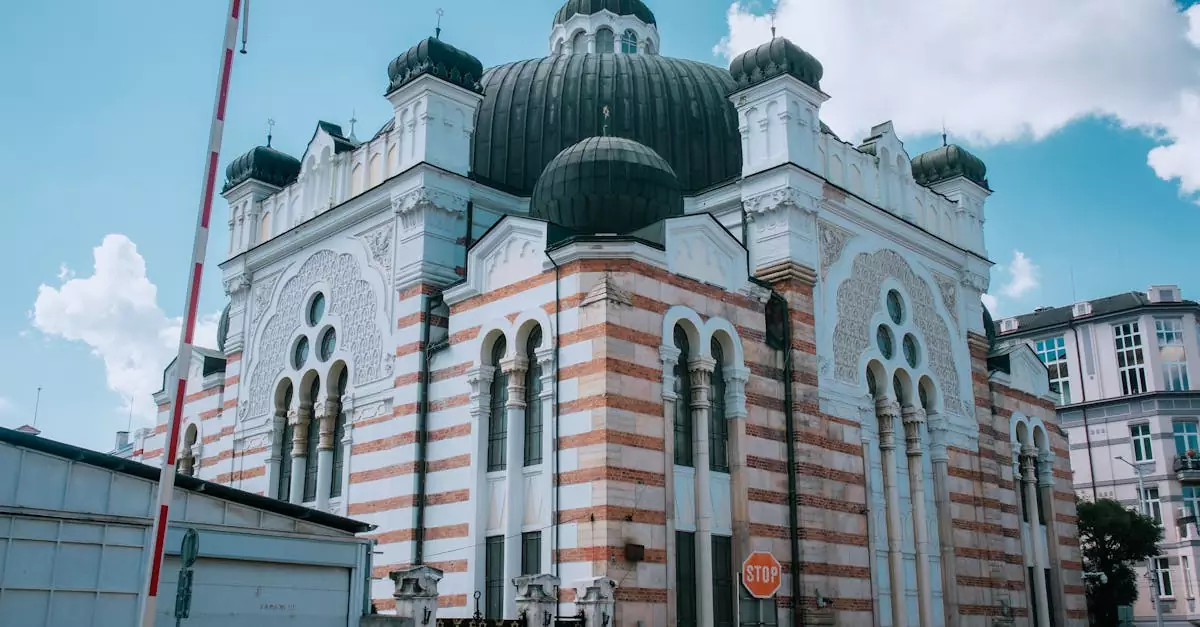
Navigating Sofia is straightforward, thanks to a well-integrated public transport system and a compact city center. Understanding your options will help you maximize your time and budget while experiencing the capital of Bulgaria.
Sofia Metro: Efficiently Connecting Key Landmarks
The Sofia Metro is the most efficient way to traverse the city, particularly for reaching areas beyond the immediate center. With three lines currently operational, it connects major points like Sofia Airport, the central train station, and key residential and business districts. Tickets are affordable and can be purchased at station kiosks or vending machines. A single journey ticket is valid for one trip, regardless of distance, and multi-day passes are also available for frequent travelers. Keep your ticket until you exit the station, as checks are common.
Trams and Buses: Exploring Sofia’s Neighborhoods Affordably
Sofia’s extensive tram and bus network offers a more local perspective and reaches areas not covered by the metro. While slower than the metro due to traffic, these options are incredibly budget-friendly and allow you to see more of the city’s diverse neighborhoods. Purchase tickets from kiosks or directly from the driver (though this can sometimes be difficult if you don’t have small denominations). Validate your ticket immediately upon boarding to avoid fines. Planning your route using a transit app or local maps is advisable, as routes can be complex.
Taxis and Ride-Sharing: Navigating Sofia with Convenience
For door-to-door service or late-night travel, taxis and ride-sharing apps provide convenient alternatives. It’s crucial to use reputable taxi companies or well-known ride-sharing services to avoid overcharging. Always ensure the meter is running in a traditional taxi, or confirm the fare in the app before your ride begins. Many Sofia hotels can also arrange for reliable taxi services. Ride-sharing apps are generally straightforward to use if you have a data connection.
Walking Sofia: Discovering the City Center on Foot
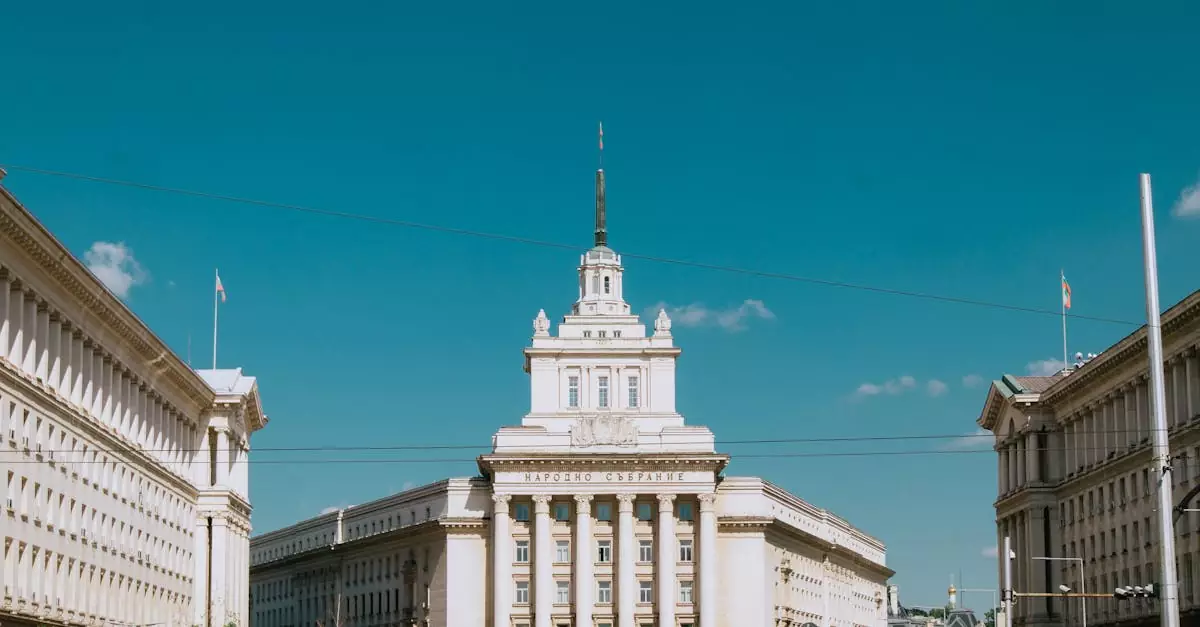
Much of Sofia’s charm lies within its pedestrian-friendly city center. Key attractions, including the Alexander Nevsky Cathedral, the Presidency, and the National Palace of Culture, are all within walking distance of each other. This allows for spontaneous discoveries and a more intimate appreciation of the architecture and street life. Comfortable walking shoes are a must, especially if you plan to explore the many parks and boulevards. The city center is relatively flat, making it accessible for most travelers.
Must-See Sofia Itinerary: 3 Days Exploring the Capital’s Highlights
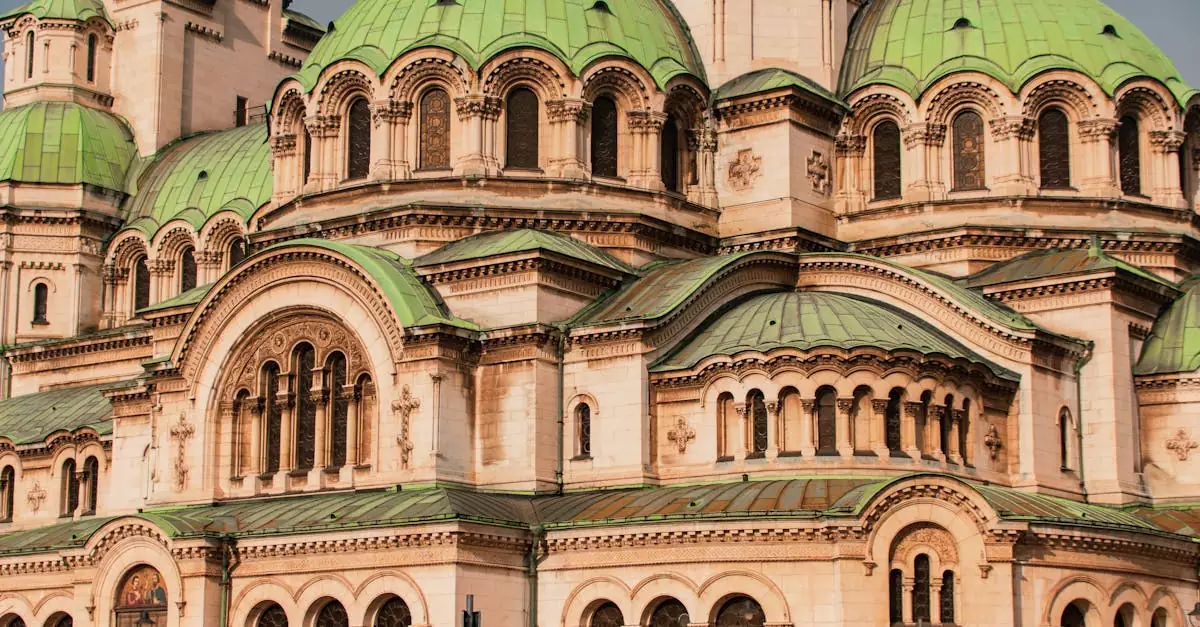
This Sofia, Bulgaria travel guide offers a well-paced 3-day itinerary to experience the city’s rich history, vibrant culture, and natural beauty. Whether you’re interested in ancient ruins, architectural marvels, or local cuisine, this plan covers the essential sights and provides practical tips for navigating the capital.
Day 1: Ancient History and City Center Exploration
Begin your Sofia adventure by delving into its deep historical roots. Start at the Serdica Archaeological Complex, a fascinating site showcasing Roman ruins unearthed during metro construction. Walk among ancient streets and building foundations, offering a tangible connection to the city’s past as a significant Roman settlement.
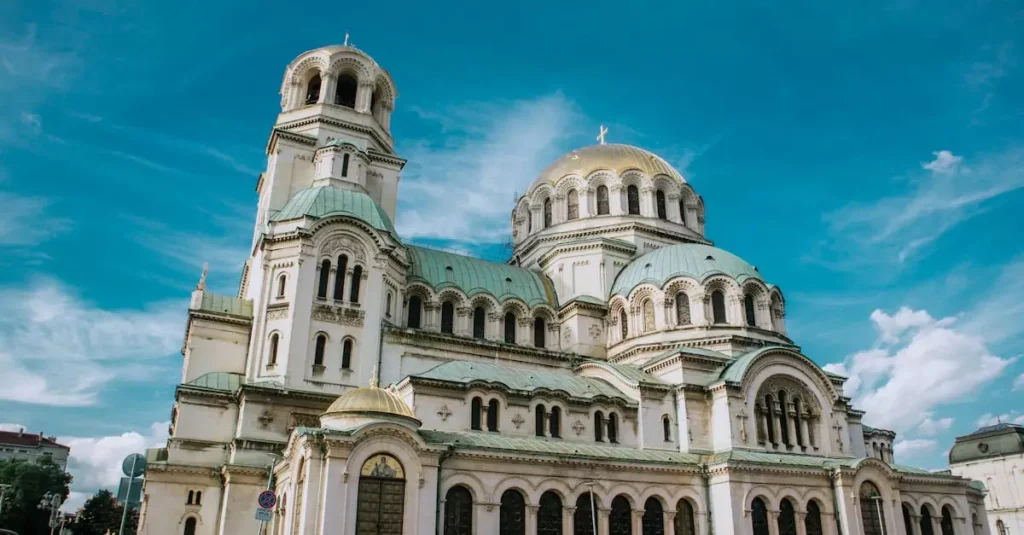
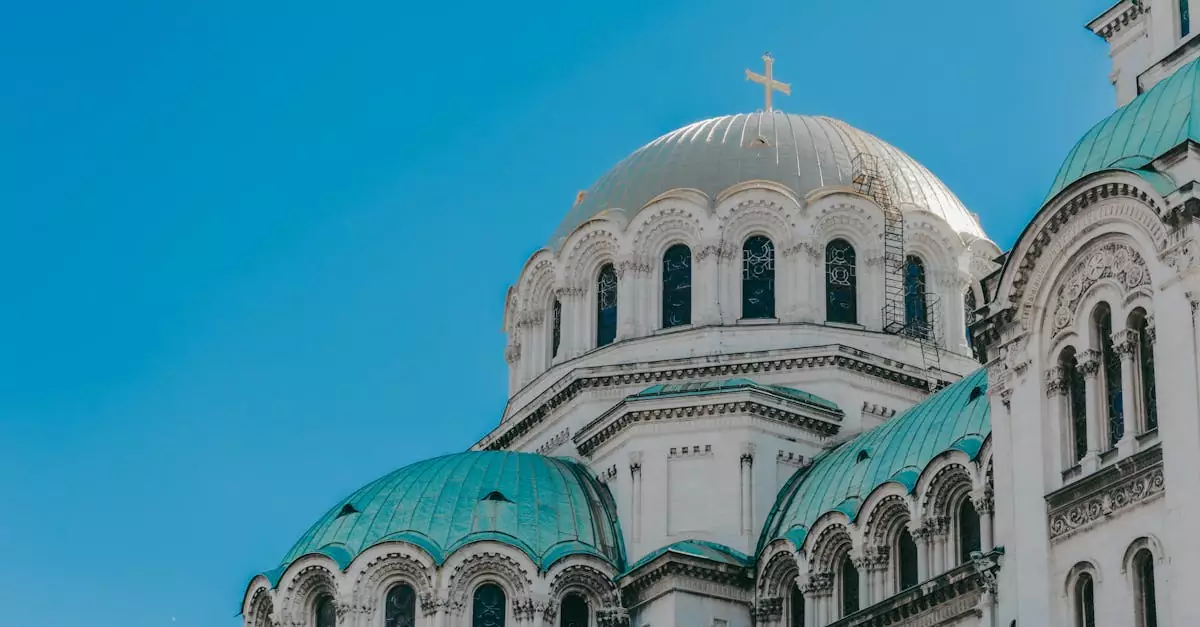
From Serdica, a short walk leads you to the majestic St. Alexander Nevsky Cathedral. This iconic landmark, with its stunning gold-plated domes and intricate architecture, is one of the largest Eastern Orthodox cathedrals in the world. Spend time admiring its exterior and, if open, step inside to witness the opulent interior adorned with frescoes and religious art. The surrounding area is also home to other significant religious buildings like the St. Sofia Church, which gives the city its name, and the Russian Church of St Nicholas the Miracle-Maker.
Day 2: Culture, Art, and Vitosha Mountain Views
Dedicate your second day to Sofia’s cultural heart and its proximity to nature. Begin at the National Palace of Culture (NDK)), a sprawling complex that hosts various events and exhibitions. Even if there isn’t a specific show you’re attending, the building’s modernist architecture and the surrounding park are worth exploring. It’s a popular spot for locals to relax and gather.
Following your NDK visit, stroll down Vitosha Boulevard, Sofia’s main pedestrian street. This lively avenue is lined with shops, cafes, restaurants, and street performers. It’s an excellent place for people-watching, enjoying a coffee, or picking up souvenirs. As you walk, you’ll get increasingly impressive views of Vitosha Mountain, a prominent natural landmark on the city’s outskirts. For a closer look at the mountain, consider taking a taxi or public transport to the base and enjoying a short hike or simply soaking in the panoramic city views from a higher vantage point.
Day 3: Local Flavors and Hidden Gems
Your final day in Sofia is about immersing yourself in local life and discovering some of its charming lesser-known spots. Start at the Central Market Hall (Halite)). This historic covered market is a vibrant hub where you can find fresh produce, local cheeses, cured meats, spices, and traditional Bulgarian sweets. It’s an ideal place to sample regional delicacies and perhaps pick up some edible souvenirs.
Afterward, head to the Ivan Vazov National Theatre, a beautiful neo-baroque building often considered one of Sofia’s most picturesque landmarks. The surrounding City Garden is a tranquil oasis, perfect for a leisurely walk. Nearby, you can also find the National Art Gallery and the Ethnographic Museum, offering further insights into Bulgarian art and traditions. Consider concluding your Sofia exploration with a traditional Bulgarian meal at a local mehana (tavern) to savor authentic dishes like banitsa, kavarma, or shopska salad.
Savoring Sofia: A Culinary Journey Through Bulgarian Cuisine
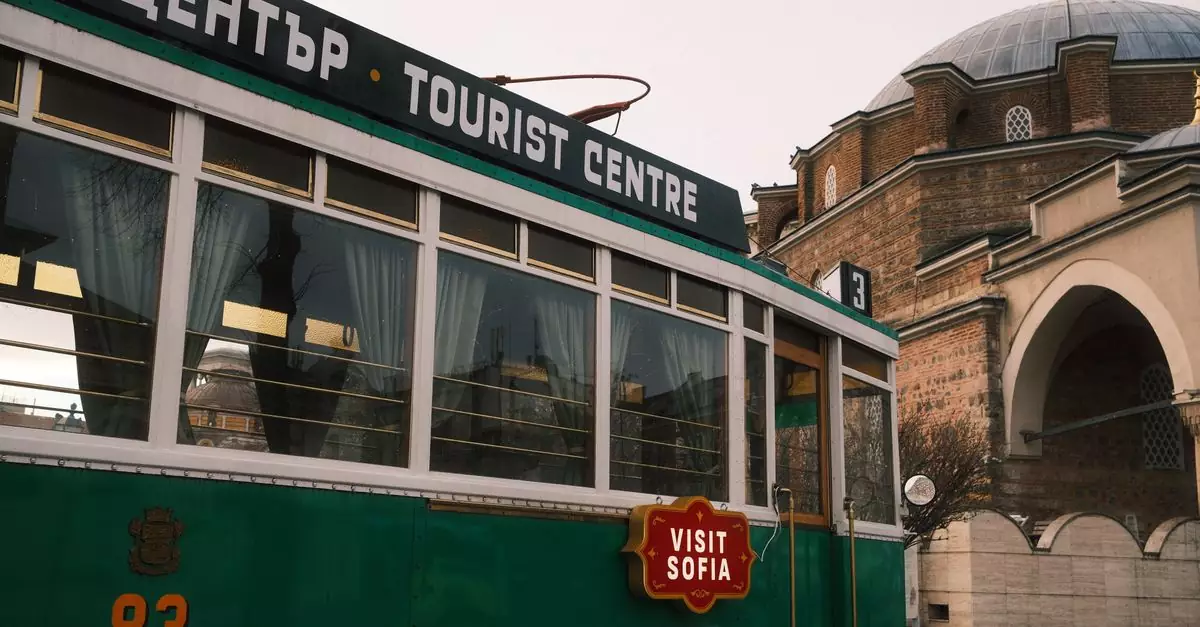
Sofia offers a delightful culinary landscape, blending hearty traditional dishes with a growing modern food scene. For travelers seeking an authentic taste of Bulgaria, the capital city provides ample opportunities to indulge. This Sofia Bulgaria travel guide section focuses on helping you navigate its delicious offerings, from classic recipes to contemporary eateries.
Must-Try Traditional Bulgarian Dishes in Sofia
When visiting Sofia, certain dishes are essential to the experience. Shopska salad, a refreshing mix of tomatoes, cucumbers, peppers, onions, and grated sirene cheese, is a ubiquitous starter, perfect for any meal. For something more substantial, kavarma presents slow-cooked meat (often pork or chicken) with vegetables and spices, typically served in a clay pot. Another must-try is banitsa, a flaky pastry filled with cheese, eggs, and yogurt, enjoyed for breakfast or as a snack. Don’t miss kyufte (meatballs) and kebapche (grilled minced meat rolls), often seasoned with cumin, which are staples of Bulgarian barbecue.
Best Restaurants for Authentic Bulgarian Food in Sofia
To experience genuine Bulgarian flavors, seek out restaurants that prioritize traditional recipes and local ingredients. Mehana establishments, traditional Bulgarian taverns, are your best bet. Look for places like “Pri Yafata” or “Shtastlivetsa” for a cozy atmosphere and well-prepared classics. These restaurants often feature live folk music, enhancing the cultural dining experience. For a more upscale take on Bulgarian cuisine, consider “Chedo” or “Kuzman,” which offer refined versions of traditional dishes.
| Restaurant Name | Cuisine Type | Atmosphere | Price Range |
|---|---|---|---|
| Pri Yafata | Traditional Bulgarian | Cozy Mehana | Mid-range |
| Shtastlivetsa | Traditional Bulgarian | Lively, Rustic | Mid-range |
| Chedo | Modern Bulgarian | Elegant, Contemporary | Higher |
| Kuzman | Modern Bulgarian | Sophisticated | Higher |
Sofia’s Vibrant Cafes and Coffee Culture
Sofia boasts a thriving cafe culture, with numerous spots offering excellent coffee and a relaxed ambiance. Many cafes serve as popular meeting places for locals and provide a comfortable respite for travelers. You’ll find a mix of traditional Bulgarian coffee houses and modern specialty coffee shops. “Dram cafe” is known for its artisanal coffee and pastries, while “Sentido” offers a chic setting with a diverse menu. Exploring these cafes is a great way to observe daily life and enjoy a quality brew.
Exploring the Central Market Hall for Local Delicacies
The Halite, or Central Market Hall, is a must-visit for anyone interested in local produce and artisanal food products. This historic building houses a vibrant marketplace where you can find fresh fruits, vegetables, cheeses, cured meats, honey, and traditional sweets. It’s an excellent place to sample local specialties, purchase edible souvenirs, or grab a quick, authentic bite. Vendors are often happy to offer samples, making it a sensory delight. Look for shops selling lyutenitsa, a flavorful roasted pepper and tomato spread, or various types of Bulgarian yogurt and sirene cheese.
Frequently Asked Questions About Traveling to Sofia
Is Sofia safe for tourists?
Sofia is generally a very safe city for travelers. Petty crime like pickpocketing can occur in crowded tourist areas or on public transport, so it’s wise to be aware of your surroundings, especially in places like the Central Market Hall or along Vitosha Boulevard. Violent crime is rare. You can feel comfortable walking around most neighborhoods, even in the evening, though it’s always sensible to stick to well-lit streets.
What are the essential Bulgarian phrases for travelers?
While many younger Bulgarians and those in the tourism industry speak English, knowing a few basic phrases in Bulgarian can enhance your interactions.
- Hello: Здравейте (Zdra-vey-te)
- Thank you: Благодаря (Blagodar-ya)
- Please: Моля (Mo-lya)
- Yes: Да (Da)
- No: Не (Ne)
- Excuse me: Извинете (Iz-vi-ne-te)
- Do you speak English?: Говорите ли английски? (Go-vo-ri-te li an-gliys-ki?)
Learning these simple greetings and polite expressions will be appreciated by locals and can make navigating your Sofia travel experience smoother.
What currency is used in Sofia?
The official currency in Sofia, Bulgaria, is the Bulgarian Lev (BGN). You will see prices listed in Leva. While some tourist-oriented establishments might accept Euros, it’s best to use Leva for most transactions. ATMs are widely available, and credit cards are accepted in most hotels, larger shops, and restaurants. For smaller purchases or local markets, having some cash on hand is recommended.
Can I drink the tap water in Sofia?
Yes, tap water in Sofia is considered safe to drink. The water quality is regularly monitored, and many locals drink tap water without any issues. If you prefer bottled water, it is readily available at supermarkets and convenience stores throughout the city.