Berlin is a city rich in history, art, and culture, home to an impressive array of world-class museums. From the iconic institutions of Museum Island to specialized galleries and historical sites, exploring the best Berlin museums provides a profound journey through centuries of human achievement and tumultuous events. This guide will help you navigate the city’s vibrant cultural landscape, highlighting key exhibits and offering practical tips for planning your visits. Discover where to find ancient wonders, masterpieces of European art, essential historical narratives, and unique insights into Berlin’s distinct past. Whether you’re a history buff, an art enthusiast, or simply curious about this dynamic capital, prepare to be captivated by the stories held within its walls.
Exploring the Top Tier of Berlin’s Best Museums
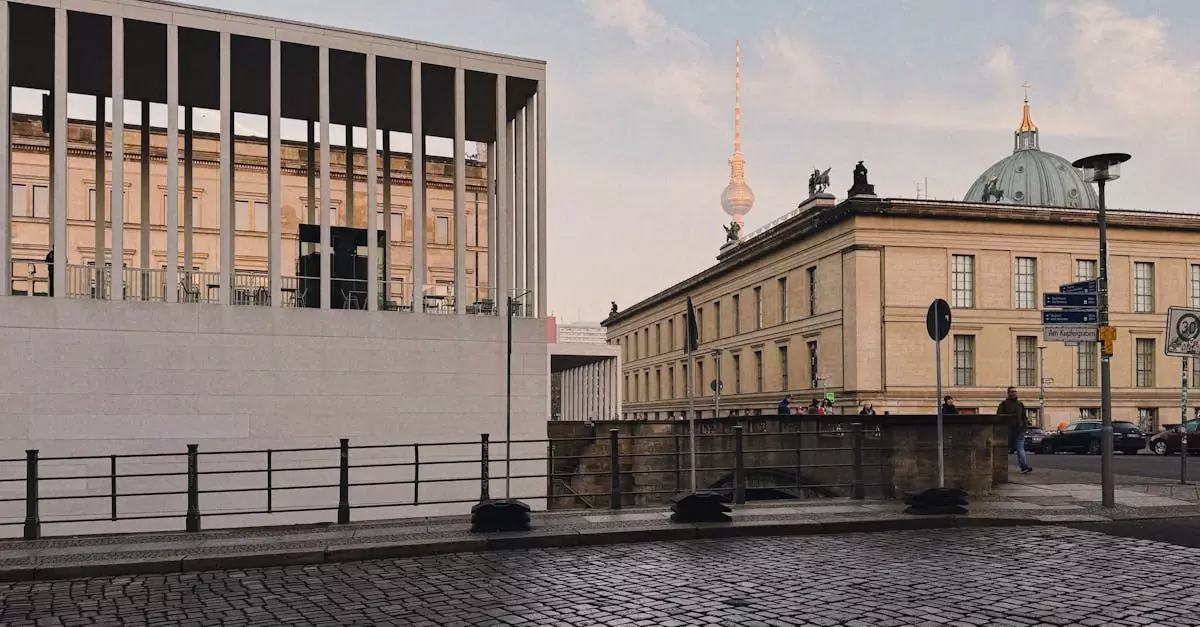
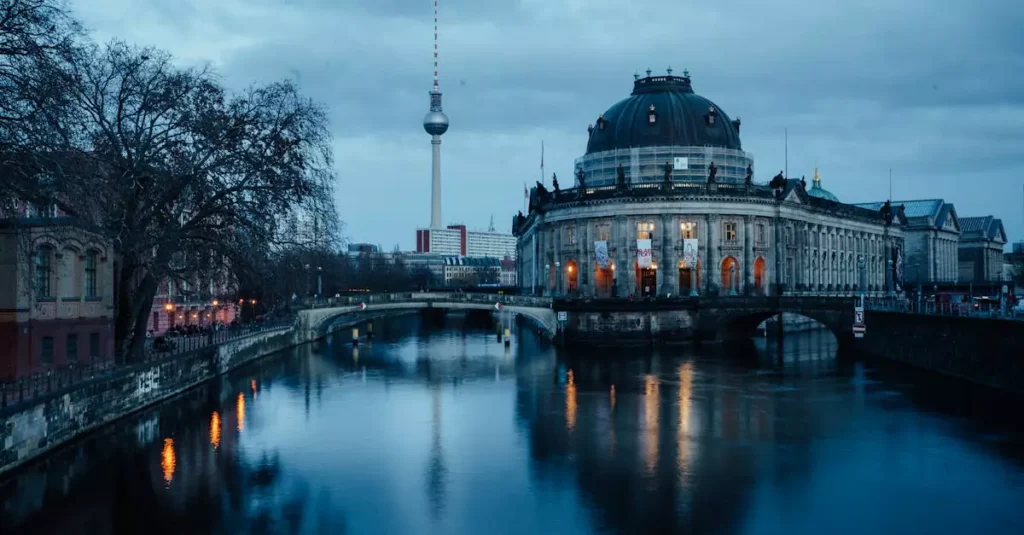
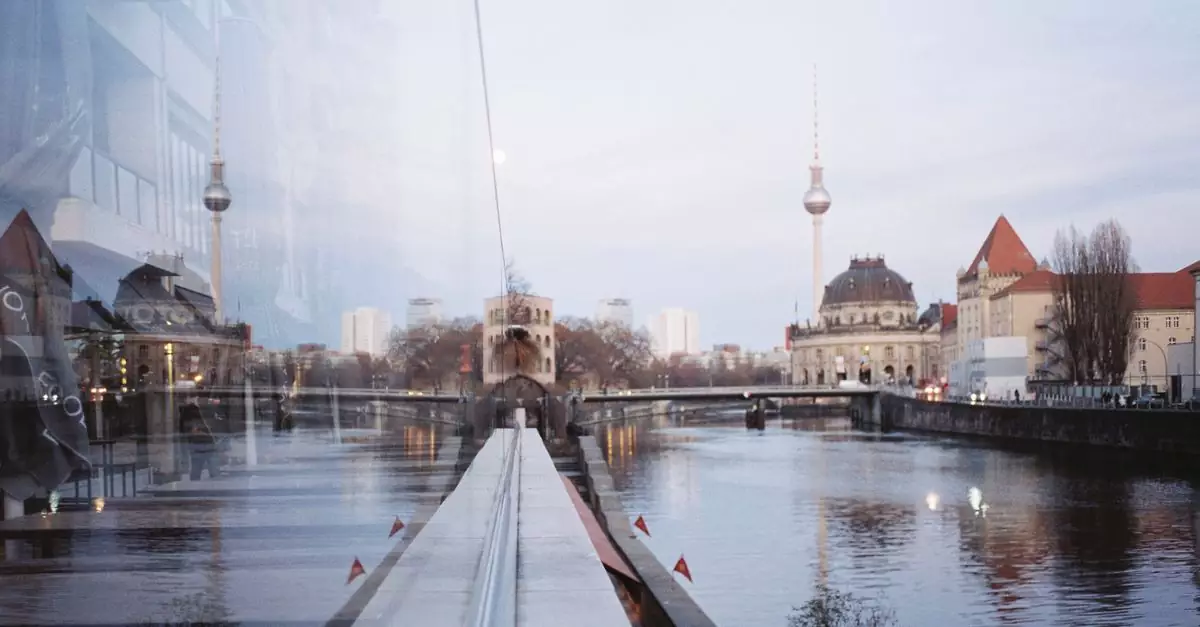
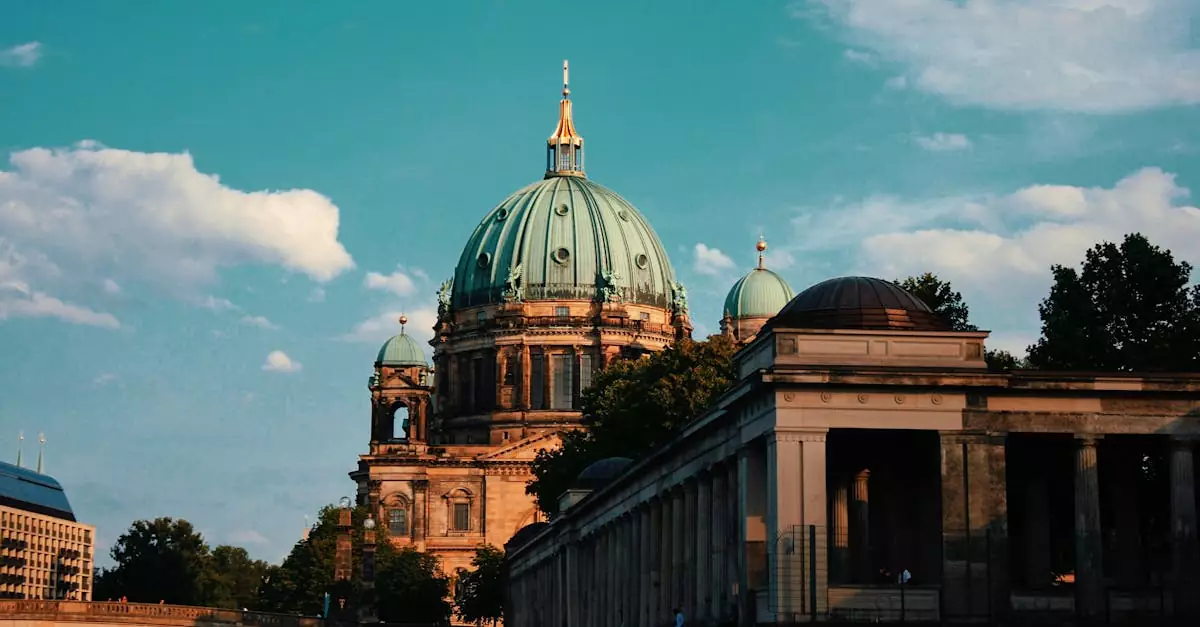
When considering the best Berlin museums, one location stands out: Museum Island. This UNESCO World Heritage site is not just a collection of buildings; it is an unparalleled concentration of art, history, and cultural treasures, making it an essential stop for any visitor. Situated on an island in the Spree River, the complex houses five world-renowned institutions, each offering a distinct journey through human civilization. Planning your visit to this compact yet expansive area is key to maximizing your experience.
Museum Island: A UNESCO World Heritage Treasure Trove
Museum Island (Museumsinsel) is a testament to Berlin’s rich history and its commitment to preserving global heritage. The island’s development began in the early 19th century, with successive Prussian kings commissioning grand structures to house their collections. Today, it represents a unique architectural ensemble and a global center for art and culture. Navigating Museum Island is straightforward, with most attractions within easy walking distance of each other. Consider purchasing a Museum Pass Berlin if you plan to visit multiple state museums across the city, as it offers significant savings and allows you to bypass ticket lines at many institutions.
Pergamon Museum: Ancient Wonders and Architectural Marvels
The Pergamon Museum is arguably the most famous of the Museum Island institutions, drawing visitors with its monumental reconstructions of ancient structures. Its centerpiece is the Pergamon Altar, a colossal Hellenistic masterpiece, though it is currently undergoing extensive renovation, and some parts may be inaccessible. Equally impressive is the Ishtar Gate of Babylon, a vibrant blue glazed brick facade that transports you back to ancient Mesopotamia. The museum also features Islamic art collections, showcasing intricate ceramics, textiles, and architectural elements. Due to ongoing renovations, check the official Pergamon Museum website for the latest information on opening hours and accessible sections before your visit.
Neues Museum: Egyptian Antiquities and the Iconic Nefertiti Bust
The Neues Museum is a must-visit for anyone fascinated by ancient Egypt. Its most celebrated exhibit is the bust of Nefertiti, an exquisitely preserved representation of Egyptian beauty. Beyond this iconic sculpture, the museum offers a comprehensive overview of Egyptian and Nubian history, spanning from prehistoric times through the Roman period. You’ll find mummies, sarcophagi, papyri, and everyday artifacts that vividly illustrate life along the Nile. The building itself, a beautifully restored 19th-century structure, complements the treasures within, providing a grand setting for this remarkable collection.
Altes Museum: Classical Antiquities and Greek Sculptures
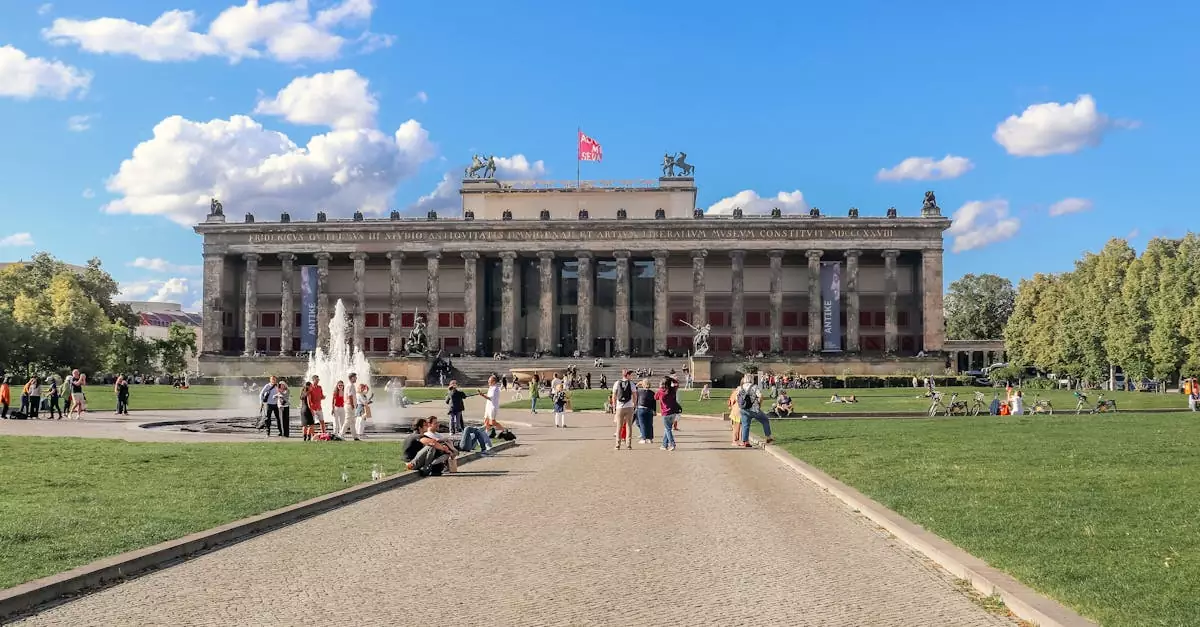
The Altes Museum, the oldest of the Museum Island buildings, offers a captivating glimpse into the classical world. Its collections focus on Greek and Roman antiquities, featuring impressive sculptures, intricate pottery, and Roman artifacts. The museum’s rotunda, with its Corinthian columns and soaring dome, is an architectural highlight and a fitting introduction to the ancient civilizations represented within. Visitors can admire works from the Geometric period of Greek art through to Roman portraiture, providing a chronological journey through millennia of artistic achievement. It’s an excellent starting point for understanding the foundations of Western art and culture.
Diving Deeper into Berlin’s Art Scene
Beyond the iconic historical landmarks, Berlin boasts a vibrant art scene, with numerous museums dedicated to showcasing everything from Old Masters to cutting-edge contemporary works. For art enthusiasts, these institutions offer compelling reasons to delve deeper into the city’s cultural offerings. Planning your museum visits can be a rewarding experience, especially considering the concentration of artistic excellence in certain areas.
Gemäldegalerie: Masterpieces of European Painting
The Gemäldegalerie is essential for anyone with an appreciation for European art history. This museum houses an exceptional collection spanning from the 13th to the 18th centuries, featuring renowned works by artists such as Rembrandt, Vermeer, Dürer, and Caravaggio. Walking through its halls feels like a journey through the evolution of Western painting, with each room presenting a new era and style.
Allow at least two to three hours to fully appreciate the breadth of the collection. The museum is conveniently located within the Kulturforum complex, making it easy to combine with visits to other nearby institutions. Consider purchasing a Berlin WelcomeCard for potential discounts on museum admission.
Hamburger Bahnhof – Museum für Gegenwart: Contemporary Art Hub
For those drawn to avant-garde and modern artistic expressions, the Hamburger Bahnhof – Museum für Gegenwart is the premier destination. Housed in a former railway station, this expansive space is dedicated to contemporary art from the 1960s to the present day. Its collection includes significant works by artists like Joseph Beuys, Andy Warhol, and Anselm Kiefer, alongside temporary exhibitions that refresh the visitor experience.
The sheer scale of the building allows for large-scale installations and immersive exhibitions, making each visit unique. It’s a dynamic space that encourages reflection on current artistic dialogues. The museum is easily accessible by public transport, with the S-Bahn station Bahnhof Gesundbrunnen a short walk away.
Kulturforum: A Concentration of Artistic Excellence
The Kulturforum is a cultural complex that brings together several significant institutions, making it an efficient hub for art lovers. Situated in the heart of the city, this area is home to the Gemäldegalerie, the Neue Nationalgalerie (for 20th-century art), the Philharmonie, and the Staatsbibliothek zu Berlin. This concentration of world-class venues allows you to experience a vast spectrum of art and music within a relatively small geographical area.
Planning a day at the Kulturforum allows for comprehensive immersion in art and culture. Many visitors find it practical to focus on one or two institutions per visit to avoid museum fatigue. The open spaces between buildings also provide a pleasant environment for a break.
Berlinische Galerie: Modern Art, Photography, and Architecture
The Berlinische Galerie focuses on art created in Berlin from 1900 to the present day. Its collection is particularly strong in Expressionism, Dada, and the art of the divided city. Beyond painting and sculpture, it boasts impressive holdings in photography and architecture, providing a unique perspective on Berlin’s artistic development and visual culture.
This museum offers a fascinating lens through which to understand Berlin’s complex history and its enduring creative spirit. It’s a more intimate setting than some larger institutions, allowing for a focused and engaging experience. The museum is located in the Kreuzberg district, easily reachable by U-Bahn and bus.
Uncovering Berlin’s Rich History Through Its Museums
Berlin’s past is a complex tapestry woven with threads of triumph, tragedy, and transformation. The city’s best Berlin museums provide profound insights into pivotal moments that shaped Germany and the world. Engaging with these historical sites is crucial for understanding the forces that forged modern Europe.
Deutsches Historisches Museum: A Journey Through German History
The Deutsches Historisches Museum (German Historical Museum) presents a comprehensive narrative of German history from its earliest beginnings to the present day. Its permanent exhibition, “German History in Images and Testimonies,” spans over 7,000 square meters and features thousands of original objects. From medieval artifacts to relics of the 20th century, the museum meticulously traces political, social, and cultural developments. Allow at least three to four hours to fully appreciate the breadth of its collection. The museum is conveniently located on Unter den Linden boulevard, making it accessible via public transport. Consider visiting on a weekday morning to avoid larger crowds.
Topography of Terror: Confronting Nazi History
For a stark and essential encounter with the horrors of the Nazi regime, the Topography of Terror is indispensable. This indoor and outdoor museum is situated on the grounds of former SS and Gestapo headquarters. It documents the crimes committed by these institutions between 1933 and 1945 through extensive photographic displays, excavated cellars, and informational panels. The site offers a sobering but vital perspective on this dark chapter. Entry is free, and while the subject matter is heavy, the clear presentation makes it manageable. The nearest U-Bahn and S-Bahn stations are Kochstraße/Checkpoint Charlie and Potsdamer Platz, respectively.
Stasi Museum: Understanding East German Surveillance
Delve into the mechanisms of surveillance and repression in the German Democratic Republic (GDR) at the Stasi Museum. Housed in the former headquarters of the Ministry for State Security, this museum provides an intimate look at the Stasi’s operations. Visitors can see original offices, interrogation rooms, and a vast collection of espionage equipment. The exhibition “State Security in the GDR” offers a detailed account of the Stasi’s pervasive influence on daily life. Understanding this aspect of Berlin’s divided past is crucial for grasping the city’s reunification. The museum is accessible via the U5 subway line to Magdalenenstraße station.
German Resistance Memorial Center: Stories of Courage
The German Resistance Memorial Center (Gedenkstätte Deutscher Widerstand) honors individuals and groups who opposed the Nazi regime. Located in the Bendlerblock, where key figures of the July 20, 1944 plot against Hitler were executed, the memorial provides a powerful testament to courage in the face of tyranny. The exhibition focuses on various forms of resistance, from political and military opposition to passive non-compliance, highlighting the moral complexities and personal sacrifices involved. This memorial offers a more intimate perspective on opposition to Nazism, complementing the broader historical narratives found elsewhere. It is easily reached by public transport, with Anhalter Bahnhof and Potsdamer Platz stations nearby.
Beyond the Mainstream: Unique and Niche Berlin Museums
While Berlin’s grand museums on Museum Island draw significant crowds, the city also boasts specialized institutions that offer a deeper dive into specific aspects of history, technology, and culture. These less conventional museums provide unique perspectives and are often less crowded, allowing for a more intimate experience. For travelers seeking to understand the multifaceted identity of Berlin and its place in European history, these institutions are invaluable.
Deutsches Technikmuseum: Innovation and Transportation History
The German Museum of Technology (Deutsches Technikmuseum) is a sprawling complex dedicated to the history of technological innovation and transportation. Its vast collection spans centuries, showcasing everything from early locomotives and aircraft to interactive exhibits on communication and energy. Visitors can marvel at historic trains in the former Anhalter Güterbahnhof (freight station) and explore the science behind everyday technologies.
Getting to the museum is straightforward. It’s located in the Kreuzberg district and is easily accessible via public transport. The U-Bahn station Gleisdreieck (U1, U2, U3) is a short walk away. Allow at least half a day to fully appreciate the breadth of exhibits, and consider visiting on a weekday to avoid larger school groups.
Computerspielemuseum: A Nostalgic Look at Video Game Evolution
For anyone who grew up with joysticks and pixelated graphics, the Computerspielemuseum (Computer Games Museum) is a delightful pilgrimage. This museum traces the evolution of video games from their early arcade origins to modern-day virtual realities. It features playable exhibits, allowing visitors to relive classic gaming moments and understand the cultural impact of this dynamic medium.
This museum is situated in Friedrichshain and is accessible via the U-Bahn (U5, Samariterstraße station). It’s a compact yet densely packed experience, making it a great option for a few hours of engaging fun, particularly for families or those interested in digital culture. Booking tickets online in advance is advisable, especially during peak seasons.
DDR Museum: Immersive East German Life Experience
The DDR Museum offers an unparalleled, hands-on journey into daily life in the German Democratic Republic (GDR). Unlike traditional museums with display cases, this institution encourages visitors to interact with its exhibits. You can sit in a replica Trabant car, open drawers filled with everyday GDR objects, and experience the atmosphere of a reconstructed living space.
Located in the Mitte district, near the Berlin Cathedral, the DDR Museum is centrally positioned and easily reached. Its immersive nature makes it incredibly popular, so expect queues. Visiting early in the morning or late in the afternoon can help mitigate wait times. The interactive format is particularly engaging for children and provides a tangible understanding of a significant period in Berlin’s history.
Story of Berlin: Interactive City History
The Story of Berlin museum provides an engaging narrative of the city’s development from its humble beginnings to its status as a global metropolis. This institution uses a combination of historical artifacts, multimedia presentations, and interactive elements to bring Berlin’s complex past to life. A highlight is the “bunker tour,” which takes visitors deep underground into an actual Cold War-era fallout shelter.
This museum is located in the Charlottenburg district. Public transport is convenient, with the U-Bahn station Uhlandstraße (U1, U3) being the closest. The bunker tour is a separate ticketed event and often requires advance booking due to limited capacity. It offers a unique perspective on Berlin’s resilience and the impact of historical events on its populace.
Planning Your Museum Visits: Tips for Maximizing Your Experience
Berlin offers an unparalleled density of world-class museums, from sprawling historical complexes to intimate art galleries. To make the most of your cultural exploration, strategic planning is key. Understanding the best times to visit, how to get around, and how to manage your budget will significantly enhance your experience.
Best Time to Visit Berlin’s Museums to Avoid Crowds
The peak tourist seasons in Berlin, typically summer (June-August) and around major holidays, see the highest visitor numbers at popular museums. To enjoy a more serene experience, consider visiting during the shoulder seasons of spring (April-May) and autumn (September-October). Weekdays are generally less crowded than weekends. Arriving shortly after opening or a couple of hours before closing can also help you bypass the busiest periods. Some smaller, specialized museums might have more consistent crowd levels year-round, so checking their specific visitor patterns online can be helpful.
Navigating Berlin’s Public Transport to Reach Museums
Berlin boasts an efficient and extensive public transportation system, making it easy to reach most best Berlin museums. The U-Bahn (subway), S-Bahn (urban rail), trams, and buses connect virtually every corner of the city. A day ticket or a multi-day pass is highly recommended for unlimited travel. Many museums are clustered in areas like Museum Island or along Unter den Linden, making them accessible via a short walk from major transport hubs.
Here are some common public transport options:
- U-Bahn & S-Bahn: Fast and covers long distances.
- Trams: Excellent for shorter distances and scenic routes, especially in the eastern parts of the city.
- Buses: Complementary to rail services, reaching areas not directly served by U-Bahn or S-Bahn.
When planning your route, use apps like BVG Fahrinfo or Google Maps, which provide real-time schedules and connection information.
Creating a Museum Itinerary for a 3-Day Berlin Trip
A three-day itinerary allows for a good immersion into Berlin’s rich museum landscape without feeling rushed. Focus on a few key areas or themes to avoid travel fatigue.
Day 1: Museum Island Focus
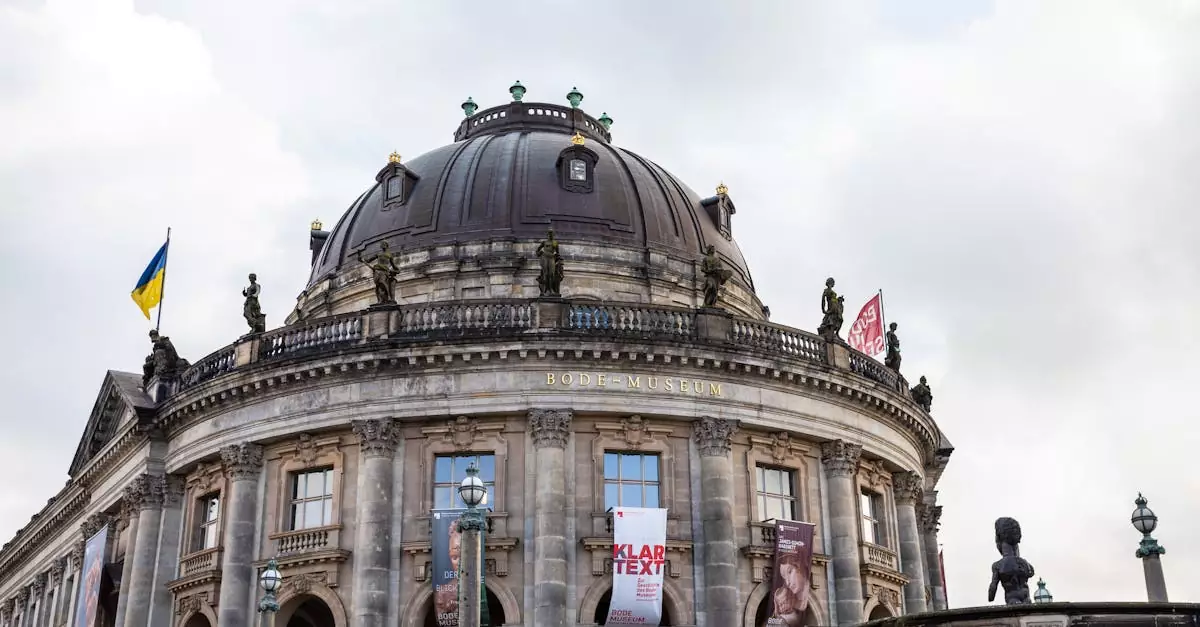
Dedicate your first day to Museum Island, a UNESCO World Heritage site home to five iconic institutions. Start with the Pergamon Museum (note: parts are currently closed for renovation, check ahead), followed by the Neues Museum (famous for the bust of Nefertiti) and the Alte Nationalgalerie for 19th-century art. The Altes Museum and Bode Museum offer classical antiquities and sculpture collections, respectively.
Day 2: History and Remembrance
Explore Berlin’s complex history. Visit the German Historical Museum for a comprehensive overview, then head to the Topography of Terror, an outdoor and indoor exhibition on the site of former Nazi headquarters. The Memorial to the Murdered Jews of Europe is a powerful and moving experience. Consider the DDR Museum for a look at life in East Germany.
Day 3: Art and Innovation
Dive into art and technology. The Gemäldegalerie houses an impressive collection of European paintings from the 13th to the 18th centuries. For modern and contemporary art, the Hamburger Bahnhof – Museum für Gegenwart is a must-see. The Deutsches Technikmuseum offers interactive exhibits on science and technology, appealing to all ages.
This structure allows for thematic coherence and minimizes travel time between sites. Remember to check opening hours, as many museums are closed on Mondays.
Budgeting for Museum Admissions and the Berlin Pass
Museum admission fees in Berlin can add up, especially if you plan to visit several institutions. Individual tickets typically range from €10 to €20. For avid museum-goers, the Berlin Pass or the Museum Pass Berlin can offer significant savings.
The Berlin Pass includes free entry to over 30 attractions, including many museums, and a public transport ticket. It’s a good option if you plan to visit many paid attractions beyond just museums.
The Museum Pass Berlin is valid for three consecutive days and grants access to over 30 museums, including all on Museum Island and many of the city’s major art and history collections. This pass is often more cost-effective if your primary focus is on museums.
Comparison of Passes:
| Feature | Berlin Pass | Museum Pass Berlin |
|---|---|---|
| Validity | 2, 3, 4, or 6 days | 3 consecutive days |
| Inclusions | Museums, attractions, public transport | Museums only |
| Cost | Higher (covers more than just museums) | Lower (museum-focused) |
| Best for | Comprehensive sightseeing, transport | Dedicated museum visits |
When budgeting, also factor in costs for food, souvenirs, and any special exhibitions that might require a separate ticket. Many museums offer free admission on the first Sunday of the month, but expect larger crowds on these days.
Frequently Asked Questions About Berlin’s Best Museums
Are there free museums in Berlin?
While many of Berlin’s most renowned institutions have admission fees, some smaller galleries and specific exhibitions offer free entry. Check the individual museum websites for current details, as these can change. For instance, the Topography of Terror documentation center is always free, providing a crucial historical perspective. Many museums also offer free admission on the first Sunday of the month, though this often means larger crowds.
Which Berlin museums are best for families?
Families visiting Berlin will find several engaging options. The German Museum of Technology offers interactive exhibits that capture children’s imaginations, from historic trains to early aviation. The Natural History Museum (Museum für Naturkunde) is another excellent choice, with its vast dinosaur skeletons and extensive zoological collections. For a more hands-on experience, the MACHmit! Museum für Kinder provides creative workshops and play areas designed specifically for younger visitors.
How many days are needed to see the main Berlin museums?
To truly appreciate the breadth of collections at the best Berlin museums, particularly those on Museum Island, allocate at least two to three full days. This allows for in-depth exploration of each institution without feeling rushed. If your time is limited, prioritize based on your interests. For example, a single day could cover the Pergamon Museum and the Neues Museum if ancient history is your focus, while another day might be dedicated to art at the Alte Nationalgalerie and the Bode Museum.
What are the opening hours for Museum Island attractions?
Museum Island’s institutions generally operate from Tuesday to Sunday, with typical opening hours around 10:00 AM to 6:00 PM. However, specific closing times can vary, and some museums may have extended hours on certain days. It is essential to check the official website for each museum, such as the Altes Museum, Neues Museum, Pergamon Museum, Alte Nationalgalerie, and Bode Museum, before your visit to confirm exact opening times and any potential closures. Monday is a common closing day for many of these cultural sites.