Planning a summer trip around Europe’s vibrant festival scene is an excellent way to experience diverse cultures and enjoy incredible live music. From sprawling fields to urban landscapes, the continent offers a wealth of options for every music lover. If you’re eager to discover the best music festivals Europe has to offer in 2026, this guide will help you navigate the diverse landscape.
You’ll learn about iconic gatherings like Glastonbury and Tomorrowland, indie havens such as Primavera Sound, and hidden gems like Melt! Festival. We’ll explore what makes each festival unique, including their musical focus, atmosphere, and essential planning tips. Prepare to immerse yourself in unforgettable performances and create lasting memories across the continent.
Top 10 Best Music Festivals in Europe for 2026
Planning a summer trip around Europe’s vibrant festival scene is an excellent way to experience diverse cultures and enjoy incredible live music. The continent offers a wide range of options for every music lover. Here are some of the best music festivals in Europe to consider for your 2026 itinerary.
Glastonbury Festival: The Iconic British Experience
Held in Pilton, Somerset, England, Glastonbury is more than just a music festival; it’s a cultural phenomenon. With its legendary Pyramid Stage and a diverse lineup spanning rock, pop, electronic, and world music, it attracts hundreds of thousands of attendees annually. Beyond the music, Glastonbury is renowned for its vibrant performing arts, theater, circus, and political activism, creating a unique, almost utopian atmosphere.
Key Considerations:
- Tickets: Demand is extremely high, and tickets often sell out within hours of release. Early registration is essential.
- Accommodation: Camping is the primary option, with various fields offering different vibes. Glamping and pre-erected tent options are also available at an additional cost.
- Getting There: Numerous coach and train services operate from major UK cities. Driving is possible, but parking can be extensive and challenging.
Primavera Sound Barcelona: Indie & Electronic Paradise
Primavera Sound, held in Barcelona, Spain, has established itself as a premier festival for indie, alternative, and electronic music enthusiasts. Its urban setting at the Parc del Fòrum offers stunning sea views and easy access. The festival typically spans several days, featuring an eclectic mix of established headliners and emerging artists across numerous stages.
Logistics & Vibe:
- Timing: Usually takes place in late May or early June, marking a strong start to the summer festival season.
- Transportation: Barcelona’s excellent public transport system makes getting to the venue straightforward via metro or bus.
- Budget: While ticket prices vary, Barcelona offers a wide range of accommodation options from hostels to hotels, along with plenty of affordable food choices.
Roskilde Festival: Denmark’s Legendary Gathering
Roskilde Festival in Denmark is one of Europe’s oldest and largest music events, renowned for its commitment to arts, culture, and humanitarian causes. It boasts a diverse musical program, featuring major international acts and Scandinavian talent across multiple genres. What sets Roskilde apart is its strong community feel, with much of the festival run by volunteers and profits donated to charity.
Traveler Insights:
- Duration: Typically runs for eight days, including a full week of camping and music.
- Atmosphere: Known for its friendly, communal camping culture and a strong emphasis on sustainability.
- Accessibility: Easily reachable by train from Copenhagen, with shuttle buses running directly to the festival site.
Sziget Festival Budapest: The Island of Freedom
Sziget Festival transforms Óbudai-sziget (Old Buda Island) in Budapest, Hungary, into a vibrant “Island of Freedom” for a week each August. This multi-genre festival offers an overwhelming array of music, from pop and rock to electronic and world music, alongside circus, theater, and art installations. Its unique island setting provides a distinct festival experience within a major European capital.
Planning Your Visit:
- Duration: Usually lasts about a week in early to mid-August.
- Accommodation: Options range from camping on the island to staying in nearby Budapest hotels and using the excellent public transport to reach the festival.
- Cost: Generally considered more affordable than many Western European festivals, especially regarding food and drink.
Tomorrowland Belgium: A World of Electronic Dance Music
Tomorrowland in Boom, Belgium, is arguably the world’s most famous electronic dance music festival. Its elaborate stage designs, immersive themes, and star-studded lineup of DJs create an unparalleled fantasy world. The festival attracts a global audience eager to experience its magical atmosphere and cutting-edge production.
Essential Information:
- Tickets: Tickets are in extremely high demand and sell out within minutes. Packages including accommodation (DreamVille) are popular.
- Travel: Special transport options are often available, including buses from major European cities and shuttle services from nearby train stations.
- Experience: Expect a visually spectacular event with a focus on the EDM experience. The festival often spans two weekends.
Beyond the Big Names: Discovering Underrated European Music Gems
While the titans of European festivals draw massive crowds, a wealth of smaller, more niche events offers unique experiences for discerning music lovers. These festivals often champion specific genres, boast intimate settings, and provide a deeper connection to local culture. If you’re looking to discover your next favorite band away from the overwhelming throngs, consider these exceptional, though less globally publicized, European music festivals for Summer 2026.
Melt! Festival Gräfenhainichen: Industrial Chic in Germany
Set within the striking landscape of Ferropolis, the “City of Iron,” Melt! Festival transforms an open-air museum of industrial giants into a vibrant stage. This former open-cast lignite mine provides a dramatic backdrop of massive excavators and cranes, creating an unforgettable atmosphere for electronic and indie music lovers. The festival consistently curates a forward-thinking lineup, blending established electronic acts with emerging indie talent.
Getting to Melt! involves flying into Berlin (BER) or Leipzig (LEJ) and then taking a train to Gräfenhainichen, followed by a shuttle bus. Accommodation options range from camping on-site to nearby guesthouses. The industrial setting is a major draw, offering a stark contrast to typical greenfield festival sites, exemplifying how innovative event organizers can leverage unique locations.
NOS Alive Lisbon: Coastal Vibes and Diverse Lineups
Lisbon’s NOS Alive festival features a compelling mix of international headliners and a strong contingent of Portuguese artists, all set against the backdrop of the Portuguese capital. Its proximity to the Atlantic coast means attendees can easily combine world-class music with beach trips. The festival’s diverse programming consistently attracts a broad audience, from rock enthusiasts to pop fans.
Travelers can fly directly into Lisbon Airport (LIS), which is well-connected to the city center and the festival site via public transport. The festival grounds are easily accessible, and attendees often choose to stay in Lisbon itself, enjoying the city’s vibrant nightlife and culinary scene after the music ends. This festival is an excellent choice for those who want a city break alongside their festival experience.
Dour Festival Belgium: A Cult Favorite for Alternative Sounds
For decades, Dour Festival has been a pilgrimage site for fans of alternative, electronic, and experimental music. Held in the small town of Dour in Wallonia, it’s known for its unpretentious atmosphere and commitment to showcasing a wide spectrum of underground and cutting-edge artists. The festival’s reputation for booking challenging and exciting lineups has cemented its status as a cult favorite.
Reaching Dour typically involves flying into Brussels (BRU) and then taking a train towards Mons or Saint-Ghislain, followed by a bus or taxi. Camping is the most common accommodation, fostering a strong sense of community among festival-goers. Dour is a testament to how a festival can thrive by staying true to its alternative roots and cultivating a dedicated following.
Dimensions Festival Croatia: House & Techno by the Adriatic
Dimensions Festival offers a unique blend of house, techno, and disco, set against the stunning natural beauty of the Adriatic coast. Held at Fort Punta Christo, a former military base near Pula, the festival also features boat parties that take the music out onto the crystal-clear waters. This combination of intimate electronic music sets and breathtaking scenery makes it a standout event.
Travelers usually fly into Pula Airport (PUY) or take a bus from larger Croatian cities like Zagreb or Split. Shuttle services connect the airport and city to the festival site. While camping is available, many opt for apartments or hotels in Pula and the surrounding coastal towns. For those seeking a sophisticated electronic music experience in a truly picturesque setting, Dimensions is a compelling choice among the best music festivals Europe has to offer.
Planning Your European Music Festival Adventure: Essential Tips
Attending one of Europe’s best music festivals in 2026 promises an unforgettable experience, blending incredible live performances with the continent’s rich cultural tapestry. To make the most of your trip, careful planning is key. From understanding the best timing to navigating ticket sales and local transit, these essential tips will help you craft a seamless festival adventure.
When is the Best Time to Attend European Music Festivals?
The European festival season primarily kicks off in late spring and runs through early autumn, typically from May to September. July and August are peak months, offering the widest selection of major festivals and generally the warmest weather across much of Europe. However, this also means higher crowds and prices.
For those seeking a balance between good weather and fewer attendees, consider the shoulder months. May and June can provide pleasant temperatures, blooming landscapes, and slightly more accessible ticket prices. September offers a charming autumnal backdrop, with some festivals still running strong, often at a more relaxed pace.
Here’s a general overview of seasonal considerations:
| Month | Weather Outlook | Crowd Levels | Ticket Availability | Festival Focus |
|---|---|---|---|---|
| May | Mild to warm, occasional rain | Moderate | Good | Early season electronic, indie, and folk |
| June | Warm and sunny, increasing heat | High | Moderate | Major rock, pop, and multi-genre festivals |
| July | Hot and sunny, potential heatwaves | Peak | Challenging | Largest headliners, stadium-sized events |
| August | Hot and sunny, variable thunderstorms | Peak | Challenging | Diverse genres, often with unique settings |
| September | Mild and pleasant, cooler evenings | Moderate | Good | Electronic, alternative, and end-of-season events |
Navigating Transportation: Flights, Trains, and Local Travel
Getting to and around Europe for music festivals involves a mix of international and local transit. Flights are often the quickest way to reach a new country or major city, with hubs like London, Paris, Berlin, and Amsterdam offering numerous options.
Once in Europe, trains provide an excellent and often scenic way to travel between cities and countries. The extensive rail networks in countries like Germany, France, and Spain make inter-city travel efficient. For festivals located in more rural areas, you might need to combine train travel with local buses or rental cars.
Consider these transportation strategies:
- Book Flights in Advance: For the best prices on international flights to European gateways, aim to book at least 3-6 months ahead.
- Utilize Rail Passes: If you plan to visit multiple festivals in different countries, a Eurail Pass can offer cost-effective and flexible train travel.
- Local Transport: Research public transport options from the nearest city to your festival site. Many festivals offer dedicated shuttle services from train stations or airports.
- Car Rentals: Renting a car provides the most flexibility, especially for remote festival locations, but factor in parking costs and potential traffic.
Securing Festival Tickets: Strategies for Sold-Out Events
European music festivals, particularly the highly anticipated ones, can sell out incredibly fast. Early planning and a strategic approach are crucial for securing your spot. Many popular festivals release tickets in tiers, with the earliest releases offering the lowest prices.
Sign up for festival newsletters and follow them on social media well in advance. This is often the first place announcements about ticket sales, lineup drops, and early bird offers are made. Some festivals have waiting lists or pre-registration systems that can give you an advantage.
If a festival you want to attend is sold out, don’t despair immediately. Keep an eye on official resale platforms or fan-to-fan ticket exchanges, but be wary of scams. Always buy from reputable sources. For major events, consider looking into VIP packages or travel agency bundles, which sometimes include tickets as part of a larger travel deal.
Where to Stay Near Europe’s Top Music Festivals
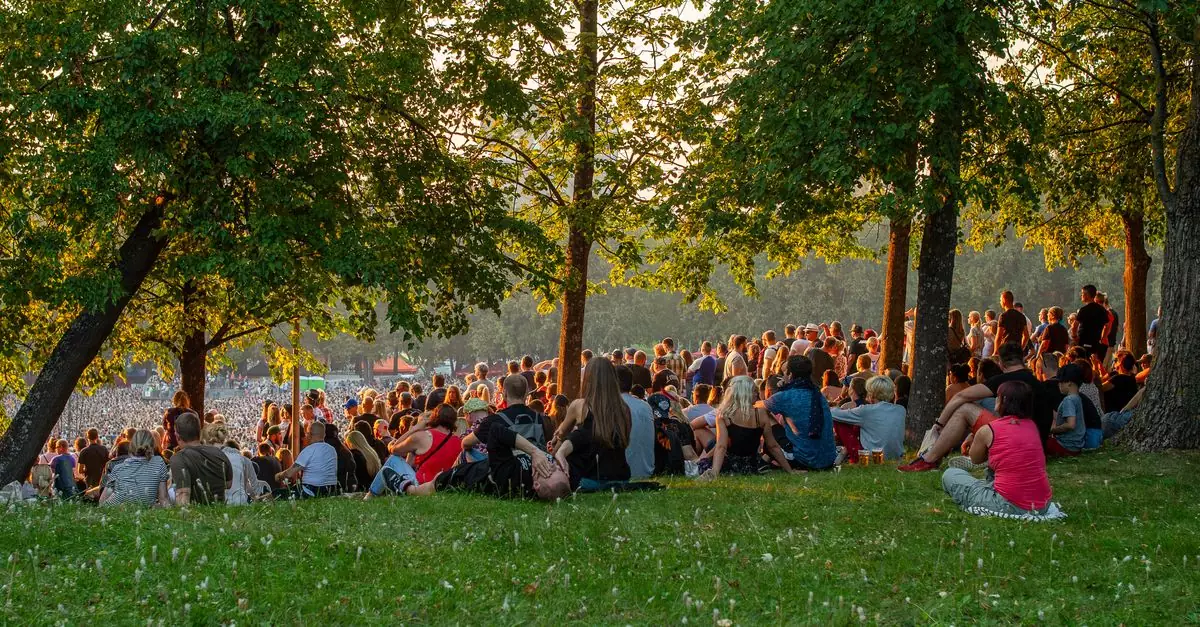
Choosing your accommodation is a crucial part of planning your festival experience. Whether you prioritize proximity, comfort, or budget, Europe offers a diverse range of options to suit every festival-goer.
Camping at the Festival Grounds: Pros and Cons
Many of the best music festivals in Europe, from Glastonbury in the UK to Roskilde in Denmark, offer on-site camping. This is often the most immersive way to experience a festival, placing you right in the heart of the action. You’ll be steps away from the stages, food stalls, and the general buzz of the festival community.
However, festival camping isn’t without its drawbacks. Expect basic facilities, potential muddy conditions, and limited privacy. Security can also be a concern, so keeping valuables safe is paramount. Packing essentials like a good quality tent, sleeping bag, and earplugs is crucial. Remember to check the specific camping rules for each festival, as some have designated quiet zones or family camping areas.
Boutique Hotels in Festival Cities: Glastonbury & Barcelona
For those seeking a more comfortable and private experience, staying in a boutique hotel near a major festival city is an excellent alternative. Cities like Glastonbury in Somerset, UK, or Barcelona, Spain (home to Primavera Sound), offer a wealth of charming hotels. These establishments provide a welcome respite from the festival chaos, with amenities like comfortable beds, private bathrooms, and excellent dining options.
While hotels offer significant comfort, they come at a higher price point and require daily travel to and from the festival site. Factor in transportation time and costs when considering this option. Booking well in advance is essential, as hotels in popular festival cities fill up months before the event.
| Festival City | Accommodation Type | Average Nightly Cost (2026 Est.) | Travel to Festival |
|---|---|---|---|
| Glastonbury, UK | Boutique Hotel | £150 – £300+ | Bus/Taxi/Car |
| Barcelona, Spain | Boutique Hotel | €180 – €350+ | Metro/Taxi |
| Paris, France | Boutique Hotel | €200 – €400+ | Metro/RER |
| Berlin, Germany | Boutique Hotel | €160 – €320+ | U-Bahn/S-Bahn |
Budget-Friendly Hostels and Airbnbs Near Sziget & Roskilde
Travelers on a tighter budget will find that hostels and Airbnbs offer cost-effective solutions, particularly for festivals like Sziget in Budapest, Hungary, or Roskilde in Denmark. Hostels provide dormitory-style or private rooms and are great for solo travelers looking to meet new people. They often feature communal kitchens, which can help save money on food.
Airbnbs can range from shared rooms to entire apartments, offering more flexibility and a home-like atmosphere. For Sziget, staying on the mainland in Budapest and commuting via public transport is common and generally affordable. Similarly, for Roskilde, seeking accommodation in nearby towns or even Copenhagen, with its excellent train links, can be a good strategy. Always check the proximity to public transport hubs when booking, as this will significantly impact your daily commute to the festival.
What to Eat and Drink at European Music Festivals
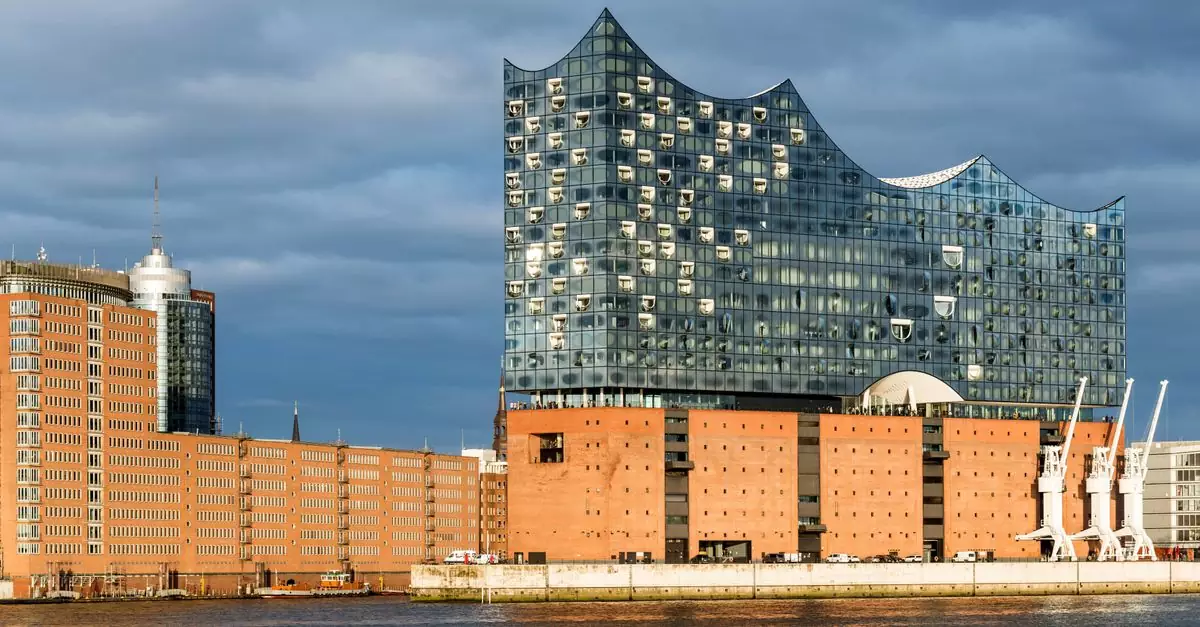
European music festivals offer a culinary journey alongside their diverse soundscapes. From regional specialties to innovative food concepts, the festival food scene has evolved far beyond standard burgers and fries. Planning your festival experience in Europe means anticipating not just the music, but also the flavors that define each event.
Must-Try Local Delicacies at Primavera Sound
Primavera Sound, held annually in Barcelona, is a prime example of a festival that champions local gastronomy. Beyond the international offerings, attendees can savor authentic Catalan cuisine. Look for pa amb tomàquet (bread rubbed with tomato and olive oil), a simple yet delicious staple. Seafood lovers should seek out fresh grilled sardines or calamares a la romana (fried squid). For a sweet treat, crema catalana, a custard dessert similar to crème brûlée, is often available. These local tastes provide a genuine connection to the region, enhancing the overall festival experience.
Budget-Friendly Food Stalls vs. Gourmet Festival Dining
The spectrum of food options at European festivals caters to every budget and palate. Many festivals feature rows of food trucks and stalls offering quick, affordable meals. These are often the go-to for a satisfying bite between sets, with prices typically ranging from €7 to €12 for a main dish. Expect hearty portions of pasta, gourmet grilled cheese sandwiches, or flavorful ethnic street food like tacos or curries.
On the other end, a growing trend is the inclusion of more upscale dining experiences. Some festivals partner with renowned chefs or local restaurants to offer pop-up eateries. These can provide multi-course meals or artisanal products, though they come with a higher price tag, often starting at €20-€30 per person. While these gourmet options offer a unique indulgence, the classic, budget-friendly stalls remain the backbone of festival sustenance for most attendees.
Sustainable Food Options and Craft Beer Experiences
Increasingly, European music festivals are prioritizing sustainability in their food and beverage offerings. Many festivals now mandate compostable or reusable serveware and encourage vendors to source local, seasonal ingredients. This commitment extends to reducing food waste through partnerships with food redistribution charities.
The craft beer scene is also booming at these events. Beyond mainstream lagers, you’ll find curated selections of craft brews from local and regional breweries. Expect to sample IPAs, stouts, and sours, often served from independent stalls or dedicated craft beer tents. This focus on quality and local production not only supports smaller businesses but also offers festival-goers a more refined drinking experience. For instance, festivals in Germany often feature excellent regional beers, while those in Belgium might showcase a wider array of Trappist ales and lambics.
Frequently Asked Questions About Attending European Music Festivals
What are the best music festivals in Europe for families?
When choosing a European music festival with children, look for those with dedicated family zones, earlier performance times, and on-site amenities like playgrounds and quiet areas. Festivals like Glastonbury in the UK, while vast, have historically offered family-friendly camping areas and activities. Similarly, the Primavera Sound festival in Barcelona often has a more relaxed atmosphere in its earlier hours, making it manageable for some families, though it’s best to check their specific family policies for the upcoming year.
How much does a typical European music festival cost?
The cost of attending a European music festival varies significantly based on the event’s size, location, and duration. Generally, expect to spend between €150 to €500 for a weekend ticket, covering entry only. This excludes travel, accommodation, food, and drink. Larger, more established festivals like Rock am Ring in Germany or the aforementioned Glastonbury can lean towards the higher end, especially when factoring in camping gear and on-site expenses. Smaller, regional festivals might offer more budget-friendly options.
Here’s a general breakdown of potential costs:
| Expense Category | Estimated Cost Range (per person) | Notes |
|---|---|---|
| Weekend Festival Ticket | €150 – €500 | Varies by festival prestige and lineup |
| Camping Pass (if needed) | €30 – €100 | Often included or an optional add-on |
| Transportation to Venue | €50 – €300+ | Depends on distance and mode of travel |
| On-site Food & Drink | €50 – €150 | Festival food prices can be inflated |
| Miscellaneous (merch, etc.) | €30 – €100 | Optional purchases |
What should I pack for a multi-day music festival in Europe?
Packing for a multi-day music festival requires careful planning to ensure comfort and preparedness. Essential items include a sturdy tent, sleeping bag, and sleeping mat for camping. Comfortable, broken-in footwear is crucial, as you’ll be doing a lot of walking and standing. Pack layers of clothing, including waterproofs, as European summer weather can be unpredictable. Don’t forget sun protection (sunscreen, hat, sunglasses), a portable phone charger, a reusable water bottle, and basic toiletries. A small backpack is useful for carrying essentials around the festival site. For managing logistics, consider bringing a small first-aid kit and any necessary personal medications.