
Spain is a country where food transcends mere sustenance; it embodies culture and lifestyle. From the bustling pintxos bars of San Sebastián to the vibrant markets of Barcelona and the traditional stew houses of Madrid, each region boasts a unique culinary identity waiting to be discovered. If you’re planning a trip centered around delicious experiences, understanding the best food cities in Spain is essential.
This guide will take you on a gastronomic tour across the Iberian Peninsula, spotlighting destinations renowned for their innovative chefs, fresh local ingredients, and rich culinary traditions. You’ll learn about must-try regional specialties, the best neighborhoods for authentic dining, and how to navigate everything from casual tapas crawls to sophisticated tasting menus. Prepare to whet your appetite as we explore the flavors that make Spain a world-renowned food destination.
San Sebastián: A Pintxos Paradise and Michelin Star Haven

San Sebastián, nestled on Spain’s northern coast in the Basque Country, exemplifies gastronomic excellence. Here, food is not just a necessity; it reflects a way of life, highlighted by a high concentration of Michelin stars and a vibrant pintxos culture. For travelers seeking a memorable culinary journey, San Sebastián offers a sophisticated yet approachable experience that marries traditional flavors with modern techniques.
Exploring the Gros Neighborhood’s Pintxos Bars
The Gros neighborhood, located across the Urumea River from the Old Town, serves as an excellent starting point for experiencing San Sebastián’s pintxos scene. This area has a more local vibe, with bars favored by residents. Stroll down Calle Peñascal and its side streets to discover a diverse array of establishments, each specializing in its unique small bites. Be sure to try txangurro (spider crab) tartlets or gilda (an olive, anchovy, and pepper skewer)—classic pintxos that showcase the region’s fresh seafood and bold flavors. Many bars here are lively, encouraging a bar-hopping approach known as txikiteo, where you sample one or two items and a drink at each spot.
Indulging in Michelin-Starred Dining Experiences in the Old Town
While pintxos provide a delightful casual experience, San Sebastián is also home to some of the world’s most acclaimed fine dining restaurants. The Old Town (Parte Vieja) is densely packed with culinary treasures. Three-Michelin-starred establishments like Arzak and Mugaritz push the boundaries of avant-garde cuisine, offering tasting menus that are as much art as they are food. For a slightly less avant-garde yet equally exceptional experience, consider Akelarre, also boasting three stars, which provides stunning views alongside innovative dishes. Booking well in advance is crucial, particularly for these top-tier restaurants, and be prepared for a significant investment in your dining experience. Even within the Old Town, you’ll find restaurants that offer refined interpretations of Basque classics, often with tasting menus that guide you through local ingredients.
Tasting Basque Cider and Local Cheeses
No culinary exploration of San Sebastián is complete without sampling the region’s distinctive beverages and dairy products. Basque cider, or sidra, is traditionally poured from a height to aerate it—a ritual you can experience at cider houses (sidrerías), many of which are located a short drive from the city center. The cider is dry, tart, and refreshing, making it a perfect complement to rich pintxos. Pair it with local cheeses like Idiazabal, a firm, smoked sheep’s milk cheese. Many pintxos bars feature a cheese selection, commonly enjoyed with cider and wine. Visiting a local market, such as Mercado de la Bretxa, also provides an opportunity to taste these regional specialties and gain insight into the Basque Country’s agricultural heritage.
Barcelona: Catalan Flavors and Market Marvels
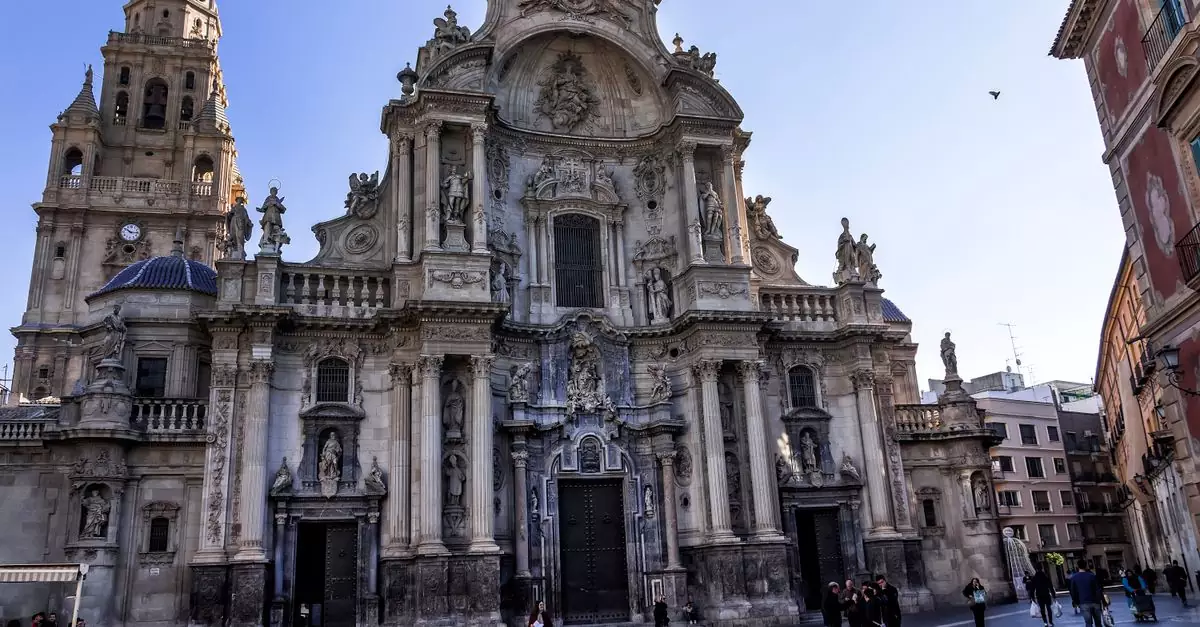
Barcelona is a vibrant culinary hub that blends traditional Catalan flavors with a modern, cosmopolitan flair. This coastal city offers a gastronomic journey appealing to every traveler, from market explorers to fine-dining enthusiasts. Its proximity to the Mediterranean Sea emphasizes fresh seafood, a staple in many signature dishes.
Navigating La Boqueria for Fresh Produce and Tapas
Mercat de Sant Josep de la Boqueria, commonly known as La Boqueria, is more than just a market; it’s a sensory delight and a must-visit for any food lover in Barcelona. Located just off Las Ramblas, this bustling marketplace dazzles with colors, aromas, and sounds. Stalls overflow with fresh fruit, glistening seafood, artisanal cheeses, and cured meats.
To fully enjoy the market, arrive early to avoid the crowds. You can find fresh juices for a refreshing start or sample small tapas directly from vendors. Look for stalls offering pinchos or small plates that highlight local ingredients. Although it can be touristy, La Boqueria remains an essential stop for understanding the ingredients that underpin Catalan cuisine.
Discovering Hidden Eateries in the El Born District
Beyond the well-trodden paths of La Boqueria, the historic El Born district holds a treasure trove of intimate restaurants and tapas bars. This charming neighborhood, with its narrow medieval streets, offers a more authentic and often intimate dining experience. Many establishments here are family-run, preserving traditional recipes passed down through generations.
As you wander the labyrinthine alleys, you’ll discover cozy spots serving regional specialties. Seek out dishes like escalivada (roasted vegetables) or botifarra (Catalan sausage). The ambiance in El Born tends to be more relaxed, allowing for a leisurely meal. While some smaller eateries may lack extensive English menus, a friendly smile and a few Spanish phrases can lead to delightful culinary discoveries. Consider visiting during weekday lunchtimes for better value.
Savoring Paella and Fideuà by the Mediterranean
No culinary tour of Barcelona is complete without indulging in its rice and noodle dishes, particularly paella and fideuà. While paella originated in Valencia, Barcelona has embraced and adapted it, often featuring seafood from its own coast. For a truly memorable experience, seek out restaurants with views of the Mediterranean Sea, where the ocean breeze enhances the dish’s flavors.
Fideuà, a close cousin to paella, is made with short, hollow noodles instead of rice, offering a unique texture. Typically cooked in a rich fish broth and served with aioli, it provides a different culinary experience. When ordering, remember that traditional paellas and fideuà are often made to order and require a minimum of two people. Some restaurants may offer simpler versions for solo diners or smaller groups, but it’s worth inquiring. For the freshest seafood, choose establishments that prominently feature their daily catches.
Madrid: Tapas Culture and Central Spanish Cuisine

Madrid is a vibrant hub for Spanish gastronomy, celebrated for its lively tapas scene and hearty traditional dishes. The capital city offers a culinary journey that reflects its central location, drawing influences from across the country while maintaining a distinct Madrileño identity. For travelers seeking an authentic taste of Spain, Madrid’s food culture is an unmissable experience.
The Essential Tapas Crawl Through La Latina
Embarking on a tapas crawl in the La Latina neighborhood is a quintessential Madrid experience. This historic district comes alive in the evenings, with narrow streets filled with locals and visitors hopping from one bar to another. Each establishment showcases its own specialties, from classic patatas bravas with spicy sauce to gambas al ajillo (garlic shrimp) and tortilla española.
A typical tapas crawl involves ordering a small plate, or tapa, along with a drink—usually a small beer (caña) or a glass of wine. The atmosphere is informal and social, promoting conversation and a relaxed pace. Don’t hesitate to try different places; the diversity of flavors adds to the experience. Many bars are located along Calle Cava Baja and its surrounding streets, making it easy to navigate on foot.
Exploring Mercado de San Miguel’s Gourmet Offerings
For a more curated and upscale tapas experience, the Mercado de San Miguel is a must-visit. This beautifully restored 19th-century market hall, near Plaza Mayor, is a feast for the senses. Inside, you’ll find an array of stalls offering high-quality Spanish products, from fresh seafood and Iberian ham to artisanal cheeses and pastries.
Unlike traditional markets, Mercado de San Miguel functions as a gourmet food court. You can purchase individual tapas, small plates, and drinks from various vendors and enjoy them at communal tables or standing at the bar. It’s an excellent spot to sample a wide variety of Spanish delicacies in one location, though prices can be higher than in local tapas bars. It’s particularly appealing for those wanting to try diverse regional specialties without extensive travel.
Sampling Cocido Madrileño and Other Traditional Dishes
Beyond tapas, Madrid is renowned for its robust traditional dishes, with cocido madrileño being the most iconic. This hearty chickpea-based stew is a complete meal, traditionally served in three courses: first, the broth with noodles (sopa), followed by chickpeas and vegetables (garbanzos y verduras), and finally, the meats (carnes), which often include various cuts of pork, chicken, and beef.
Cocido Madrileño is typically a lunch dish and is most commonly found during the colder months. Many restaurants offer it on specific days of the week, often requiring advance booking. To truly savor this dish, seek out established restaurants in areas like Lavapiés or Chamberí. Other traditional dishes worth trying include callos a la madrileña (tripe stew) and huevos estrellados (fried eggs with potatoes). These dishes provide a comforting and authentic taste of Madrid’s culinary heritage.
Valencia: The Birthplace of Paella and Horchata Delights

Valencia is a culinary beacon, renowned globally as the birthplace of paella and a haven for those seeking authentic Spanish flavors. Beyond its iconic rice dishes, the city boasts a vibrant food scene deeply connected to its agricultural roots and coastal bounty. Travelers drawn to the best food cities in Spain will find Valencia a compelling destination, merging historical significance with contemporary gastronomic innovation. Its proximity to fertile rice paddies and the Mediterranean Sea ensures that fresh, local ingredients are central to its cuisine.
Authentic Paella Valenciana Experiences in El Palmar
To truly understand paella, a visit to El Palmar is essential. This small village, located within the Albufera Natural Park just south of Valencia, is where the original Paella Valenciana recipe originated. Here, you can witness traditional cooking methods firsthand, often over open wood fires, using local ingredients like rabbit, chicken, beans, and saffron. Restaurants in El Palmar, such as Restaurante Bon Aire, offer an immersive experience, often served in rustic settings with views of the rice fields.
Timing your visit for lunch is recommended, as paella is traditionally a midday meal in Spain. Many establishments offer various paella types, but ordering the “Paella Valenciana” guarantees you’re tasting the authentic version. Booking in advance is advisable, especially on weekends, as El Palmar is a popular culinary pilgrimage site for locals and visitors alike. Transportation options include local buses or a scenic taxi ride from Valencia.
Discovering Fresh Seafood Markets Near the Port
The port area of Valencia, particularly around the Mercado Central and extending towards Malvarrosa beach, is a treasure trove for seafood lovers. While the Mercado Central is a general market, its seafood section is exceptional, showcasing the day’s catch from the Mediterranean. Here, you can find everything from glistening sardines and plump mussels to more exotic catches, often displayed with artistic flair by the vendors.
For a direct taste, numerous restaurants near the port specialize in fresh seafood. Look for establishments that highlight “arroces a banda” (rice cooked in fish stock) or grilled fish. Many of these eateries source their ingredients directly from the nearby fish market, ensuring peak freshness. Enjoying a meal with a view of the sea enhances the experience. Consider visiting during the week for a less crowded, more local atmosphere.
Cooling Down with Sweet Horchata and Fartons
No culinary journey through Valencia is complete without indulging in horchata, a refreshing drink made from tiger nuts. This traditional beverage is a staple, particularly during the warmer months. Valencia is dotted with numerous horchaterías, dedicated cafes serving horchata and its classic accompaniment: the farton.
Fartons are light, airy pastries, perfect for dipping into the sweet, milky horchata. For an authentic experience, visit a historic horchatería like Horchatería Santa Catalina in the city center. These establishments have been serving the drink for generations, offering a glimpse into local life. Horchata is also a popular breakfast or mid-afternoon treat, providing a sweet and cooling respite from sightseeing. It’s a unique taste that embodies the spirit of the region.
Seville: Andalusian Flavors and Flamenco Dining
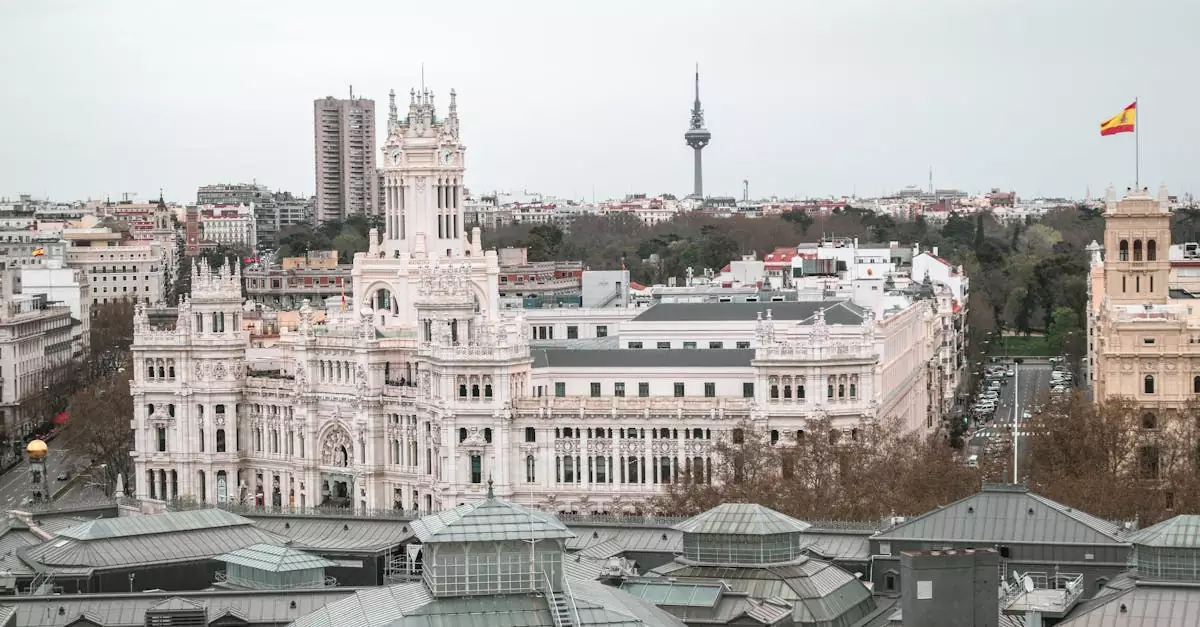
Seville is a city where culinary traditions are as vibrant as its flamenco performances. This Andalusian capital offers a rich tapestry of flavors, from hearty stews to refreshing cold soups and the ubiquitous tapas culture. For travelers seeking an authentic Spanish food experience, Seville stands out as one of the best food cities in Spain, especially for those who appreciate lively dining scenes and regional specialties. The ideal time to visit for food lovers is spring or autumn, when the weather is pleasant for strolling between tapas bars and local produce is at its peak.
Tapas Hopping in the Triana Neighborhood
Triana, a historic neighborhood across the Guadalquivir River, is a prime destination for tapas enthusiasts. Its narrow streets are lined with traditional bodegas and modern tapas bars, each offering its take on classic dishes. This area provides a more local feel than some tourist-heavy parts of the city, making it a great place to experience genuine Sevillian life. Start your evening with a cruzcampo (local beer) and a small plate of espinacas con garbanzos (spinach with chickpeas) or solomillo al whisky (pork tenderloin in whisky sauce). As you move from bar to bar, you’ll encounter a diverse range of flavors and atmospheres, from bustling spots to intimate family-run establishments.
When navigating Triana, be prepared for a lively, sometimes crowded, experience. Many bars are small, and standing room is common. Don’t hesitate to squeeze in and order. A typical tapas crawl might involve visiting three to five different spots over a few hours, sampling a few dishes at each. This approach allows you to taste a wide variety of Sevillian cuisine and soak in the neighborhood’s energetic ambiance. Transportation within Triana is best done on foot; the neighborhood is compact and best appreciated by wandering its charming streets.
Experiencing Salmorejo and Gazpacho in the Summer Heat
During Seville’s hot summer months, local cuisine offers refreshing options. Salmorejo and gazpacho are two iconic cold soups that are essential to try. Salmorejo, a thicker, creamier version originating from Cordoba but popular in Seville, is made with tomatoes, bread, garlic, olive oil, and vinegar, often topped with chopped hard-boiled egg and jamón serrano. Gazpacho, a lighter, more liquid soup, is also tomato-based but typically includes cucumber, bell pepper, onion, and garlic. These soups are not just meals; they are vital for enjoying Seville when temperatures soar.
Finding authentic versions of these soups is easy, as most restaurants and tapas bars feature them on their menus during warmer periods. Look for establishments that emphasize fresh, local ingredients. The quality of the tomatoes and olive oil is key to a good salmorejo or gazpacho. Many travelers find that enjoying a bowl of chilled soup on a shaded terrace is one of the most delightful ways to experience Sevillian culinary culture in summer. While the heat can be intense, these cold soups provide a delicious and cooling respite.
Finding Traditional Andalusian Restaurants in Santa Cruz
The Santa Cruz neighborhood, Seville’s historic Jewish quarter, is a maze of whitewashed alleys, flower-filled courtyards, and charming plazas. While it attracts many tourists, it also harbors some of the city’s most traditional Andalusian restaurants. These establishments often feature classic dishes like rabo de toro (oxtail stew), pescaíto frito (fried fish), and various rice dishes. Dining in Santa Cruz offers a romantic setting, with many restaurants providing outdoor seating in picturesque courtyards, allowing you to savor your meal amidst the beauty of Seville’s old town.
When choosing a restaurant in Santa Cruz, look beyond the most prominent spots on the main squares. Venture into the smaller side streets for more authentic experiences. Many traditional restaurants pride themselves on time-honored recipes passed down through generations. Don’t hesitate to ask for recommendations from your server; they can often guide you to the house specialties. The atmosphere in these traditional eateries can range from bustling and convivial to quiet and intimate, depending on the venue. For a truly immersive culinary journey, consider pairing your meal with a local sherry or a glass of Andalusian wine. These restaurants are a cornerstone of why Seville is considered one of the best food cities in Spain.
Frequently Asked Questions About Spain’s Best Food Cities
What is the best time of year to visit Spain for food tourism?
The ideal time to visit Spain for a culinary adventure depends on your preferences, but spring (April to June) and autumn (September to October) offer the most pleasant weather across the country. These shoulder seasons provide comfortable temperatures for dining al fresco and exploring markets without the intense summer heat or winter chill. Spring brings fresh produce and the start of seasonal specialties, while autumn showcases harvest flavors like mushrooms and game.
Consider these seasonal highlights:
| Season | Key Culinary Attractions | Weather Considerations |
|---|---|---|
| Spring | Asparagus, artichokes, strawberries, early seafood | Mild to warm, occasional rain |
| Summer | Cherries, melons, gazpacho, light seafood, tapas season | Hot, especially inland; ideal for coastal regions |
| Autumn | Mushrooms, game meats, nuts, grapes, olive oil harvest | Mild to cool, can be rainy in the north |
| Winter | Citrus fruits, hearty stews, cured meats, seafood festivals | Cool to cold, snow in mountainous areas, sunny in south |
Summer can be very hot, particularly in cities like Madrid and Seville, making daytime dining less comfortable. However, it’s prime time for coastal resorts and enjoying long, late-night meals. Winter offers a more intimate experience with fewer crowds, and regions like Andalusia enjoy mild temperatures.
How can I budget for dining in Spain’s top food cities?
Budgeting for dining in Spain’s best food cities is manageable with smart planning. The cost varies significantly between Michelin-starred restaurants and local tapas bars. A good strategy is to mix high-end experiences with more casual, authentic meals.
- Tapas and Pintxos: These are your budget-friendly staples. A few small plates can make a satisfying meal, often costing between €2-€5 per item. Many bars offer a tapa with a drink.
- Menu del Día: Look for the “Menu del Día” (menu of the day) offered at lunchtime on weekdays. This typically includes a starter, main course, dessert or coffee, and a drink for €10-€20, representing excellent value.
- Markets: Visiting local food markets like La Boqueria in Barcelona or Mercado de San Miguel in Madrid offers a chance to sample local produce, cheeses, and cured meats at reasonable prices.
- Fine Dining: For high-end restaurants, expect to pay €50-€150+ per person, depending on the establishment and wine pairings. Booking in advance is often necessary.
Consider staying in accommodations with kitchenettes or accessing local supermarkets for breakfast and some lunches to further control costs.
What are some common tourist mistakes to avoid when trying Spanish food?
Navigating the nuances of Spanish dining can enhance your experience. Avoiding a few common pitfalls will help you enjoy the local cuisine more authentically.
- Ordering Tapas as a Full Meal Too Early: While tapas are delicious, many traditional bars serve them only after a certain hour, or they are small accompaniments to drinks rather than full-sized dishes. Understand the local customs regarding meal times and how tapas are served.
- Eating Dinner Too Early: Spaniards typically eat dinner much later than many other cultures, often starting around 9 PM or even 10 PM. Many restaurants won’t open their kitchens for dinner service until 8 PM. Attempting to dine at 6 PM might mean limited options or a less lively atmosphere.
- Confusing Tapas and Pintxos: While similar, pintxos (popular in the Basque Country) are often more elaborate, served on a small slice of bread, and typically cost more than traditional tapas. Recognizing the regional differences adds to the culinary journey.
- Sticking to Tourist Menus: Venture away from restaurants with extensive, multi-language menus prominently displayed outside. Seek out places bustling with locals, even if they have limited English menus, as this is often where the most authentic and best-value food can be found. This is especially true when exploring the best food cities Spain has to offer.
- Not Trying Local Specialties: Spain’s culinary landscape is incredibly diverse. Don’t limit yourself to paella or sangria (which is more of a tourist drink than a local staple). Ask for recommendations and be adventurous with regional dishes.