Dreaming of Europe but feeling overwhelmed by bustling metropolises and complex transit systems? You’re not alone. Many travelers want to experience the continent’s charm without the stress. Thankfully, there are numerous destinations that cater to this desire. This guide highlights the best easy European cities to explore for a truly relaxed getaway. We’ll explore what makes a city “easy to explore,” focusing on walkable centers, efficient public transport, and a welcoming atmosphere. You’ll discover charming cities ideal for a slower pace, learn essential tips for smooth travel, and receive insider recommendations on delightful neighborhoods and local flavors. Prepare to plan a European adventure that emphasizes enjoyment over exhaustion.
Why Choose Easy-to-Explore European Cities?
For many, the allure of Europe lies in its rich history, diverse cultures, and stunning landscapes. However, navigating unfamiliar public transport, deciphering complex maps, or juggling multiple bookings can feel daunting. This is where “easy-to-explore” European cities shine. These destinations provide a less stressful and more accessible way to experience the continent’s magic, allowing you to focus on enjoyment rather than logistics.
Defining ‘Easy to Explore’ for Travelers
When we refer to easy-to-explore cities, we mean urban centers that prioritize visitor convenience and accessibility. This often includes a compact, walkable core, an efficient public transportation system, and readily available tourist information in multiple languages. Attractions are typically clustered together, minimizing travel time between sights. Safety is another crucial factor; cities with low crime rates and a welcoming atmosphere significantly enhance the experience. Ultimately, an easy-to-explore city allows you to feel comfortable and in control, even on your first visit.
Benefits of Visiting Accessible European Destinations
Choosing accessible European destinations can greatly enhance your travel experience. Reduced stress levels are a key advantage, enabling you to savor your surroundings rather than worry about getting lost or missing connections. This ease of navigation often leads to more efficient use of your time, allowing you to see more without feeling rushed. Furthermore, these cities often provide budget-friendly transportation and a wider range of accommodation options. For travelers with mobility concerns or those traveling with young children, the accessibility features of these cities are invaluable, ensuring everyone can fully participate in the adventure.
Matching Cities to Traveler Pace and Preferences
The “best easy European cities to explore” cater to various paces and preferences. Some travelers prefer a lively atmosphere with frequent public transport and abundant attractions, while others seek tranquility in smaller cities with charming pedestrian zones and a slower rhythm.
Consider what matters most to you:
- Pace: Do you want to fill your days with activities or prefer a more leisurely approach?
- Interests: Are you drawn to historical sites, vibrant arts scenes, culinary experiences, or natural beauty?
- Budget: Some cities offer more affordable options for accommodation, dining, and activities.
- Mobility: Are you looking for a city with excellent public transport and minimal hills, or are you comfortable with more walking?
By understanding your personal travel style, you can pinpoint the European cities that will provide the most rewarding and relaxed getaway. For example, if you enjoy a city with a strong culinary scene and manageable size, consider Bologna, Italy, known for its food and walkable historic center. Alternatively, if a blend of history and scenic beauty is your priority, cities like Bruges, Belgium, with its picturesque canals and medieval architecture, offer a fairytale-like experience that is easy to navigate.
Top Picks for the Best Easy European Cities to Explore
Finding the best easy European cities to explore for a relaxed getaway means balancing accessibility with captivating experiences. These destinations offer a wealth of history, culture, and beauty without overwhelming crowds or complicated logistics. They are ideal for travelers seeking a more leisurely pace, with well-trodden paths and excellent public transport.
Lisbon, Portugal: Coastal Charm and Tram Rides
Lisbon captivates with its seven hills, providing panoramic views at every turn. The city’s historic trams, particularly Tram 28, offer an iconic way to navigate the steep, winding streets of neighborhoods like Alfama and Graça. Experience the melancholic Fado music in intimate taverns, savor delicious pastéis de nata from local bakeries, and enjoy fresh seafood along the waterfront.
Getting around Lisbon is easy thanks to its efficient metro system and charming trams. For those who enjoy walking, the distinct neighborhoods provide unique atmospheres, though be prepared for inclines. The city is generally safe and budget-friendly, especially outside peak summer months. Consider visiting in spring or autumn for pleasant weather and fewer tourists.
Prague, Czech Republic: Fairytale Architecture and Walkable Old Town
Prague feels like stepping into a storybook, with its Gothic spires, Baroque palaces, and the majestic Charles Bridge spanning the Vltava River. The Old Town Square, home to the Astronomical Clock, serves as a focal point, but the real joy lies in wandering the cobblestone lanes. The Prague Castle complex offers breathtaking views and a deep dive into the country’s history.
This city is exceptionally walkable, especially in its historic core. The metro and tram network are efficient and affordable, making it easy to reach attractions further afield. Prague is known for its excellent value, with hearty meals and world-class beer at reasonable prices. It’s a fantastic choice for culture and history enthusiasts.
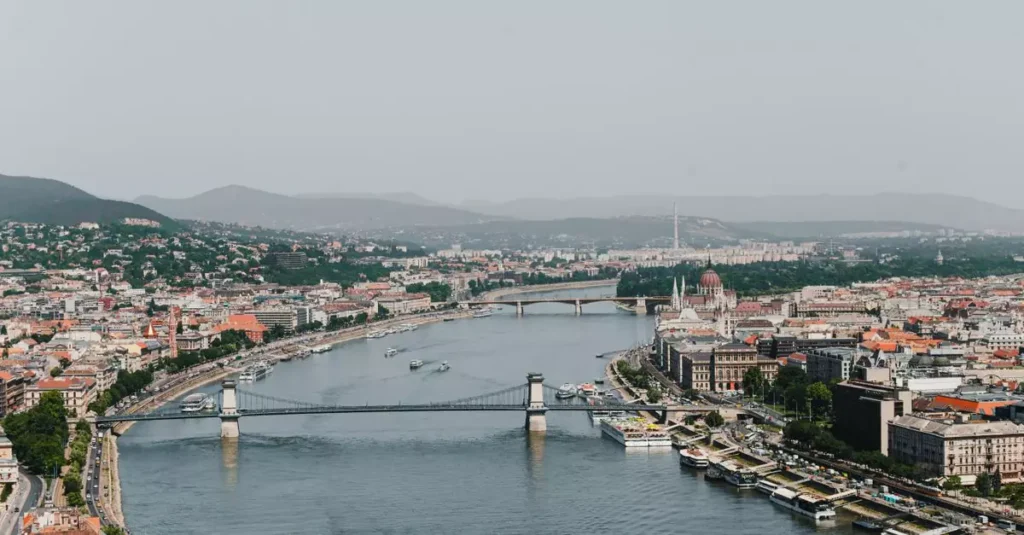
Budapest, Hungary: Thermal Baths and Danube Views
Budapest, often called the “Pearl of the Danube,” is famous for its grand architecture and rejuvenating thermal baths. Spending a day soaking in the Széchenyi or Gellért Baths is quintessential. The Parliament Building is a stunning landmark, and crossing the Chain Bridge offers iconic city vistas.
The city is well-connected by public transport, including trams and a metro system. Exploring Buda Castle and Fisherman’s Bastion provides incredible views over the Pest side. Budapest balances affordability and high-quality experiences, from its ruin bars to its culinary scene. It’s a city that invites leisurely exploration.
Krakow, Poland: Historic Squares and Rich Culture
Krakow boasts one of Europe’s largest medieval market squares, Rynek Główny, a vibrant hub surrounded by historic buildings, churches, and the impressive Cloth Hall. The Wawel Royal Castle, perched on a hill overlooking the Vistula River, is a must-visit. Kazimierz, the historic Jewish Quarter, offers a distinct atmosphere with its synagogues, charming cafes, and poignant history.
Krakow’s city center is compact and easily explored on foot. The public transport system is reliable for reaching areas outside the immediate historical core. It remains one of the most budget-friendly major cities in Europe, offering excellent value for accommodation, food, and attractions. Its rich history and resilient spirit make it a compelling destination.
| City | Best Time to Visit | Average Daily Budget (USD) | Walkability | Public Transport |
|---|---|---|---|---|
| Lisbon, Portugal | Spring, Autumn | $80 – $130 | High | Excellent |
| Prague, Czech Rep | Spring, Autumn | $70 – $110 | Very High | Excellent |
| Budapest, Hungary | Spring, Autumn | $75 – $120 | High | Excellent |
| Krakow, Poland | Spring, Autumn | $60 – $100 | Very High | Good |
Navigating Your Chosen European City: Transportation Tips
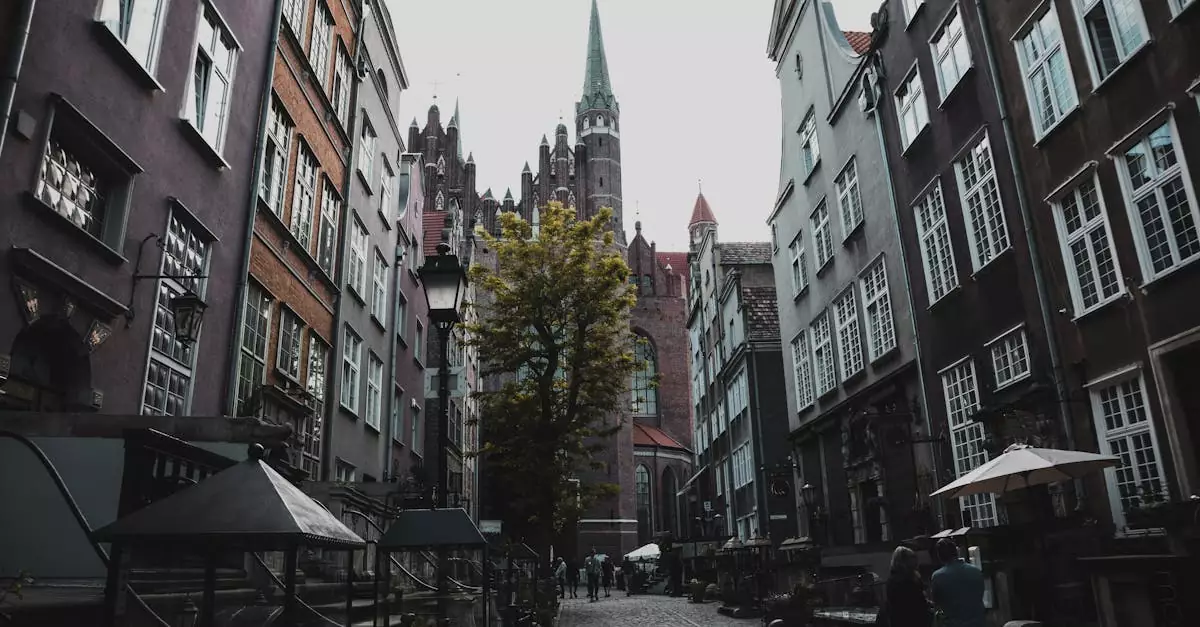
When exploring the best easy European cities, consider how you’ll get around. Efficient transportation is crucial for a relaxed getaway. Many of these cities prioritize pedestrian access and robust public transit, making them simple to navigate without a car.
Efficient Public Transport Systems in Accessible Cities
Cities known for their ease of exploration often have comprehensive and user-friendly public transport networks. Think of the trams in Lisbon or the metro in Copenhagen; these systems are designed for both locals and visitors. Purchasing multi-day passes is typically cost-effective, allowing unlimited travel across buses, trams, and subways, simplifying your daily movements. Many systems offer real-time tracking apps, enhancing convenience.
When selecting your destination, research public transport options. Cities like Amsterdam and Vienna are particularly well-served, with extensive routes connecting major attractions and residential areas seamlessly. This accessibility means you can spend less time deciphering schedules and more time enjoying your trip.
Walking and Cycling Routes for Unhurried Discovery
Beyond public transport, many of the best easy European cities are exceptionally walkable and bike-friendly. Strolling through the historic streets of Prague or cycling along the canals of Bruges offers an intimate perspective of the city. Look for cities with dedicated bike lanes and pedestrian zones, significantly enhancing the safety and enjoyment of these activities.
Consider renting a bike for a day to cover more ground at your own pace. Many European cities have affordable bike-sharing schemes, allowing you to pick up a bike when needed and leave it at another station. This mode of transport enables spontaneous detours and the discovery of charming hidden corners that might otherwise be missed.
Getting from Airport to City Center with Ease
Arriving at your European destination should be stress-free. Fortunately, many major European airports are well-connected to their respective city centers via efficient and affordable transport links. Options typically include express trains, dedicated airport buses, or even metro lines.
For example, flying into Amsterdam Schiphol Airport (AMS) offers a direct train service to Amsterdam Centraal station, taking just 15-20 minutes. Similarly, Vienna International Airport (VIE) connects via the City Airport Train (CAT) and slower, more economical S-Bahn lines. Researching these options in advance can save you time and money upon arrival.
Here’s a quick look at common airport-to-city transport methods in popular accessible cities:
| City | Airport Transfer Option 1 | Travel Time (Approx.) | Airport Transfer Option 2 | Travel Time (Approx.) |
|---|---|---|---|---|
| Lisbon | Metro (Red Line) | 30-40 minutes | Aerobus | 30-45 minutes |
| Copenhagen | Metro (M2 Line) | 15 minutes | Regional Train | 13 minutes |
| Amsterdam | Train | 15-20 minutes | Bus | 30-45 minutes |
| Vienna | CAT Train | 16 minutes | S-Bahn (S7) | 25 minutes |
Choosing a city with straightforward airport transfers significantly contributes to a relaxed start to your European adventure.
What Are the Best Neighborhoods for a Relaxed Stay?
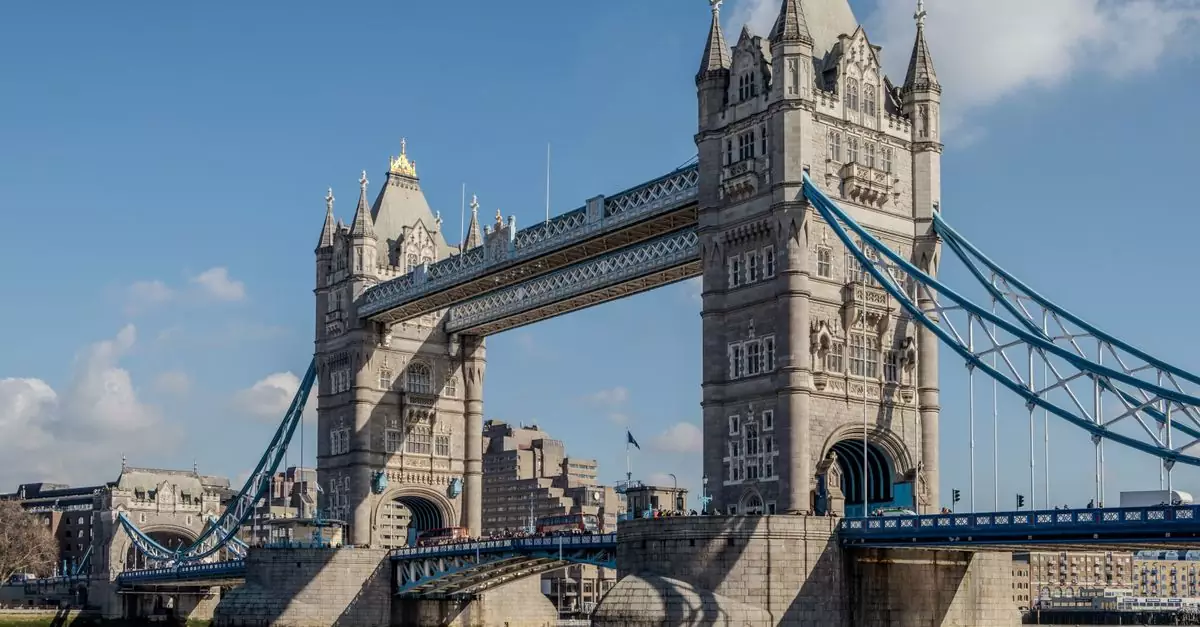
Selecting the right neighborhood can transform a European city break from a whirlwind tour into a restorative experience. For travelers seeking a slower pace, certain districts offer a charming blend of local life, accessible sights, and a tranquil atmosphere. These areas often feature pedestrian-friendly streets, intimate cafes, and a distinct sense of place that invites lingering.
Alfama District in Lisbon: Fado Music and Authentic Atmosphere
Lisbon’s oldest district, Alfama, exudes an authentic charm that’s hard to replicate. Its narrow, winding cobblestone streets climb steep hills, revealing hidden courtyards and breathtaking viewpoints (miradouros). This is the heartland of Fado music, with many small, traditional restaurants offering intimate performances each evening.
Getting around Alfama is best done on foot, though the historic Tram 28 rattles through its core, offering a scenic, if crowded, ride. The area is relatively compact, making it easy to navigate without feeling overwhelmed. Accommodation ranges from boutique guesthouses to apartment rentals, many with balconies overlooking the terracotta rooftops. While it can be lively at night with Fado venues, daytime offers a peaceful immersion into local life.
Malá Strana in Prague: Baroque Beauty and Riverside Strolls
Nestled beneath Prague Castle, Malá Strana (Lesser Town) is a picturesque district characterized by stunning Baroque architecture, charming squares, and the gentle flow of the Vltava River. It feels like stepping back in time, with ornate palaces, hidden gardens, and quaint shops lining its cobblestone lanes. The atmosphere is generally more subdued than the bustling Old Town.
Strolling along the riverbank or crossing the iconic Charles Bridge offers magnificent views. The district is very walkable, though some streets are quite steep. You can easily spend an afternoon simply wandering, stopping for coffee at a traditional cafe, or visiting lesser-known churches. For a relaxed stay, consider accommodations with views of the castle or river. Public transport is available, but the magic of Malá Strana lies in unhurried exploration.
Buda Castle District in Budapest: Panoramic Views and Historic Streets
The Castle District in Budapest offers a serene European city experience, perched atop a hill with commanding views over the Danube and the Pest side. This UNESCO World Heritage site is home to Buda Castle, Matthias Church, and Fisherman’s Bastion, all steeped in history. Its quiet, cobbled streets are ideal for leisurely walks, especially in the early morning or late afternoon when the day-trippers have thinned.
While the main attractions can draw crowds, the district’s residential areas offer peaceful pockets. Getting here involves a funicular, bus, or a pleasant uphill walk. Once within the district, walking is the primary mode of transport. Staying in the Castle District provides an immersive historical experience, though dining and nightlife options are more limited than in Pest. It’s a perfect base for those prioritizing history and stunning vistas.
Kazimierz (Jewish Quarter) in Krakow: Bohemian Vibes and Unique Cafes
Krakow’s Kazimierz district pulsates with a bohemian energy, blending centuries of Jewish history with a vibrant contemporary arts and cafe scene. Once a separate town, it retains a distinct character with its historic synagogues, atmospheric courtyards, and lively market squares. The area is flat and incredibly walkable, inviting visitors to meander through its eclectic streets.
Kazimierz is known for its eclectic mix of traditional Jewish eateries, trendy cafes, independent galleries, and atmospheric bars. It offers a more relaxed pace than the main Market Square yet remains full of life. Many boutique hotels and apartments are available, providing a chance to stay immersed in its unique cultural tapestry. It’s a fantastic choice for travelers who appreciate history, art, and a laid-back urban vibe.
Savoring Local Flavors: Must-Try Foods in Easy European Cities
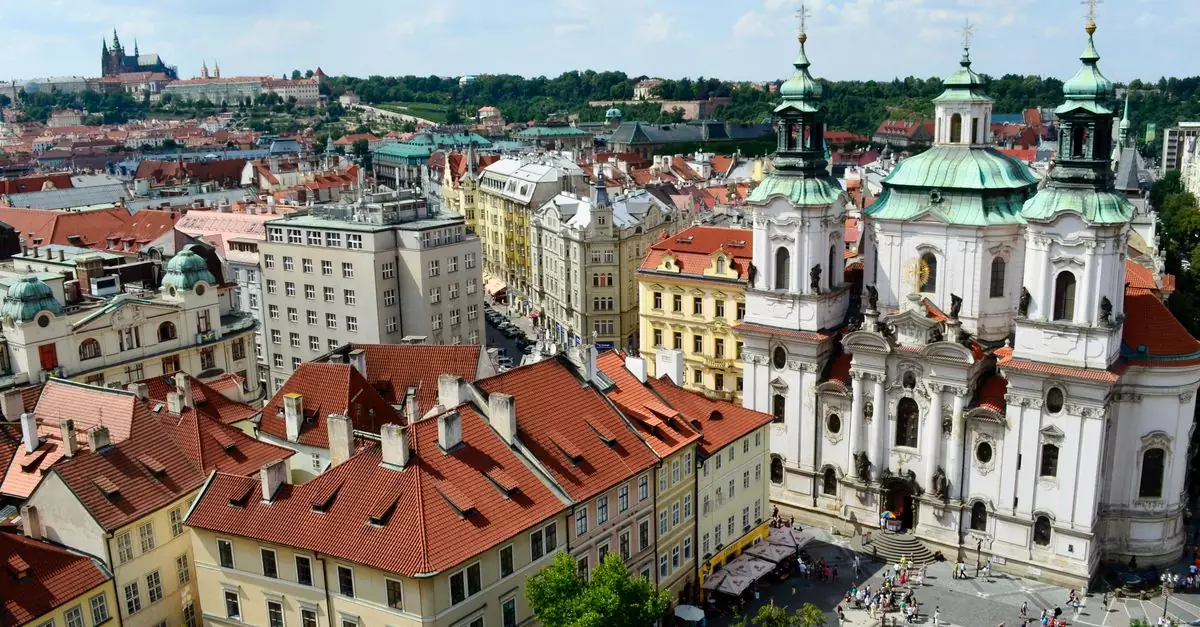
Exploring the best easy European cities to explore presents a fantastic opportunity to dive into diverse culinary landscapes. From sweet pastries to hearty stews, each destination boasts unique flavors central to its culture. Planning your meals can be as exciting as sightseeing.
Pastéis de Nata and Seafood in Lisbon
Lisbon delights with its rich maritime heritage reflected in its cuisine. The iconic pastéis de nata, creamy custard tarts with a caramelized top, are a must-try. Enjoy them warm with a sprinkle of cinnamon, often found in bakeries across the city. Beyond sweets, Lisbon’s seafood is exceptional. Look for grilled sardines, especially during summer festivals, or a hearty bacalhau à brás (shredded cod with potatoes and eggs). Dining ranges from casual tascas to upscale restaurants, providing options for various budgets.
Trdelník and Goulash in Prague
The capital of the Czech Republic, Prague, offers comforting and flavorful dishes. Trdelník, a sweet pastry cooked over an open flame and coated in sugar and nuts, is a popular street food. While its origins are debated, it’s a delightful treat while wandering the historic streets. For a more substantial meal, goulash is a hearty beef stew, often served with bread dumplings. This traditional dish is perfect for warming up on cooler days. Prague’s beer culture is also world-renowned, with excellent local brews complementing its cuisine.
Lángos and Kürtőskalács in Budapest
Budapest presents a vibrant food scene with robust flavors. Lángos, a deep-fried flatbread typically topped with garlic, sour cream, and cheese, is a popular and filling snack. You’ll find it at markets and street food stalls throughout the city. For dessert or a sweet snack, try kürtőskalács, also known as chimney cake, a sweet pastry grilled on a spit and coated in sugar and spices. Exploring the Great Market Hall offers a comprehensive introduction to these and other Hungarian delicacies.
Pierogi and Zapiekanka in Krakow
Krakow offers hearty and delicious traditional Polish fare. Pierogi, dumplings with various fillings like potato and cheese, meat, or fruit, are a staple. You can find them boiled or fried, served with a side of sour cream or fried onions. Another popular street food is zapiekanka, a halved baguette topped with mushrooms, cheese, and ketchup, often found in the Kazimierz district. These simple yet satisfying dishes are perfect for fueling your city explorations.
Frequently Asked Questions About Easy European City Exploration
What is the best time of year to visit these easy European cities?
The shoulder seasons, spring (April to June) and autumn (September to October), generally offer the best balance for visiting many easy European cities. During these months, you’ll often find pleasant weather, fewer crowds than in peak summer, and potentially lower prices for flights and accommodations. Summer (July and August) is popular but can be hot and crowded in many destinations across Europe. Winter can be charming for its festive markets and fewer tourists, but daylight hours are shorter, and some attractions may have reduced hours.
Are these cities budget-friendly for travelers?
Several of the best easy European cities to explore offer good value for money, especially compared to major Western European capitals. Cities in Central and Eastern Europe, for example, tend to have lower costs for accommodation, dining, and activities. Even in Western Europe, cities like Porto or Valencia can be more affordable than Paris or London. Careful planning, such as booking flights and accommodations in advance and choosing local eateries over tourist traps, can significantly help manage your budget.
| City | Estimated Daily Budget (Excluding Flights) | Notes |
|---|---|---|
| Lisbon | $80 – $150 USD | Good value for Western Europe |
| Porto | $70 – $130 USD | Very affordable with excellent food and wine |
| Budapest | $60 – $110 USD | Excellent value for money |
| Prague | $65 – $120 USD | Can be budget-friendly if avoiding tourist hubs |
| Krakow | $50 – $90 USD | One of the most affordable options |
Budget estimates are per person, per day, and can vary based on travel style.
What are some common tourist mistakes to avoid in these destinations?
A common mistake is trying to see too much in too little time. These cities are best enjoyed at a relaxed pace, allowing for spontaneous discoveries. Avoid sticking solely to the most heavily advertised attractions; venture into local neighborhoods to experience the authentic atmosphere. Overspending on touristy restaurants near major landmarks is another pitfall; seek out places slightly off the beaten path where locals dine for better food and prices. Lastly, don’t forget to learn a few basic phrases in the local language – it’s often appreciated and can enhance your interactions.