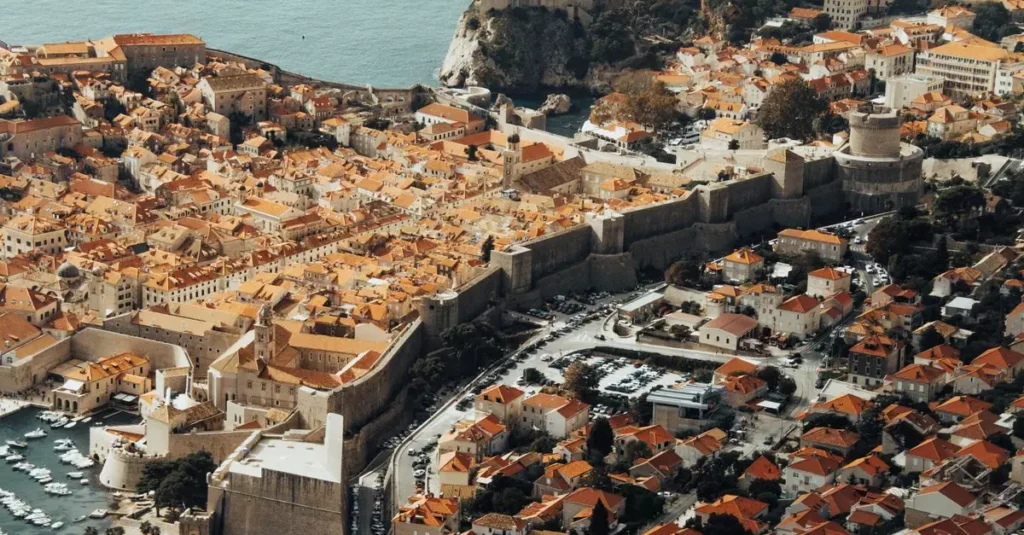
Europe’s coastlines are more than just scenic backdrops; they are vibrant tapestries woven with centuries of history, art, and unique traditions. Discovering the best coastal culture destinations in Europe means uncovering places where the sea’s influence is profoundly felt, shaping everything from architecture and cuisine to the very spirit of local communities. This guide takes you on a journey to some of the continent’s most captivating seaside locales, revealing how maritime heritage and artistic expression intertwine. You’ll explore lively port towns that preserve age-old customs, savor coastal flavors that tell a story of the local catch, and understand what makes these destinations special for travelers seeking an enriching experience beyond the typical beach holiday. Prepare to immerse yourself in the authentic charm and cultural depth that only Europe’s coastal gems can offer.
What Defines Europe’s Best Coastal Culture Destinations?
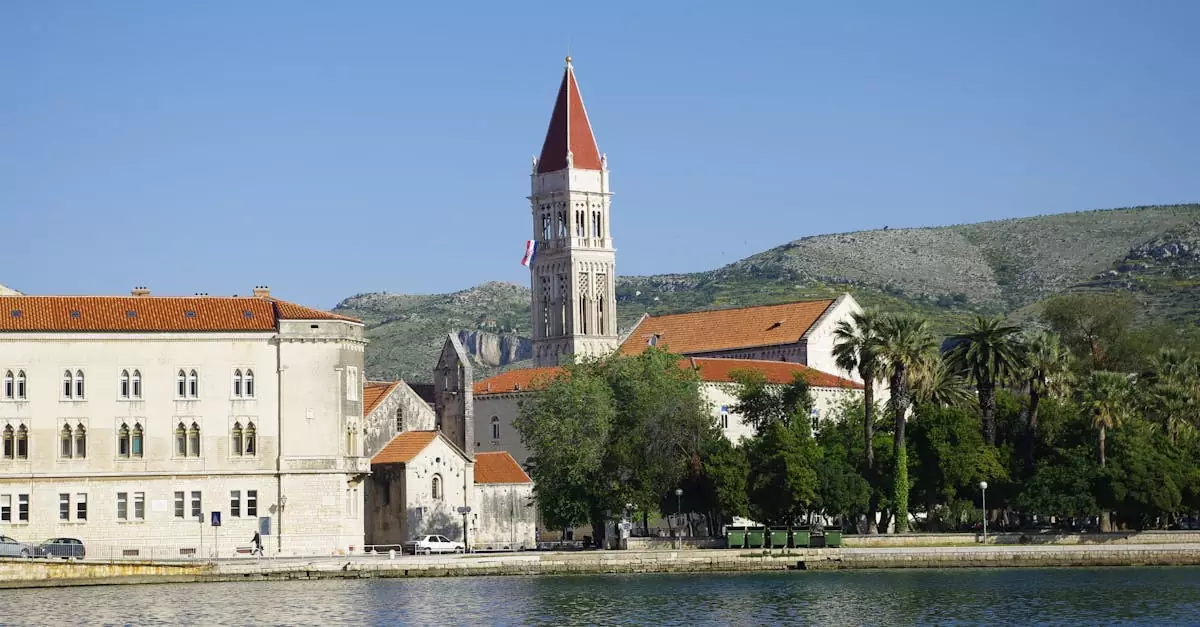
Europe’s appeal as a travel destination is amplified by its extensive and diverse coastlines. The best coastal culture destinations offer more than just scenic beaches; they are vibrant hubs where history, art, and local life converge. These locations showcase a deep connection to the sea, evident in their architecture, traditions, and daily rhythms. Travelers seeking an enriching experience will find these spots offer a unique blend of relaxation and cultural immersion.
The Intersection of Maritime History and Artistic Expression
Many of Europe’s most compelling coastal cities and towns owe their existence to their maritime heritage. From ancient Roman ports to bustling Renaissance trading centers, the sea has shaped their development, influencing everything from urban planning to the spirit of their inhabitants. This rich history serves as fertile ground for artistic expression, inspiring painters, writers, and musicians for centuries. You might find museums dedicated to seafaring history alongside galleries showcasing contemporary art influenced by the coastal landscape. Exploring these destinations often means walking through living history, where old shipyards may now house artisan workshops, or historic lighthouses offer panoramic views that have captivated artists for generations.
Preserving Traditions in Lively Port Towns
Lively port towns across Europe excel at preserving their unique cultural traditions. These are places where fishing remains integral to the economy and daily life, with a connection to the sea that permeates local festivals, music, and storytelling. You can often witness age-old maritime practices in action, from mending fishing nets to the colorful arrival of daily catches. The architecture itself tells a story, with charming harbors lined by buildings that have stood for centuries, each with its own tale of trade, exploration, and community. Engaging with these traditions offers a genuine glimpse into a way of life that has endured despite the passage of time.
Coastal Cuisine: A Taste of Local Heritage
The culinary landscape of Europe’s coastal regions is intrinsically linked to the bounty of the sea. Local heritage is savored in dishes that highlight the freshest seafood, prepared using time-honored recipes passed down through generations. From the simple elegance of grilled sardines in Portugal to the rich bouillabaisse of the French Mediterranean, each dish reflects the local catch and regional cooking techniques. Dining in these areas is an immersive cultural experience, providing a direct connection to the land and sea. Exploring local markets, where fishermen and farmers bring their goods, offers further insight into the ingredients that define this vibrant coastal gastronomy.
Lisbon’s Riverside Charm and Fado Soul
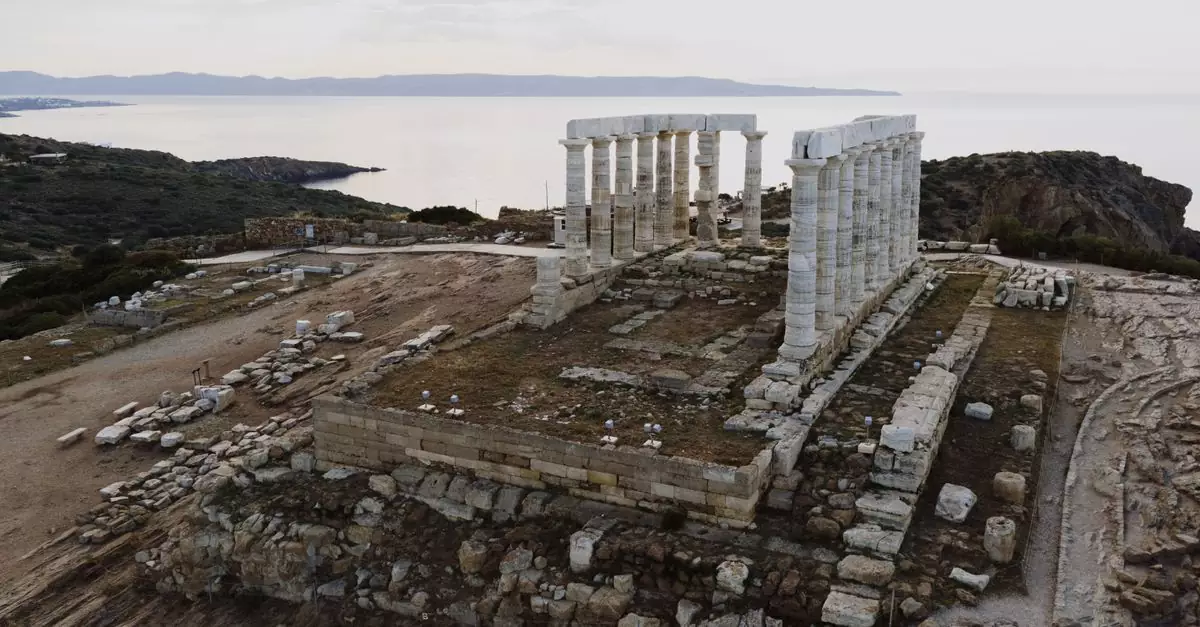
Lisbon, Portugal’s vibrant capital, offers a compelling blend of historic allure and contemporary energy, making it one of Europe’s best coastal culture destinations. Perched on the edge of the Atlantic, the city’s relationship with the sea influences its architecture, cuisine, and soul. From the melancholic strains of Fado music echoing through ancient alleyways to the grand maritime monuments that speak of a seafaring past, Lisbon invites deep cultural immersion. Travelers seeking an authentic European experience will find its hilly streets, tiled facades, and welcoming atmosphere irresistible.
Exploring Alfama’s Historic Streets and Fado Houses
The Alfama district, Lisbon’s oldest neighborhood, is a labyrinth of narrow, winding streets that feel like stepping back in time. This area survived the devastating 1755 earthquake and retains its Moorish layout, characterized by steep climbs and hidden courtyards. Wandering through Alfama is essential to experiencing Lisbon’s cultural heart. Look for the traditional azulejo tiles adorning building facades and listen for the soulful sounds of Fado music drifting from intimate taverns.
For an authentic Fado experience, seek out small, family-run casas de fado rather than larger, more tourist-oriented venues. These intimate settings offer a genuine connection to the music’s emotional depth. Many restaurants in Alfama also feature live Fado performances during dinner, providing a complete sensory experience.
- Getting Around Alfama: Due to its steep inclines and narrow passages, walking is the best way to explore. Tram 28, a historic yellow tram, also navigates these streets, offering a scenic, albeit often crowded, ride.
- Best Time to Visit: Evenings are particularly atmospheric in Alfama, especially when the Fado houses come alive.
Belém’s Maritime Monuments and Pastéis de Nata
Further west along the Tagus River, the Belém district stands as a testament to Portugal’s Age of Discoveries. This area is home to UNESCO World Heritage sites that celebrate the nation’s rich maritime history. The Jerónimos Monastery, an opulent example of Manueline architecture, and the Belém Tower, a fortified tower that once guarded the river’s entrance, are must-see landmarks. These structures evoke the spirit of exploration that propelled Portuguese navigators across the globe.
No visit to Belém is complete without indulging in its most famous culinary export: pastéis de nata. The original recipe hails from the nearby Pastéis de Belém bakery, established in 1837. Expect a queue, but the warm, flaky custard tarts, dusted with cinnamon and powdered sugar, are well worth the wait.
- Transportation to Belém: Trams (like Tram 15) and buses connect Belém to central Lisbon, making it an easily accessible cultural excursion.
- Budget Tip: While the major monuments have entrance fees, simply strolling along the riverfront and admiring the architecture is free.
Day Trip to Cascais: A Fisherman’s Tale
A short train ride west of Lisbon brings you to Cascais, a charming former fishing village that has evolved into a sophisticated coastal resort. This town offers a more relaxed pace than the capital, with picturesque beaches, a lively marina, and a pedestrian-friendly town center. Cascais retains its seaside character, evident in its fresh seafood restaurants and laid-back atmosphere.
Explore the historic center, visit the Boca do Inferno (Hell’s Mouth) sea arch for dramatic coastal views, or simply relax on one of the town’s sandy shores. Cascais provides a delightful contrast to Lisbon’s urban energy, showcasing a different facet of Portuguese coastal culture. The easy train connection makes it an ideal half-day or full-day excursion for those looking to experience more of the region’s seaside charm.
- Train from Lisbon: Trains depart regularly from Cais do Sodré station in Lisbon and take approximately 40 minutes.
- Local Experience: Sample fresh grilled sardines at a beachfront restaurant for an authentic taste of local life.
Galicia’s Celtic Roots and Rías Baixas Flavors
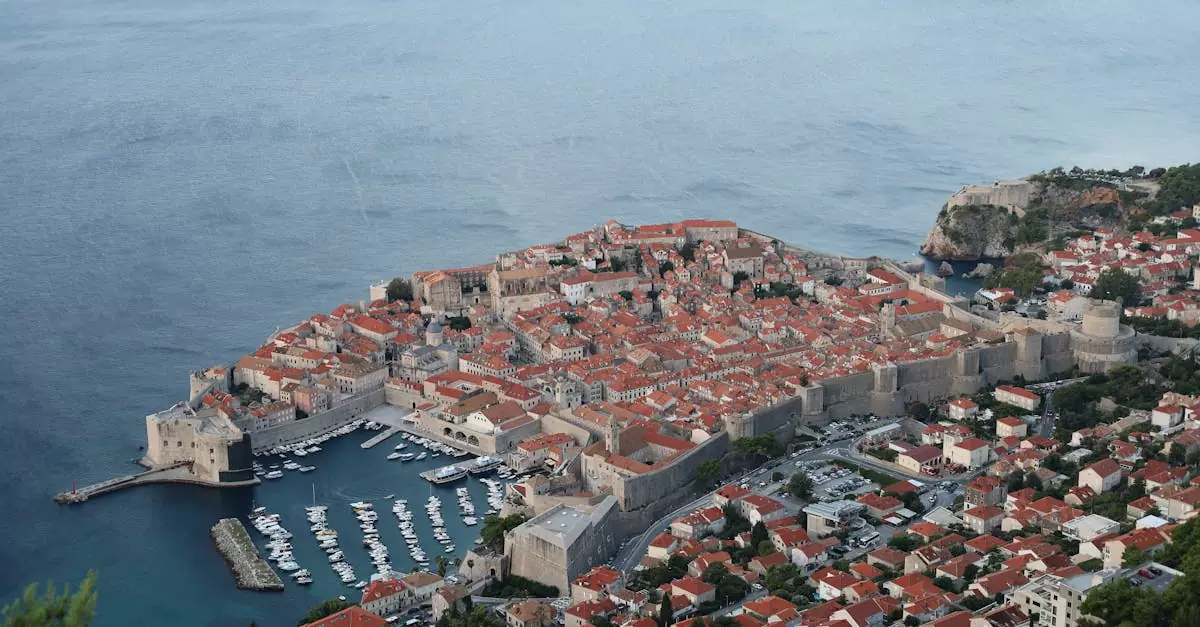
Galicia, situated in the northwest corner of Spain, offers a distinct cultural experience that sets it apart from other European coastal regions. Its Celtic heritage influences everything from music and language to rugged landscapes and maritime traditions. This autonomous community is characterized by its extensive coastline, dotted with numerous inlets known as rías, which create stunning natural harbors and fertile fishing grounds. For travelers seeking authentic cultural immersion alongside beautiful scenery, Galicia presents a compelling case among the best coastal culture destinations in Europe. The region’s unique identity is shaped by its strong connection to the sea and its historical role as a pilgrimage endpoint.
Santiago de Compostela’s Pilgrim Paths and Galician Culture
Santiago de Compostela is globally recognized as the final destination for the Camino de Santiago, a network of ancient pilgrimage routes. Millions have walked these paths, seeking spiritual fulfillment or personal challenge, and their arrival in the city imbues it with a unique atmosphere. The magnificent Cathedral of Santiago de Compostela, believed to house the tomb of Saint James the Great, is the focal point, drawing pilgrims from across the globe. Beyond the spiritual draw, the city itself is a UNESCO World Heritage site, boasting a beautifully preserved old town with granite architecture, arcaded squares, and lively tapas bars.
Experiencing Galician culture here means embracing its distinct language, Galego, spoken alongside Spanish. You’ll find this linguistic duality reflected in street signs and local interactions. The city’s vibrant student population contributes to a dynamic social scene, with numerous cultural events and festivals throughout the year. To truly connect with local life, spend time wandering through the Mercado de Abastos, the city’s central market, where you can sample regional cheeses, empanadas, and an incredible array of fresh seafood.
Exploring the Seafood Havens of the Rías Baixas
The Rías Baixas, a series of estuaries along Galicia’s southern coast, are a paradise for seafood lovers and offer a relaxed coastal culture experience. Towns like Cambados, O Grove, and Combarro are renowned for their exceptional gastronomy, particularly shellfish and Albariño wine. Cambados, considered the capital of Albariño, hosts an annual wine festival in August that attracts oenophiles. The town’s historic center features traditional granite houses and picturesque fishing harbors.
Combarro stands out for its unique hórreos, stone granaries raised on stilts along the waterfront, creating an iconic and photogenic landscape. O Grove is a bustling fishing port and a gateway to the stunning Ons Islands, part of the Atlantic Islands of Galicia National Park, offering opportunities for hiking and observing marine life. Traveling between these towns is best done by car, allowing flexibility to stop at scenic viewpoints and discover hidden coves. The local cuisine is a highlight; indulging in freshly caught percebes (goose barnacles), mejillones (mussels), and almejas (clams) is essential to the Rías Baixas experience.
A Coruña’s Tower of Hercules and Coastal Walks
A Coruña, located on the northern Galician coast, presents a more urban coastal culture, anchored by its most famous landmark: the Tower of Hercules. This ancient Roman lighthouse, still operational, is a UNESCO World Heritage site and offers panoramic views of the Atlantic. Walking around the tower and along the adjacent promenade provides a sense of the region’s maritime history and its enduring connection to the sea. The city’s vibrant waterfront is lined with distinctive glass-fronted buildings, earning it the nickname “crystal city.”
The area surrounding A Coruña is ideal for coastal walks, with well-maintained paths winding through pine forests and offering spectacular ocean vistas. The Riazor and Orzán beaches are popular spots for locals and visitors alike, creating a lively atmosphere, especially during the summer months. For history enthusiasts, the city also boasts several museums, including the Domus (House of Science) and the Aquarium Finisterrae, which offer insights into marine biology and the region’s natural heritage. Getting to A Coruña is straightforward, with its own airport and good train connections to other major Spanish cities.
The Adriatic Allure of Kotor, Montenegro
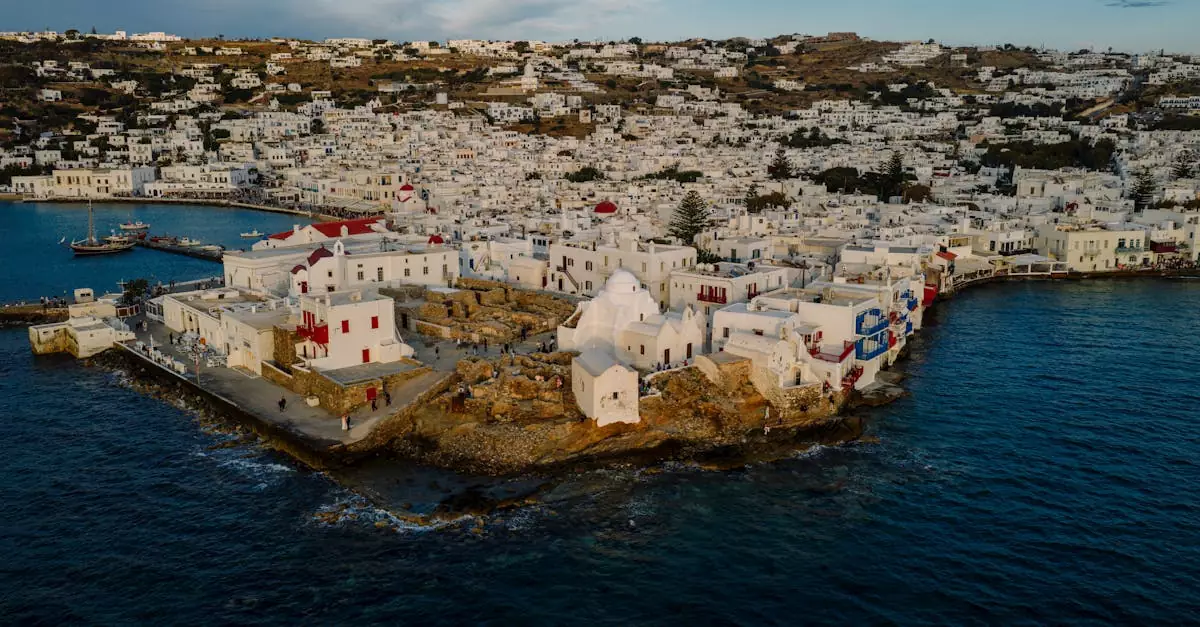
Kotor, Montenegro, offers a captivating blend of history, dramatic scenery, and vibrant coastal life, making it a standout among Europe’s cultural hubs. Nestled at the end of a deep fjord-like bay, this UNESCO World Heritage site transports visitors back in time with its remarkably preserved medieval architecture. The town’s compact size and pedestrian-friendly Old Town significantly appeal to travelers seeking an immersive cultural experience without overwhelming logistics. Its position on the Adriatic coast also provides easy access to stunning maritime landscapes and traditional Montenegrin hospitality.
Navigating Kotor’s Medieval Walled City
Kotor’s Old Town is a labyrinth of narrow cobblestone streets, charming squares, and ancient churches, all enclosed by imposing stone walls. Exploring this compact area is best done on foot, allowing for spontaneous discoveries around every corner. Within the walls, you’ll find a rich tapestry of history, from Romanesque churches like St. Luke’s to Venetian palaces that speak to the town’s past as a strategic maritime republic. Allow at least half a day to wander through the alleys, visit the Maritime Museum, and soak in the atmosphere.
Several small boutique hotels and guesthouses are located within the Old Town, offering an authentic experience. Booking accommodation in advance is advisable, especially during the peak summer months of July and August. For those arriving by air, Tivat Airport is the closest, with Podgorica Airport serving as a secondary option. Buses connect both airports to Kotor, though a taxi or pre-booked transfer might be more convenient for those with luggage.
Boat Trips to Perast and Our Lady of the Rocks
A boat trip from Kotor is essential for appreciating the full beauty of the Bay of Kotor and its surrounding islands. The picturesque town of Perast, just a short boat ride away, is a charming Baroque settlement with a rich maritime history. Its waterfront is lined with elegant stone mansions and churches, offering a tranquil contrast to Kotor’s bustling Old Town.
The highlight of any boat excursion is the visit to Our Lady of the Rocks (Gospa od Škrpjela), a unique artificial island housing a beautiful church. Legend has it that sailors created the island over centuries by dropping rocks after each successful voyage. Inside the church, visitors can admire stunning frescoes and a collection of votive paintings. Many local tour operators offer half-day trips that combine Perast and the island, often including stops at other scenic points within the bay.
Hiking to the San Giovanni Fortress for Panoramic Views
For breathtaking vistas of Kotor and its bay, a hike up to the San Giovanni Fortress (St. John’s Fortress) is a must. This strenuous climb involves ascending over 1,300 steps along the ancient fortifications that snake up the mountainside. The journey itself is rewarding, with increasingly spectacular views unfolding as you ascend.
The best time to undertake this hike is early in the morning or late in the afternoon to avoid the midday sun, particularly during warmer months. Wear sturdy footwear, carry plenty of water, and allow at least 2–3 hours for the round trip, including time to admire the scenery from the top. The fortress ruins at the summit provide a tangible connection to Kotor’s defensive past, while the panoramic reward is unparalleled, showcasing why Kotor is one of the best coastal culture destinations in Europe.
Crete’s Minoan Legacy and Aegean Island Life
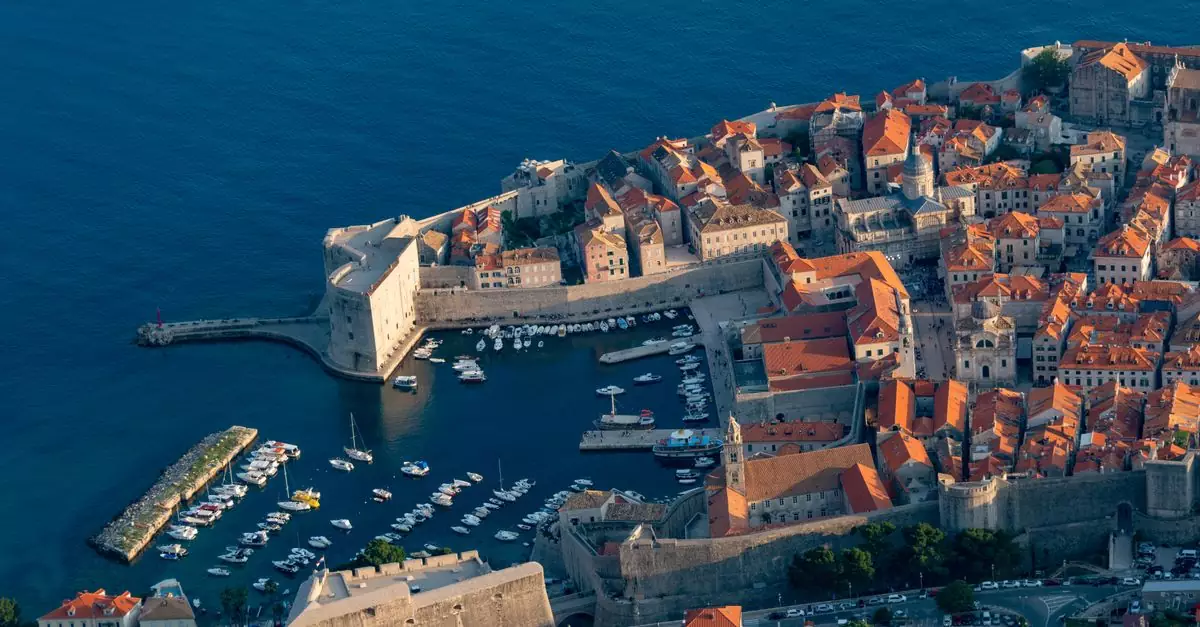
Crete, the largest of the Greek islands, offers a compelling blend of ancient history and vibrant island culture, making it one of the best coastal culture destinations in Europe for travelers seeking depth and authenticity. Its strategic location in the Mediterranean has shaped its history, leaving behind a rich tapestry of civilizations that are still tangible today. From the ruins of Bronze Age palaces to charming Venetian harbors, Crete provides a layered experience for those interested in the region’s past and present.
Knossos Palace: Unearthing Ancient Minoan Civilization
A visit to Crete wouldn’t be complete without stepping back in time at the Palace of Knossos, the heart of the ancient Minoan civilization. This sprawling archaeological site, often associated with the myth of the Minotaur, offers a fascinating glimpse into a sophisticated Bronze Age society. Exploring the reconstructed rooms, vibrant frescoes, and intricate plumbing systems provides a connection to one of Europe’s earliest advanced cultures.
For travelers interested in Minoan history, consider visiting Knossos in the morning to avoid peak heat and crowds. The site is accessible by public bus from Heraklion, the island’s capital. Wear comfortable shoes as the terrain can be uneven. Understanding the historical context before your visit can significantly enhance the experience; many guidebooks and online resources offer detailed background on Minoan Crete.
Chania’s Venetian Harbour and Cretan Gastronomy
Chania, on Crete’s northwest coast, captivates with its picturesque Venetian harbor, a legacy of centuries of maritime trade and Venetian rule. The waterfront is lined with colorful buildings housing charming tavernas, artisan shops, and cafes. Wandering through the narrow, winding streets of the Old Town reveals hidden courtyards, historic churches, and a palpable sense of history.
The culinary scene in Chania is a significant draw, embodying the essence of Cretan gastronomy, known for its health benefits and fresh ingredients. Local specialties include dakos (rusks topped with tomatoes and feta), kalitsounia (small cheese pies), and fresh seafood. Enjoying a meal at a harborside restaurant as the sun sets over the water is a quintessential Chania experience. This city is easily reachable by bus from other major Cretan towns.
Exploring Rethymno’s Old Town and Fortezza
Rethymno, situated between Chania and Heraklion, boasts a beautifully preserved Old Town characterized by its Venetian architecture, Ottoman minarets, and a lively waterfront promenade. The town’s focal point is the imposing Fortezza, a Renaissance-era fortress offering panoramic views of the city and the Aegean Sea. Inside the fortress, you can explore its ramparts, churches, and historical buildings.
The charm of Rethymno lies in its walkable streets, filled with boutique shops, traditional workshops, and inviting cafes. The blend of Venetian and Ottoman influences creates a unique architectural ambiance. Visiting Rethymno offers a more relaxed pace compared to larger cities, allowing for deeper immersion in local life. It’s a convenient stop for those traveling across the island.
Frequently Asked Questions About Europe’s Coastal Culture
What is the best time of year to visit these destinations?
The optimal time to experience Europe’s best coastal culture destinations generally falls between late spring (May-June) and early autumn (September-October). During these shoulder seasons, you’ll find pleasant weather, fewer crowds, and often more affordable prices compared to the peak summer months of July and August. Spring offers blooming landscapes and lively festivals, while autumn provides harvest celebrations and a more relaxed atmosphere.
Visiting in summer is popular for beach access and warm sea temperatures, but expect larger crowds and higher accommodation costs in many popular spots. Winter can be a good option for budget travelers seeking a more local experience, though some attractions may have reduced hours, and sea activities are limited.
How can I travel between these coastal cities?
Intercity travel across Europe relies on a well-developed network of transportation options. High-speed rail is a highly efficient and scenic way to connect many coastal cities, offering comfort and convenience. For instance, you can easily travel by train between cities along the Mediterranean coast or the Atlantic seaboard.
Flights are also readily available, especially for longer distances or when connecting between countries not easily linked by rail. Many budget airlines operate routes connecting major coastal hubs. Within cities and for shorter coastal hops, ferries and local bus services are excellent choices, often providing unique perspectives of the coastline. Renting a car offers flexibility for exploring smaller towns and hidden coves, though parking can be challenging and expensive in popular urban areas.
Here’s a general overview of common travel methods:
| Travel Method | Pros | Cons | Best For |
|---|---|---|---|
| High-Speed Rail | Efficient, scenic, comfortable, eco-friendly | Can be expensive if booked last minute | Inter-country or long-distance travel |
| Budget Airlines | Fast for long distances, often affordable | Airport transfers, baggage fees, less scenic | Crossing large geographical areas quickly |
| Ferries/Boats | Scenic, unique perspective, access to islands | Slower, weather-dependent | Island hopping, short coastal crossings |
| Rental Car | Flexibility, access to remote areas | Parking, fuel costs, traffic, tolls | Road trips, exploring off-the-beaten-path sites |
Are these destinations suitable for families or couples?
Yes, Europe’s coastal culture destinations offer a diverse range of experiences that cater to both families and couples, depending on the specific location and your interests.
For families, destinations with accessible beaches, family-friendly attractions like aquariums or historical sites with interactive elements, and a good selection of casual dining options are ideal. Cities like Lisbon, with its trams and nearby beaches, or Valencia, with its City of Arts and Sciences, provide engaging activities for all ages. Look for accommodations with family suites or apartments for added convenience.
Couples might prefer destinations offering romantic ambiance, fine dining, cultural immersion, and opportunities for leisurely exploration. Cities like San Sebastián, known for its culinary scene and beautiful bay, or the Amalfi Coast towns, with their stunning vistas and charming streets, are excellent choices. Consider boutique hotels or apartments with sea views for a more intimate experience. Many of these coastal cities also boast vibrant nightlife and unique cultural events that appeal to couples.