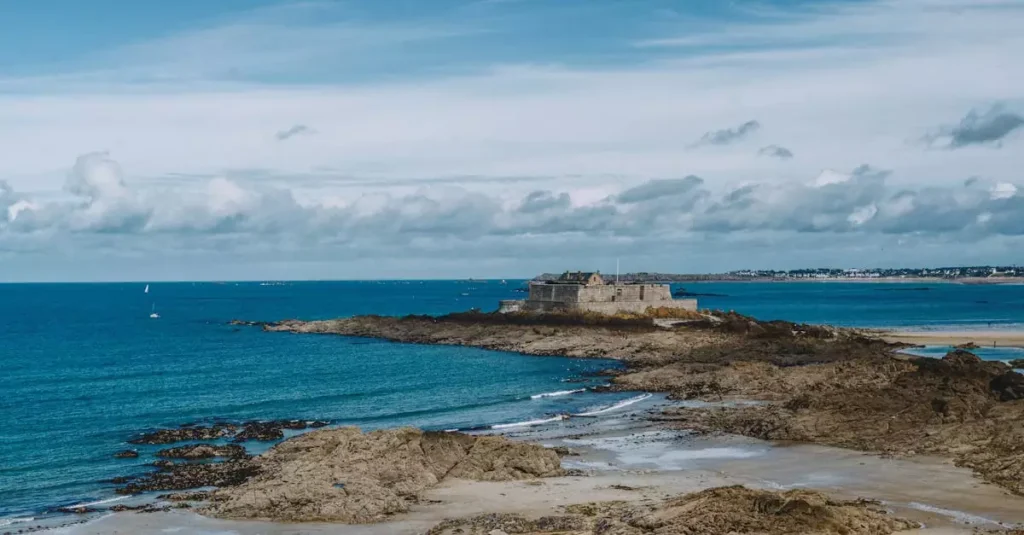
Discover the captivating allure of Saint-Malo, a historic French port city where ancient ramparts meet the dramatic English Channel. This comprehensive Saint-Malo guide invites you to explore its formidable defenses, charming old town, and the stunning natural beauty of the surrounding Emerald Coast. You’ll learn about the best times to visit, how to navigate the city and its picturesque surroundings, and what essential Breton flavors await your palate. We also provide a suggested three-day itinerary to help you make the most of your visit, ensuring you experience the magic of this unique Breton destination. Prepare to be enchanted by the history, culture, and breathtaking landscapes that define Saint-Malo.
Discovering the Magic of Saint-Malo: A Walled City Adventure
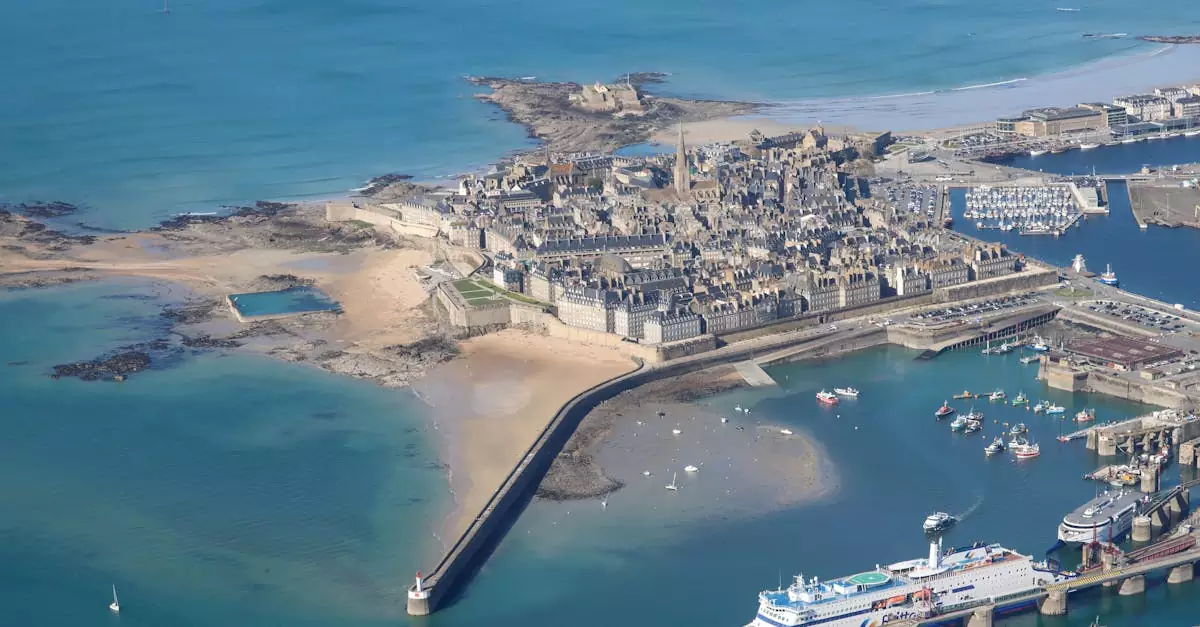
Saint-Malo, a historic port city in Brittany, France, beckons travelers with its dramatic coastal setting and rich maritime past. This guide focuses on its most captivating feature: the formidable ramparts that encircle the old town, Intramuros. Walking these ancient walls offers a unique perspective on the city’s history and its relationship with the powerful tides of the English Channel.
Stepping Back in Time: The History of Saint-Malo’s Ramparts
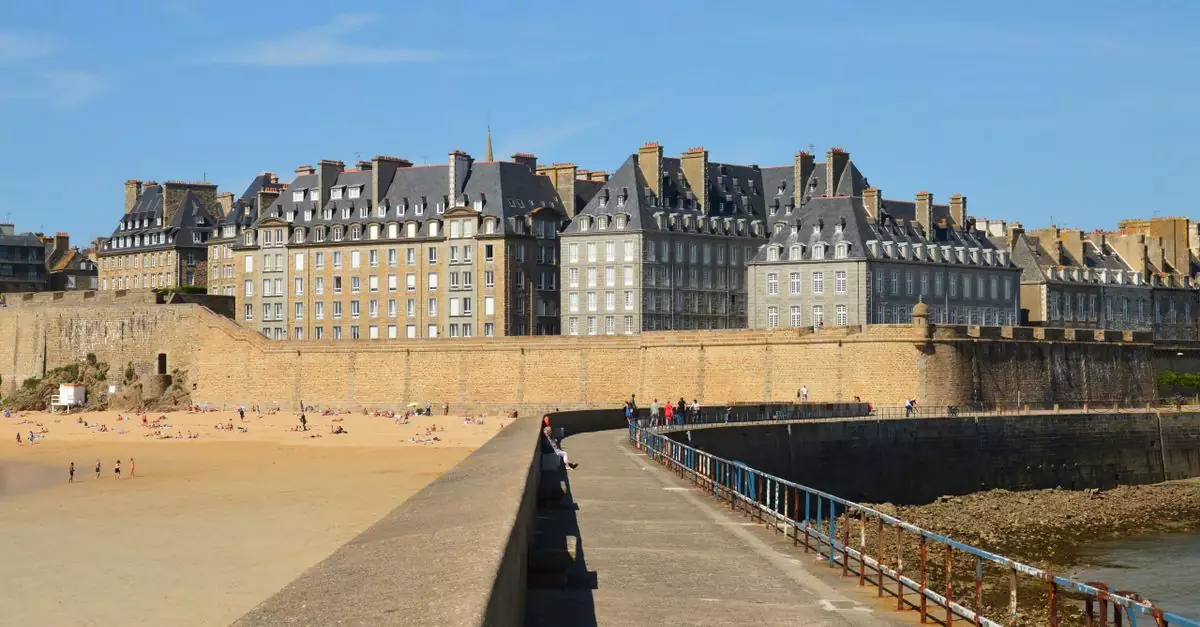
The imposing stone walls of Saint-Malo are more than just a defensive structure; they are a testament to centuries of resilience and ambition. Originally built to protect the city from invasions and the relentless sea, the ramparts have been rebuilt and reinforced numerous times since the 12th century. The most significant reconstruction occurred after World War II, when the city was heavily damaged. Today, these ramparts stand as a symbol of Saint-Malo’s enduring spirit. Walking along the top provides panoramic views of the coastline and the bustling harbor.
Navigating Intramuros: What to See Inside the Old City
Intramuros, the heart of Saint-Malo, is a charming labyrinth of narrow streets, granite buildings, and lively squares. Within these ancient walls, you’ll find a wealth of historical sites and a vibrant atmosphere. The Cathedral Saint-Vincent-de-Paul, with its striking Gothic architecture, is a central landmark. Explore the Musée d’Histoire, which delves into the city’s fascinating past as a stronghold for privateers and merchants. Don’t miss the boutiques and art galleries that line the pedestrianized streets, offering local crafts and souvenirs.
The Iconic Grand Bé and Petit Bé Islands: Accessible at Low Tide
Just off the coast of Saint-Malo lie two small islands, Grand Bé and Petit Bé, which become accessible during low tide. Reaching them involves a unique walk across the seabed, a truly memorable experience. Grand Bé is famous for housing the tomb of the writer François-René de Chateaubriand, a native son of Saint-Malo. Petit Bé boasts a small fort, adding to the romantic, windswept allure of these tidal islets. It’s crucial to check the tide times before venturing out, as the sea returns quickly and can trap visitors. This natural phenomenon is a stark reminder of the powerful maritime forces that have shaped the city.
When is the Best Time to Visit Saint-Malo, France?
Choosing the right time to visit Saint-Malo hinges on your priorities, whether that’s soaking up the summer sun, enjoying milder weather with fewer crowds, or experiencing the bracing charm of the coast in winter. Each season offers a distinct perspective on this historic Breton port.
Saint-Malo in Summer: Sun, Sea, and Crowds
July and August are peak season in Saint-Malo. Expect warm, sunny days ideal for exploring the ramparts and enjoying the beaches. The sea temperature is at its most inviting, making swimming and sailing popular activities. However, this popularity also means larger crowds, especially in the walled city, and higher accommodation prices. Booking well in advance is crucial if you plan to visit during these months. Many local festivals and events also take place, adding a vibrant atmosphere to the summer.
Spring and Autumn: Shoulder Seasons for Fewer Tourists
The shoulder seasons of spring (April to June) and autumn (September to October) offer a more relaxed experience in Saint-Malo. The weather is generally pleasant, with milder temperatures and fewer visitors than in high summer. This is an excellent time for leisurely strolls along the coast or through the historic streets without feeling rushed. You’ll find more availability for accommodations and potentially better rates. The natural beauty of the Emerald Coast is also on full display during these months, with spring bringing blooming wildflowers and autumn offering crisp, clear air.
Winter in Saint-Malo: A Quieter, Coastal Experience
Visiting Saint-Malo in winter (November to March) provides a truly different perspective. The days are shorter and cooler, and the weather can be blustery, but the dramatic coastal scenery takes on a rugged beauty. This is a time for a more introspective visit, focusing on the city’s history, enjoying cozy meals in local restaurants, and experiencing the authentic rhythm of life in a port town. You’ll encounter very few tourists, making it easy to explore the ramparts and discover hidden corners at your own pace. Prices for accommodations are typically at their lowest during this period.
Here’s a quick look at typical weather conditions to help you plan:
| Month | Avg. High (°C) | Avg. Low (°C) | Avg. Rainfall (mm) |
|---|---|---|---|
| July | 23 | 15 | 50 |
| August | 23 | 15 | 55 |
| September | 21 | 13 | 60 |
| October | 17 | 10 | 75 |
| January | 8 | 3 | 90 |
| April | 14 | 7 | 65 |
Note that these are average figures, and coastal weather can be unpredictable. Always check the local weather forecast before your trip.
Getting Around Saint-Malo and the Emerald Coast
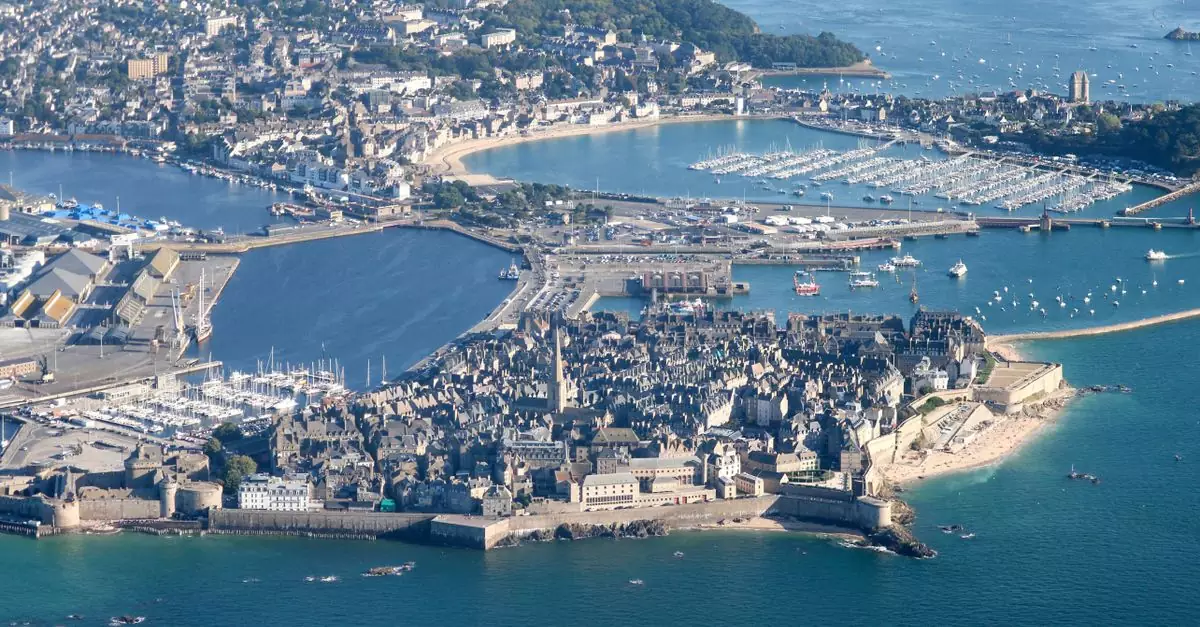
Navigating Saint-Malo and its stunning surroundings is straightforward, with several options catering to different travel styles and budgets. Understanding these choices will help you maximize your time on the Emerald Coast.
Arriving in Saint-Malo: Train, Car, and Ferry Options
Saint-Malo is well-connected, making arrival convenient. The main train station, Gare de Saint-Malo, receives regular services from Paris and other major French cities, offering a comfortable and scenic journey. If you prefer driving, Saint-Malo is accessible via well-maintained roads, though parking within the walled city can be challenging and expensive. For those coming from the UK, a ferry service operates from Portsmouth to Saint-Malo, providing a unique and direct route.
| Arrival Method | Pros | Cons | Best For |
|---|---|---|---|
| Train | Relaxing, scenic, environmentally friendly | Requires onward travel from station | Travelers from Paris/major French cities |
| Car | Flexibility, easy luggage transport | Parking issues in Intramuros, tolls | Families, those with extensive luggage |
| Ferry | Direct from UK, unique experience | Longer travel time, weather dependent | UK travelers, those seeking a coastal arrival |
Exploring Intramuros: Walking is Key
Once you’ve arrived, the best way to experience the historic walled city, Intramuros, is on foot. The narrow cobblestone streets, ramparts, and hidden squares are best savored at a leisurely pace. Walking allows you to discover charming boutiques, crêperies, and historical markers without the constraints of a vehicle. The ramparts themselves offer a fantastic elevated perspective of the city and the sea, making a circuit along them a must-do activity.
Day Trips from Saint-Malo: Public Transport vs. Car Rental
For venturing beyond the city walls to explore the wider Emerald Coast, you have a few choices. Public transport, including local buses, can connect you to nearby towns like Dinan or Cancale. This is a budget-friendly option, but schedules can be limiting. Renting a car offers the greatest flexibility, allowing you to stop at scenic viewpoints and charming villages at your own pace. This is particularly useful for accessing more remote stretches of coastline or smaller hamlets not served by public transport.
Consider your itinerary when deciding. If you plan to visit key towns like Dinan and Cancale, a car rental might be more efficient. However, if your focus is on exploring Saint-Malo and a couple of easily accessible nearby locations, the bus network can suffice.
Navigating the Emerald Coast: Scenic Drives and Coastal Paths
The Emerald Coast (Côte d’Émeraude) lives up to its name with breathtaking vistas. Driving along the coastal roads, such as the D76 and D201, provides stunning views of rugged cliffs, sandy coves, and the vibrant green sea. Pull-offs are frequent, offering opportunities for photos and short walks. For the more active traveler, many sections of the GR34 coastal path traverse this region. These well-marked hiking trails allow for immersive experiences, bringing you closer to the natural beauty of Brittany. Be sure to wear appropriate footwear for uneven terrain.
Must-Try Local Foods and Culinary Delights in Saint-Malo
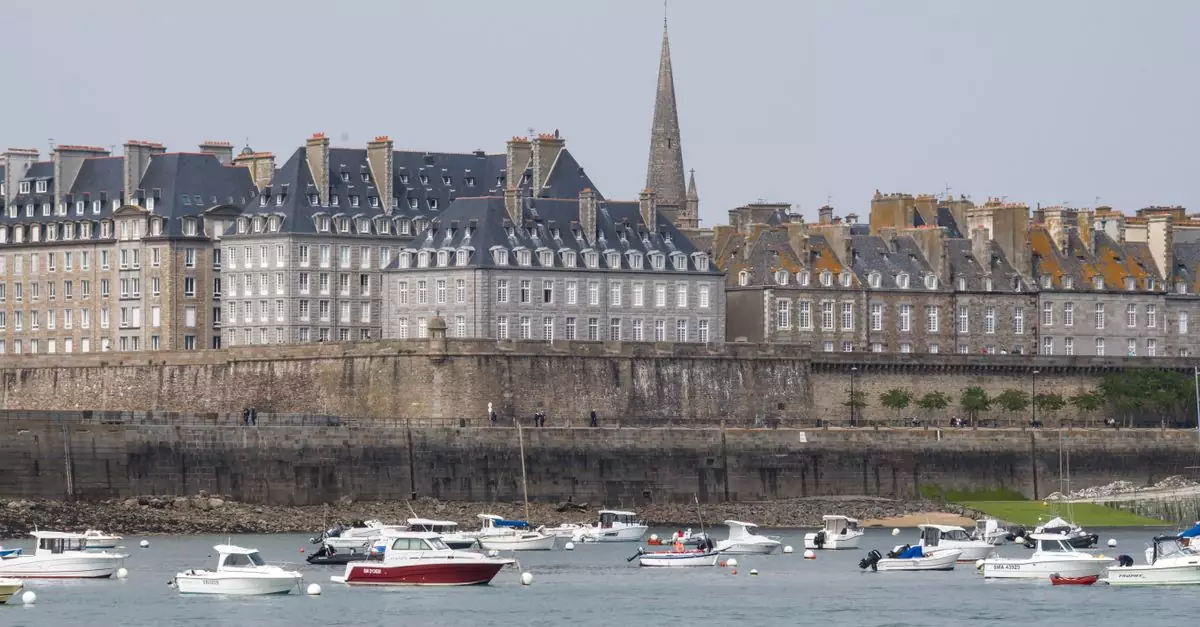
Saint-Malo offers a rich culinary landscape shaped by its maritime heritage and the agricultural bounty of Brittany. Exploring its food scene is an essential part of any visit, providing a delicious window into the region’s culture. From the freshest seafood to hearty local specialties, prepare your taste buds for an unforgettable journey.
Fresh Seafood Feasts: Oysters, Mussels, and More
Given its prominent position on the Emerald Coast, it’s no surprise that Saint-Malo excels in seafood. The waters here are teeming with exceptional produce, which you’ll find served in restaurants throughout the walled city and along the coast. Look for platters of freshly shucked oysters, often served simply with a squeeze of lemon or a shallot vinaigrette. Mussels, particularly moules marinières (mussels cooked in white wine, shallots, and parsley), are another staple and a very affordable yet satisfying option.
Beyond oysters and mussels, keep an eye out for other local catches such as sea bass, scallops, and spider crab. Many restaurants pride themselves on sourcing their seafood directly from local fishermen, ensuring peak freshness and quality. For a truly authentic experience, seek out a poissonnerie (fish shop) that also offers prepared dishes, or a crêperie that features seafood-infused galettes.
Galettes and Crêpes: Breton Staples
No visit to Brittany, and certainly Saint-Malo, is complete without indulging in galettes and crêpes. While both are made from batter cooked on a griddle, the key difference lies in the flour. Galettes are savory, made with buckwheat flour, and are typically filled with cheese, ham, eggs, or a combination of these. They are a hearty and delicious meal, perfect for lunch or a casual dinner.
Crêpes, on the other hand, are sweet, made with wheat flour, and are a popular dessert or snack. Common fillings include sugar, jam, chocolate, or fruit. Many establishments in Saint-Malo specialize in these versatile dishes, offering a wide array of both savory galettes and sweet crêpes to suit every palate. A well-made galette, perhaps with ham, cheese, and an egg, is a quintessential Breton experience.
Local Cheeses and Cider: A Taste of Brittany
Complementing its seafood and crêpes, Brittany boasts its own distinct cheeses and a beloved beverage: cider. While not as internationally renowned as some other French cheeses, local varieties offer a unique taste of the region. Seek out cheeses like Tome de Bretagne, a semi-hard cow’s milk cheese with a mild, nutty flavor.
However, the true star of the beverage scene here is undoubtedly Breton cider. Produced from apples grown in the region, it’s a refreshing, slightly tart, and often effervescent drink that pairs wonderfully with galettes and seafood. It’s traditionally served in a bolée, a ceramic cup. When dining, don’t hesitate to ask for a recommendation for a local cheese board or a glass of their finest cider to complete your meal.
Sweet Treats: Kouign-Amann and Far Breton
For those with a sweet tooth, Saint-Malo offers two iconic Breton pastries that are must-tries. The first is Kouign-Amann, a rich, buttery, and caramelized cake that is both a challenge and a delight to eat. Its name translates to “butter cake” in Breton, and it lives up to its description with layers of dough, butter, and sugar baked to a crisp, golden perfection.
The second is Far Breton, a dense, oven-baked custard dessert, often studded with prunes or raisins. It’s similar to a flan but with a more substantial texture, making it a comforting and satisfying end to any meal. You can find these delightful treats in local bakeries and patisseries throughout Saint-Malo, perfect for enjoying with a coffee or as an afternoon indulgence.
Crafting Your Perfect Saint-Malo Itinerary: 3-Day Exploration
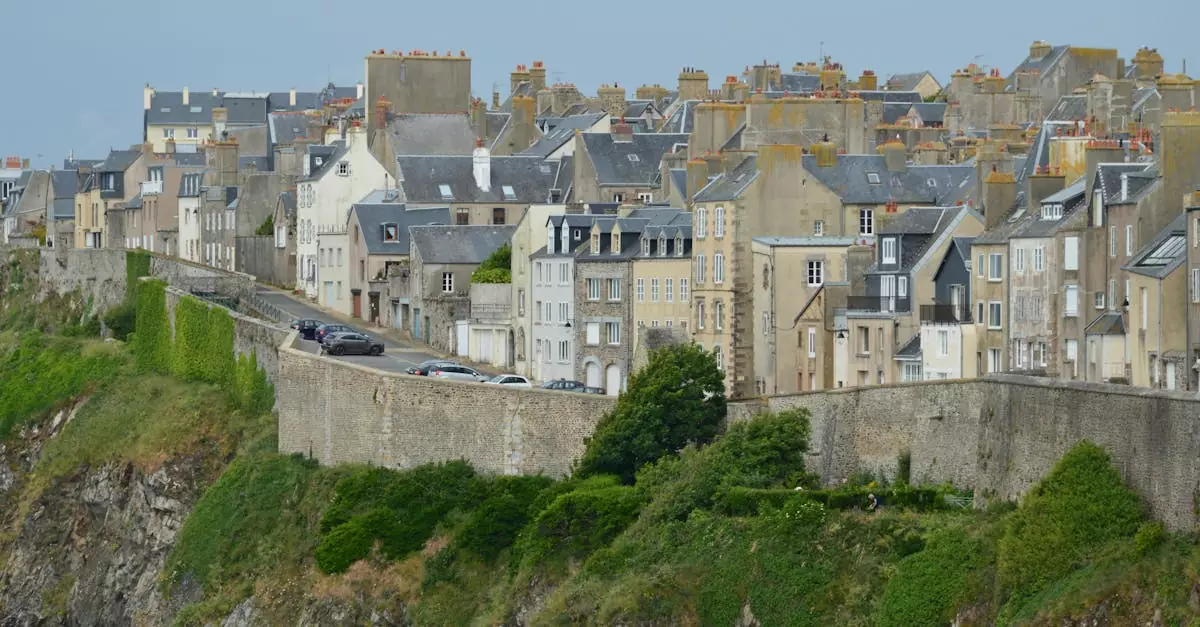
Planning your visit to Saint-Malo can feel straightforward with a well-structured itinerary. This ancient port city and its surrounding Emerald Coast offer a rich tapestry of history, stunning natural beauty, and charming Breton culture. A three-day trip allows for a deep dive into the walled city, a taste of island life, and an excursion to a nearby medieval gem.
Day 1: Immersing in the Walled City and Ramparts
Begin your Saint-Malo adventure by stepping back in time within Intramuros, the historic walled city. Dedicate your first day to walking the ramparts, which encircle the entire old town. These granite fortifications offer panoramic views of the English Channel, the surrounding islands, and the bustling port.
Start your exploration on foot, allowing yourself to get lost in the labyrinthine streets. Discover hidden squares, admire the granite architecture, and soak in the maritime atmosphere. Visit the Château de Saint-Malo, which now houses the town’s museum, providing insights into the city’s corsair past and its dramatic history. For lunch, seek out a traditional crêperie within the walls for authentic Breton galettes and crêpes.
Day 2: Island Adventures and Coastal Exploration
Day two is dedicated to the natural beauty surrounding Saint-Malo. A short ferry ride from the port takes you to the Île du Grand Bé and Petit Bé, two tidal islands accessible on foot at low tide. The Île du Grand Bé is famous for being the final resting place of the writer François-René de Chateaubriand, and its rugged landscape offers spectacular views back towards the mainland.
After your island excursion, consider a scenic coastal walk along the Emerald Coast. The GR34, also known as the “Sentier des Douaniers” (Customs Officers’ Path), offers breathtaking vistas of dramatic cliffs, sandy beaches, and turquoise waters. You can choose to walk a section of this path, perhaps towards the charming seaside resort of Dinard. This area is renowned for its elegant Belle Époque architecture and lovely beaches.
Day 3: Day Trip to Dinan or Mont Saint-Michel
For your final day, venture slightly further afield to experience more of the region’s magic. Two exceptional options present themselves: the medieval town of Dinan or the iconic Mont Saint-Michel.
Option A: Dinan
Dinan, located on the Rance River estuary, is a remarkably preserved medieval town. Its steep, cobbled streets, half-timbered houses, and impressive ramparts transport you to another era. Walk along the Rue du Jerzual, visit the Château de Dinan, and enjoy a leisurely stroll along the river port. Dinan is easily accessible from Saint-Malo by train or bus, making it a convenient day trip.
Option B: Mont Saint-Michel
A UNESCO World Heritage site, Mont Saint-Michel is an awe-inspiring tidal island topped by a magnificent abbey. This is a more ambitious day trip, requiring an earlier start and a longer journey, typically by train to Pontorson and then a shuttle bus or taxi. The sheer scale and beauty of the abbey and the surrounding bay are unforgettable. Be sure to check tide times as the landscape changes dramatically throughout the day.
Here’s a quick comparison for planning your day trip:
| Destination | Travel Time (Approx.) | Vibe | Key Attractions | Logistics |
|---|---|---|---|---|
| Dinan | 30-45 minutes (train) | Medieval charm, river | Cobbled streets, ramparts, castle, port | Frequent train service, walkable town |
| Mont Saint-Michel | 1.5-2 hours (train+bus) | Iconic, spiritual, tidal | Abbey, bay, medieval village | Requires planning for tides, shuttle buses |
Both Dinan and Mont Saint-Michel offer distinct yet equally captivating experiences, providing a perfect complement to your time in Saint-Malo.
Frequently Asked Questions About Visiting Saint-Malo
Is Saint-Malo worth visiting?
Absolutely. Saint-Malo offers a unique blend of history, stunning coastal scenery, and a vibrant atmosphere. The intact ramparts provide a dramatic backdrop for exploring the old town, and the proximity to the Emerald Coast makes it a fantastic base for day trips. Its maritime heritage is palpable, offering a distinct experience compared to many other French destinations.
What are the best hidden gems in Saint-Malo?
Beyond the main attractions, seek out the smaller, less crowded streets within the ramparts for charming boutiques and local eateries. The Musée d’Histoire de la Ville et du Pays Malouin offers a deep dive into the city’s past, often overlooked by those focused solely on the walls. For a quieter coastal walk, venture to the Pointe de la Varde for panoramic views away from the main tourist paths.
Is Saint-Malo family-friendly?
Yes, Saint-Malo is very family-friendly. Children often enjoy walking the ramparts, imagining themselves as ancient defenders. The beaches, particularly Plage de la Conche, are great for sandcastle building and paddling. Boat trips to the nearby islands, like the Île du Grand Bé, can also be an exciting adventure for younger visitors. Many restaurants offer kid-friendly menus.
What should I pack for a trip to Saint-Malo?
Pack layers, as the weather in Brittany can be changeable, even in summer. Comfortable walking shoes are essential for navigating the cobblestone streets and ramparts. Don’t forget a waterproof jacket, a hat, and sunglasses. Swimwear is advisable if you plan to enjoy the beaches. For evenings, casual but smart attire is generally suitable.