Europe’s landscapes are dotted with magnificent fortresses that have served as iconic backdrops for some of our most beloved films. If you’ve ever dreamed of walking the same hallowed halls as your favorite cinematic characters, this guide to movie castles you can visit is for you. We’ll explore real-life castles that have graced the silver screen, offering a tangible connection to history and popular culture. Discover practical tips for planning your visit, from ticket booking to finding the best viewpoints, navigating castle grounds, and budgeting for your adventure. Prepare to step beyond the screen and into the enchanting world of these historic European strongholds.
Fairytale Beginnings: Iconic Movie Castles and Their Real-World Locations
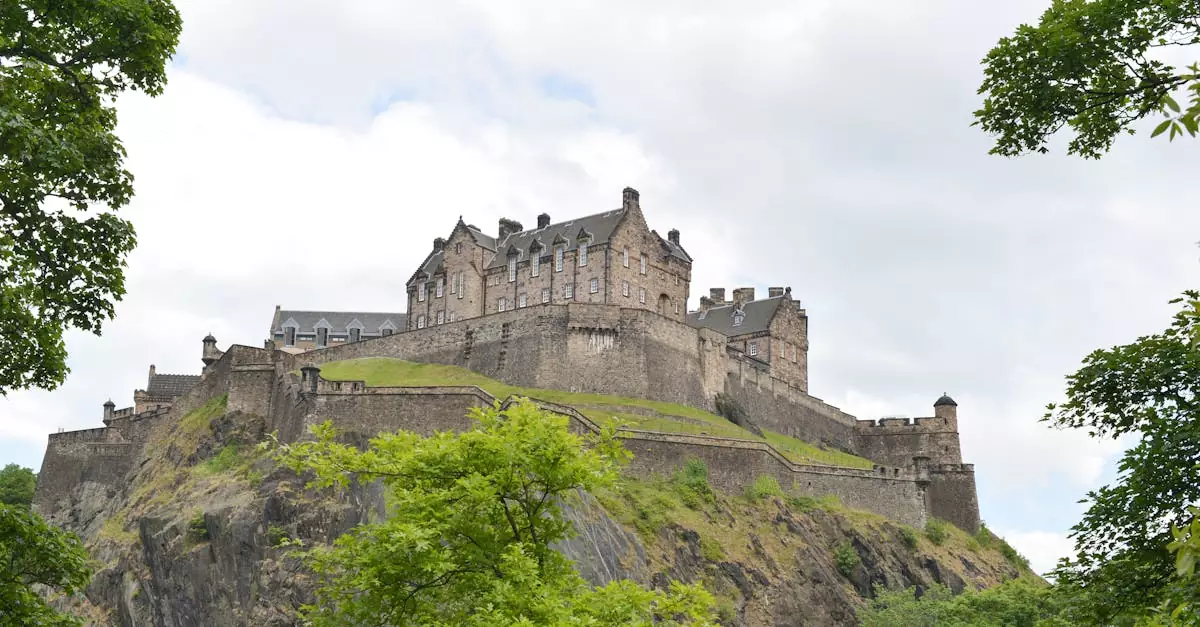
Dreaming of stepping into your favorite film? Europe is filled with real-life castles that have served as cinematic backdrops, allowing travelers to walk the same halls as fictional royalty and heroes. These aren’t just backdrops; they are historical structures rich with stories, many of which you can actively explore. From the Bavarian Alps to the Scottish Highlands, these cinematic strongholds provide an immersive travel experience.
Neuschwanstein Castle: The Inspiration for Disney’s Sleeping Beauty
Perched dramatically on a rugged hill in Bavaria, Germany, Neuschwanstein Castle is perhaps the most famous movie castle inspiration in the world. While not a direct filming location for Disney’s Sleeping Beauty, its ethereal beauty and fairytale architecture inspired the iconic Sleeping Beauty Castle at Disneyland and Walt Disney World. Commissioned by King Ludwig II of Bavaria, it was intended as a personal retreat and homage to composer Richard Wagner.
Visiting Neuschwanstein offers a glimpse into 19th-century Romanticism. The castle’s interior is as lavish as its exterior is majestic, featuring ornate frescoes and elaborate furnishings. Advance booking for tours is essential, as it’s one of Germany’s most popular tourist attractions. Consider visiting during the shoulder seasons of spring or autumn to avoid peak summer crowds.
- Location: Schwangau, Bavaria, Germany
- Getting There: Fly into Munich (MUC) and take a train to Füssen, followed by a bus to Hohenschwangau.
- Tip: Book your tickets online well in advance, as they often sell out weeks ahead.
Alnwick Castle: Hogwarts’ First Year Filming Location
Fans of the Harry Potter series will instantly recognize Alnwick Castle in Northumberland, England, as Hogwarts School of Witchcraft and Wizardry during Harry’s first year. The Outer Bailey was the site of Harry’s first broomstick flying lesson, while the Inner Bailey served as the backdrop for various Hogwarts scenes. Beyond Harry Potter, Alnwick has featured in Downton Abbey and Blackadder.
Alnwick Castle is a living fortress, still inhabited by the Duke of Northumberland and his family. Visitors can engage in broomstick training sessions, archery, and other medieval-themed activities, making it an engaging destination for families. The castle grounds also boast the stunning Alnwick Garden, known for its Poison Garden and impressive water features.
- Location: Alnwick, Northumberland, England
- Transportation: Accessible by train from London to Alnmouth, followed by a short bus or taxi ride. Driving is also convenient.
- Best Time to Visit: April to October, when the castle and gardens are fully open to the public.
Eilean Donan Castle: A Dramatic Scottish Icon Featured in ‘Highlander’
Set on a small tidal island where three sea lochs meet, Eilean Donan Castle in the Scottish Highlands is one of Scotland’s most photographed and iconic structures. Its dramatic appearance made it a memorable location in the cult classic film Highlander, where it served as the ancestral home of the MacLeod clan. The castle has also appeared in The Water Horse and various James Bond films.
The current castle is a 20th-century reconstruction of a medieval fortress, meticulously restored to its former glory. Walking across the stone bridge to reach the island feels like stepping back in time. The interior offers a fascinating look at Scottish history and clan life, with artifacts and displays that bring the past to life.
- Location: Kyle of Lochalsh, Ross-shire, Scotland
- Logistics: The castle is accessible by car via a stone bridge, a scenic drive from Inverness or Glasgow.
- Consider: Check tide times if you plan to visit during low tide, as access can be affected.
Dudley Castle: A Gothic Gem from ‘The Worst Witch’
Dudley Castle, a Grade I listed medieval fortification in the West Midlands of England, provided a suitably atmospheric setting for The Worst Witch television series. Its imposing ruins and Gothic ambiance perfectly suited the magical school setting. The castle’s history spans nearly a thousand years, having been founded by William the Conqueror.
Today, Dudley Castle is part of the Dudley Zoo and Castle complex. Visitors can explore the castle ruins, learn about its rich history, and enjoy the surrounding animal enclosures. The castle offers panoramic views of the area, and its often-misty atmosphere adds to its haunting charm, making it a unique movie castle experience.
- Location: Dudley, West Midlands, England
- Getting Around: Easily accessible by public transport from Birmingham and other nearby cities.
- Unique Aspect: The combination of historical ruins and a thriving zoo offers a distinct visitor experience.
Planning Your Royal Escape: Visiting Movie Castles in the UK
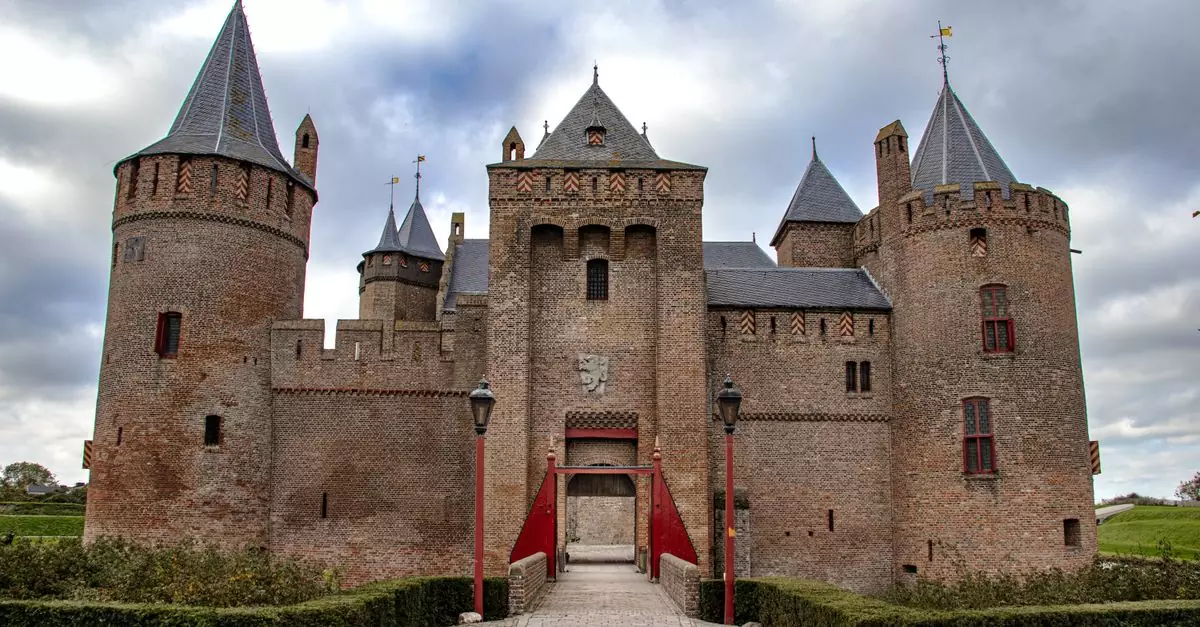
The United Kingdom boasts a rich tapestry of historic castles that have served as iconic backdrops for cinematic adventures. For travelers dreaming of stepping into a scene from their favorite film, these real-life movie locations provide an unparalleled opportunity. From the windswept landscapes of Scotland to the rolling hills of England, visiting these storied structures offers a tangible connection to both history and popular culture. Planning your trip to these movie castles requires attention to logistics, timing, and local insights to maximize your royal escape.
Getting to Alnwick Castle from London
Reaching Alnwick Castle, famously known for its role as Hogwarts in the early Harry Potter films and as Brancaster Castle in Downton Abbey, requires some travel planning from London. The most efficient route typically involves taking a high-speed train from London King’s Cross station to Alnmouth, which takes approximately 3 to 3.5 hours.
Upon arrival at Alnmouth station, you’ll need to take a local bus or a taxi to Alnwick town center, about a 10-15 minute ride. Many visitors opt to pre-book a taxi for convenience, especially if traveling with luggage or during peak season. Driving is also an option, with a journey of around 5-6 hours, but parking can be limited during busy periods.
Best Time to Visit Alnwick Castle for Fewer Crowds
To experience the magic of Alnwick Castle with fewer distractions, consider visiting during the shoulder seasons. Late spring (May to early June) and early autumn (September to October) often offer pleasant weather without the peak summer crowds. During these times, the castle grounds are usually less congested, allowing for a more immersive experience.
Weekdays are generally less busy than weekends, regardless of the season. If you must visit during school holidays or summer, aim to arrive shortly after the castle opens to beat the initial rush. Checking the castle’s official website for specific opening times and any special events is always recommended, as these can impact crowd levels.
Accommodation Options Near Alnwick Castle
Alnwick town offers a charming selection of accommodations, ranging from cozy bed and breakfasts to larger hotels. For a truly immersive experience, consider staying in a historic guesthouse within the town, placing you within easy walking distance of the castle and local amenities.
- Hotels: Several well-regarded hotels are available in Alnwick, offering various comfort levels and price points.
- Guesthouses & B&Bs: These often provide a more personal touch and a taste of local hospitality.
- Self-Catering Cottages: For families or longer stays, renting a cottage can offer flexibility and a home-away-from-home feel.
Booking accommodation in advance is advisable, particularly during peak tourist seasons or local festivals.
Day Trip Itineraries from Edinburgh to Eilean Donan Castle
Eilean Donan Castle, a breathtakingly picturesque island fortress featured in films like Highlander and The World Is Not Enough, is a significant journey from Edinburgh. While a day trip is ambitious, it’s achievable for dedicated travelers who prioritize efficiency.
Option 1: Guided Tour
The most straightforward way to visit Eilean Donan Castle from Edinburgh on a day trip is by booking a guided tour. Numerous tour operators offer coach tours that handle all transportation and logistics, often including stops at other scenic locations along the way, such as Glencoe or Loch Ness. These tours typically depart early in the morning and return late in the evening, making for a long but rewarding day.
Option 2: Self-Drive (Challenging Day Trip)
For those who prefer to drive themselves, the journey from Edinburgh to Eilean Donan Castle is approximately 4.5 to 5 hours one way, covering over 200 miles. This requires an early start, ideally by 7 AM, to allow sufficient time at the castle and for the return journey before dark. The route takes you through some of Scotland’s most spectacular scenery, including the Highlands.
Itinerary Outline (Self-Drive):
- 7:00 AM: Depart Edinburgh.
- 11:30 AM – 12:00 PM: Arrive at Eilean Donan Castle.
- 12:00 PM – 2:00 PM: Explore the castle and its surroundings.
- 2:00 PM: Depart for Edinburgh.
- 6:30 PM – 7:00 PM: Arrive back in Edinburgh.
This itinerary is tight and leaves little room for unexpected delays or extended stops. For a more relaxed visit to this iconic movie castle, consider an overnight stay in the nearby village of Dornie or Kyle of Lochalsh.
Exploring Bavarian Magic: A Guide to Neuschwanstein Castle
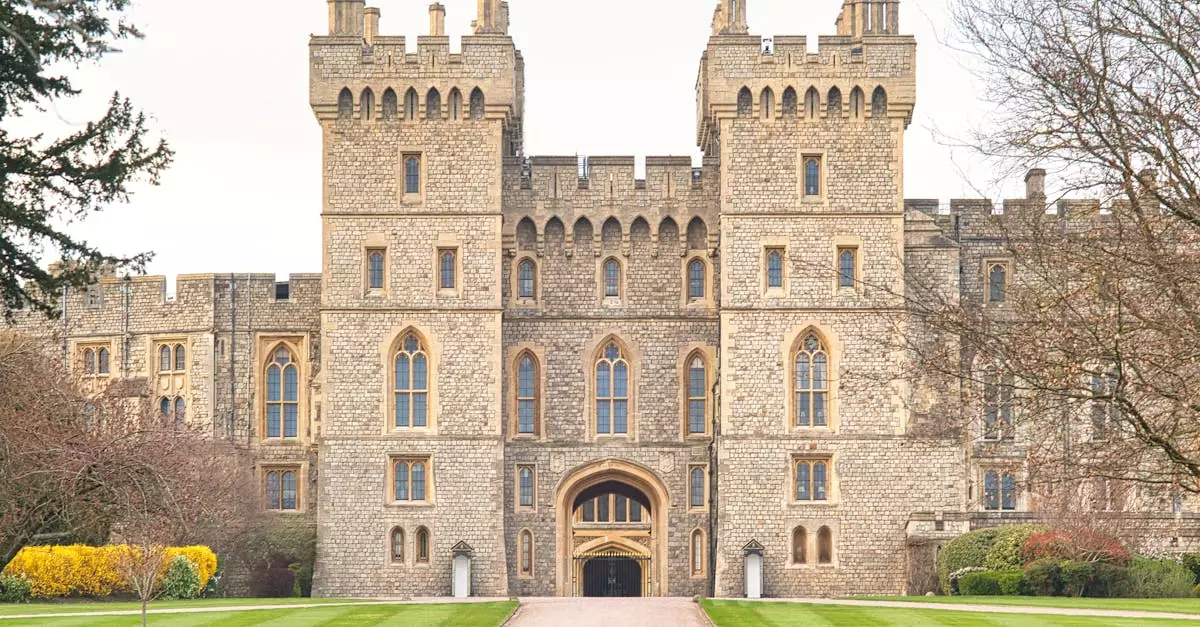
Neuschwanstein Castle, a fairy-tale vision perched dramatically in the Bavarian Alps, has captivated imaginations worldwide, famously inspiring Disney’s Sleeping Beauty Castle. This 19th-century Romanesque Revival palace, commissioned by King Ludwig II of Bavaria, offers a glimpse into a romanticized medieval world. Visiting this iconic structure requires planning to navigate its popularity and ensure a memorable experience. Understanding the logistics, from booking tickets to finding the best vantage points, is key to appreciating its grandeur beyond the glossy images.
How to book tickets for Neuschwanstein Castle
Securing tickets for Neuschwanstein Castle is a crucial first step, as on-site purchases are often unavailable due to high demand. The official Bavarian Palace Department website is the primary and most reliable source for purchasing tickets in advance. It’s advisable to book at least several weeks, and during peak season, even months ahead of your intended visit. Tickets are time-slotted, allowing for guided tours of the interior, conducted in multiple languages, with audio guides available.
When booking online, you’ll select a specific entry time. Be aware that you must arrive at the castle ticket center (Hohenschwangau ticket center) at least 90 minutes before your tour time to collect your physical tickets. Failure to do so may result in forfeiting your booking. Alternative booking methods include phone reservations or purchasing through authorized third-party vendors, though these often come with additional fees.
The best viewpoints for photographing Neuschwanstein Castle
Capturing the iconic image of Neuschwanstein requires strategic positioning. The most famous viewpoint is the Marienbrücke (Mary’s Bridge), a pedestrian suspension bridge offering breathtaking panoramic views directly towards the castle. However, this bridge can become extremely crowded, especially during summer and on weekends. Access to the Marienbrücke can also be restricted due to weather conditions or maintenance.
For alternative perspectives, consider the hiking trails around the castle. A path leading up from the castle grounds offers a slightly elevated view, showcasing the surrounding forests and mountains. Another popular spot is the viewpoint from the Tegelberg cable car station, which provides a more distant, but equally stunning, aerial perspective of the castle nestled in its landscape. Photographers should also explore the area near the Alpsee lake for reflections and different framing opportunities.
Nearby castles and attractions in the Füssen region
The region surrounding Neuschwanstein is rich with history and natural beauty, making it ideal for a multi-day visit. Directly opposite Neuschwanstein sits Hohenschwangau Castle, King Ludwig II’s childhood home. This more traditional castle offers a different architectural style and insights into the king’s early life. It’s easily accessible from the same ticket center as Neuschwanstein.
The charming town of Füssen itself is worth exploring, with its medieval old town, cobblestone streets, and the impressive Hohes Schloss (High Castle). For those interested in more castles, Linderhof Palace, another of Ludwig II’s extravagant creations, is a manageable drive away and is known for its exquisite rococo interiors and stunning gardens. The natural landscape also offers attractions like the Breitachklamm gorge, a dramatic natural wonder with impressive rock formations and waterfalls.
Navigating the crowds: Tips for a smoother visit
Visiting Neuschwanstein Castle means contending with significant crowds, particularly from May to October. To minimize the impact of this, consider visiting during the shoulder seasons (April-May or September-October) or on weekdays. Arriving early in the morning, even before your scheduled ticket time, can help you beat some of the initial rush.
Tips for a smoother visit:
- Book tickets well in advance: This is essential for guaranteed entry.
- Arrive at the ticket center early: Allow ample time to collect your tickets and reach the castle.
- Consider off-season travel: Fewer crowds mean a more relaxed experience.
- Utilize the shuttle bus or walk: Parking is available at Hohenschwangau, and you can reach the castle via shuttle bus, horse-drawn carriage, or a steep uphill walk (approximately 30-40 minutes). Choose the option that best suits your fitness level and time.
- Be patient: Understand that queues are part of the experience, especially at popular viewpoints and for the shuttle bus.
The journey to Neuschwanstein is an adventure in itself, offering a chance to immerse yourself in the romantic landscapes of Bavaria and step into a storybook setting.
Beyond the Blockbusters: Lesser-Known Movie Castles Worth Discovering
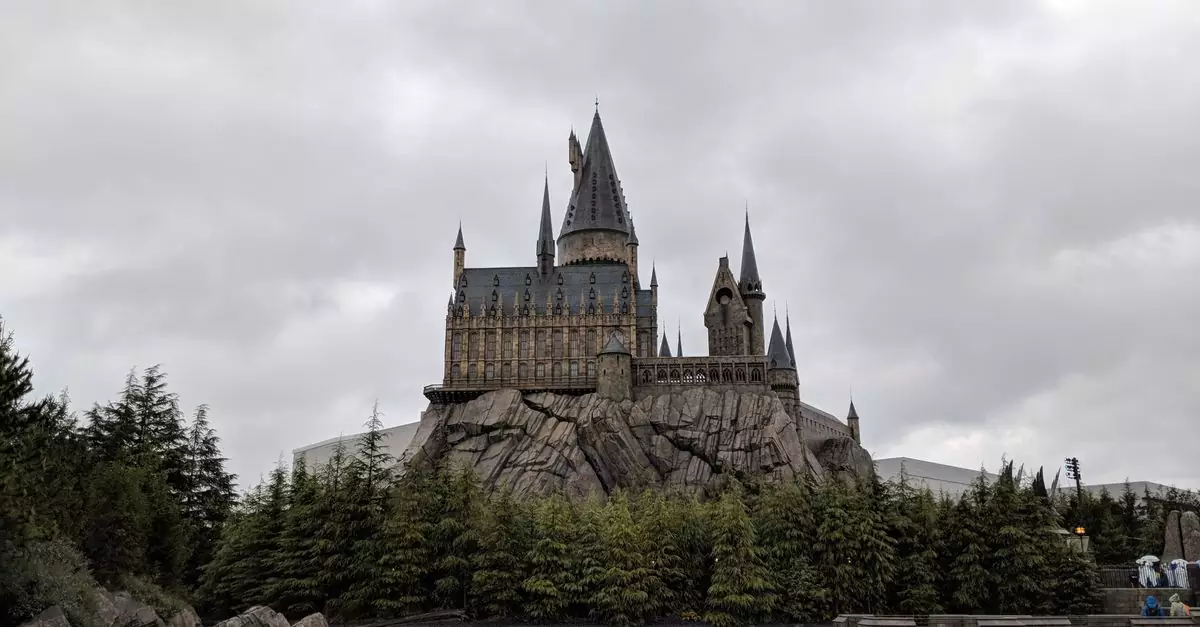
While some cinematic fortresses are instantly recognizable, many European castles featured in films offer a more intimate and authentic historical experience. These locations often provide a deeper connection to the past, free from the overwhelming crowds sometimes found at more famous landmarks. Visiting these movie castles allows travelers to step directly into scenes, imagining the drama and history that unfolded within their walls.
Stirling Castle: A Scottish Historical Site Used in ‘Braveheart’
Stirling Castle, a commanding presence in Scotland’s landscape, served as a pivotal filming location for the epic Braveheart. Though the film took liberties with historical accuracy, the castle itself is a testament to Scotland’s rich past, having been a royal residence and a strategic stronghold for centuries. Its battlements offer panoramic views, echoing the very vistas that William Wallace might have surveyed.
Travelers can spend hours wandering through the Great Hall, the Royal Palace, and the Chapel Royal, each space resonating with centuries of Scottish royalty and conflict. The castle is easily accessible from Edinburgh or Glasgow, making it a popular day trip. Planning your visit during the spring or summer months offers the best chance for pleasant weather and longer daylight hours for exploration.
- Getting there: Regular train services run from Edinburgh and Glasgow to Stirling.
- Best time to visit: April to September for milder weather.
- Tip: Book tickets online in advance to save time at the entrance.
Château de Chambord: The Grand Estate from ‘The Man in the Iron Mask’
The Loire Valley in France is renowned for its magnificent châteaux, and the Château de Chambord stands out as a particularly impressive example, notably featured in the film The Man in the Iron Mask. This colossal Renaissance château, with its distinctive skyline of towers and chimneys, was originally built as a hunting lodge for King Francis I. Its sheer scale and architectural grandeur are breathtaking, offering a glimpse into the opulent lifestyle of French royalty.
Inside, the double-helix staircase, believed to have been designed by Leonardo da Vinci, is a marvel of engineering and design. Exploring the vast grounds, including the extensive forest and canals, provides a full day’s activity. Chambord is best visited between May and September when the gardens are in bloom and outdoor activities are most enjoyable.
- Logistics: Chambord is best accessed by car, offering flexibility to visit other Loire Valley châteaux. Organized tours from Paris are also available.
- Budget consideration: Entrance fees are moderate, but factor in costs for guided tours or boat rentals on the canals.
- Accommodation: Options range from charming guesthouses in nearby villages to hotels in the larger cities of Tours or Blois.
Alcázar of Segovia: The Spanish Fortress of ‘Snow White and the Huntsman’
The Alcázar of Segovia in Spain, with its fairytale turrets and commanding position atop a rocky crag, provided the visual inspiration for the Queen’s castle in Snow White and the Huntsman. This historic fortress has a long and varied past, serving as a Roman fort, a Moorish alcázar, a royal palace, and a military academy. Its unique shape, resembling the bow of a ship, makes it instantly recognizable.
Visitors can explore its opulent interiors, including the Throne Room and the Royal Bedroom, adorned with intricate Mudejar ceilings. The views from the keep, known as the Tower of John II, are spectacular, overlooking the city of Segovia and the surrounding countryside. Segovia itself is a UNESCO World Heritage site, famous for its Roman aqueduct and Gothic cathedral, making the Alcázar just one highlight of a rich cultural experience.
| Aspect | Stirling Castle | Château de Chambord | Alcázar of Segovia |
|---|---|---|---|
| Country | Scotland | France | Spain |
| Primary Film | Braveheart | The Man in the Iron Mask | Snow White and the Huntsman |
| Architecture | Medieval/Renaissance | Renaissance | Gothic/Renaissance |
| Best Season | Spring/Summer | Late Spring/Summer | Spring/Autumn |
| Accessibility | Good (Train) | Moderate (Car recommended) | Good (Train/Bus) |
The Alcázar is easily reached by train from Madrid, making it a feasible day trip or an excellent stop on a wider tour of Spain. Visiting during the shoulder seasons of spring or autumn often provides pleasant weather without the peak summer crowds.
What to Expect When Visiting a Movie Castle: Practical Tips
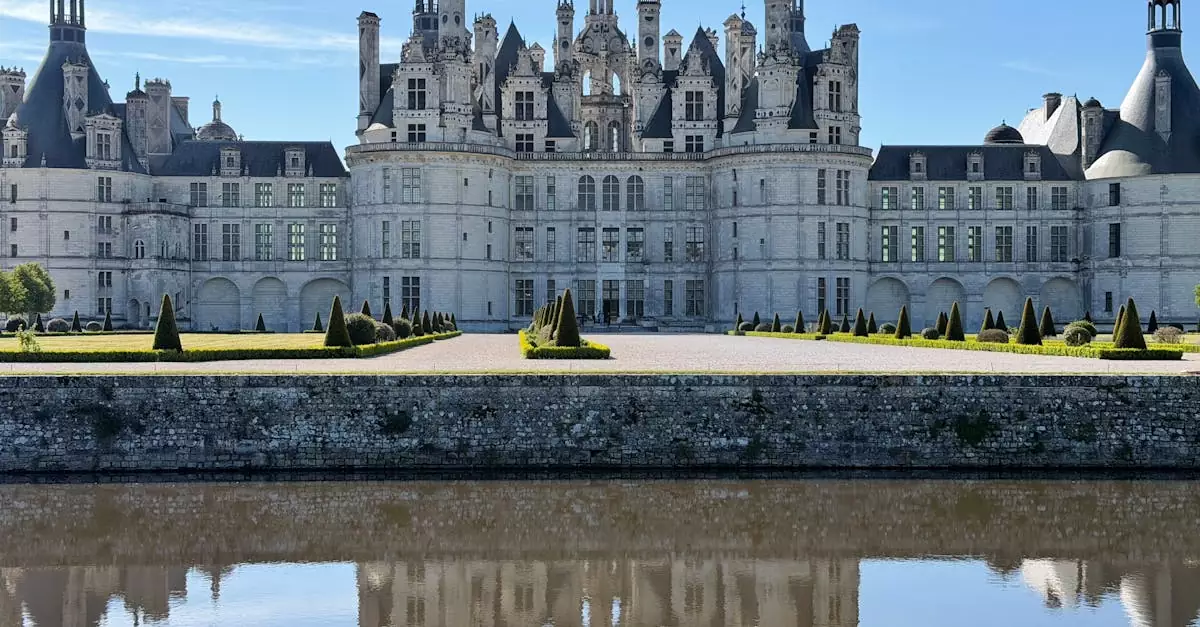
Visiting a castle featured in a film offers a unique blend of cinematic fantasy and historical reality. While the silver screen might portray grand ballrooms and sweeping landscapes, real-world visits require practical planning. Understanding what to expect ensures a more enjoyable and seamless experience as you step into the settings of your favorite movies.
Navigating Castle Grounds and Public Transport
Many iconic movie castles are situated in picturesque, yet sometimes remote, locations across Europe. Reaching them often involves a combination of public transport and walking. Major cities usually offer good train or bus connections to regional towns near these historic sites. From there, local buses, taxis, or a scenic walk might be your best bet.
Consider these transport options when planning your trip:
- Train Travel: Efficient for inter-city journeys and reaching smaller towns.
- Local Buses: Connect towns to more rural attractions, including castle entrances.
- Rental Car: Offers the most flexibility, especially for exploring multiple sites or remote castles.
- Tours: Guided tours often handle transportation, simplifying logistics.
Always check the operating schedules for local transport, as they can be infrequent, particularly outside peak tourist seasons or on weekends.
Photography Etiquette Inside Historic Castles
Capturing memories at these cinematic landmarks is a must, but it’s essential to be mindful of photography rules within historic castle interiors. Many sites have specific guidelines to protect delicate artifacts and preserve the atmosphere. Flash photography is almost universally prohibited to prevent damage to tapestries, paintings, and other sensitive displays.
In some areas, photography may be entirely forbidden to maintain the integrity of certain rooms or exhibits. Look for signage or ask a member of the castle staff if you are unsure. Respecting these rules ensures that these treasures can be enjoyed by future visitors.
Budgeting for Your Movie Castle Adventure
The cost of visiting a movie castle can vary significantly based on its location, accessibility, and the amenities it offers. Entrance fees typically range from €10 to €25 per adult, with potential discounts for children, seniors, or families. Beyond admission, factor in expenses for transportation, food, and any souvenirs you might wish to purchase.
A general budget guideline for a single-day castle visit, excluding accommodation, might look like this:
| Expense Category | Estimated Cost (per person) | Notes |
|---|---|---|
| Castle Admission | €10 – €25 | Varies by site and included exhibitions |
| Transportation | €5 – €50 | Depends on distance and mode of transport |
| Food & Drink | €15 – €30 | On-site cafes or packed lunches |
| Souvenirs/Extras | €0 – €20 | Optional |
| Total Per Day | €30 – €125 |
Many castles also offer guided tours for an additional fee, which can enhance your understanding of the history and film connections.
Packing Essentials for a Day of Castle Exploration
When preparing for a day of exploring movie castles, comfort and practicality are key. Sturdy, comfortable walking shoes are paramount, as you’ll likely be traversing uneven terrain, cobblestone courtyards, and numerous staircases. Layers of clothing are also advisable, as temperatures inside old stone structures can fluctuate, and weather in Europe can be unpredictable.
Don’t forget to pack:
- Water Bottle: Staying hydrated is important, especially during warmer months.
- Snacks: While some castles have cafes, bringing your own can save money and time.
- Sun Protection: A hat, sunglasses, and sunscreen are useful for outdoor areas.
- Small Backpack: To carry your essentials comfortably.
- Portable Charger: For your phone or camera, as you’ll want to capture plenty of photos.
- Rain Gear: A compact umbrella or light waterproof jacket is wise, regardless of the forecast.
Frequently Asked Questions About Visiting Movie Castles
Can you stay overnight in any of these movie castles?
Some movie castles offer overnight stays, transforming their historic walls into unique accommodations. For example, Highclere Castle, famously known as Downton Abbey, does not offer public overnight stays, but many other European castles do. Options range from luxury suites within the castle grounds to more rustic rooms in former gatehouses or servant quarters. Booking well in advance is essential, as these unique lodging experiences are highly sought after.
Are movie castles suitable for family visits?
European movie castles can be excellent destinations for families, offering a blend of history, fantasy, and adventure. Many castles have engaging exhibits, interactive displays, and expansive grounds perfect for children to run and play. Consider visiting castles with accessible pathways and facilities if traveling with very young children or those with mobility challenges. Some sites may also offer specific family-friendly tours or activities, so checking the official website before your visit is recommended.
What are the best times of year to visit European movie castles?
The best times to visit European movie castles often depend on crowd levels and weather. Spring (April to June) and autumn (September to October) generally offer pleasant temperatures and fewer tourists than the peak summer months. Winter can be magical, especially if snow dusts the battlements, but some attractions may have reduced hours or be closed. Summer (July to August) is popular but expect larger crowds and potentially higher prices.
| Season | Pros | Cons |
|---|---|---|
| Spring | Mild weather, blooming landscapes, fewer crowds | Potential for rain, variable temperatures |
| Summer | Long daylight hours, all attractions open | Peak crowds, higher prices, heat |
| Autumn | Beautiful foliage, crisp air, moderate crowds | Shorter days, potential for rain |
| Winter | Festive atmosphere, fewer tourists, dramatic scenery | Cold weather, reduced hours, some closures |
How do I get the most authentic experience at a movie castle?
To get the most authentic experience at a movie castle, try to visit during the shoulder seasons to avoid peak crowds. Engaging with local guides or taking guided tours can provide in-depth historical context and behind-the-scenes stories not found in guidebooks. Look for castles that are still privately owned or have active historical preservation societies, as these often offer a more genuine glimpse into castle life. Consider researching the actual history of the castle beyond its film appearances; understanding its past inhabitants and events can deepen your appreciation. Visiting nearby historical towns or villages can also add layers to your understanding of the region’s heritage.