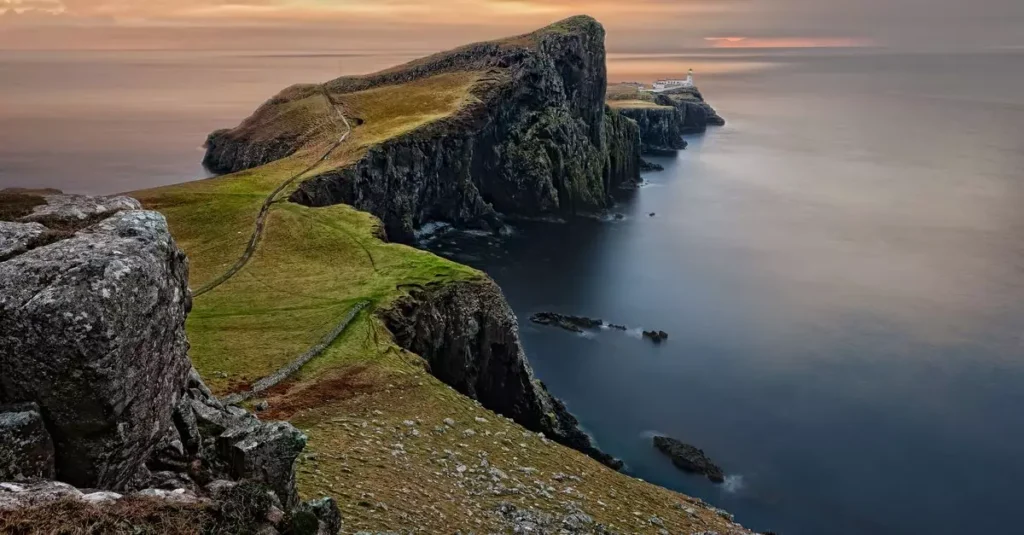
The United Kingdom boasts a wealth of stunning, often overlooked islands, providing a serene escape from the mainland hustle. If you’re dreaming of dramatic coastlines, unique wildlife, and a slower pace of life, discovering the best hidden islands UK has to offer promises an adventure. This guide will take you beyond popular tourist trails to explore secluded havens like the car-free charm of Sark, the self-sufficient community of the Isle of Eigg, and the historically rich, tide-dependent Holy Island.
You’ll learn about the most enchanting of these lesser-known gems, the best times to visit for optimal weather and fewer crowds, and practical advice on ferry travel and packing essentials. We’ll also offer itinerary ideas for island hopping and insights into local flavors. Prepare to uncover the tranquil beauty and distinct character of these remarkable island retreats.
Unveiling the UK’s Best Kept Island Secrets
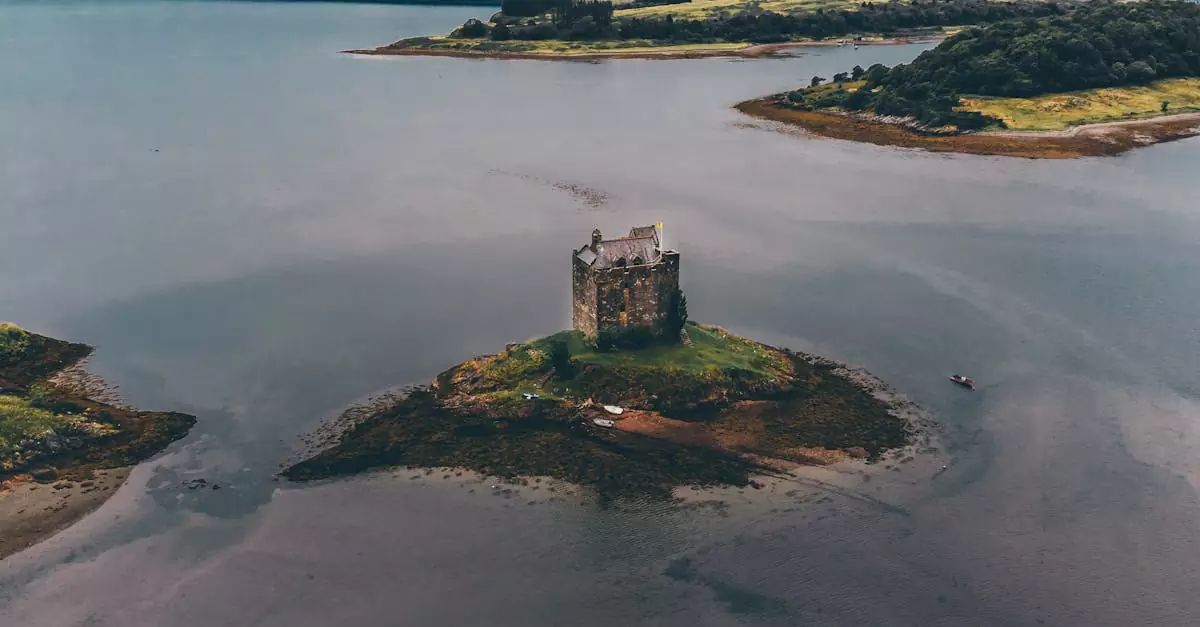
The United Kingdom, often associated with bustling cities and rolling countryside, harbors a treasure trove of secluded islands waiting to be discovered. These destinations provide a unique escape from the mainland’s pace, each with its distinct charm. If you’re seeking tranquility, stunning natural beauty, and a chance to disconnect, exploring some of the best hidden islands in the UK offers an unforgettable travel experience.
Isle of Eigg: A Self-Sufficient Gem in the Scottish Highlands
The Isle of Eigg, nestled within the Small Isles archipelago off the west coast of Scotland, exemplifies community-led sustainability. This small island, measuring just five miles long and three miles wide, is entirely powered by renewable energy sources, showcasing the innovation of its residents. Getting to Eigg involves a scenic ferry journey, typically from Mallaig or Arisaig, offering breathtaking views of the Highland coastline.
Once on Eigg, you’ll find a car-free environment that encourages exploration on foot, by bicycle, or even by quad bike for those with island permits. The island’s dramatic landscapes include the striking An Sgùrr, a volcanic ridge providing panoramic vistas, and pristine beaches like Laig Bay, known for its black sand and views towards Skye. Accommodations range from charming guesthouses and self-catering cottages to a campsite, catering to various budgets. The island shop and tearoom serve as vital community hubs. Planning your visit during the warmer months, from May to September, will offer the best weather for outdoor activities, though visitors should always be prepared for Scotland’s unpredictable climate.
Sark: Car-Free Charm in the Channel Islands
Sark, a tiny island in the English Channel, transports you back in time with its complete absence of motor vehicles. This unique feature, combined with dramatic cliffs and untouched natural beauty, makes it a sought-after destination for those seeking a peaceful retreat. Access to Sark is primarily via ferry from Guernsey, with additional services sometimes available from Jersey. The journey itself provides a glimpse of the rugged coastline that defines this special place.
Life on Sark moves at a gentle pace, dictated by horse-drawn carts and bicycles. The island’s small size means most attractions are within easy reach. Explore hidden coves, wander through narrow lanes, or simply soak in the tranquility. Accommodations include a few hotels and self-catering units, often booked well in advance due to limited availability. Sark enjoys a milder climate than many parts of the UK, with spring and autumn offering pleasant conditions for sightseeing without the peak summer crowds. While Sark is technically part of the Bailiwick of Guernsey, it maintains a unique feudal system of governance.
Holy Island (Lindisfarne): A Tidal Island Steeped in History
Located off the coast of Northumberland in northeastern England, Holy Island, also known as Lindisfarne, is rich in historical and spiritual significance. Its accessibility is dictated by the tides, with a causeway connecting it to the mainland for a few hours each day. Travelers must consult tide times carefully to avoid being stranded. The journey across the causeway is an experience in itself, offering expansive views of the North Sea and the island’s ancient landmarks.
Lindisfarne is home to the ruins of Lindisfarne Priory, a pivotal site in early English Christianity, and Lindisfarne Castle, a striking Elizabethan fortress perched on a hilltop. Visitors can immerse themselves in the island’s rich past, walk along the sandy shores, and observe diverse birdlife. Accommodation is limited to a few inns and guesthouses, making early booking advisable, particularly during the summer months. The best time to visit for pleasant weather and fewer crowds is often in late spring or early autumn. Remember to check the causeway crossing times before you set off.
Planning Your Escape to a Secluded UK Island
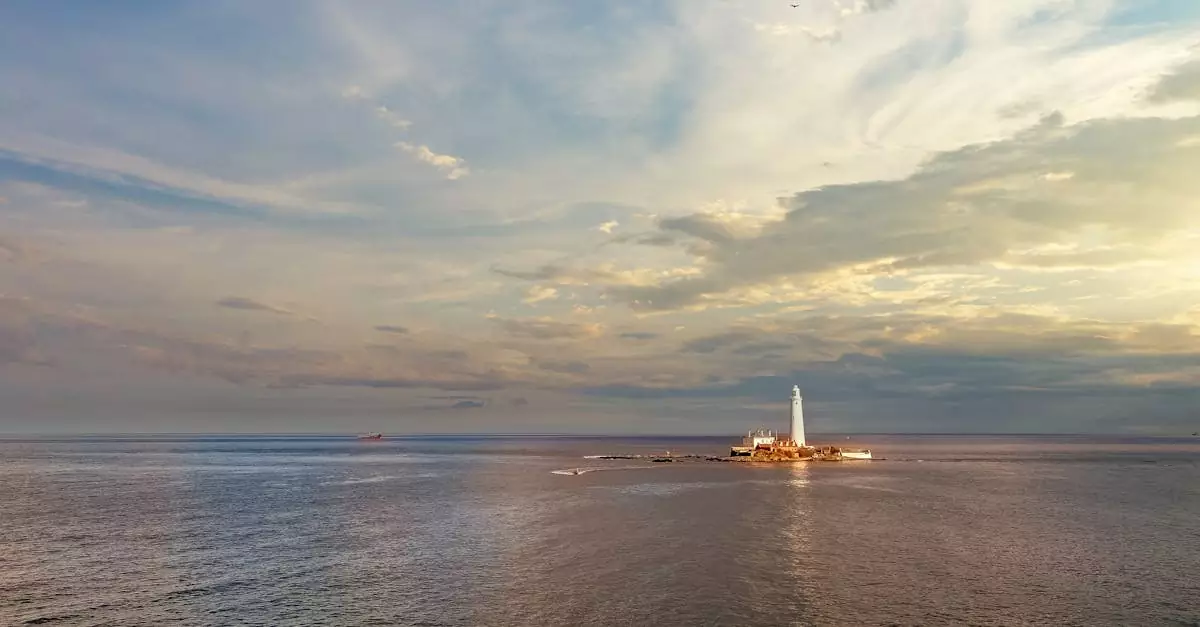
Embarking on a journey to one of the UK’s hidden islands offers a unique opportunity to disconnect and immerse yourself in breathtaking natural beauty. While the allure of remote shores is strong, a little planning ensures a smooth and enjoyable trip. Consider travel logistics, the best times to visit, and packing essentials to maximize your adventure away from the mainland crowds.
Best Time to Visit the UK’s Hidden Islands for Optimal Weather
The timing of your visit significantly impacts the experience on these remote outposts. Summer, from June to August, typically offers the warmest temperatures and longest daylight hours, making it ideal for outdoor activities like hiking and exploring coastal paths. However, this is also peak season, meaning ferries may be busier, and accommodation can be in higher demand.
For a quieter experience with fewer crowds, consider visiting during the shoulder seasons: late spring (May) or early autumn (September). May can bring beautiful wildflowers and milder weather, while September often offers crisp, clear days perfect for photography and walking, with the added bonus of fewer midges. Winter on many of these islands can be dramatic and beautiful but also challenging, with unpredictable weather, reduced ferry services, and limited daylight. Always check local weather forecasts and ferry schedules before you travel, especially outside the summer months.
Getting to the UK’s Remote Island Paradises: Ferry & Flight Options
Reaching the UK’s best hidden islands often involves a combination of driving, train travel, and ferry crossings. Most islands are accessible via scheduled ferry services, which can range from short hops to longer, scenic journeys. Popular departure points include mainland ports like Oban, Mallaig, Skye, and Fishguard. Booking ferry tickets in advance is highly recommended, particularly during summer or if you plan to take a vehicle.
Some remote archipelagos, such as the Outer Hebrides or Shetland, may offer domestic flights from major UK airports. These can significantly reduce travel time but are often more expensive and less flexible than ferry options. Researching the specific transport links for your chosen island is crucial. For instance, getting to the Isles of Scilly involves either a ferry from Penzance or a flight from various regional airports. Understanding these logistics early will help you budget your time and money effectively.
Example Ferry Routes & Considerations:
| Island Group | Main Departure Port(s) | Typical Journey Time | Vehicle Option | Notes |
|---|---|---|---|---|
| Inner Hebrides | Oban, Mallaig, Uig | 1-3 hours | Yes | Frequent services, stunning views |
| Outer Hebrides | Uig, Ullapool, Oban | 2-5 hours | Yes | Longer crossings, can be rough seas |
| Isles of Scilly | Penzance | ~2.5 hours | Yes | Weather dependent, scenic |
| Shetland Islands | Aberdeen | ~6-12 hours | Yes | Overnight options available |
Packing Essentials for a Remote Island Adventure
When preparing for a trip to a secluded UK island, packing smart is essential, as amenities can be limited and shops infrequent. Layers are your best friend, as the weather can change rapidly. Think waterproof and windproof outer layers, warm fleeces or jumpers, and comfortable, sturdy walking shoes.
Don’t forget essentials like:
- Sunscreen and insect repellent: Even on cloudy days, the sun can be strong, and midges can be prevalent, especially in Scotland during warmer months.
- A good quality map and compass: While GPS is useful, battery life can be an issue, and signal coverage is not always reliable on remote islands.
- A portable power bank: To keep your devices charged.
- Any personal medications: As pharmacies may be far away or closed.
- A reusable water bottle and travel mug: For staying hydrated and enjoying hot drinks on the go.
Consider bringing a small backpack for day trips to carry your essentials. If you plan to cook some of your own meals, pack non-perishable food items or check in advance what local produce is available. For those venturing to places like the Isles of Scilly, packing swimwear might be optimistic but can be rewarding on rare sunny days.
Island Hopping Adventures: Crafting Your Itinerary
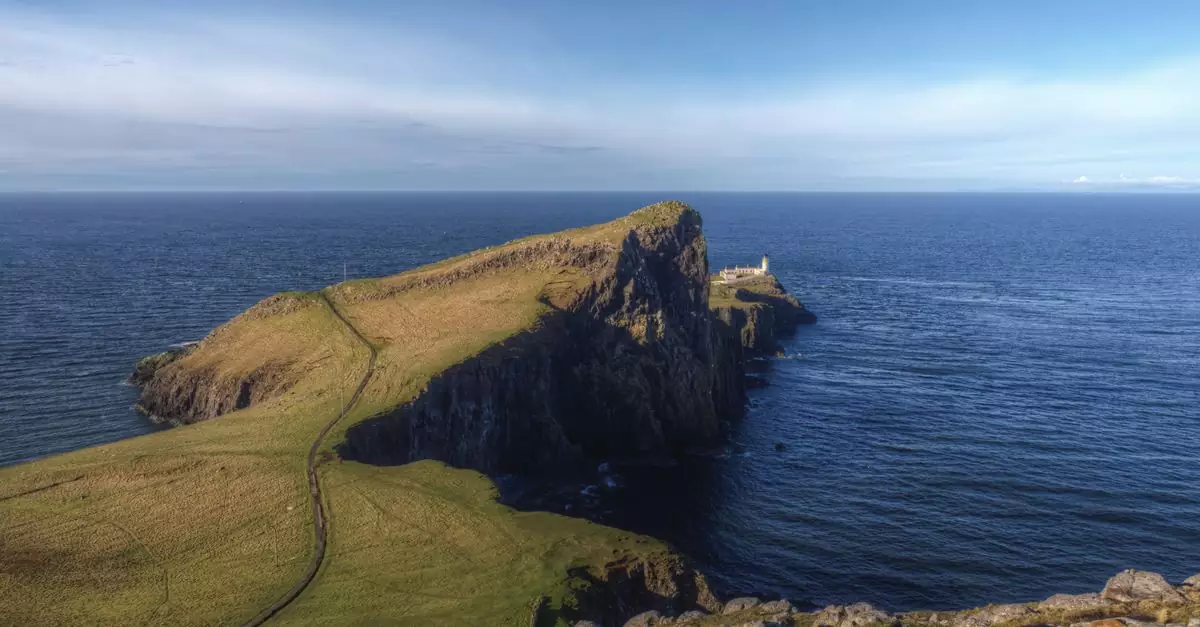
Planning an island escape requires thoughtful consideration of how to best experience these unique locations. Whether you have a full week or just a weekend, structuring your journey can enhance your visit. The following itinerary suggestions offer a starting point for discovering some of the UK’s more secluded island gems.
A 5-Day Itinerary for Exploring the Inner Hebrides’ Lesser-Known Islands
For those seeking an immersive experience in Scotland’s Inner Hebrides, a five-day itinerary can unlock the charm of its quieter islands. This plan focuses on a blend of natural beauty and local culture, moving beyond the most frequented spots.
Day 1: Arrival on Islay & Exploring the South
Arrive at Islay Airport (ILY) or by ferry from Kennacraig. Settle into your accommodation, perhaps in Bowmore or Port Ellen. Spend the afternoon visiting a whisky distillery like Laphroaig or Lagavulin, known for their distinctive peaty flavors.
Day 2: Islay’s Wild Coast & Birdlife
Dedicate the day to exploring the rugged western coast. Visit the RSPB reserve at Loch Gruinart for incredible birdwatching opportunities, especially during migratory seasons. Hike along the dramatic cliffs near Kilchoman.
Day 3: Ferry to Jura & Wilderness
Take a short ferry from Islay to Jura. This vast, sparsely populated island offers true wilderness. Hike to the Paps of Jura for panoramic views or explore the remote northern coast. Accommodation options are limited here, so booking in advance is essential.
Day 4: Colonsay’s Tranquility
Catch a ferry from Jura (seasonal) or return to Islay and take a ferry to Colonsay. Known for its stunning beaches, including Kiloran Bay, and its peaceful atmosphere, Colonsay is perfect for unwinding. Visit Colonsay House Gardens.
Day 5: Departure
Enjoy a final island breakfast before departing from Colonsay by ferry back to the mainland, or return to Islay for onward travel.
Logistics:
- Ferries: CalMac operates services to these islands. Check their website for timetables and booking.
- Accommodation: Ranges from B&Bs and self-catering cottages to a few hotels. Book well in advance, especially for Jura.
- Transport: While car ferries exist, many visitors find it easier to rely on local buses on Islay or explore on foot and by bike on smaller islands.
Weekend Getaway: A Taste of Sark’s Unique Atmosphere
Sark, a small island in the Bailiwick of Guernsey, offers a truly unique escape, famously free of cars. A weekend here provides a refreshing break from the mainland hustle.
Getting There:
Access Sark via ferry from Guernsey or Jersey. The journey from Guernsey is approximately 45 minutes.
What to Do:
- Explore by Foot or Horse-drawn Carriage: Wander the island’s paths, hire a bicycle, or experience a traditional horse-drawn taxi.
- Visit La Seigneurie: Discover the island’s historic manor house and gardens.
- Coastal Walks: Enjoy the dramatic cliffs and secluded coves. Little Sark, connected by a narrow isthmus, offers stunning scenery.
- Stargazing: With minimal light pollution, Sark is an excellent spot for observing the night sky.
Practicalities:
- Accommodation: Sark has a limited number of hotels and guesthouses. Booking is crucial for weekend stays.
- Budget: Sark can be moderately expensive due to its island status and limited options. Factor in ferry costs, accommodation, and dining.
Discovering the Historical Significance of Holy Island
Lindisfarne, or Holy Island, off the coast of Northumberland, England, is renowned for its ancient priory and its role in early Christianity in Britain. It’s a popular day trip destination, but an overnight stay offers a more profound experience.
Access and Timing:
Holy Island is accessible by a causeway, which is only safe to cross at low tide. Always check the tide times before planning your visit to avoid getting stranded. The island is typically busiest during summer weekends.
Key Attractions:
- Lindisfarne Priory: Explore the atmospheric ruins of the monastery founded by Irish monks in the 7th century.
- Lindisfarne Castle: Perched on a rocky outcrop, this National Trust property offers fantastic views and insights into its history.
- St. Cuthbert’s Chapel: A simpler, more ancient site associated with the saint.
- The Coastline: Walk along the sandy shores and dunes, observing the diverse birdlife.
Planning Your Visit:
- Tide Times: Essential for safe access. Consult local tide tables or the Ordnance Survey for the most accurate information.
- Accommodation: Limited options are available on the island itself, including a few inns and guesthouses. Many visitors stay in nearby mainland towns like Berwick-upon-Tweed.
- Day Trip vs. Overnight: While a day trip is feasible, staying overnight allows you to experience the island’s tranquility after the crowds depart and witness the dramatic tide changes.
What Local Flavors Await on These Hidden Islands?
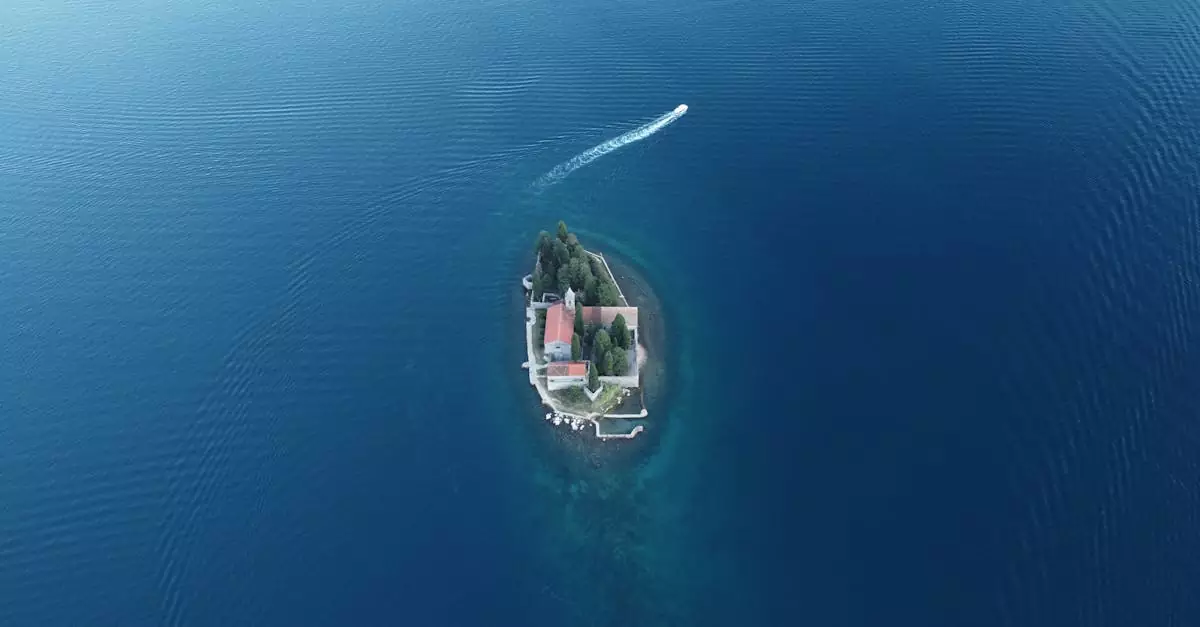
Sampling local cuisine is a vital part of any journey, and the UK’s secluded islands offer a unique taste of regional traditions. These destinations often rely on the bounty of their surrounding waters and the richness of their land, resulting in distinct culinary experiences. From fresh seafood to heritage produce, discover the edible treasures that make these remote locales so special.
Seafood Delights on the Scottish Isles
The islands of Scotland, particularly those in the Inner and Outer Hebrides, are renowned for their exceptional seafood. Picture plump scallops, freshly landed langoustines, and succulent mussels, often served simply to let their natural flavors shine. Many island communities have a deep-rooted connection to the sea, reflected in their restaurants and pubs, where you can often enjoy a meal with a view of the very waters your fish was caught.
Consider visiting during the summer months for the best weather and a wider availability of seasonal catches. Getting to these islands typically involves a ferry journey from the Scottish mainland, with options from ports like Oban, Mallaig, and Ullapool. Accommodation ranges from cozy bed and breakfasts to self-catering cottages, providing an authentic base for your culinary explorations.
Traditional Channel Island Cuisine on Sark
Sark, a car-free island in the Channel Islands, offers a unique blend of British and French influences in its food. While not as reliant on seafood as its Scottish counterparts, Sark boasts excellent local produce, including rich dairy products and home-grown vegetables. The island’s pubs and restaurants often feature traditional dishes, sometimes with a modern twist, emphasizing fresh, seasonal ingredients.
A visit to Sark is a step back in time, with horse-drawn carts and bicycles being the primary modes of transport. The island is accessible by ferry from Guernsey. Planning your trip during the spring or early autumn can offer pleasant weather without the peak summer crowds, allowing for a more relaxed experience of Sark’s culinary offerings.
Taste of History: Local Produce on Holy Island
Lindisfarne, commonly known as Holy Island, off the coast of Northumberland in England, has a history that influences its local food scene. While small, the island offers a taste of Northumbrian traditions. Look for dishes featuring locally sourced lamb, known for its distinctive flavor due to the island’s unique grazing environment.
Holy Island’s accessibility is dictated by the tides, with a causeway connecting it to the mainland. It’s crucial to check tide times before visiting to avoid getting stranded. The island has a few welcoming pubs and cafes that serve hearty, traditional fare, often using ingredients sourced from the surrounding region. Exploring these culinary options provides a tangible connection to the island’s rich heritage.
Accommodation and Budgeting for Your Island Retreat
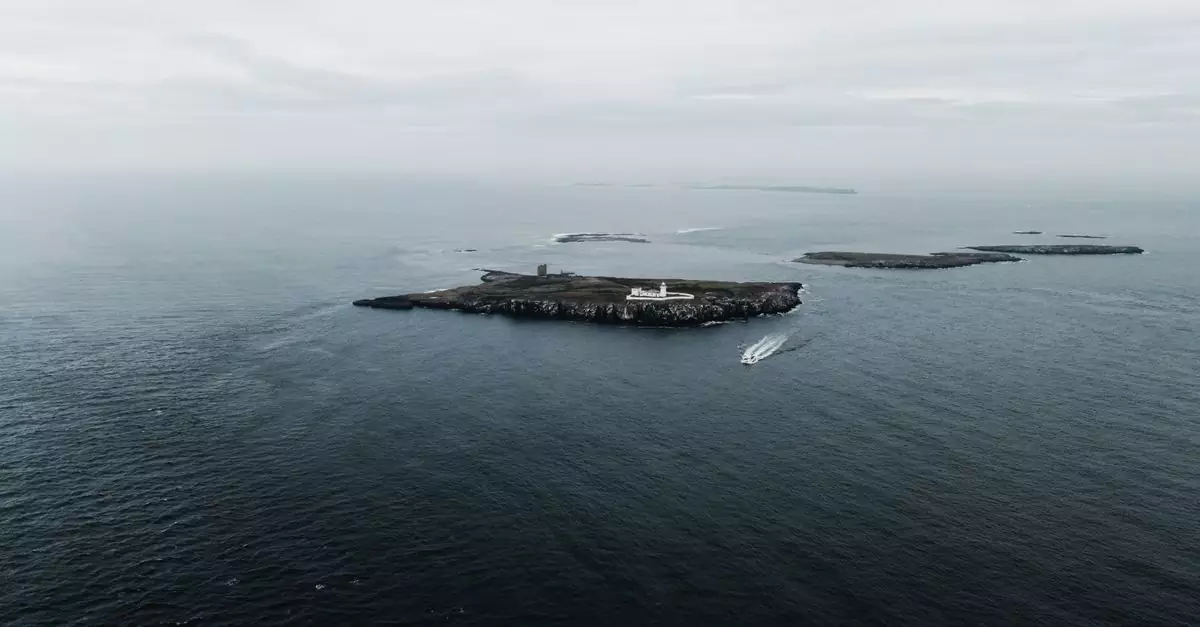
Choosing the right place to stay is key to enjoying the tranquility of the UK’s hidden islands. From self-catering cottages to charming village inns, options vary across these secluded destinations, influencing both your experience and your overall budget. Planning ahead is crucial, especially for smaller, more remote islands where accommodation can be limited and booked up well in advance.
Cozy Cottages and Unique Stays on Eigg
The Isle of Eigg, part of the Small Isles archipelago, offers a truly immersive experience with its focus on community and sustainability. Accommodation here leans towards self-catering cottages and unique conversions, providing a genuine sense of island living. Many visitors opt for the An Laimhrig Centre, which offers basic but comfortable rooms and facilities, acting as a hub for island life. For those seeking more privacy, privately rented cottages are available, often with stunning sea views. Booking these well in advance is essential, particularly during peak summer months.
Travelers looking for an authentic experience will appreciate the eco-friendly ethos prevalent on Eigg. Expect simple, comfortable furnishings and a focus on local produce. The budget for accommodation can range from around £50-£70 per night for a room at the An Laimhrig Centre to £100-£150 per night for a self-catering cottage, depending on size and season. This makes Eigg a relatively affordable option for a truly off-the-beaten-path escape.
Charming Inns and Guesthouses on Sark
Sark, a car-free island in the Channel Islands, provides a step back in time with its quaint villages and traditional hospitality. Accommodation here often takes the form of charming inns and guesthouses, many of which have been family-run for generations. The availability of rooms can be limited, so early booking is highly recommended, especially for summer visits. Expect a warm welcome and a cozy atmosphere in these establishments.
Prices on Sark can be higher than on some Scottish islands, reflecting its unique location and appeal. You might expect to pay between £80-£150 per night for a room in a guesthouse or inn. Some larger hotels also offer more luxurious options. Dining is typically included or available at these establishments, contributing to the overall cost but simplifying logistics. The island’s charm lies in its simplicity, and the accommodations reflect this, offering comfort without excessive opulence.
Budget-Friendly Options Near Holy Island’s Mainland Access Points
While Holy Island itself (Lindisfarne) has limited accommodation, its proximity to the Northumberland coast offers more budget-friendly choices. Staying in villages like Berwick-upon-Tweed or Seahouses allows for easy day trips to the island, accessible via causeway at low tide or by visitor shuttle. These mainland towns provide a range of options, from budget hotel chains and guesthouses to more affordable bed and breakfasts.
For travelers conscious of their spending, these mainland locations are ideal. You can find comfortable rooms for £60-£100 per night. This approach also offers greater flexibility, as you have more dining and activity options readily available. Planning your visit around the tide times is crucial if you intend to drive or walk across the causeway, but the shuttle service offers a reliable alternative. The convenience and cost savings make this a practical choice for exploring this historic tidal island.
Frequently Asked Questions About Visiting the Best Hidden Islands UK
Are these islands suitable for families or couples?
The suitability of these remote islands for families or couples depends on their specific interests and the chosen island. For instance, islands like the Isles of Scilly offer a range of activities suitable for families, including beaches, boat trips, and historical sites. Couples seeking a tranquil retreat might find the Outer Hebrides or the Scottish islands of Mull or Jura particularly appealing for their dramatic landscapes and quiet atmosphere. It’s advisable to research the specific amenities and attractions of each island to match your travel party’s needs.
What are the best photography spots on these hidden islands?
Photography enthusiasts will find abundant opportunities across the UK’s lesser-known islands. On the Isle of Skye, the Quiraing and the Old Man of Storr offer iconic, dramatic landscapes that are a photographer’s dream. For coastal scenes, consider the rugged cliffs of Fair Isle or the pristine beaches of the Outer Hebrides, such as Luskentyre. The unique birdlife on islands like Skomer in Wales also provides excellent subjects. Dawn and dusk often present the most dramatic lighting for capturing the wild beauty of these locations.
Are there any specific safety considerations for remote island travel in the UK?
Remote island travel in the UK requires careful planning and awareness. Weather can change rapidly, so always check forecasts and be prepared for all conditions, especially if hiking or engaging in outdoor activities. Mobile phone reception can be unreliable on some islands, so inform someone of your itinerary and expected return time. Ensure you have adequate supplies, as shops and amenities may be limited. For sea crossings, always book with reputable ferry operators and be aware of sea conditions, which can affect schedules. Travelers venturing to remote parts of Europe should exercise similar precautions.