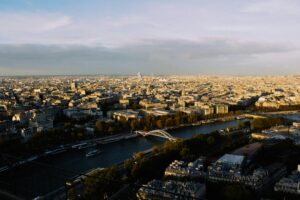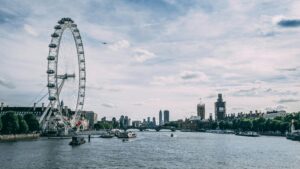
Europe’s diverse landscapes and rich history have long captivated filmmakers, transforming cities and natural wonders into unforgettable cinematic backdrops. For travelers eager to walk in the footsteps of their favorite characters, visiting these real-life movie sets offers a unique way to experience the continent. From fairy-tale castles to bustling city squares, these locations bring the magic of the movies to life. This guide unveils some of the best filming locations in Europe, providing insights into why they were chosen and what to expect when you visit. Discover iconic spots that have graced the silver screen, from ancient Roman ruins to charming Parisian neighborhoods, and learn practical tips for planning your own cinematic adventure across the continent.
Iconic European Landscapes That Became Movie Sets
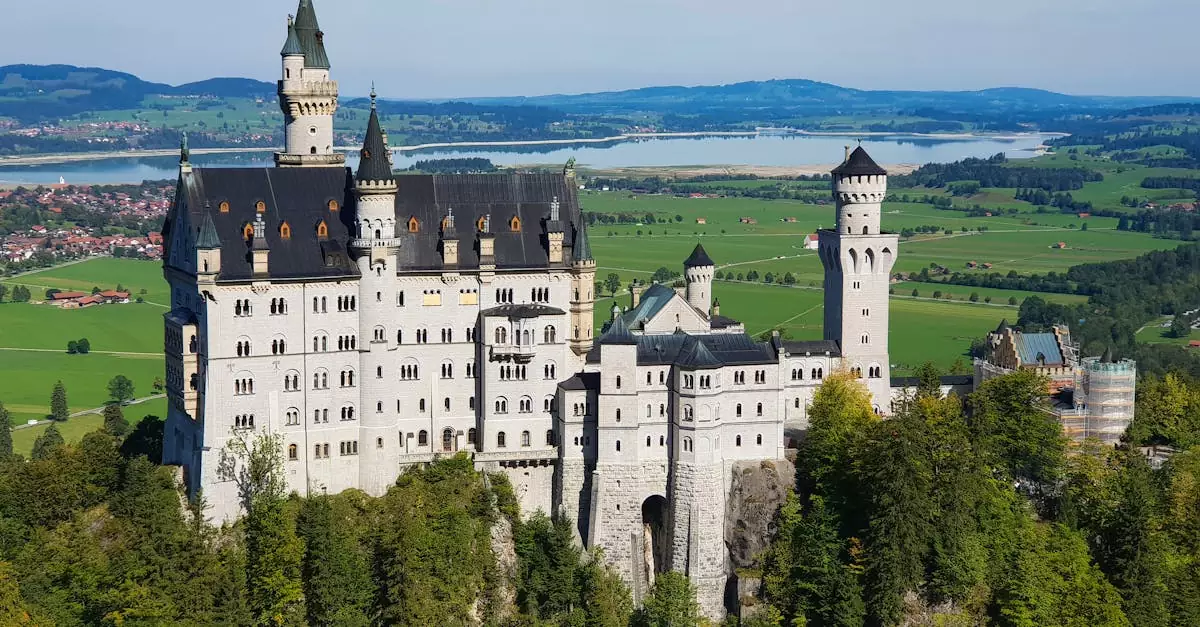
Europe’s varied landscapes and rich history have inspired countless filmmakers, transforming cities and natural wonders into unforgettable cinematic backdrops. For travelers seeking to immerse themselves in the world of their favorite films, visiting these real-life movie sets provides a unique perspective on the continent. From fairy-tale castles to vibrant city squares, these locations breathe life into the magic of cinema.
Prague’s Charles Bridge: A Bohemian Rhapsody of Film
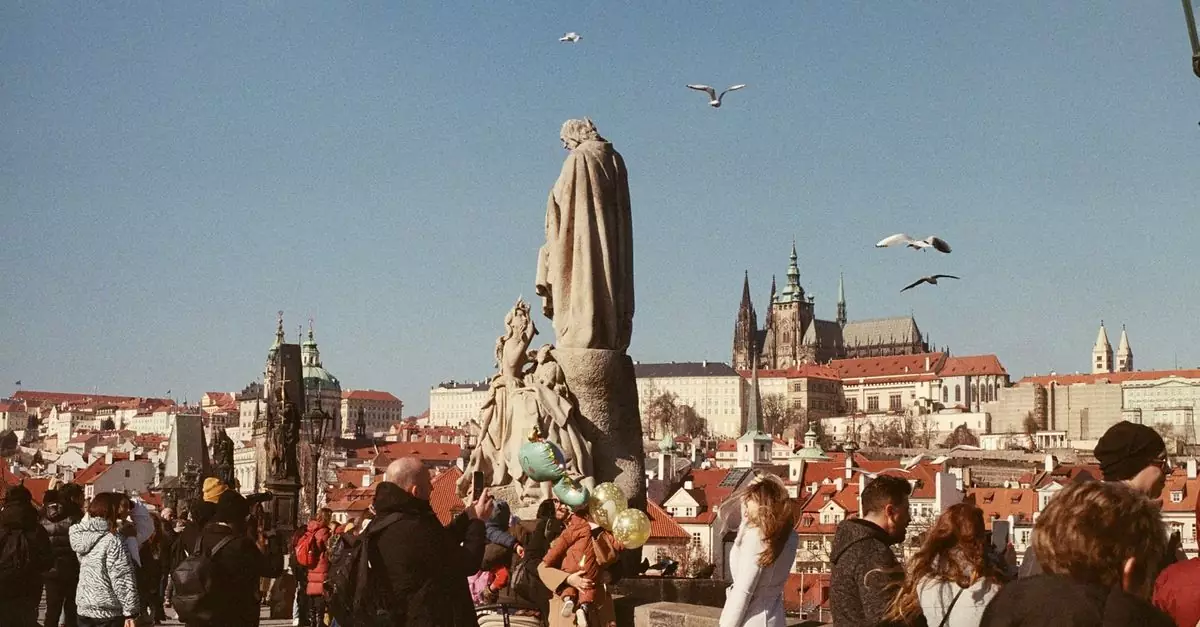
Prague’s iconic Charles Bridge, adorned with Baroque statues and Gothic towers, has served as a dramatic setting for numerous films. Its atmospheric charm shines in scenes that evoke timeless grandeur or a hint of mystery. The bridge is particularly popular for early morning walks to avoid crowds, offering stunning views of Prague Castle and the Vltava River.
Filmmakers are drawn to the bridge’s romantic ambiance and historical significance, making it a versatile location for period dramas and fantasy adventures alike. Imagine standing on the very stones where pivotal moments unfolded on screen. Beyond its cinematic fame, the bridge is a lively hub, often filled with artists, musicians, and souvenir vendors, especially during the day.
- Getting There: The bridge is easily accessible on foot from Prague’s Old Town. Public transport options include trams stopping nearby at Karlovy lázně or Staroměstská.
- Best Time to Visit: For photography and a quieter experience, aim for sunrise. Mid-day offers a lively atmosphere but can be very crowded.
Dubrovnik’s Old Town: Game of Thrones’ Westeros Unveiled
Dubrovnik’s UNESCO-listed Old Town, with its ancient city walls and terracotta rooftops, famously served as King’s Landing in the HBO series Game of Thrones. Walking through its narrow, stone-paved streets feels like stepping directly into the Seven Kingdoms. The imposing city walls, offering panoramic views of the Adriatic Sea, were frequently used for dramatic chase scenes and strategic discussions in the show.
Visitors can retrace the steps of Daenerys Targaryen and Tyrion Lannister by exploring locations like the Jesuit Staircase, where Cersei Lannister’s Walk of Shame took place. The Lovrijenac Fortress, perched on a cliff overlooking the sea, served as the Red Keep, the seat of power for many rulers. Beyond its Game of Thrones fame, Dubrovnik is a historical gem with a rich maritime past.
- Logistics: Access to the Old Town is primarily on foot. The main entrance is near the Pile Gate. Consider purchasing a Dubrovnik Pass for access to the city walls and several museums.
- Accommodation: Numerous hotels and apartments are available within and just outside the Old Town walls. Booking in advance is recommended, especially during peak season.
Rome’s Trevi Fountain: La Dolce Vita’s Romantic Heart
The Trevi Fountain, a magnificent Baroque masterpiece, is synonymous with cinematic romance, most notably from Federico Fellini’s iconic film La Dolce Vita. The scene of Anita Ekberg wading into its waters has become one of cinema’s most enduring images. Tossing a coin into the fountain is a beloved tradition, said to ensure a return to Rome.
While the fountain itself is the star, the surrounding streets offer a taste of authentic Roman life. The Trevi Fountain is a bustling landmark, drawing crowds at all hours. For a more serene experience and better photo opportunities, visit very early in the morning or late at night. The sound of the cascading water and the sheer artistry of the sculptures create an unforgettable atmosphere.
- Budget Tip: While the fountain is free to admire, dining in the immediate vicinity can be expensive. Venture a few streets away for more reasonably priced trattorias.
- Transportation: The fountain is located in the historic center and is easily reached on foot from other major attractions like the Pantheon. Metro stations Barberini and Spagna are within walking distance.
Paris’s Montmartre: Amelie’s Whimsical Parisian Charm
The charming hilltop neighborhood of Montmartre in Paris served as the primary filming location for Jean-Pierre Jeunet’s beloved film Amelie. The film perfectly captured the bohemian spirit and picturesque streets of this artistic district. Key locations include the square outside the Sacré-Cœur Basilica, the fictional Café des 2 Moulins (where Amelie worked), and the cobblestone alleyways she skipped through.
Exploring Montmartre feels like stepping into Amelie’s whimsical world. The neighborhood retains its village-like atmosphere, with artists displaying their work at Place du Tertre and independent shops lining the streets. The Sacré-Cœur Basilica offers breathtaking panoramic views of Paris, a sight Amelie herself often enjoyed.
- Getting Around: The steep hills of Montmartre can be challenging. The Montmartre Funicular provides an easy ascent to the Sacré-Cœur. Walking is the best way to soak in the atmosphere.
- Cultural Insight: Montmartre has a rich artistic history, having been home to many famous painters and writers. Look for street performers and small galleries that reflect this legacy.
Uncovering Lesser-Known European Filming Gems
While iconic cities like Rome and Paris often steal the spotlight for cinematic travel, Europe is brimming with less-publicized yet equally captivating filming locations. Venturing off the beaten path can lead to unique travel experiences, connecting you with the magic of movies in stunning natural landscapes and charming villages. These destinations offer a chance to recreate scenes or simply soak in the atmosphere that drew filmmakers from around the world.
The Škocjan Caves, Slovenia: A Dramatic Setting for ‘The Cave’
For an otherworldly cinematic experience, head to the Škocjan Caves in Slovenia. This UNESCO World Heritage site served as a primary filming location for the 2005 horror film The Cave, where its vast underground chambers and subterranean river provided a natural, imposing backdrop. Walking through the immense caverns, you can easily imagine the on-screen drama unfolding.
The caves are renowned for their colossal chambers and the Reka River, which disappears underground within them. Guided tours are essential for exploring the accessible parts of this karst system.
Logistics for Visiting:
- Getting There: The Škocjan Caves are located in southwestern Slovenia, accessible by car or public transport from Ljubljana or Trieste, Italy. Parking is available on-site.
- When to Visit: The caves are open year-round, but spring and autumn offer pleasant weather for exploring the surrounding Karst region.
- What to Expect: Tours involve walking, with some stairs and uneven terrain. Comfortable footwear is a must. The temperature inside the caves remains constant around 10-12°C (50-54°F).
Santorini, Greece: Mamma Mia!’s Idyllic Aegean Escape
Santorini’s whitewashed villages clinging to volcanic cliffs are instantly recognizable, making it a dream destination for fans of the musical Mamma Mia! Here We Go Again. While filming took place across various Greek islands, Santorini’s iconic caldera views and vibrant blue-domed churches embody the film’s joyful, sun-drenched aesthetic.
Visitors can wander through the picturesque streets of Oia and Fira, enjoying breathtaking sunsets that mirror the movie’s most memorable scenes. The island’s dramatic cliffs and sparkling Aegean waters create an unforgettable backdrop.
Santorini Travel Considerations:
- Best Time to Visit: May to June and September to October offer warm weather, fewer crowds, and lower prices than the peak summer months.
- Getting Around: The island is well-served by local buses, taxis, and rental cars or ATVs. Many visitors also choose to stay within walking distance of villages like Oia or Fira.
- Budget: Santorini can be an expensive destination, particularly for accommodations with caldera views. Booking in advance and considering shoulder seasons can help manage costs.
Hallstatt, Austria: A Fairytale Village in ‘The Sound of Music’
Though not a primary filming location for the beloved The Sound of Music, the enchanting village of Hallstatt in Austria has often been cited as an inspiration for the Von Trapp family’s idyllic home. Its picturesque setting on a crystal-clear lake, surrounded by dramatic mountains, evokes the film’s spirit of natural beauty and charm. This UNESCO World Heritage site feels like stepping into a postcard.
Exploring Hallstatt offers a chance to experience a truly fairytale-like atmosphere. The historic market square, the serene lake, and the surrounding alpine scenery all contribute to its timeless appeal.
Planning a Trip to Hallstatt:
- Access: Hallstatt is accessible by train, ferry, or car. The train journey itself, especially the final ferry crossing to the village, is scenic.
- Peak Season: Summer is the busiest time. For a quieter experience with stunning autumn colors, consider visiting in September or October.
- Accommodation: Options range from charming guesthouses to hotels, many offering lake views. Booking well in advance is highly recommended, especially for summer visits.
Plitvice Lakes National Park, Croatia: Nature’s Grandeur in ‘The Deer Hunter’
Plitvice Lakes National Park in Croatia provided a stunning natural backdrop for scenes in the 1978 Academy Award-winning film The Deer Hunter. The park’s sixteen terraced lakes, interconnected by waterfalls and cascades, create a landscape of unparalleled beauty. The vibrant turquoise and emerald waters, set against lush forests, offer a serene and powerful setting.
Walking the boardwalks that weave through the park allows visitors to immerse themselves in the very scenery that captivated filmmakers. The sheer scale and pristine nature of Plitvice are truly breathtaking.
Visiting Plitvice Lakes:
- Getting There: The park is accessible by bus from major Croatian cities like Zagreb, Zadar, and Split. Driving is also an option, with parking available.
- Best Time to Visit: Spring (April-May) and autumn (September-October) are ideal for fewer crowds and spectacular natural colors. Summer is very popular.
- Park Navigation: The park is divided into the Upper and Lower Lakes, each with its own entrance. Allocate at least one full day to experience the main routes. Boat and shuttle bus services operate within the park to assist with longer distances.
How to Plan Your Cinematic European Adventure
Embarking on a journey to Europe’s best filming locations requires thoughtful planning to maximize your cinematic immersion. Whether you’re chasing the cobblestone streets of Rome or the dramatic landscapes of Iceland, understanding the logistics will transform your trip from a vacation into a movie-lover’s pilgrimage.
Best Time to Visit Europe’s Filming Hotspots
The ideal time to visit Europe’s filming hotspots often depends on the specific region and your tolerance for crowds. Spring (April to June) and autumn (September to October) generally offer pleasant weather and fewer tourists, making it easier to capture those iconic shots without jostling for position. Summer (July to August) is peak season, with warm weather ideal for many outdoor scenes, but expect larger crowds and higher prices. Winter (November to March) can be magical for certain locations, particularly those featured in festive or snow-laden films, but be prepared for colder temperatures and shorter daylight hours.
Consider the specific film’s setting:
- Mediterranean locations (e.g., Italy, Greece) are best enjoyed in spring or early autumn to avoid intense summer heat and crowds.
- Northern European cities (e.g., London, Paris) are charming year-round, but spring and fall offer a good balance of weather and fewer visitors.
- Dramatic natural landscapes (e.g., Iceland, Scotland) can be stunning in any season, but accessibility and daylight hours vary significantly.
Navigating Europe: Train Travel vs. Car Rentals for Film Buffs
Choosing how to navigate Europe is crucial for accessing its cinematic treasures. For many multi-city film location tours, the extensive European rail network offers a comfortable and scenic way to travel between major cities. High-speed trains connect capitals like Paris, Brussels, and Amsterdam efficiently, allowing you to relax and soak in the passing landscapes, perhaps imagining scenes from your favorite movies.
However, for reaching more remote filming locations or specific natural settings, renting a car provides unparalleled flexibility. This is particularly true for destinations like the Scottish Highlands, featured in Braveheart, or the rugged coasts of Ireland, seen in Star Wars: The Force Awakens. A car allows you to stop at will, retrace cinematic routes, and discover hidden spots not easily accessible by public transport.
Here’s a quick comparison:
| Feature | Train Travel | Car Rental |
|---|---|---|
| Convenience | City-to-city, comfortable | Door-to-door, flexible |
| Cost | Varies, can be economical with passes | Daily rates, fuel, tolls, parking costs |
| Scenery | Panoramic views, relaxing | Intimate access to landscapes, roadside stops |
| Flexibility | Fixed routes and schedules | Complete control over itinerary |
| Best For | Inter-city travel, urban locations | Remote locations, natural settings, road trips |
Crafting a Multi-City Filming Locations Itinerary
Designing an itinerary that hits multiple filming locations across Europe can be an ambitious yet rewarding endeavor. Start by identifying your must-see films and their primary filming sites. Group locations geographically to minimize travel time and maximize your experience. For instance, a trip focusing on Harry Potter could link London’s studios and locations with the Scottish Highlands.
When planning, consider the time needed at each stop. A quick photo op at a famous landmark might take an hour, but visiting a studio tour or immersing yourself in a city’s cinematic history could easily consume a full day. Factor in travel days between cities, and always build in some buffer time for unexpected discoveries or delays. A well-paced itinerary allows for genuine immersion rather than a rushed checklist of sights.
Experiencing Europe Through a Filmmaker’s Lens
Traveling through Europe can feel like stepping onto a movie set, with its diverse landscapes, historic architecture, and vibrant cityscapes serving as backdrops for countless iconic films. This cinematic journey allows you to not only see but also feel the places where your favorite stories unfolded. From the cobbled streets of Paris to the dramatic cliffs of Ireland, Europe offers a rich tapestry for film enthusiasts. Planning a trip around these best filming locations in Europe can add a unique layer of immersion to your travel experience.
Photography Tips for Capturing Iconic Movie Scenes
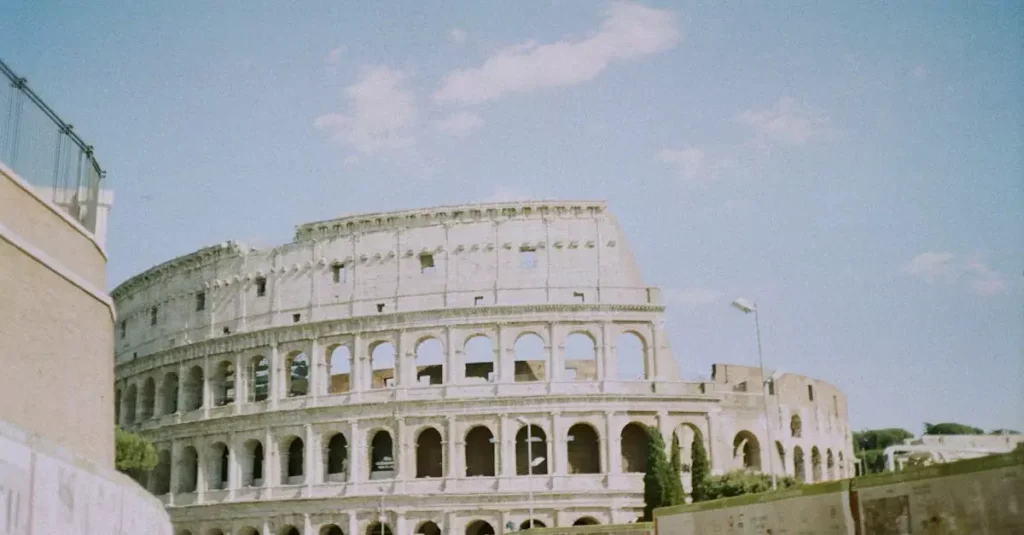
When visiting European filming spots, think like a cinematographer. Focus on capturing the mood and scale that made these scenes memorable. For instance, when in Rome, instead of just snapping a picture of the Colosseum, try to frame it with a similar perspective seen in Gladiator, perhaps using a wider lens to emphasize its grandeur or a telephoto to isolate details. Pay attention to the quality of light; early mornings or late afternoons often provide dramatic shadows and soft hues, mirroring cinematic lighting techniques. Consider capturing motion – a passing tram in Prague, reminiscent of scenes from Mission: Impossible, or a lone figure walking down a rain-slicked London street, evoking a noir film.
Beyond replicating shots, think about composition. Use leading lines, such as ancient Roman roads or Venetian canals, to draw the viewer’s eye into the frame, much like a director guides the audience’s attention. Look for details that add character: a weathered sign, intricate architectural carvings, or the steam rising from a trattoria. These elements can transform a simple snapshot into a narrative image. For those interested in more advanced techniques, understanding basic principles of depth of field can help blur backgrounds and highlight key subjects, creating a professional, film-like aesthetic.
Finding Authentic Local Food Near Famous Film Sites
Exploring Europe’s film locations often leads you through charming towns and bustling cities, and the culinary scene is just as integral to the experience. After a day of tracing the steps of movie characters, seek out eateries that serve authentic local dishes, rather than tourist traps catering to film-inspired crowds. In Florence, for example, while Hannibal may have filmed dramatic scenes, you’ll find far more rewarding experiences at a local trattoria serving bistecca alla fiorentina or ribollita, often just a few streets away from major tourist thoroughfares.
When in doubt, look for places where locals are dining. This often means venturing a block or two off the main squares or popular streets. Check local review sites, focusing on comments that mention traditional recipes or a family-run atmosphere. For instance, near the stunning Alcázar of Seville, where Game of Thrones was filmed, you can find exceptional tapas bars serving regional specialties like gambas al ajillo (garlic shrimp) and jamón ibérico. These authentic tastes offer a different, yet equally compelling, dimension to your travel narrative.
Budgeting for a Film-Themed European Getaway
A film-themed trip across Europe can be tailored to various budgets, but thoughtful planning is key. The cost will heavily depend on the chosen destinations, the length of your stay, and your accommodation and dining preferences. For instance, visiting iconic filming locations in cities like London or Paris will generally be more expensive than exploring sites in Eastern European countries such as the Czech Republic or Hungary.
Consider the season for your travel. Traveling during the shoulder seasons (spring and autumn) can offer lower prices on flights and accommodations compared to peak summer months, while still providing pleasant weather.
| Destination Type | Average Daily Budget (per person) | Notes |
|---|---|---|
| Major Western European Cities (e.g., London, Paris, Rome) | €150 – €250+ | Includes accommodation, food, local transport, and attraction entry. |
| Central/Eastern European Cities (e.g., Prague, Budapest, Vienna) | €100 – €180 | Generally more affordable for daily expenses. |
| Smaller Towns/Rural Areas | €80 – €150 | Can vary greatly based on local amenities and accessibility. |
Transportation between locations is another significant factor. High-speed trains are efficient but can be costly if booked last minute. Budget airlines offer cheaper alternatives for longer distances, but factor in baggage fees and airport transfer costs. Planning an itinerary that groups filming locations geographically can minimize travel expenses and time. For example, focusing on a region like the Scottish Highlands, known for films like Braveheart, can be more economical than hopping between distant countries. Researching free walking tours that highlight film sites can also be a budget-friendly way to get acquainted with a city’s cinematic history.
Beyond the Blockbusters: Hidden Gems in European Filming Spots
While iconic landmarks often steal the cinematic spotlight, Europe’s charm extends to its lesser-known filming locations. These spots offer a chance to step into the scenes of beloved movies and shows, often with fewer crowds and a more authentic local experience. Discovering these cinematic corners of the continent provides a unique lens through which to travel.
Exploring the Backstreets of Lisbon’s Alfama District (Reign)
Lisbon’s historic Alfama district, with its labyrinthine alleys and Fado music echoing through narrow streets, served as a backdrop for scenes in the historical drama Reign. Wandering through Alfama feels like stepping back in time, its tiled facades and steep inclines offering endless visual appeal. This area captures a specific mood that filmmakers often seek for period pieces.
For travelers interested in this filming location, timing is key. Visiting during the shoulder seasons of spring (April-May) or autumn (September-October) offers pleasant weather and fewer tourists than the peak summer months. Public transport, including the famous Tram 28, can get you close, but be prepared for significant walking and steep climbs within the district itself. Budget-friendly guesthouses and boutique hotels are plentiful, though booking in advance is recommended. Safety is generally good, but like any busy urban area, staying aware of your surroundings is advisable.
Discovering the Villages of the Cinque Terre, Italy (The Wolf of Wall Street)
The dramatic coastal villages of Italy’s Cinque Terre, though not a primary filming location for The Wolf of Wall Street, evoke the kind of aspirational, sun-drenched landscapes that often feature in such films. The five colorful villages – Monterosso al Mare, Vernazza, Corniglia, Manarola, and Riomaggiore – cling precariously to rugged cliffs overlooking the Ligurian Sea. Their breathtaking beauty makes them a dream destination for many, and it’s easy to see why filmmakers might be drawn to their picturesque settings.
Reaching the Cinque Terre is part of the adventure. The most practical way to travel between the villages is by train, with frequent services connecting them. Hiking trails also link the villages, offering stunning vistas for those who enjoy a good walk. Accommodation ranges from simple B&Bs to small hotels, often with limited availability, so early booking is essential, especially between May and September. Meals can vary, with trattorias offering local specialties like pesto and fresh seafood. The region is generally safe, but coastal paths require sturdy footwear and caution.
| Village | Main Draw | Transportation Tip |
|---|---|---|
| Monterosso al Mare | Largest, best beach | Train access, pedestrian-friendly |
| Vernazza | Picturesque harbor, vibrant piazza | Train access, limited vehicle access |
| Corniglia | Hilltop village, panoramic views | Train access, requires climbing stairs from station |
| Manarola | Iconic colorful houses, romantic walks | Train access, charming but steep paths |
| Riomaggiore | Steep main street, harbor | Train access, lively atmosphere |
Seeking Out the Castles of Scotland’s Highlands (Outlaw King)
Scotland’s Highlands provided the rugged, atmospheric backdrop for the historical epic Outlaw King. While specific castles might not be explicitly named in every scene, the region’s dramatic landscapes, ancient fortresses, and misty moors are central to the film’s visual storytelling. Visiting these historic sites offers a tangible connection to Scotland’s turbulent past and the epic tales that have unfolded there.
Exploring the Highlands requires planning. Many castles are remote, so renting a car is often the most flexible transportation option, allowing you to stop at scenic viewpoints and lesser-known ruins. Alternatively, guided tours can be a convenient way to see multiple sites without the stress of driving. Accommodation varies from cozy inns in small villages to larger hotels in towns like Inverness. The weather in the Highlands can be unpredictable year-round, so packing layers and waterproofs is crucial, regardless of the season. For those interested in the history and grandeur associated with films like Outlaw King, the Highlands are an unparalleled destination.
Frequently Asked Questions About Europe’s Best Filming Locations
Which European cities are most popular for film tourism?
Several European cities draw significant numbers of visitors interested in seeing where iconic movies and TV shows were filmed. Paris, France, is a perennial favorite, with its romantic ambiance serving as a backdrop for countless films, from Amélie to the Mission: Impossible series. Rome, Italy, offers ancient and Baroque settings that have featured in everything from Roman Holiday to Gladiator. London, UK, boasts a vast array of locations used in productions like the Harry Potter franchise, Sherlock Holmes, and James Bond films. Prague, Czech Republic, has become a go-to for fantasy and historical dramas due to its well-preserved architecture, seen in films such as Amadeus and The Illusionist.
Are there guided tours available for movie location spotting in Europe?
Yes, many European cities offer specialized guided tours focused on film and television locations. These tours provide a structured way to discover famous movie sites and learn behind-the-scenes anecdotes. For instance, in London, you can find tours dedicated to the Harry Potter films, visiting spots like Platform 9 ¾ at King’s Cross Station and filming locations in the city. Paris offers tours that retrace the steps of characters from Amélie or Midnight in Paris. Some companies also provide private tours, allowing for a more customized experience. It’s advisable to book these tours in advance, especially during peak tourist seasons.
What are some safety tips for solo travelers visiting filming locations in Europe?
When visiting filming locations across Europe as a solo traveler, prioritizing safety is key. Always be aware of your surroundings, particularly in crowded tourist areas where pickpocketing can occur. Keep valuables secure and out of sight. Inform someone of your general itinerary and expected return times. Utilize reputable public transportation or ride-sharing services, especially when traveling at night. Many cities have excellent public transport networks, making it easy to navigate between sites. For instance, using the London Underground or the Paris Métro is generally safe and efficient. Stick to well-lit and populated areas after dark. If you feel uncomfortable or unsafe in a particular location, don’t hesitate to leave and seek a more secure environment.