
For those who dream of ancient castles, winding cobblestone streets, and a hint of enchantment, Europe offers a wealth of destinations that capture the magic of the wizarding world. Beyond the well-known filming locations, a deeper exploration reveals cities and towns steeped in history, infused with an atmosphere that feels like it’s been lifted from a fantasy novel. If you’re seeking that unique blend of historical grandeur and storybook charm, you’ve come to the right place.
This guide will lead you through some of the best Harry Potter-style destinations across the continent. Discover medieval towns that seem frozen in time, explore university campuses with hallowed halls, and uncover hidden gems that will ignite your imagination. We’ll delve into what makes these places special, offering insights into their unique appeal and how to best experience their captivating allure, making your next European adventure truly spellbinding.
Discovering Europe’s Most Magical Medieval Towns
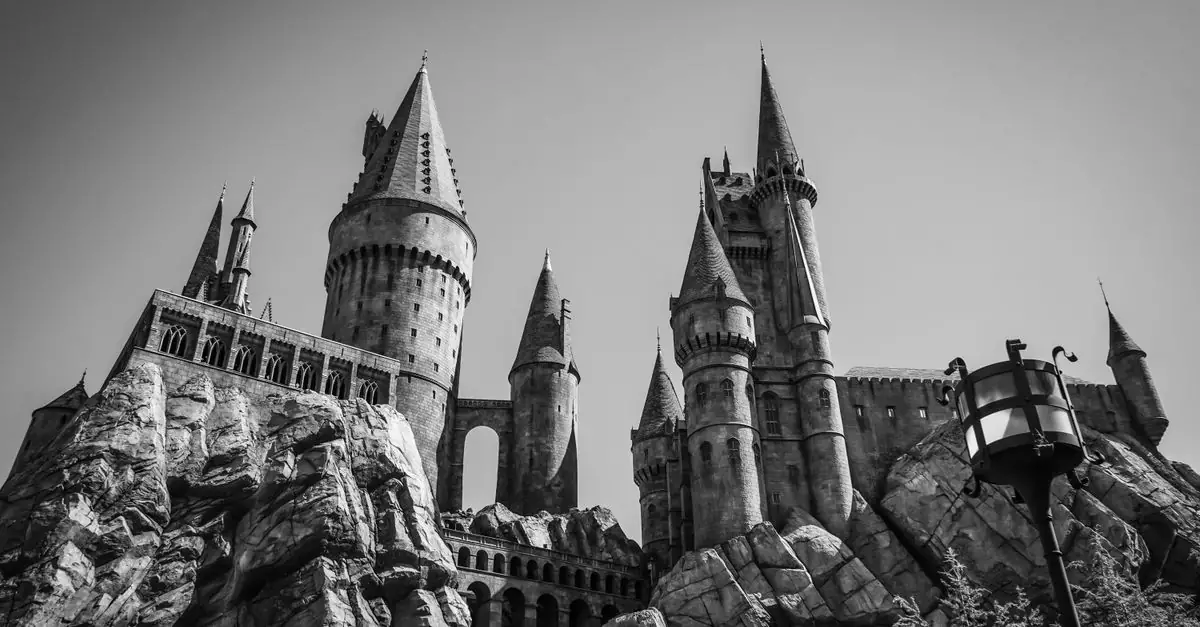
For travelers craving an enchanting, old-world atmosphere reminiscent of wizarding schools and ancient lore, Europe’s medieval towns offer an unparalleled journey back in time. These destinations, characterized by their well-preserved architecture, winding cobblestone lanes, and imposing fortifications, provide a tangible connection to centuries past. Planning a trip to these locations involves considering seasonality for the best experience and understanding local transport to navigate their historic centers.
Exploring the Gothic Charm of Bruges, Belgium
Bruges, often called the “Venice of the North,” captivates visitors with its intricate network of canals, medieval guildhalls, and the imposing Belfry of Bruges. Walking through its Markt square feels like stepping onto a film set, with colorful stepped gables and horse-drawn carriages. The city’s compact size makes it highly walkable, and boat tours along the canals offer a unique perspective on its Gothic architecture.
For those drawn to the mystical, the city’s historic churches and quiet beguinages hold a special allure. The blend of Gothic grandeur and serene waterways creates an ambiance that easily sparks the imagination. Traveling in the shoulder seasons, such as spring or autumn, helps avoid the peak summer crowds while offering pleasant weather for exploration.
- Getting There: Easily accessible by train from Brussels, Ghent, and other major Belgian cities.
- Best Time to Visit: April-May and September-October for fewer crowds and mild weather.
- Local Tip: Consider a guided walking tour to uncover hidden courtyards and learn about Bruges’ rich history.
Wandering Through the Cobblestone Streets of Český Krumlov, Czech Republic
Český Krumlov, a UNESCO World Heritage site, is a postcard-perfect medieval town nestled in a horseshoe bend of the Vltava River. Its sprawling castle complex, one of the largest in Central Europe, dominates the skyline, offering breathtaking views from its tower. The town’s architecture showcases a stunning mix of Gothic, Renaissance, and Baroque styles, remarkably preserved.
The narrow, winding streets invite exploration, with artisan shops, traditional pubs, and charming cafes tucked away around every corner. This destination feels particularly magical at twilight when gas lamps begin to glow, casting long shadows on the ancient stone. Its relatively remote location adds to its secluded, storybook feel.
- Transportation: Frequent and affordable bus services from Prague; driving is also an option, though parking in the historic center is restricted.
- Budget Considerations: Generally more affordable than Western European counterparts, especially for food and accommodation.
- Seasonal Note: Summer can be busy; visiting in late spring or early autumn offers a more tranquil experience.
Uncovering the Fairytale Atmosphere of Rothenburg ob der Tauber, Germany
Rothenburg ob der Tauber, a jewel on Germany’s Romantic Road, embodies the quintessential medieval German town. Its fully intact town walls invite visitors to walk along them, providing panoramic views of the red-tiled roofs and the surrounding Franconian countryside. The town square, with its impressive Rathaus (town hall), serves as the vibrant heart of this historic settlement.
The preservation of Rothenburg is astonishing. From the Plönlein, a picturesque fork in the road with charming half-timbered houses, to the Night Watchman’s tour that recounts local legends, the town embraces its historical narrative. It’s a place where you can truly feel transported to another era, making it one of the best Harry Potter-style destinations for those seeking an immersive fantasy experience.
- Accommodation: Options range from historic guesthouses within the old town walls to modern hotels just outside.
- Getting Around: The town is best explored on foot, with limited public transport to preserve its atmosphere.
- Traveler Insight: While popular year-round, the Christmas market transforms Rothenburg into an exceptionally magical winter wonderland.
Ancient Castles and Historic Universities: Where Magic Was Born
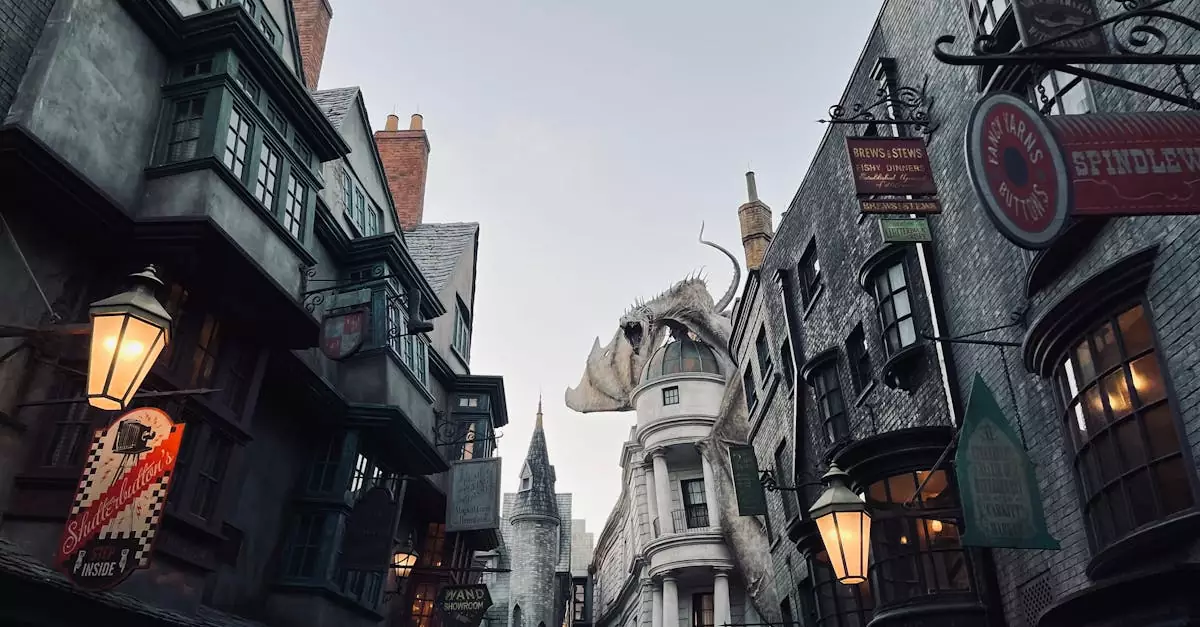
For travelers seeking the enchantment of wizarding schools and mystical settings, Europe offers real-world locations that echo the magic of Hogwarts. These destinations blend architectural grandeur with rich history, providing an immersive experience for fans of the wizarding world and history buffs alike. From imposing castles to hallowed university halls, discover where to find your own touch of magic across the continent.
Stepping into Alnwick Castle, England: A Real-Life Hogwarts
Alnwick Castle in Northumberland, England, is perhaps the most direct link to Hogwarts for many visitors. This magnificent medieval fortress served as a filming location for early Harry Potter movies, standing in for Hogwarts Castle itself. Scenes like Harry’s first broomstick flying lesson and Quidditch matches were filmed within its impressive grounds.
Beyond its cinematic fame, Alnwick Castle is a living historical site. Visitors can tour the State Rooms, which remain the home of the Duke of Northumberland, and marvel at the intricate interiors. During the summer months, the castle often hosts Harry Potter-themed events, including broomstick training sessions where you can learn to fly like a young wizard.
Traveler Tips for Alnwick:
- Getting there: Accessible by train to Alnmouth station, followed by a short bus or taxi ride. Driving is also convenient, with ample parking available.
- Best time to visit: The castle is typically open from April to October. Summer offers the warmest weather and the highest chance of themed events.
- Budget: Expect an entrance fee for the castle and grounds. Food and souvenirs are available on-site.
Visiting Oxford University’s Bodleian Library and Christ Church College
Oxford University, with its centuries-old architecture, provides a backdrop that evokes the academic atmosphere of Hogwarts. Several of its iconic buildings featured in the Harry Potter films, enhancing the university’s magical allure. The Bodleian Library, one of the oldest libraries in Europe, was used for scenes such as the Hogwarts infirmary and Professor McGonagall’s classroom.
Christ Church College, a prominent part of Oxford University, is particularly famous for its Great Hall, which inspired the Hogwarts Great Hall. While the actual filming took place on a studio set, the resemblance is undeniable. Wandering through the college’s cloisters and quadrangles feels like stepping directly into the wizarding world.
Planning Your Oxford Visit:
- Access: Many college quads and libraries are accessible via tours, though some require pre-booking. The Bodleian Library offers various tour options, including access to its historic Divinity School.
- Timing: Oxford is a popular destination year-round, but visiting during university term times can provide a more vibrant atmosphere. Be aware that college access may be restricted during exams.
- Logistics: Oxford is easily reachable by train from London and other major cities. Walking is the best way to navigate the historic center.
Exploring Edinburgh Castle and the Royal Mile in Scotland
Edinburgh, Scotland’s capital, exudes a mystical charm that resonates with the fantasy elements of the Harry Potter universe. The city’s dramatic landscape, medieval architecture, and winding closes inspired author J.K. Rowling during her time living there. Edinburgh Castle, perched atop an extinct volcano, commands the skyline and offers a powerful sense of history.
The Royal Mile, connecting Edinburgh Castle to the Palace of Holyroodhouse, is lined with atmospheric shops, pubs, and ancient buildings. Its narrow alleyways, or ‘closes’, create a sense of stepping back in time, reminiscent of Diagon Alley. While not a direct filming location, the city’s overall ambiance has profoundly influenced the aesthetic of the wizarding world.
Edinburgh Travel Insights:
- Atmosphere: For the most evocative experience, visit on a misty or overcast day, which enhances the city’s dramatic and slightly gothic feel.
- Getting Around: The Royal Mile is best explored on foot. Local buses are efficient for reaching the castle or other parts of the city.
- Nearby Magic: Consider a day trip to the Scottish Highlands, a landscape that further fuels the imagination with its wild beauty. Various tours are available from Edinburgh.
Why Are These Harry Potter Style Destinations So Enchanting?

The magic of the Harry Potter universe extends far beyond the pages of the books and the silver screen. It taps into a deep-seated human desire for wonder, adventure, and the extraordinary. When travelers seek out destinations that evoke this feeling, they often gravitate toward places that mirror the enchanting settings of Hogwarts and its surrounding world. These locations offer a tangible connection to fantasy, allowing visitors to step into a storybook reality.
The Allure of Gothic Architecture and Medieval Cityscapes
Many of the best Harry Potter-style destinations in Europe share a common architectural thread: stunning Gothic and medieval influences. Think soaring spires, ancient stone walls, winding cobblestone streets, and imposing castles. This aesthetic immediately evokes the grandeur and mystery of Hogwarts itself. The scale and intricate detail of these historical buildings create an atmosphere of timeless wonder.
Wandering through a city like Prague feels like stepping back in time. Its Old Town Square, with its astronomical clock and Týn Church, possesses a beauty that could serve as a backdrop for magical studies or a clandestine meeting of the Order of the Phoenix. Similarly, Edinburgh’s medieval Old Town, with its narrow closes and formidable castle perched atop a volcanic rock, offers a dramatic setting that resonates with the visual language of the wizarding world. These cities provide a sense of history so palpable it feels almost enchanted.
Immersive Experiences for Muggles and Wizards Alike
Beyond the visual appeal, the most captivating destinations offer opportunities for truly immersive experiences. These are places where you can not only see the magic but feel it. Engaging activities that encourage active participation often blur the lines between reality and fantasy. From themed tours and interactive exhibits to simply getting lost in a labyrinthine alleyway, the goal is to create a sense of enchantment.
For travelers seeking this level of engagement, visiting historic university colleges in Oxford can be incredibly rewarding. Christ Church College, with its Great Hall, famously inspired Hogwarts’ own dining hall, and walking through its spaces offers a direct link to the films. Even without specific film locations, many European cities offer ghost tours, historical reenactments, or artisan workshops that foster a sense of adventure, much like a young wizard embarking on their first year at Hogwarts. These experiences allow visitors to actively participate in the enchantment, rather than just observe it.
The Power of Nostalgia and Escapism in Travel
The enduring appeal of Harry Potter-style destinations is deeply rooted in nostalgia and the universal need for escapism. For many adults, these locations provide a chance to reconnect with the wonder and innocence of childhood, a time when magic felt real. Travel allows individuals to temporarily step away from the mundane realities of everyday life and immerse themselves in something extraordinary.
These destinations act as portals, transporting visitors to a world where imagination reigns supreme. The awe inspired by ancient architecture, the thrill of uncovering hidden courtyards, and the joy of pretending to be part of a beloved story all contribute to a powerful sense of escapism. Whether you’re a lifelong fan of the wizarding world or simply someone who appreciates history and fantasy, these European locales offer a unique blend of enchantment, making them unforgettable travel experiences. They remind us that a little bit of magic can be found even in the most unexpected corners of the world.
Planning Your Magical European Itinerary
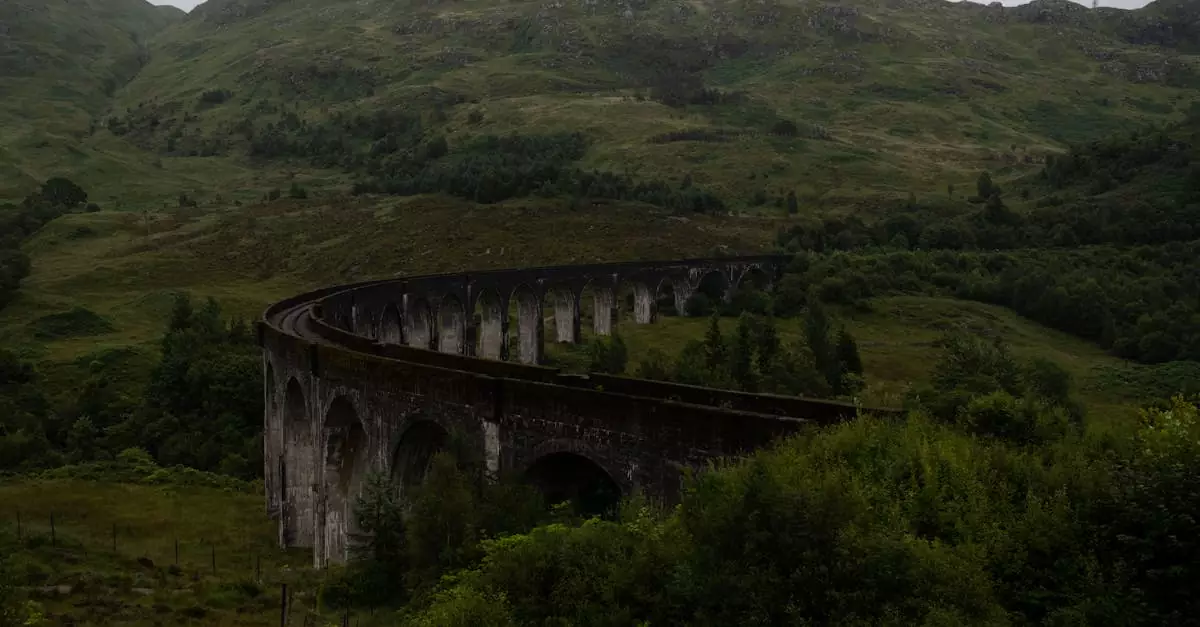
Embarking on a journey to discover the best Harry Potter-style destinations in Europe requires thoughtful planning. From choosing the right time to visit and understanding transportation options to setting a realistic budget, a little preparation can significantly enhance your magical adventure. This section provides practical advice to help you craft an unforgettable itinerary across the continent.
Best Time to Visit for Enchanting Weather and Fewer Crowds
Timing your visit can dramatically impact your experience. For the most enchanting weather, consider visiting Europe during the shoulder seasons: spring (April to June) and autumn (September to October). During these months, you’ll often find pleasant temperatures, fewer tourists than in peak summer, and a vibrant atmosphere. Spring brings blooming flowers and a sense of renewal, while autumn offers crisp air and beautiful foliage, enhancing the charm of historic cities and castles.
Summer (July to August) is popular for its warm weather but expect larger crowds and higher prices, especially in major tourist hubs. Winter (November to March) can offer a unique, cozy experience, particularly around the holidays, with festive markets and a chance for snow to enhance the fairytale setting. However, some attractions may have reduced hours or be closed, and travel can be affected by weather conditions.
Navigating Between Destinations: Train Travel vs. Car Rentals
Europe’s extensive and efficient public transportation network makes traveling between these enchanting destinations surprisingly straightforward. High-speed rail is often the most convenient and scenic way to journey between cities and countries. Companies like Eurostar connect major hubs, while national rail services offer comprehensive coverage within countries. Train travel allows you to relax, enjoy the scenery, and arrive directly in city centers, often avoiding the hassle of airport security.
| Transportation Method | Pros | Cons | Best For |
|---|---|---|---|
| High-Speed Rail | Fast, scenic, city-center arrival, eco-friendly | Can be expensive if booked last minute | Inter-city travel, solo travelers, couples, those prioritizing comfort |
| Regional Trains | Affordable, access to smaller towns, scenic | Slower than high-speed, more frequent transfers | Budget travelers, exploring rural areas, scenic routes |
| Car Rental | Flexibility, access to remote locations | Parking challenges in cities, navigation, fuel costs | Families, groups, reaching off-the-beaten-path castles |
| Budget Airlines | Quick for long distances, often cheap | Airport transfers, baggage fees, less scenic | Covering vast distances quickly, travelers on a tight schedule |
Renting a car offers greater flexibility, especially if you plan to visit more remote castles or explore the countryside at your own pace. However, navigating unfamiliar roads, dealing with city traffic, and finding parking can be challenging and add to your expenses. For most travelers seeking to connect popular magical-style destinations, a combination of trains and occasional local transport is usually the most practical approach.
Budgeting for Your Spellbinding European Adventure
The cost of a European trip focused on these magical destinations can vary significantly based on your travel style, accommodation choices, and the specific countries you visit. Generally, Western European countries tend to be more expensive than those in Eastern or Southern Europe.
A mid-range budget might range from €100 to €200 per person per day, covering accommodation, food, local transport, and attraction entry fees. This could include staying in comfortable three-star hotels or well-rated guesthouses, dining at a mix of local eateries and mid-range restaurants, and visiting key historical sites.
Budget travelers can aim for €50 to €100 per day by utilizing hostels or budget hotels, self-catering some meals, and taking advantage of free walking tours or less expensive attractions. Conversely, luxury travelers might spend €300+ per day for high-end accommodations, fine dining, private tours, and exclusive experiences.
When budgeting, remember to factor in:
- Flights: International airfare to and from Europe.
- Accommodation: Hotels, guesthouses, hostels, or vacation rentals.
- Transportation: Train tickets, car rental fees, fuel, local transit.
- Activities & Entrance Fees: Tickets for castles, museums, tours, and special events.
- Food & Drink: Meals, snacks, and beverages.
- Miscellaneous: Souvenirs, travel insurance, and unexpected expenses.
Planning your route to minimize long-distance travel and focusing on destinations within a specific region can help manage transportation costs. Booking accommodations and train tickets in advance, especially during peak season, can also lead to significant savings.
Accommodation Fit for Wizards and Witches
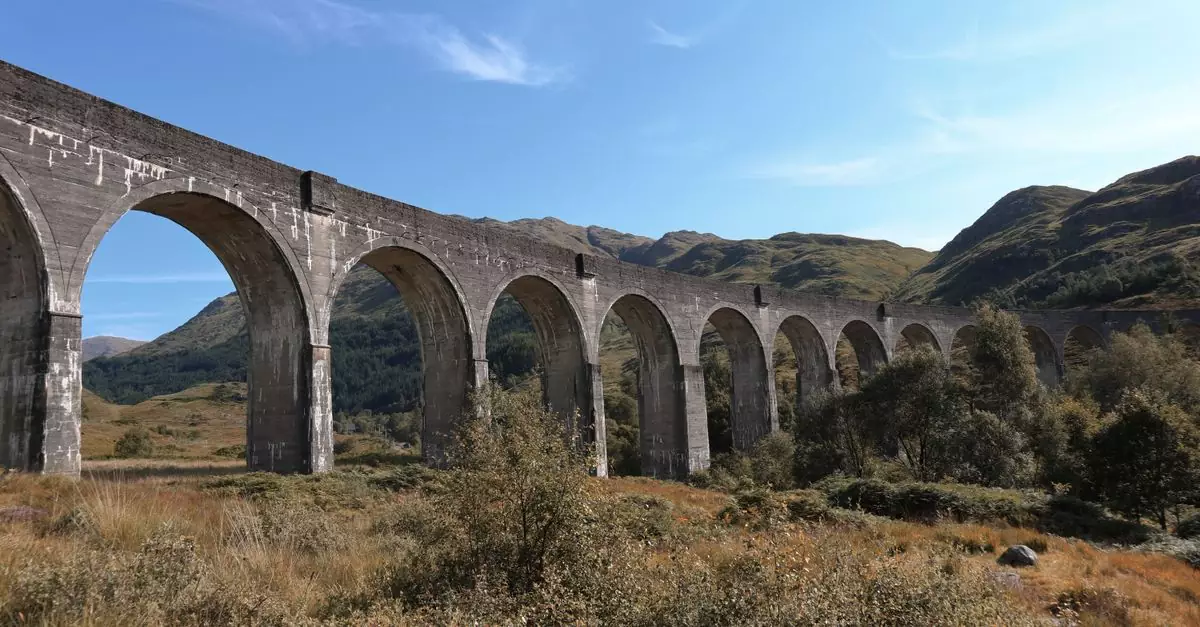
Finding the right place to stay can transform your European adventure into a truly magical experience. Beyond the iconic filming locations, many European accommodations evoke the charm and mystery of the wizarding world. Think historic architecture, cozy nooks, and a sense of stepping back in time.
Charming Boutique Hotels in Historic City Centers
Many European cities boast charming boutique hotels housed within centuries-old buildings. These establishments often retain original architectural features like exposed beams, stone walls, and winding staircases, providing an immediate sense of historical immersion. Staying in the heart of a historic district means you’re often just a short walk from ancient squares, cobblestone streets, and intriguing local shops that feel straight out of a storybook.
Consider properties in cities like Edinburgh, Scotland, where many hotels are situated in Georgian or Victorian townhouses. These often feature elegant decor that hints at old-world grandeur. Similarly, Prague’s Old Town offers a wealth of small hotels tucked away in medieval lanes, each with its unique character. Booking in advance is crucial, especially during peak tourist seasons, as these unique rooms are highly sought after.
Unique Stays: Castles and Medieval Manor Houses
For an unparalleled immersive experience, consider staying in a genuine castle or a medieval manor house. These grand structures offer a tangible connection to history and often provide a dramatic backdrop for your travels. Many have been meticulously restored and converted into unique hotels or guesthouses, blending historical ambiance with modern comfort.
Regions like the Loire Valley in France or parts of Germany are renowned for their fairytale castles. Imagine waking up in a room adorned with tapestries and views of rolling hills, or enjoying a meal in a grand hall that once hosted royalty. While these accommodations can be more expensive, they offer an unforgettable experience, especially for those seeking a grand, wizarding-world-esque stay. Some even offer themed dining or historical reenactments, further enhancing the enchanting atmosphere.
A comparison of unique accommodation types:
| Accommodation Type | Typical Location | Atmosphere | Budget Range (per night) |
|---|---|---|---|
| Castle Hotel | Rural estates, historic towns | Grand, opulent, historic, imposing | $$$$ |
| Medieval Manor House | Countryside, historic villages | Rustic, charming, intimate, historic | $$$ |
| Historic City Center Hotel | City cores, old towns | Elegant, characterful, convenient, charming | $$ – $$$ |
Cozy Inns and Guesthouses for an Authentic Experience
For a more intimate and authentic feel, cozy inns and guesthouses in smaller towns or villages offer a delightful alternative. These often provide a warm, personal touch, with hosts who are knowledgeable about the local area and eager to share its secrets. Many are located in picturesque settings, surrounded by natural beauty or nestled within charming, less-trafficked communities.
Think of the English countryside, where traditional inns with thatched roofs and roaring fireplaces abound. Or consider a small guesthouse in a village in the Cotswolds, England, or in the Bavarian Alps of Germany. These places often feel like stepping into a different era, with antique furnishings and a slower pace of life. They are ideal for travelers looking to escape the crowds and experience a more grounded yet still enchanting side of Europe. Many offer home-cooked meals, further adding to the welcoming, almost familial, atmosphere.
Frequently Asked Questions About Harry Potter Style Destinations
What are the best Harry Potter style destinations for families?
For families seeking that magical ambiance, destinations like Edinburgh, Scotland stand out. Its medieval architecture, winding closes, and the imposing Edinburgh Castle evoke a sense of ancient mystery. The historic university buildings in Oxford, particularly Christ Church College with its Great Hall, also provide a tangible connection to the wizarding world’s aesthetic. Prague’s Old Town Square and its Astronomical Clock create a fairy-tale setting that appeals to all ages.
Are these destinations suitable for solo travelers?
Absolutely. Many of these European cities are highly walkable and offer abundant opportunities for independent discovery. Solo travelers can immerse themselves in the atmosphere of places like Bruges, Belgium, with its canals and cobblestone streets, or wander through the historic libraries and courtyards of cities like Coimbra, Portugal. The rich history and architectural grandeur of these locations provide endless fascination for those traveling alone.
What should I pack for a trip to these historic European locations?
Packing for these destinations often requires a versatile approach. Comfortable walking shoes are essential, as you’ll likely be covering a lot of ground on cobblestone streets. Layers are key, especially in spring or autumn, as European weather can be unpredictable. A waterproof jacket or umbrella is advisable. Don’t forget a portable power bank for your devices and a good camera to capture the enchanting scenery.
Can I find specific Harry Potter filming locations in these areas?
While the primary filming locations for the Harry Potter films are concentrated in the United Kingdom (like Alnwick Castle and Gloucester Cathedral), the style and atmosphere of these other European destinations resonate with the wizarding world’s aesthetic. You can find locations that inspired or resemble the magical settings. For instance, the Gothic architecture in Prague or the ancient university halls in Oxford often feel like they could have stepped right out of a scene. Many visitors find that these places capture the spirit of Harry Potter’s world, even if they weren’t direct filming sites.