Planning your first trip to Budapest involves more than just booking flights and accommodation; it’s about understanding how to navigate this captivating city to maximize your experience. From mastering the efficient public transport system and selecting the ideal neighborhood to savoring authentic Hungarian cuisine and crafting an itinerary that balances iconic sights with local discoveries, a little preparation goes a long way. This guide provides essential tips and insights to ensure your Hungarian adventure is seamless and unforgettable. You’ll learn about the best times to visit, where to stay for convenience and atmosphere, what culinary delights await, and how to explore both must-see landmarks and hidden gems. Get ready to experience the magic of Budapest with confidence.
Navigating Budapest: Getting Around Like a Local
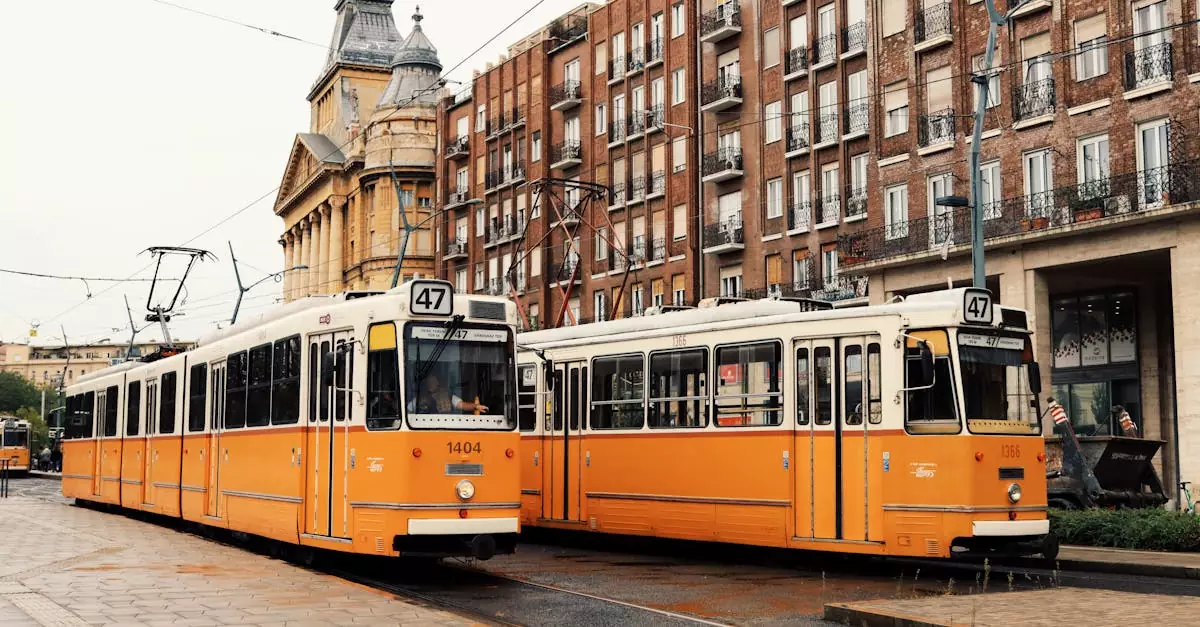
Successfully navigating Budapest, especially on your first trip, depends on understanding its efficient public transport system and local travel habits. The city offers various ways to get around, from extensive tram and metro lines to niche options. Planning your transport in advance can save you time and money, allowing you to focus on the sights and sounds of this vibrant European capital.
Understanding Budapest’s Public Transport Network (BKK)
Budapest’s public transport is managed by BKK (Budapesti Közlekedési Központ), which operates a comprehensive network of trams, buses, trolleybuses, and metro lines. The metro system, with its four lines (M1, M2, M3, and M4), is particularly useful for covering longer distances. The historic M1 line, also known as the Millennium Underground, is a UNESCO World Heritage site and a charming way to travel between key attractions on Andrássy Avenue.
Purchasing tickets is straightforward, with options for single rides, travelcards (24-hour, 72-hour, weekly), and passes. It’s crucial to validate your ticket before boarding or immediately upon entering the vehicle; inspectors frequently check, and fines are steep. If you plan to use public transport frequently within a few days, consider purchasing a travelcard. These can be bought at metro stations, BKK customer service centers, and some newsstands.
Airport Transfers: From Liszt Ferenc to the City Center
Budapest Ferenc Liszt International Airport (BUD) is located about 16 kilometers southeast of the city center. Several transport options are available to reach your accommodation. The most economical choice is bus 100E, a direct airport shuttle that runs frequently to Kálvin tér and Deák Ferenc tér in the city center. This bus requires a special, slightly more expensive ticket than standard BKK fares, which can be purchased at the airport or via the BKK Futár app.
Alternatively, bus 200E connects the airport to the Kőbánya-Kispest metro station (M3 line), offering a cheaper but longer route into the city. For convenience, airport minibuses (like miniBUD) provide shared or private transfers directly to your hotel. Taxis are readily available, but it’s advisable to use the official airport taxi service (Főtaxi) or book through an app to avoid potential overcharging.
Walking and Cycling: Exploring Budapest’s Districts on Foot
Budapest is remarkably walkable, especially in central districts like District V (Belváros-Lipótváros) and District VII (Erzsébetváros). Many major landmarks, such as the Parliament Building, St. Stephen’s Basilica, and the Chain Bridge, are within easy walking distance of one another. Strolling along the Danube Promenade offers stunning views of Buda Castle and Gellért Hill.
For a more active exploration, consider cycling. Budapest has an increasing number of bike lanes, and bike-sharing schemes like MOL Bubi provide affordable rentals. Cycling is particularly enjoyable along the Danube banks and across the bridges. Be mindful of tram tracks, which can be hazardous for cyclists, especially when wet.
Ride-Sharing Apps vs. Taxis in Budapest
Ride-sharing apps like Bolt are popular in Budapest, often providing a convenient and competitively priced alternative to traditional taxis. They offer upfront pricing, which can be reassuring for first-time visitors. Ensure you have the app installed and set up before you arrive.
Traditional taxis are also plentiful, but it’s wise to use reputable companies. Look for clearly marked official taxis, check that the meter is running, and have an idea of typical fares for your journey to avoid being overcharged. If uncertain, it’s often best to have your hotel or a local restaurant call a taxi for you. For straightforward airport transfers, the 100E bus or pre-booked minibuses are typically more predictable in terms of cost and timing than hailing a random taxi.
When Should You Plan Your First Trip to Budapest?
Choosing the right time for your first trip to Budapest can significantly influence your experience. Each season offers distinct charm, from blooming spring gardens to the cozy glow of winter thermal baths. Consider what atmosphere and activities appeal most to you when deciding on your travel dates.
Budapest in Spring: Pleasant Weather and Blooming Gardens
Spring, from April to May, brings mild temperatures to Budapest, making it an excellent time for walking tours and outdoor exploration. The city’s parks, like Margaret Island, come alive with vibrant flowers, creating a beautiful backdrop for leisurely strolls. While the weather is generally pleasant, occasional rain showers are possible, so packing layers and a light umbrella is advisable. Daylight hours gradually increase, allowing for more sightseeing.
Summer in Budapest: Vibrant Festivals and Long Daylight Hours
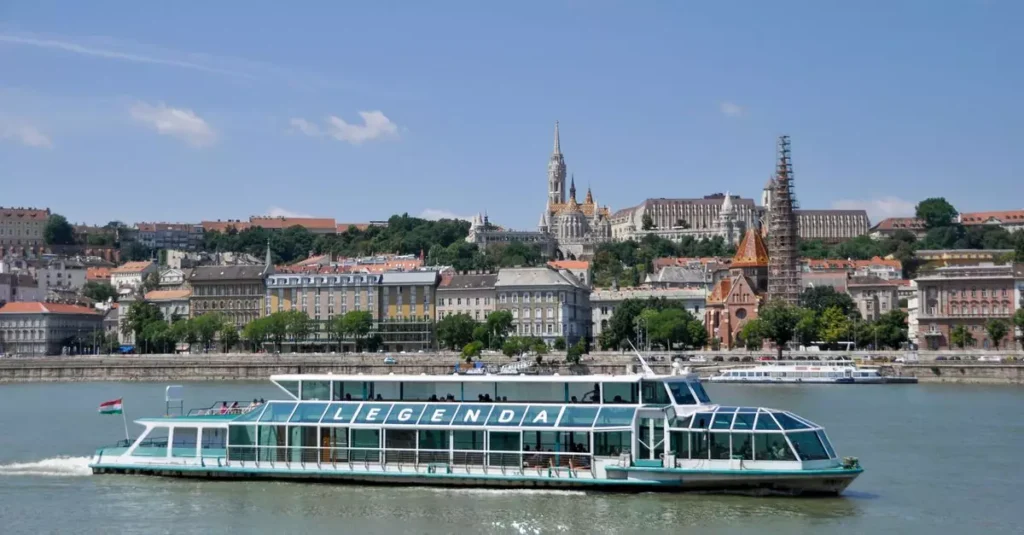
June through August marks peak tourist season in Budapest, characterized by warm to hot weather and the longest daylight hours of the year. This period is ideal for enjoying numerous outdoor festivals, ruin bar terraces, and river cruises on the Danube. Be prepared for larger crowds and higher accommodation prices. The heat can be intense, especially in July and August, so staying hydrated and seeking shade during the hottest parts of the day is crucial.
Autumn in Budapest: Cozy Vibes and Fewer Crowds
September and October offer a more relaxed atmosphere as summer crowds dissipate. The autumn foliage paints the city in warm hues, and the weather remains comfortably cool for sightseeing. This season is perfect for enjoying Budapest’s thermal baths without the summer rush. As November approaches, temperatures drop, and the city begins to prepare for winter festivities, creating a cozy vibe.
Winter in Budapest: Christmas Markets and Thermal Baths
Budapest transforms into a winter wonderland from November to March. The Christmas markets, particularly the one at Vörösmarty Square, are a major draw, offering festive treats and handcrafted gifts. While the weather is cold, the city’s thermal baths, such as the Széchenyi and Gellért Baths, provide a warm escape from the chill. Visiting during this time allows for a unique experience of Budapest’s winter charm, often with fewer international tourists outside of the holiday season.
Here’s a quick comparison to help you decide:
| Season | Average Temperature (°C) | Daylight Hours | Crowd Levels | Key Attractions |
|---|---|---|---|---|
| Spring (Apr-May) | 10-18°C | 13-15 hours | Moderate | Parks, walking tours, outdoor cafes |
| Summer (Jun-Aug) | 20-30°C | 15-16 hours | High | Festivals, river cruises, nightlife |
| Autumn (Sep-Oct) | 10-20°C | 11-13 hours | Moderate to Low | Fall foliage, thermal baths, cultural events |
| Winter (Nov-Mar) | -5-5°C | 8-10 hours | Low (except holidays) | Christmas markets, thermal baths, cozy cafes |
Where to Stay: Choosing Your Perfect Budapest Neighborhood
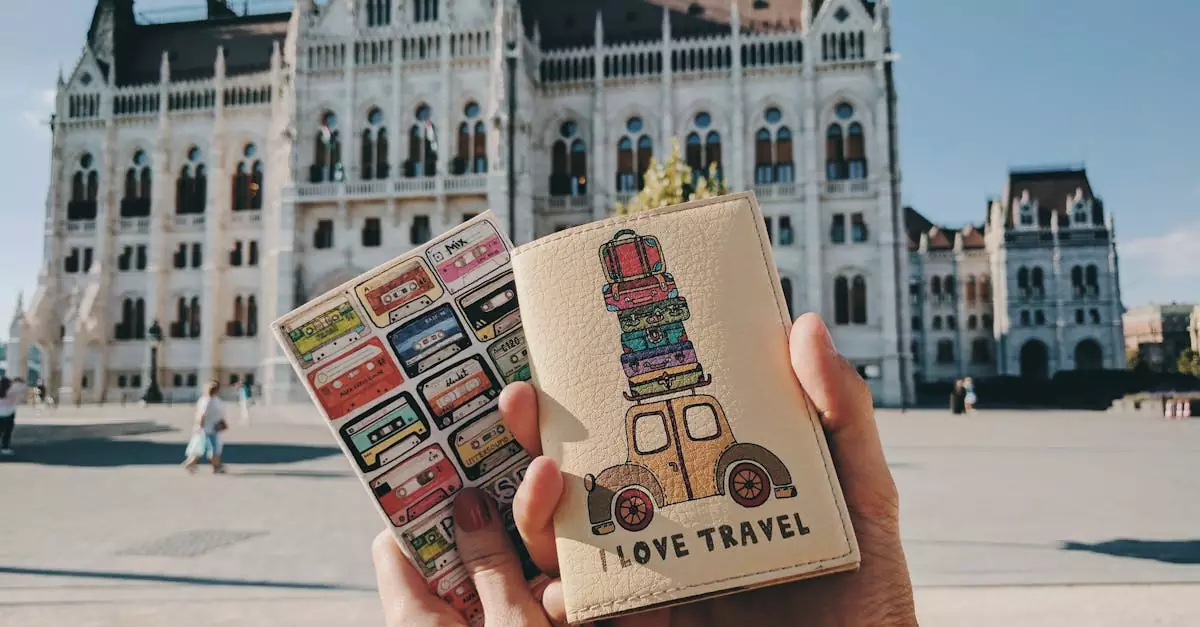
Deciding where to base yourself in Budapest is crucial for a smooth and enjoyable first trip. The city offers distinct neighborhoods, each with its own character, catering to different traveler preferences. Consider your priorities—whether it’s proximity to historical sites, vibrant nightlife, or a more tranquil atmosphere—when making your choice. Understanding these areas will help you find accommodations that best suit your itinerary and budget.
Belváros (District V): The Heart of Pest for First-Timers
Belváros, or the Inner City, is often the top choice for visitors on their first trip to Budapest. This central district is home to many of the city’s most famous landmarks, including St. Stephen’s Basilica, Vörösmarty Square, and the elegant Andrássy Avenue. You’ll find a high concentration of hotels, restaurants, and shops here, making it incredibly convenient for sightseeing. Getting around is easy, with major tram and metro lines passing through.
Accommodation in Belváros ranges from luxury hotels to charming boutique guesthouses. While it offers unparalleled access to attractions, it can also be the most expensive area. The atmosphere is bustling and sophisticated, with grand architecture lining its wide avenues. It’s an excellent base for those who want to be in the thick of it all, with most major sights within walking distance.
Castle District (Buda Side): Historic Charm and Stunning Views
Across the Danube River, the Castle District offers a more historical and picturesque experience. This UNESCO World Heritage site is dominated by Buda Castle, Matthias Church, and Fisherman’s Bastion, providing breathtaking panoramic views of Pest. Staying here means immersing yourself in centuries of history, with cobblestone streets and Baroque architecture.
Getting to and from the Castle District requires a bit more effort, often involving a bus, the funicular, or a scenic walk up the hill. Accommodations are generally more limited and can be pricier, often consisting of smaller hotels and apartments. It’s a quieter area, especially in the evenings, offering a romantic escape from the city’s hustle. This area is ideal for history buffs and those seeking iconic photo opportunities.
Jewish Quarter (District VII): Lively Nightlife and Ruin Bars
District VII, known as the Jewish Quarter, pulsates with energy, particularly after dark. This area has transformed into Budapest’s hub for nightlife, famous for its unique ruin bars housed in dilapidated pre-war buildings. You’ll find a vibrant mix of street art, eclectic eateries, and diverse accommodations, from budget-friendly hostels to stylish apartments.
While it offers an exciting atmosphere, the Jewish Quarter can be noisy on weekend nights, so light sleepers might want to consider accommodations on its quieter edges. It’s also a fascinating area to explore during the day, with historical synagogues and a rich cultural heritage. For travelers seeking a dynamic social scene and a taste of Budapest’s contemporary urban culture, this district is an excellent choice.
Óbuda (District III): A Quieter, Authentic Experience
For a more local and laid-back feel, consider Óbuda in District III. This historic part of Buda predates the unification of Pest and Buda and offers a charming, village-like atmosphere. You’ll find Roman ruins, quaint squares, and traditional Hungarian restaurants, providing a glimpse into a less tourist-centric Budapest.
Óbuda is well-connected to the city center by public transport, but it requires a longer commute than staying in Pest. Accommodations here are typically more affordable and offer a chance to experience everyday life in Budapest. It’s a good option for longer stays or for travelers who prefer a peaceful retreat after a day of exploring the more bustling parts of the city.
Must-Try Hungarian Foods and Drinks on Your First Visit
A first trip to Budapest isn’t complete without diving into its rich culinary scene. Hungarian food is hearty, flavorful, and deeply rooted in tradition, often featuring paprika as a key ingredient. Don’t hesitate to try new dishes; they are essential for understanding the local culture.
Goulash and Lángos: Iconic Hungarian Staples
Goulash, or gulyás, is perhaps Hungary’s most famous dish—a warming stew typically made with beef, onions, and plenty of paprika. While often served as a soup, it can also be a thicker stew. For an authentic taste, seek out restaurants known for traditional recipes.
Lángos offers a more casual yet equally delicious experience. This deep-fried flatbread is usually topped with garlic, sour cream, and cheese. It’s a popular street food, perfect for a quick bite while sightseeing. Many market halls and street vendors offer freshly made lángos.
Sweet Treats: Kürtőskalács and Dobos Torte
For those with a sweet tooth, Hungary offers delightful pastries. Kürtőskalács, often called “chimney cake,” is a sweet dough wrapped around a spit, roasted over an open flame, and then coated in sugar, cinnamon, or nuts. It’s best enjoyed warm.
Dobos Torte is another classic—a layered sponge cake with chocolate buttercream and a caramel top. It’s a richer dessert, often found in traditional cafes and patisseries. Trying these sweets provides a delightful counterpoint to the savory main dishes.
Exploring Budapest’s Ruin Bars and Local Breweries
Budapest’s unique ruin bars, often set up in abandoned buildings and courtyards, offer more than just drinks; they provide a glimpse into the city’s creative spirit. While enjoying a local craft beer or a glass of Hungarian wine, soak in the eclectic atmosphere. Many bars also serve simple food options.
Beyond the ruin bars, Budapest has a growing craft beer scene. Look for local breweries that offer tasting rooms or pubs featuring their own brews. This is a great way to sample a variety of Hungarian beers and support local businesses.
Where to Find Authentic Hungarian Cuisine: Market Halls and Restaurants
To truly experience authentic Hungarian cuisine, head to one of Budapest’s grand market halls, such as the Great Market Hall (Nagyvásárcsarnok). Here, you can find vendors selling fresh produce, local delicacies, and small eateries serving traditional dishes. It’s a vibrant place to sample a range of flavors and observe local life.
When choosing restaurants, look for establishments that emphasize Hungarian specialties. While tourist-heavy areas will have plenty of options, venturing slightly off the beaten path often leads to more authentic and better-value meals. Ask locals for recommendations or check reviews that specifically mention traditional dishes. Consider trying a restaurant that focuses on regional variations of Hungarian food for a deeper culinary journey.
Crafting Your Budapest Itinerary: Top Sights and Hidden Gems
Planning your first trip to Budapest involves balancing iconic landmarks with the city’s more intimate charms. This guide helps you map out an itinerary that captures the essence of Hungary’s capital, from its grandest structures to its tranquil green spaces. Consider visiting during the shoulder seasons of spring (April-May) or autumn (September-October) for pleasant weather and fewer crowds.
Essential Landmarks: Parliament, Buda Castle, Fisherman’s Bastion
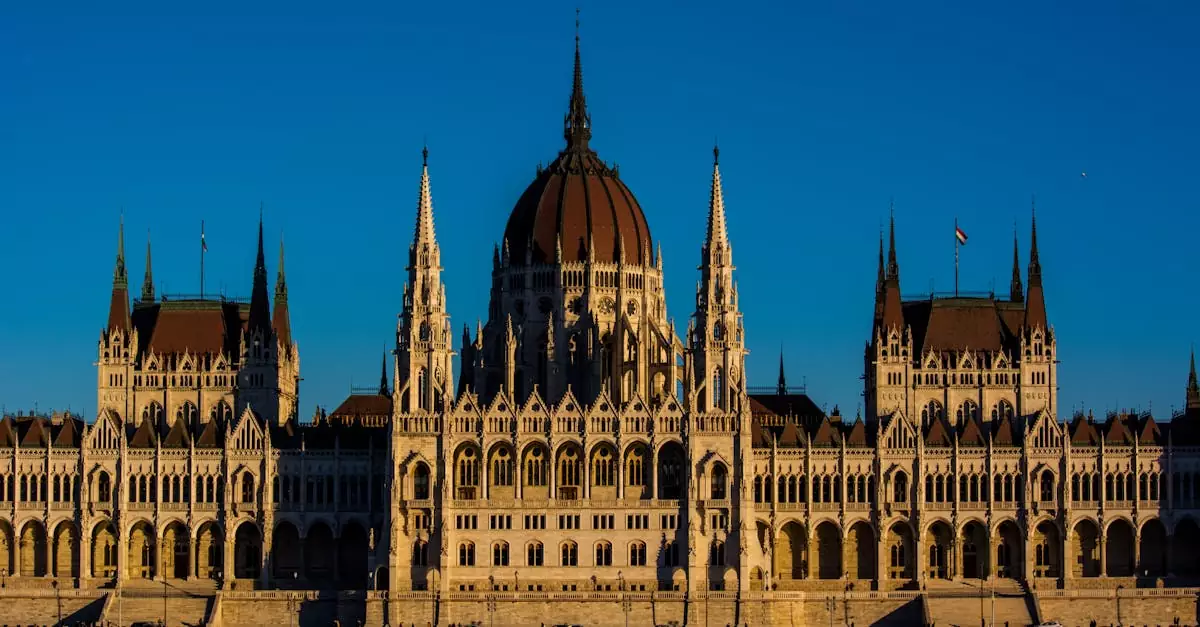
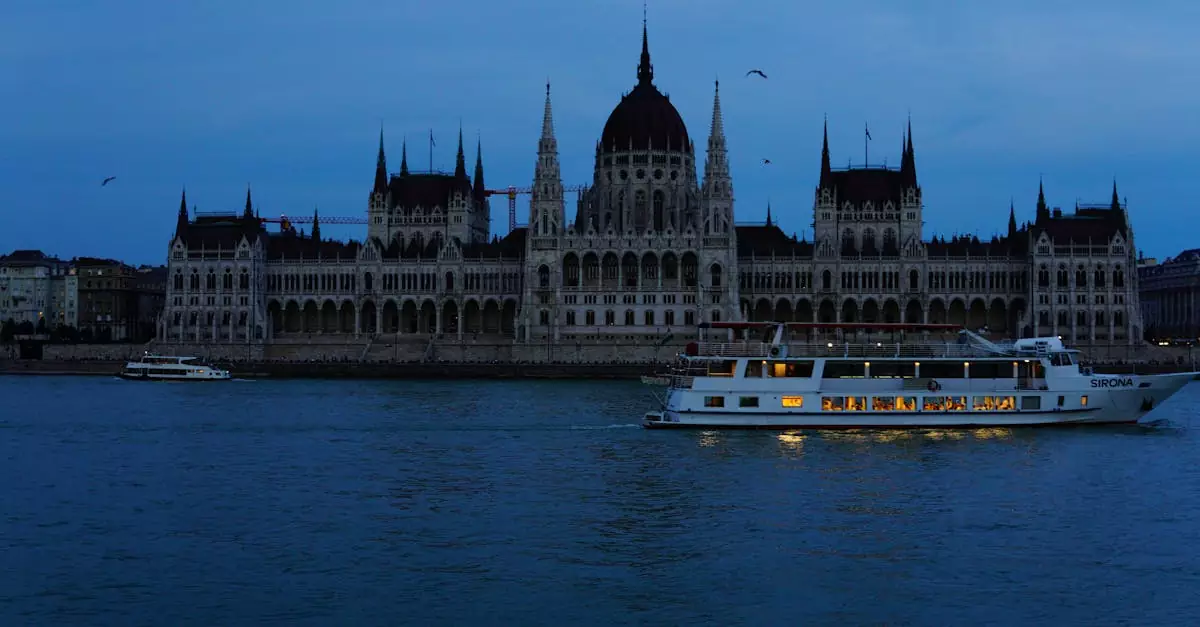
No visit to Budapest is complete without witnessing the grandeur of the Hungarian Parliament Building. Its Gothic Revival architecture, especially when illuminated at night, is breathtaking. Book tours in advance to see the opulent interior and the Holy Crown of Hungary.
Across the Danube, perched on Castle Hill, lies Buda Castle. This historic complex houses the Hungarian National Gallery and the Budapest History Museum. Wandering through its courtyards offers a glimpse into centuries of history. Adjacent to the castle, Fisherman’s Bastion provides panoramic views of Pest and the Parliament building. Its fairy-tale turrets and terraces are a photographer’s dream, particularly at sunrise or sunset. Getting to Castle Hill is convenient via public bus, the funicular, or a pleasant walk.
Relaxing in Budapest’s Famous Thermal Baths: Széchenyi vs. Gellért
Budapest is renowned as the “City of Spas,” and its thermal baths are a must-experience. The Széchenyi Thermal Baths, the largest in Europe, offers an outdoor experience with grand yellow buildings and large, steaming pools. It’s a lively atmosphere, attracting both locals and tourists.
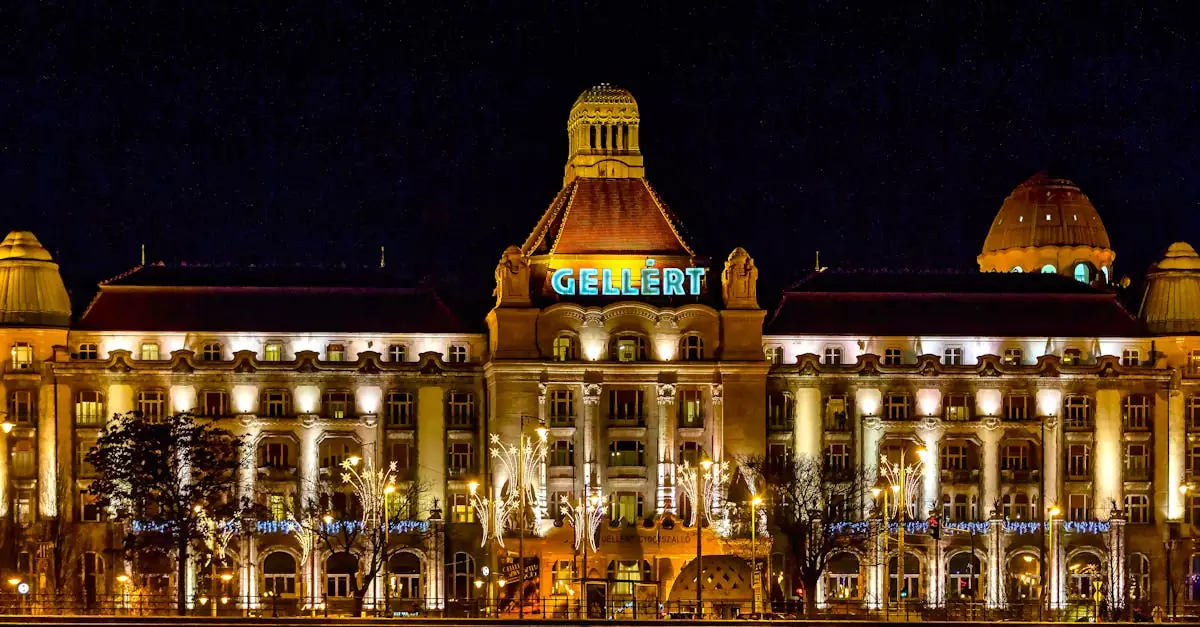
For a more art nouveau and serene experience, the Gellért Baths are unparalleled. Located within the stunning Gellért Hotel, its indoor pools are adorned with intricate mosaics and stained glass. While Széchenyi is more social, Gellért offers a tranquil, almost spa-like ambiance. Both are easily accessible by public transport. Consider visiting during weekdays to avoid peak weekend crowds.
Exploring Margaret Island: A Green Oasis in the Danube
Margaret Island (Margitsziget) is a peaceful 2.5-kilometer-long island situated in the middle of the Danube River. It’s a car-free sanctuary offering a welcome respite from the bustling city. Rent a bike or a family-friendly pedal cart to explore its attractions, including the musical fountain, a small zoo, and the ruins of a medieval convent.
The island is perfect for leisurely strolls, picnics, or simply relaxing by the water. You can reach Margaret Island by tram or bus to the bridges connecting it to the mainland, or even by ferry during the summer months. It’s a fantastic spot for families and anyone seeking fresh air.
Discovering Andrássy Avenue and Heroes’ Square
Andrássy Avenue is Budapest’s elegant boulevard, a UNESCO World Heritage site lined with Neo-Renaissance mansions, luxury boutiques, and theaters. The Hungarian State Opera House, a masterpiece of architecture, is a highlight along this avenue. Take your time walking or hop on the historic Millennium Underground Railway (M1 line), the second oldest underground railway in the world, which runs beneath the avenue.
At the end of Andrássy Avenue stands Heroes’ Square (Hősök tere), a grand plaza commemorating Hungarian chieftains. The square is dominated by the Millennium Monument, featuring statues of seven tribal leaders. Behind the monument, you’ll find the entrance to City Park (Városliget), home to Vajdahunyad Castle and the Széchenyi Baths, making it a convenient hub for further exploration.
Frequently Asked Questions for Your First Budapest Trip
Is Budapest safe for solo travelers?
Budapest is generally considered very safe for solo travelers, including women. Petty crime like pickpocketing can occur in crowded tourist areas, so it’s wise to be aware of your surroundings, especially on public transport or at popular attractions. Violent crime is rare. Exercise standard precautions, such as not leaving valuables unattended and being mindful of your belongings, and you’ll likely have a smooth and enjoyable trip.
What currency is used in Budapest and can I use cards?
The official currency in Budapest is the Hungarian Forint (HUF). While some larger establishments, particularly in tourist-heavy areas, may accept Euros, it’s best to use Forints for daily expenses to secure better exchange rates. Credit and debit cards are widely accepted in hotels, restaurants, shops, and for public transport tickets. ATMs are readily available for withdrawing cash if needed.
How much should I budget for a 3-day trip to Budapest?
A reasonable daily budget for a 3-day trip to Budapest can range from €70 to €150 per person, depending on your travel style. This estimate covers accommodation, food, local transport, and entry fees for attractions. Budget travelers can manage on the lower end by staying in hostels, eating at local eateries, and utilizing free activities. Those seeking more comfort or fine dining might spend closer to €150 or more per day.
Here’s a sample breakdown for a mid-range traveler:
| Category | Estimated Cost (per day) |
|---|---|
| Accommodation | €40 – €70 |
| Food & Drink | €30 – €50 |
| Attractions & Tours | €20 – €40 |
| Local Transport | €5 – €10 |
| Total Daily Budget | €95 – €170 |
What are common tourist mistakes to avoid in Budapest?
A common mistake is not exchanging currency at a favorable rate; avoid airport exchange bureaus and look for reputable exchange offices in the city center. Another pitfall is relying solely on taxis from the street, which can sometimes overcharge. It’s better to use ride-sharing apps or official taxi companies. Finally, many visitors underestimate how much there is to see, trying to cram too many attractions into a short period. Budapest rewards a more relaxed pace, allowing time to soak in its unique atmosphere.