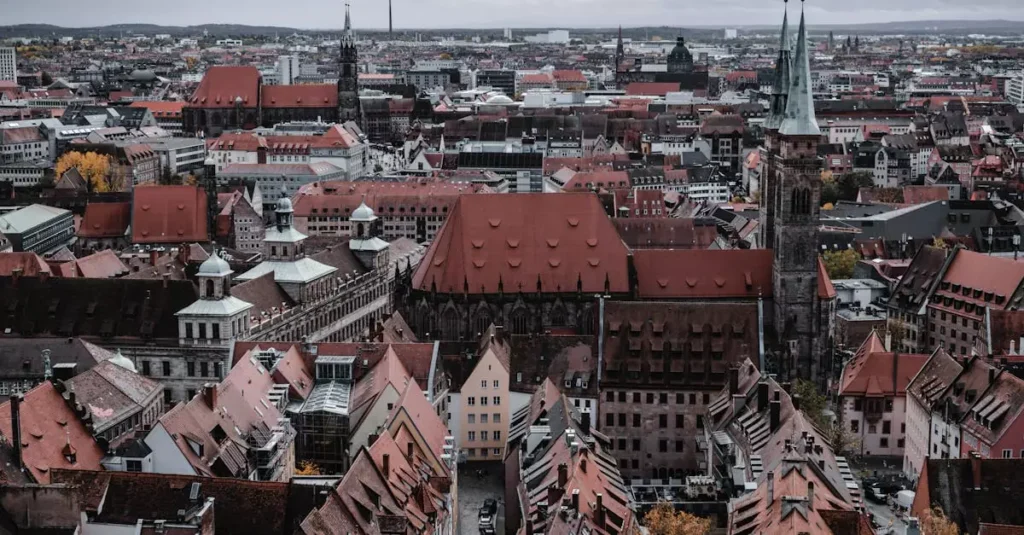
Planning your first trip to Nuremberg offers a journey through centuries of history, from the grandeur of its Imperial Castle to the poignant echoes of its 20th-century past. This Bavarian gem blends medieval charm with modern vibrancy, making it essential to know where to start.
This guide equips you with key tips for an unforgettable visit. You’ll discover the best times to experience the city, from festive Christmas markets to pleasant spring and autumn months. We’ll explore efficient transportation options, whether you’re arriving at the airport or strolling through the charming Old Town. Plus, we’ll help you craft a balanced itinerary and uncover must-try local foods that define Franconian cuisine. Get ready to explore Nuremberg with confidence and ease.
When is the Best Time for Your First Trip to Nuremberg?
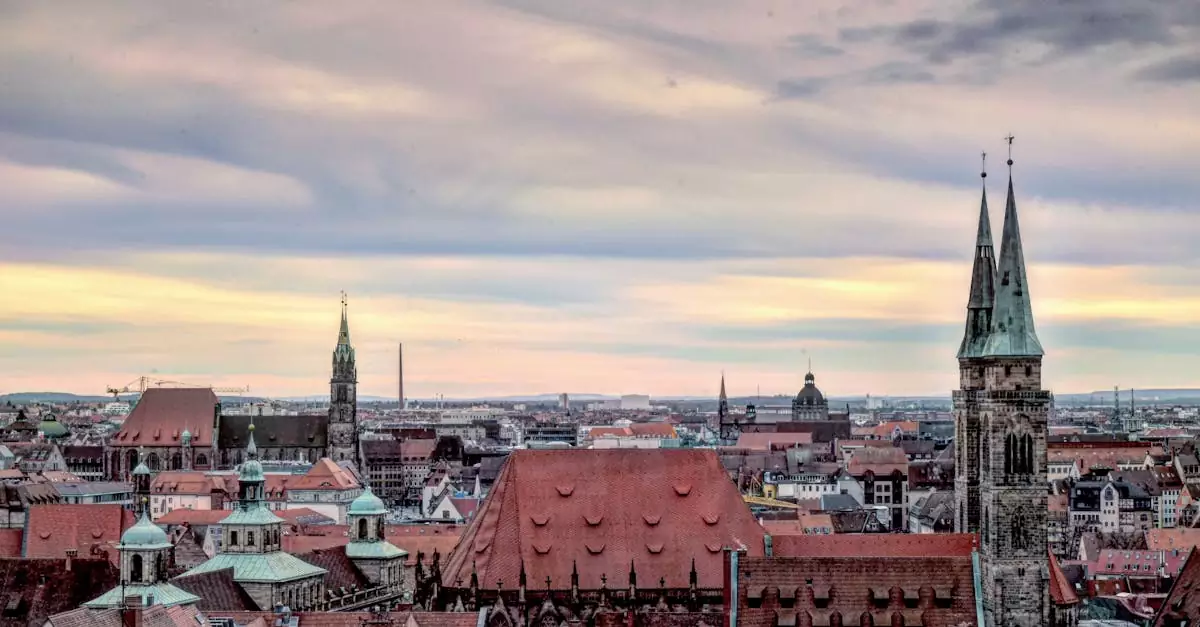
Choosing when to visit Nuremberg depends on your interests, whether you’re drawn to festive markets, pleasant weather, or fewer crowds. Each season offers a unique experience in this historic Bavarian city.
Navigating Nuremberg’s Spring Bloom: April to May
Spring in Nuremberg brings a gentle awakening after winter. Temperatures rise, typically ranging from 10°C to 20°C (50°F to 68°F). Parks and gardens, especially around the historic city walls, begin to flourish, creating ideal conditions for walking and outdoor exploration. This period is excellent for those who prefer milder weather and fewer tourists than in peak summer months.
May often features local festivals and the opening of outdoor seating at cafes and beer gardens, providing a relaxed atmosphere. It’s an ideal time to enjoy the city’s architecture and museums without intense heat or large crowds. Pack layers, as spring weather can be unpredictable.
Summer in Nuremberg: Warm Days and Festive Nights (June-August)
Summer is Nuremberg’s warmest season, with average temperatures between 20°C and 25°C (68°F to 77°F), though heatwaves can push temperatures higher. This is peak tourist season, resulting in more visitors and potentially higher accommodation prices. The long daylight hours are perfect for extensive sightseeing, including exploring the Imperial Castle and the Old Town.
Outdoor events, concerts, and beer gardens thrive. The city hosts several summer festivals, such as Bardentreffen (a folk music festival) and Blaue Nacht (Blue Night), a spectacular art and light event. If you enjoy a lively atmosphere and don’t mind crowds, summer is a vibrant time to visit. Booking accommodations and popular tours in advance is highly recommended.
Experiencing Nuremberg’s Enchanting Christmas Markets (Late November-December)
Nuremberg’s Christmas Market, the Christkindlesmarkt, is world-renowned and a major draw for many visitors. The markets typically open the Friday before the first Advent Sunday and run until Christmas Eve. Temperatures can be cold, often below freezing, so warm clothing is essential.
The city transforms into a winter wonderland, filled with the scent of gingerbread and mulled wine. While the markets are the main attraction, the festive decorations and unique ambiance make this a magical time to visit. Expect significant crowds, especially on weekends and closer to Christmas. This period is ideal for those seeking a quintessential festive experience.
Shoulder Season Charm: Autumn in Nuremberg (September-October)
Autumn offers a beautiful transition with pleasant temperatures and fewer crowds than summer. September often feels like an extension of summer, with mild weather perfect for sightseeing. October sees cooler temperatures, averaging between 5°C and 15°C (41°F to 59°F), and the autumn foliage adds picturesque charm to the city’s parks and surrounding Franconian Switzerland region.
This season is excellent for budget-conscious travelers, as accommodation prices may be lower. It’s a great time for walking tours and enjoying local cuisine in a relaxed setting. While the Christmas markets haven’t begun, early decorations appear in late October, hinting at the festive season to come.
| Season | Avg. Temperature (Celsius) | Avg. Temperature (Fahrenheit) | Crowd Levels | Key Attractions/Events |
|---|---|---|---|---|
| Spring | 10-20°C | 50-68°F | Low to Medium | Parks blooming, outdoor cafes, milder sightseeing |
| Summer | 20-25°C | 68-77°F | High | Festivals, long daylight, peak sightseeing season |
| Autumn | 5-15°C | 41-59°F | Low to Medium | Foliage, relaxed sightseeing, pre-Christmas buzz |
| Winter (Markets) | 0-5°C | 32-41°F | High | Christmas Markets, festive atmosphere, cold weather |
Getting Around Nuremberg: Efficient Transportation Options
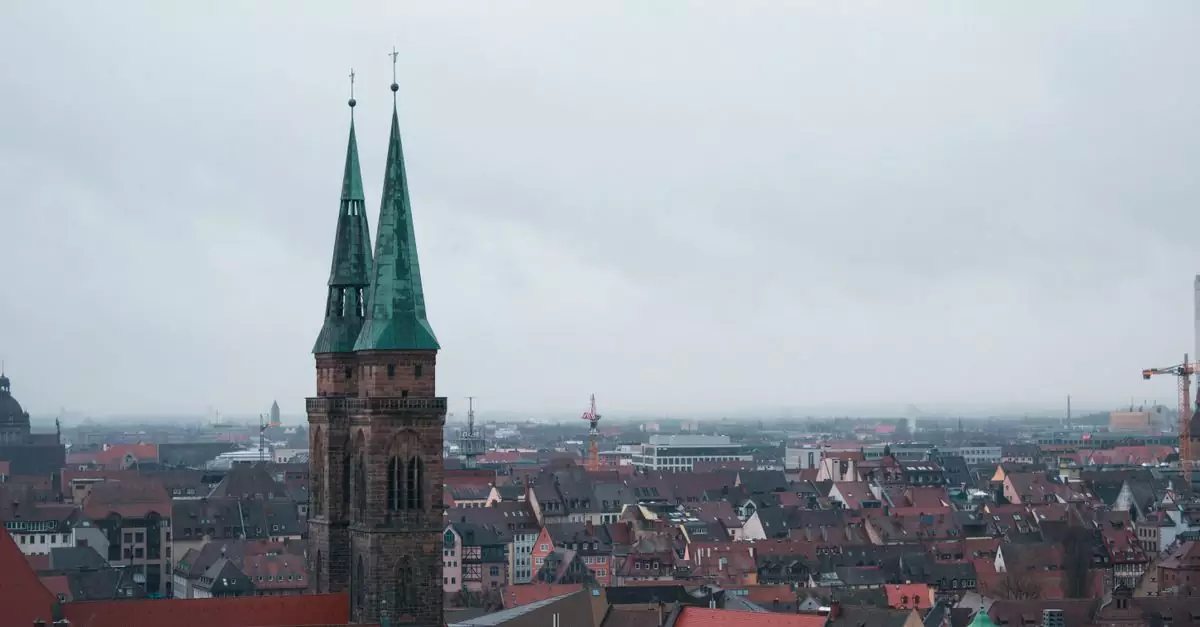
Navigating Nuremberg is straightforward, thanks to a well-integrated public transport system and a city center that’s easily explored on foot. Understanding your options will make your first trip smoother.
Nuremberg Airport (NUE) to City Center: Your Transfer Guide
Upon arrival at Nuremberg Airport (NUE), you have several convenient ways to reach the city center. The most efficient and cost-effective method is the U-Bahn (subway). Line U2 connects the airport to the central station (Hauptbahnhof) in approximately 12 minutes. Trains run frequently, typically every 10-20 minutes, making it a reliable choice.
Taxis are readily available outside the terminal. The journey to the city center takes about 20-25 minutes, depending on traffic, and will cost more than the U-Bahn. Ride-sharing services also operate in the area. For those who prefer pre-booked convenience, airport shuttles can be arranged, though these are often pricier than public transport.
Mastering Nuremberg’s Public Transport: U-Bahn, Tram, and Bus
Nuremberg’s public transportation network, operated by VGN (Verkehrsverbund Großraum Nürnberg), is extensive and user-friendly. It comprises U-Bahn lines, trams, and buses, all under a single ticketing system. This means a single ticket is valid across all modes of transport within the specified zones for the duration of its validity.
The U-Bahn is the backbone of the system, with three main lines (U1, U2, U3) serving key areas of the city, including the historic Old Town and the airport. Trams offer a scenic way to travel, particularly for routes that don’t intersect with the U-Bahn. Buses fill in the gaps, providing access to outer districts and areas less served by rail.
Tickets can be purchased from ticket machines at stations, in vending machines, or via the VGN app. Consider purchasing a Nuremberg Card if you plan on visiting many museums and attractions, as it includes public transport access. For shorter stays, single tickets, day tickets (TagesTicket), or group day tickets are available. Always validate your ticket before starting your journey to avoid fines.
Walking and Cycling: Exploring Nuremberg’s Compact Old Town
Nuremberg’s historic Old Town (Altstadt) is compact and best experienced on foot. Many of the main attractions, including the Imperial Castle, the Hauptmarkt, and numerous churches, are within easy walking distance. Wandering through its cobblestone streets allows you to discover hidden courtyards, charming cafes, and historic architecture at your own pace.
For those who prefer cycling, it’s also a pleasant way to get around, especially during warmer months. Dedicated bike lanes are present in many areas, though caution is advised when navigating busier streets. Several rental shops throughout the city offer daily or hourly rentals. Exploring the paths along the Pegnitz River by bike is particularly enjoyable.
Day Trips from Nuremberg: Train vs. Car Rental
Nuremberg serves as an excellent base for exploring the surrounding Franconian region. Popular day trip destinations include medieval towns like Rothenburg ob der Tauber, the historic city of Bamberg, or the natural beauty of Franconian Switzerland (Fränkische Schweiz).
The train is often the most convenient and stress-free option for day trips. The main train station (Hauptbahnhof) offers excellent connections to most regional attractions. For example, reaching Bamberg or Rothenburg ob der Tauber by train is straightforward and avoids the hassle of parking in these often-crowded historic towns. Germany’s efficient rail network makes this a comfortable choice for your trip.
Renting a car offers more flexibility, especially if you plan to visit more remote villages or explore Franconian Switzerland extensively. However, be prepared for potential parking challenges and costs in popular tourist destinations. If your itinerary focuses on major cities and well-connected towns, the train is likely sufficient and more economical.
| Destination | Train Travel Time (Approx.) | Car Rental Considerations |
|---|---|---|
| Bamberg | 45 minutes | Parking can be difficult; ZTL in some areas |
| Rothenburg ob der Tauber | 1 hour 30 minutes | Parking outside the old town walls required |
| Franconian Switzerland | Varies | Best for flexibility; scenic drives but winding roads |
| Nuremberg Airport | 12 minutes (U-Bahn) | N/A (public transport recommended) |
Crafting Your Perfect Nuremberg Itinerary: 3 to 5 Days of Discovery
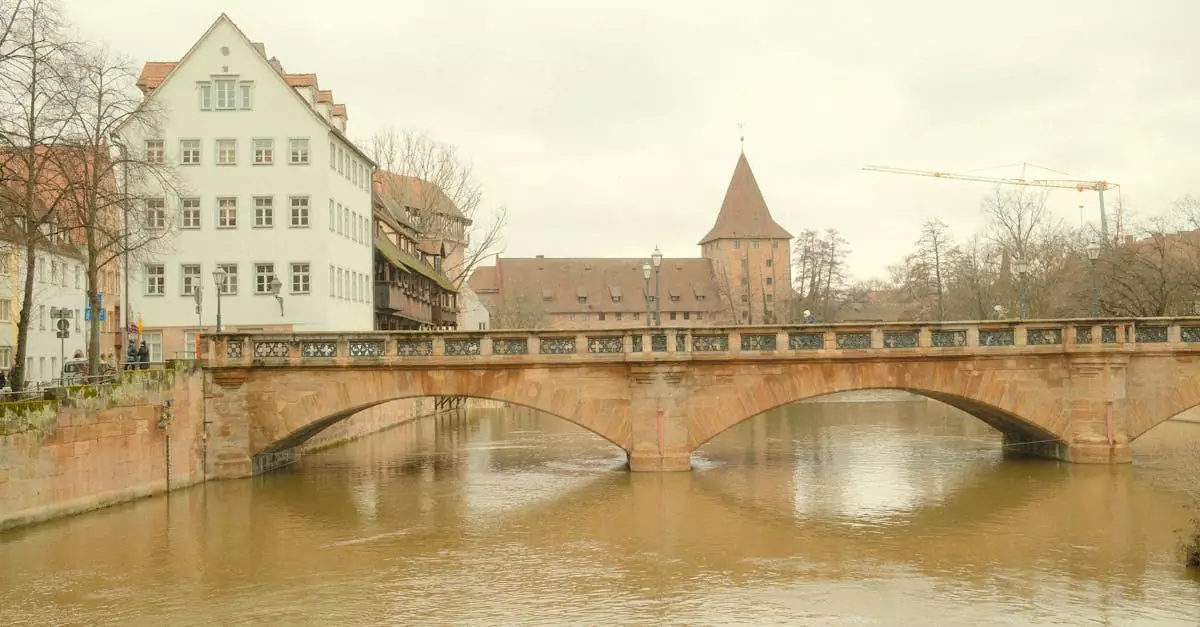
Planning your first trip to Nuremberg involves balancing its rich history with its modern charm. A 3- to 5-day itinerary allows for a comprehensive experience, covering imperial grandeur, poignant WWII sites, artistic heritage, and optional excursions. This structure provides a solid foundation for your visit, ensuring you capture the essence of this Bavarian city.
Day 1: Imperial Castle and Old Town Highlights
Begin your Nuremberg adventure by immersing yourself in the city’s medieval heart. Start at the imposing Nuremberg Imperial Castle (Kaiserburg), a symbol of the Holy Roman Empire. Allow at least two hours to explore its courtyards, ramparts, and the Deep Well. The views over the Old Town from the Sinwell Tower are particularly rewarding.
After descending from the castle, wander through the charming cobblestone streets of the Altstadt (Old Town). Key sights include the Hauptmarkt (Main Market Square), home to the beautiful Schöner Brunnen (Beautiful Fountain) and the Gothic Frauenkirche (Church of Our Lady). Don’t miss the historic Handwerkerhof, a medieval craft village located just outside the city walls near the main train station, offering a glimpse into traditional Nuremberg crafts. For lunch, sample a Nuremberg Rostbratwurst at a local Imbiss.
Day 2: WWII History and Documentation Center Exploration
Nuremberg’s 20th-century history is profound and essential to understanding its modern identity. Dedicate a significant portion of your day to the Documentation Center Nazi Party Rally Grounds. This former congress hall provides critical context for the rise of Nazism and its impact. The permanent exhibition, “Fascination and Terror,” is highly informative.
Visiting the rally grounds themselves offers a stark visual reminder of the past. You can walk the Zeppelinfeld and see the Great Road. Consider a guided tour for deeper insights into the historical significance of these sites. Given the sensitive nature of the material, allocate ample time for reflection. This part of your first trip to Nuremberg should prioritize respectful engagement with history.
Day 3: Albrecht Dürer’s Legacy and Artisan Crafts
Delve into Nuremberg’s artistic heritage by visiting the Albrecht Dürer House, the former residence of the renowned Renaissance artist. Located near the Imperial Castle, this well-preserved half-timbered house offers a fascinating look at Dürer’s life and work.
Beyond Dürer, Nuremberg has a long tradition of craftsmanship. Explore the shops around the Handwerkerhof and the wider Old Town for local specialties, including gingerbread (Lebkuchen) and handcrafted toys. For a different perspective, consider visiting the Germanisches Nationalmuseum, one of Germany’s most important cultural history museums, which houses an extensive collection of art and artifacts.
Optional Day 4: Day Trip to Rothenburg ob der Tauber
For a picturesque medieval experience, a day trip to Rothenburg ob der Tauber is highly recommended. This exceptionally well-preserved walled town is a popular excursion from Nuremberg and offers a fairy-tale atmosphere. You can reach Rothenburg by train, though the journey takes approximately 2 to 2.5 hours each way.
Once in Rothenburg, walk along the town walls, visit the Plönlein (a famous picturesque street intersection), and explore the medieval crime and punishment museum. The town is compact and easily walkable, making it ideal for a day of exploration. Be aware that Rothenburg can get crowded, especially during peak season.
Optional Day 5: Exploring Nuremberg’s Modern Side and Parks
Round off your first trip to Nuremberg by experiencing its contemporary side. Visit the futuristic Neues Museum for modern and contemporary art, or explore the lively Lorenzer Platz area with its shops and cafes.
For a more relaxed afternoon, enjoy Nuremberg’s green spaces. The Stadtpark offers walking paths and recreational areas, while the Wöhrder See provides opportunities for lakeside strolls and water activities. These modern amenities showcase Nuremberg’s evolution beyond its historical narrative, offering a balanced perspective on the city.
Where to Stay in Nuremberg: Neighborhoods for Every Traveler
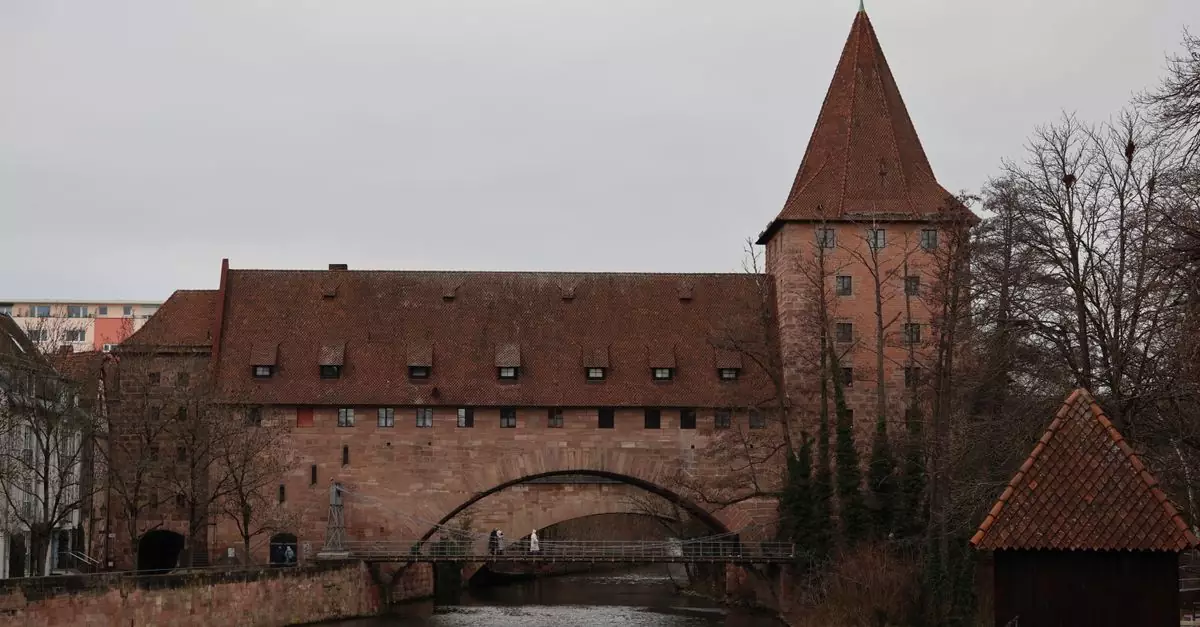
Choosing the right neighborhood can significantly shape your first trip to Nuremberg, impacting everything from your daily commute to the atmosphere you experience. Nuremberg offers a diverse range of districts, each with its own character and appeal. Consider what type of traveler you are and what you prioritize when deciding where to base yourself.
Altstadt (Old Town): Immersive History and Central Access
For many visitors, staying in the Altstadt is the quintessential Nuremberg experience. This is where you’ll find the most iconic landmarks, including the Imperial Castle and the Hauptmarkt, the city’s main square. The cobblestone streets, half-timbered houses, and historic churches create an immersive atmosphere.
Pros: Unbeatable access to major sights, abundant dining and shopping options, and a palpable sense of history.
Cons: Can be the most expensive area for accommodations and may feel crowded during peak tourist seasons.
Getting around from the Altstadt is straightforward. The Nuremberg Hauptbahnhof (central station) is a short walk away, providing excellent connections for day trips or onward travel. Public transport, including trams and U-Bahn lines, is readily accessible.
St. Lorenz & St. Sebald: Charming Atmosphere and Local Life
Bordering the Altstadt, the St. Lorenz and St. Sebald districts offer a slightly more relaxed, yet still very central, experience. These areas are characterized by beautiful Gothic churches, independent boutiques, and a strong sense of local community. You’ll find charming cafes and traditional Bavarian restaurants favored by residents.
This is a great option for those who want to be close to the main attractions but prefer a less tourist-centric environment. The walkability is excellent, and you’ll feel more integrated into daily Nuremberg life.
Gostenhof (GoHo): Trendy Boutiques and Diverse Eateries
For a more bohemian and contemporary vibe, Gostenhof, affectionately known as GoHo, is the place to be. This district has undergone significant revitalization and now boasts a vibrant mix of trendy cafes, international restaurants, independent art galleries, and unique shops. It attracts a younger, more creative crowd.
GoHo offers a more affordable range of accommodations compared to the Altstadt. It’s well-connected by public transport, making it easy to reach other parts of the city. The atmosphere here is lively and diverse, offering a different perspective on Nuremberg.
Nuremberg South: Modern Comfort and Business Travel
Nuremberg South is a more modern district, often favored by business travelers due to its proximity to exhibition centers and corporate offices. You’ll find a range of contemporary hotels offering excellent amenities and often more competitive pricing. While it lacks the historic charm of the Altstadt, it provides convenience and efficiency.
This area is well-served by public transportation, ensuring easy access to the city center and the airport. It’s a practical choice if your visit is primarily for business or if you prefer modern hotel facilities over historic ambiance.
Accommodation Comparison:
| Neighborhood | Vibe | Proximity to Sights | Budget Range |
|---|---|---|---|
| Altstadt (Old Town) | Historic, Bustling | Excellent | High |
| St. Lorenz/St. Sebald | Charming, Local | Good | Mid-High |
| Gostenhof (GoHo) | Trendy, Diverse, Bohemian | Moderate | Mid-Low |
| Nuremberg South | Modern, Business-Oriented | Moderate | Mid |
Savoring Nuremberg: Must-Try Local Foods and Drinks
A first trip to Nuremberg is incomplete without diving into its rich culinary heritage, particularly its Franconian specialties. The region boasts hearty dishes and distinct flavors that reflect its agricultural bounty and long-standing traditions. From savory sausages to sweet gingerbread, your taste buds are in for a treat.
Nuremberg Rostbratwurst: The Iconic Local Sausage
No culinary journey through Nuremberg is complete without sampling the famed Nuremberg Rostbratwurst. These small, thin sausages are a protected geographical indication, meaning true Nuremberg Rostbratwurst must be made within the city limits according to traditional methods. They are typically grilled over a beechwood fire, giving them a unique smoky aroma and flavor.
Traditionally, these sausages are served in portions of three, six, or more, nestled on a pewter plate and accompanied by horseradish and sauerkraut. They are smaller than most other German sausages, making them perfect for a quick snack or a satisfying meal. Look for them at street food stalls, traditional restaurants, and beer gardens throughout the city.
Schäufele: A Traditional Franconian Roast Pork Delight
For a more substantial meal, try the Schäufele, a classic Franconian roast pork shoulder. This dish is renowned for its incredibly crispy crackling and tender, succulent meat. The pork is slow-roasted, often with a flavorful marinade, resulting in a rich and deeply satisfying flavor profile.
Schäufele is typically served with dark beer gravy, potato dumplings (Klöße), and a side of red cabbage or sauerkraut. It’s a hearty dish, indicative of the robust Franconian cuisine, and is a staple in many traditional Nuremberg taverns. Be prepared for a generous portion; this is a meal that calls for a hearty appetite.
Lebkuchen: Nuremberg’s Famous Gingerbread Delicacy
Nuremberg is globally recognized as the “Gingerbread Capital of the World,” and its Lebkuchen is a must-try, especially during the Christmas market season. Unlike the hard gingerbread often found elsewhere, Nuremberg Lebkuchen is softer and richer, made with a high proportion of nuts (almonds, hazelnuts, walnuts) and a unique blend of spices.
The most famous type is the “Elisenlebkuchen,” which contains at least 25% nuts and a maximum of 10% flour. These are often baked on edible wafers (Oblaten) to prevent them from sticking and to add a delicate texture. You can find Lebkuchen year-round in specialty shops, but the atmosphere surrounding the Nuremberg Christmas Market makes indulging in this sweet treat particularly special.
Franconian Beer Culture: Local Breweries and Biergartens
Franconia, the region where Nuremberg is located, boasts the highest density of breweries in the world, and the city itself is a hub for excellent local beer. Franconian beers are known for their diverse styles, from crisp Helles lagers to rich Dunkles and potent Bock beers.
Exploring the local beer culture is an essential part of any visit. Seek out traditional breweries (Brauereien) and cozy beer gardens (Biergärten) where you can sample a variety of brews. Many offer guided tours of their facilities, providing insight into the brewing process. Enjoying a cold beer in a lively biergarten, perhaps alongside some of the local food, is a quintessential Nuremberg experience. Consider visiting a brewery like Altstadthof, which offers organic beers and a unique underground tour.
Frequently Asked Questions for Your First Nuremberg Visit
Is Nuremberg safe for first-time visitors?
Nuremberg is widely regarded as a very safe city for travelers. Like any urban area, it’s wise to be aware of your surroundings, especially in crowded tourist spots or late at night. Petty theft is uncommon, but standard precautions like keeping valuables secure are always recommended. The city’s public transport is reliable and safe, making it easy to get around without concern.
What currency is used in Nuremberg?
The currency used in Nuremberg, as in the rest of Germany and the Eurozone, is the Euro (€). While credit and debit cards are widely accepted in hotels, restaurants, and larger shops, it’s a good idea to carry some cash for smaller establishments, market stalls, or public transport tickets purchased directly from machines. ATMs are readily available throughout the city.
Do people speak English in Nuremberg?
Yes, English is widely spoken in Nuremberg, particularly in tourist areas, hotels, restaurants, and shops. Most people working in the tourism industry have a good command of English. While knowing a few basic German phrases like “Guten Tag” (Good day) and “Danke” (Thank you) is always appreciated by locals, you will have no trouble communicating in English during your first trip to Nuremberg.
What are common tourist mistakes to avoid in Nuremberg?
One common mistake is not allocating enough time to fully experience the historical sites. Many visitors rush through the Imperial Castle or the Documentation Center Nazi Party Rally Grounds, missing crucial context and detail. Another frequent oversight is assuming all attractions are open on Mondays; many museums and some shops close on this day. Finally, be mindful of public transport etiquette; always validate your ticket before boarding or at the station platform to avoid fines. Planning your itinerary with these points in mind will enhance your visit.