Embarking on your first European adventure can be both thrilling and a bit daunting. Choosing the right destination is crucial for a smooth and memorable experience, and that’s where understanding the best Europe city breaks for beginners comes in. This guide will help you navigate your options, focusing on cities that offer a perfect mix of iconic sights, easy navigation, and rich cultural experiences without being overwhelming. You’ll discover accessible introductions to the continent, learn about unique charms, and see what makes these cities ideal for your inaugural trip. Prepare to explore charming streets, delve into fascinating histories, and savor delicious local flavors as we reveal the top European cities for your first taste of international travel.
Why Paris is a Perfect First Europe City Break
Paris consistently ranks high for first-time European travelers, and for good reason. Its blend of iconic sights, accessible public transport, and world-class cuisine creates an approachable yet incredibly rewarding destination. For those starting their European journey, Paris provides a manageable introduction to a continent rich in history and culture. It caters to diverse interests, from art and history lovers to foodies and fashion enthusiasts, ensuring everyone finds something to enjoy.
Effortless Navigation: Getting Around Paris with Ease
Navigating Paris is surprisingly straightforward, a key factor for beginners. The Métro system is extensive, efficient, and easy to understand. With clear signage and frequent trains, you can reach most major attractions within minutes. Consider purchasing a Navigo Découverte pass for a week or a carnet of 10 tickets for shorter stays. Buses offer a scenic way to travel, allowing you to see the city as you move between destinations. Walking is also highly recommended, as many of Paris’s most charming moments are discovered on foot.
- Métro Tips:
- Download a Métro map app beforehand.
- Watch for pickpockets, especially on crowded lines.
- Familiarize yourself with the different line colors and numbers.
For a broader understanding of European travel logistics, resources on traveling across Europe can be helpful.
Iconic Landmarks for First-Time Visitors: Eiffel Tower & Louvre
The sheer number of world-famous landmarks in Paris can be overwhelming, but focusing on a few key sites is best for a first visit. The Eiffel Tower is an absolute must-see, offering breathtaking panoramic views of the city. Booking tickets online in advance is crucial to avoid long queues. The Louvre Museum, home to the Mona Lisa and Venus de Milo, is another essential stop. To manage your visit, consider focusing on specific wings or guided tours rather than attempting to see everything at once.
Other notable sites include Notre Dame Cathedral (viewable from the outside during restoration), the Arc de Triomphe, and Sacré-Cœur Basilica in Montmartre. Each offers a unique perspective on Parisian history and architecture.
Charming Neighborhoods to Explore: Le Marais vs. Latin Quarter
Beyond the grand monuments, Paris’s distinct neighborhoods offer a glimpse into local life. Le Marais, with its historic architecture, trendy boutiques, and vibrant LGBTQ+ scene, provides a lively atmosphere perfect for a leisurely stroll, stopping for coffee or browsing unique shops.
In contrast, the Latin Quarter is known for its student population, bookstores, and lively ambiance around the Sorbonne University. It offers a more bohemian feel, with charming cafes and affordable eateries. Exploring these areas on foot allows you to soak in the distinct character of each.
When deciding where to stay, consider proximity to these neighborhoods and your preferred travel style.
Must-Try Parisian Pastries and Bistros for Beginners
No trip to Paris is complete without indulging in its culinary delights. Start with classic pastries like croissants and pain au chocolat from a local boulangerie. For a quintessential Parisian dining experience, seek out a traditional bistro that offers hearty, classic French dishes in a relaxed setting.
Dishes like steak frites (steak and fries), coq au vin (chicken braised with wine), or onion soup are excellent introductions to French cuisine. Don’t hesitate to order the plat du jour (dish of the day), which often showcases seasonal ingredients at great value. For dessert, crème brûlée or mousse au chocolat are delightful choices. Many bistros are conveniently located in the neighborhoods mentioned, making them easy to discover during your explorations.
Lisbon: Affordable Charm and Rich History for New Travelers
For those embarking on their first European city break, Lisbon offers a compelling mix of affordability, rich history, and vibrant culture. Portugal’s capital rewards exploration with its hilly streets, colorful tiles, and stunning viewpoints. It’s an excellent introduction to the continent, providing a taste of European grandeur without the overwhelming costs often associated with Western European capitals.
Best Time to Visit Lisbon for Pleasant Weather
The shoulder seasons of spring (April to June) and fall (September to October) are generally the most pleasant times to visit Lisbon. During these months, the weather is mild and sunny, with average temperatures ranging from 15°C to 25°C (59°F to 77°F). This is ideal for walking the city’s steep hills and enjoying outdoor cafes. Summer (July to August) can be quite hot, with temperatures often exceeding 30°C (86°F), and it’s also the busiest tourist season. Winter (November to March) is cooler and wetter, though temperatures rarely drop below 10°C (50°F), offering fewer crowds and lower accommodation prices.
Exploring Alfama’s Historic Streets and Fado Music
Wandering through the Alfama district is essential for any first-time visitor. This is Lisbon’s oldest neighborhood, a labyrinth of narrow, winding streets that have withstood earthquakes and urban development. Here, you’ll find traditional tiled buildings, small squares, and the haunting melodies of Fado music drifting from intimate restaurants and bars. Consider taking a guided walking tour to fully appreciate the history and hidden gems of this charming area. As dusk settles, the sounds of Fado create a unique atmosphere, offering a true auditory experience of Portuguese culture.
Day Trip to Sintra: Fairytale Castles Near Lisbon
A short train ride from Lisbon leads to the enchanting town of Sintra, a UNESCO World Heritage site. Sintra feels like stepping into a fairytale, with its lush hills dotted with romantic palaces and ancient castles. The most famous are Pena Palace, known for its vibrant colors and eclectic architecture, and Quinta da Regaleira, recognized for its mystical gardens and initiation well. Allocate a full day for this excursion, as there’s much to see and the terrain can be hilly. Public transport within Sintra is available, but walking between some sites is also feasible if you’re up for the climb.
Budget-Friendly Eats: Pastéis de Nata and Local Tascas
Lisbon is renowned for its delicious and affordable food scene. No visit is complete without indulging in pastéis de nata, the iconic Portuguese custard tarts, best enjoyed warm with a sprinkle of cinnamon. For more substantial meals, seek out local tascas (small, traditional taverns). These unpretentious eateries offer hearty, authentic Portuguese dishes at reasonable prices. Look for daily specials, often written on chalkboards, which typically include fresh fish, grilled meats, and flavorful stews. Dining like a local in these establishments is a highlight of a budget-friendly trip to Lisbon.
Amsterdam: Canals, Culture, and Easy Exploration

Amsterdam stands out as an exceptional choice for first-time visitors to Europe, offering a compact, walkable, and incredibly scenic introduction to the continent. Its charming canals, historic architecture, and vibrant cultural scene are easily accessible, making it a stress-free destination. This city is particularly well-suited for those seeking a blend of history, art, and relaxed exploration.
Getting Around Amsterdam: Walking, Cycling, and Trams
Navigating Amsterdam is simple, thanks to its well-developed public transport system and pedestrian-friendly layout. Walking is often the most enjoyable way to discover hidden courtyards and picturesque bridges. For longer distances or a more authentic experience, consider renting a bicycle; it’s how locals get around and offers a unique perspective on the city.
- Public Transport: Trams are efficient for covering more ground, connecting major attractions and neighborhoods. A GVB day pass offers unlimited travel on trams, buses, and metros within the city.
- Cycling: Bike rental shops are plentiful. Be mindful of local cycling etiquette and dedicated bike lanes.
- Walking: The historic center is compact, with most key sights within easy walking distance of each other.
Must-See Attractions: Anne Frank House and Rijksmuseum
No visit to Amsterdam is complete without experiencing its profound historical sites and world-class museums. Booking tickets in advance is crucial, especially for the Anne Frank House, which often sells out months ahead.
The Anne Frank House offers a poignant glimpse into a dark period of history. Its preserved rooms provide a powerful testament to courage and resilience.
For art enthusiasts, the Rijksmuseum is a must. Home to masterpieces by Rembrandt, Vermeer, and other Dutch Masters, it’s a journey through centuries of Dutch art and history. Allow at least half a day to fully appreciate its vast collection.
The Jordaan District: A Picturesque Neighborhood Guide
The Jordaan district, once a working-class area, has transformed into one of Amsterdam’s most charming neighborhoods. Its narrow streets, independent boutiques, cozy cafes, and picturesque canals make it a delightful place to wander.
This area exemplifies Amsterdam’s unique urban charm. You can spend hours strolling along the Brouwersgracht or Prinsengracht canals, admiring the gabled houses and discovering hidden hofjes (courtyards). It’s also a great spot for finding unique souvenirs and enjoying a leisurely lunch.
Dutch Delights: Stroopwafels and Local Beer Experiences
Amsterdam offers a delicious array of culinary experiences, with some treats being absolute must-tries for any visitor. Indulging in these local specialties is an integral part of the city’s appeal.
Freshly made stroopwafels, a thin waffle cookie filled with caramel syrup, are a delightful snack found at street markets and bakeries throughout the city.
For beer lovers, Amsterdam has a thriving craft beer scene. Many traditional brown cafes (bruin cafés) serve local brews alongside a warm, convivial atmosphere. Exploring these pubs offers a genuine taste of Dutch social culture and a chance to sample some excellent Dutch beers.
Prague: Fairytale Architecture on a Beginner’s Budget
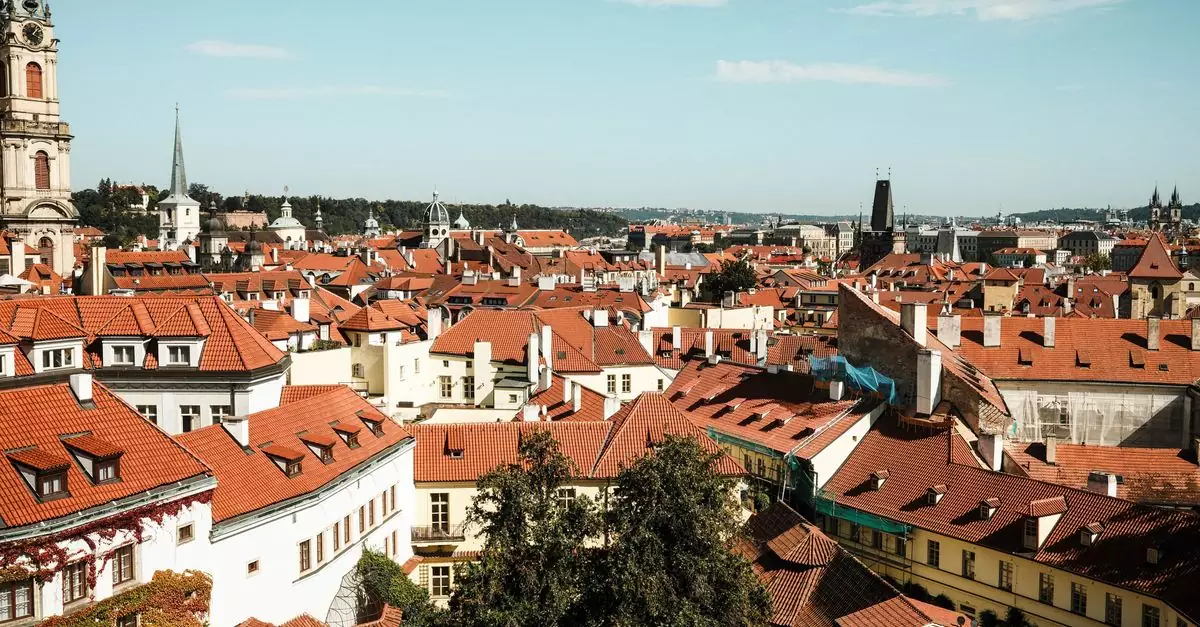
For first-time visitors to Europe, Prague offers an enchanting introduction to the continent’s rich history and stunning architecture without straining your wallet. This Czech capital consistently ranks among the best Europe city breaks for beginners due to its compact, walkable core, affordable prices, and a wealth of iconic sights. You’ll find yourself transported to another era as you wander through cobblestone streets lined with Gothic, Renaissance, and Baroque buildings.
Navigating Prague’s Old Town and Charles Bridge
Prague’s Old Town Square is the heart of the city, a vibrant hub surrounded by colorful buildings, the Astronomical Clock, and the Church of Our Lady before Týn. Getting around the historic center is best done on foot, allowing you to soak in the atmosphere and stumble upon charming alleyways. The iconic Charles Bridge, adorned with statues of saints, connects the Old Town to Malá Strana (Lesser Town) and offers breathtaking views of Prague Castle. Visit early in the morning or late in the evening to avoid the largest crowds and appreciate its magic.
For convenient transit within the city, Prague’s public transportation system is efficient and affordable. A single ticket can cover buses, trams, and the metro, making it easy to reach areas slightly further afield. Consider purchasing a multi-day pass if you plan on using public transport frequently.
Exploring Prague Castle Complex: A Historical Journey
Dominating the city skyline, Prague Castle is a vast complex that has served as the seat of Czech rulers for centuries. It’s not just a single building but a collection of palaces, churches, and gardens. Key highlights include the stunning St. Vitus Cathedral, the Old Royal Palace, and the Golden Lane, a picturesque street of tiny houses once inhabited by goldsmiths. Allow at least half a day to explore the castle grounds thoroughly.
Purchasing tickets online in advance can save time, especially during peak season. Wear comfortable shoes, as there’s a fair amount of walking and some inclines involved in reaching and exploring the castle. The views from the castle ramparts over the red rooftops of Prague are unforgettable.
Hidden Gems in the Vinohrady Neighborhood
While the Old Town and Castle are must-sees, venturing into neighborhoods like Vinohrady offers a glimpse into local Prague life. This charming district, located just a short tram ride from the city center, is known for its beautiful Art Nouveau architecture, leafy parks like Riegrovy Sady, and a more relaxed, residential feel. It’s a great place to find independent cafes, boutique shops, and authentic restaurants away from the main tourist throngs.
Vinohrady is also home to several excellent breweries and wine bars, offering a more local drinking experience. The area is easily accessible via the metro system, with stations like Jiřího z Poděbrad and Náměstí Míru providing convenient access.
Traditional Czech Cuisine to Sample in Prague
No trip to Prague is complete without indulging in hearty Czech cuisine. Expect dishes rich in flavor and often featuring meat, dumplings, and gravy. Goulash, a flavorful stew, and Svíčková, marinated sirloin with a creamy vegetable sauce, are classic choices. Don’t forget to try Trdelník, a sweet pastry cooked over an open flame, though be aware it’s more of a tourist treat than a deeply traditional Czech dessert.
For an authentic dining experience, seek out traditional pubs (hospody) or restaurants slightly outside the most tourist-heavy areas. Prices tend to be more reasonable, and the atmosphere more genuine. Prague is also famous for its excellent and affordable beer, a staple of Czech culture.
| Attraction/Experience | Estimated Cost (CZK) | Notes |
|---|---|---|
| Prague Castle Complex Ticket | 350 – 500 | Varies by circuit; includes St. Vitus Cathedral. |
| Charles Bridge | Free | Best visited early morning or late evening. |
| Old Town Square | Free | Astronomical Clock show is free. |
| Traditional Czech Meal | 250 – 500 | Main course and drink at a local restaurant. |
| Public Transport Day Pass | ~120 | Covers metro, tram, and bus. |
Rome: Ancient Wonders and Delicious Discoveries for First-Timers
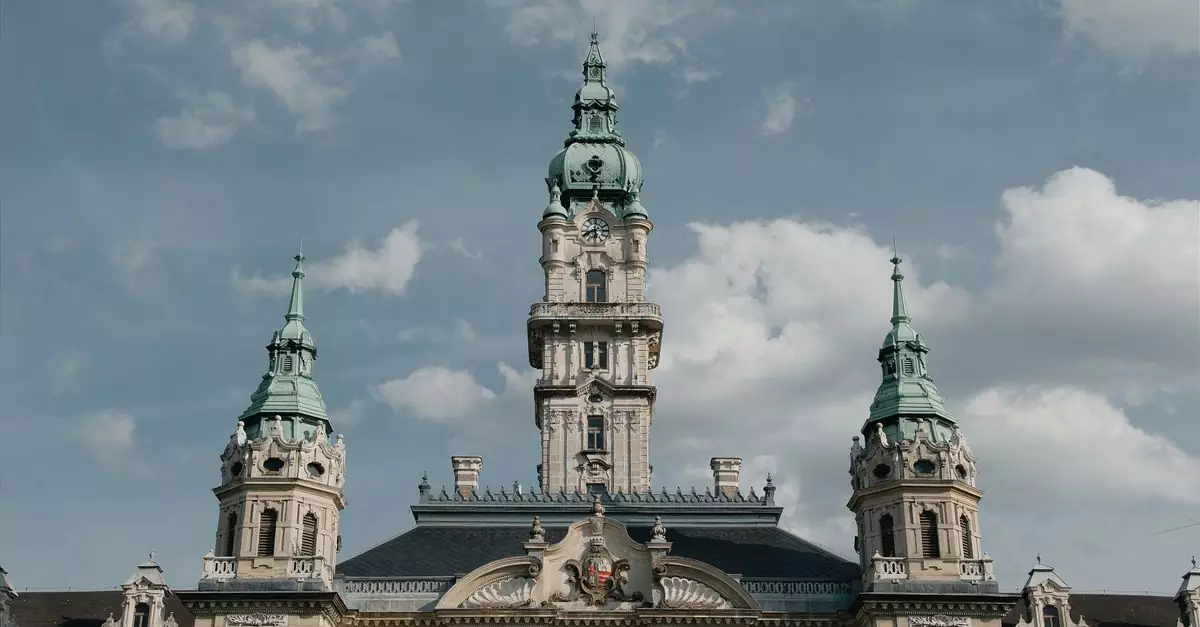
Rome offers an unparalleled introduction to European history and culture, making it one of the best Europe city breaks for beginners. The density of iconic landmarks, coupled with a vibrant modern life, ensures an engaging experience without feeling overwhelming. Navigating the city is straightforward, and the rewards—from ancient ruins to world-class cuisine—are immense.
Best Transportation Options for Rome’s Ancient Sites
Getting around Rome to see its historical treasures involves a mix of walking and public transport. The historic center is remarkably walkable, allowing you to discover hidden piazzas and ancient fragments at every turn. For longer distances, Rome’s public transport system includes buses, trams, and a metro.
- Metro: The metro is efficient for reaching key sites like the Colosseum (Colosseo station) and the Vatican (Ottaviano-San Pietro station). It’s less extensive than in some other major European capitals but covers essential tourist areas.
- Buses & Trams: These offer wider coverage and can get you closer to specific attractions not directly on a metro line. Be prepared for potential traffic delays. Purchasing tickets before boarding at tobacco shops (tabaccherie) or newsstands is crucial; validate your ticket immediately upon boarding.
- Walking: This is often the most rewarding way to experience Rome. Wear comfortable shoes, as cobblestone streets are prevalent.
Consider purchasing a Roma Pass for free public transport and discounted or free entry to certain attractions.
Must-Visit: Colosseum, Roman Forum, and Vatican City
No first trip to Rome is complete without experiencing its most iconic historical sites. Booking tickets in advance online is highly recommended to avoid long queues, especially during peak season.
The Colosseum, an enduring symbol of Imperial Rome, transports you back to the era of gladiatorial contests and public spectacles. Adjacent to it, the Roman Forum and Palatine Hill offer a sprawling landscape of ancient ruins, once the heart of Roman public life. Walking through these sites provides a tangible connection to millennia of history.
A visit to Vatican City, an independent state within Rome, is equally essential. St. Peter’s Basilica, a masterpiece of Renaissance architecture, and the Vatican Museums, home to the Sistine Chapel with Michelangelo’s breathtaking frescoes, are profound cultural and artistic experiences. Allow ample time, as these sites are vast and incredibly detailed.
Trastevere: Rome’s Bohemian Neighborhood for Foodies
Across the Tiber River lies Trastevere, a charming district that offers a different pace from the monumental city center. Its narrow, ivy-clad streets, artisan shops, and lively piazzas make it a delightful area to wander.
Trastevere truly shines in the evening, transforming into a hub of Roman nightlife and dining. It’s a fantastic place to experience authentic Roman trattorias, where you can savor traditional dishes in a convivial atmosphere. The area retains a strong local feel, making it a perfect escape for an evening stroll and a delicious meal.
Essential Italian Dishes to Try in Rome
Rome’s culinary scene is a highlight for any visitor, offering simple yet incredibly flavorful dishes. When you’re in the Eternal City, be sure to seek out these Roman specialties.
- Cacio e Pepe: A deceptively simple pasta dish made with Pecorino Romano cheese, black pepper, and pasta water. Its creamy texture and sharp, peppery taste are classic Roman comfort food.
- Carbonara: Another iconic pasta dish, featuring eggs, Pecorino Romano cheese, guanciale (cured pork jowl), and black pepper. Authentic Roman carbonara does not include cream.
- Saltimbocca alla Romana: Thin slices of veal topped with prosciutto and sage, pan-fried in white wine and butter. The name translates to “jumps in the mouth,” a testament to its deliciousness.
- Supplí: Fried rice balls, typically with tomato sauce and a mozzarella filling, which melts when broken apart—hence the name “supplí al telefono” (telephone wire). They make for a perfect appetizer or street food snack.
Frequently Asked Questions for Your First European City Break
Planning your inaugural European city adventure involves a few practical questions. Here’s a breakdown to help ease your concerns and get you ready for an unforgettable trip.
What’s the best way to exchange currency for a European trip?
For your first European city break, using ATMs upon arrival is generally the most convenient and cost-effective method for obtaining local currency. Major banks in most European countries offer competitive exchange rates, often better than those at airport kiosks or currency exchange bureaus. Always ensure your bank card is enabled for international transactions and inform them of your travel dates to avoid any security holds. Carrying a small amount of Euros or the local currency for immediate expenses upon landing is also advisable.
How much money should I budget for a 5-day city break in Europe?
Budgeting for a 5-day European city break can vary significantly depending on your destination and travel style. For a mid-range experience in a popular Western European capital, a budget of €100-€150 per person per day is a reasonable starting point. This typically covers accommodation, meals, local transport, and a few attractions.
Here’s a sample breakdown for a 5-day trip:
| Category | Estimated Cost (per person, per day) | Notes |
|---|---|---|
| Accommodation | €40 – €70 | Budget hotel or comfortable Airbnb |
| Food | €30 – €50 | Mix of cafes, markets, and casual dining |
| Local Transport | €5 – €10 | Public transport passes |
| Activities/Sightseeing | €20 – €30 | Entrance fees, tours |
| Miscellaneous | €5 – €10 | Souvenirs, snacks |
| Total Daily | €100 – €170 |
Cities like Lisbon or Budapest will be more budget-friendly, while destinations such as Paris or Zurich will likely require a higher daily spend. Always factor in flights separately.
Is it safe for beginners to travel solo in these European cities?
Yes, the cities often recommended for beginner European city breaks are generally very safe for solo travelers. Destinations like Amsterdam, Prague, and Lisbon have low crime rates and are accustomed to international visitors. As with any urban environment, it’s wise to remain aware of your surroundings, especially in crowded tourist areas where petty theft can occur. Stick to well-lit streets at night and use reputable transportation services.
What essential items should I pack for a beginner’s Europe trip?
Packing smart for your first European city break ensures comfort and preparedness. Focus on versatile items you can layer.
- Comfortable Walking Shoes: You’ll be doing a lot of walking.
- Adapter and Power Bank: Essential for keeping your electronics charged.
- Scarf or Shawl: Useful for warmth and can be used to enter religious sites.
- Lightweight, Packable Rain Jacket: Weather can be unpredictable.
- Copies of Important Documents: Keep digital and physical copies of your passport and visa (if applicable).
- Reusable Water Bottle: Stay hydrated and reduce plastic waste.