Navigating Europe for the first time can feel overwhelming, with countless cities and experiences vying for attention. The key to an unforgettable debut trip lies in carefully curated itineraries that balance iconic landmarks with authentic local flavor. These plans are designed specifically for newcomers, ensuring a manageable and rewarding introduction to the continent.
You’ll learn how to blend must-see sights with opportunities for spontaneous discovery, fostering genuine connections with each destination. We’ll explore strategies for pacing your trip to prevent exhaustion, focusing on specific regions or city pairings for a richer experience. This guide provides the best beginner Europe itineraries, laying a foundation for many more journeys to come, and helping you craft a trip that is both exciting and stress-free.
Why These 7-Day Europe Itineraries are Perfect for First-Timers
Navigating Europe for the first time can feel daunting, with many cities and experiences competing for attention. The secret to an unforgettable debut trip lies in carefully curated itineraries that blend iconic landmarks with local charm. These 7-day plans are designed specifically for newcomers, ensuring a manageable and deeply rewarding introduction to the continent.
Balancing Iconic Sights with Local Charm
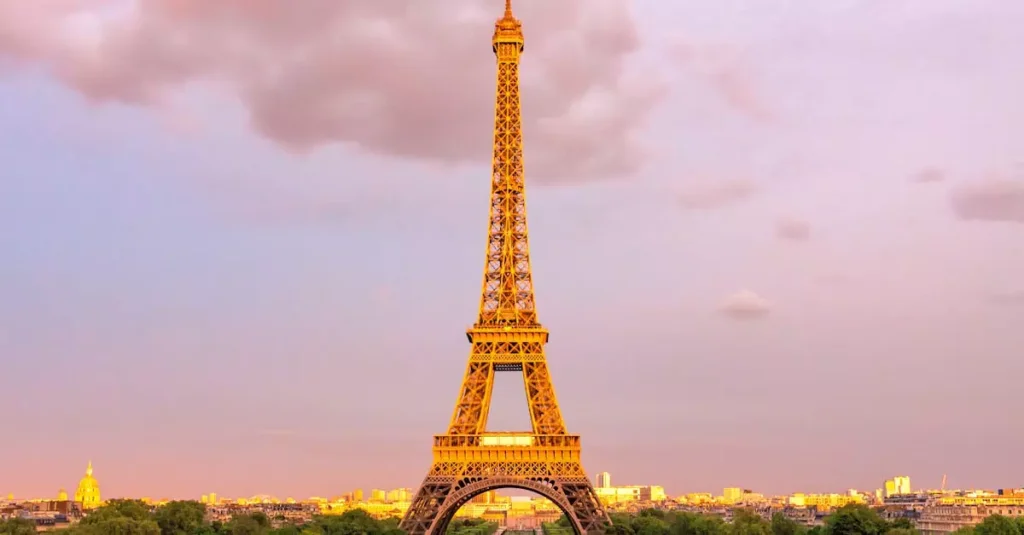
First-time visitors often dream of seeing Europe’s most famous attractions, from the Eiffel Tower to the Colosseum. However, a truly memorable trip extends beyond a simple checklist. The best beginner Europe itineraries weave in must-see sights while carving out time for spontaneous discoveries. This means exploring charming side streets, enjoying a coffee at a local café, or attending a neighborhood market. Striking this balance prevents a rushed experience and allows for genuine connection with each destination.
Pacing Your First European Trip for Enjoyment
A common pitfall for first-time travelers is attempting to cram too much into a short period. This often leads to exhaustion and a sense of being constantly on the move, rather than truly experiencing a place. Our suggested 7-day itineraries prioritize a comfortable pace. By focusing on one or two cities, or a specific region, you have ample time to absorb the atmosphere, enjoy leisurely meals, and even revisit favorite spots. This slower approach ensures that your first European adventure is relaxing and enjoyable, rather than a frantic race against time.
Avoiding Overwhelm: Focused Itinerary Choices
Europe is vast and diverse, and attempting to see too much at once can lead to overwhelm. For a first trip, it’s wiser to focus. Whether it’s a deep dive into a single country like Italy or a classic pairing like Paris and London, these focused itineraries limit travel time between locations and reduce the cognitive load of constant planning. This strategic focus allows you to gain a richer understanding of the chosen destinations, making your initial foray into European travel both manageable and satisfying. These carefully selected plans aim to provide the best beginner Europe itineraries, setting a foundation for many more trips to come.
7-Day Classic Capitals: London, Paris, and Rome for Beginners
For a first-time European adventure, few itineraries pack as much iconic punch as a week-long journey through London, Paris, and Rome. This classic route offers a taste of diverse cultures, historical grandeur, and world-renowned landmarks, making it one of the best beginner Europe itineraries. While ambitious, it’s achievable with efficient planning and a focus on key experiences.
London: Royal History and West End Magic
Begin your European exploration in London, where centuries of history meet vibrant contemporary culture. The sheer scale of London can be daunting, but concentrating on its core attractions makes it manageable for first-time visitors.
Getting Around: London’s public transport system, particularly the Underground (the “Tube”), is efficient and extensive. Purchasing an Oyster card or using contactless payment is the most convenient way to navigate the city. Buses offer scenic routes above ground but can be slower due to traffic.
Must-See Sights: Dedicate time to iconic landmarks like the Houses of Parliament and Big Ben, Westminster Abbey, and Buckingham Palace. A stroll through Hyde Park or Kensington Gardens provides a welcome green escape. For evening entertainment, the West End theatre district offers world-class shows.
Logistics: Consider staying in areas like Covent Garden, South Bank, or Kensington for good access to attractions and transport links. Book popular attractions and theatre tickets in advance to secure your spot and potentially save money.
Paris: Eiffel Tower Views and Montmartre Charm
From London, a high-speed train whisks you to Paris, the City of Light, renowned for its art, fashion, and romantic ambiance. The city’s layout, with key sites concentrated along the Seine, makes it easy to navigate on foot or via its efficient Métro system.
Transportation: The Paris Métro is comprehensive and user-friendly. Consider purchasing a Navigo Découverte pass if you’re staying for a full week and plan to use public transport extensively, or buy carnets (packs of 10 tickets) for shorter stays. Walking is also a delightful way to uncover hidden courtyards and charming streets.
Key Experiences: No trip to Paris is complete without visiting the Eiffel Tower, the Louvre Museum (home to the Mona Lisa), and Notre Dame Cathedral (exterior views currently). Wander through the artistic neighborhood of Montmartre, visit the Sacré-Cœur Basilica for panoramic city views, and enjoy a leisurely boat cruise on the Seine.
Accommodation: Staying in arrondissements like the Marais (3rd/4th), Saint-Germain-des-Prés (6th), or the Latin Quarter (5th) offers a quintessential Parisian experience with easy access to sights and dining. Booking accommodations near a Métro station is always a wise choice.
Rome: Ancient Wonders and Trastevere Flavors
Your final stop is Rome, a living museum where ancient history is palpable at every turn. The Eternal City provides an unparalleled immersion into the Roman Empire and the heart of Catholicism.
Navigating Rome: Rome’s historical center is best explored on foot, allowing you to stumble upon charming piazzas and ancient ruins. While buses and trams exist, they can be crowded and less predictable than in London or Paris. The Metro has limited lines but is useful for reaching key sites like the Colosseum and Vatican City.
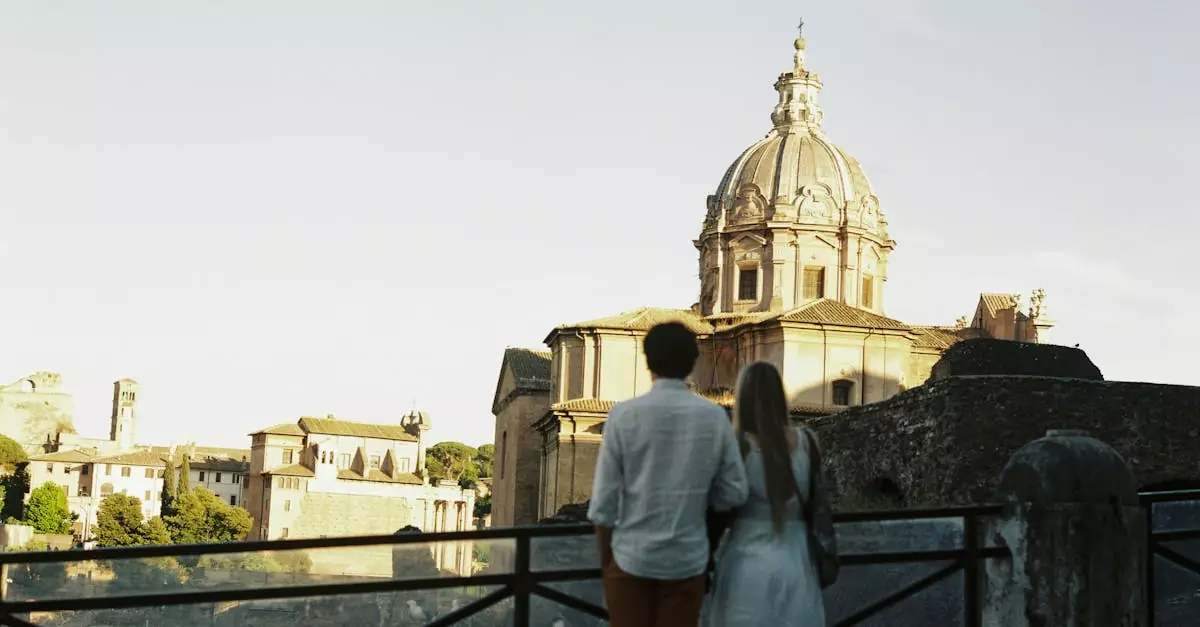
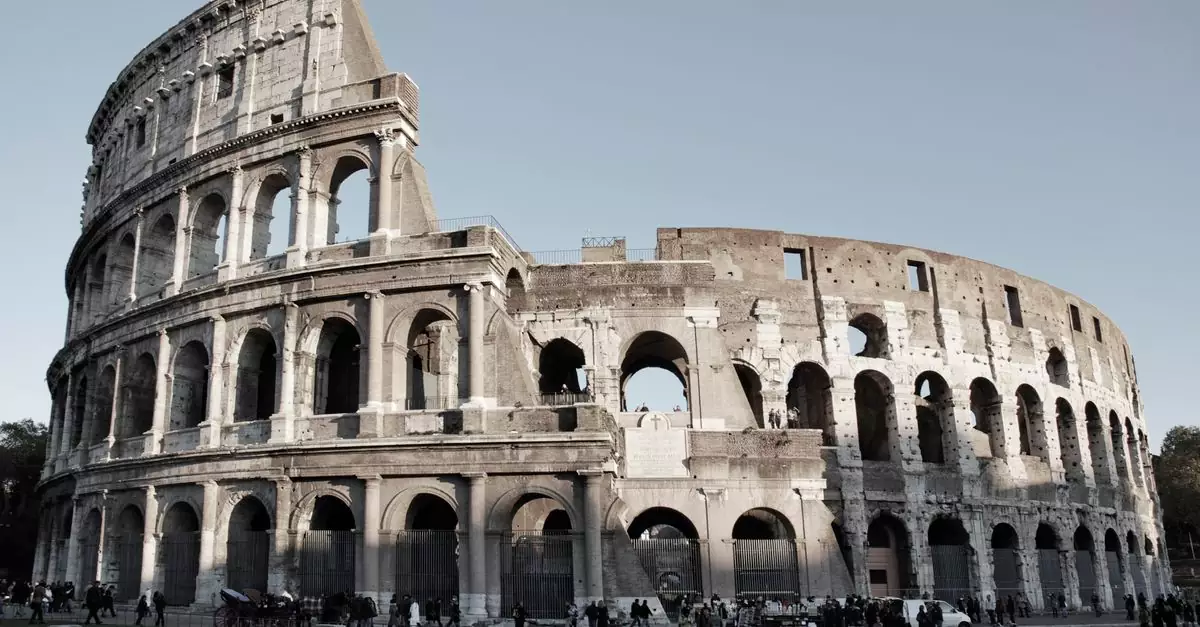
Essential Sites: Prioritize the Colosseum, Roman Forum, and Palatine Hill for a deep dive into ancient Rome. Visit Vatican City to see St. Peter’s Basilica and the Vatican Museums, including the Sistine Chapel. Toss a coin into the Trevi Fountain and marvel at the Pantheon.
Local Culture: For an authentic Roman experience, spend an evening in the Trastevere neighborhood, known for its cobblestone streets, lively atmosphere, and excellent trattorias. Be mindful of your belongings, especially in crowded tourist areas, as pickpocketing can occur.
Comparing the Capitals:
| City | Primary Transport | Best For | Budget (per day, excl. flights) |
|---|---|---|---|
| London | Tube | Royal history, theatre, museums | €150 – €250 |
| Paris | Métro | Art, romance, iconic landmarks | €130 – €220 |
| Rome | Walking/Bus | Ancient history, food, religious sites | €100 – €180 |
This 7-day itinerary provides a solid introduction to Europe, offering a memorable blend of history, culture, and iconic sights. It’s a fantastic starting point for planning your first unforgettable European adventure.
10-Day Central European Explorer: Prague, Vienna, and Budapest
This classic Central European route offers a captivating blend of history, culture, and affordability, making it one of the best beginner Europe itineraries. Spanning three distinct capitals, it provides a rich introduction to the continent’s diverse heritage without requiring extensive travel time between cities. The cities are well-connected by efficient train services, each offering a unique atmosphere that appeals to a wide range of travelers.
Prague’s Fairytale Charm and Old Town Square
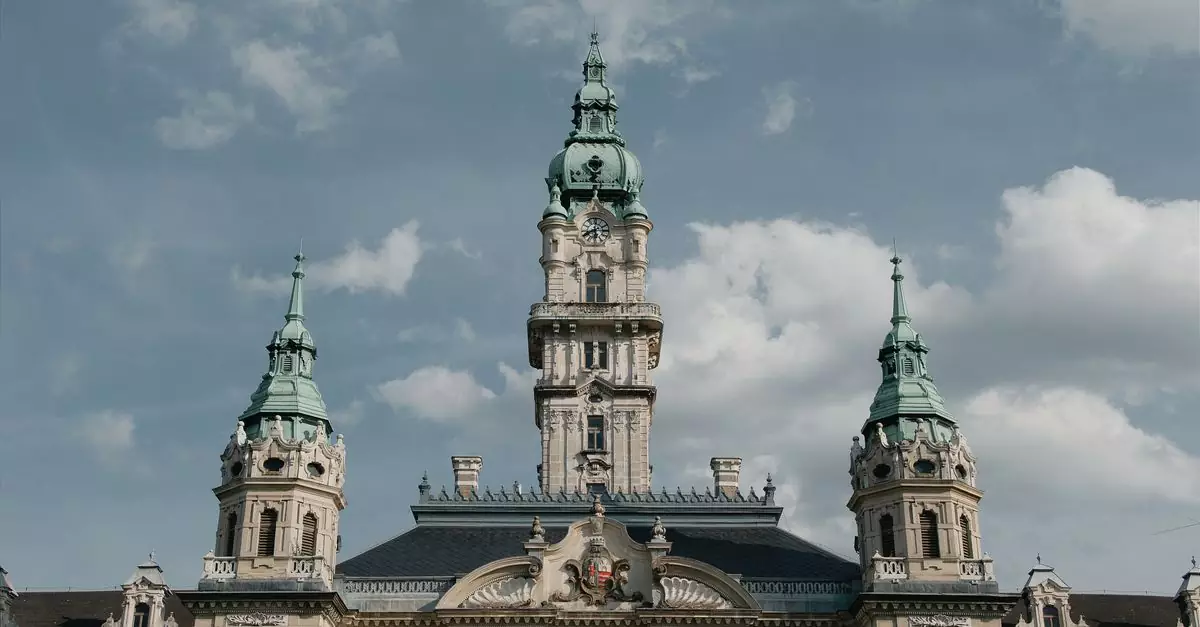
Prague, the capital of the Czech Republic, feels like stepping into a storybook. Its remarkably preserved Old Town is a UNESCO World Heritage site, characterized by Gothic spires, Baroque facades, and cobblestone lanes. The heart of the city is the Old Town Square, where you can witness the hourly spectacle of the Astronomical Clock and admire the Týn Church.
Allow at least two full days to absorb Prague’s magic. Beyond the square, cross the iconic Charles Bridge, especially enchanting at sunrise or sunset, and ascend to Prague Castle for panoramic views. For a taste of local life, venture into neighborhoods like Malá Strana, known for its charming shops and traditional pubs.
Traveler Tip: Consider purchasing a Prague Card for free public transport and entry to many attractions. Be mindful of your surroundings in crowded tourist areas to avoid pickpockets.
Vienna’s Imperial Grandeur and Coffee House Culture
From Prague, a comfortable train ride of around four hours brings you to Vienna, Austria’s elegant capital. Vienna exudes imperial grandeur, evident in its magnificent palaces, grand boulevards, and opulent concert halls. The city was once the center of the vast Habsburg Empire, and this legacy is visible everywhere.
Dedicate three days to Vienna to fully appreciate its offerings. Must-sees include Schönbrunn Palace, the former imperial summer residence, and the Hofburg Palace, the winter residence. Don’t miss a performance at the State Opera or a classical concert. Vienna is also renowned for its unique coffee house culture, a UNESCO Intangible Cultural Heritage. Spending an afternoon in a traditional coffee house, enjoying a Sachertorte and a Melange, is an essential Viennese experience.
Getting Around: Vienna’s public transport system (U-Bahn, trams, buses) is exceptionally efficient and easy to navigate. A Vienna Pass can offer value if you plan to visit many paid attractions.
Budapest’s Ruin Bars and Thermal Baths
The final leg of this Central European journey takes you to Budapest, Hungary’s vibrant capital, a scenic train ride of about two and a half hours from Vienna. Budapest is a city of contrasts, divided by the Danube River into Buda and Pest. It’s famous for its stunning architecture, lively nightlife, and abundance of thermal baths.
Allocate at least three days for Budapest. Explore the Buda Castle district for historical sites and breathtaking views. On the Pest side, marvel at the Hungarian Parliament Building and wander along Andrássy Avenue. A visit to one of the city’s famous thermal baths, such as Széchenyi or Gellért, is a relaxing and unique experience. As evening falls, discover Budapest’s famous ruin bars, creative pubs set up in abandoned buildings, offering a distinctive nightlife scene.
Budget Considerations: Budapest is generally more affordable than Prague or Vienna, offering excellent value for money, especially for food and drinks.
This itinerary provides a well-rounded introduction to Central Europe for first-time visitors. The ease of travel between these capitals and the wealth of experiences each city offers make it a highly recommended choice for a memorable European adventure.
14-Day Mediterranean Highlights: Rome, Florence, and Barcelona
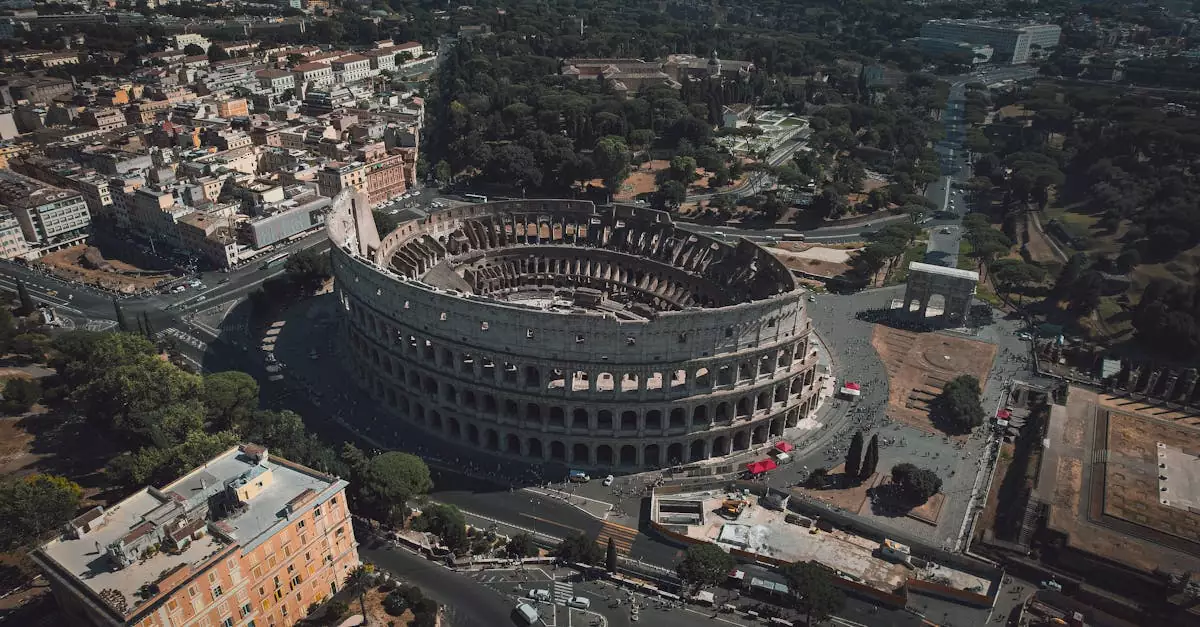
This 14-day itinerary offers a captivating introduction to the Mediterranean’s rich history, art, and vibrant culture, focusing on three iconic cities: Rome, Florence, and Barcelona. It’s a well-rounded journey for first-time European adventurers, balancing ancient wonders with Renaissance masterpieces and distinct Iberian charm. The pace allows for in-depth exploration without feeling rushed, making it one of the best beginner Europe itineraries for those wanting a taste of diverse European experiences.
Rome: Vatican City and Roman Forum Immersion
Begin your adventure in Rome, the Eternal City, where millennia of history unfold around every corner. Dedicate at least three full days to absorb its grandeur. Start with Vatican City, home to St. Peter’s Basilica and the Vatican Museums, including the Sistine Chapel. Booking tickets well in advance is crucial to avoid long queues.
Next, step back in time at the Colosseum and the Roman Forum. Imagine gladiatorial contests and ancient Roman life as you wander through these remarkably preserved ruins. Don’t miss the Pantheon, an architectural marvel, and toss a coin into the Trevi Fountain to ensure your return to Rome. Exploring Rome is best done on foot, with a good pair of walking shoes. The city is also well-served by public transport, including buses and a metro system, though navigating it can be part of the adventure.
Rome Logistics:
| Aspect | Details |
|---|---|
| Duration | 4 Days |
| Transport | Walking, Metro, Buses |
| Accommodation | Hotels, B&Bs, Apartments in Trastevere or near Pantheon |
| Budget | Mid-range to High |
| Key Sites | Colosseum, Roman Forum, Vatican City, Pantheon |
Florence: Renaissance Art and Tuscan Delights
From Rome, a high-speed train will whisk you to Florence in just over an hour and a half, making intercity travel seamless. This Tuscan capital is the cradle of the Renaissance and demands at least three days of your itinerary. The Uffizi Gallery and the Accademia Gallery, housing Michelangelo’s David, are absolute must-visits. Again, pre-booking tickets is highly recommended.
Wander across the Ponte Vecchio, Florence’s oldest bridge, lined with shops. Climb to the top of Brunelleschi’s Dome at the Duomo for breathtaking panoramic views of the city and the surrounding Tuscan hills. Enjoy the local cuisine; indulge in Bistecca alla Fiorentina and sample regional wines. Florence is incredibly walkable, with most major attractions concentrated in the historic center.
Florence Highlights:
- Art & Architecture: Uffizi Gallery, Accademia Gallery, Duomo, Ponte Vecchio
- Culinary Experiences: Tuscan cuisine, Chianti wine tasting
- Views: Piazzale Michelangelo for sunset
Barcelona’s Gothic Quarter and Gaudí’s Masterpieces
Your final destination is Barcelona, a city that blends Gothic charm with avant-garde architecture. A flight from Florence is the most efficient way to reach Barcelona, though overnight trains or ferries are also options for a different travel experience. Allocate your remaining days to soak in its unique atmosphere.
Begin by getting lost in the labyrinthine streets of the Gothic Quarter, discovering hidden plazas and ancient Roman ruins. Then, immerse yourself in the whimsical world of Antoni Gaudí. The Sagrada Família, his unfinished basilica, is an awe-inspiring spectacle, and Park Güell offers a colorful and imaginative escape with stunning city views. Walk down Las Ramblas, explore the vibrant Boqueria Market, and relax on the Barceloneta beach. Barcelona’s efficient metro system makes it easy to travel between distinct neighborhoods.
Barcelona Essentials:
- Gaudí’s Works: Sagrada Família, Park Güell, Casa Batlló, Casa Milà (La Pedrera)
- Neighborhoods: Gothic Quarter, El Born, Gràcia
- Food: Tapas, Paella, fresh seafood
- Transport: Metro, walking
This Mediterranean route offers a fantastic balance of history, art, and culture, making it one of the most rewarding beginner Europe itineraries.
Getting Around Europe: Essential Transportation for Beginners
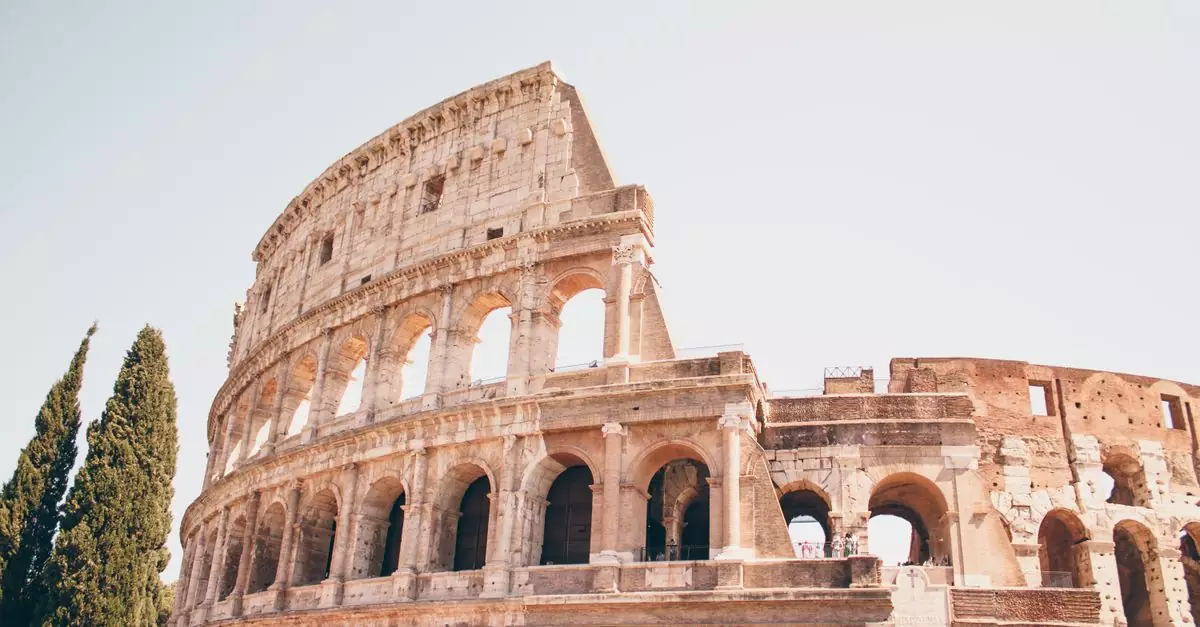
Navigating a new continent can seem daunting, but Europe’s well-developed infrastructure makes it remarkably accessible for first-time visitors. Understanding your transportation options is key to crafting smooth and enjoyable journeys between cities and within them. From efficient rail networks to budget-friendly flights, planning your travel routes in advance will save you time and money.
High-Speed Trains: Connecting Major Cities Efficiently
Europe’s extensive high-speed rail network is a traveler’s best friend, especially for those embarking on their first European adventure. Trains offer a comfortable and scenic way to move between major capitals and popular destinations, often arriving directly in city centers, bypassing lengthy airport transfers. Companies like Eurostar link London and Paris, while TGV serves France, and Deutsche Bahn (DB) is a primary operator in Germany. Booking tickets in advance, particularly for popular routes and during peak season, can secure better prices. Consider a rail pass if you plan on extensive train travel across multiple countries, though for shorter, focused trips, individual tickets might be more economical.
| Route Example | Typical Travel Time | Avg. Price Range (One-Way) | Notes |
|---|---|---|---|
| Paris to Amsterdam | 3.5 hours | €50 – €150 | Thalys train, city center to center |
| Rome to Florence | 1.5 hours | €30 – €80 | Trenitalia or Italo, frequent service |
| Berlin to Prague | 4 hours | €40 – €100 | EuroCity train, scenic route |
Budget Airlines: Navigating Intra-Europe Flights
For longer distances or when time is a critical factor, budget airlines offer a compelling alternative to trains. Carriers like Ryanair, easyJet, and Wizz Air operate extensive networks across the continent, often connecting smaller airports that can be further from city centers. While these flights can be incredibly cheap, it’s crucial to factor in additional costs and logistics. Baggage fees, seat selection charges, and the expense and time involved in reaching airports far from town can quickly add up. Always compare the total cost and travel time, including transfers, against train options before booking. Flying is generally best suited for crossing significant geographical barriers, such as traveling between Southern and Northern Europe.
Local Public Transport: Mastering Metro and Trams
Once you arrive in a European city, mastering its local public transport system is essential for efficient exploration. Most major cities boast comprehensive networks of metros (subways), trams, and buses. These systems are generally reliable, affordable, and a fantastic way to experience daily life. Purchase multi-day passes or travel cards for convenience and cost savings if you plan on using public transport frequently. Familiarize yourself with the route maps and ticketing machines, which are often available in multiple languages. Many European cities also have excellent ride-sharing apps and readily available taxis, though public transport is almost always the most budget-friendly option.
- Metro: The fastest way to cover longer distances within a city.
- Trams: Offer a more scenic route and often serve areas not covered by the metro.
- Buses: Reach even the most remote neighborhoods, but can be slower due to traffic.
Navigating Airport Transfers to City Centers
European airports are generally well-connected to their respective city centers, but the method and cost can vary significantly. Major hubs like Amsterdam Schiphol (AMS) or London Heathrow (LHR) have direct train or metro services that are fast and efficient. For instance, the train from Schiphol to Amsterdam Centraal takes about 15-20 minutes. Other airports, particularly those served by budget airlines, may rely on bus services or private shuttle companies, which can be cheaper but considerably slower. Always check the official airport website or your airline’s information for the most accurate and up-to-date transfer options. Factor this travel time and cost into your arrival day plans, especially if you have an early flight or late arrival.
Frequently Asked Questions for Your First European Itinerary
Planning your initial European journey involves many questions. Here are answers to common queries to help shape your first unforgettable European adventure.
What’s the best time of year for a beginner’s Europe trip?
The shoulder seasons, spring (April to May) and fall (September to October), generally offer the best balance for beginner European itineraries. During these months, you’ll typically find pleasant weather, fewer crowds than in peak summer, and more competitive prices on flights and accommodations. Winter (November to March) can be colder and darker, with shorter daylight hours, but offers a charming, festive atmosphere in many cities and significantly lower costs. Summer (June to August) boasts the warmest weather and longest days, ideal for outdoor activities, but expect larger crowds and higher prices.
How much budget should I allocate for a 7-day Europe itinerary?
A 7-day itinerary for Europe can vary significantly in cost. A mid-range budget might range from $150 to $250 per person per day, excluding international flights. This typically covers comfortable accommodations (3-4 star hotels or well-rated Airbnb), a mix of dining out and self-catering, inter-city transportation (trains or budget flights), and attraction entrance fees.
For a more budget-conscious trip, aiming for $100-$150 per day is achievable by staying in hostels or budget guesthouses, utilizing public transport extensively, and focusing on free activities or city passes. Conversely, a luxury experience could easily exceed $300-$400 per day.
Here’s a general breakdown for a 7-day trip, excluding international airfare:
| Budget Level | Daily Estimate (USD) | Accommodation Type | Dining Style | Transportation |
|---|---|---|---|---|
| Budget-Conscious | $100 – $150 | Hostels, Budget Hotels | Mostly self-catering, street food, casual | Public transport, walking, occasional budget flight |
| Mid-Range | $150 – $250 | 3-4 Star Hotels, Airbnb | Mix of casual restaurants and cafes | Trains, comfortable inter-city buses, walking |
| Comfortable Luxury | $250+ | Boutique Hotels, Suites | Fine dining, reputable restaurants | High-speed trains, private transfers, flights |
What are the must-try local foods in these beginner itineraries?
Culinary experiences are a highlight of any European trip. In Italy, pasta dishes like Cacio e Pepe in Rome or a classic Margherita pizza in Naples are essential. France offers iconic pastries like croissants and pain au chocolat, alongside rich dishes such as Coq au Vin or Boeuf Bourguignon. In Spain, tapas culture is paramount – try patatas bravas, jamón ibérico, and gambas al ajillo. Germany is known for its hearty sausages (Bratwurst, Currywurst) and pretzels, often paired with local beer. Don’t miss trying regional specialties wherever your itinerary takes you.
What are common tourist mistakes to avoid on a first European trip?
A common pitfall for first-time visitors is trying to see too much in too little time. It’s better to focus on a few cities or regions deeply rather than rushing through many. Overpacking is another frequent error; pack light, as you’ll likely be moving between locations and navigating public transport.
Be mindful of pickpocketing in crowded tourist areas, especially in major cities like Paris, Rome, and Barcelona. Keep valuables secure and be aware of your surroundings. Lastly, don’t hesitate to learn a few basic phrases in the local language. While English is widely spoken in tourist hubs, a simple “hello” or “thank you” can enhance your interactions and show respect.