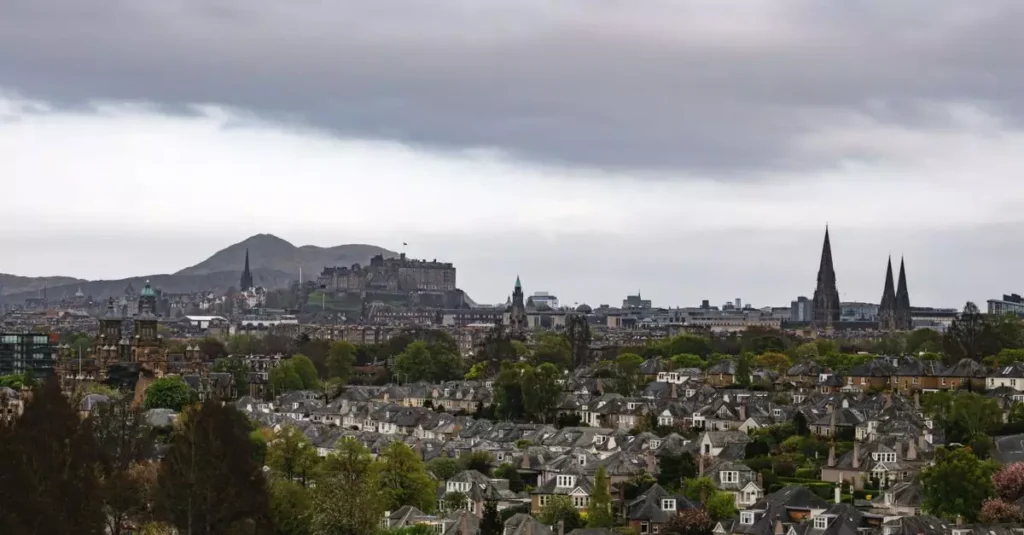
Beyond the dramatic peaks of the Highlands lies a gentler, equally captivating side of Scotland: the Lowlands. This region, often overlooked, is a treasure trove of history, culture, and understated natural beauty, best experienced through its charming Scottish Lowlands small towns. If you’re seeking to step away from the well-trodden tourist paths and discover a more authentic Scotland, these picturesque settlements offer just that.
In this guide, you’ll learn why these smaller towns are ideal for a more immersive travel experience. We’ll explore their unique features, from rich historical roots and vibrant local life to the serene landscapes that surround them. Prepare to uncover a side of Scotland that welcomes you with open arms, inviting you to slow down and savor the local flavor.
Why Visit the Scottish Lowlands’ Quaint Villages?
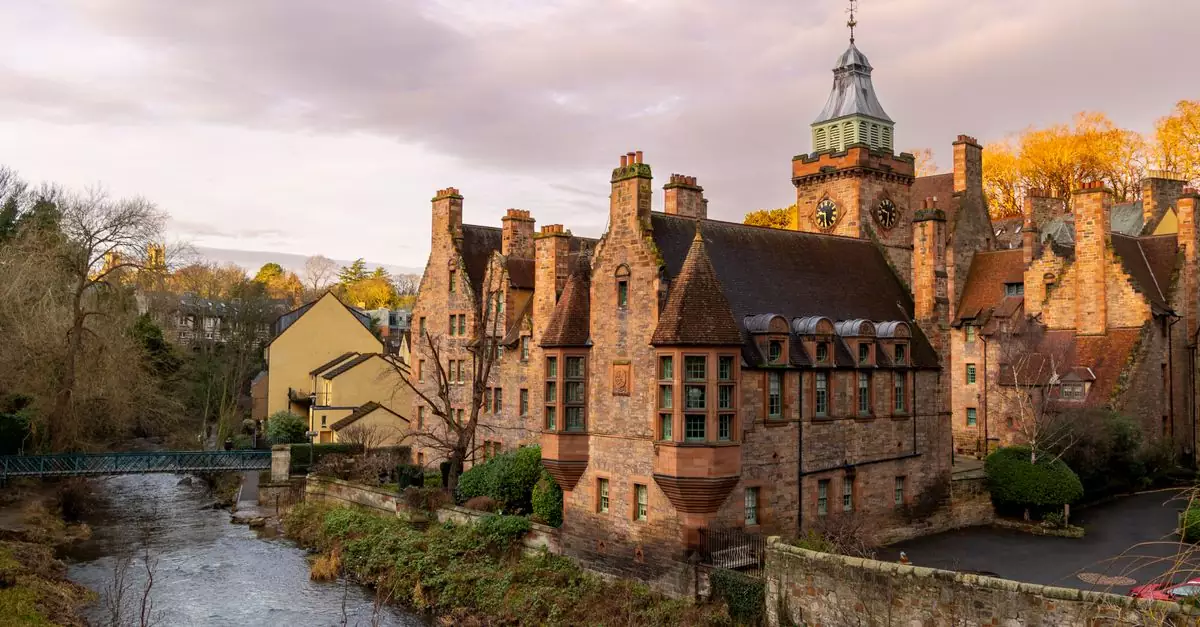
The Scottish Lowlands present a gentler, more accessible aspect of Scotland, often overshadowed by the dramatic Highlands. For travelers seeking authenticity away from the main tourist routes, its small towns and villages offer a captivating glimpse into local life, rich history, and subtle natural beauty. These charming settlements serve as gateways to understanding Scotland’s heritage and its people.
Experience Authentic Scottish Culture Away From the Crowds
Venturing into the Scottish Lowlands’ small towns allows for genuine cultural immersion. Unlike bustling cities, these communities maintain a strong sense of tradition and a welcoming atmosphere. Engage with locals at a village pub, browse independent shops, or attend a local festival, gaining insights into daily life that are harder to find in more frequented destinations. This slower pace encourages meaningful interactions and a deeper appreciation for Scottish hospitality.
Many visitors discover that exploring these lesser-known locales provides a more relaxed and personal travel experience. You might encounter a local artisan at work or hear stories from residents that bring the region’s past to life. This direct connection to the local culture is a significant draw for those looking to move beyond the typical tourist trail.
Uncover History in Picturesque Market Towns
The Lowlands are dotted with historic market towns, each with its own unique story to tell. These settlements have served as centers of commerce and community for centuries, leaving behind a legacy of well-preserved architecture and historical sites. From ancient abbeys to grand townhouses, the history here is palpable, offering a tangible link to Scotland’s past.
Consider towns like Melrose, home to a magnificent ruined abbey and a rich literary heritage, or Culross, a remarkably preserved 17th-century burgh that feels like stepping back in time. These places are not just collections of old buildings; they are living museums where history is woven into the fabric of everyday life. Exploring these market towns provides context for Scotland’s broader historical narrative.
Enjoy Scenic Beauty and Tranquil Landscapes
Beyond the history and culture, the Scottish Lowlands boast diverse and appealing natural scenery. Rolling hills, fertile river valleys, and a coastline dotted with fishing villages characterize the landscape. This region offers a gentler, more pastoral beauty than the rugged Highlands, making it ideal for leisurely exploration.
Travelers can walk or cycle through the countryside, visit picturesque gardens, or simply take in the tranquil views. Proximity to major cities like Edinburgh and Glasgow makes these small towns easily accessible for day trips or weekend escapes, blending convenience with rural charm. The less dramatic, yet equally beautiful, landscapes provide a peaceful backdrop for any Scottish adventure.
Top Scottish Lowlands Small Towns for Your Itinerary
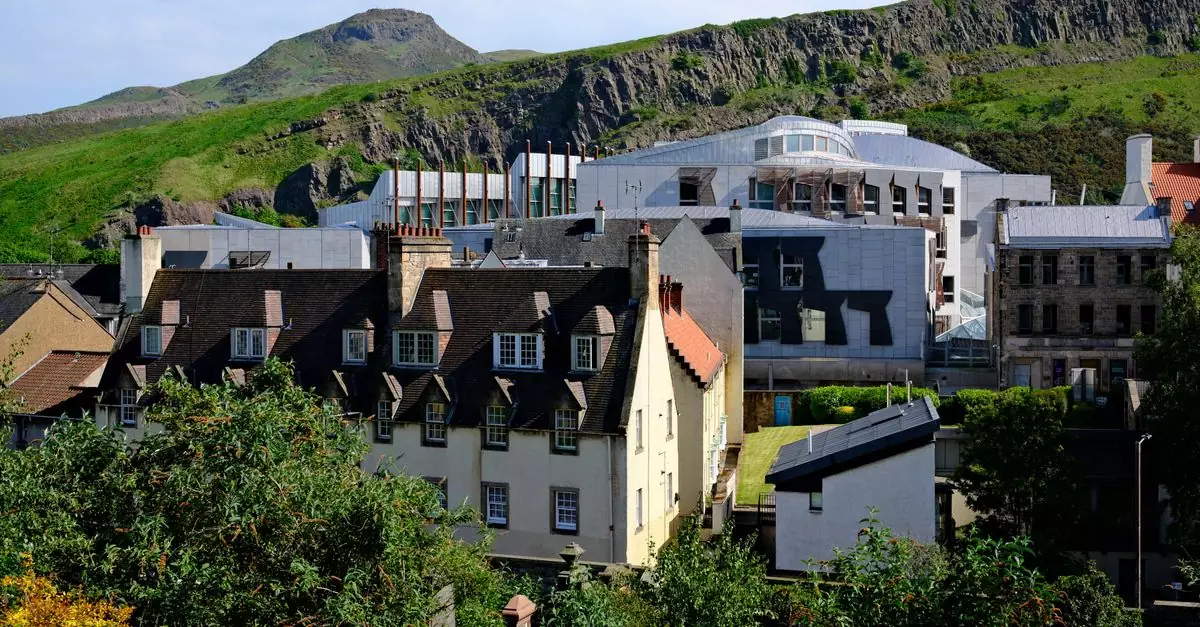
The Scottish Lowlands offer a gentler landscape than their Highland counterparts, characterized by rolling hills, fertile farmland, and a rich history. For travelers seeking authentic experiences away from the main tourist trails, the small towns of this region provide a captivating glimpse into Scotland’s past and present. These charming locales are perfect for slower-paced exploration, offering unique character and a warm welcome.
Explore the Medieval Charm of Culross
Stepping into Culross feels like traveling back in time. This exceptionally well-preserved Royal Burgh on the shores of the Firth of Forth is a living museum, with its narrow, cobbled streets and 17th and 18th-century buildings transporting visitors to a bygone era. The star attraction is Culross Palace, a striking ochre-colored mansion dating from the late 16th and early 17th centuries, offering fascinating insights into the lives of its wealthy merchant inhabitants.
The National Trust for Scotland meticulously cares for much of the village, ensuring its historical integrity. Allow at least half a day to wander through the village, visit the palace, and explore the nearby Abbey ruins. Parking is available on the outskirts, and exploring Culross on foot is the best way to appreciate its atmosphere. The village is particularly picturesque on a clear day, with views across the water.
Wander Through the Artistic Hub of Kirkcudbright
Known as the “Artists’ Town,” Kirkcudbright in Dumfries and Galloway has long attracted painters and craftspeople with its beautiful coastal setting and inspiring light. The town boasts a vibrant arts scene, evident in its numerous galleries, studios, and craft shops. Beyond the art, Kirkcudbright offers a rich history, with the imposing ruins of Kirkcudbright Castle (MacLellan’s Castle) standing as a testament to its past as a busy port.
Visitors can browse local art, explore the harbor, and visit attractions like Broughton House and Garden, a former home of artist E.A. Hornel. The town is easily walkable, with most amenities and attractions clustered around the town center and waterfront. Consider visiting during the summer months when local galleries often host exhibitions and events, or during the annual Kirkcudbright Arts and Crafts Trail.
Discover the Royal Burgh of Peebles on the River Tweed
Nestled in the heart of the Scottish Borders, Peebles is a historic market town that serves as an excellent base for exploring the surrounding countryside. Situated on the banks of the River Tweed, it’s renowned for its beautiful scenery, outdoor activities, and charming town center lined with independent shops, cafes, and traditional pubs. The town has a strong connection to the Tweed, famous for its salmon fishing.
Peebles offers a blend of history and outdoor adventure. Visit Neidpath Castle, a dramatic medieval fortress perched on a rocky outcrop overlooking the river, or explore the historic High Street. For outdoor enthusiasts, the nearby Glentress Forest is a world-class mountain biking destination, and walking routes abound along the river and through the hills. Peebles is easily accessible by car and public transport, making it a convenient stop for those traveling through the Borders.
Visit the Historic Textile Town of Innerleithen
Just a short distance from Peebles, Innerleithen is a town with a proud industrial heritage, historically a center for the tweed and woollen industry. While the mills are no longer operational, their legacy is visible in the town’s architecture and character. Innerleithen offers a quieter, more local feel, with opportunities to appreciate the natural beauty of the Tweed Valley.
The town is a gateway to outdoor pursuits, with excellent walking and cycling opportunities in the surrounding hills, including the famous Leithen Trail. Innerleithen also hosts the annual “Riding of the Marches,” a traditional event celebrating the town’s history. It’s a great destination for travelers interested in the industrial past of the Lowlands and seeking a more laid-back atmosphere.
| Town | Key Attractions | Best For |
|---|---|---|
| Culross | Culross Palace, Abbey Ruins, Medieval Streets | History buffs, photographers, film location fans |
| Kirkcudbright | MacLellan’s Castle, Art Galleries, Waterfront | Art lovers, history enthusiasts, coastal scenery |
| Peebles | Neidpath Castle, River Tweed, Glentress Forest | Outdoor adventurers, history seekers, families |
| Innerleithen | Tweed Valley walks, Industrial heritage, Local pubs | Hikers, cyclists, those seeking quiet charm |
Getting to and Around the Scottish Lowlands Small Towns

Navigating the picturesque Scottish Lowlands small towns offers a rewarding experience, blending scenic drives with convenient public transport. Planning your journey effectively will enhance your exploration of these charming locales.
Driving Routes: Scenic Road Trips Through the Lowlands
The Scottish Lowlands are crisscrossed by a network of A-roads and B-roads, providing excellent opportunities for scenic road trips. For an immersive experience of the region’s rolling hills and historic sites, consider routes that connect several smaller towns. The A7 road, for instance, runs from Edinburgh south toward Carlisle, passing through many attractive villages and market towns. Another popular option is to explore the Borders Abbeys Way, which links the historic abbeys of Melrose, Jedburgh, Dryburgh, and Kelso, offering a journey through both landscape and history.
Renting a car provides flexibility for reaching more remote villages and stopping at viewpoints. Be aware that some country roads can be narrow and winding, especially in rural areas. Allow ample time for your journeys, as spontaneous stops at local craft shops or historic ruins are part of the Lowland charm. Parking is generally straightforward in smaller towns, though larger market towns might have pay-and-display car parks in their centers.
Public Transport Options: Trains and Buses Between Towns
While a car offers ultimate freedom, traveling between many Scottish Lowlands small towns is achievable via public transport, particularly by train and bus. Major towns like Dumfries, Melrose, and Peebles are served by regular train services, connecting them to larger cities such as Edinburgh and Glasgow. ScotRail operates most of the train network, and booking tickets in advance can sometimes offer savings.
Local bus services are extensive, although frequencies can vary significantly, especially on weekends and in more remote areas. Services like Stagecoach operate across much of the Lowlands, providing vital links between smaller communities. It’s advisable to check timetables in advance using journey planners like Traveline Scotland, as a missed bus can mean a long wait for the next one. For those relying on public transport, basing yourself in a larger town with good transport links can simplify day trips to surrounding smaller villages.
| Town/Area | Primary Transport | Typical Frequency | Notes |
|---|---|---|---|
| East Lothian | Bus/Train | Frequent | Good connections to Edinburgh |
| Scottish Borders | Train/Bus | Variable | Train lines to Tweedbank, Galashiels |
| Dumfries & Galloway | Bus/Train | Less Frequent | Dumfries is a key rail hub |
Best Ways to Explore Each Town on Foot
Once you arrive in any of the Scottish Lowlands small towns, the best way to appreciate their character is by exploring on foot. Most of these communities are compact and easily walkable, allowing you to discover hidden closes, independent shops, and local pubs at your own pace. In larger market towns, the town center typically offers a concentration of attractions, from historic architecture to local artisan producers.
Many towns are situated along rivers or near scenic countryside, offering pleasant walking trails right from their doorsteps. For example, towns along the River Tweed in the Borders, such as Peebles or Innerleithen, provide lovely riverside paths. When exploring, wear comfortable shoes, as many of the historic streets are cobbled. Local tourist information centers, often found in town halls or dedicated visitor hubs, are excellent resources for picking up walking maps or getting advice on the best local routes.
What to Eat and Drink in the Scottish Lowlands
The Scottish Lowlands offer a delightful culinary landscape, blending hearty traditional fare with innovative modern cuisine. Exploring these small towns means more than just seeing the sights; it’s an opportunity to taste the region’s rich agricultural heritage and enjoy its vibrant pub culture.
Savoring Local Delicacies: From Cullen Skink to Tablet
When visiting the Scottish Lowlands, seeking out regional specialties is a must. A standout dish is Cullen Skink, a thick, creamy soup made with smoked haddock, potatoes, and onions. Its comforting warmth is perfect after a day of sightseeing, and you’ll find variations in many local eateries. For a sweet treat, try Scottish tablet, a dense, sugary confection similar to fudge but with a firmer texture and a delightful crumbly bite. Many bakeries and market stalls sell freshly made tablet, often in a variety of flavors. Don’t miss the chance to sample other local produce, such as artisanal cheeses and freshly baked oatcakes, which pair wonderfully with local preserves.
Experiencing Traditional Pub Culture and Local Ales
The heart of many small towns in the Scottish Lowlands lies within their traditional pubs. These establishments are not just places to grab a drink; they are social hubs where you can soak in the local atmosphere, enjoy live folk music, and chat with residents. The Lowlands are home to several excellent breweries, producing a range of ales, stouts, and craft beers. Look for local brews on tap, such as those from breweries like Broughton Ales or Traquair House Brewery, which offer distinctive flavors reflecting the Scottish landscape. A pint of a well-kept ale is an essential part of the Scottish experience.
| Drink Type | Examples | Typical Price (Pint) | Notes |
|---|---|---|---|
| Local Ales | Broughton IPA, Traquair Jacobite Ale | £4.50 – £5.50 | Often available on cask or keg. |
| Scotch Whisky | Single Malts from nearby regions | £5.00 – £15.00+ | Many pubs offer a good selection. |
| Soft Drinks | Irn-Bru, local juices, water | £2.00 – £3.50 | Non-alcoholic options are widely available. |
Finding Farm-to-Table Dining Experiences
Beyond the pubs, the Scottish Lowlands are increasingly offering sophisticated farm-to-table dining. The region’s fertile land provides an abundance of high-quality ingredients, from succulent lamb and beef to fresh seasonal vegetables and fruits. Many restaurants pride themselves on sourcing their produce locally, ensuring a fresh and authentic taste of Scotland. Look for menus that highlight regional produce and traditional Scottish ingredients prepared with modern culinary techniques. These dining experiences often provide a refined way to appreciate the area’s flavors, connecting your meal directly to the surrounding countryside.
Planning Your Visit: Best Time to Go and Where to Stay
When is the Ideal Season for Exploring Scottish Lowlands Small Towns?
The Scottish Lowlands offer distinct charm throughout the year, but the shoulder seasons of spring (April-May) and autumn (September-October) often provide the most balanced experience for visiting these Scottish Lowlands small towns. During these months, you’ll typically find milder weather than the sometimes unpredictable Scottish summer, fewer crowds than peak holiday periods, and beautiful natural scenery. Spring brings blooming wildflowers and emerging greenery, while autumn showcases vibrant foliage.
Summer (June-August) is the warmest period, with longer daylight hours, making it excellent for outdoor activities. However, it’s also the busiest tourist season, meaning accommodations can be more expensive and popular spots more crowded. Winter (November-March) offers a quiet, atmospheric experience, especially around the festive season, but daylight is limited, and some attractions may have reduced hours or be closed.
Here’s a quick look at seasonal considerations:
| Season | Weather | Crowds | Scenery Highlights | Notes |
|---|---|---|---|---|
| Spring | Mild, variable, occasional showers | Moderate | Wildflowers, new growth | Good for walking and cycling |
| Summer | Warmest, longer days, can be wet | High | Lush greenery, long days | Peak tourist season, book ahead |
| Autumn | Cool, crisp, vibrant foliage | Moderate | Autumn colors, harvest | Cozy atmosphere, ideal for photography |
| Winter | Cold, short days, possibility of snow | Low | Festive lights, quietude | Limited daylight, some closures |
Accommodation Options: Cozy B&Bs and Boutique Hotels
When seeking a place to stay in the Scottish Lowlands, you’ll find a delightful range of options that complement the character of the region’s smaller communities. Bed and breakfasts (B&Bs) are particularly prevalent and offer a warm, personal touch. Many are housed in historic buildings, providing a glimpse into local architecture and heritage. Expect comfortable rooms, hearty Scottish breakfasts, and hosts who can offer invaluable local advice.
Boutique hotels, though less common than B&Bs, are increasingly appearing in larger towns like Peebles or Melrose. These often blend modern comfort with traditional Scottish design, offering a more curated and luxurious experience. For those seeking self-catering, charming cottages and holiday lets are also available, allowing for greater flexibility, especially for families or longer stays. Booking in advance is always recommended, particularly during the summer months and around local festivals.
Budgeting for Your Lowlands Adventure
The Scottish Lowlands small towns generally offer a more budget-friendly experience compared to the more tourist-heavy areas of the Highlands or major cities like Edinburgh. Accommodation costs will vary significantly based on the type of lodging and the specific town, but expect B&Bs to be more affordable than boutique hotels. For example, a double room in a well-regarded B&B might range from £80-£150 per night, while a boutique hotel could be £150-£250+.
Dining out can also be managed to suit different budgets. Many pubs offer excellent value with traditional pub fare, while local cafes provide affordable lunches and treats. Fine dining options are available but will naturally increase your daily spend. Transportation is another key factor. While a car offers the most flexibility for exploring scattered villages, relying on public transport like buses and trains between larger towns is possible, though it requires more planning and may limit spontaneous detours. Day passes for buses or train tickets booked in advance can help manage costs.
Consider these general budget ranges per person, per day, excluding major travel to Scotland:
- Budget Traveler: £70 – £100 (hostel/budget B&B, packed lunches/pub meals, public transport)
- Mid-Range Traveler: £120 – £180 (comfortable B&B/guesthouse, mix of pub and restaurant meals, some car hire or day tours)
- Luxury Traveler: £200+ (boutique hotel, fine dining, private tours, car hire)
These figures are estimates and can be adjusted based on your specific interests and travel style. Exploring local markets for artisanal foods can also be a delightful and economical way to experience regional produce.
Frequently Asked Questions About Scottish Lowlands Small Towns
Are these towns suitable for family holidays?
Yes, many Scottish Lowlands small towns offer a welcoming environment for families. Their smaller size often means less traffic and a more relaxed pace, making them easier to navigate with children. Activities like visiting local farms, exploring castles with engaging histories, or enjoying scenic walks are generally well-suited for younger visitors.
Consider towns with good access to outdoor spaces. For instance, places near the Solway Coast offer beaches and wildlife spotting opportunities. Most accommodations in these areas are accustomed to families and provide necessary amenities.
What are the must-see photography spots in the Lowlands?
The Lowlands provide a diverse range of photographic opportunities, from rolling hills to historic architecture. Look for picturesque villages with traditional stone buildings and charming main streets. Many towns boast well-preserved castles and abbeys, offering dramatic historical backdrops.
Coastal towns along the Solway Firth present opportunities for capturing seascapes, sunsets, and birdlife. Inland, the gentle, cultivated landscapes offer a softer, pastoral beauty. Don’t overlook smaller, more intimate scenes: a stone bridge over a babbling brook, a blooming garden, or a local pub’s inviting facade.
Are there any hidden gems or lesser-known villages to explore?
Beyond the more established tourist routes, the Lowlands are dotted with numerous hidden gems. Villages like Culross, with its remarkably preserved 17th and 18th-century buildings, often feel like stepping back in time. Its steep cobbled streets and coastal setting make it a photographer’s delight and a quiet escape.
Another example is Innerleithen in the Scottish Borders, known for its independent spirit and connection to the Tweed Valley’s cycling routes. It offers a glimpse into a working Scottish town with a strong community feel. Exploring these lesser-known spots often rewards travelers with authentic experiences and a deeper connection to the region’s character.