
Before becoming a global icon, Princess Diana lived a relatively private life in London, a chapter often overshadowed by her later royal years. Her first independent home was an apartment at Coleherne Court in the affluent Kensington area. While this residence isn’t open to the public, understanding its significance offers a unique glimpse into her early adulthood and life away from the intense scrutiny of royal duties. This article explores the history and location of Princess Diana’s Coleherne Court, detailing what you can see of the exterior and the surrounding neighborhood that shaped her life before she stepped into the global spotlight. Discover the context of her time here, how to respectfully visit the area, and the broader Kensington landscape that was part of her formative London experience.
Discovering Princess Diana’s Life at Coleherne Court

Princess Diana’s connection to London is deeply etched in its history, with several residences marking significant chapters of her life. Before her marriage to Prince Charles and her move to Kensington Palace, a young Diana Spencer lived in a charming apartment at Coleherne Court. While this residence is not open to the public, its significance offers insight into her early adulthood away from royal scrutiny.
The Young Diana Spencer’s Early Years
Born Diana Frances Spencer in 1961, her early life unfolded in the Norfolk countryside. Her aristocratic family, the Spencers, had longstanding ties to the British monarchy, with ancestors serving King Charles I. Following her parents’ divorce, Diana moved to Althorp, the Spencer family estate. Her education at boarding schools shaped her quiet and somewhat shy demeanor, laying the groundwork for the public figure she would eventually become.
Life Before Buckingham Palace
Before becoming a global icon, Diana lived a relatively independent life in London. In 1979, at the age of 18, she moved into a flat at Coleherne Court in Kensington. This period represented her transition into adulthood, marked by personal growth and exploration away from the family estate. Sharing the apartment with friends, she enjoyed a semblance of normal young adult life, working as a nursery assistant at the Young England Kindergarten in Pimlico. During this time, her interactions with Prince Charles were infrequent, and her future remained largely out of the public eye.
Coleherne Court: A Private Sanctuary
Coleherne Court, located at 37-41 Old Church Street, Chelsea, SW3, was Diana’s home from 1979 to 1981. The substantial red-brick mansion block is characteristic of the elegant architecture found in West London. It provided the privacy and normalcy that were crucial for Diana as she navigated her late teens and early twenties. While the exterior can be viewed from the street, the interiors remain private residences. Visitors often focus on her later homes, such as Kensington Palace, but Coleherne Court holds a special significance as the setting for her independent life before royal duties consumed her.
Situated in a desirable neighborhood, this Chelsea address is known for upscale boutiques, art galleries, and charming cafes. It provided Diana with a comfortable and secure base to pursue her interests and begin her career. The proximity to other parts of London, including the West End and the City, made it an ideal location for a young woman establishing her independence. Though not a tourist attraction, Coleherne Court’s historical significance as Princess Diana’s former home draws interest from those keen to understand her life before she entered the global spotlight.
Visiting the Exterior of Princess Diana’s Kensington Flat
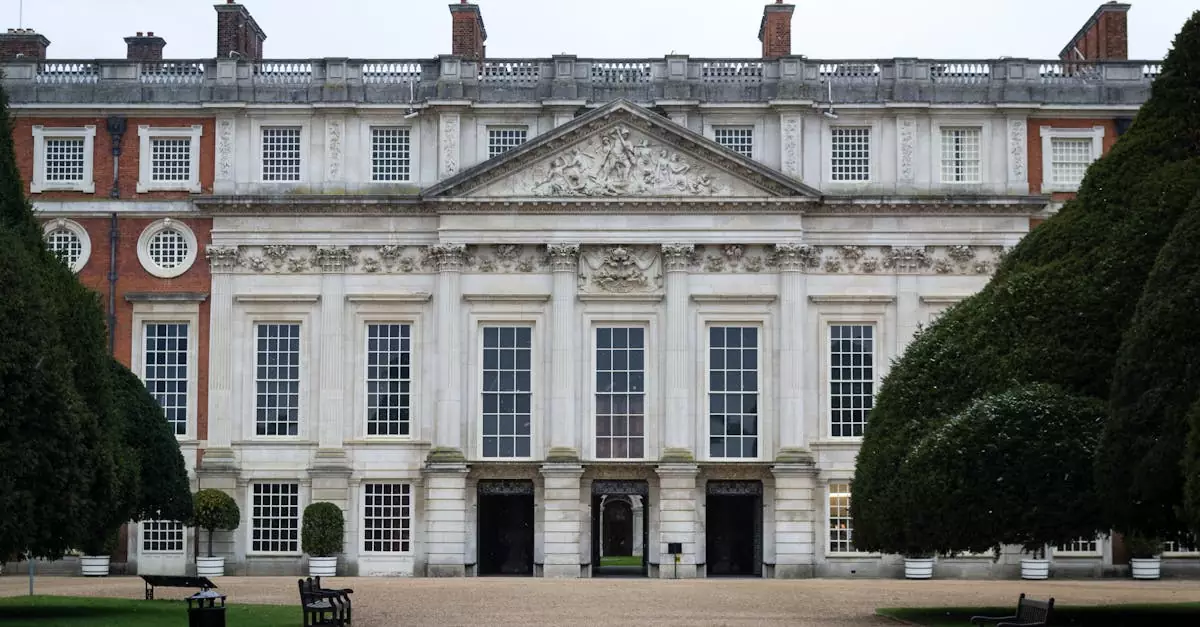
Princess Diana’s former residence at Coleherne Court offers a unique glimpse into a significant period of her life before her royal marriage. While the interior is private, a visit to the exterior allows for reflection and connection to her early years in the city. Knowing how to get there, what to expect, and how to approach the visit respectfully are key to a meaningful experience.
Navigating to Coleherne Court, Kensington
Coleherne Court is located in the affluent Kensington area, known for its elegant architecture and proximity to green spaces like Hyde Park. The most convenient way to reach this address is via the London Underground.
- Tube Stations: The nearest Underground stations are Earl’s Court and Gloucester Road, both on the Piccadilly and District lines. From either station, Coleherne Court is a pleasant 10-15 minute walk. Gloucester Road station often offers a slightly more direct route through residential streets.
- Bus Routes: Several bus routes serve the Kensington area, providing an alternative if you are traveling from other parts of the city. Check TfL (Transport for London) for the most up-to-date routes and schedules.
- Walking: If you are already in the Kensington or South Kensington neighborhoods, walking is a great way to appreciate the charming streets and grand Victorian buildings.
Using a transport app like Citymapper or Google Maps will help you navigate London’s extensive public transport network efficiently. The cost of travel will depend on your starting point and whether you use an Oyster card or contactless payment, generally falling within a moderate budget for London travel.
What to See at the Former Residence
Coleherne Court is a substantial red-brick mansion block, typical of London’s Edwardian architecture. Princess Diana lived in flat 60, a three-bedroom apartment, from 1979 to 1981, before her marriage to Prince Charles. She shared the flat with friends during this period, working as a nursery assistant.
The building presents a stately facade. While entry to the private residences is not permitted, observing the exterior provides a sense of place. You can see the windows of the apartments, imagining the life she led here. It’s a quiet residential building, so there are no specific historical markers or public access points to the former Princess Diana Coleherne Court location. The appeal lies in its historical connection to a globally recognized figure during her formative years in London.
Respectful Viewing of the Princess Diana Coleherne Court Location
As Coleherne Court remains a private residential building, it is crucial to approach any visit with respect for the current residents. This means maintaining a quiet demeanor and avoiding any behavior that could disturb the peace of the neighborhood.
- Photography: You are welcome to take photographs of the building’s exterior from the street, but be mindful of residents’ privacy. Avoid lingering directly in front of any specific apartment windows or entrances for extended periods.
- Noise Levels: Keep conversations to a minimum and avoid loud noises. The residents live here year-round and deserve the same peace as anyone in their home.
- No Trespassing: Under no circumstances should you attempt to enter the building or its private grounds. The property is not a museum, and respecting its residential nature is paramount.
A visit to Coleherne Court is less about a tourist attraction and more about a quiet moment of historical contemplation. It offers a different perspective on Princess Diana’s life, showcasing a period before the intense public scrutiny of her royal years. For those interested in a broader understanding of royal history, visiting other related sites like Kensington Palace or Buckingham Palace can provide a more comprehensive experience, though Coleherne Court offers a unique, personal connection.
Exploring Kensington: The Neighborhood Where Diana Lived
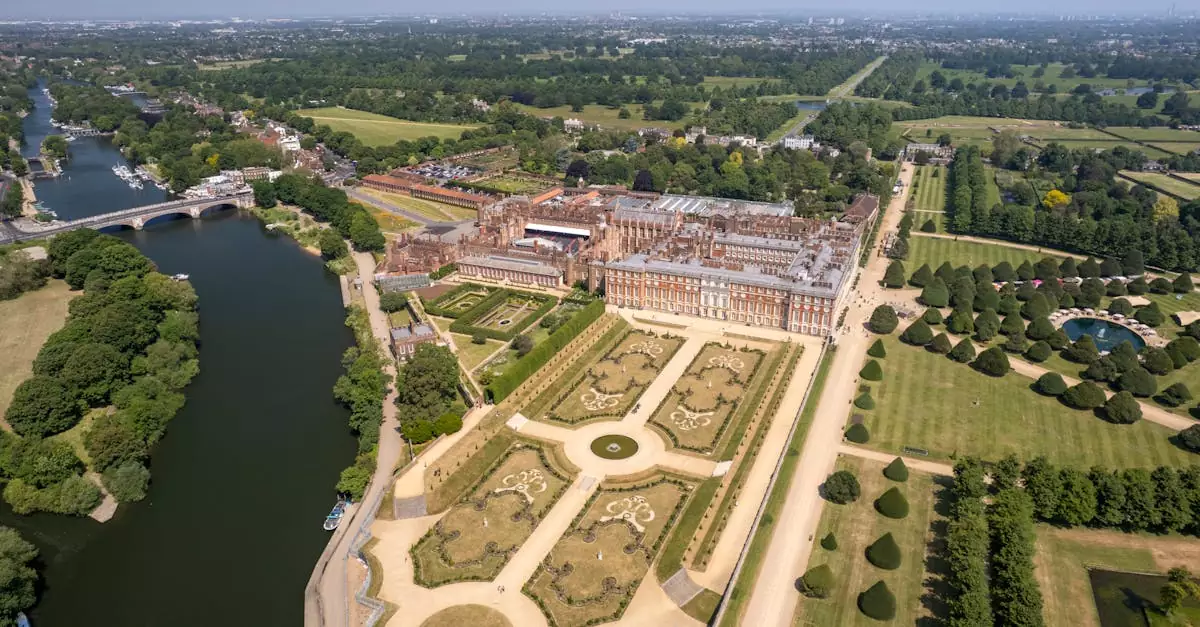
Princess Diana’s former London residence, Coleherne Court, is situated in the heart of Kensington, a district synonymous with royal history, elegant architecture, and vibrant city life. This affluent area provides a glimpse into both the past and present of London, offering visitors a rich tapestry of experiences. Understanding the neighborhood helps contextualize Diana’s life here before her marriage and later public roles.
Kensington High Street: Shopping and Dining
Kensington High Street serves as the bustling commercial artery of the area, featuring a dynamic mix of high-street brands, independent boutiques, and a wide array of dining options, from quick bites to formal restaurants. During Diana’s time at Coleherne Court, this street would have been a familiar place for errands and social outings.
Travelers can spend an afternoon browsing the shops or enjoying a meal with views of the elegant Victorian and Edwardian buildings that line the street. The area is well-served by public transport, making it easily accessible for day-trippers. Consider visiting on a weekday morning to avoid the largest crowds and enjoy a more relaxed shopping experience.
Kensington Gardens and Palace: Royal Connections
Just a short walk from Coleherne Court lie Kensington Gardens and Kensington Palace. This expansive green space was once part of the larger Kensington Estate and remains a cherished royal park. Kensington Palace has been a residence of the British Royal Family since the 17th century and served as Diana’s home after her engagement, later becoming a base for her official duties.
Visitors can tour the State Apartments within the palace, which often feature exhibitions related to its royal inhabitants, including Princess Diana. Walking through Kensington Gardens, one can see the Diana Memorial Playground and the Diana Memorial Fountain, both poignant tributes to her life. The gardens offer a peaceful retreat from the city’s energy, with manicured lawns, flower beds, and the Serpentine lake.
Holland Park: An Urban Oasis Near Coleherne Court
To the west of Kensington lies Holland Park, a beautiful green space that provides a different kind of urban escape. It features formal gardens, including the stunning Kyoto Garden, woodland walks, sports facilities, and even an opera house. This park offers a tranquil setting for a leisurely stroll or a picnic, just a short distance from the more formal grandeur of Kensington Gardens.
Holland Park’s proximity to Coleherne Court likely made it another favored spot for Princess Diana. Its varied landscapes cater to nature enthusiasts and casual visitors alike. The park is accessible via public transport, with several bus routes stopping nearby, and it is a pleasant walk from Kensington High Street. For those interested in the broader landscape of royal London, exploring these adjacent green spaces provides a deeper appreciation of the area’s historical and social significance.
How to Reach Princess Diana’s Coleherne Court Residence
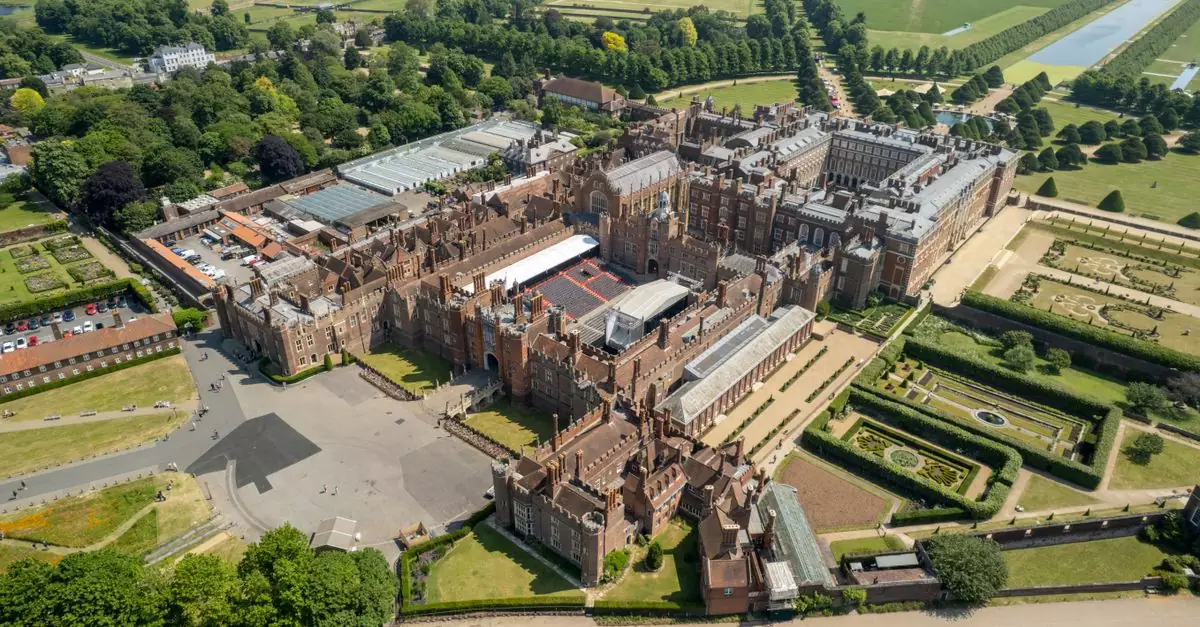
Princess Diana’s former London home, Coleherne Court, is located in the affluent Kensington area. Reaching this historic address is straightforward, with several convenient public transport options available. Planning your journey ensures a smooth visit to this significant site.
London Underground: Best Tube Stations
The most efficient way to reach Coleherne Court is via the London Underground, commonly known as the Tube. Several stations are within walking distance, offering flexibility depending on your starting point in the city.
- Gloucester Road Station (Piccadilly, District, and Circle lines) is the closest and most convenient option. A short walk of approximately 5-10 minutes will take you directly to Coleherne Court. This station is a major hub, making it easily accessible from many parts of London.
- South Kensington Station (Piccadilly, District, and Circle lines) is another excellent choice, located about a 15-minute walk away. It provides access to world-class museums like the Victoria and Albert Museum and the Natural History Museum, which you might consider visiting before or after your trip to Coleherne Court.
- Earl’s Court Station (District and Piccadilly lines) is a slightly longer walk, around 20 minutes, but offers further connectivity if your travel route dictates.
When using the Tube, consider purchasing an Oyster card or using contactless payment for the most economical fares. Journey times will vary depending on your origin station but are generally quick and efficient.
Bus Routes Serving the Area
London’s extensive bus network provides good access to the Kensington area around Coleherne Court. Several bus routes stop within a short walk of the residence, offering an alternative to the Underground and a chance to see more of the city streets.
Routes such as the C1 and 390 stop near Gloucester Road, placing you within easy reach of Coleherne Court. Other routes like the 74 and 414 stop closer to South Kensington, also providing convenient access.
It is advisable to check live bus times using a journey planner app or by consulting the Transport for London (TfL) website before your travel. Buses can be a more scenic way to travel, but journey times may be longer due to traffic, particularly during peak hours.
Walking and Cycling to the Location
For those who enjoy a stroll or are already in the Kensington area, walking to Coleherne Court is a pleasant option. The neighborhood is known for its elegant architecture and tree-lined streets, making it an enjoyable environment for pedestrians.
If you are staying in nearby areas like South Kensington, Knightsbridge, or Earl’s Court, a walk of 15-30 minutes is feasible. Cycling is also a viable option, with London having made significant strides in improving cycle infrastructure. You can utilize cycle hire schemes or your own bicycle to reach the location.
Remember to be aware of traffic when cycling in London. Coleherne Court itself is a private residence, so visitors typically view the exterior from the street. Respect the privacy of the current residents when visiting the area.
Beyond Coleherne Court: Other London Princess Diana Landmarks
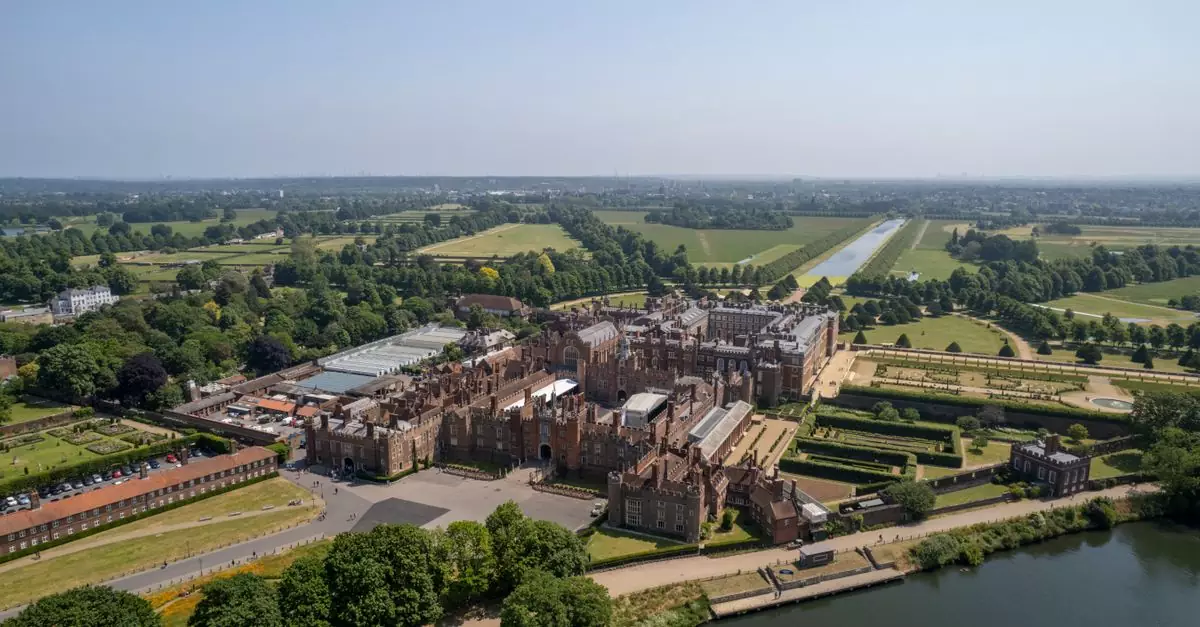
While Princess Diana’s early years at Coleherne Court offer a glimpse into her life before royal fame, her story is interwoven with several other significant London locations. For travelers interested in a more comprehensive understanding of her impact and legacy, visiting these sites provides deeper context. These landmarks range from her official residences to places of public remembrance and the ancestral home of her family.
Kensington Palace: Diana’s Official Residence
Following her marriage to Prince Charles, Kensington Palace became Princess Diana’s official London residence. She lived here with her sons, Princes William and Harry, and many of her public engagements and private moments were connected to this historic royal palace. Today, Kensington Palace is open to the public, allowing visitors to see some of the State Apartments and exhibitions that often feature elements of royal history, including those touching upon Diana’s life.
Exploring the palace offers a chance to imagine Diana navigating its grand halls and private quarters. The palace grounds are extensive and beautifully maintained, providing a serene backdrop. Accessing Kensington Palace is straightforward, with it being well-served by public transport in central London.
The Diana Memorial Playground in Kensington Gardens
A poignant tribute to Princess Diana, the Diana Memorial Playground is located in Kensington Gardens, adjacent to Kensington Palace. This imaginative play area evokes a sense of adventure and wonder, inspired by J.M. Barrie’s Peter Pan. It features a large wooden pirate ship, teepees, and sensory trails, creating a magical space for children.
The playground is a popular destination for families, offering a joyful yet reflective atmosphere. It’s a place where the public can remember Diana’s love for children and her playful spirit. Entry to the playground is free, making it an accessible and heartwarming stop for any visitor tracing Diana’s footsteps in London.
Althorp House: The Spencer Family Seat (Day Trip)
While not in London itself, Althorp House in Northamptonshire is the Spencer family’s ancestral home and Princess Diana’s final resting place. A day trip from London to Althorp offers a unique opportunity to connect with Diana’s personal history and her roots. The estate has been home to the Spencer family for over 500 years, and parts of it are open to the public during the summer months.
Visitors can tour the magnificent rooms, admire the art collection, and see exhibits dedicated to Diana’s life. The most significant element for many is the island in the middle of the ornamental lake where Diana is buried, a place of quiet contemplation. Reaching Althorp from London typically involves a train journey to a nearby station followed by a taxi or bus, making it a more involved excursion than the London landmarks.
| Destination | Location | Travel Time from London (approx.) | Public Access | Notable Connection to Diana |
|---|---|---|---|---|
| Coleherne Court | Kensington | N/A (former residence) | Exterior only | Early London home before royal marriage |
| Kensington Palace | Kensington | 30 mins (Tube) | Yes | Official residence post-marriage |
| Diana Memorial Playground | Kensington | 30 mins (Tube) | Yes (Free) | Tribute to her love of children |
| Althorp House | Northamptonshire | 2.5-3 hours (Train + Taxi) | Seasonal | Spencer family seat, final resting place |
Visiting these sites can provide a rich and layered understanding of Princess Diana’s life. While Coleherne Court remains a private residence, these other locations offer tangible connections to her public and private journey through London and beyond.
Frequently Asked Questions About Princess Diana’s Coleherne Court
Can you go inside Princess Diana’s Coleherne Court apartment?
No, it is not possible to go inside the apartments at Coleherne Court. The building remains a private residential property. While you can view the exterior and the surrounding Kensington neighborhood, access to individual residences is restricted to their current occupants.
What is the significance of Coleherne Court in Princess Diana’s life?
Coleherne Court holds significance as Princess Diana’s first independent London residence before her marriage to Prince Charles. She lived there from 1979 to 1981, sharing the apartment with friends. This period represents a transitional phase in her life, moving from a more private existence to the public eye. It was during her time here that her relationship with Prince Charles became widely known.
Are there any tours that include the Princess Diana Coleherne Court address?
While there are no official tours specifically focused on Coleherne Court, some private London tours may include it as part of a broader itinerary covering royal residences or significant London landmarks. It’s advisable to research specialized walking tours or private guide services that focus on royal history or specific London neighborhoods. These tours often provide historical context and point out related sites in the vicinity.
What are the best times to visit the Coleherne Court area?
The Coleherne Court area can be visited year-round. However, spring (April to May) and early autumn (September to October) offer pleasant weather for walking and sightseeing, with fewer crowds than the peak summer months.
Here’s a general guide to visiting the area:
| Season | Weather Considerations | Crowd Levels | Notes |
|---|---|---|---|
| Spring (Apr-May) | Mild, occasional rain | Moderate | Gardens are in bloom, pleasant for walks. |
| Summer (Jun-Aug) | Warm to hot, potential for heatwaves | High | School holidays mean more families; book accommodations in advance. |
| Autumn (Sep-Oct) | Cool, crisp, beautiful foliage | Moderate | Fewer tourists, good for comfortable exploration. |
| Winter (Nov-Mar) | Cold, damp, possible frost | Low | Festive atmosphere around Christmas, but days are short. |
Getting to the Coleherne Court area is straightforward via London Underground. The nearest stations are Earl’s Court and Gloucester Road, both offering access to the District and Piccadilly lines, making it easily accessible from other parts of London.