Nestled in the picturesque landscape of Turkey’s Bolu Province lies a development that captures the imagination: Burj Al Babas. Originally envisioned as a lavish resort community of hundreds of fairytale-like castles, this project has transformed into an eerie and captivating ghost town due to financial setbacks and legal issues. This unique architectural anomaly has garnered international attention, drawing curious travelers eager to witness its surreal beauty.
In this article, you’ll uncover the fascinating story behind the rise and fall of this ambitious project. We’ll explore why the Burj Al Babas Turkey ghost town remains unfinished, delve into its distinctive architectural style, and provide practical information for those planning a visit. Prepare to unravel the details of this modern-day architectural mystery and understand what makes this abandoned castle village so compelling.
Discovering the Unfinished Fairytale: An Introduction to Burj Al Babas
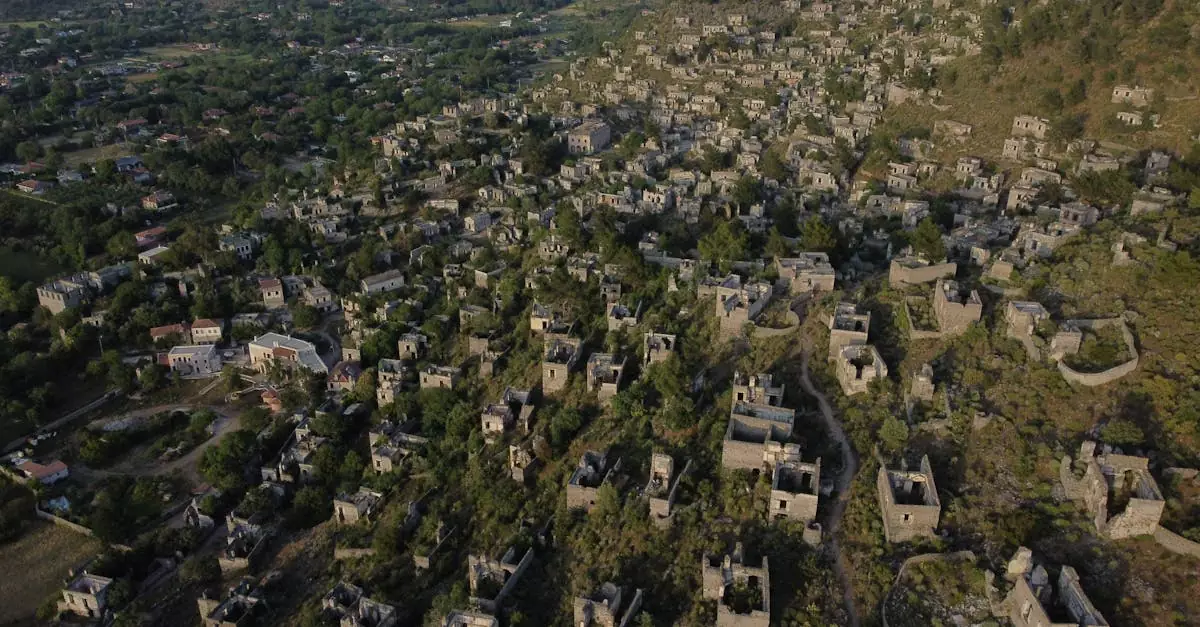
What is Burj Al Babas Turkey?
Burj Al Babas is a surreal and incomplete village located in the Mudurnu district of Bolu Province, Turkey. This development aimed to create a luxury resort community featuring hundreds of identical, miniature castles. Construction began in 2014 with high hopes of attracting wealthy international buyers. However, financial troubles and the developer’s bankruptcy halted progress, leaving behind a ghost town of fairytale-inspired homes.
The site’s unusual appearance has drawn attention from travelers and photographers alike. While it was never fully populated, the rows of vacant, castle-like structures create a strangely captivating landscape. It stands as a stark reminder of a grand vision that never materialized, offering a glimpse into a modern architectural anomaly.
The Rise and Fall of the Castle Village
The concept for Burj Al Babas originated with the Sarot Group, a Turkish conglomerate. Their vision was to create a high-end residential development that tapped into the romantic appeal of European castles, adapted for a Turkish context. The target market was primarily affluent buyers from Gulf countries, seeking a unique holiday destination.
Initially, construction progressed rapidly, with over 700 units built. Each villa was designed to resemble a small, stylized castle, complete with turrets and decorative facades. However, by 2019, the project faced significant financial difficulties. The developer reportedly owed substantial debts to contractors and suppliers, leading to a halt in construction and subsequent legal proceedings. This abrupt cessation left the village almost entirely uninhabited, transforming it into an eerie testament to unfulfilled potential.
Architectural Style of the Burj Al Babas Castles
The architectural style of Burj Al Babas is a distinctive, if somewhat repetitive, interpretation of a fairytale castle. Each villa is a compact, multi-story structure characterized by pointed turrets, arched windows, and predominantly pale, decorative exteriors. The design aims for a whimsical aesthetic, reminiscent of medieval European fortresses but executed with modern materials.
The uniformity across the hundreds of buildings is striking. While intended to create a cohesive community, this repetition contributes to the haunting atmosphere of the abandoned village. The scale of the “castles” is human-sized, rather than imposing fortifications, adding to their peculiar charm. They evoke a sense of a storybook setting frozen in time, awaiting inhabitants who never arrived.
Why Did Burj Al Babas Become a Ghost Town?
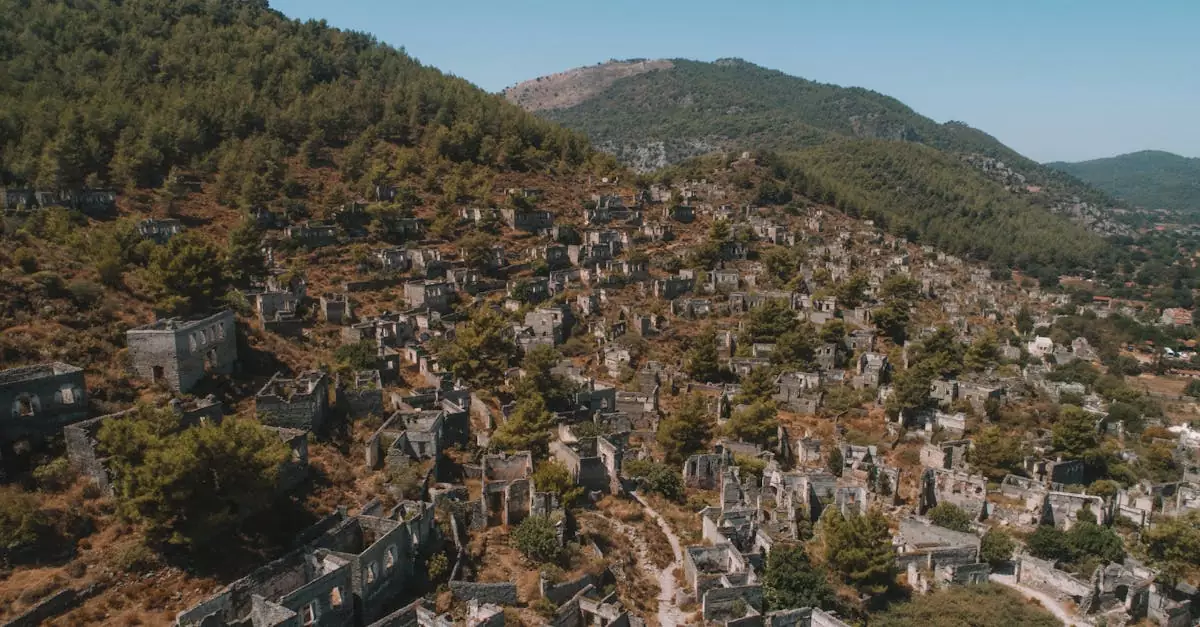
The story of Burj Al Babas, the unfinished castle-like development in Turkey, is rooted in a confluence of economic downturns, legal entanglements, and shifting market demands. What was envisioned as a luxury resort community for wealthy international buyers has instead become a striking, albeit eerie, monument to unrealized ambition. Understanding the reasons behind its abandonment offers a fascinating case study in large-scale development gone awry.
Economic Challenges Leading to Abandonment
The initial vision for Burj Al Babas was grand, aiming to create a lavish retreat with hundreds of identical chateaux-style homes, swimming pools, and recreational facilities. However, the project’s timeline coincided with challenging economic conditions in Turkey and globally. A significant economic crisis in Turkey starting around 2018, marked by currency devaluation and rising inflation, made it increasingly difficult for the developers to secure financing and for potential buyers to commit to such a substantial investment.
This economic instability directly impacted the pace of construction. With funding dwindling and buyer interest waning due to financial uncertainties, many structures were left incomplete. The dream of a thriving community faded as construction equipment stood idle and the meticulously planned streets remained largely empty, transforming the site into the Burj Al Babas Turkey ghost town that draws curious visitors today. The sheer scale of the project, estimated to cost hundreds of millions of dollars, proved unsustainable in the face of persistent economic headwinds.
Legal Battles and Developer Issues
Specific legal and administrative hurdles also contributed to the project’s downfall. Reports suggest that the development faced challenges related to zoning laws and environmental impact assessments. Such bureaucratic obstacles can significantly delay or even halt construction, adding to costs and frustrating developers.
Allegations of financial mismanagement and disputes between the developers and contractors likely played a role as well. When a large project falters, it often involves a cascade of issues, including unpaid workers, unfinished contracts, and legal claims. These internal conflicts and external regulatory pressures create a complex web that can stifle even well-intentioned developments. The uncertainty surrounding these legal battles further deterred potential investors and buyers, solidifying the project’s stagnant state.
Impact of Market Fluctuations on the Project
The market for luxury real estate is notoriously sensitive to economic conditions and changing consumer preferences. Burj Al Babas was designed with a specific demographic in mind—wealthy individuals, particularly from the Middle East, seeking a unique European-style retreat. However, geopolitical shifts and evolving tastes in vacation properties dramatically altered demand.
The project’s repetitive design, while intended to create a cohesive aesthetic, may have contributed to its lack of appeal in a market that increasingly values individuality and unique experiences. As the global real estate market fluctuated, the developers found themselves with a vast inventory of unfinished homes that no longer met market demands or buyer affordability. The dream of a bustling Burj Al Babas Turkey ghost town ultimately remained unfulfilled due to these market realities and the developer’s inability to adapt.
Visiting Burj Al Babas: Practical Information for Curious Travelers
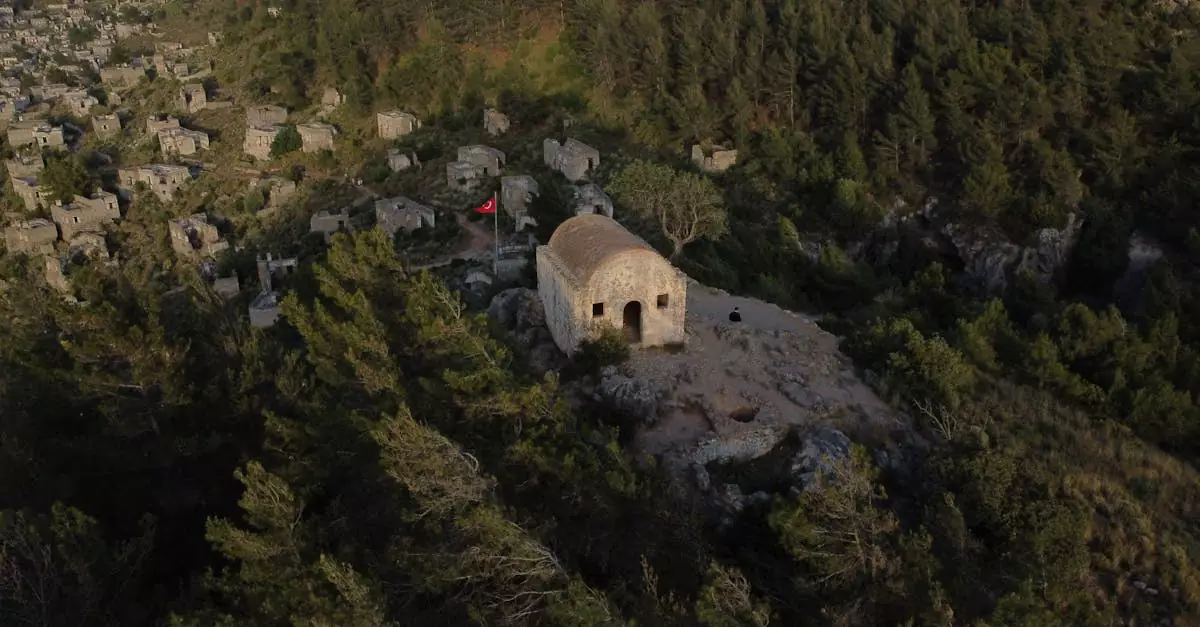
The surreal landscape of Burj Al Babas, Turkey, attracts travelers interested in its unique, unfinished architectural story. While not a typical tourist destination, visiting this abandoned castle town requires some planning. Understanding how to get there, when to go, and what to expect on-site will enhance your experience.
Getting to Burj Al Babas from Istanbul
Reaching Burj Al Babas from Istanbul involves a multi-step journey, primarily by road. The most common route is to first travel to the town of Mudurnu, located approximately 250 kilometers (155 miles) northwest of Istanbul. This leg is best accomplished by bus or by renting a car. Buses depart regularly from Istanbul’s main bus terminals, such as Esenler or Harem, heading towards cities like Bolu or Adapazari, from which you can then connect to Mudurnu. The bus journey can take between 4 to 6 hours, depending on traffic and the specific route.
Once in Mudurnu, Burj Al Babas is a short drive away, about 10-15 minutes. Local taxis are available, or if you’ve rented a car, navigation is straightforward. Keep in mind that public transport directly to the site is limited, making private transport or a pre-arranged taxi from Mudurnu the most convenient option for the final stretch. The surrounding region is part of what some consider the broader expanse of Europe, offering a contrast to the distinct Anatolian landscapes.
Best Time to Visit the Abandoned Castle Town
The ideal time to visit Burj Al Babas depends on your preference for weather and crowd levels. Spring (April to May) and autumn (September to October) offer the most pleasant conditions. During these months, the weather is typically mild, with comfortable temperatures suitable for walking around the extensive site. Spring brings blooming wildflowers, adding natural beauty to the stark architecture, while autumn provides crisp air and vibrant foliage.
Summer (June to August) can be quite hot, making daytime exploration challenging, especially under the direct sun. If visiting in summer, plan for early morning or late afternoon excursions. Winter (November to March) brings colder temperatures and potential for snow, creating a dramatic, albeit chilly, atmosphere. Snowfall may also impact road conditions and accessibility, particularly for the final approach to the site. Given its status as an unfinished project, there are no peak tourist seasons, so large crowds are unlikely at any time of year.
Navigating the Site: What to Expect on Foot
Exploring Burj Al Babas on foot is the primary way to experience its unique atmosphere. The development features hundreds of identical castle-like homes, arranged in neat rows, interspersed with communal facilities that were never completed. The scale of the project is impressive, and you can wander through many of the streets and public areas. Most of the buildings remain shells, with exteriors largely finished but interiors unbuilt.
Visitors can access many of the grounds freely. However, entering any of the residential units is generally not permitted, as they are private property, even if unfinished and abandoned. The site is vast, so comfortable walking shoes are essential. Be mindful of uneven surfaces and construction debris in certain areas. The lack of completed amenities means you should carry water and snacks, as there are no facilities within the development itself. The overall experience is one of quiet contemplation, observing the ambition and the subsequent halt of this unusual architectural endeavor.
Exploring the Eerie Beauty of the Burj Al Babas Castles
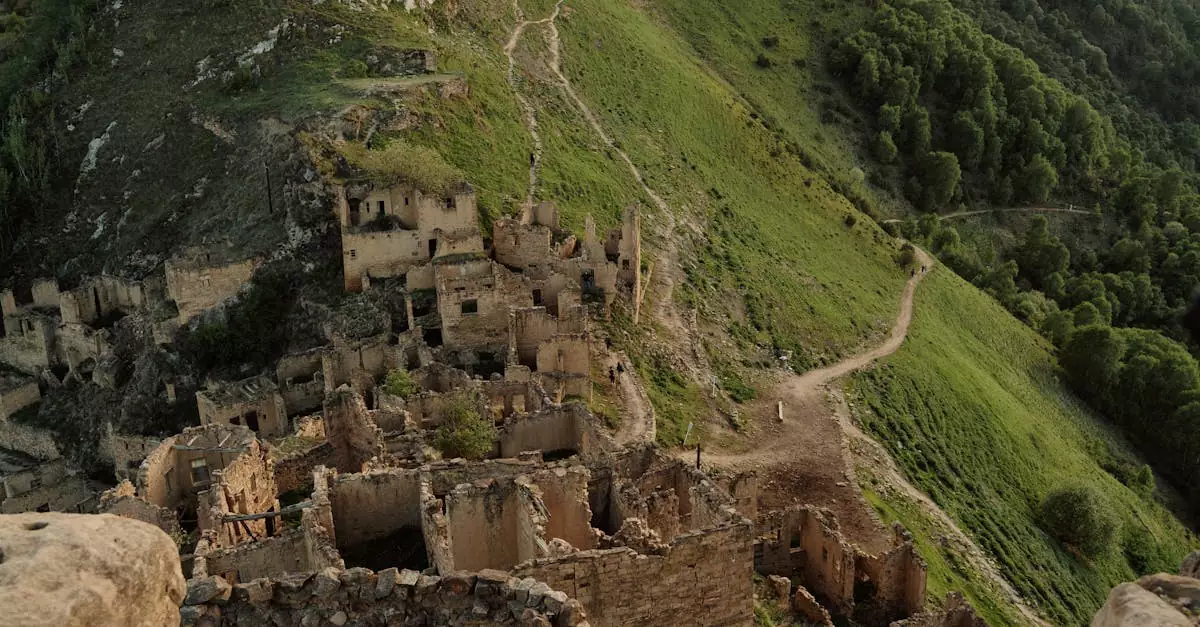
The abandoned development of Burj Al Babas in Turkey presents a unique and hauntingly beautiful landscape, drawing visitors interested in unusual sights. This collection of unfinished, fairytale-like castles stands as a stark reminder of an ambitious project that never reached completion, creating a surreal atmosphere. Exploring this Burj Al Babas Turkey ghost town offers a chance to witness a peculiar blend of architectural ambition and natural reclamation.
Photography Opportunities in the Ghost Town
For photographers, Burj Al Babas is a dream location, offering endless opportunities to capture striking and unconventional images. The rows of identical yet individually unfinished chateaux create a mesmerizing visual pattern. The stark contrast between the elaborate, European-inspired architecture and the surrounding Turkish countryside provides a dramatic backdrop. Dawn and dusk often lend the most atmospheric light, casting long shadows and bathing the structures in warm, golden hues—making it an exceptional spot for landscape and architectural photography.
Unique Architectural Details to Spot
A closer look at the individual castles reveals a surprising level of detail, despite their unfinished state. Many feature ornate carvings, decorative gables, and intricate window designs, hinting at the luxury intended for the original residents. The sheer uniformity of the design, with each villa resembling a miniature castle, is a peculiar architectural choice that defines the village’s character. Visitors can spend hours examining the subtle variations and the shared aesthetic that makes this development so distinctive.
The Surreal Landscape Surrounding the Village
Beyond the clusters of castles, the natural environment surrounding Burj Al Babas adds to its surreal charm. Located in the Mudurnu district of Turkey’s Bolu province, the area is characterized by rolling hills and lush greenery, which are slowly beginning to encroach upon the man-made structures. This interplay between nature and abandoned architecture creates a powerful visual narrative of time and decay. The quiet solitude of the region amplifies the feeling of stepping into another world, a place frozen in time. The proximity to natural attractions like Yedigöller National Park, known for its seven lakes, offers a contrast to the man-made eeriness of the castle town.
Day Trips and Nearby Attractions from Burj Al Babas
While the unfinished castles of Burj Al Babas Turkey are a unique sight, the surrounding region offers a wealth of other attractions for travelers looking to expand their itinerary. Bolu Province, where the development is located, is rich in natural beauty and historical significance. Planning a visit to Burj Al Babas can easily be combined with excursions to charming towns and serene natural landscapes.
Exploring Mudurnu: A Charming Ottoman Town
Just a short drive from the Burj Al Babas development lies Mudurnu, a beautifully preserved Ottoman town that offers a glimpse into Turkey’s rich past. This picturesque settlement is recognized for its well-maintained traditional wooden houses, historic mosques, and tranquil atmosphere. Walking through its cobblestone streets, you’ll encounter the Yıldırım Beyazıt Mosque and the Armutlu Hamam, both dating back to the 14th century.
Mudurnu serves as an excellent counterpoint to the modern, albeit incomplete, architecture of Burj Al Babas. It provides a sense of authentic Turkish village life and historical depth. The town is small enough to explore on foot, making it an easy and rewarding half-day trip. Consider visiting during the spring or autumn for pleasant weather and fewer crowds.
Visiting Abant Lake: Nature and Recreation
For those seeking natural beauty and outdoor activities, Abant Lake (Abant Gölü) is a must-visit destination. Located within the Abant Nature Park, this stunning freshwater lake is surrounded by pine forests and rolling hills, creating a breathtaking panorama. It’s a popular spot for both locals and tourists looking to escape the city and enjoy the outdoors.
Activities at Abant Lake include walking or cycling around the lake’s perimeter, horseback riding, and picnicking amidst the scenic beauty. You can also rent a rowboat for a leisurely paddle on the water. Several charming hotels and restaurants are situated along the lakeshore, offering opportunities for a relaxing meal or an overnight stay. The park is accessible year-round, but its autumn foliage and winter snowscapes offer distinct visual appeals.
Historical Sites Near Bolu Province
Bolu Province is dotted with historical sites that speak to its long and varied past, stretching back to ancient civilizations. Beyond Mudurnu, travelers can discover remnants of Roman roads, ancient settlements, and Seljuk-era structures. The region’s strategic location has made it a crossroads of cultures and empires throughout history.
For history enthusiasts, a visit to the ancient city of Hadrianopolis (modern-day Eskipazar) offers a chance to see well-preserved Roman mosaics and ruins. While further afield, it represents the depth of historical layers present in the broader region. When planning your trip to the Burj Al Babas ghost town, factor in travel time to these significant historical locations to enrich your understanding of the area’s heritage.
| Attraction | Distance from Burj Al Babas | Primary Appeal | Recommended Visit Duration |
|---|---|---|---|
| Mudurnu Town | ~20 km | Ottoman architecture, traditional village life | 3-4 hours |
| Abant Lake | ~35 km | Natural scenery, outdoor recreation | Half-day to Full-day |
| Hadrianopolis | ~100 km | Ancient Roman ruins, mosaics | Full-day (requires travel) |
Frequently Asked Questions About Burj Al Babas Ghost Town
Is it safe to visit Burj Al Babas?
While the site itself is not inherently dangerous, visitors should exercise caution. The unfinished nature of the structures means there are uneven surfaces, exposed rebar, and potential for debris. It’s advisable to wear sturdy footwear and be aware of your surroundings. The area is generally quiet, but standard travel precautions against petty theft are always recommended, especially for independent visitors.
Can you enter the unfinished castles?
Access to the individual castle-like homes within Burj Al Babas is generally restricted. While the gates to the development may be open, the properties themselves are private and many are secured. Trespassing is not permitted. Visitors can typically walk around the perimeter of the development and view the exteriors of the many identical, yet incomplete, chateaus.
What is the history behind the Burj Al Babas project?
The Burj Al Babas project, located near Mudurnu in Turkey’s Bolu province, was conceived as a luxury resort development. The vision was to construct over 700 fairytale-style villas, complete with amenities like shopping malls and entertainment centers, targeting wealthy international buyers. Construction began around 2014, but financial difficulties and legal disputes led to the project’s abandonment, leaving the distinctive, uniform castles standing empty. This unusual sight has since become a curious attraction for those interested in abandoned places.
Are there any tours available for Burj Al Babas?
Organized tours specifically for Burj Al Babas are not widely advertised or readily available in the same way as tours for major tourist attractions. Most visitors access the site independently, typically involving driving to the location and walking around the perimeter of the development to observe the unique, unfinished architecture. If you are traveling from Istanbul or Ankara, you might find private drivers or local tour operators who can arrange a visit as part of a broader regional itinerary, though this would require advance booking and negotiation.