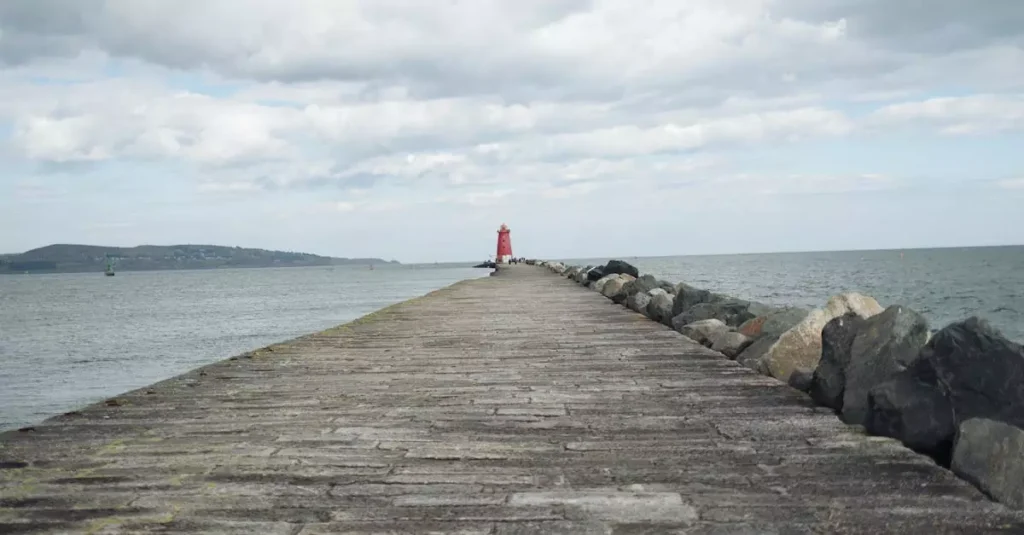
While Dublin’s iconic landmarks and lively pubs attract visitors from around the globe, a different charm awaits those willing to explore its coastline. For a more serene and authentic experience, venturing beyond the city center to discover Dublin’s lesser-known beaches offers a refreshing perspective. These often-overlooked shores provide a tranquil escape, revealing the natural beauty and quiet coastal life that lies just a short journey from the capital.
In this guide, you’ll learn how to access these hidden gems, what activities await at each location, and the best times to visit for optimal enjoyment. We’ll explore beaches that offer everything from rugged dunes and birdwatching opportunities to peaceful stretches perfect for a family picnic. Prepare to uncover a side of Dublin that’s as captivating as its urban heart, but with the soothing sound of waves as your soundtrack.
Why Venture Beyond the Usual Dublin Sights to Its Lesser-Known Beaches?
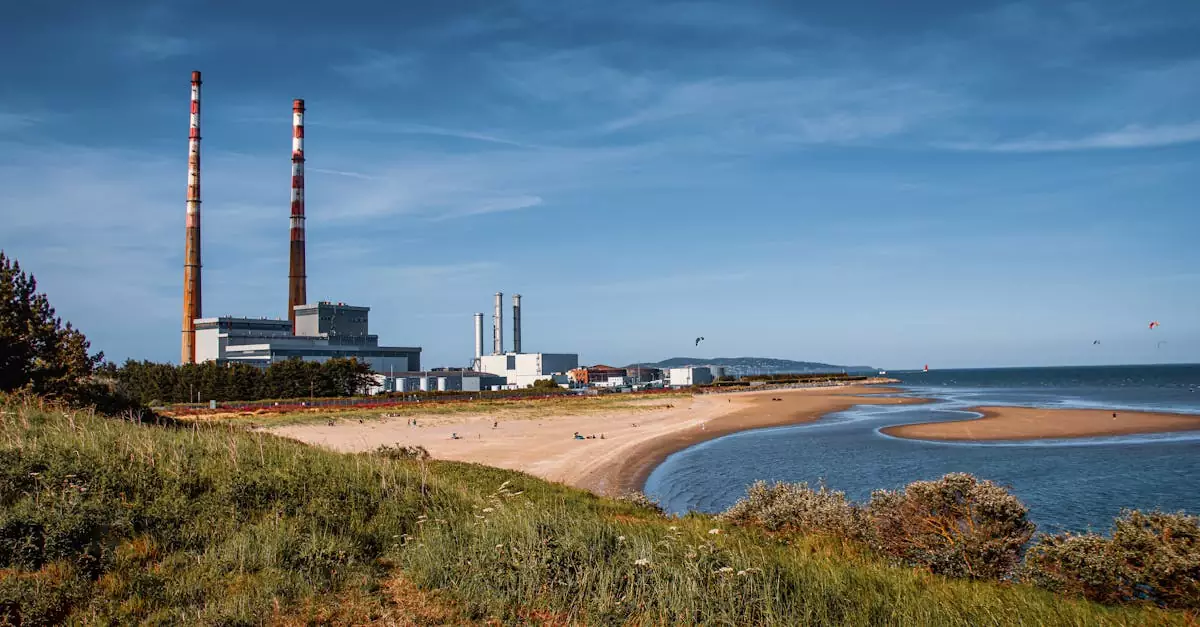
While Dublin’s vibrant city center, historic pubs, and cultural landmarks draw millions, a different kind of magic awaits just a short journey from the capital. For travelers seeking a tranquil experience and a glimpse into authentic Irish coastal life, the lesser-known beaches offer a compelling alternative. These shores provide a refreshing escape from the urban bustle, revealing a quieter, more natural side of the region.
Escape the City Crowds for Serene Coastal Escapes
The allure of Dublin’s popular attractions is undeniable, but they can mean navigating significant crowds, especially during peak season. Venturing to the coast unveils a different pace. Imagine the sound of waves, the salty air, and expansive views without the constant hum of city life. These coastal stretches offer a chance to reconnect with nature, enjoy peaceful walks, and find moments of quiet reflection. Many are easily accessible by public transport, making them a convenient day trip option for those wanting a serene side of County Dublin.
Experience Authentic Irish Coastal Life Near Dublin
Beyond the tourist trails, Dublin’s coastal villages and towns retain a strong sense of local identity. Visiting these lesser-explored beaches often means encountering families enjoying a day out, dog walkers, and perhaps a small fishing boat returning to harbor. It’s an opportunity to observe daily life unfold at a more relaxed tempo. You might discover a charming café serving fresh seafood or a traditional pub where you can soak in the atmosphere. These places allow you to truly feel the pulse of coastal Ireland, away from more commercialized tourist hubs.
Discover Unique Flora and Fauna on Dublin’s Underrated Shores
The ecological diversity along Dublin’s coastline is often overlooked. These lesser-known beaches and their surrounding habitats can be surprisingly rich in wildlife. Birdwatchers might spot various seabirds nesting or migrating, depending on the season. The unique coastal vegetation, adapted to salt spray and wind, adds to the natural beauty. Some areas feature rock pools teeming with marine life during low tide, offering a natural aquarium experience for curious visitors. Exploring these areas provides a chance to appreciate the vibrant environment thriving just beyond the city limits.
Exploring the Charm of Killiney Beach and Its Surroundings
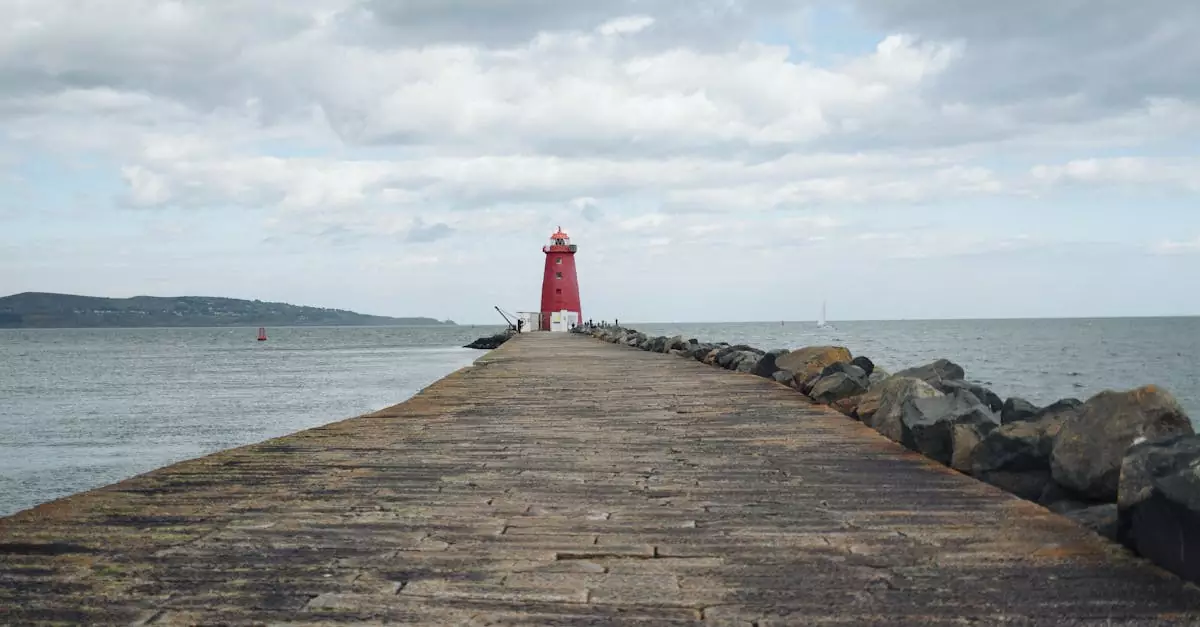
Killiney Beach, located south of Dublin city, offers a refreshing escape with its picturesque bay and clear waters. While not as widely known as some of its counterparts, this stretch of coastline provides a serene alternative for those seeking a quieter seaside experience. Its popularity among locals for swimming on warmer days highlights its appeal as a genuine community spot, away from the main tourist trails.
Getting to Killiney Beach: Public Transport and Parking Options
Reaching Killiney Beach is straightforward, with several convenient options for travelers. The DART (Dublin Area Rapid Transit) train line is an excellent choice, stopping directly at Killiney station, just a short walk from the beach. This makes it easily accessible for day-trippers coming from Dublin city center.
For those driving, parking is available but can become limited during peak times, especially on sunny weekends. Several car parks near the beach and street parking can be found in the surrounding residential areas. Be mindful of local parking restrictions.
| Transportation Method | Travel Time (from Dublin City Centre) | Cost Estimate (Round Trip) | Notes |
|---|---|---|---|
| DART Train | 30-40 minutes | €5 – €8 | Frequent service, scenic coastal views |
| Car | 25-35 minutes | Varies (fuel, parking) | Parking can be challenging during busy periods |
| Bus (e.g., 111) | 45-60 minutes | €5 – €7 | Less direct, requires more walking |
Activities at Killiney: Swimming, Kayaking, and Scenic Walks
Killiney Beach is more than just a place to relax; it offers a variety of activities for visitors. The relatively sheltered bay makes it a popular spot for swimming, particularly during the summer months when the water is most inviting. Lifeguards are often present during peak season, adding an extra layer of safety.
For the adventurous, kayaking and paddleboarding provide excellent ways to experience the coastline from the water. Local rental services may be available nearby, or you can bring your own equipment. The views from the water, looking back towards the shore and surrounding hills, are particularly rewarding.
Walking enthusiasts will find plenty to enjoy. A scenic coastal path runs along the beach, offering gentle strolls with beautiful sea vistas. These walks are perfect for a leisurely afternoon or a refreshing morning constitutional.
Nearby Attractions: Dalkey Village and Killiney Hill Park
The charm of Killiney Beach extends to its immediate surroundings. Just a short distance away lies the picturesque village of Dalkey, a historic and vibrant hub. Dalkey offers a delightful array of artisan shops, traditional pubs serving hearty Irish fare, and excellent restaurants. Exploring its narrow streets and soaking in the local atmosphere is highly recommended.
Complementing the coastal beauty is Killiney Hill Park, which sits just behind the beach. A climb to the top rewards visitors with breathtaking panoramic views stretching across Dublin Bay, the Wicklow Mountains, and out to the Irish Sea. The park features woodland walks, open spaces, and a distinctive Victorian folly known as Prince Albert’s Pillar, adding a touch of historical intrigue to the natural landscape.
The Rugged Beauty of Burrow Beach, Sutton
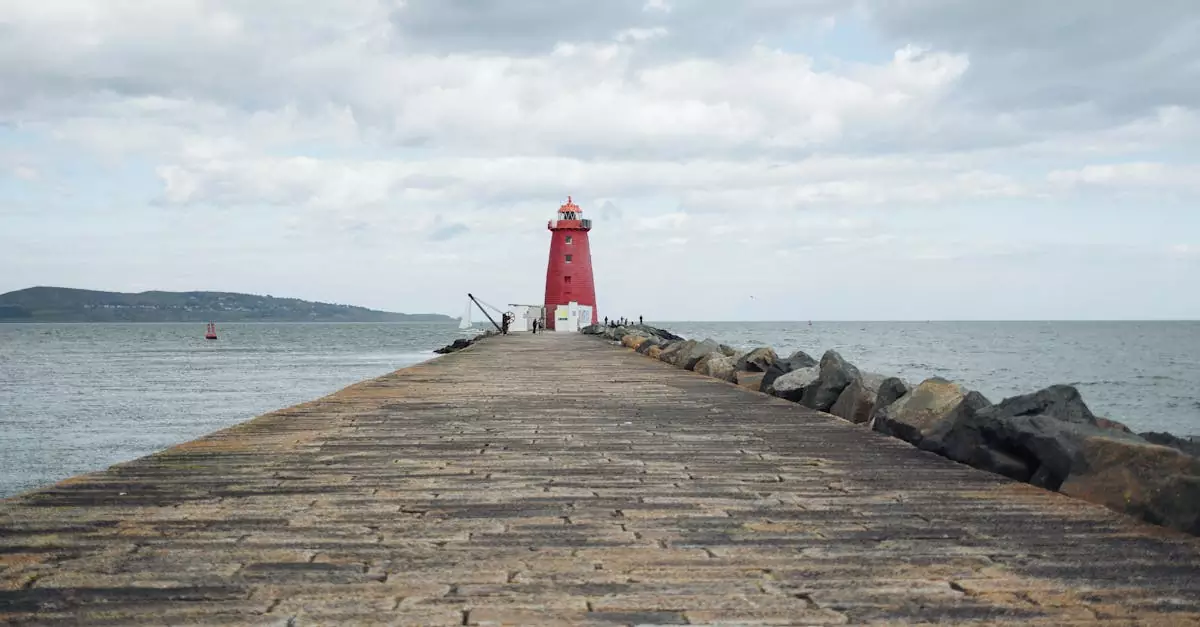
While many visitors flock to the well-trodden paths of Dublin city, the coastline just north of the capital offers a refreshing escape. For those seeking lesser-known beaches, Burrow Beach in Sutton stands out. This expansive stretch of sand and dunes provides a wilder, more natural seaside experience compared to its more developed counterparts. It’s a place where the Irish Sea feels truly untamed, offering a peaceful retreat for walkers and nature enthusiasts alike.
How to Reach Burrow Beach from Central Dublin
Getting to Burrow Beach from Dublin city center is straightforward, making it an accessible day trip. The most convenient method involves taking the DART (Dublin Area Rapid Transit) train. Board a northbound DART service towards Howth or Malahide and alight at Sutton station. From there, Burrow Beach is a pleasant 15-20 minute walk. Follow the signs toward the coast, and you’ll soon find yourself on the sandy shores.
Alternatively, driving is an option, though parking can be limited during peak times. Several bus routes also serve the Sutton area, connecting it to various parts of Dublin. For those arriving from further afield, the DART system makes it easy to incorporate a visit to this coastal gem into a broader Dublin itinerary.
| Transportation Method | Estimated Travel Time | Cost (Approx.) | Notes |
|---|---|---|---|
| DART Train | 30-40 minutes | €3-€5 (return) | Frequent service, scenic route |
| Car | 25-35 minutes | Fuel costs | Parking can be challenging |
| Bus | 45-60 minutes | €2-€4 (return) | Multiple routes available |
What to Do at Burrow Beach: Birdwatching and Coastal Strolls
Burrow Beach is renowned for its natural beauty, making it a haven for outdoor enthusiasts. The long sandy beach is perfect for leisurely strolls, with the vast expanse of the Irish Sea stretching out before you. The dunes behind the beach are a protected habitat, offering a fascinating landscape to explore.
This area is significant for birdwatching, particularly during migratory seasons. Keep an eye out for various seabirds and waders frequenting the shoreline and the nearby mudflats of Dublin Bay. The tranquility of Burrow Beach, away from the city bustle, allows for an immersive nature experience. It’s a place to breathe in the fresh sea air and appreciate the simple pleasures of a coastal walk.
Exploring the Howth Peninsula from Sutton
Sutton, the gateway to Burrow Beach, is also perfectly positioned for further exploration of the stunning Howth Peninsula. A short walk or quick DART ride north brings you to the charming fishing village of Howth. Howth offers a captivating coastal experience with its bustling harbor, fresh seafood restaurants, and dramatic cliff walks.
From the pier in Howth, you can take a boat trip to Ireland’s Eye, a small island nature reserve just off the coast. The cliff walk itself provides breathtaking panoramic views of Dublin Bay and the Wicklow Mountains in the distance. Combining a visit to Burrow Beach with the attractions of Howth offers a comprehensive taste of Dublin’s diverse coastal offerings. For those interested in understanding Europe’s geography, Howth’s position offers insight into the continent’s maritime heritage. You can learn more about Europe and its diverse landscapes.
A Local’s Favorite: The Quiet Allure of Balcarrick Beach

While many visitors flock to the more established coastal towns near Dublin, locals know that some of the most rewarding seaside experiences can be found a little further afield. Balcarrick Beach, often referred to as “Balcy” by those in the know, offers a refreshing escape from the city bustle without requiring an extensive journey. It’s a stretch of sand that retains genuine, unpretentious charm, making it a prime example of Dublin’s lesser-known coastal treasures.
Traveling to Balcarrick Beach: Bus Routes and Driving Directions
Reaching Balcarrick Beach is straightforward, whether you prefer public transport or driving your own vehicle. For those relying on buses, the Dublin Bus 33 route from Dublin City Centre (O’Connell Street) is your best option. You’ll need to alight at the stop closest to Balbriggan town and then enjoy a pleasant walk of about 20-30 minutes to the beach itself. Alternatively, if you’re driving, Balcarrick is easily accessible via the M1 motorway. Take exit 7 for Balbriggan and follow the local signs. There is a dedicated car park at the beach, which can fill up during peak summer weekends, so arriving early is advisable.
Why Balcarrick Appeals to Locals: Peaceful Atmosphere
What truly sets Balcarrick apart is its tranquil atmosphere. Unlike more developed beaches, Balcarrick feels wilder and more open. It’s a place where you’re more likely to encounter dog walkers, local families, and serious sea swimmers than large tourist groups. The wide expanse of sand and the gentle slope into the Irish Sea create a sense of spaciousness, even on busier days. This peaceful environment is a significant draw for Dubliners seeking a quiet moment by the water, a chance to recharge away from the urban environment.
Family-Friendly Features and Picnic Spots at Balcarrick
Despite its wilder feel, Balcarrick Beach offers several amenities that make it suitable for families. The sandy shores are ideal for building sandcastles, and the relatively shallow waters near the shore are generally safe for paddling, though always supervise children closely. There are picnic tables and benches near the car park, providing convenient spots for a seaside lunch. You’ll also find public toilets and a small kiosk that typically opens during the warmer months, offering basic refreshments. The beach’s spaciousness means families can easily find their own patch of sand to enjoy without feeling crowded.
When is the Best Time to Visit Dublin’s Lesser-Known Beaches?
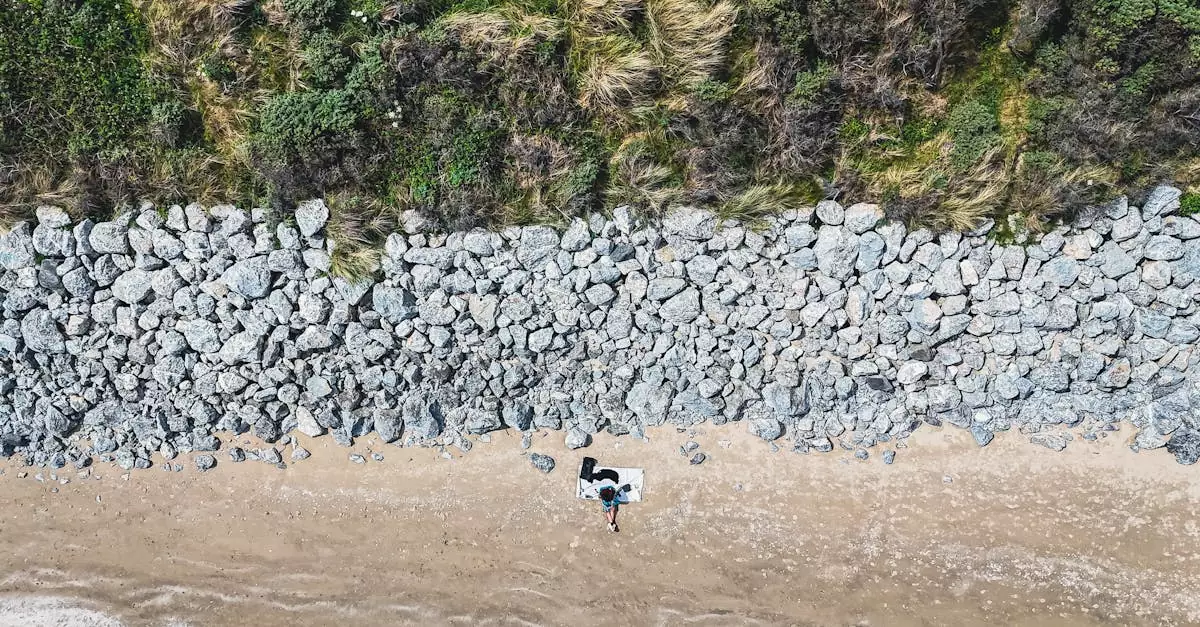
Choosing the right time to visit Dublin’s coastal stretches can significantly enhance your experience, from enjoying pleasant weather to avoiding crowds. While the allure of the sea is year-round, certain periods offer distinct advantages for those seeking out these quieter spots.
Optimal Months for Beach Activities and Pleasant Weather
The prime time for enjoying Dublin’s lesser-known beaches for swimming, picnicking, or long walks is generally from late May through September. During these months, you can expect the most favorable weather conditions. Daylight hours are longer, and temperatures typically rise into the comfortable range of 15-20°C (59-68°F). Evenings can still be cool, so packing layers is advisable when visiting the coast.
Experiencing Dublin’s Coastline in Different Seasons
Each season offers a unique perspective on Dublin’s coastline.
- Spring (March-May): Witness the landscape awaken with wildflowers and enjoy bracing walks with fewer visitors. The sea is often still quite cold, making it more suitable for active pursuits than swimming.
- Summer (June-August): This is peak season for beachgoers, offering the warmest weather and longest days. Expect more people, especially on weekends, at more accessible locations.
- Autumn (September-November): Autumn brings dramatic skies and a sense of tranquility. The sea air can be invigorating, and the changing colors of the landscape add a beautiful backdrop. It’s an excellent time for photography and quiet contemplation.
- Winter (December-February): While not ideal for traditional beach activities, winter offers dramatic coastal scenery with powerful waves and crisp, clean air. It’s perfect for those who enjoy solitude and the raw beauty of the Irish coast.
Avoiding Crowds: Off-Peak Visiting Times
To truly experience the serenity of Dublin’s lesser-known beaches, consider visiting during the shoulder seasons or on weekdays. Late April to early June and September to October provide a sweet spot with generally good weather but significantly fewer people than peak summer months.
Visiting on a weekday, particularly outside school holidays, will almost guarantee a more secluded experience. For instance, a Tuesday or Wednesday morning in July will feel worlds away from a Saturday afternoon at the same location. This allows for a more intimate connection with the natural beauty and a chance to truly unwind without the hustle and bustle.
Frequently Asked Questions About Dublin’s Coastal Escapes
Are Dublin’s lesser-known beaches safe for swimming?
While many of Dublin’s coastal spots offer refreshing dips, safety is paramount. Always check local signage for water quality reports and any specific swimming advisories. Lifeguard presence varies significantly; beaches like Skerries and Balbriggan often have seasonal patrols, but more secluded spots may not. It’s advisable to swim during daylight hours and be aware of tides and currents. For a general overview of European water safety, consult European Union guidelines.
What amenities can I expect at these beaches?
Amenities differ greatly among Dublin’s lesser-known beaches. Larger villages like Malahide or Skerries typically offer public restrooms, parking facilities, and sometimes cafes or ice cream stands. Smaller coves might have very few facilities, so it’s wise to come prepared. Pack your own refreshments and be ready for a more natural experience. Some locations may have picnic areas, but rarely extensive playgrounds or watersports rentals.
Can I bring my dog to these Dublin beaches?
Dogs are generally welcome on Dublin’s beaches, but leash laws and seasonal restrictions often apply. Many local councils have bylaws in place, particularly during peak summer months (typically May to September), to manage dog access. It’s best to check the specific regulations for the beach you plan to visit. Always be a responsible pet owner by cleaning up after your dog.
What should I pack for a day trip to a Dublin beach?
Packing for a Dublin beach trip requires considering the unpredictable Irish weather. Essential items include:
- Sunscreen and hat: Even on cloudy days, the sun’s rays can be strong.
- Waterproof jacket: Essential for sudden showers.
- Warm layers: A fleece or sweater is often necessary, even in summer.
- Towel and change of clothes: For drying off after a swim or just for comfort.
- Snacks and water: Especially for beaches with limited facilities.
- Beach blanket or chairs: For comfortable seating.
- Sturdy footwear: Useful for walking along pebble shores or coastal paths.
Consider bringing a small bag for collecting shells or interesting stones, but remember to leave the natural environment as you found it.